

Do You Need Hiking Boots for Gorilla Habituation? Complete Bwindi Footwear Guide
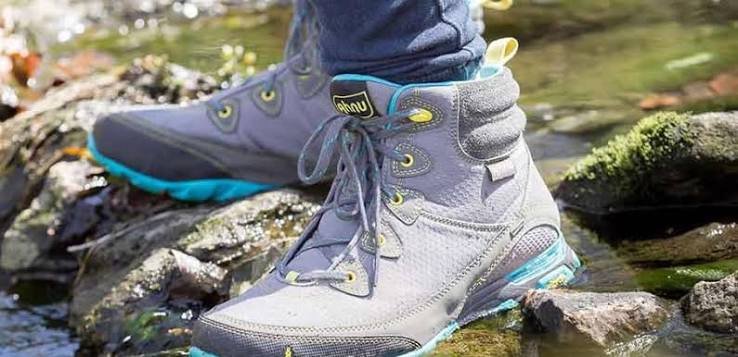
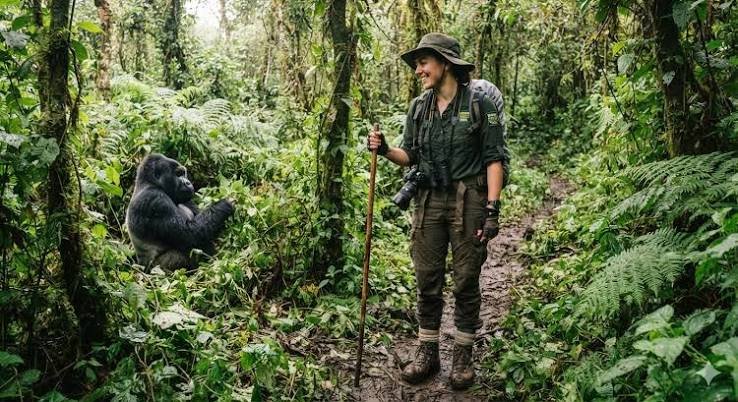
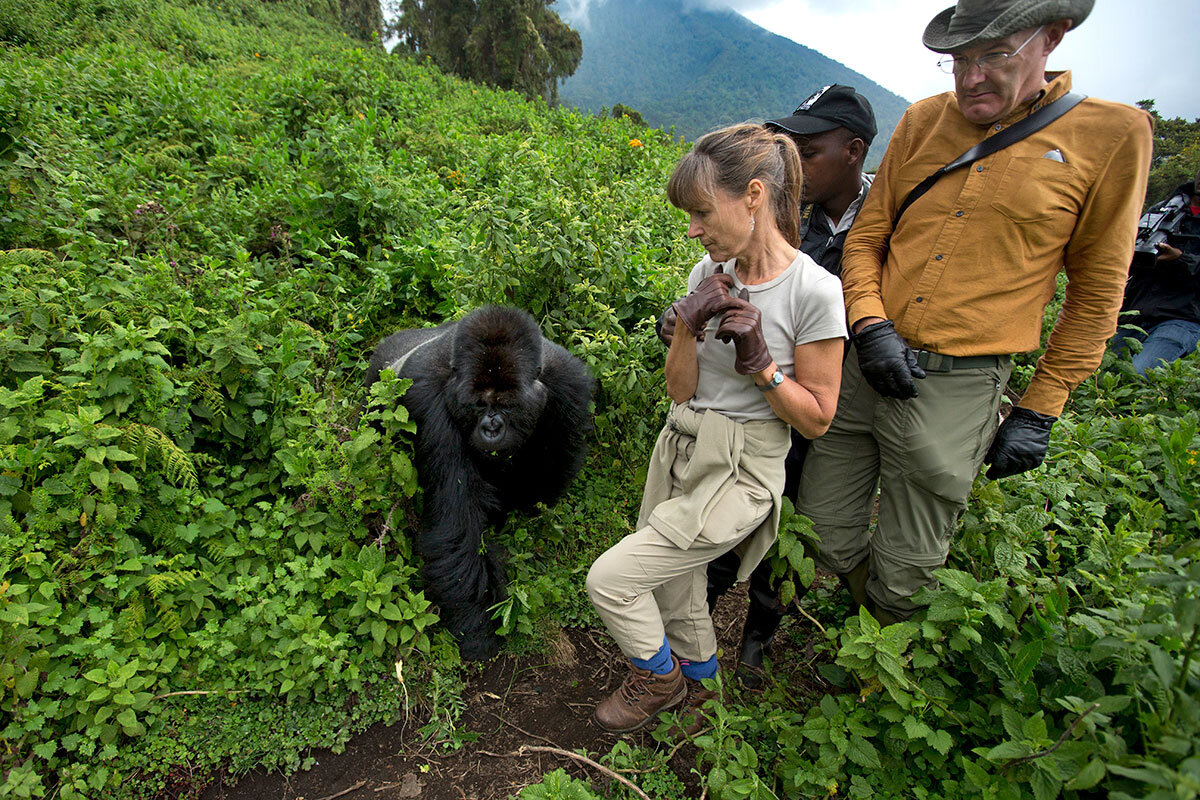
Yes, hiking boots are strongly recommended for gorilla habituation in Uganda because the experience involves walking through mountainous rainforest terrain, steep hillsides, muddy pathways, slippery tree roots, and dense vegetation. Unlike ordinary wildlife safaris where visitors observe animals from vehicles, gorilla habituation requires you to enter Bwindi Impenetrable National Park on foot, accompanied by professional rangers, trackers, and conservation personnel. The conditions can be physically demanding, particularly when the participating gorilla family is located deep within the forest. Appropriate footwear is therefore one of the most important preparations you can make before travelling.
Choosing Hiking Boots for Gorilla Habituation is not simply about purchasing an attractive pair of outdoor shoes. Your footwear should provide dependable traction, sufficient stability, protection against wet conditions, and enough comfort for extended periods of walking. Gorilla habituation allows up to four hours of observation after reaching a family undergoing habituation, and this period does not include the time required to locate the gorillas or return from the forest. Consequently, visitors should prepare for a potentially long trekking day rather than assuming they will complete a short, comfortable walk. Our comprehensive gorilla habituation experience guide explains how the activity works and why preparation is essential.
The good news is that you do not need expensive mountaineering equipment or specialist climbing boots to enjoy gorilla habituation. A comfortable, well-fitting pair of suitable hiking boots is generally sufficient when combined with appropriate clothing and realistic physical preparation. This detailed guide explains the types of boots recommended, whether ordinary trainers are suitable, how to choose waterproof footwear, what to wear during the rainy season, and how to protect your feet throughout a memorable Bwindi gorilla habituation safari.
Are Hiking Boots Really Necessary for Gorilla Habituation?
Although individual park instructions should always be confirmed before travelling, sturdy hiking boots are the safest general recommendation for gorilla habituation. The activity takes place in a natural rainforest environment where the terrain changes constantly. You may walk through relatively open forest paths before encountering steep slopes, muddy sections, exposed roots, and areas where vegetation is thick enough to require careful movement. Ordinary footwear designed for city streets may not provide the grip, protection, or stability needed for these conditions.
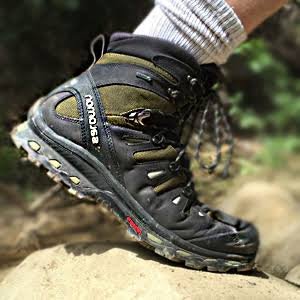
Hiking Boots for Gorilla Habituation become particularly valuable during downhill walking, when the feet can slide forward inside poorly fitting shoes and slippery ground increases the possibility of losing balance. Supportive footwear also helps protect the toes and soles when stepping over roots, stones, and fallen branches. While experienced hikers sometimes use alternative technical footwear in suitable conditions, visitors unfamiliar with Bwindi should generally choose properly fitted boots with a reliable outsole. Understanding the physical difficulty of gorilla habituation will help you appreciate why footwear deserves serious consideration before booking.
Understanding the Terrain of Bwindi Impenetrable National Park
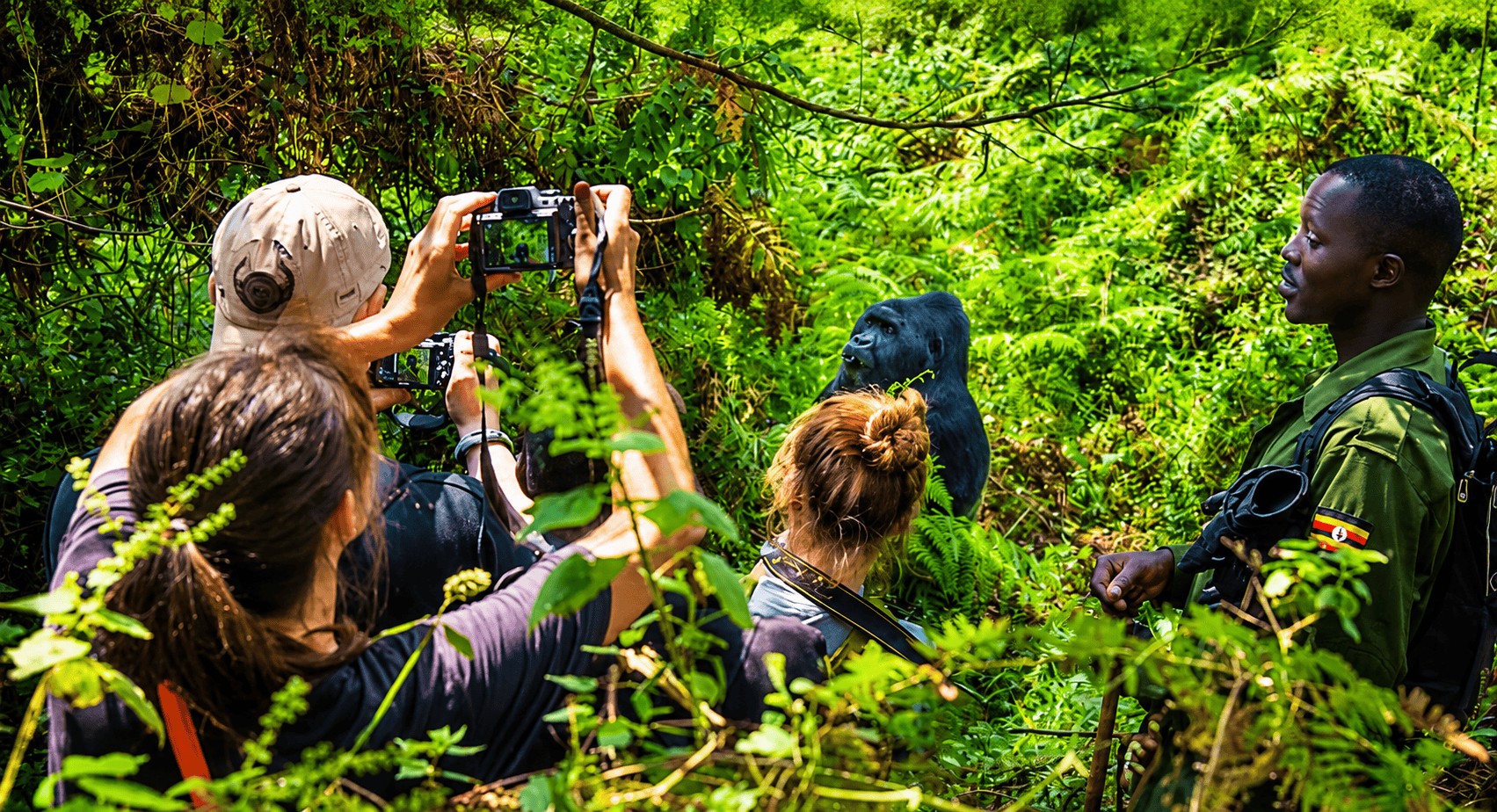
Bwindi Impenetrable National Park is characterised by densely forested mountains, deep valleys, steep hillsides, and a humid tropical environment. Its natural beauty is one of the reasons gorilla habituation is such a remarkable experience, but the same geographical features can create demanding trekking conditions. The forest floor may contain thick leaf litter, loose soil, slippery vegetation, roots, and uneven surfaces. Rainfall can make these features more difficult to navigate, particularly on steep sections where every step requires concentration.
Choosing Hiking Boots for Gorilla Habituation should begin with understanding that Bwindi is not a typical recreational walking destination. The gorillas move freely through their habitat, meaning the trekking route is determined by their location rather than a fixed tourist pathway. You may follow existing trails for part of the journey and encounter less clearly defined sections as trackers approach the family. Visitors can learn more about the landscape through our Bwindi National Park guide and the gorilla habituation location map before preparing their equipment.
Why Gorilla Habituation Requires More Footwear Preparation Than Ordinary Sightseeing
Gorilla habituation differs from conventional sightseeing because visitors may spend much of the day in the rainforest. The activity begins with an early briefing before participants enter the forest with authorised personnel. Tracking time varies depending on where the gorillas are located, and once the participating family is found, the observation allowance extends to a maximum of four hours. Visitors must then complete the return journey, which can involve further climbing or descending through difficult terrain.
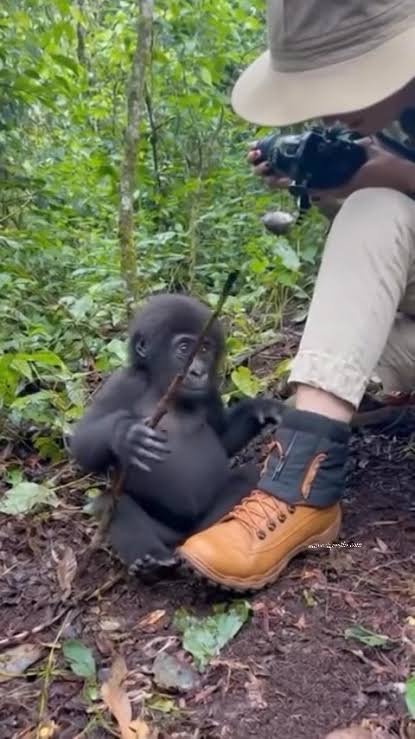
Hiking Boots for Gorilla Habituation must therefore remain comfortable for substantially longer than footwear used during a short nature walk. A pair of shoes that feels acceptable during a twenty-minute stroll may become uncomfortable after hours of climbing, stopping, and walking downhill. Proper cushioning, secure fastening, adequate toe space, and suitable socks all contribute to long-term comfort. Travellers interested in understanding the full duration of this activity should consult our gorilla habituation trek duration guide before deciding what to pack.
What Type of Hiking Boots Is Best for Gorilla Habituation?
The most suitable footwear is generally a pair of lightweight or medium-weight hiking boots with dependable traction, secure heel support, a protective toe area, and water-resistant or waterproof construction. Mid-cut hiking boots are popular because they offer a useful balance between flexibility, protection, and support around the ankle. Heavy mountaineering boots are usually unnecessary, particularly when they are designed for snow, ice, or technical climbing rather than humid rainforest conditions.
When selecting Hiking Boots for Gorilla Habituation, comfort should take priority over appearance or expensive branding. The boots should fit securely without squeezing the toes, allow natural walking movements, and maintain grip on wet or uneven ground. Materials that resist water while allowing some moisture to escape can improve comfort, although waterproof membranes may feel warmer than highly breathable alternatives. Your footwear should be appropriate for the conditions expected during your visit to the Rushaga gorilla habituation sector, where mountainous forest terrain makes reliable shoes particularly important.
9 Amazing Expert Tips for Choosing Hiking Boots for Gorilla Habituation
1. Choose Waterproof Hiking Boots for Wet Forest Conditions
Waterproofing is one of the most useful features to consider when purchasing footwear for gorilla habituation. Bwindi is a tropical rainforest where rainfall can occur throughout the year, even during relatively dry months. Wet vegetation, morning moisture, muddy trails, and occasional rainfall can expose footwear to considerable amounts of water. Boots with appropriate waterproof construction help reduce the amount of external moisture reaching your feet, making the trek more comfortable.
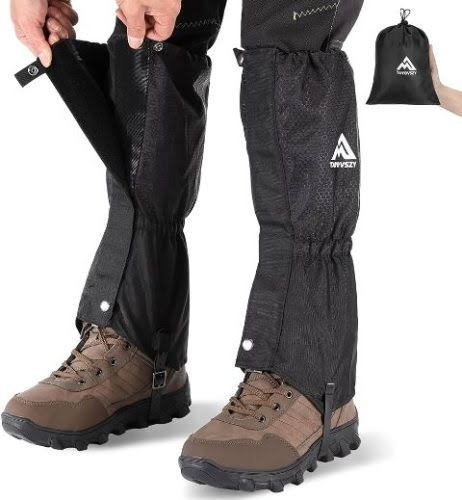
Waterproof Hiking Boots for Gorilla Habituation are particularly helpful during Uganda’s wetter periods, when forest pathways may remain saturated for prolonged periods. However, waterproof footwear is not completely immune to moisture. Water can still enter over the top of the boot, while perspiration can accumulate during strenuous walking. Wearing suitable moisture-wicking socks and ensuring the boots fit correctly is therefore just as important as selecting waterproof materials. Visitors planning travel during wet months should also prepare suitable rain jackets, protective trousers, and waterproof storage for personal belongings.
2. Prioritise Deep Tread and Reliable Grip
Traction is essential when walking over muddy soil, slippery roots, damp leaves, and steep rainforest slopes. Hiking boots with a well-designed rubber outsole and pronounced tread patterns can provide better grip than ordinary fashion shoes or trainers with smooth soles. The exact level of traction depends on the boot design and the surface encountered, but choosing footwear intended for outdoor hiking is generally more sensible than relying on everyday footwear.
Hiking Boots for Gorilla Habituation should provide reliable grip while ascending and descending hillsides, particularly when conditions become wet. Visitors should remember that no footwear can prevent slipping under every circumstance. Even high-quality hiking boots may lose traction on polished roots, unstable mud, or very steep terrain. Moving carefully, maintaining balance, and following ranger instructions remain essential. Understanding the access conditions in Rushaga will help you appreciate the importance of appropriate traction.
3. Select Boots With Comfortable Ankle Support
Ankle support is another important consideration because forest trekking often requires visitors to step across uneven ground. Mid-cut hiking boots can provide additional coverage and help limit unwanted foot movement when properly fitted. However, ankle support depends on the entire construction of the boot and the wearer’s balance and strength, rather than the height of the collar alone. Visitors should choose footwear that feels stable without restricting normal walking movement.
When evaluating Hiking Boots for Gorilla Habituation, pay attention to how securely the heel remains positioned inside the boot during climbs and descents. Excessive movement can increase friction, while overly rigid footwear may cause discomfort during extended activity. A properly fitted hiking boot should balance stability with flexibility and allow you to walk naturally. Visitors who experience recurring ankle problems should seek individual advice before choosing footwear or attempting a demanding trek.
4. Buy the Correct Size and Allow Enough Toe Space
Correct sizing is essential because feet can become slightly swollen after prolonged walking, particularly in warm or humid conditions. Boots that fit too tightly may cause pressure around the toes, while oversized footwear can lead to excessive movement, blisters, and reduced stability. Ideally, you should try hiking boots while wearing the type of socks you intend to use during the safari and test them on an inclined surface where possible.
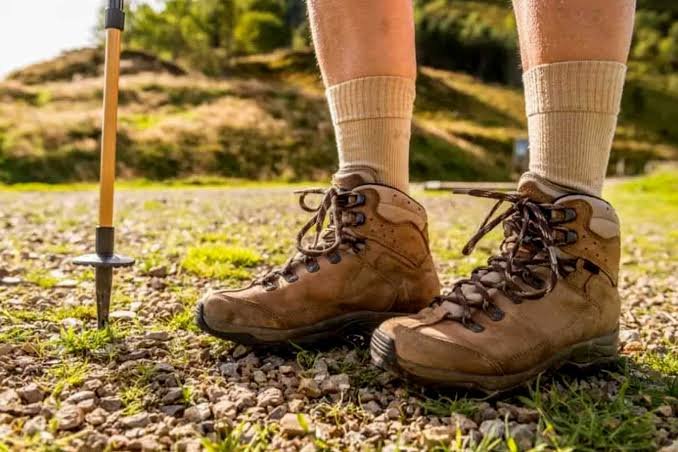
Poorly fitting Hiking Boots for Gorilla Habituation can make the experience unnecessarily uncomfortable, even when the footwear is otherwise high quality. Your toes should have sufficient space when walking downhill, while the heel should remain reasonably secure. Avoid choosing footwear solely according to the size printed on the label because fit varies between manufacturers and models. Comfort during actual walking is a more reliable consideration than brand reputation.
5. Break In Your Hiking Boots Before Travelling
New hiking boots should be tested well before your departure for Uganda. Wearing completely unfamiliar footwear during a demanding forest trek increases the risk of blisters, rubbing, pressure points, and discomfort. Even boots that initially feel comfortable in a shop may behave differently after several hours of walking. Gradual use allows you to identify potential problems and determine whether adjustments to socks, lacing, or fit are necessary.
Preparing Hiking Boots for Gorilla Habituation should include several progressively longer walks on varied terrain. Begin with short outings and gradually introduce hills, uneven surfaces, and the lightweight backpack you intend to carry in Bwindi. Modern footwear may require less breaking in than traditional leather boots, but all footwear benefits from being tested under realistic conditions. This preparation can also improve your confidence before entering the rainforest.
6. Consider Lightweight Boots That Reduce Fatigue
The weight of your footwear can influence comfort during prolonged trekking. Heavy boots may provide substantial protection, but they can also require additional effort to lift repeatedly during long walks. For most gorilla habituation visitors, lightweight or medium-weight hiking boots offer an appropriate combination of durability, support, and comfort. Extremely lightweight footwear, however, should not be selected if it sacrifices essential grip or protection.
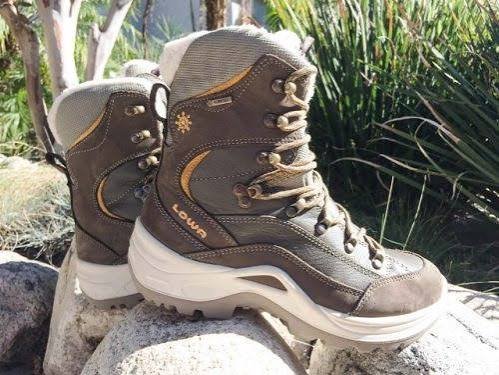
Lightweight Hiking Boots for Gorilla Habituation can be especially useful when the day’s route involves several hours of climbing and descending. Visitors should compare the overall weight of the boots with their stability, waterproofing, and comfort rather than selecting the lightest option available. A well-fitting boot that feels comfortable over an extended distance is usually a better choice than a heavier model purchased simply because it appears rugged.
7. Wear Proper Hiking Socks With Your Boots
Socks are an essential part of a comfortable footwear system, particularly during extended rainforest trekking. Moisture-wicking hiking socks help manage perspiration, while appropriately cushioned areas can reduce pressure at common friction points. Long socks also provide coverage around the lower legs and can be worn with trousers tucked inside to help reduce exposure to vegetation and crawling insects. The ideal sock thickness depends on the fit and construction of your boots.
Hiking Boots for Gorilla Habituation should always be tested with the socks you intend to wear in Bwindi. Very thick socks can make correctly sized boots feel too tight, while thin socks may offer insufficient cushioning in some footwear. Carrying a spare dry pair in a waterproof bag can be helpful if your feet become wet during the activity. Our Bwindi gorilla habituation preparation guide provides further information about practical clothing and equipment considerations.
8. Choose Durable Materials Suitable for Dense Vegetation
Gorilla habituation may take you through dense vegetation where footwear encounters roots, branches, damp soil, and rough natural surfaces. Boots made from durable leather, synthetic materials, or suitable combinations of both can provide protection against repeated contact with these conditions. Reinforced toe areas and properly constructed seams may improve longevity, particularly when visitors anticipate multiple trekking activities during their Uganda safari.
Durability matters when choosing Hiking Boots for Gorilla Habituation because damaged footwear can create discomfort at an inconvenient stage of the adventure. Before travelling, inspect the outsoles, stitching, laces, and general condition of your boots. Footwear that has been stored unused for many years may deteriorate, even when the exterior appears acceptable. A reliable, familiar pair is generally preferable to an old pair with weakened soles or a new pair that has never been tested.
9. Test Your Boots on Hills and Uneven Ground
The most useful way to evaluate hiking boots is to wear them in conditions resembling the intended activity. Walking along paved streets may demonstrate general comfort, but it does not fully reveal how footwear performs on slopes, wet grass, uneven soil, or rocky ground. Before departure, practise walking uphill and downhill and pay attention to whether the boots cause heel movement, toe pressure, or discomfort around the ankles.
Testing Hiking Boots for Gorilla Habituation in advance can help identify problems while there is still time to correct them. Visitors should also practise walking while carrying a lightweight daypack and wearing the trousers they expect to use during the trek. This preparation provides an opportunity to assess the complete clothing system rather than evaluating the boots in isolation. Gradually developing walking endurance can make the experience more comfortable and help visitors focus on observing the gorillas.
Can You Wear Ordinary Trainers for Gorilla Habituation?
Ordinary trainers or everyday sneakers are generally not recommended for gorilla habituation because many are designed primarily for urban walking, gym activities, or relatively even surfaces. Their outsoles may lack sufficient traction for muddy forest slopes, and lightweight fabric uppers can allow water and mud to enter easily. Some trainers also provide limited protection against roots, stones, and vegetation, making them less suitable for a demanding rainforest environment.
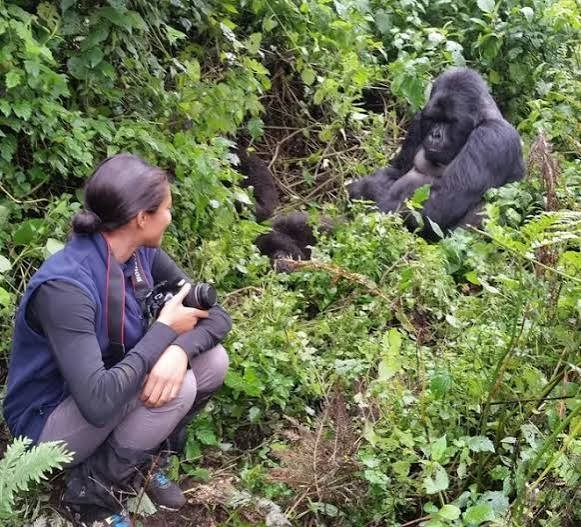
Hiking Boots for Gorilla Habituation offer a more dependable general option because they are designed with outdoor conditions in mind. Nevertheless, not all trainers are identical, and some technical outdoor shoes may perform considerably better than ordinary fashion footwear. If you intend to use an alternative, discuss its suitability with your safari organiser before travelling. The safest approach for most first-time visitors is to choose properly fitted trekking footwear rather than discover its limitations after entering the forest.
Can You Use Trail Running Shoes Instead of Hiking Boots?
Technical trail running shoes can provide good traction and flexibility, particularly on established paths and relatively dry ground. Experienced hikers sometimes prefer them because they are lightweight and comfortable. However, trail shoes generally provide less coverage around the ankle and may offer reduced protection against deep mud, saturated vegetation, or rough forest surfaces compared with well-constructed hiking boots.
For most visitors, Hiking Boots for Gorilla Habituation remain the stronger all-round recommendation because the actual trekking conditions cannot be predicted accurately. A route that begins along a manageable trail may later involve slippery slopes or dense vegetation. Visitors who are experienced in challenging terrain and wish to use technical trail shoes should confirm their suitability before the trek rather than assume that lightweight footwear will be appropriate under every condition.
Do You Need Hiking Boots During the Dry Season?
The relatively dry months of June, July, August, December, January, and February are often favourable for mountain gorilla activities because rainfall may be reduced and some forest pathways become firmer. However, Bwindi remains a tropical rainforest, meaning wet ground and occasional showers are still possible. Mountainous terrain, roots, stones, and steep slopes do not disappear simply because the weather is relatively dry.
Hiking Boots for Gorilla Habituation are therefore recommended throughout the year rather than only during the rainy season. Good traction, comfortable fit, and protective construction remain important even when mud is less extensive. Travellers planning a three-day gorilla habituation safari during the dry season should still carry rain protection and avoid assuming that ordinary trainers will necessarily be suitable.
Why Are Hiking Boots Important During the Rainy Season?
The wetter periods of March to May and October to November can create especially challenging walking conditions in Bwindi. Prolonged rainfall may soften forest soil, increase mud, and make exposed roots slippery. Visitors may also encounter wet vegetation that brushes against their lower legs throughout the trek. Because mountain gorillas move freely, the day’s route cannot always be adjusted to avoid the most demanding areas.
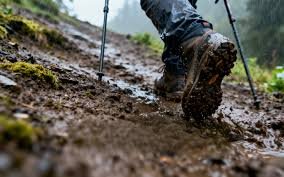
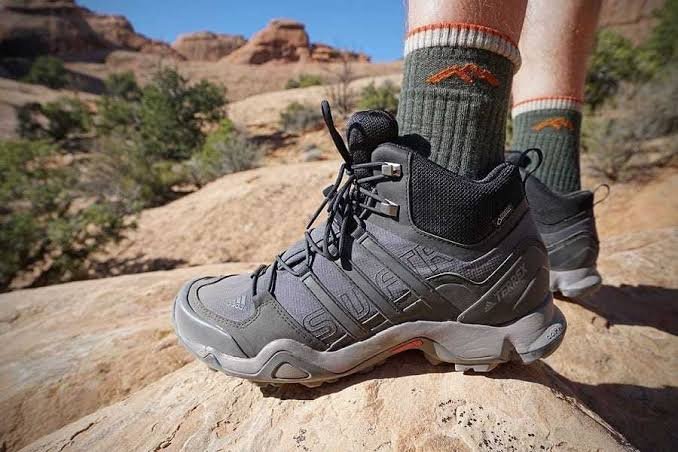
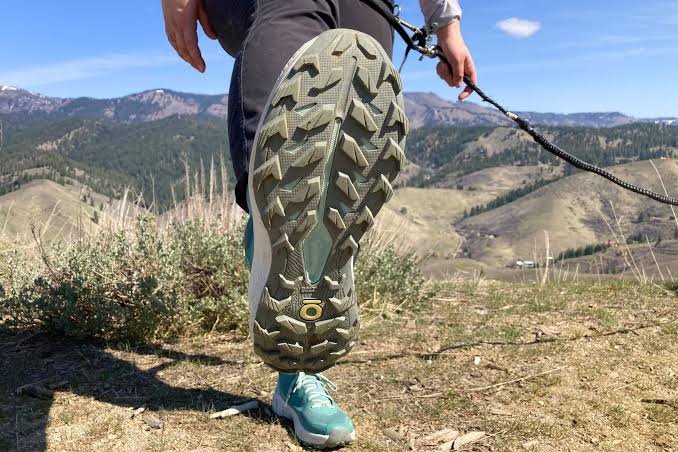
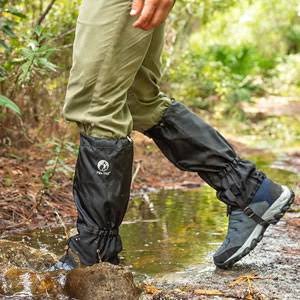
Waterproof Hiking Boots for Gorilla Habituation become particularly valuable during these conditions, helping reduce water entry from puddles, shallow mud, and wet vegetation. Their outsoles should also provide dependable grip, although visitors must continue walking carefully because even specialised footwear can slip. Gaiters may provide additional protection against mud and debris, especially when worn with suitable long trousers. Visitors should keep their equipment dry when possible and follow professional guidance throughout the experience.
Should You Wear Gaiters With Your Hiking Boots?
Gaiters are protective covers worn over the lower legs and upper sections of footwear. They can help limit the entry of mud, water, small stones, and vegetation into hiking boots. Short gaiters provide basic protection around the ankle, while longer models offer additional coverage during particularly wet or muddy conditions. They are not always essential, but they can be useful for visitors expecting extended rainforest trekking.
When wearing Hiking Boots for Gorilla Habituation, gaiters should fit securely without restricting circulation or normal movement. Visitors who prefer not to use gaiters can still improve lower-leg protection by wearing long trousers and appropriately fitted hiking socks. The most important consideration is keeping your feet comfortable and reducing unnecessary exposure to the forest environment. Lightweight, practical equipment is generally more useful than carrying numerous accessories that provide little additional benefit.
Can You Rent or Buy Hiking Boots in Uganda?
Visitors who do not own suitable hiking boots should consider purchasing or arranging footwear before arriving at Bwindi. Outdoor equipment can be found through selected retailers in larger cities, but specific sizes, designs, and quality standards may not always be available at short notice. Although some tourism providers may help visitors obtain or hire suitable equipment, this should never be assumed without advance confirmation.
Arranging Hiking Boots for Gorilla Habituation before your international journey is usually the more reliable option because you can test their comfort and identify any fit problems. If you intend to obtain boots after arriving in Uganda, communicate your requirements to your safari organiser and confirm availability, sizing, and collection arrangements. Travellers planning to enter through Rwanda can review our three-day luxury gorilla habituation safari from Kigali when organising their wider travel arrangements.
What Other Clothing Should You Wear With Hiking Boots?
Hiking boots should form part of a complete trekking outfit rather than being treated as the only important item. Long trousers, long-sleeved shirts, lightweight rain jackets, protective gloves, and comfortable socks are commonly recommended for Bwindi. These items help protect visitors against branches, vegetation, changing temperatures, and wet conditions. Breathable fabrics are particularly useful because trekking can become warm and physically demanding despite the relatively cool conditions sometimes experienced in the forest.
When choosing Hiking Boots for Gorilla Habituation, consider how they will work with your other clothing. Trousers should allow free movement while climbing, socks should fit comfortably inside the boots, and waterproof layers should be easy to adjust as conditions change. Visitors should also carry drinking water, packed food, personal medication, and weather protection in a manageable daypack. Further details about the activity and its requirements are available through our gorilla habituation trekking tours.
How Hiking Boots Help When Climbing and Descending Steep Hills
Uphill and downhill walking place different demands on your feet and footwear. During ascents, boots should provide traction while allowing the ankle to move sufficiently for a natural stride. During descents, the heel should remain secure while the toes have enough room to avoid repeated pressure against the front of the boot. Poorly fitting footwear may create discomfort during long downhill sections even when the uphill walk feels manageable.
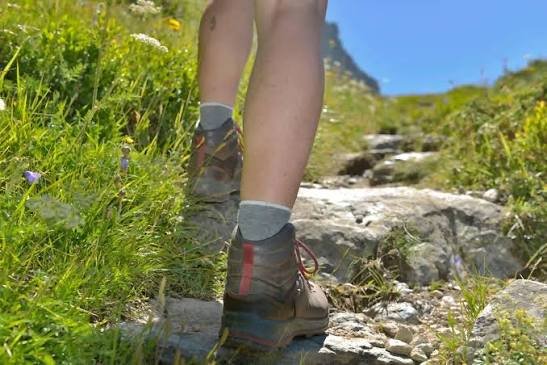
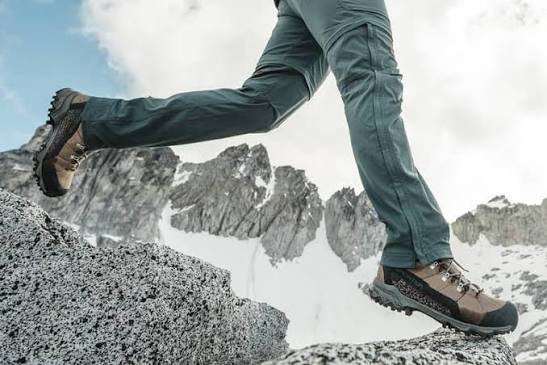
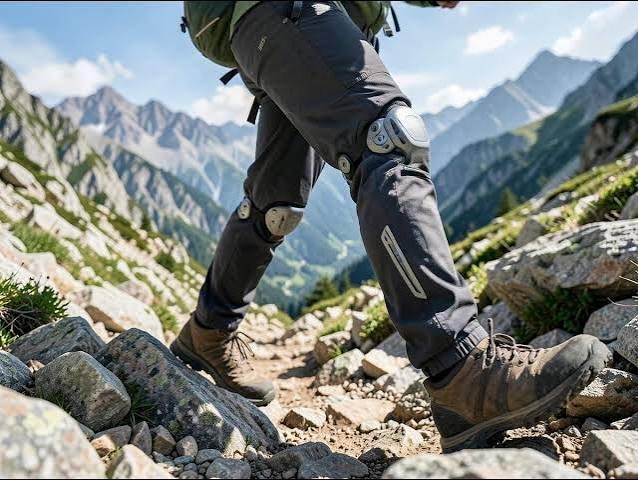
Hiking Boots for Gorilla Habituation can improve confidence on steep terrain when they are properly fitted and suited to the conditions. However, footwear does not replace physical preparation or safe walking techniques. Visitors should avoid rushing downhill, carefully test uncertain footholds, and use a walking stick when advised by their guide. Those concerned about the physical demands can explore our Uganda gorilla habituation experience guide for a broader understanding of what a forest trekking day involves.
Do Hiking Boots Make Gorilla Habituation Easier for Older Travellers?
Older travellers who are physically capable of completing a demanding forest walk may benefit considerably from supportive and comfortable hiking footwear. Properly fitted boots can provide useful traction and protection while navigating uneven terrain. However, age alone does not determine whether someone can participate successfully. Individual mobility, balance, leg strength, endurance, and general health are more important considerations than a particular age.
Choosing Hiking Boots for Gorilla Habituation should therefore reflect each visitor’s physical needs rather than assumptions about age. Some travellers may prefer lighter footwear, while others may value additional support or cushioning. Visitors with specific joint, foot, or mobility concerns should obtain personalised advice before purchasing footwear or undertaking the activity. Suitable accommodation and sufficient rest can also improve comfort, and our luxury lodges for gorilla habituation provide options for travellers planning a more relaxed stay.
Should You Hire a Porter Even When Wearing Good Hiking Boots?
A reliable pair of hiking boots can improve comfort, but visitors may still experience fatigue when carrying a backpack, photography equipment, drinking water, and personal belongings. Hiring a local porter is a practical way to reduce the weight carried during the trek. Porters can assist with personal equipment and may provide useful support along difficult sections of the forest, depending on the circumstances and available arrangements.
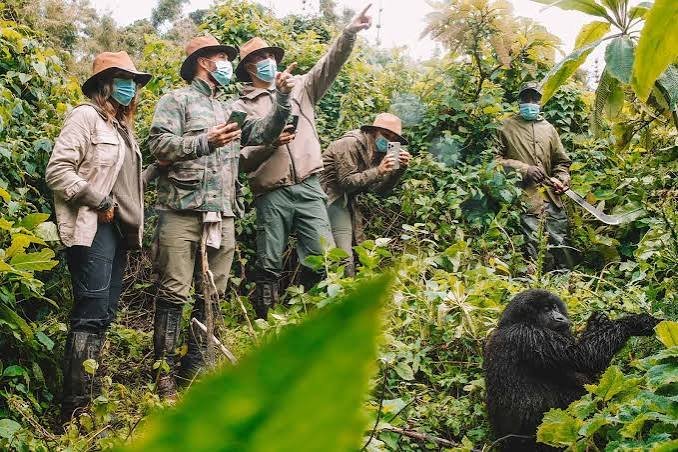
Even with suitable Hiking Boots for Gorilla Habituation, visitors should prepare for prolonged walking and changing conditions. Porter assistance does not eliminate the physical demands, but reducing the load carried on your back can make climbs and descents more manageable. Hiring local porters also contributes to employment opportunities for communities neighbouring Bwindi. Travellers planning an extended safari can consider our five-day Uganda gorilla habituation safari when arranging their itinerary and preparing for the trekking day.
How Should You Clean and Maintain Your Hiking Boots After Trekking?
After completing a gorilla habituation experience, hiking boots may be covered in mud, wet leaves, and forest debris. Removing excessive mud and allowing the boots to dry appropriately helps maintain their condition, especially when they will be used again during the safari. Footwear should generally be cleaned according to the manufacturer’s instructions, using suitable brushes or cleaning materials rather than methods that could damage waterproof membranes or adhesives.
Hiking Boots for Gorilla Habituation should not normally be dried directly against intense heat sources because excessive heat may damage their materials. Removing insoles when appropriate, loosening laces, and allowing air to circulate can help them dry more effectively. Travellers continuing to other Uganda wildlife destinations should pack a separate lightweight pair of comfortable shoes for lodge use, allowing the hiking boots time to dry. This is particularly useful on longer journeys such as our eight-day Uganda wildlife and gorilla habituation safari.
Frequently Asked Questions About Hiking Boots for Gorilla Habituation
1. Do You Need Hiking Boots for Gorilla Habituation?
Yes, sturdy hiking boots are strongly recommended because Bwindi has steep, muddy, and uneven forest terrain. They provide better protection and generally more suitable traction than ordinary everyday shoes.
2. Are Waterproof Hiking Boots Necessary?
Waterproof boots are highly recommended because Bwindi receives rainfall throughout the year. They help protect your feet from wet vegetation, mud, and shallow puddles.
3. Can I Wear Trainers for Gorilla Habituation?
Ordinary trainers are generally unsuitable because many lack the grip and protection needed for slippery forest trails. Proper hiking footwear is the safer general choice.
4. Are Heavy Mountaineering Boots Required?
No. Comfortable lightweight or medium-weight hiking boots with good traction are usually more suitable than heavy technical mountaineering boots.
5. Do Hiking Boots for Gorilla Habituation Need Ankle Support?
Supportive mid-cut hiking boots are often recommended, particularly for uneven ground. However, proper fit, sole traction, and individual comfort are equally important.
6. Should I Buy New Boots Before Travelling?
Only if your existing footwear is unsuitable. Any new boots should be tested through several walks before departure to identify potential discomfort.
7. Can I Wear Trail Running Shoes?
Some experienced hikers use technical trail shoes, but these may offer less protection in muddy or densely vegetated conditions. Consult your safari organiser before relying on them.
8. Should I Wear Thick Hiking Socks?
Comfortable moisture-wicking hiking socks are recommended. Choose a thickness that works with your boots without making them too tight.
9. Can I Do Gorilla Habituation Without Hiking Boots?
Alternative footwear may be suitable in specific circumstances, but this should be confirmed with your safari organiser and the relevant park personnel. Hiking boots remain the recommended choice for most visitors.
10. What Are the Best Hiking Boots for Gorilla Habituation?
The best option is a well-fitting, comfortable hiking boot with dependable grip, suitable weather protection, and enough support for prolonged walking on uneven terrain.
Book Your Gorilla Habituation Safari in Bwindi
Preparing for gorilla habituation involves more than selecting appropriate hiking boots. A successful experience also requires advance permit arrangements, reliable transportation, comfortable accommodation near the relevant briefing point, and a realistic understanding of the forest conditions. Properly planned travel allows you to concentrate on the remarkable opportunity to observe endangered mountain gorillas rather than dealing with unnecessary logistical challenges.
Our Uganda safari itineraries can help you organise a gorilla habituation experience that matches your preferred travel dates and wider interests. Travellers beginning in Rwanda can explore the three-day luxury gorilla habituation safari from Kigali, while visitors arriving through Entebbe can consider the three-day gorilla habituation safari from Entebbe. If you prefer a longer journey, our gorilla habituation and Queen Elizabeth safari combines rainforest exploration with additional wildlife experiences.
Before confirming your journey, consult our gorilla habituation permit guide and Uganda Wildlife Authority permit information to understand permit arrangements and plan ahead.
Final Verdict: Do You Need Hiking Boots for Gorilla Habituation?
Yes, hiking boots are strongly recommended for visitors planning gorilla habituation in Bwindi Impenetrable National Park. The combination of mountainous terrain, muddy pathways, dense vegetation, unpredictable weather, and prolonged trekking makes appropriate footwear one of the most important items to pack. Although visitors do not need expensive technical mountaineering boots, they should choose comfortable footwear with reliable traction, suitable support, and adequate protection against moisture and rough ground.
Selecting the right Hiking Boots for Gorilla Habituation can make your rainforest adventure considerably more comfortable. Proper sizing, advance testing, suitable hiking socks, and careful preparation are just as important as the boots themselves. Remember that even excellent footwear cannot remove every challenge presented by Bwindi’s natural environment, so physical readiness and professional guidance remain essential.
With appropriate preparation, you can approach the gorilla habituation experience with confidence and concentrate on what matters most: spending extended time observing mountain gorillas in one of Africa’s most extraordinary natural habitats. Discover our Uganda gorilla habituation safari experiences and begin planning your remarkable journey into Bwindi.