

Mastering the Challenge: How Difficult is Gorilla Habituation Uganda – A Complete Guide for Trekkers
Understanding How Difficult is Gorilla Habituation Uganda
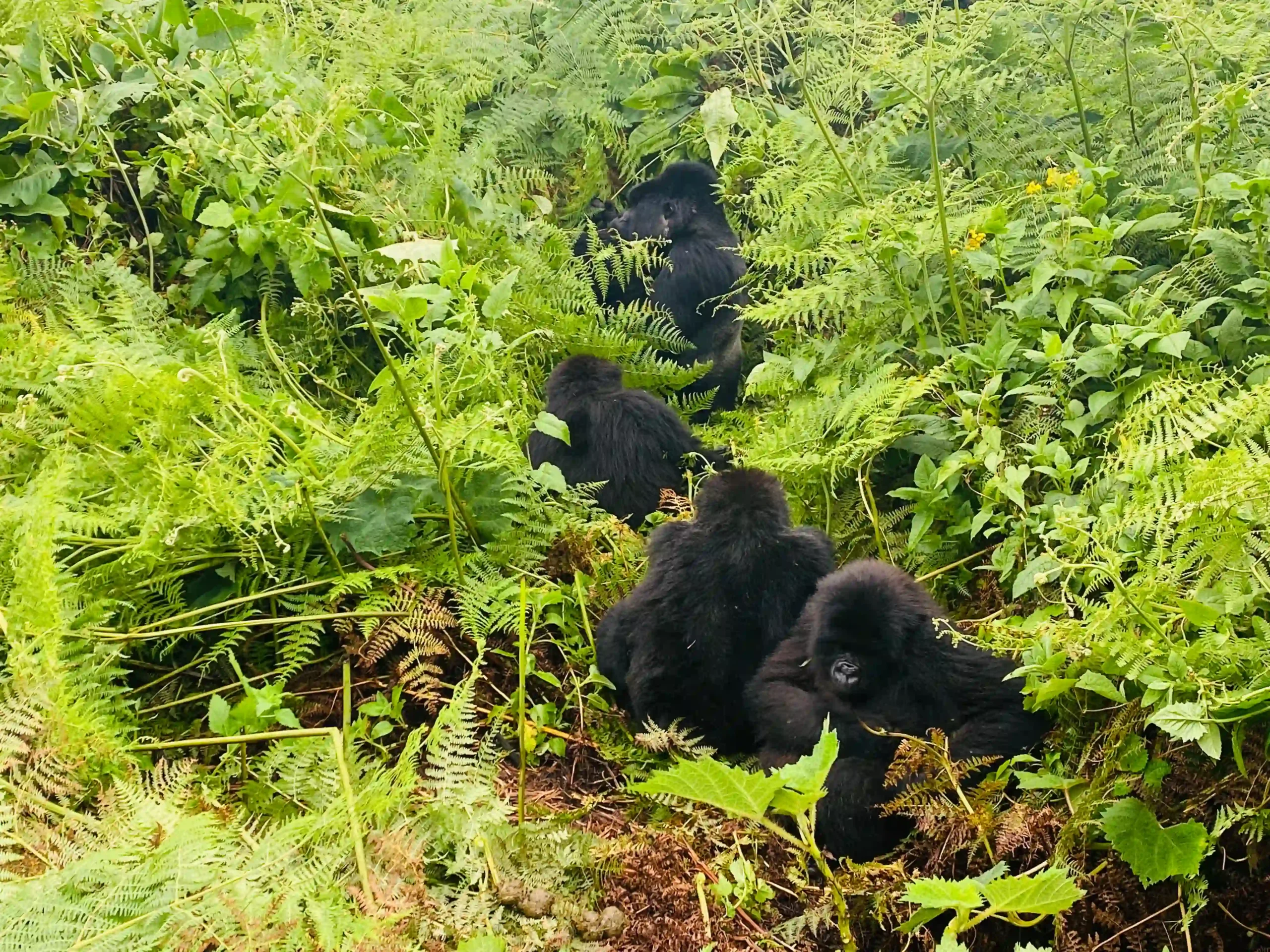
The question of How Difficult is Gorilla Habituation Uganda is essential. Gorilla habituation allows visitors to spend extended hours with semi-habituated gorilla families, observing natural behaviors in the dense rainforests of Bwindi Impenetrable National Park and Mgahinga Gorilla National Park. Unlike standard gorilla trekking, which lasts about one hour, habituation experiences can last up to four hours, providing a unique window into gorilla social dynamics, feeding habits, and communication patterns.
Understanding How Difficult is Gorilla Habituation Uganda involves evaluating several factors: physical fitness, trail conditions, forest terrain, weather, and the endurance required for long hikes in dense, uneven rainforest. Visitors must navigate muddy paths, steep inclines, and dense vegetation while maintaining proper etiquette to minimize disturbance to the gorillas. While the experience is challenging, it is carefully managed by professional guides and trackers, ensuring that visitors can safely enjoy this extraordinary wildlife encounter.
The difficulty level also depends on personal expectations. For some, the physical exertion is moderate and manageable, especially with guidance, porters, and well-planned itineraries. For others, the steep slopes, unpredictable trail conditions, and humid environment may require more stamina and preparation. Understanding How Difficult is Gorilla Habituation Uganda in advance allows travelers to plan appropriately and set realistic expectations for this once-in-a-lifetime experience.
Ultimately, knowing How Difficult is Gorilla Habituation Uganda ensures that visitors are mentally and physically prepared, allowing them to focus on the incredible opportunity to observe gorillas in their natural habitat while maintaining safety, comfort, and respect for the wildlife and environment.
Physical Requirements for Gorilla Habituation
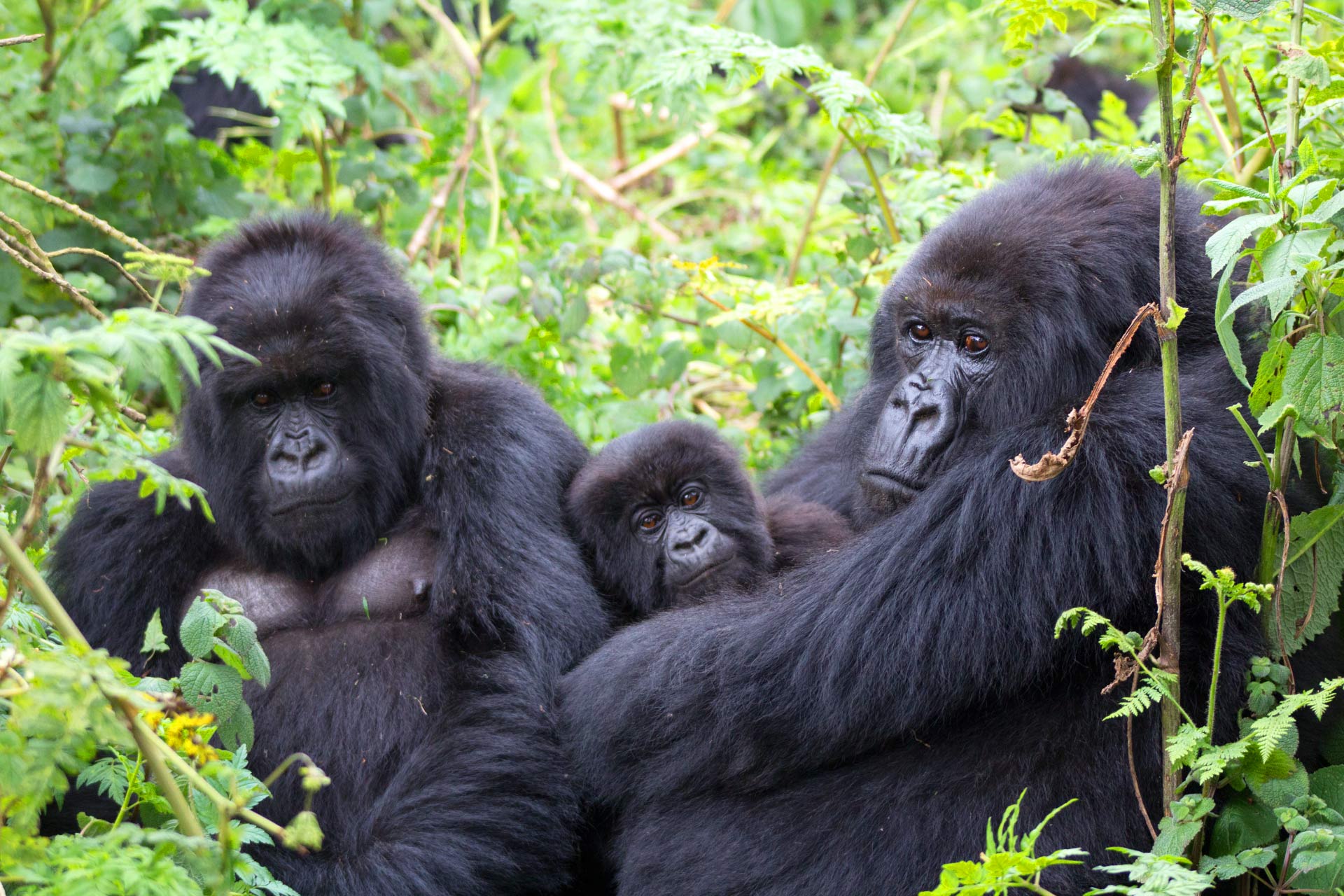
One of the primary factors affecting How Difficult is Gorilla Habituation Uganda is the physical demands of trekking through Bwindi and Mgahinga rainforests. Trails vary in difficulty, ranging from moderate paths with gentle inclines to steep, slippery sections requiring careful navigation. Visitors must often walk through muddy terrain, cross small streams, and occasionally use hands for balance on rough trails.
The duration of the habituation experience also adds to the challenge. Extended hours in the forest require sustained energy, proper footwear, and good cardiovascular endurance. Guides assess the group’s fitness level and can recommend the appropriate pace, rest periods, and trekking strategy based on the How Difficult is Gorilla Habituation Uganda evaluation.
Despite these challenges, the experience is highly rewarding. Proper preparation including sturdy boots, walking sticks, breathable clothing, and hydration enables visitors to enjoy the full duration of the habituation experience. Understanding the physical requirements helps travelers approach the trek with confidence, knowing what to expect and how to maximize comfort.
Additionally, habituation offers opportunities for visitors of varying abilities to participate. For those who may struggle with long hikes, porters can assist in carrying personal items, and guides adjust pacing to ensure that everyone can experience the gorillas safely.
Trail and Terrain Considerations
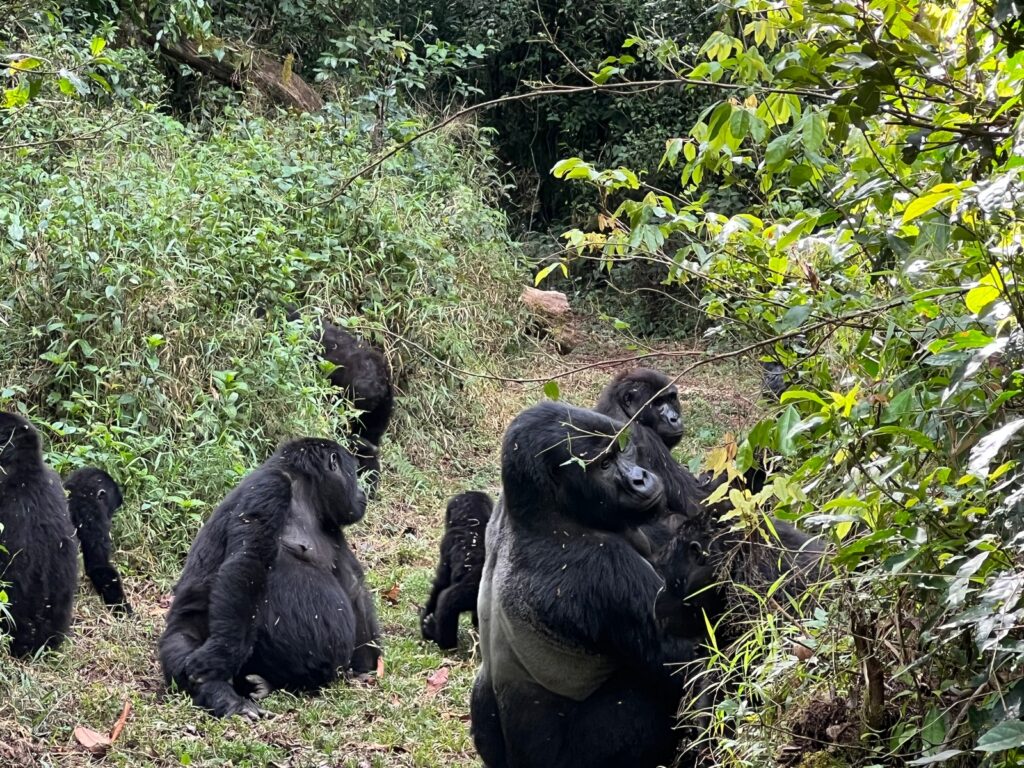
How Difficult is Gorilla Habituation Uganda is also influenced by trail and terrain conditions in the rainforest. Bwindi and Mgahinga consist of dense, uneven forests with natural obstacles such as tree roots, fallen branches, and small ravines. Rainfall and humidity affect trail slipperiness, making some sections more challenging during wet months.
Navigating the forest requires balance, focus, and coordination, as trekkers move quietly to avoid disturbing gorillas. Trails may include uphill climbs, gentle slopes, and occasional descents, each requiring attention and stamina. Guides provide instructions for safe movement while highlighting ways to observe gorilla behavior responsibly.
Weather conditions—such as rain, mist, or damp mornings—also impact trail difficulty. Knowing How Difficult is Gorilla Habituation Uganda helps visitors plan the appropriate season for trekking, prepare suitable gear, and anticipate forest challenges while maintaining safety and comfort.
The terrain also contributes to the uniqueness of the experience. As visitors navigate these lush, untouched forests, they encounter not only gorillas but also the diverse flora and fauna of the rainforest, making the physical challenge part of an immersive wildlife adventure.
Weather and Seasonal Impacts
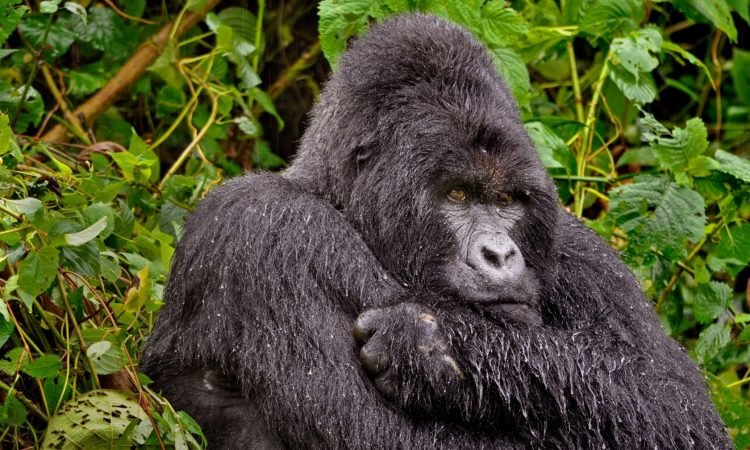
Weather is a major factor in assessing How Difficult is Gorilla Habituation Uganda. Bwindi’s rainforest climate is characterized by high humidity and significant rainfall, which can make trails slippery and increase physical exertion during habituation experiences.
Dry months, from June to September and December to February, generally provide the easiest trekking conditions, with firm trails, better visibility, and more predictable weather. In contrast, rainy months, March to May and October to November, can make treks more physically demanding due to mud, slippery slopes, and denser vegetation.
Temperature and humidity also affect both visitor comfort and gorilla behavior. Cooler mornings may require layered clothing, while warmer midday conditions can increase fatigue. Observing gorillas in varying How Difficult is Gorilla Habituation Uganda weather conditions offers a chance to see how gorilla activity adapts to the environment, from foraging patterns to rest periods.
Proper planning around climate ensures safety and maximizes enjoyment. Visitors should consult guides and safari operators to select the season and time that best matches their trekking abilities and comfort preferences.
Mental and Emotional Considerations
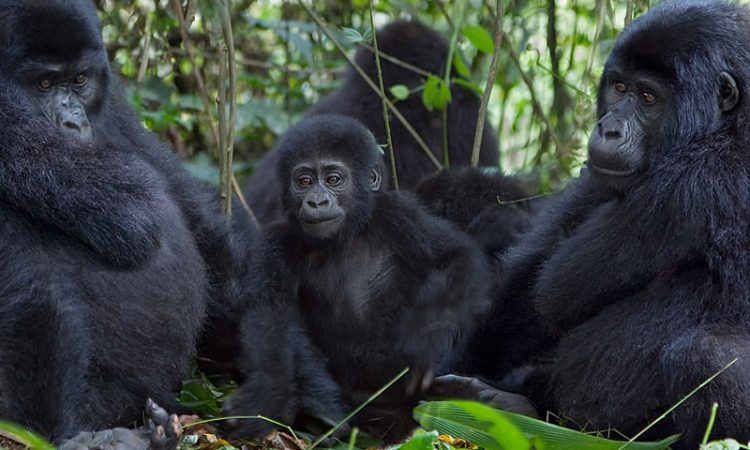
How Difficult is Gorilla Habituation Uganda is not just physical; it also has a mental and emotional component. Trekking through dense rainforest, navigating uneven terrain, and anticipating encounters with gorillas can be mentally demanding for some visitors.
Patience and focus are essential during habituation experiences, especially when gorillas move slowly, rest for extended periods, or relocate within the forest. Travelers need to remain calm, follow guides’ instructions, and maintain respectful distance to ensure both their safety and that of the gorilla families.
The emotional rewards of witnessing gorilla social interactions, family bonds, and behaviors firsthand outweigh the physical challenges. Understanding How Difficult is Gorilla Habituation Uganda mentally prepares visitors to appreciate the profound impact of spending time in such a unique and endangered ecosystem.
Frequently Asked Questions About How Difficult is Gorilla Habituation Uganda
1. How physically demanding is gorilla habituation in Uganda?
The level of physical exertion required during gorilla habituation depends on the trekking sector and the forest conditions. How Difficult is Gorilla Habituation Uganda is influenced by steep slopes, uneven trails, dense vegetation, and occasional mud, especially during the rainy season. Trekkers often hike for several hours to reach habituated gorilla families, which requires good stamina and mobility.
Despite the physical challenge, habituation experiences are designed to accommodate varying fitness levels. Guides and porters can adjust pacing, provide support for personal items, and ensure that trekkers are not overexerted. Knowing How Difficult is Gorilla Habituation Uganda helps visitors prepare mentally and physically, ensuring they can complete the trek safely.
Proper preparation, including wearing sturdy hiking boots, using trekking poles, staying hydrated, and pacing oneself, can make the physical demands more manageable. Visitors who are aware of the required effort can focus on observing gorilla behavior and capturing photographs rather than worrying about the difficulty of the hike.
2. Does weather affect the difficulty of habituation treks?
Yes, the Bwindi Forest Weather Conditions play a significant role in determining How Difficult is Gorilla Habituation Uganda. During the rainy seasons, from March to May and October to November, trails can become slippery, muddy, and more challenging to navigate. Humidity levels are high, making it feel warmer and more strenuous to hike long distances.
Dry months, by contrast, provide firmer trails, more predictable terrain, and better visibility, making the trek physically easier. However, even during dry periods, hikers should be prepared for occasional rain, uneven paths, and forest obstacles such as roots or small streams.
Understanding the impact of weather on How Difficult is Gorilla Habituation Uganda allows trekkers to plan the timing of their visit, select appropriate clothing, and arrange for support from guides or porters. Being prepared reduces fatigue and enhances the overall experience.
3. How challenging is the terrain during habituation treks?
Terrain is one of the main factors in assessing How Difficult is Gorilla Habituation Uganda. Bwindi’s rainforest trails include a mixture of steep climbs, slopes, narrow pathways, and dense vegetation. Navigating these trails requires good balance, careful footing, and moderate physical fitness.
The terrain can be particularly challenging for first-time trekkers or those with limited hiking experience. Guides are trained to assess group abilities and may adjust routes or pacing to ensure safety. Porters are also available to assist with heavy backpacks, cameras, and personal items.
Despite these challenges, the trail’s difficulty is part of what makes gorilla habituation so rewarding. Traversing the forest allows visitors to experience the pristine ecosystem while observing gorillas in their natural habitat. Knowing How Difficult is Gorilla Habituation Uganda helps visitors prepare mentally and physically for the adventure.
4. Does altitude affect the difficulty of gorilla habituation?
Bwindi Impenetrable National Park is located between 1,160 and 2,600 meters above sea level. The elevation contributes to cooler mornings and evenings, affecting How Difficult is Gorilla Habituation Uganda. Higher altitudes may make trekking feel more strenuous, especially for visitors unaccustomed to mountainous environments.
Gorillas themselves are well-adapted to the altitude and continue their natural behaviors without issue. Observers, however, need to pace themselves appropriately, maintain hydration, and take breaks as needed to cope with the reduced oxygen levels and physical exertion.
Understanding how altitude interacts with How Difficult is Gorilla Habituation Uganda allows travelers to plan acclimatization, clothing, and trekking intensity. Experienced guides monitor participants to ensure safety while providing guidance on coping with elevation during extended habituation sessions.
5. How long does a typical habituation trek last?
The duration of habituation experiences contributes to How Difficult is Gorilla Habituation Uganda. Unlike standard gorilla trekking, habituation allows visitors to spend up to four hours with semi-habituated gorilla families. Trekking to reach the group can take between one to three hours, depending on their location and forest conditions.
Extended trekking requires physical endurance, mental focus, and preparedness for variable weather and forest terrain. Visitors should plan for hydration, nutrition, and appropriate gear to maintain energy levels throughout the experience.
Guides provide support and adjust pacing based on group capabilities, ensuring that all participants can reach the gorillas safely and enjoy the observation period. Understanding How Difficult is Gorilla Habituation Uganda helps travelers allocate sufficient time and resources for a successful experience.
6. Is gorilla habituation suitable for beginners or less fit visitors?
Yes, but preparation is crucial. Knowing How Difficult is Gorilla Habituation Uganda allows beginners or less physically fit visitors to understand the demands and take precautions. Porters can assist with heavy items, and guides adjust trekking pace to accommodate individual capabilities.
Even for beginners, the experience is achievable with proper clothing, hydration, and realistic expectations. Trekking requires stamina, but the combination of support from guides and incremental pacing makes it accessible.
Preparation ensures that visitors can focus on observing gorillas, learning about their behavior, and taking photographs rather than struggling with the physical demands of the rainforest environment.
7. How does climate affect the difficulty level?
Bwindi Forest Weather Conditions significantly influence How Difficult is Gorilla Habituation Uganda. Heavy rainfall increases trail slipperiness and the effort needed to hike uphill. High humidity can make trekking feel more exhausting, while cooler dry-season mornings may require layering for comfort.
Being aware of climate patterns allows travelers to choose the most suitable months for trekking, reducing fatigue and ensuring a safer experience. Dry months offer stable trails and predictable conditions, while rainy months may require additional preparation and care.
Guides continuously monitor climate conditions to adjust trekking routes, pace, and breaks. Visitors who plan according to the Bwindi Forest Weather Conditions enjoy a safer and more rewarding habituation experience.
8. What equipment is recommended for challenging treks?
To manage How Difficult is Gorilla Habituation Uganda, visitors should bring sturdy waterproof boots, trekking poles, rain jackets, layered clothing, insect repellent, and hydration packs. Camera equipment should be protected with waterproof covers, and backpacks should distribute weight evenly.
Proper gear reduces fatigue, improves safety, and allows trekkers to focus on gorilla observation and photography. Experienced guides can advise on additional items based on current forest and weather conditions.
Being prepared for the forest environment ensures that How Difficult is Gorilla Habituation Uganda does not become overwhelming, allowing visitors to fully enjoy the extended interaction with gorilla families.
9. Does trail difficulty vary by habituation sector?
Yes. How Difficult is Gorilla Habituation Uganda depends on the habituation sector. For example, Rushaga and Nkuringo sectors in Bwindi have steeper inclines and longer trekking distances, while Buhoma may be more accessible for moderate trekkers.
Trail difficulty also varies seasonally, with rain making some paths slippery and dry months providing easier access. Guides choose the route based on group fitness, weather, and safety considerations.
Knowing the How Difficult is Gorilla Habituation Uganda by sector helps visitors select a trek that matches their physical ability and comfort level, ensuring the best possible experience observing gorilla families.
10. Are there any mental challenges during habituation?
Yes, mental endurance is part of How Difficult is Gorilla Habituation Uganda. Extended hours in dense rainforest, tracking gorillas over uneven terrain, and maintaining silence require focus and patience.
Visitors must stay calm and follow guides’ instructions to ensure safety and minimize disturbance to the gorillas. Observing subtle behaviors for long periods can be mentally demanding but extremely rewarding.
Understanding the mental aspect of How Difficult is Gorilla Habituation Uganda prepares visitors for the patience and attention required to fully appreciate gorilla family dynamics and social interactions.
11. How does habituation differ from standard gorilla trekking?
Habituation experiences are longer, more immersive, and physically more demanding than standard gorilla trekking. How Difficult is Gorilla Habituation Uganda involves up to four hours of close observation, compared to one hour for trekking.
Extended time in the forest requires greater stamina, endurance, and preparedness, particularly on steep or muddy trails. Visitors gain a deeper understanding of gorilla behavior, social structures, and communication.
By recognizing the extra effort required, visitors can plan their fitness, clothing, and gear to ensure they experience habituation safely and comfortably.
12. Can less experienced hikers participate in habituation?
Yes, with guidance. NextGEN Safaris evaluates group fitness and adjusts trekking pace. Porters assist with gear, and guides provide instructions for safely navigating forest trails.
Even those with minimal hiking experience can experience habituation by following guide recommendations, preparing physically, and pacing themselves. Understanding How Difficult is Gorilla Habituation Uganda allows beginners to anticipate challenges and participate safely.
Proper preparation ensures visitors can focus on wildlife observation rather than physical strain.
13. How do guides assist during challenging treks?
Guides are critical for managing How Difficult is Gorilla Habituation Uganda. They choose appropriate routes, adjust pacing, interpret gorilla behavior, and ensure visitor safety throughout the trek.
Guides also provide motivation, advice on resting points, and assistance with challenging sections, such as steep inclines or slippery slopes. Their expertise allows visitors to enjoy habituation without unnecessary stress.
Relying on experienced guides ensures that even physically demanding treks are manageable while providing rich educational insights into gorilla ecology.
14. How does trail difficulty impact photography?
Difficult trails can affect the ability to carry and position camera equipment safely. Knowing How Difficult is Gorilla Habituation Uganda helps photographers prepare with protective gear, stabilizers, and lightweight setups.
Dry months with stable trails provide easier access for photography, while rainy months require extra caution and planning. Guides can advise on optimal positions and timing for capturing feeding, social interactions, or infant behavior safely.
Understanding trail challenges ensures that visitors can focus on capturing high-quality images without compromising safety or disturbing gorilla families.
15. How long do habituation treks typically last?
Habituation experiences can take anywhere from 2 to 6 hours, including trekking to and from gorilla families. The How Difficult is Gorilla Habituation Uganda factor comes into play with long distances, steep inclines, and variable forest terrain.
Preparation, pacing, and guide support help visitors manage the physical and mental demands of extended time in the forest. This allows for a more relaxed and immersive experience with gorilla families.
Knowing the expected duration helps visitors plan hydration, nutrition, and energy levels to complete the trek comfortably.
16. How does altitude affect difficulty?
Bwindi’s elevation, ranging from 1,160 to 2,600 meters, influences How Difficult is Gorilla Habituation Uganda. Higher elevations may increase fatigue and require acclimatization for visitors unaccustomed to mountainous terrain.
Guides provide advice on pacing, rest breaks, and hydration to minimize the impact of altitude on trekking performance. Proper preparation ensures a safe, enjoyable experience.
Altitude also enhances the richness of the rainforest environment, creating unique opportunities for observing gorilla behavior and rainforest biodiversity.
17. What gear is essential for difficult habituation treks?
Visitors should prepare for How Difficult is Gorilla Habituation Uganda with waterproof boots, trekking poles, layered clothing, rain jackets, gloves, insect repellent, and hydration packs. Camera gear should be protected from rain and humidity.
Proper equipment ensures safety, comfort, and the ability to capture photographs of gorilla families. Guides can provide additional advice based on seasonal weather and trail conditions.
Being equipped reduces fatigue and ensures that physical challenges do not interfere with observing or photographing gorillas.
18. Are there age or fitness restrictions for habituation?
While habituation is open to a wide range of visitors, understanding How Difficult is Gorilla Habituation Uganda helps determine suitability. Elderly or less physically fit individuals may prefer shorter or easier sectors, use porters, or focus on dry-season visits for more manageable trekking.
Preparation, pacing, and guidance ensure that most visitors can safely participate. Fitness considerations mainly affect comfort, safety, and the ability to complete longer treks.
Awareness of difficulty allows families, groups, and solo travelers to plan according to ability and still enjoy the full habituation experience.
19. How can I assess my fitness for habituation?
Assessing your physical readiness is part of understanding How Difficult is Gorilla Habituation Uganda. Daily walks, light hiking, and cardiovascular exercises in advance can help prepare for rainforest trekking.
Visitors should also consider carrying backpacks, cameras, and personal items, as these increase the physical demand during habituation.
Consulting with NextGEN Safaris provides guidance on suitable sectors and pacing strategies based on your fitness, ensuring a safe and enjoyable experience with gorilla families.
20. How do I book a gorilla habituation safari suitable for my fitness level?
Booking with NextGEN Safaris ensures that How Difficult is Gorilla Habituation Uganda is fully considered. Our team arranges habituation permits, accommodations, transportation, and guides while advising on trekking difficulty and sector selection.
We provide personalized itineraries based on physical ability, trail conditions, and desired experiences, ensuring that visitors safely navigate the forest while enjoying extended time with gorilla families.
By planning with experts, travelers can experience the richness of gorilla behavior, photograph wildlife safely, and fully appreciate the immersive rainforest environment.
Booking Your Gorilla Habituation Experience
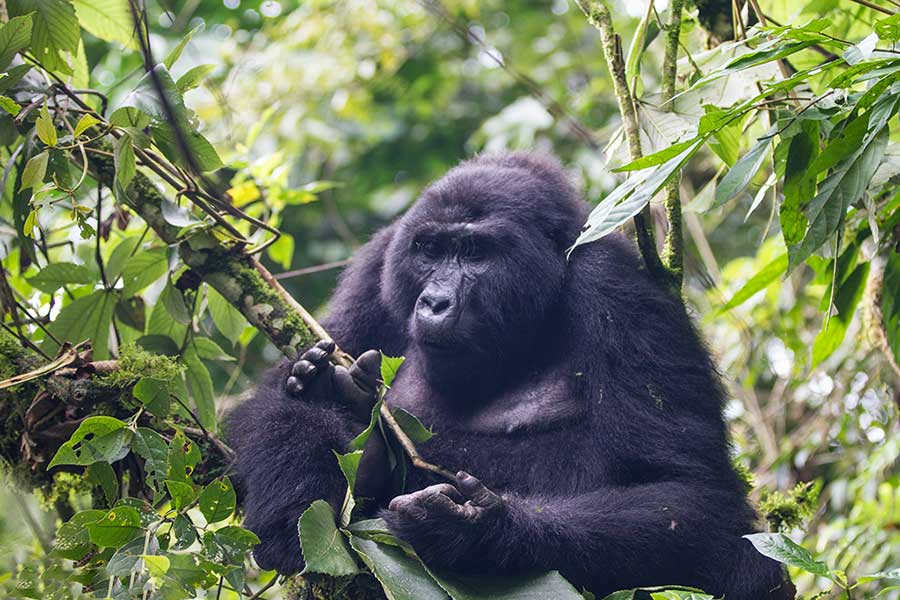
Planning and booking with a professional operator ensures that visitors can manage the challenges associated with How Difficult is Gorilla Habituation Uganda. NextGEN Safaris provides comprehensive support, including permit acquisition, accommodation, transportation, and experienced guides familiar with trail conditions and forest terrain.
Our team evaluates visitors’ physical fitness and trekking experience to recommend suitable habituation schedules and sectors. Guides provide detailed instructions on navigating the rainforest safely, maintaining respectful distance from gorilla families, and managing fatigue or environmental challenges.
NextGEN Safaris also advises on appropriate gear, including footwear, trekking sticks, rain protection, and hydration. By booking through a professional operator, travelers gain the expertise and resources to safely tackle the physical, mental, and environmental demands of gorilla habituation while maximizing observation and photographic opportunities.
With proper planning and guidance, visitors can experience the richness of gorilla behavior, social interactions, and rainforest biodiversity, fully understanding that How Difficult is Gorilla Habituation Uganda is manageable with preparation, professional support, and respect for the forest and its inhabitants.
Contact NextGEN Safaris today to plan your personalized gorilla habituation safari, designed to match your trekking abilities and ensure a safe, comfortable, and unforgettable experience with mountain gorillas in Bwindi.