

What Should You Wear for Gorilla Habituation in Bwindi? Complete Clothing and Packing Guide
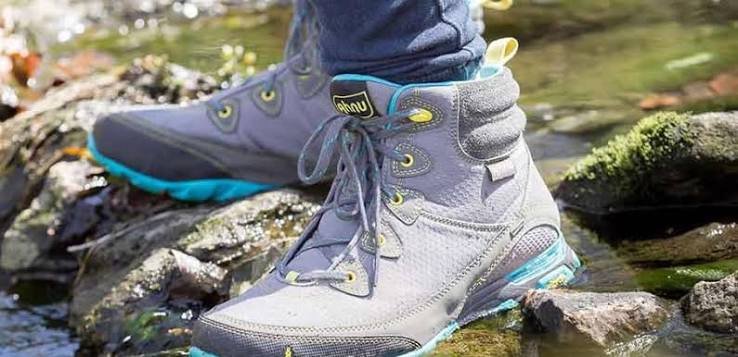
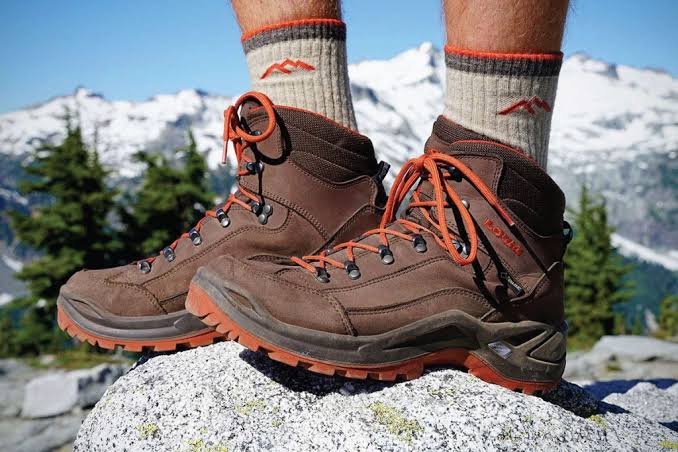
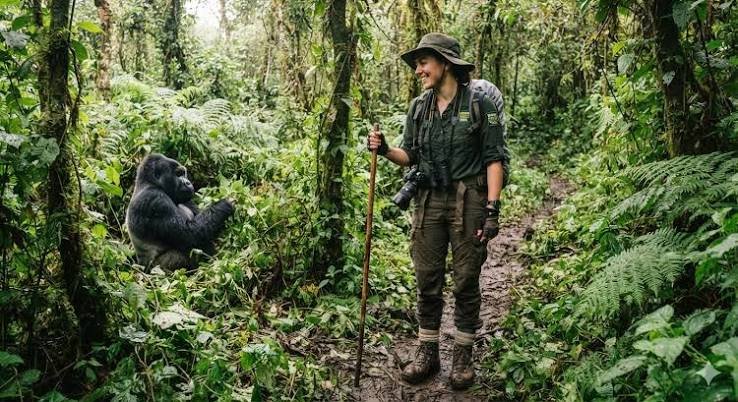
Knowing what to wear for gorilla habituation is essential when preparing for one of Uganda’s most extraordinary wildlife experiences. Gorilla habituation takes place in the dense mountainous rainforest of Bwindi Impenetrable National Park, where visitors navigate steep hillsides, muddy trails, thick vegetation, and changing weather conditions before reaching a mountain gorilla family. Unlike ordinary sightseeing activities, this experience requires practical clothing that protects your body, supports comfortable movement, and keeps you prepared for several hours in a natural forest environment. Wearing the right equipment can make the difference between an exhausting adventure and an enjoyable encounter with endangered mountain gorillas.
Understanding what to wear for gorilla habituation is especially important because the activity allows up to four hours observing a participating gorilla family after it has been located. Visitors accompany professional trackers, rangers, and authorised conservation personnel during the specialised Gorilla Habituation Experience, which takes place in the Rushaga sector of Bwindi Impenetrable National Park. Since the complete activity can occupy much of the day, your clothing should be comfortable, lightweight, protective, and suitable for unpredictable rainforest conditions.
Why Choosing the Right Clothing for Gorilla Habituation Matters
Choosing appropriate clothing is not simply about looking suitable for a safari. Bwindi’s forest environment presents several challenges, including uneven terrain, sharp vegetation, stinging nettles, insects, exposed roots, and occasional heavy rainfall. Visitors may encounter steep sections that require careful footing, while dense vegetation can brush against their arms and legs throughout the trek. Clothes that leave too much skin exposed can increase discomfort, while unsuitable footwear may make wet or muddy trails significantly harder to navigate. Understanding what to wear for gorilla habituation helps reduce these avoidable difficulties and allows travellers to concentrate on the extraordinary wildlife experience.
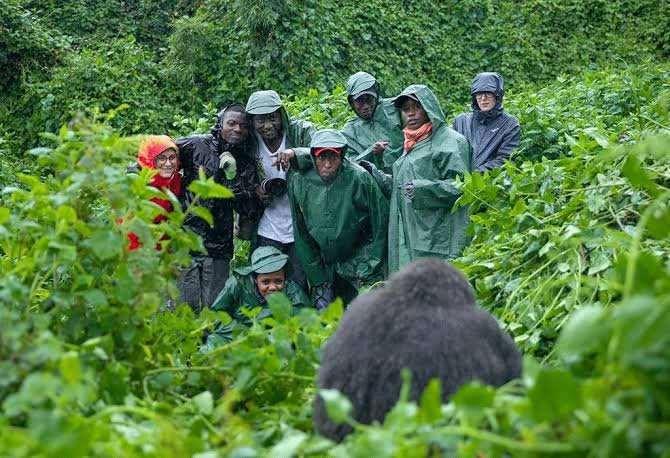
Gorilla habituation also differs from a short guided nature walk because the distance travelled depends on the movements and location of the participating gorilla family. You may spend several hours walking before reaching the gorillas, followed by the extended observation period and the return journey. Appropriate clothing therefore needs to balance protection, breathability, and freedom of movement. Travellers interested in understanding these physical demands can explore our gorilla habituation trek duration guide before selecting their clothing and equipment.
1. Waterproof Hiking Boots: The Most Important Clothing Item
Waterproof hiking boots are arguably the most important part of what to wear for gorilla habituation in Bwindi. The forest contains steep slopes, slippery roots, uneven pathways, loose soil, and muddy sections that can become difficult to negotiate, particularly after rainfall. Ordinary trainers, fashion shoes, and open sandals generally provide insufficient protection or traction for demanding forest conditions. Proper hiking boots should feature strong soles with deep tread, adequate ankle support, and a comfortable fit that allows you to walk for several hours without unnecessary pressure or discomfort.
When deciding what to wear for gorilla habituation, choose boots that have already been worn during several practice walks rather than purchasing completely new footwear immediately before your safari. Unfamiliar boots can cause painful blisters, especially during prolonged uphill and downhill walking. Waterproof materials are valuable because Bwindi remains humid throughout the year, and trails can be wet even during relatively dry months. Boots should also fit comfortably with hiking socks, allowing enough space around the toes while keeping the heels secure. Visitors travelling through the Rushaga gorilla habituation area should prioritise reliable footwear over appearance.
2. Long Hiking Trousers for Protection Against Vegetation
Long trousers are essential when preparing what to wear for gorilla habituation because they protect your legs against thorny vegetation, insects, nettles, and scratches from branches. Lightweight hiking trousers made from durable, quick-drying materials are particularly suitable because they allow freedom of movement without becoming excessively heavy when damp. Stretchable fabrics can also make climbing steep slopes and stepping over fallen branches more comfortable. Although ordinary cotton trousers may appear suitable, they can absorb moisture and remain wet for long periods, making them less practical for a rainforest environment.
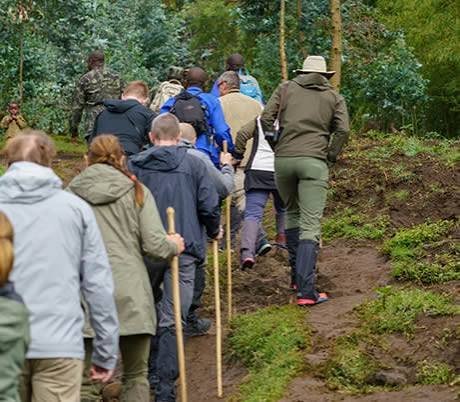
Visitors should avoid shorts because exposed legs are more vulnerable to contact with vegetation and biting insects. Thick denim jeans are also generally unsuitable because they restrict movement, absorb water, and can become uncomfortable during extended walking. Neutral-coloured hiking trousers in shades such as olive green, brown, grey, or khaki are practical options. When considering what to wear for gorilla habituation, remember that clothing should support natural movement and protect the body rather than simply resemble a traditional safari outfit.
3. Long-Sleeved Shirts for Gorilla Habituation in Bwindi
A lightweight long-sleeved shirt is another important part of what to wear for gorilla habituation. Bwindi’s dense vegetation frequently comes into contact with visitors as they move along narrow forest paths, making arm protection particularly valuable. Long sleeves help reduce scratches, provide a barrier against some insects, and protect your skin from irritating plants. Breathable fabrics are preferable because the physical effort of trekking can generate considerable body heat even when the surrounding temperatures are relatively cool.
When selecting a shirt, choose comfortable material that dries quickly and allows sufficient airflow. Hiking shirts, lightweight outdoor tops, and suitable moisture-wicking fabrics are generally better than heavy cotton garments that retain sweat and moisture. Shirts should fit comfortably around the shoulders and arms without restricting movement. Visitors planning to spend additional time photographing mountain gorillas may appreciate clothing that remains comfortable during periods of standing, crouching, and walking. Our best camera for gorilla habituation safari guide explains additional preparations for visitors carrying photography equipment.
4. A Lightweight Waterproof Rain Jacket
A waterproof rain jacket should always be included when deciding what to wear for gorilla habituation, regardless of the month of travel. Bwindi is a tropical montane rainforest, meaning rainfall can occur throughout the year, including during June, July, August, December, January, and February. Sudden showers may develop while visitors are walking through the forest or observing gorillas, making reliable rain protection particularly important. A lightweight waterproof jacket with a hood can help keep your upper body dry while providing protection against cool conditions.
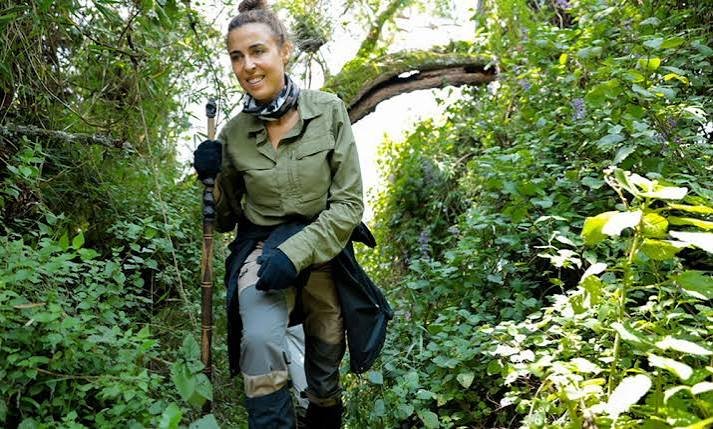
The best rain jacket should be breathable enough to remain comfortable during physical activity and compact enough to store inside a small daypack when not required. Extremely heavy jackets may cause overheating during uphill walking, while thin fashion jackets may provide little protection during prolonged rainfall. A practical outdoor jacket with adjustable cuffs, secure pockets, and good ventilation is preferable. Understanding what to wear for gorilla habituation also involves recognising that weather conditions can change rapidly, so rain protection should remain accessible throughout the trek rather than packed deep inside your luggage.
5. Warm Layers for Cool Mornings in Bwindi
Bwindi’s mountainous location creates cooler conditions than many visitors expect when travelling to equatorial Uganda. Early mornings can be particularly chilly, especially at higher-altitude lodges and briefing areas. A lightweight fleece, breathable sweater, or suitable thermal layer can provide additional comfort before the day’s physical activity begins. As visitors move through the forest and generate body heat, these layers can be removed and stored in a backpack, helping prevent unnecessary overheating.
Layering is an important principle when determining what to wear for gorilla habituation because it allows visitors to adjust their clothing according to the weather and level of physical activity. A practical arrangement consists of a comfortable long-sleeved base layer, a lightweight insulating layer when needed, and a waterproof outer jacket. This combination provides flexibility without requiring bulky clothing. Visitors should avoid excessively heavy jackets that become difficult to carry once the weather warms up. Practical layers are especially useful when departing early from accommodation around Rushaga, where mountain temperatures can feel cool before sunrise.
6. Long Hiking Socks and Protective Gaiters
Good hiking socks are often overlooked when travellers think about what to wear for gorilla habituation, yet they contribute significantly to comfort during the forest experience. Thick but breathable hiking socks help reduce friction inside boots, absorb perspiration, and protect the feet during extended walking. Moisture-managing materials are generally preferable to ordinary cotton socks, particularly when trails are damp. Visitors should consider carrying a spare pair in a waterproof bag in case their original socks become wet.
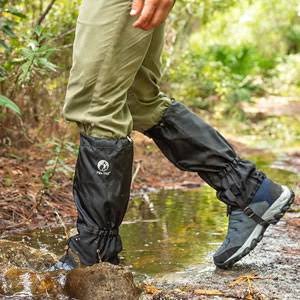
Gaiters are another useful accessory because they cover the area around the ankles and lower legs, helping prevent mud, small debris, and insects from entering hiking boots. Some trekkers also tuck the bottoms of their trousers into long socks to reduce exposed gaps around the ankles. When deciding what to wear for gorilla habituation, these small details can make a considerable difference, especially during longer hikes through damp forest vegetation. Gaiters are particularly valuable during the rainy seasons, although they can also be useful throughout the year.
7. Gardening Gloves or Protective Hiking Gloves
Protective gloves are strongly recommended for visitors preparing for gorilla habituation in Bwindi. During the trek, you may need to steady yourself on difficult terrain, move carefully past vegetation, or use suitable natural supports under the guidance of your ranger. Gardening gloves with durable palms can help protect your hands from rough surfaces and certain irritating plants. Lightweight outdoor gloves are another option, provided they offer sufficient grip and protection without restricting hand movement.
When considering what to wear for gorilla habituation, choose gloves that are comfortable enough to wear for several hours and easy to remove when using a camera or mobile phone. Gloves should fit securely and allow reasonable finger movement. However, visitors should never assume that gloves make every plant or branch safe to touch. Always follow your ranger’s guidance and avoid grabbing unfamiliar vegetation unnecessarily. Proper hand protection is particularly helpful for travellers navigating steep trails where additional stability may be required.
8. A Comfortable Safari Hat or Cap
A comfortable hat can be useful during gorilla habituation, particularly when travelling between accommodation, briefing points, and forest entry areas. Although Bwindi’s dense canopy provides considerable shade, visitors may still experience direct sunlight in open sections of the trail. A lightweight safari hat or baseball cap can help protect the head and face from sunlight, while a brim may also provide limited protection against light rain and falling moisture from vegetation.
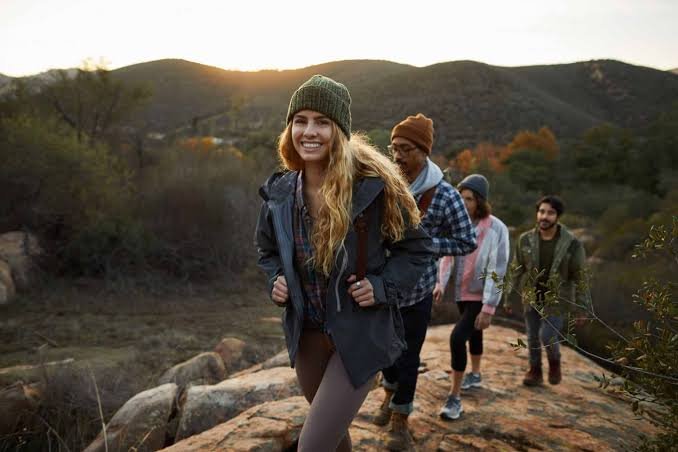
When deciding what to wear for gorilla habituation, choose a hat that fits securely and will not fall off easily during uphill walking or movement through dense vegetation. A bulky hat with an excessively wide brim can become inconvenient along narrow forest trails. Breathable material is preferable, while a lightweight design allows easy storage in a backpack when not required. Hats are optional rather than the most important piece of trekking equipment, but they can contribute to overall comfort when combined with appropriate clothing and waterproof protection.
9. Best Clothing Colours for Gorilla Habituation
Neutral and earthy clothing colours are practical choices for gorilla habituation because they suit the rainforest environment and are commonly used for outdoor activities. Olive green, khaki, brown, grey, and subdued natural shades are suitable options for hiking trousers, shirts, jackets, and hats. These colours also tend to show mud and dirt less noticeably than white or very light clothing, making them convenient for several hours in the forest. However, there is no need to purchase an entirely new safari wardrobe simply to achieve a particular appearance.
Understanding what to wear for gorilla habituation involves prioritising functionality over colour. A comfortable, durable shirt in an ordinary colour is more valuable than an uncomfortable outfit selected only because it looks appropriate for a safari. Avoid unnecessarily conspicuous accessories, reflective materials, and clothing that produces excessive noise during movement. Strong perfumes and heavily scented products are also best avoided during wildlife activities. Visitors should always follow the specific instructions provided by their conservation team rather than assuming that a preferred clothing colour is a substitute for proper wildlife behaviour.
10. What to Wear for Gorilla Habituation During the Rainy Season
Rainy-season trekking requires additional attention to waterproofing, warmth, and protection against muddy conditions. Bwindi generally experiences wetter periods around March to May and October to November, although local weather patterns can vary. During these months, forest trails may become slippery, exposed roots may be difficult to navigate, and clothing can become wet after prolonged contact with vegetation. Waterproof boots, a reliable rain jacket, gaiters, quick-drying trousers, and protective gloves become particularly important for maintaining comfort.
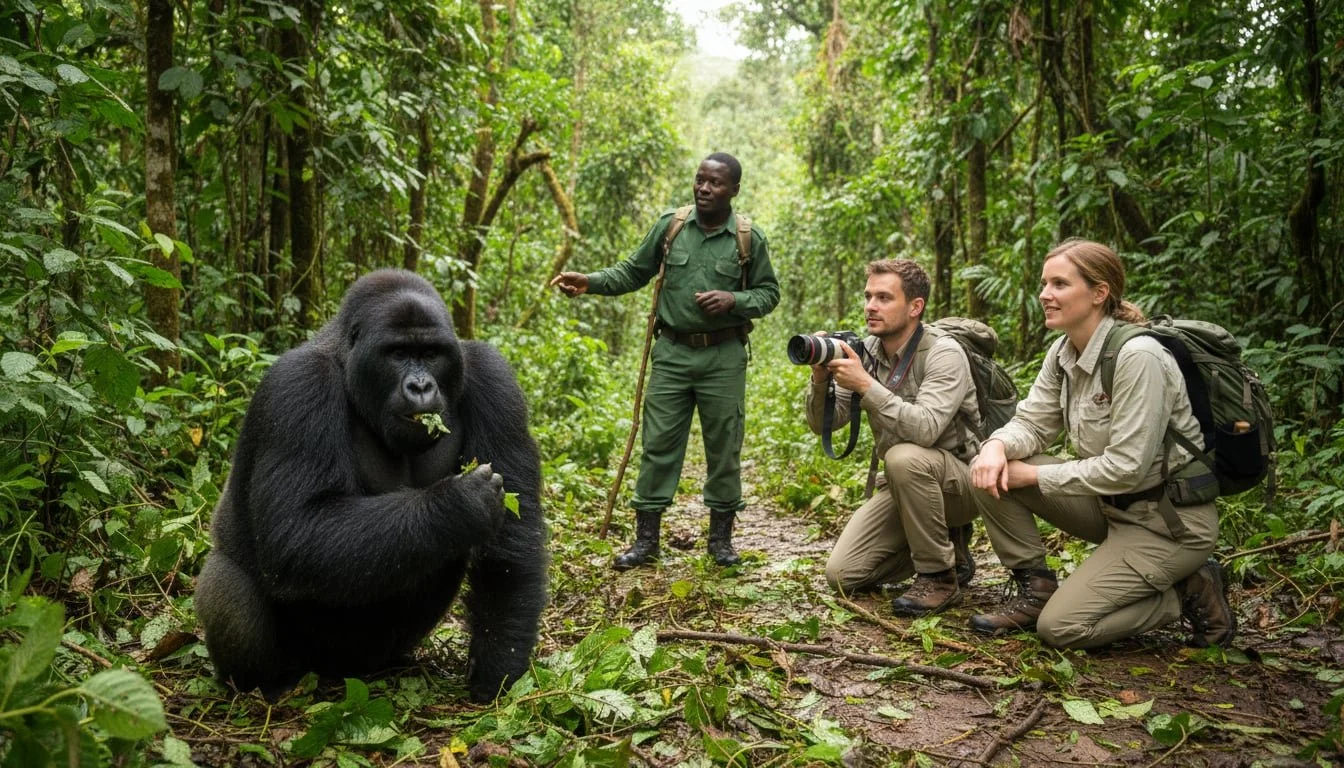
Travellers researching what to wear for gorilla habituation during the rainy season should also consider packing spare socks, a waterproof cover for their daypack, and a dry bag for essential belongings. Heavy cotton clothing and denim are best avoided because they absorb moisture and take longer to dry. Visitors should accept that their boots and trousers may become muddy even when wearing suitable equipment. Proper clothing does not eliminate the physical challenges of wet-weather trekking, but it can significantly improve comfort and help you concentrate on the natural surroundings and mountain gorilla encounter.
11. What to Wear for Gorilla Habituation During the Dry Season
Uganda’s relatively dry periods, commonly associated with June to August and December to February, often provide more favourable walking conditions in Bwindi. However, the forest remains humid, and rainfall is possible at any time. Visitors should continue wearing long trousers, long-sleeved shirts, waterproof hiking boots, and protective gloves because the vegetation and terrain do not become completely dry. A lightweight rain jacket remains essential even when weather forecasts predict sunny conditions.
Knowing what to wear for gorilla habituation during the dry season helps travellers avoid the common mistake of dressing as though they are visiting a warm, open savannah. Bwindi’s shaded forest can feel cool in the morning, while uphill walking may generate considerable heat. Lightweight layers provide greater comfort than heavy single garments, allowing visitors to adapt as conditions change. Those planning their travel during the popular mid-year months should also review available gorilla habituation safari itineraries and reserve accommodation and permits well in advance.
12. Choosing the Right Clothing for Women and Men
The recommended clothing principles for gorilla habituation are essentially the same for women and men. Everyone benefits from protective long trousers, breathable long-sleeved shirts, supportive waterproof hiking boots, and practical outer layers. The most important difference lies in selecting clothing that fits comfortably and allows unrestricted movement. Visitors should avoid outfits that are excessively tight, restrictive around the knees, or uncomfortable during steep uphill walking. Lightweight outdoor trousers with some stretch are often particularly useful.
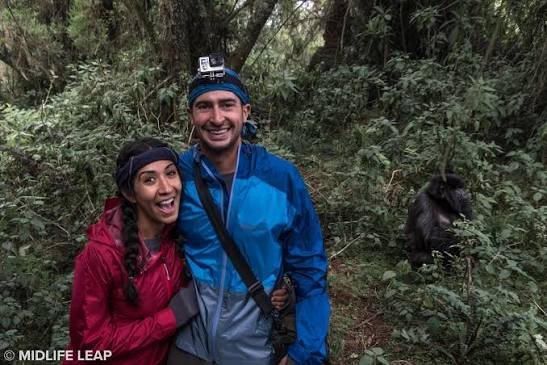
When researching what to wear for gorilla habituation, women may prefer comfortable hiking trousers or outdoor leggings made from durable, adequately protective material, while men may choose traditional trekking trousers or suitable outdoor cargo trousers. Regardless of personal preference, clothing should remain secure and comfortable throughout prolonged walking and crouching. Appropriate sports undergarments and moisture-managing base layers can also improve comfort during demanding activities. The priority should always be practical protection and mobility rather than clothing marketed specifically for a particular gender.
13. What Should You Carry in Your Gorilla Habituation Daypack?
Although clothing is central to preparation, the equipment you carry can also influence your comfort during the activity. A small, comfortable daypack should contain adequate drinking water, a packed lunch, energy snacks, personal medication, insect repellent, a waterproof jacket, and protective storage for important belongings. Visitors may also carry a camera, spare batteries, and other lightweight essentials. A daypack with comfortable shoulder straps and a secure fit is preferable because oversized bags can become inconvenient when moving through dense forest vegetation.
Understanding what to wear for gorilla habituation also means considering how your clothing works with the equipment you carry. Backpack straps should fit comfortably over your jacket and should not restrict movement or create unnecessary pressure. Waterproof liners or dry bags can protect electronics, documents, and spare clothing during unexpected rain. Avoid carrying unnecessary heavy equipment because the tracking distance cannot be predicted in advance. Visitors can seek additional guidance from the Bwindi gorilla habituation guide before completing their packing preparations.
14. What Not to Wear for Gorilla Habituation in Bwindi
Several clothing choices can make forest trekking uncomfortable or unnecessarily difficult. Open sandals, flip-flops, high heels, and ordinary fashion shoes should be avoided because they provide inadequate protection and poor traction on steep or muddy trails. Shorts and sleeveless shirts expose the skin to vegetation and insects, while heavy denim jeans can become uncomfortable when wet. Oversized jackets, restrictive trousers, and slippery footwear may also interfere with normal movement during the activity.
Another common mistake is wearing brand-new hiking boots without testing them before travelling. Even expensive outdoor footwear can cause blisters if it does not fit properly. Travellers considering what to wear for gorilla habituation should also avoid carrying heavy accessories, excessive jewellery, or unnecessary clothing layers that create discomfort. The objective is to remain protected, dry where possible, and comfortable throughout the experience. Simple, practical trekking equipment is generally more useful than expensive clothing selected mainly for appearance.
15. Should You Hire a Porter During Gorilla Habituation?
Hiring a local porter can be particularly helpful during gorilla habituation because the activity may involve several hours of demanding forest walking. A porter can assist with carrying your daypack and, where appropriate, provide practical support along difficult sections of the trail. This allows visitors to conserve energy, particularly when carrying camera equipment, extra water, packed meals, or rain protection. Porter services also provide valuable employment opportunities for communities living near Bwindi.
Even after selecting what to wear for gorilla habituation, travellers should consider the combined weight of their clothing and equipment. Heavy backpacks can increase fatigue, especially on steep climbs and slippery descents. Hiring a porter does not remove the physical effort of the trek, but it can make the experience more manageable and comfortable. Visitors should arrange porter assistance through the appropriate local channels and follow their ranger’s instructions throughout the activity.
16. Preparing Your Clothing Before Arriving in Rushaga
Preparing clothing before the trekking day helps avoid unnecessary difficulties during the early morning briefing. Visitors should inspect their hiking boots, confirm that their rain protection is functional, and arrange their clothing in layers that are easy to adjust. It is also advisable to prepare a separate set of clean clothes for the return to the lodge. After several hours in the forest, visitors often appreciate changing out of muddy trousers, damp socks, and hiking boots before relaxing or continuing their journey.
When planning what to wear for gorilla habituation, accommodation location should also be considered. Staying near the Rushaga briefing point reduces early morning travel and provides more time to prepare comfortably. Travellers can explore luxury lodges for gorilla habituation or compare budget accommodation options depending on their preferences. Some lodges offer laundry services, although facilities and turnaround times should be confirmed before arrival.
17. How Your Clothing Supports a Better Gorilla Habituation Experience
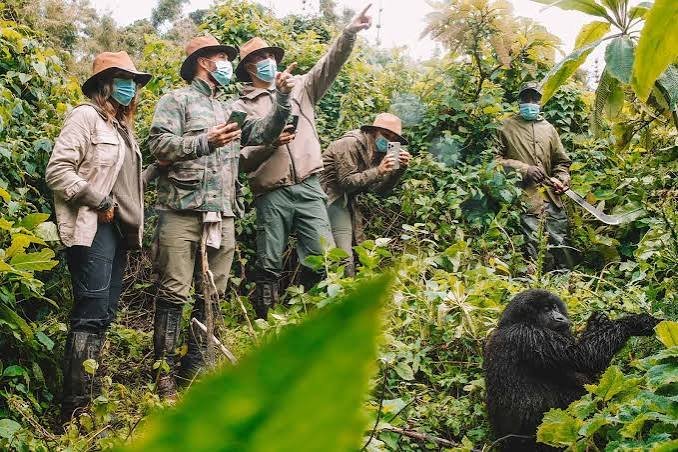
Suitable clothing contributes to a more comfortable and focused forest experience by reducing distractions caused by cold, wet feet, irritating vegetation, and uncomfortable equipment. When visitors are properly dressed, they can move more confidently through challenging terrain and concentrate on the extraordinary opportunity to observe mountain gorillas. The encounter itself remains governed by strict conservation procedures, including maintaining the required distance, following ranger instructions, and respecting the animals’ natural behaviour.
What to wear for gorilla habituation should therefore be considered alongside other important safari preparations, including physical fitness, travel arrangements, permits, and accommodation. Visitors can learn more about the Uganda gorilla habituation permit and the best entry points for gorilla habituation when organising their journey. A well-prepared visitor is better positioned to appreciate the rainforest environment and participate responsibly in this remarkable conservation-focused experience.
Frequently Asked Questions About What to Wear for Gorilla Habituation
1. What Should You Wear for Gorilla Habituation in Bwindi?
Wear waterproof hiking boots, long trousers, a long-sleeved shirt, a lightweight rain jacket, protective gloves, and comfortable hiking socks. These items provide protection against vegetation, insects, moisture, and uneven forest terrain.
2. Can You Wear Jeans for Gorilla Habituation?
Jeans are not recommended because they become heavy when wet, restrict movement, and dry slowly. Lightweight, quick-drying hiking trousers are generally more comfortable.
3. Are Waterproof Hiking Boots Necessary?
Waterproof hiking boots are strongly recommended because Bwindi contains muddy paths, steep slopes, and slippery roots. Supportive boots with reliable grip can improve comfort and stability.
4. Can You Wear Shorts During Gorilla Habituation?
Shorts are best avoided because they leave your legs exposed to nettles, insects, thorny vegetation, and scratches. Full-length hiking trousers offer better protection.
5. Do You Need Gloves for Gorilla Habituation?
Protective gardening or hiking gloves are recommended because they can help protect your hands when navigating vegetation and difficult terrain.
6. What Are the Best Clothing Colours for Gorilla Habituation?
Neutral shades such as olive green, khaki, grey, and brown are practical choices. Comfortable, protective clothing is more important than achieving a particular colour scheme.
7. Do You Need a Rain Jacket During the Dry Season?
Yes. Bwindi is a rainforest, and rainfall can occur throughout the year. A lightweight waterproof jacket is useful even during relatively dry months.
8. Should You Wear Gaiters During Gorilla Habituation?
Gaiters are useful for protecting your ankles and lower legs against mud, debris, and insects. They are especially helpful during wetter conditions.
9. Can You Wear Trainers for Gorilla Habituation?
Ordinary trainers are not recommended for demanding forest terrain because they may lack sufficient grip, ankle support, and waterproof protection. Proper hiking boots are preferable.
10. What Is the Most Important Clothing Item for Gorilla Habituation?
Well-fitting waterproof hiking boots are among the most important items because they support your feet and provide traction on steep, uneven, and muddy trails.
Book Your Gorilla Habituation Safari in Bwindi
Knowing what to wear for gorilla habituation is an important first step towards preparing for an unforgettable mountain gorilla encounter. However, a successful safari also requires suitable permits, comfortable accommodation, reliable transportation, and realistic planning for the physical demands of the forest. Whether you are travelling from Kigali, arriving through Entebbe, or combining Bwindi with other Uganda wildlife destinations, preparing your clothing and equipment in advance will help you enjoy the experience with greater confidence.
Our safari planning services can assist you with organising private transport, accommodation near Rushaga, gorilla habituation permits, and suitable itineraries based on your travel dates and preferences. Explore our gorilla habituation trekking tours or consider a three-day luxury gorilla habituation safari from Kigali for a convenient introduction to Bwindi’s remarkable rainforest.
Final Thoughts: What Should You Wear for Gorilla Habituation in Bwindi?
The most important principle when deciding what to wear for gorilla habituation is to prioritise comfort, protection, and suitability for forest conditions. Waterproof hiking boots, long trousers, breathable long-sleeved shirts, a reliable rain jacket, gloves, and comfortable hiking socks provide a practical foundation for your trekking outfit. Additional items such as gaiters, warm layers, a hat, and a waterproof daypack can improve comfort depending on the weather and individual preferences.
Understanding what to wear for gorilla habituation allows you to prepare properly for Bwindi’s challenging terrain while focusing on the extraordinary opportunity to spend extended time observing endangered mountain gorillas. With appropriate clothing, professional guidance, and carefully planned safari arrangements, you can approach this remarkable wildlife adventure feeling prepared for the natural beauty and physical demands of Uganda’s mountain rainforest.