

The Complete Guide to Bushaho Gorilla Group History: Explore Uganda’s Majestic Mountain Gorillas
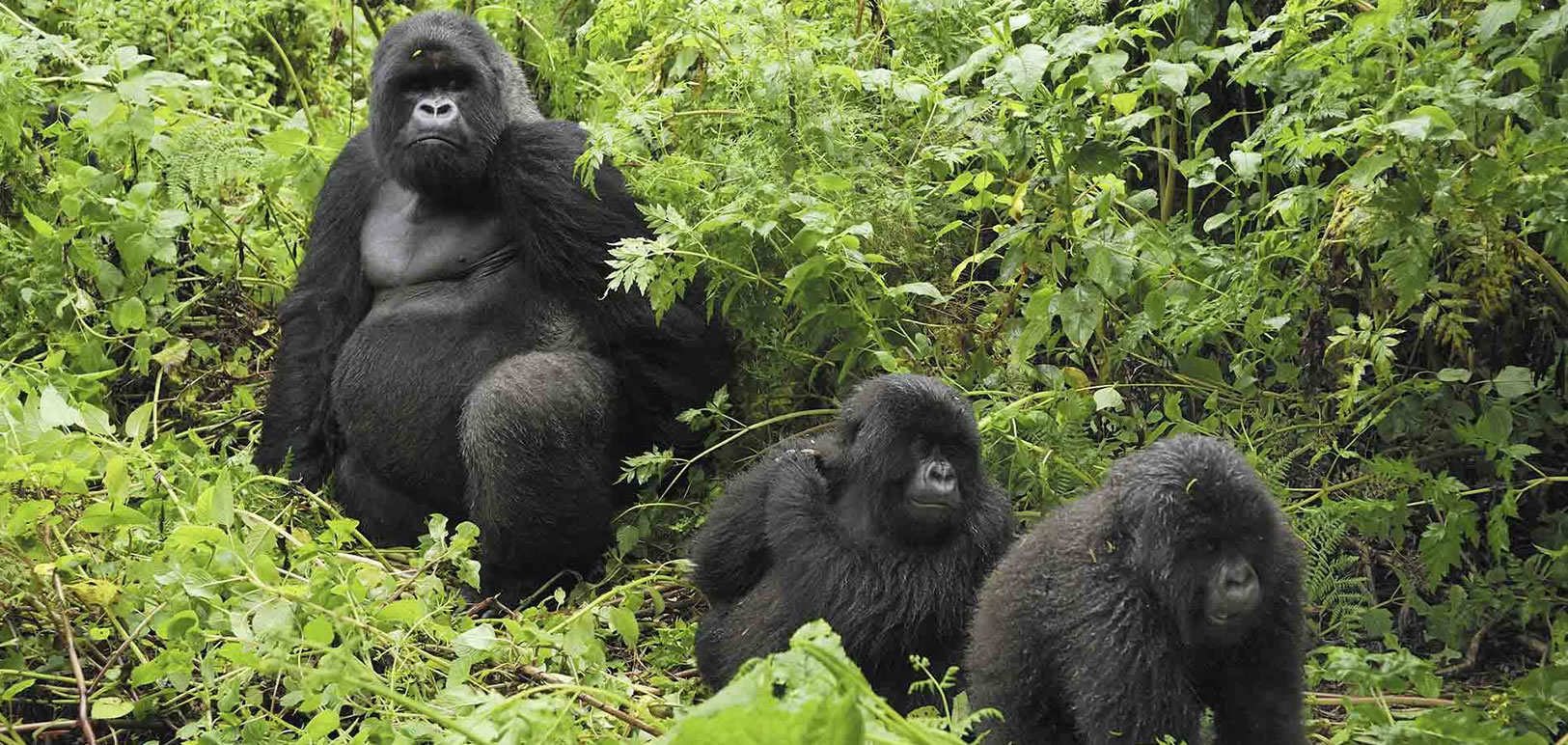
Bushaho Gorilla Group History is an essential subject for anyone interested in Uganda’s mountain gorilla conservation and ecotourism. The Bushaho gorilla family is one of the most studied and charismatic groups in Bwindi Impenetrable National Park, with a fascinating history that reflects both their survival strategies and the ongoing efforts of conservationists to protect them.
Studying Bushaho Gorilla Group History allows visitors and researchers to understand how the family formed, evolved, and adapted to environmental changes, human activity, and internal social dynamics. From the original composition of silverbacks, adult females, and juveniles to the current family members, this history provides critical insights into gorilla social structure, leadership, and inter-family relationships.
Visitors interested in Bushaho Gorilla Group History gain a unique opportunity to see how past events, such as habitat protection efforts and early habituation, have shaped the behavior and movement of the group today. These historical insights help contextualize their current social dynamics, leadership hierarchies, and interactions during trekking or habituation experiences.
Understanding the Bushaho Gorilla Group History also enhances appreciation for the long-term dedication of researchers, trackers, and Uganda Wildlife Authority officials who have worked tirelessly to monitor, protect, and gradually habituate the family for educational and conservation purposes.
Origins and Formation of the Bushaho Gorilla Group
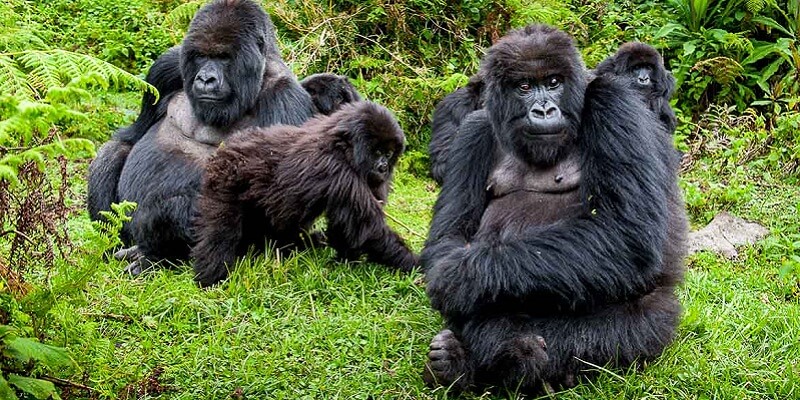
The Bushaho Gorilla Group History begins with the establishment of the family in the dense forests of Bwindi Impenetrable National Park. Originally, the group was formed around a dominant silverback whose leadership provided structure, safety, and guidance for the family. Early composition often included a mix of adult females, their infants, and several juveniles learning social behavior under the watchful eyes of the silverback.
Over the years, the group has undergone natural changes, including births, deaths, and occasional integration of new members. Studying Bushaho Gorilla Group History highlights how natural events—such as territorial disputes, environmental challenges, and disease—have influenced the family’s size, composition, and dynamics.
Habituation played a pivotal role in shaping the family’s history. Conservationists gradually introduced human presence to the Bushaho family under controlled conditions, allowing researchers to monitor health, behavior, and social interactions. Bushaho Gorilla Group History is closely intertwined with these habituation efforts, demonstrating how conservation interventions have supported long-term stability and tourism opportunities.
Understanding the origins and evolution of the family provides context for current observation experiences. Visitors participating in Bushaho Gorilla Group History tours witness not only present-day behaviors but also the legacy of leadership, adaptation, and resilience that defines this remarkable gorilla group.
Social Structure and Key Historical Events
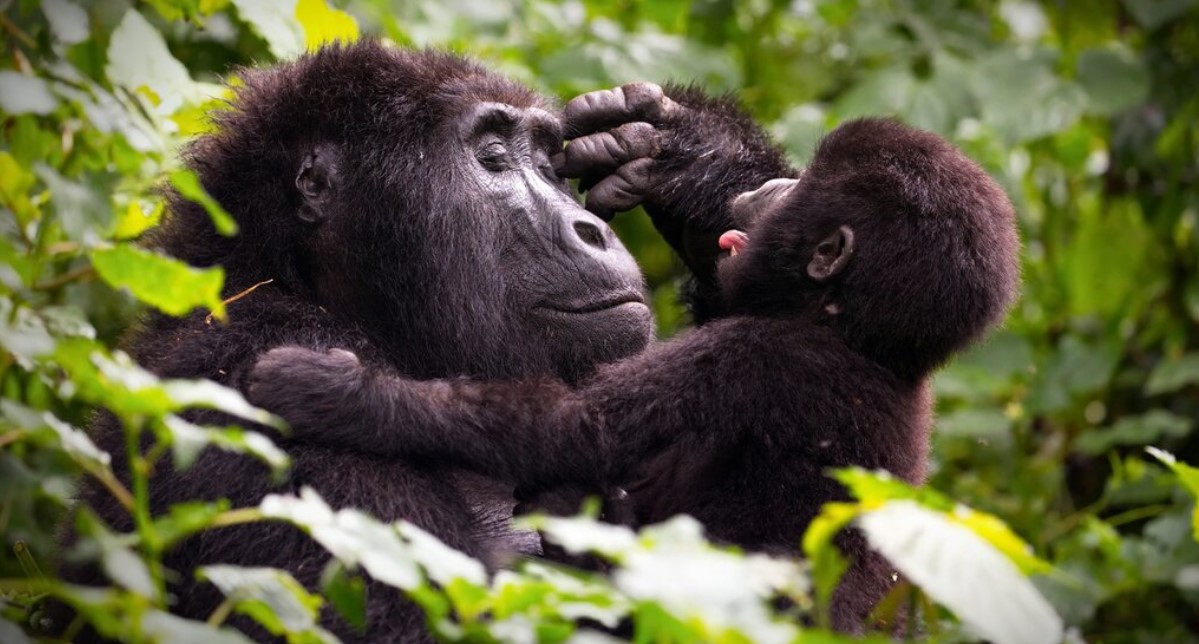
The Bushaho Gorilla Group History is defined by its complex social structure, centered around the dominant silverback. The silverback has historically been responsible for leadership, family protection, and maintaining social cohesion. Observing this leadership during trekking or habituation provides a window into the family’s continuity and survival strategies.
Throughout its history, the Bushaho family has experienced significant events, including the birth of key juveniles, the succession of new silverbacks, and the integration of orphaned or transferred individuals. Studying Bushaho Gorilla Group History allows visitors to understand how these events impacted group dynamics, hierarchy, and the development of social bonds.
Interactions with neighboring gorilla families have also shaped the Bushaho history. Territorial movements, occasional disputes, and shared feeding areas provide insight into how mountain gorillas negotiate space and relationships in Bwindi. Bushaho Gorilla Group History reflects the family’s adaptability and resilience in a dynamic environment.
By examining social structure alongside historical events, researchers and visitors gain a holistic understanding of how leadership, family size, and social interactions have evolved over time. This knowledge enhances the educational value of trekking and habituation experiences with the Bushaho family.
Behavior and Evolution Over Time
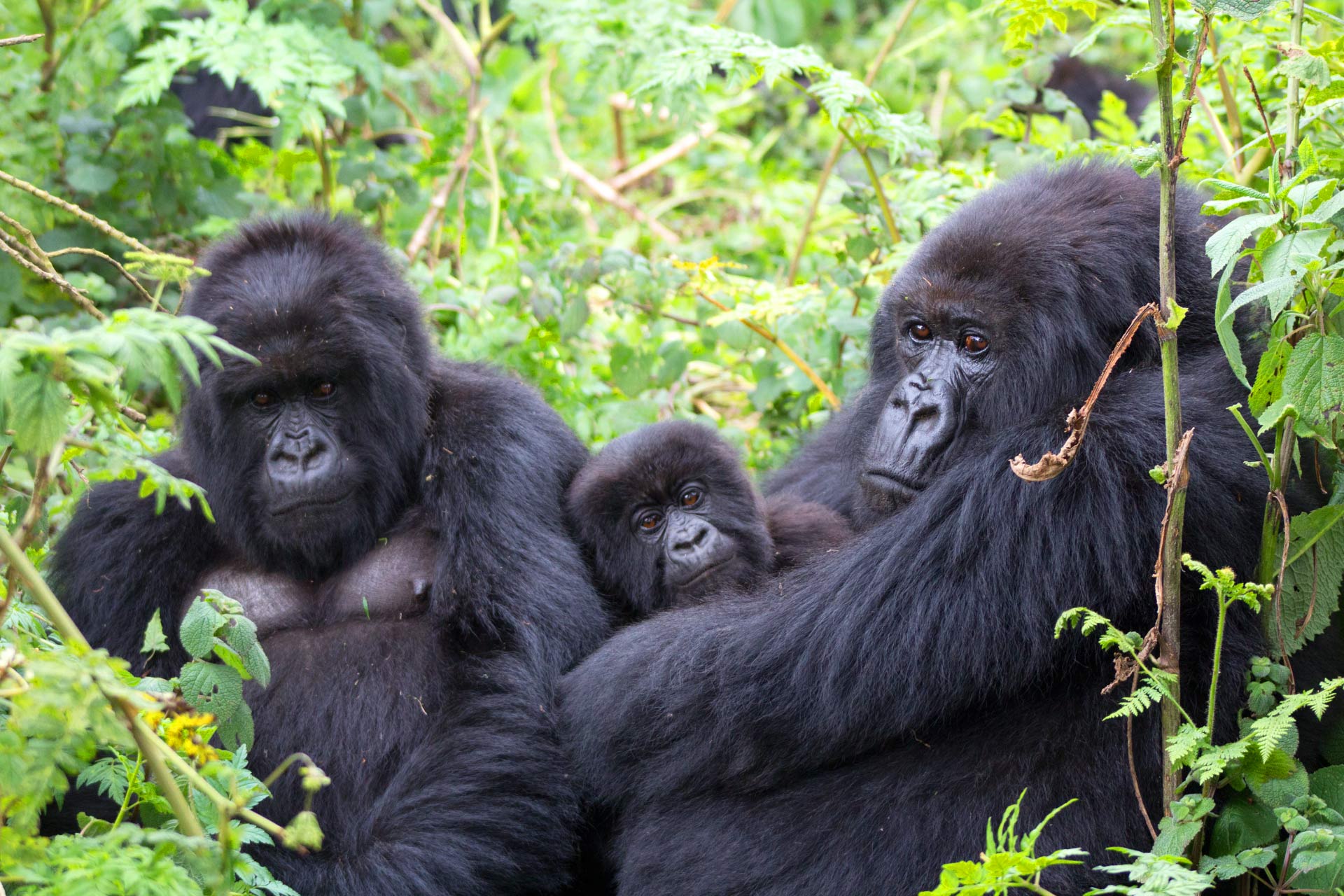
Bushaho Gorilla Group History also emphasizes behavioral evolution. The group’s responses to environmental changes, human presence, and internal dynamics illustrate how mountain gorillas adapt for survival. Silverbacks have demonstrated leadership strategies that ensure family cohesion, protect infants, and mediate conflicts among adults and juveniles.
Mothers and females have historically nurtured their infants while reinforcing social stability through grooming, vocalizations, and physical reassurance. Juveniles engage in play and exploratory behaviors that strengthen bonds and teach essential social skills. Observing Bushaho Gorilla Group History provides insight into how these behaviors have been maintained and modified across generations.
The gradual habituation of the Bushaho family has also influenced behavioral patterns. While the gorillas maintain natural instincts and routines, they have learned to tolerate human observers, allowing extended educational and conservation-focused visits. Bushaho Gorilla Group History illustrates this delicate balance between natural behavior and adaptation to conservation practices.
Understanding the evolution of behavior over time highlights the intelligence, social sophistication, and adaptability of the Bushaho family. Visitors gain a richer perspective on the continuity of leadership, caregiving, and group cohesion that defines the family today.
Conservation Significance
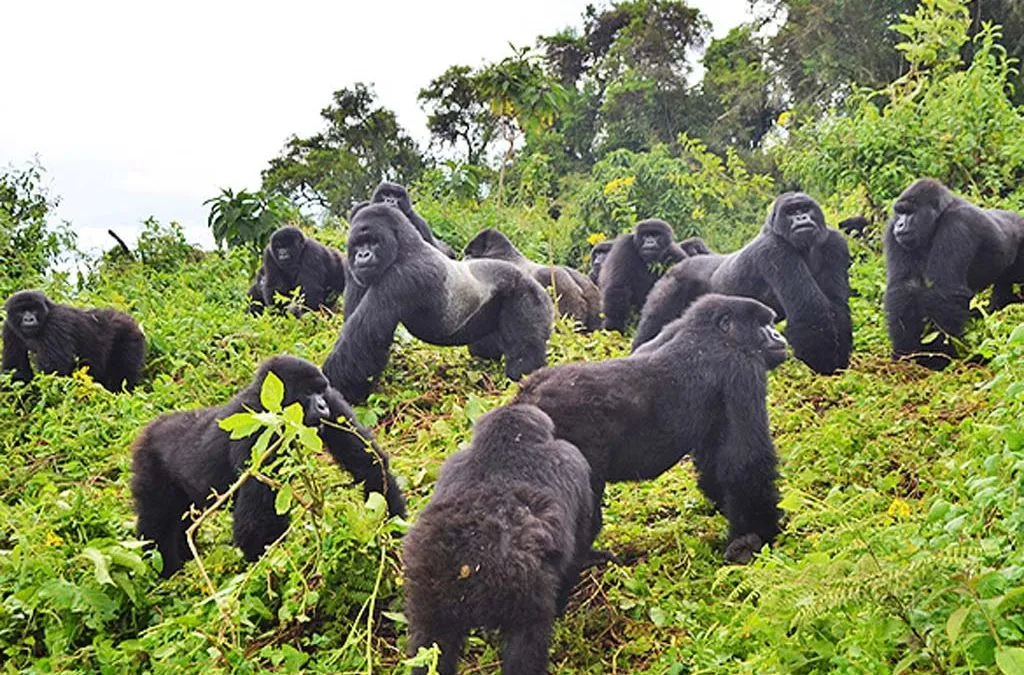
Studying Bushaho Gorilla Group History is essential for conservation. The family provides a living example of how long-term monitoring, habitat protection, and habituation can support mountain gorilla populations. Historical data on births, deaths, and social changes helps guide conservation strategies and ensures the protection of both the Bushaho family and other gorilla groups in Bwindi.
Tourism associated with Bushaho Gorilla Group History provides revenue for ranger patrols, habitat preservation, research programs, and community initiatives. By observing these gorillas, visitors contribute directly to ongoing conservation efforts while learning about the family’s history, leadership, and social structure.
Researchers rely on Bushaho Gorilla Group History to understand family dynamics, succession patterns, and adaptive strategies in response to environmental pressures. This information helps maintain genetic diversity, monitor health, and implement ethical tourism practices that minimize stress for the gorillas.
Through understanding the Bushaho history, visitors appreciate not only the present-day behaviors of the family but also the decades of work by conservationists and Uganda Wildlife Authority staff that have safeguarded the family’s future.
How Visitors Can Experience Bushaho Gorilla Group History
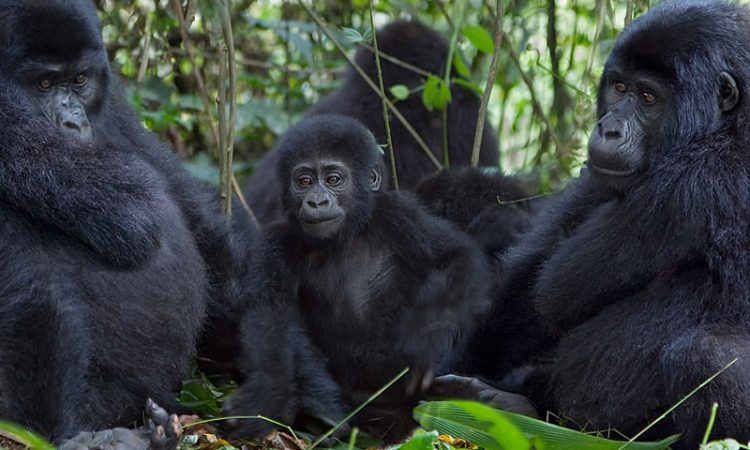
Visitors can explore Bushaho Gorilla Group History through guided trekking and habituation experiences organized by professional operators such as NextGEN Safaris. Expert guides provide detailed explanations of the family’s origins, key historical events, social structure, and behavioral adaptations.
During these experiences, travelers witness silverback leadership, maternal care, juvenile play, and communication patterns firsthand. Observing Bushaho Gorilla Group History allows visitors to connect past events with present behaviors, creating a deeper understanding of the family’s evolution over time.
Trekking routes are carefully planned to ensure minimal disturbance to the family while providing safe observation. Guides also highlight the conservation significance of each behavior and event, emphasizing how tourism supports ongoing protection efforts.
Booking a Bushaho Gorilla Group History experience guarantees a safe, educational, and immersive encounter with one of Bwindi’s most remarkable gorilla families, offering insights into leadership, social cohesion, and conservation across generations
Frequently Asked Questions About Bushaho Gorilla Group History
1. What is Bushaho Gorilla Group History?
Bushaho Gorilla Group History refers to the chronological development, social evolution, and conservation milestones of the Bushaho gorilla family in Bwindi Impenetrable National Park. It includes details on how the family formed, the leadership of dominant silverbacks, maternal and juvenile roles, and how the family has adapted to environmental changes over time.
Studying Bushaho Gorilla Group History provides valuable insight into mountain gorilla behavior, social hierarchy, and group dynamics. By understanding the history, visitors can appreciate why certain behavioral patterns, leadership decisions, and family interactions are observed today.
The history also emphasizes the role of conservationists, trackers, and researchers in monitoring and protecting the family. Through Bushaho Gorilla Group History, it becomes clear how careful management and ethical tourism have contributed to the survival and well-being of this iconic gorilla family.
2. Where is the Bushaho gorilla family located?
The Bushaho family is located in the Nkuringo sector of Bwindi Impenetrable National Park in southwestern Uganda. Bushaho Gorilla Group History is tied to this forested region, which offers dense vegetation, natural feeding sites, and secure resting areas. These factors have allowed the family to thrive and gradually accept human observers.
Visitors who study Bushaho Gorilla Group History gain an appreciation for how location and habitat have influenced the family’s movements, feeding patterns, and social interactions. The Nkuringo terrain provides both challenge and opportunity for conservationists monitoring the family.
Access to the family’s habitat requires professional guidance. Observers following Bushaho Gorilla Group History must navigate forest trails under expert supervision to ensure safety for both humans and gorillas. This careful approach allows the family to maintain natural behaviors while being studied ethically.
3. How was the Bushaho gorilla family formed?
Bushaho Gorilla Group History began with the formation of the family around a dominant silverback, who provided leadership and protection. The initial group included adult females, infants, and juveniles, all of whom relied on the silverback for safety and guidance through the forest.
Over time, new members were integrated, including offspring born within the group and, occasionally, individuals transferred from neighboring families. Observing Bushaho Gorilla Group History shows how these changes affected group size, hierarchy, and social interactions.
Habituation efforts have also played a role in the family’s development. Researchers and trackers gradually introduced human presence, allowing the family to become semi-habituated. Studying Bushaho Gorilla Group History demonstrates how both natural events and conservation practices have shaped the family over time.
4. What role does the silverback play in Bushaho Gorilla Group History?
The silverback is central to Bushaho Gorilla Group History, acting as the leader, protector, and primary decision-maker. He guides the family to feeding sites, mediates conflicts, and ensures cohesion among all members. His behavior directly influences the comfort and security of females, juveniles, and infants.
During habituation and tracking, the silverback sets the tone for interactions with humans. Observing Bushaho Gorilla Group History reveals how the silverback’s acceptance of human presence encourages other family members to tolerate observation safely.
The silverback also teaches younger gorillas social and survival skills through guidance, corrective gestures, and observation. Understanding Bushaho Gorilla Group History highlights the critical role of silverback leadership in maintaining both family structure and adaptability.
5. How do mothers contribute to Bushaho Gorilla Group History?
Females are integral to Bushaho Gorilla Group History. Mothers care for infants, guide juveniles in social behavior, and maintain strong bonds within the family through grooming and gentle interactions. These behaviors ensure the survival and socialization of young gorillas.
Observing Bushaho Gorilla Group History shows how females reinforce hierarchy, mediate minor conflicts, and support silverback leadership, creating a stable social environment. Mothers’ roles are crucial for both individual development and group cohesion.
Females also help researchers and visitors understand the family’s social dynamics. Through careful observation of Bushaho Gorilla Group History, one can see the cooperation and mutual support that define gorilla family life.
6. How do juveniles behave in the Bushaho family?
Juveniles are a key focus of Bushaho Gorilla Group History because their behaviors reveal learning and social development. Playful interactions, exploration, and mimicry help juveniles develop skills and understand social norms.
Tracking juveniles provides insight into how the family maintains cohesion and hierarchy. Observing Bushaho Gorilla Group History shows the balance between supervision by adults and independent learning by juveniles.
These behaviors also illustrate the adaptability of gorillas to environmental changes and the presence of humans. Visitors studying Bushaho Gorilla Group History can witness learning, socialization, and play as integral parts of family survival.
7. How do gorillas communicate within the Bushaho family?
Communication is central to Bushaho Gorilla Group History. Silverbacks use chest-beating, vocalizations, and postures to assert authority, signal danger, and coordinate movements. Females and juveniles reinforce social bonds through soft vocalizations, grooming, and playful gestures.
Visitors following Bushaho Gorilla Group History learn to interpret subtle cues that indicate hierarchy, intention, and emotional state. This understanding enhances the observation experience and deepens appreciation for gorilla intelligence.
The evolving communication patterns also reflect historical events in the family. Studying Bushaho Gorilla Group History reveals how social interactions and communication adapt to group size, environmental conditions, and the introduction of human observers.
8. How long does a typical tracking experience last?
Bushaho Gorilla Group History can be explored during habituation or trekking experiences lasting three to four hours. These extended periods allow visitors to observe feeding, social play, grooming, and leadership behaviors in detail.
During this time, guides explain historical milestones in the family’s development, such as births, silverback succession, and changes in group composition. Observing Bushaho Gorilla Group History over several hours provides a comprehensive understanding of the family’s evolution.
Extended tracking also allows visitors to witness subtle behaviors, seasonal adaptations, and interactions influenced by historical events. Understanding Bushaho Gorilla Group History in real-time deepens the educational and emotional value of the experience.
9. Are Bushaho gorillas safe to observe?
Yes, Bushaho Gorilla Group History is safe to observe when following ethical guidelines. Trained trackers and guides maintain safe distances, interpret behavioral cues, and ensure that gorillas are not stressed by human presence.
The family is semi-habituated, meaning they are accustomed to researchers and carefully guided visitors. Observing Bushaho Gorilla Group History allows travelers to witness authentic behaviors without disrupting the natural routines of the gorillas.
Ethical observation protocols ensure that both visitors and gorillas remain safe while allowing for educational and conservation-focused experiences. Bushaho Gorilla Group History tours prioritize respect, safety, and minimal impact.
10. How does habituation affect the Bushaho family?
Habituation is a gradual process central to Bushaho Gorilla Group History. It allows gorillas to become accustomed to human presence without altering natural behaviors. Silverbacks’ tolerance plays a critical role, signaling to the rest of the family that visitors are not a threat.
Through habituation, researchers can monitor family dynamics, health, and social interactions. Observing Bushaho Gorilla Group History during this process provides insights into leadership, communication, and social cohesion.
Visitors experience the balance between natural behavior and human observation. Bushaho Gorilla Group History demonstrates how careful habituation preserves family structure, supports education, and enables responsible tourism.
Booking Your Bushaho Gorilla Group History Experience
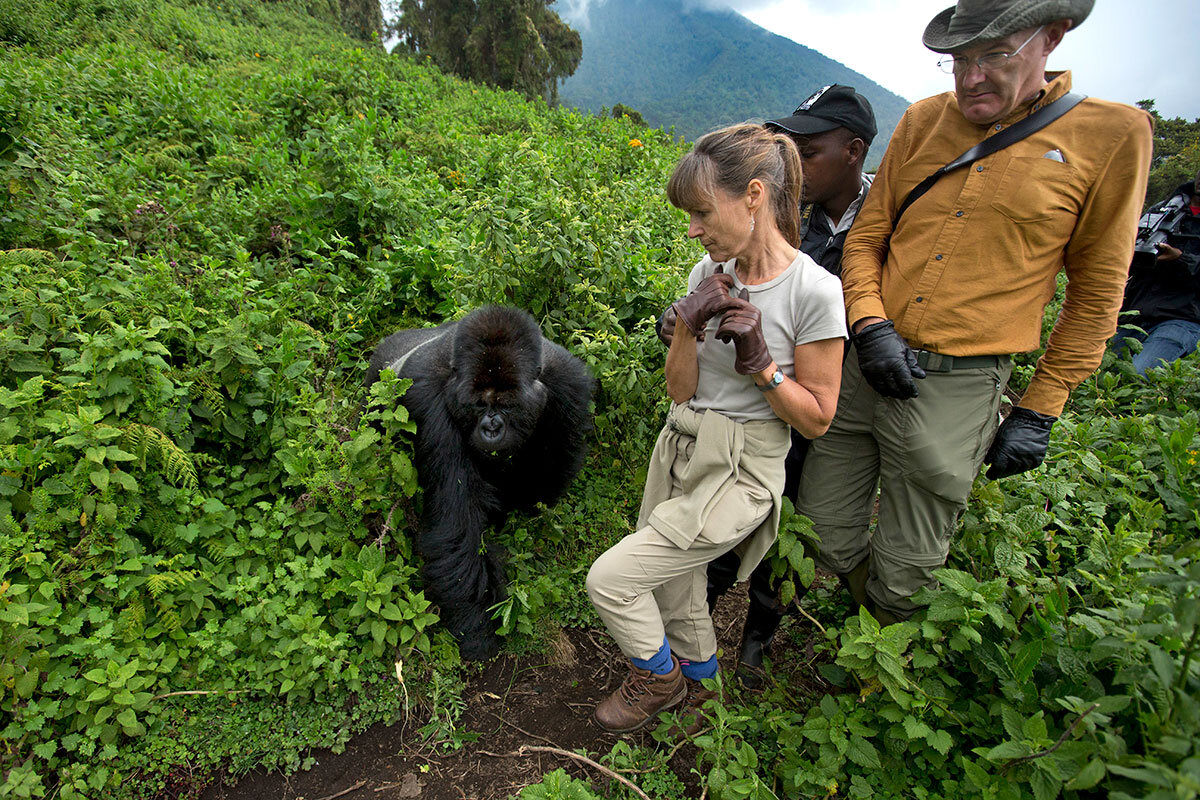
Experiencing the Bushaho Gorilla Group History in person is an unforgettable adventure, but planning your visit carefully ensures both safety and the highest educational value. Booking through a professional operator like NextGEN Safaris guarantees that every aspect of your encounter—from permits and transportation to guided observation—is organized to provide a seamless and immersive experience.
Your booking includes gorilla trekking permits, which are essential for legally accessing Bwindi Impenetrable National Park. These permits allow visitors to observe the Bushaho family safely while supporting the conservation efforts that maintain their habitat. With Bushaho Gorilla Group History tours, permits are coordinated in advance to ensure availability, as these semi-habituated families are in high demand due to their unique social dynamics and historical significance.
NextGEN Safaris provides experienced trackers and guides who are intimately familiar with the Bushaho family’s history, behaviors, and movement patterns. During your experience, guides explain the family’s origins, significant events, leadership of the silverback, interactions between adults and juveniles, and the evolution of the group over time. By observing Bushaho Gorilla Group History under expert supervision, visitors gain a rich understanding of gorilla intelligence, social structure, and adaptation to human presence.
In addition to trekking, your booking may include supplementary educational sessions, where guides provide context about the park’s conservation efforts, habituation programs, and the broader significance of Bushaho Gorilla Group History in Uganda’s mountain gorilla research. This deeper understanding enhances the visitor experience and underscores the impact of ethical and sustainable tourism.
Reserve your trek today and witness firsthand the leadership, social dynamics, and family interactions that define the Bushaho gorilla group while supporting their long-term protection and the ongoing study of Bushaho Gorilla Group History.