

What Does the Gorilla Habituation Experience in Uganda Involve?
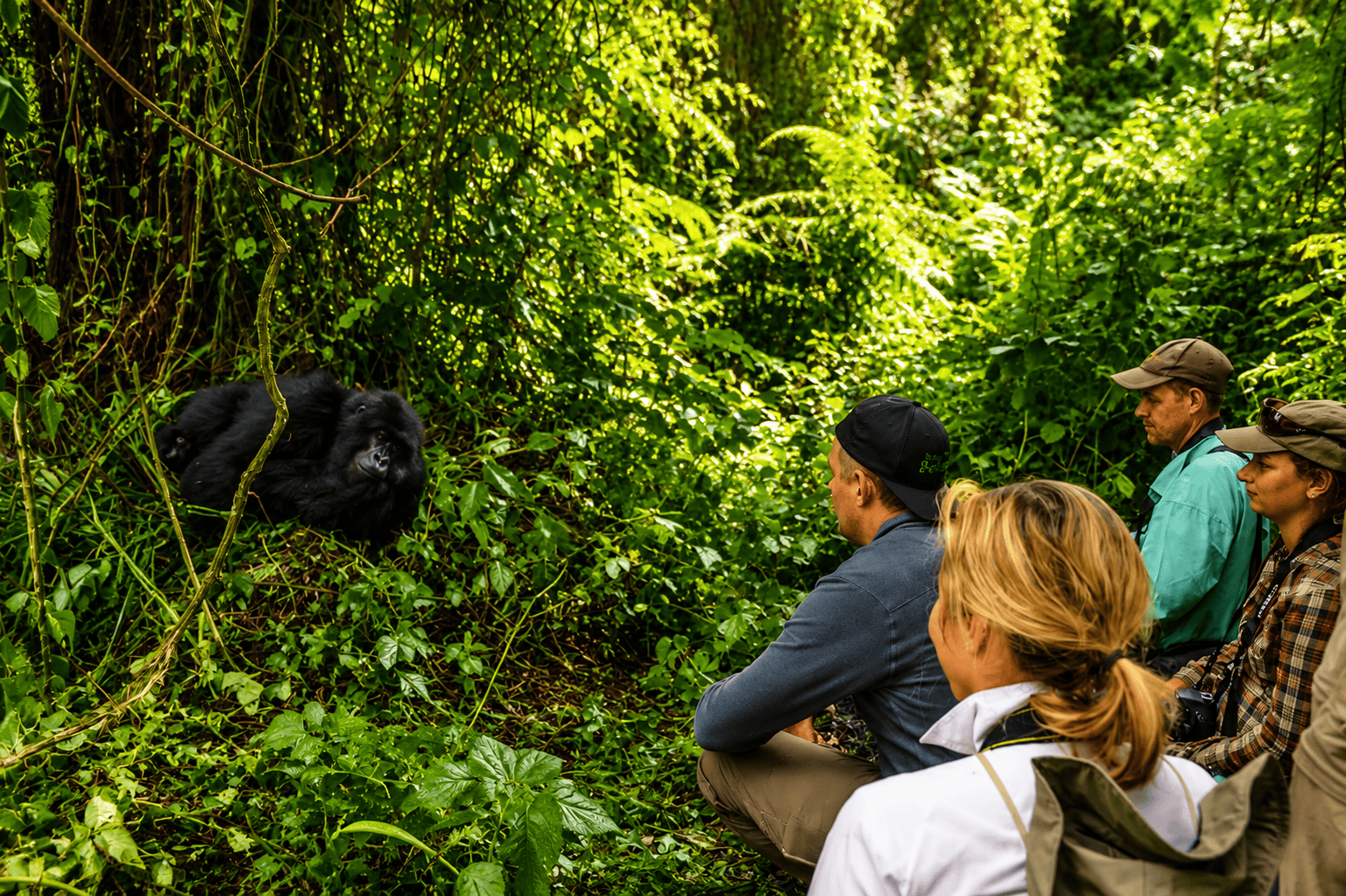
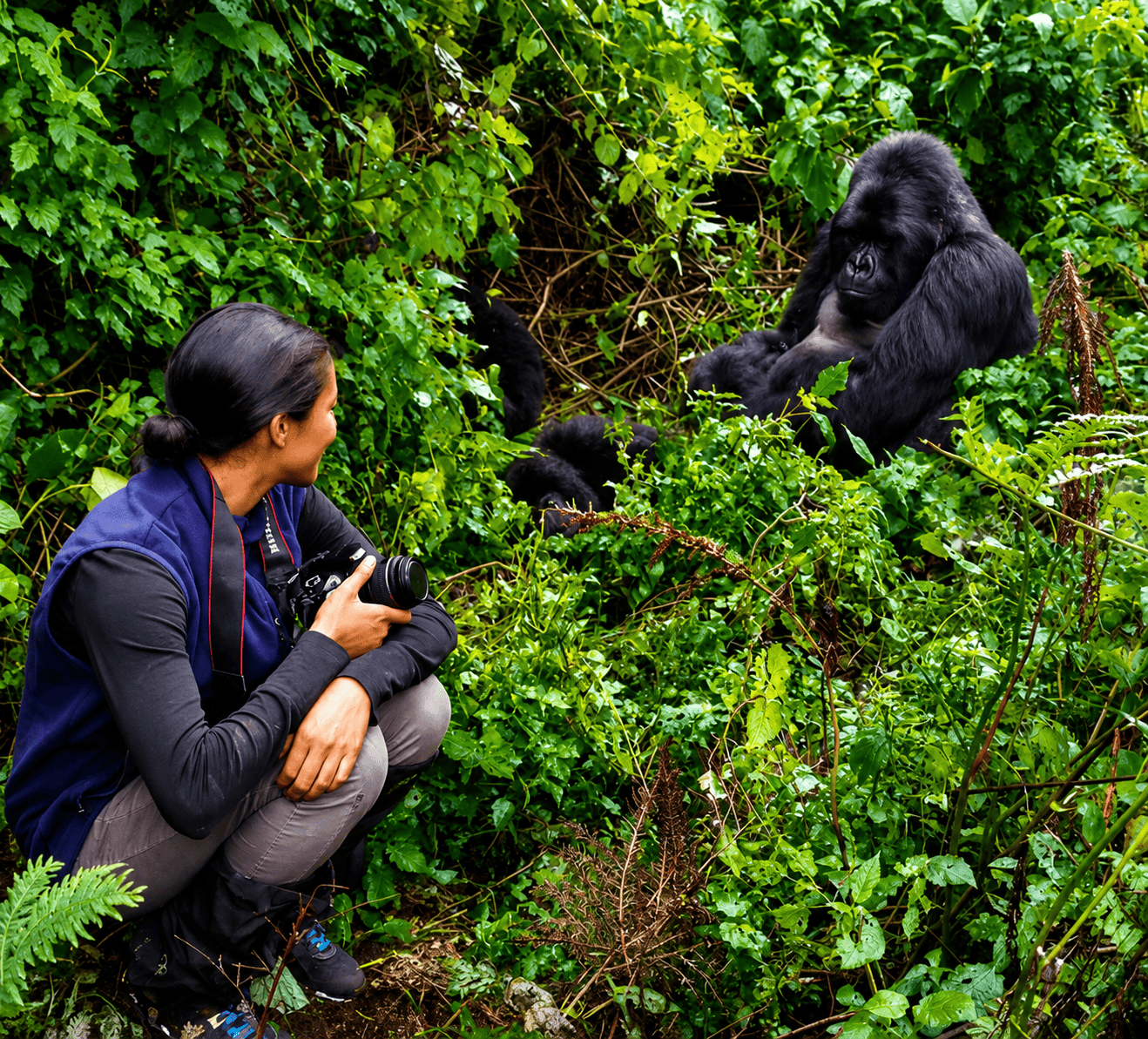
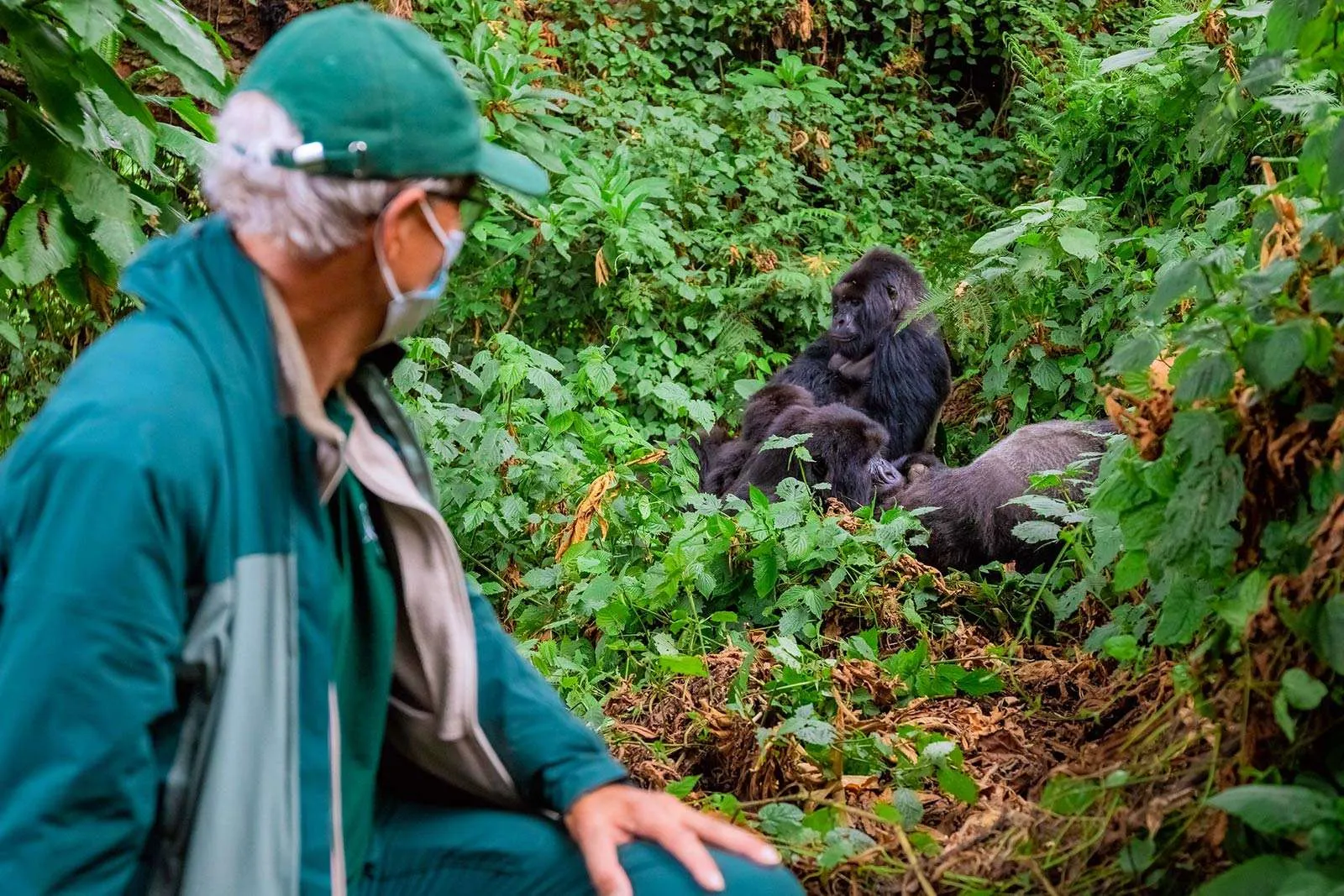
Gorilla Habituation Experience Uganda is an extraordinary wildlife activity that allows travellers to spend up to four hours observing mountain gorillas undergoing the gradual process of becoming accustomed to controlled human presence. Conducted in Bwindi Impenetrable National Park, this specialised experience brings visitors alongside professional trackers, researchers, guides and habituators who monitor gorilla behaviour while supporting conservation efforts.
Unlike ordinary gorilla trekking, which permits one hour with an already habituated family, the Gorilla Habituation Experience provides extended opportunities to observe feeding, grooming, communication and family interactions in the gorillas’ natural rainforest environment.
What Is Gorilla Habituation?
Gorilla habituation is the gradual process of helping wild mountain gorillas become familiar with the presence of people without domesticating them or interfering unnecessarily with their natural behaviour. Researchers and habituators conduct carefully controlled encounters over time, monitoring how different family members respond to human presence.
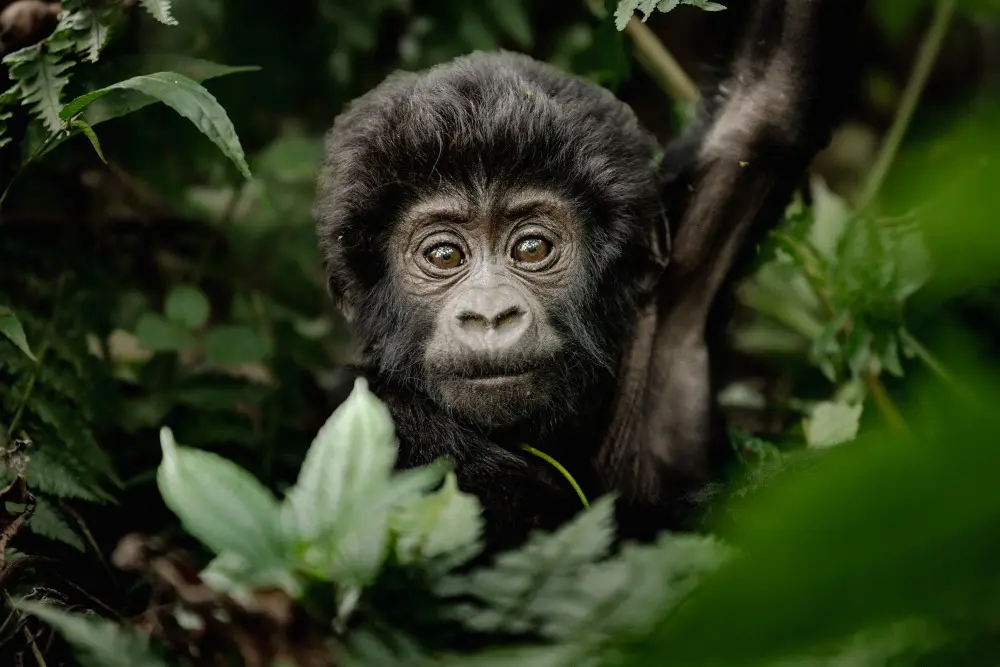
During the Gorilla Habituation Experience Uganda, travellers accompany these professionals into the forest to observe the gorillas while learning about their social relationships, movements and conservation requirements.
The gorillas remain completely wild, meaning their movements determine how the experience unfolds. Visitors cannot touch, feed or deliberately approach them.
Where Does Gorilla Habituation Take Place?
The experience takes place in Bwindi Impenetrable National Park in southwestern Uganda, particularly within the areas designated for the activity.
Bwindi features mountainous terrain, dense tropical rainforest, steep valleys and diverse wildlife. Gorilla families move freely through this protected habitat, making every tracking experience different.
Travellers should understand the best entry points for Gorilla Habituation before choosing accommodation. Staying close to the correct activity location is essential because Gorilla Habituation begins early in the morning.
How Long Does the Gorilla Habituation Experience Last?
The Gorilla Habituation Experience Uganda allows a maximum of four hours with the gorillas after they have been located. However, the entire activity can take considerably longer because tracking time is separate from the permitted viewing period.
According to the procedures described in the original article, the experience normally begins around 6:30 a.m., with visitors attending a briefing before entering the forest.
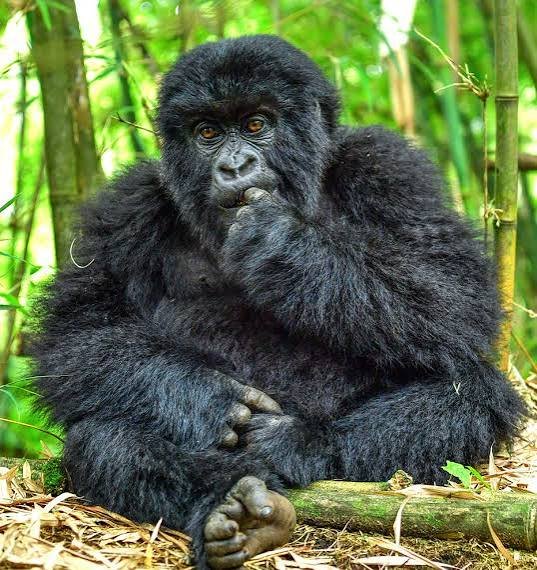
Tracking duration depends on the family’s location, weather conditions and terrain. Some encounters involve relatively manageable walks, while others require several hours of hiking through dense vegetation.
Our detailed guide to Gorilla Habituation trek duration provides additional information about planning your forest day.
What Happens During Gorilla Habituation?
Your experience begins with permit verification and an official briefing covering safety, conservation regulations and expected visitor behaviour.
You then enter the rainforest with guides, trackers and habituators who follow signs of gorilla movement, including fresh vegetation, feeding remains and nesting locations.
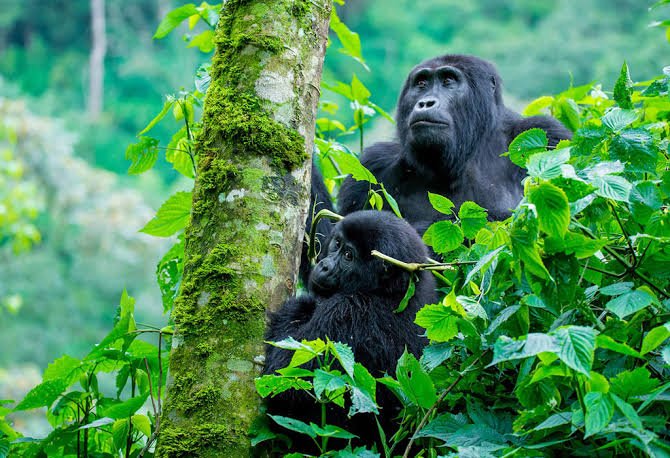
Once the family is encountered, the extended observation period begins. You may watch silverbacks resting, mothers caring for infants, juveniles playing and family members feeding or moving through the vegetation.
These natural interactions make Gorilla Habituation pa rticularly rewarding for travellers interested in wildlife behaviour rather than brief sightseeing encounters.
Gorilla Habituation Versus Standard Gorilla Trekking
The major difference between these experiences is the viewing duration and the habituation status of the gorilla family.
Standard gorilla trekking provides up to one hour with a fully habituated family, whereas Gorilla Habituation allows up to four hours with a family undergoing the habituation process.
The longer experience offers additional opportunities for photography, behavioural observation and understanding conservation work.
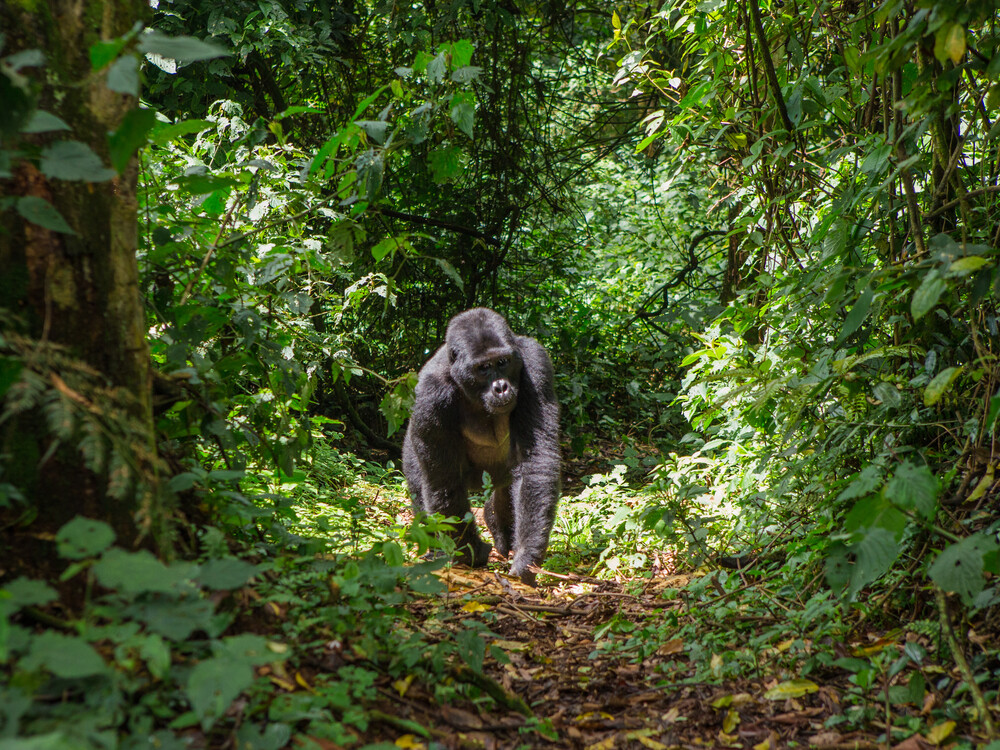
Travellers interested in both activities can explore Uganda Gorilla Habituation safari tours that incorporate different primate experiences.
Is Gorilla Habituation Safe and Physically Demanding?
Gorilla Habituation operates under professional supervision, but visitors must remember that mountain gorillas remain powerful wild animals. Following guide instructions is essential throughout the encounter.
Uganda Wildlife Authority sets the minimum age for gorilla tracking and viewing at 15 years.
The physical difficulty depends on the terrain and location of the gorillas. Travellers should prepare for muddy trails, steep slopes and potentially lengthy walks.
Waterproof hiking boots, long trousers, long-sleeved clothing, drinking water and rain protection are recommended. Hiring a local porter can also make the experience more comfortable.
Is Gorilla Habituation Good for Wildlife Photography?
Gorilla Habituation Experience Uganda is particularly attractive to photographers because the extended viewing allowance provides more time to observe changing light, animal movements and natural behaviour.
Photographers may capture silverbacks, young gorillas, feeding interactions and peaceful family moments without the same time pressure associated with standard trekking.
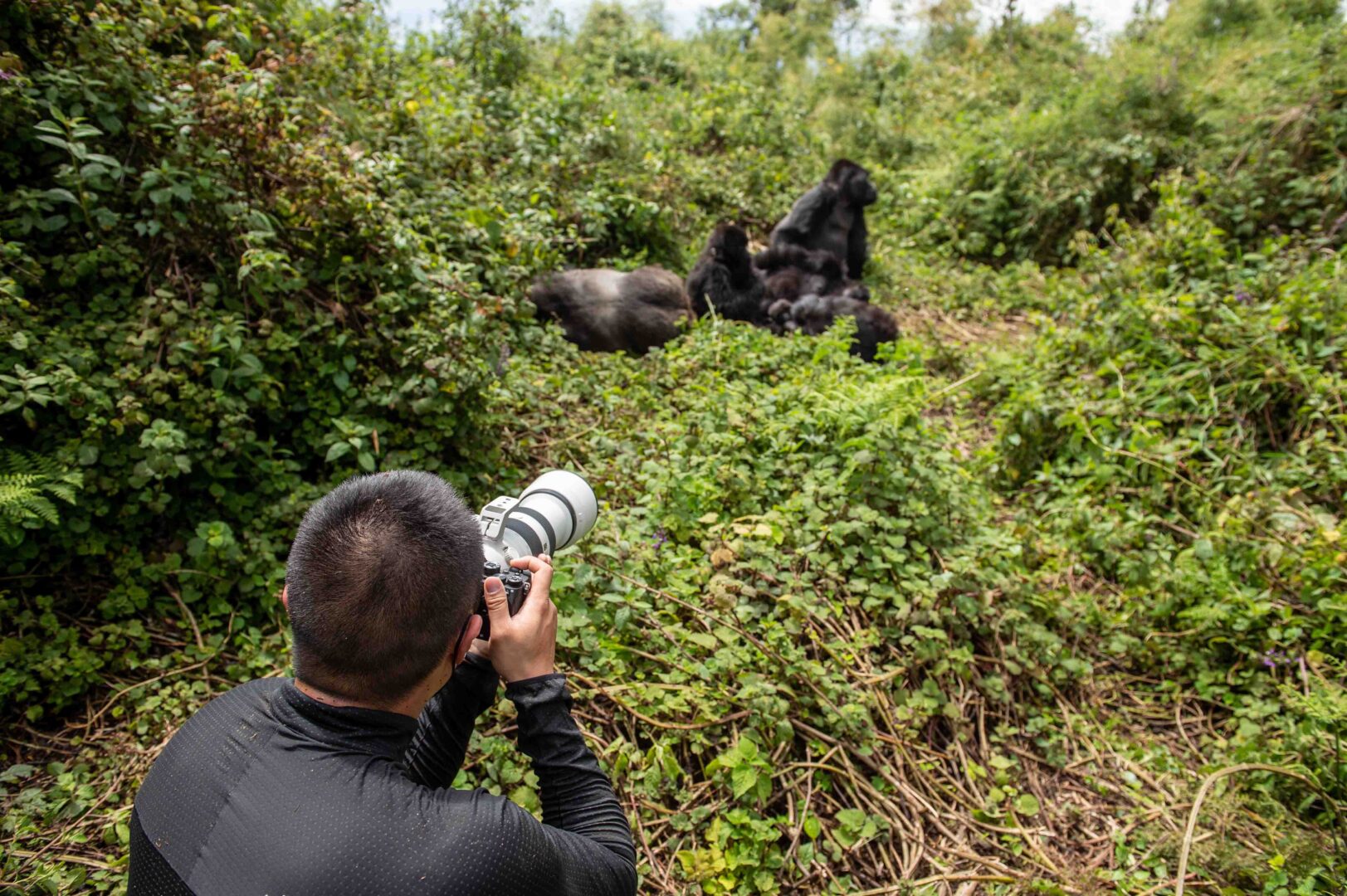
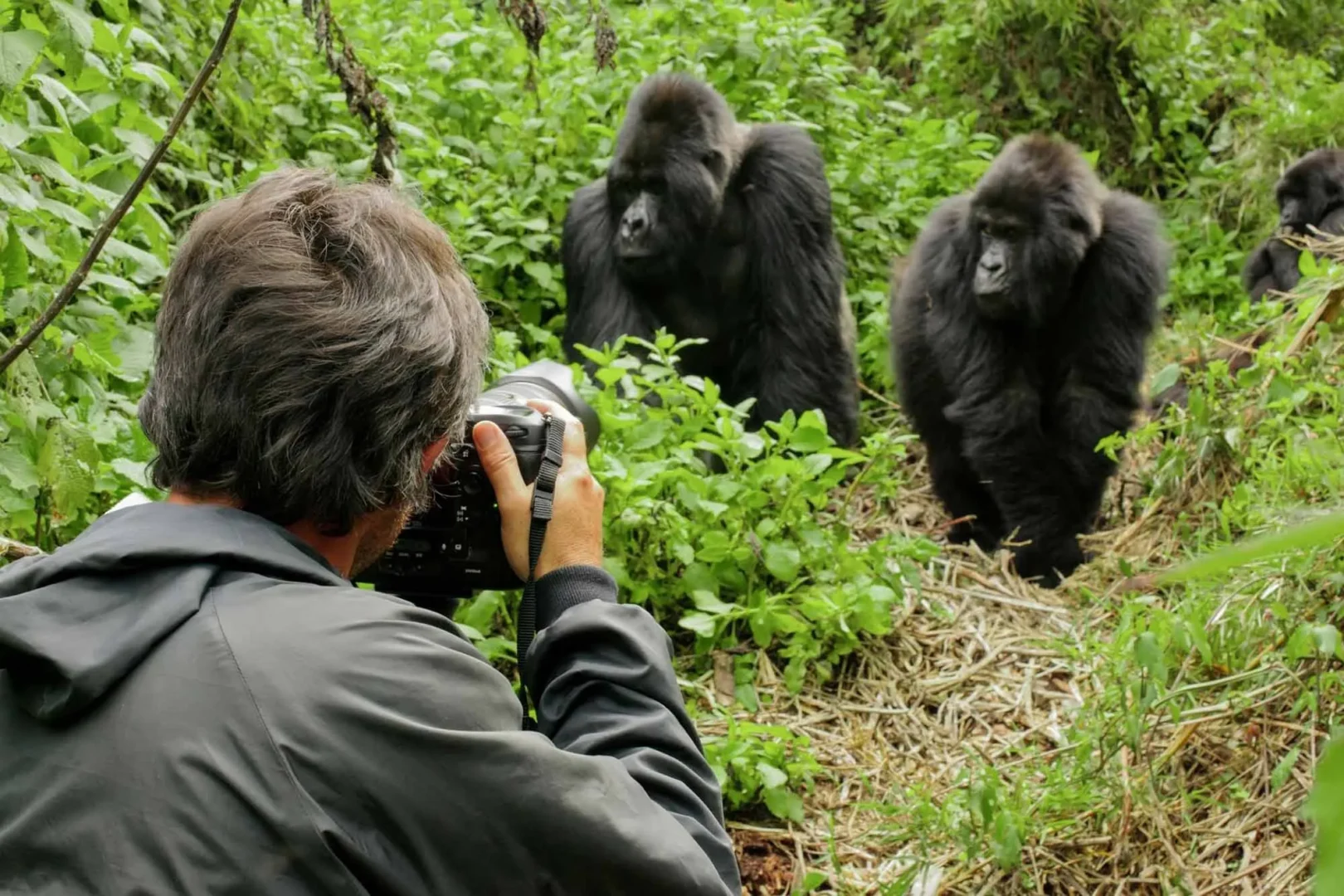
However, photography must always follow conservation regulations and ranger instructions. Flash photography is prohibited.
Travellers can prepare using our guide to the best camera for Gorilla Habituation or explore a luxury Bwindi gorilla photography safari.
How Much Does the Gorilla Habituation Experience Cost?
The original article identifies the 2026 Gorilla Habituation permit tariff as USD 1,500 for Foreign Non-Residents, USD 1,000 for Foreign Residents and Rest of Africa visitors, and UGX 750,000 for eligible East African Community citizens.
It also reports revised tariffs announced for 1 January 2027, including USD 1,800 for Foreign Non-Residents and USD 1,600 for Foreign Residents.
The permit covers the official wildlife activity and specified park-related charges, but accommodation, transportation, flights and other safari arrangements are separate.
Our Uganda Gorilla Habituation permit guide explains the permit booking process in greater detail.
How Do You Book Gorilla Habituation in Uganda?
Gorilla Habituation permits are managed by Uganda Wildlife Authority and issued according to availability. Foreign Non-Resident travellers arrange permits through appropriately licensed tour operators.
Because visitor numbers are limited, advance booking is recommended, particularly during popular travel periods.
Your confirmed permit should guide accommodation and transportation arrangements. Travellers can review luxury lodges for Gorilla Habituation and how to reach the Bwindi habituation sector before finalising their itinerary.
How Does Gorilla Habituation Support Conservation?
Gorilla Habituation contributes to conservation through regulated tourism, scientific observation, habitat protection and community-linked initiatives.
Researchers monitor gorilla families while controlled tourism generates revenue supporting protected-area management and conservation activities.
Visitors also gain a greater understanding of why disease prevention, respectful wildlife viewing and protecting rainforest habitats are essential to the survival of mountain gorillas.
How Many Days Should You Allow for Gorilla Habituation?
Travellers should arrive in Bwindi before their scheduled habituation morning and allow enough time for the forest experience without rushing subsequent transfers.
A three-day Gorilla Habituation itinerary can accommodate a short visit, while a five-day Uganda Gorilla Habituation safari provides additional flexibility.
Longer journeys may combine Bwindi with Queen Elizabeth National Park, chimpanzee trekking or other wildlife destinations.
Final Thoughts
Gorilla Habituation Experience Uganda offers much more than an opportunity to see mountain gorillas. It combines extended wildlife observation, rainforest exploration, conservation education and meaningful encounters with one of Africa’s most remarkable endangered primates.
With up to four hours of gorilla viewing, professional guidance and opportunities to observe natural family behaviour, the experience is especially rewarding for photographers, wildlife enthusiasts and travellers seeking a deeper connection with mountain gorilla conservation.
Careful permit booking, suitable accommodation and appropriate physical preparation will help you enjoy this distinctive adventure in Bwindi Impenetrable National Park.