

Can Gorilla Habituation Be Combined With Chimpanzee Trekking in Uganda?
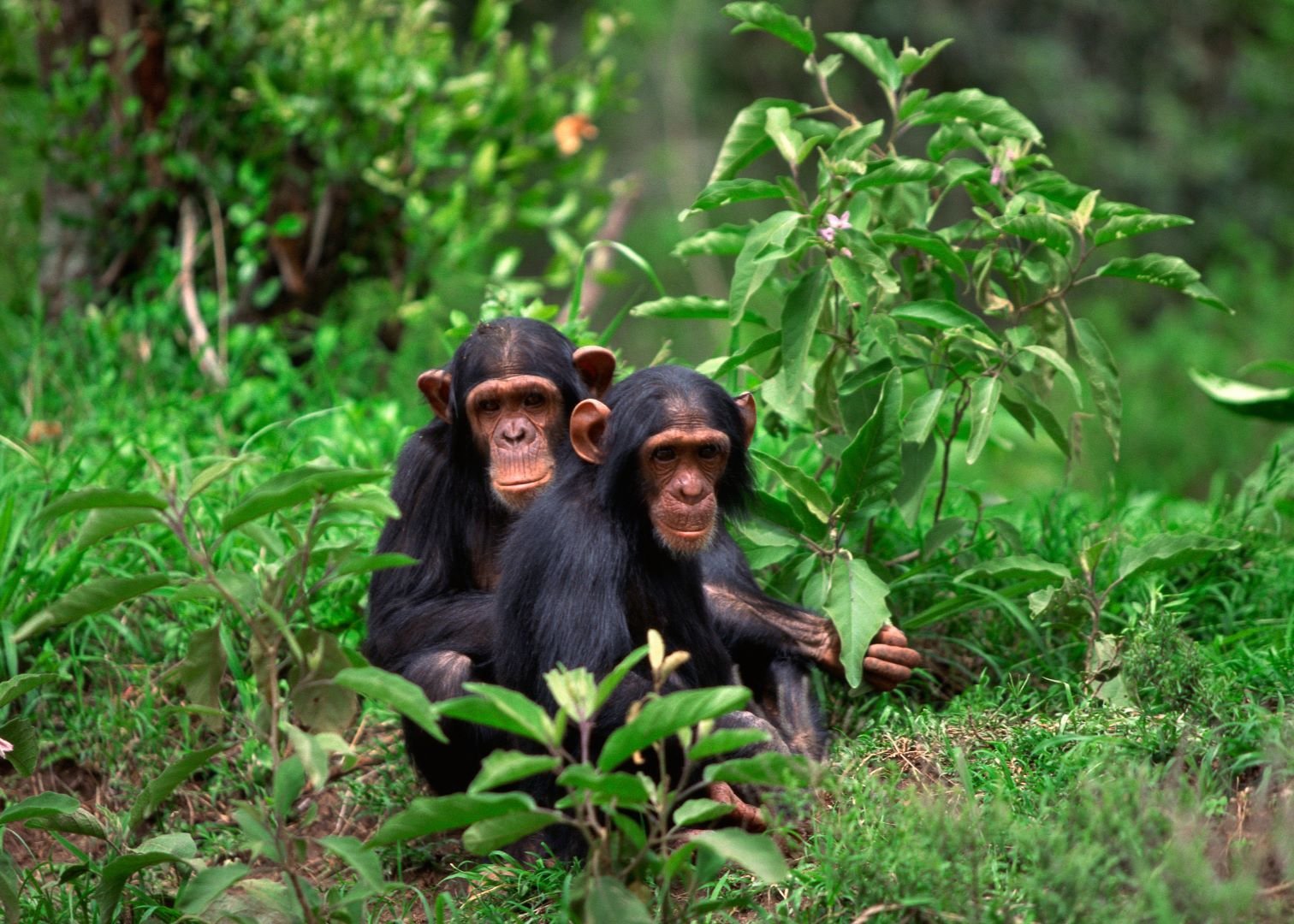
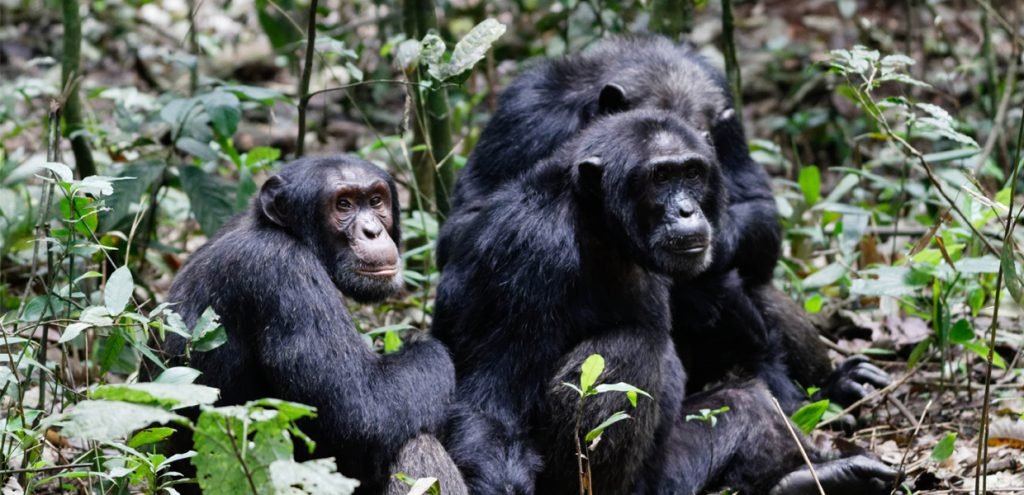
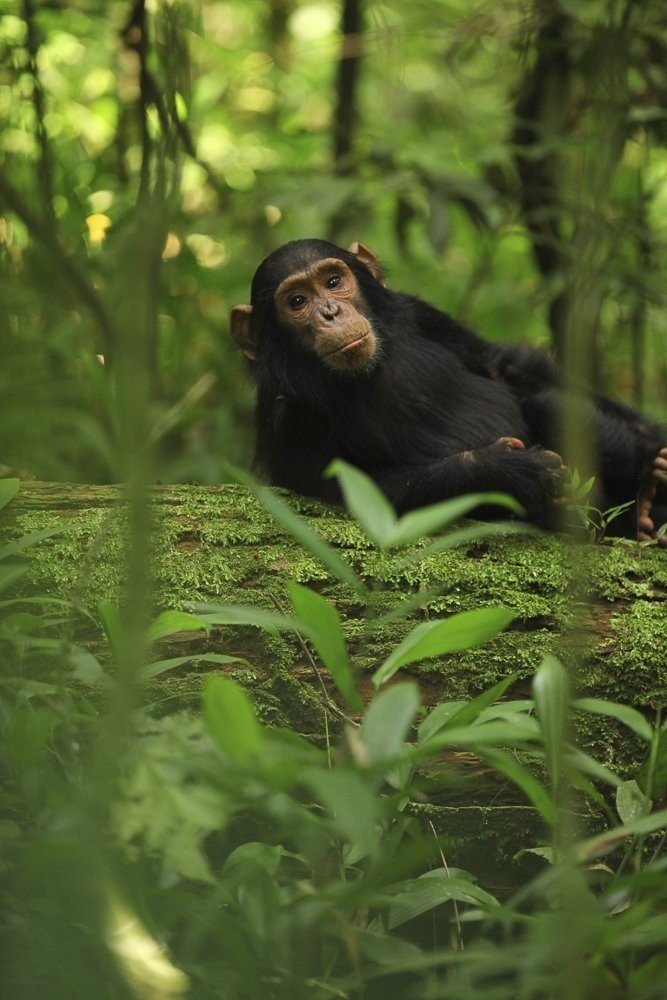
Yes, Gorilla Habituation and Chimpanzee Trekking can be combined on the same safari in Uganda, allowing travellers to observe two of Africa’s most remarkable primates in their natural rainforest environments. This combination typically includes gorilla habituation in Bwindi Impenetrable National Park and chimpanzee trekking in Kibale National Park. Both activities require separate permits and take place on different days, making careful itinerary planning essential.
Combining these experiences creates an extraordinary journey through Uganda’s diverse tropical forests. Mountain gorillas offer opportunities to observe family relationships, feeding behaviour, and interactions involving dominant silverbacks, while chimpanzees provide a fascinating contrast through their energetic movements, complex social structures, and distinctive vocalisations. Travellers interested in this combination can begin by understanding the Gorilla Habituation Experience in Uganda before arranging the remaining activities.
Why Combine Gorilla Habituation and Chimpanzee Trekking in Uganda?
Combining Gorilla Habituation and Chimpanzee Trekking provides a more comprehensive understanding of Uganda’s primate conservation efforts. The two experiences reveal important differences between mountain gorillas and chimpanzees, including their social organisation, feeding habits, communication, and responses to their forest environments. Gorilla habituation offers a longer observation period with a participating mountain gorilla family, while chimpanzee trekking provides an opportunity to follow highly active primates through Kibale’s tropical forest.
Another significant advantage is the opportunity to visit two outstanding national parks during one safari. Bwindi is internationally recognised for its mountain gorillas and mountainous rainforest, while Kibale is particularly celebrated for chimpanzees and other forest primates. Visiting both destinations allows travellers to appreciate Uganda’s biodiversity beyond a single wildlife encounter. Our Bwindi Impenetrable National Park Gorilla Habituation Guide explains the conservation environment surrounding the mountain gorilla experience.
Gorilla Habituation in Bwindi Impenetrable National Park
Gorilla habituation takes place in the Rushaga sector of Bwindi Impenetrable National Park in southwestern Uganda. During the activity, visitors accompany authorised conservation personnel involved in gradually familiarising mountain gorillas with carefully controlled human presence. Unlike ordinary gorilla trekking, the specialised habituation experience allows up to four hours of observation after the participating family has been located. Actual sightings and opportunities depend on gorilla movements, vegetation, weather, and the instructions of the conservation team.
For travellers combining Gorilla Habituation and Chimpanzee Trekking, Bwindi often becomes the highlight of the itinerary because of the extended time permitted with the mountain gorillas. Visitors may observe resting, grooming, feeding, and family interactions, although particular behaviours are never guaranteed. The activity can be physically demanding, making suitable hiking equipment and careful preparation important. More information about the experience is available in our Gorilla Habituation in Rushaga guide and Gorilla Habituation Trek Duration guide.
Chimpanzee Trekking in Kibale National Park
Kibale National Park is one of Uganda’s leading destinations for observing chimpanzees in the wild. Guided chimpanzee trekking begins with an official briefing before visitors enter the forest accompanied by experienced guides. The activity involves locating a habituated chimpanzee community and observing its behaviour within the permitted viewing period, which is ordinarily limited to one hour after the chimpanzees are found.
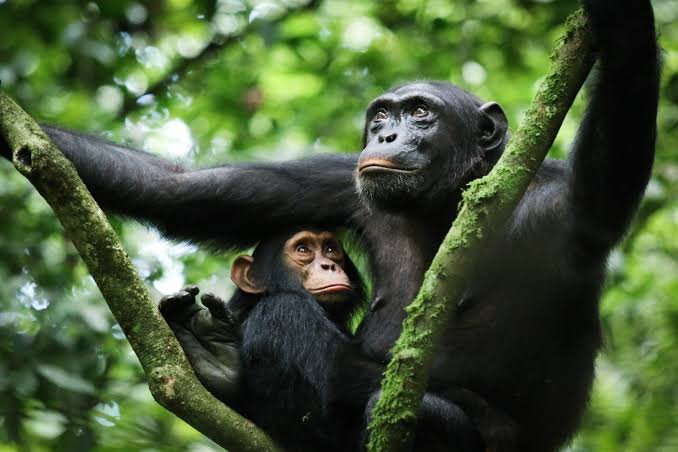
The chimpanzee component of Gorilla Habituation and Chimpanzee Trekking adds a different dimension to the safari because chimpanzees often move quickly through the forest, communicate loudly, and interact in ways that contrast with mountain gorillas. Visitors may hear chimpanzees calling before seeing them or observe individuals feeding among forest vegetation. The experience is unpredictable because the animals are wild, but the opportunity to observe them in their natural habitat makes Kibale an excellent complement to Bwindi.
How Many Days Are Needed for Both Experiences?
A five-day itinerary can accommodate both primate activities when transport, permit dates, and accommodation are coordinated carefully. However, a six-day safari is often more comfortable because the journey between Kibale and Bwindi requires substantial road travel, and both forest activities can be physically demanding. Travellers arriving through Entebbe should also consider the time needed for the outward and return transfers before choosing their safari duration.
When planning Gorilla Habituation and Chimpanzee Trekking, the most important consideration is allowing a separate day for each forest excursion. Neither activity should be rushed to accommodate an unrealistic transfer schedule. Travellers can explore our Gorilla Habituation Uganda Safari Routes and Best Entry Points for Gorilla Habituation for additional planning guidance.
Recommended Five-Day Gorilla Habituation and Chimpanzee Trekking Safari
Day 1: Transfer From Entebbe to Kibale National Park
Your journey begins with a scenic transfer from Entebbe towards the Fort Portal region and Kibale National Park. Depending on your departure time and road conditions, the journey occupies much of the day. Upon arrival, you settle into your accommodation and prepare for your chimpanzee trekking experience the following morning.
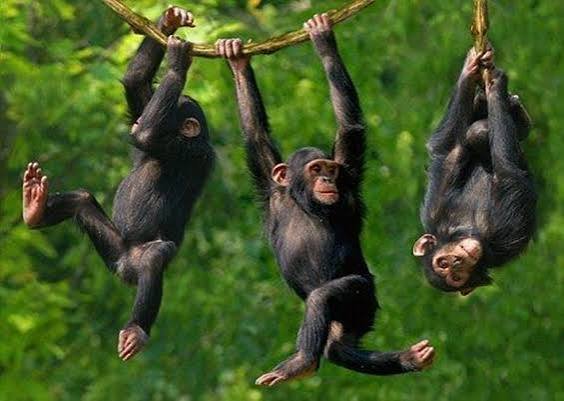
Day 2: Chimpanzee Trekking in Kibale Forest
After breakfast, you attend the scheduled briefing before entering Kibale Forest with an authorised guide. Your trek provides opportunities to observe chimpanzees and appreciate the park’s remarkable rainforest environment. Following the experience, you return to your accommodation, with additional activities possible if time and energy permit.
Day 3: Transfer From Kibale to Bwindi Impenetrable National Park
Today, you travel south towards Bwindi, passing through varied landscapes and rural communities. The journey requires significant driving time, so an early departure is advisable. You arrive at your selected lodge near Rushaga and prepare for the following day’s gorilla habituation activity.
Day 4: Gorilla Habituation Experience in Rushaga
After an early breakfast, you attend the official briefing and enter Bwindi Forest with authorised conservation personnel. Once the participating gorilla family is located, you may observe the gorillas for up to four hours under the established wildlife regulations. The experience concludes with a return to your lodge for relaxation.
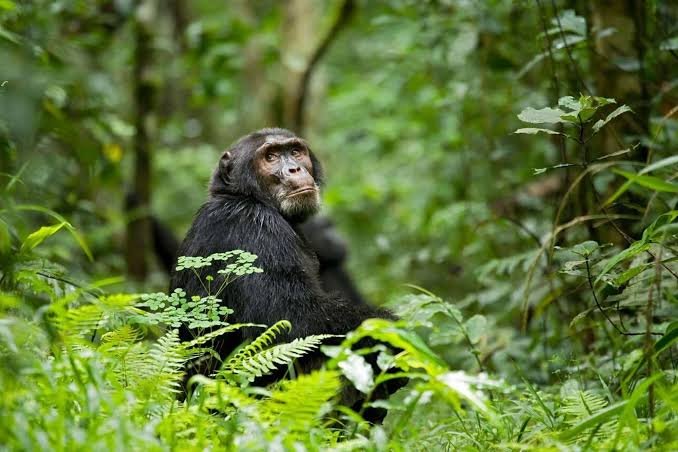
Day 5: Return Journey to Entebbe
Following breakfast, you begin your journey back towards Entebbe. This is a long transfer day when travelling entirely by road, so onward international flights should be arranged with sufficient time. An additional overnight stay or an appropriate domestic flight connection may provide a more comfortable alternative.
Do You Need Separate Permits for Gorillas and Chimpanzees?
Yes. Gorilla Habituation and Chimpanzee Trekking require separate permits issued for their respective activities, locations, and dates. A gorilla habituation permit does not include chimpanzee trekking, and a chimpanzee trekking permit cannot be used for gorilla habituation. Because participation in the habituation experience is limited, confirming availability before finalising your safari arrangements is especially important.
Visitors should also ensure that their permits correspond with the correct park entry points and confirmed travel schedule. Our Gorilla Habituation Permit Uganda guide and Uganda Wildlife Authority Gorilla Habituation Permits Guide provide further information about the gorilla permit process.
Best Time to Combine Both Primate Experiences
Gorilla habituation and chimpanzee trekking are available throughout the year, although rainforest conditions vary considerably between seasons. Periods with relatively less rainfall can provide more manageable hiking conditions, particularly along Bwindi’s steep and sometimes muddy trails. Nevertheless, rain remains possible at any time, and chimpanzee movements can vary with food availability and seasonal conditions.
Travellers planning Gorilla Habituation and Chimpanzee Trekking should therefore consider personal comfort, preferred travel dates, and permit availability rather than assuming one month guarantees better wildlife encounters. Waterproof hiking boots, long trousers, rain protection, and comfortable clothing are useful throughout the year. Visitors should also prepare for early starts and changing temperatures in both forest destinations.
Is This Safari Suitable for Photographers and Wildlife Enthusiasts?
A combined primate safari can be particularly rewarding for wildlife enthusiasts and photographers because gorillas and chimpanzees offer different photographic opportunities. Mountain gorillas may remain relatively still while feeding or resting, whereas chimpanzees can be more mobile and challenging to photograph. Dense vegetation and changing light conditions affect photography in both forests, and flash photography is prohibited during these encounters.
Photographers considering Gorilla Habituation and Chimpanzee Trekking should prepare equipment suitable for low-light conditions without carrying unnecessary weight. A versatile camera and lens, waterproof protection, and spare batteries are sensible choices. Our Best Camera for Gorilla Habituation Safari guide provides useful advice about equipment selection.
Frequently Asked Questions
Can you combine gorilla habituation with chimpanzee trekking in Uganda?
Yes. Both activities can be included in one safari by visiting Bwindi Impenetrable National Park and Kibale National Park on separate days.
Is five days enough for both activities?
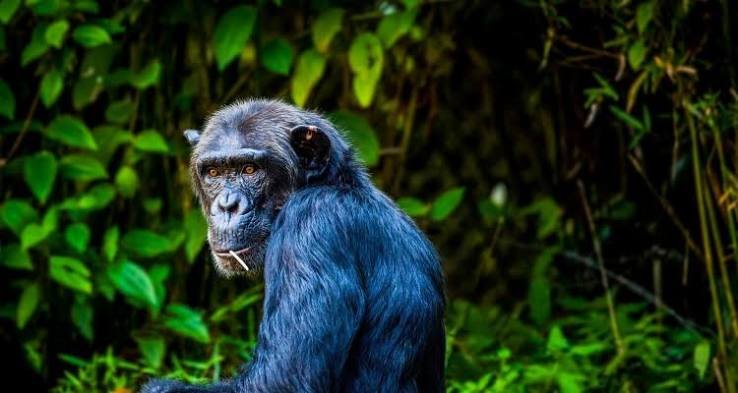
Yes, five days can work with an efficiently planned itinerary, although six days generally provides more comfortable travel arrangements.
Can both primates be seen in the same national park?
Bwindi supports both gorillas and chimpanzees, but the established tourist combination generally uses Rushaga for gorilla habituation and Kibale for organised chimpanzee trekking.
Do both activities require separate permits?
Yes. Each experience requires its own valid permit for the appropriate activity and date.
Can you photograph gorillas and chimpanzees?
Yes. Photography is permitted under park regulations, but flash photography is prohibited during primate encounters.
Book Your Gorilla Habituation and Chimpanzee Trekking Safari
Experience two of Uganda’s most extraordinary primate encounters on one carefully organised safari. A customised itinerary can combine the extended mountain gorilla habituation experience in Rushaga with chimpanzee trekking in Kibale National Park, while allowing sufficient time for transfers, accommodation, and relaxation.
When planning Gorilla Habituation and Chimpanzee Trekking, securing the correct permits and arranging suitable transport should be your first priorities. Explore our Gorilla Habituation Trekking Tours, Five-Day Uganda Gorilla Habituation Safari, and Eight-Day Uganda Wildlife and Gorilla Habituation Safari for itinerary inspiration.
Conclusion
Combining Gorilla Habituation and Chimpanzee Trekking is an excellent way to experience Uganda’s extraordinary primate diversity. By visiting Bwindi and Kibale on the same safari, travellers can observe mountain gorillas and chimpanzees while learning about the different conservation efforts protecting these remarkable animals.
With confirmed permits, realistic travel arrangements, and sufficient time in each destination, this combined primate safari can become one of the most memorable wildlife experiences in Uganda.