
Is Gorilla Habituation Worth the Extra Cost?
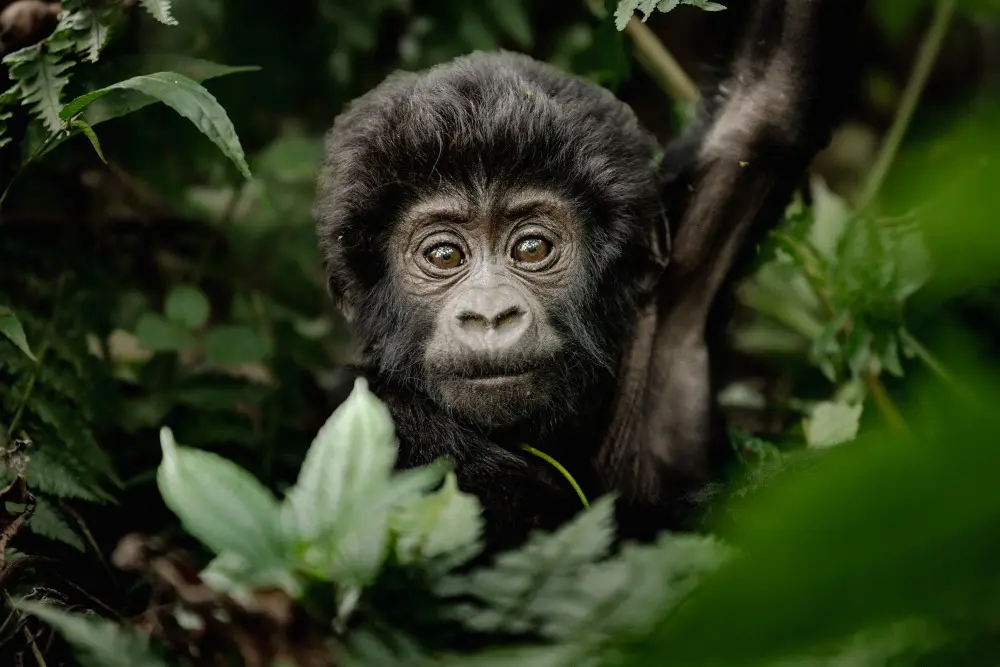
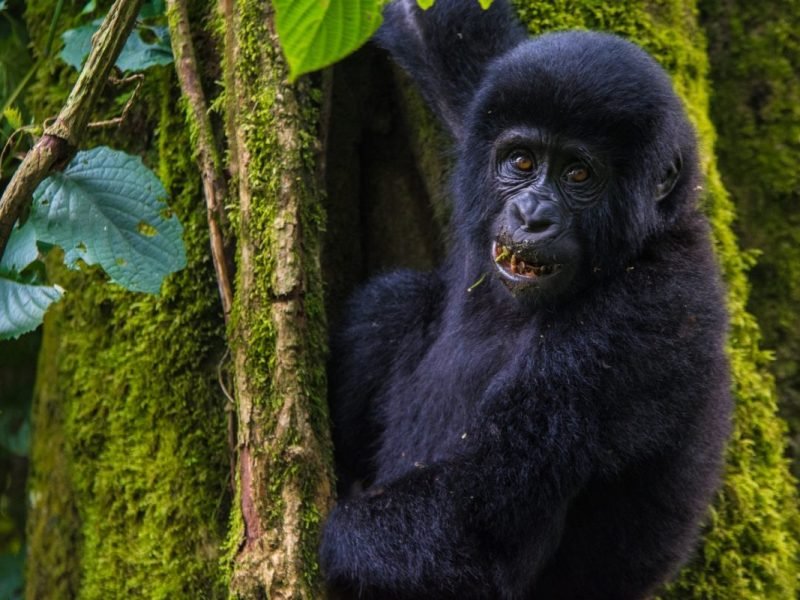
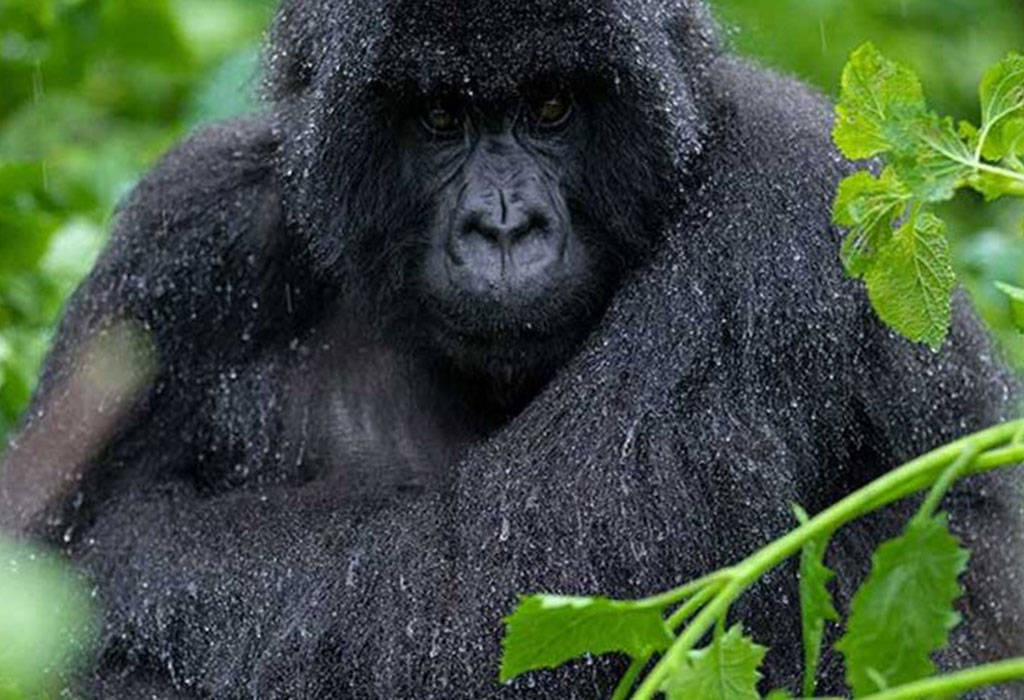
Gorilla Habituation Cost is higher than the price of standard gorilla trekking, but the additional amount pays for a longer and more immersive mountain gorilla experience in Uganda. During Gorilla Habituation, you can spend a maximum of four hours observing a gorilla family after reaching it, compared with a maximum of one hour during ordinary gorilla trekking. The experience also gives you more time for photography, behavioural observation and learning about the conservation process carried out by researchers, trackers and habituators. Whether the extra cost is worth paying depends on how important extended gorilla viewing is to you, how much of your safari budget you want to dedicate to mountain gorillas and whether you prefer a deeper wildlife experience rather than a shorter encounter.
Whether that additional investment makes sense depends on what you expect from your Uganda gorilla safari. A traveller whose main dream is simply to see mountain gorillas in the wild may be completely satisfied with a normal one-hour trek. That experience remains extraordinary, emotional and professionally managed, and it costs considerably less. A traveller who has crossed continents specifically because mountain gorillas are the central purpose of the journey may view the situation differently. After spending money on international flights, accommodation, transportation and several days of travel to reach Bwindi Impenetrable National Park, the opportunity to increase the permitted viewing period from one hour to as much as four hours can feel like a sensible investment in the part of the safari that matters most.
The real question is therefore not whether Gorilla Habituation is objectively worth more money for everyone. It is whether the extra viewing time, deeper observation, conservation context and slower pace are worth the additional permit cost to you. For many passionate wildlife travellers they are. For others, standard gorilla trekking provides exactly the experience they want without requiring the larger investment.
Understanding What You Are Paying Extra For
The easiest mistake when comparing Gorilla Habituation with ordinary gorilla trekking is to look only at the permit prices. If one permit costs considerably more than another, it is natural to ask whether the wildlife encounter can really justify the difference. However, the permits provide different experiences.
During standard trekking, you enter the forest with professional guides and trackers in search of a gorilla family that has already become accustomed to carefully controlled tourism visits. Once the family is reached, Uganda Wildlife Authority allows a maximum of one hour of observation. During the Gorilla Habituation Experience, the maximum viewing period is four hours. UWA specifically distinguishes viewing time from tracking time, explaining that viewing begins when visitors actually reach the gorillas.
That distinction matters enormously. If the gorilla family takes two hours to locate, those two hours do not simply consume half of a four-hour activity. The direct viewing period begins once you reach the gorillas. Your total day may therefore include several hours of forest tracking, up to four hours with the family and additional time hiking back afterward.
You are also joining a different type of gorilla experience. Habituation involves a family that is going through the gradual process of becoming accustomed to controlled human presence. Researchers and habituators play a more direct role in this process, which gives the day a stronger behavioural and conservation dimension than a conventional trek.
This is why evaluating the cost purely as “paying more to see a gorilla” misses much of the value. You are paying for substantially more permitted viewing time and access to a more specialised wildlife experience.
How Much More Does Gorilla Habituation Cost in 2026?
For 2026, the Uganda Wildlife Authority rate card lists ordinary gorilla tracking at USD 800 for Foreign Non-Residents, USD 700 for Foreign Residents, USD 500 for Rest of Africa travellers and UGX 300,000 for East African Community citizens. The Gorilla Habituation Experience is listed at USD 1,500 for Foreign Non-Residents, USD 1,000 for Foreign Residents, USD 1,000 for Rest of Africa travellers and UGX 750,000 for East African Community citizens. UWA states that these gorilla rates include the guide fee, park entrance for the activity day and a community development contribution.
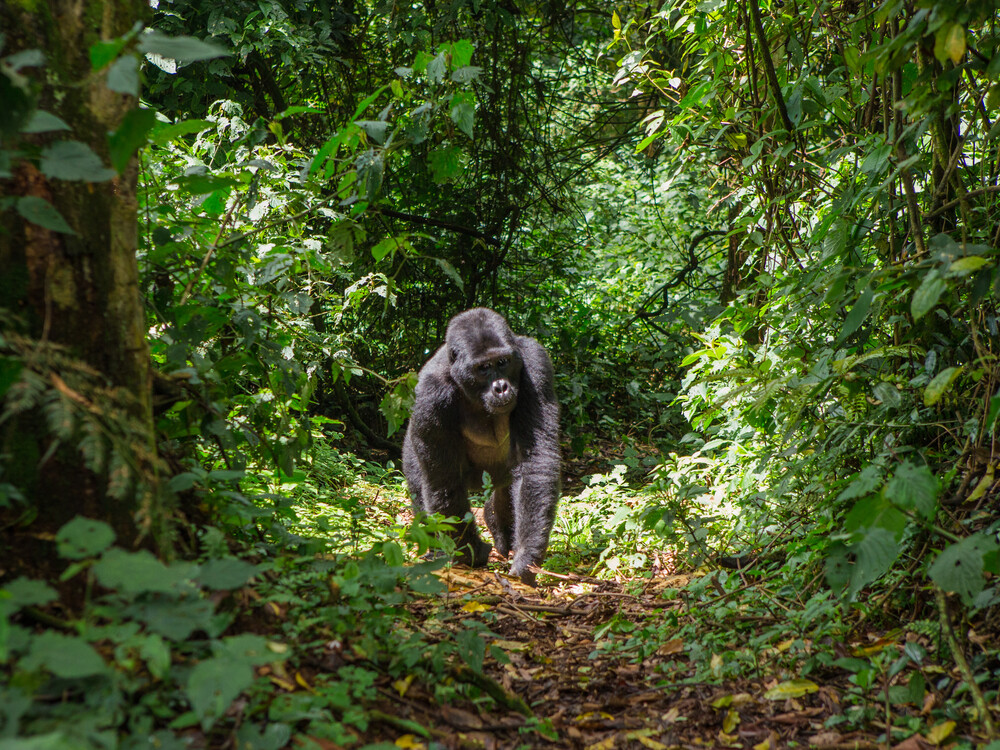
For a Foreign Non-Resident traveller, choosing habituation instead of ordinary trekking therefore means paying USD 700 more during the 2026 tariff period. A Foreign Resident pays USD 300 more, a Rest of Africa visitor pays USD 500 more and an eligible East African Community citizen pays an additional UGX 450,000.
The Foreign Non-Resident comparison is particularly useful because many international safari travellers fall into that category. Spending USD 1,500 rather than USD 800 is unquestionably a significant increase, but the permitted gorilla viewing period increases from a maximum of one hour to a maximum of four hours. The calculation should not be reduced to a simple cost-per-hour equation because wildlife quality cannot be measured only by time, yet it does illustrate why some travellers consider the premium reasonable.
Using the official maximum viewing periods, an USD 800 standard permit represents USD 800 for the permitted one-hour encounter, while the USD 1,500 habituation permit represents USD 375 for each hour if the full four-hour maximum is experienced. This does not mean UWA sells gorilla time by the hour, nor does it guarantee identical viewing conditions for every minute. It simply shows that the higher total permit cost actually provides considerably more permitted observation time relative to the amount spent.
The Value Changes Again From January 2027
The comparison becomes even more important for travellers planning a safari from 1 January 2027. Uganda Wildlife Authority has announced that the Foreign Non-Resident Gorilla Habituation permit will rise to USD 1,800, while the ordinary gorilla tracking permit remains USD 800. Foreign Resident habituation will rise to USD 1,600 compared with USD 700 for standard tracking. Rest of Africa rates are listed at USD 1,000 for habituation and USD 500 for tracking, while the East African Community rates remain UGX 750,000 for habituation and UGX 300,000 for ordinary tracking.
For a Foreign Non-Resident travelling from January 2027, the premium for habituation will therefore become USD 1,000 rather than USD 700. Foreign Residents will face a particularly large difference of USD 900. This makes it even more important to understand exactly what you want from your gorilla experience before booking.
The additional cost can still be worthwhile, especially if gorillas are the principal reason for your journey. However, travellers who are balancing a limited safari budget across several destinations may decide that the USD 800 standard permit offers better overall value because the money saved can be used for accommodation, chimpanzee tracking, additional nights in Uganda or other wildlife activities.
Four Hours Can Feel Very Different From One Hour
Value in safari planning is rarely about selecting the cheapest option. It is about placing your budget where it produces the experiences that matter most to you.
The greatest argument in favour of paying extra for Gorilla Habituation is not simply that four is a larger number than one. It is how the additional time changes the experience emotionally.
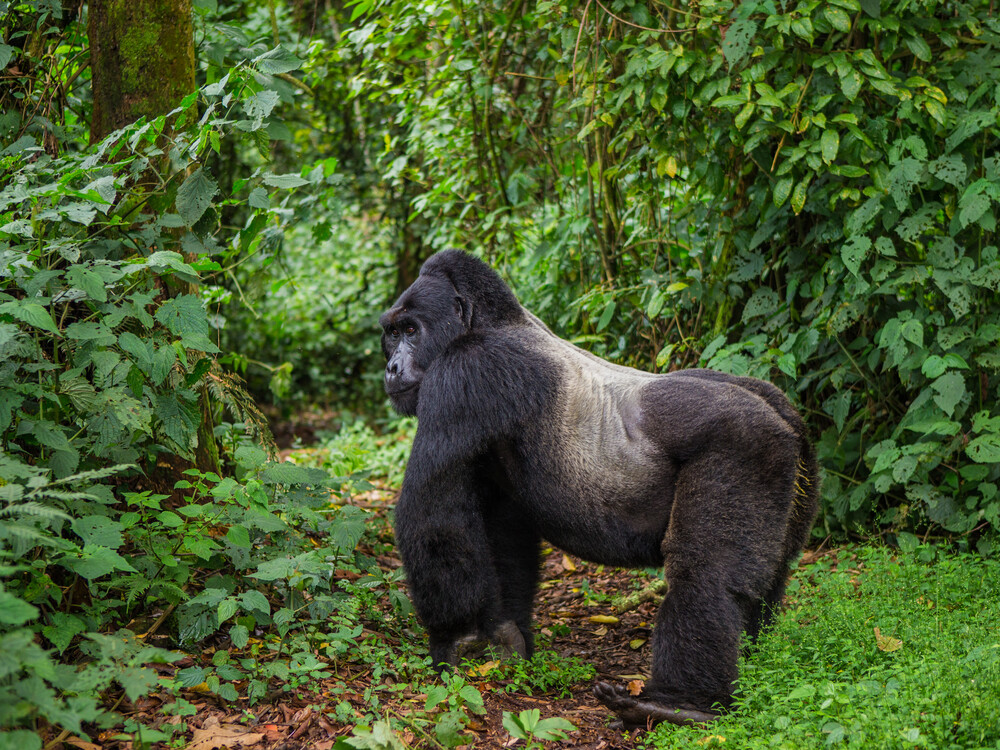
During the first few minutes after encountering mountain gorillas, many travellers are overwhelmed by the fact that the animals are genuinely there. You may be trying to understand where the silverback is positioned, noticing juveniles in the vegetation, listening to your guide, adjusting your camera and reminding yourself that you are finally experiencing something you may have planned for years.
During a standard trek, that first phase represents a significant part of your available viewing time. The hour can pass remarkably quickly.
During Gorilla Habituation, the pressure begins to disappear. You still experience the excitement of the first encounter, but there is time for that excitement to settle into observation. Instead of constantly thinking about how many minutes remain, you can begin watching the family more naturally.
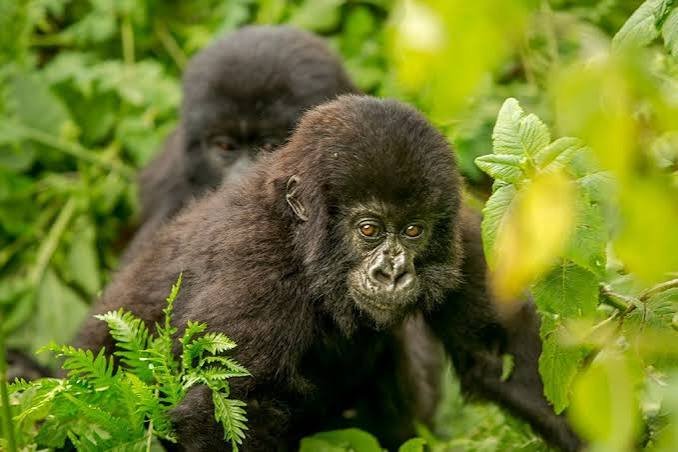
After an hour, you might already recognise particular individuals. During the next hour, the family may begin moving. Later, a mother that had been partly hidden may change position and reveal her infant. Juveniles that were quiet when you arrived might become active. The silverback may move from resting to feeding or reposition himself as the group travels.
The additional hours therefore do not necessarily give you four versions of the same one-hour experience. They can reveal several different phases of the gorilla family’s natural behaviour.
The Extra Cost Can Be Especially Worthwhile for Photographers
Wildlife photography is one of the strongest reasons to consider paying for habituation. Bwindi is a dense rainforest where photographic conditions are rarely perfect. Light changes constantly beneath the forest canopy, vegetation can obstruct animals and gorillas make no effort to position themselves according to your camera.
During a one-hour trek, you might encounter a beautiful family but find that the silverback spends much of the viewing period behind foliage. An infant may remain pressed against its mother. The light may be dark when you first arrive and improve only as your viewing period approaches its end.
Four hours gives nature more time to change.
A gorilla that initially faces away from you may eventually turn. The family may move from dense vegetation into a more open feeding area. Young gorillas may climb or begin interacting. Rain may stop and the quality of light may improve. Different family members may appear gradually rather than all being visible at once.
The longer experience also changes the photographer’s behaviour. When you know that you have only one hour, it is easy to begin shooting immediately and continue photographing almost constantly because you are afraid of missing something. With four hours available, you can become more patient.
You can watch first, understand the family and wait for meaningful moments instead of trying to create hundreds of images within a limited window. For serious wildlife photographers, that difference alone may justify much of the additional permit price.
Gorilla Habituation Can Be Worth More to Travellers Who Dislike Rushing
Not every traveller chooses habituation because of photography. Some simply value slow travel.
A one-hour gorilla encounter can feel intensely concentrated. The excitement is extraordinary, but there is always an awareness that the experience is temporary.
Habituation allows the day to breathe.
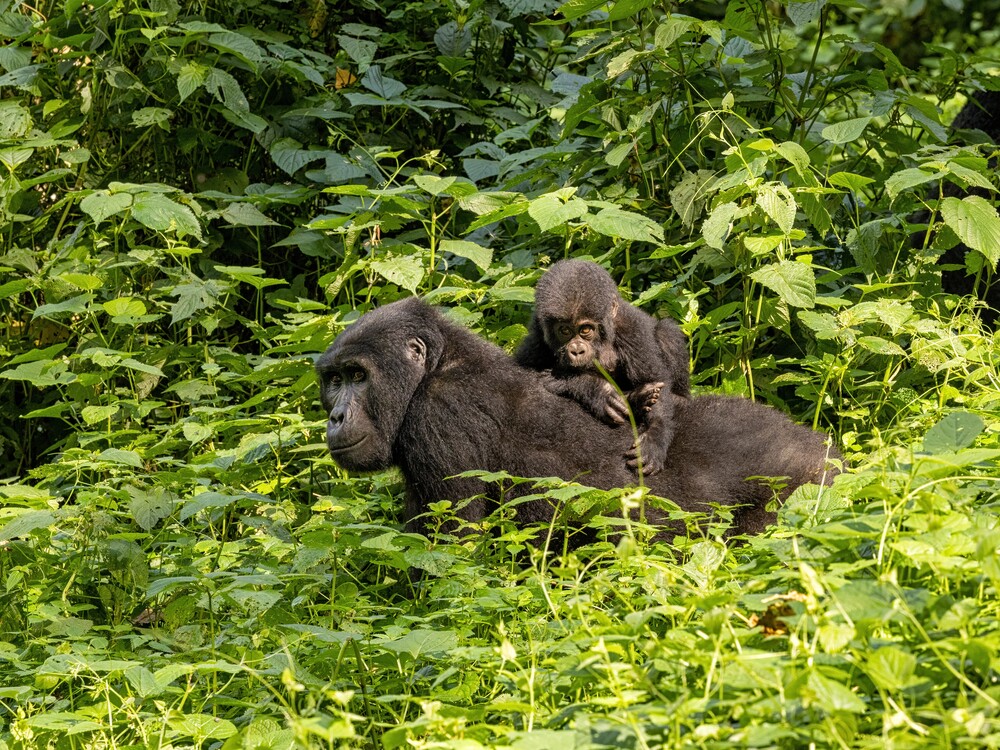
You can spend time watching a gorilla feed without feeling that every quiet minute is being lost. You can listen to your guide explain behaviour while still knowing that you have significant viewing time remaining. You can occasionally put your camera away and simply look.
This slower pace often becomes more valuable than travellers expect before the trip.
Many expensive safari experiences are purchased because they save time or increase comfort. Gorilla Habituation is unusual because part of its value comes from giving you more time rather than making the experience faster.
For people who travel long distances specifically to connect deeply with wildlife, that can make the premium feel very reasonable.
You Are Paying for Behavioural Observation, Not Just a Longer Sighting
A standard gorilla trek can show you extraordinary behaviour, but an hour naturally limits how much change you can observe.
Four hours can reveal patterns.
When you first reach the family, several animals may be feeding. Later, some may rest. Youngsters may become more playful. A mother may groom or care for an infant. The group may begin travelling through the forest and reorganise as it moves.
Watching those transitions gives you a much richer understanding of the family than seeing only one stage of its day.
The silverback also becomes more meaningful when observed over time. Instead of simply noticing his enormous size and physical presence, you may begin seeing how he positions himself in relation to other animals, how the family responds when he moves and how little obvious effort may be required for him to maintain authority.
This is where the financial value becomes very personal. A traveller interested primarily in ticking mountain gorillas off a wildlife wish list may not need several hours of behavioural observation. A primate enthusiast may consider those extra hours the entire reason for travelling.
The Conservation Context Adds Value
Gorilla Habituation also carries a stronger educational and conservation dimension because you are closer to the process through which gorillas become familiar with controlled human presence.
Habituation does not mean making gorillas tame. It is not training them to approach tourists, feeding them to encourage interaction or teaching them to remain in a particular place.
The animals remain wild.
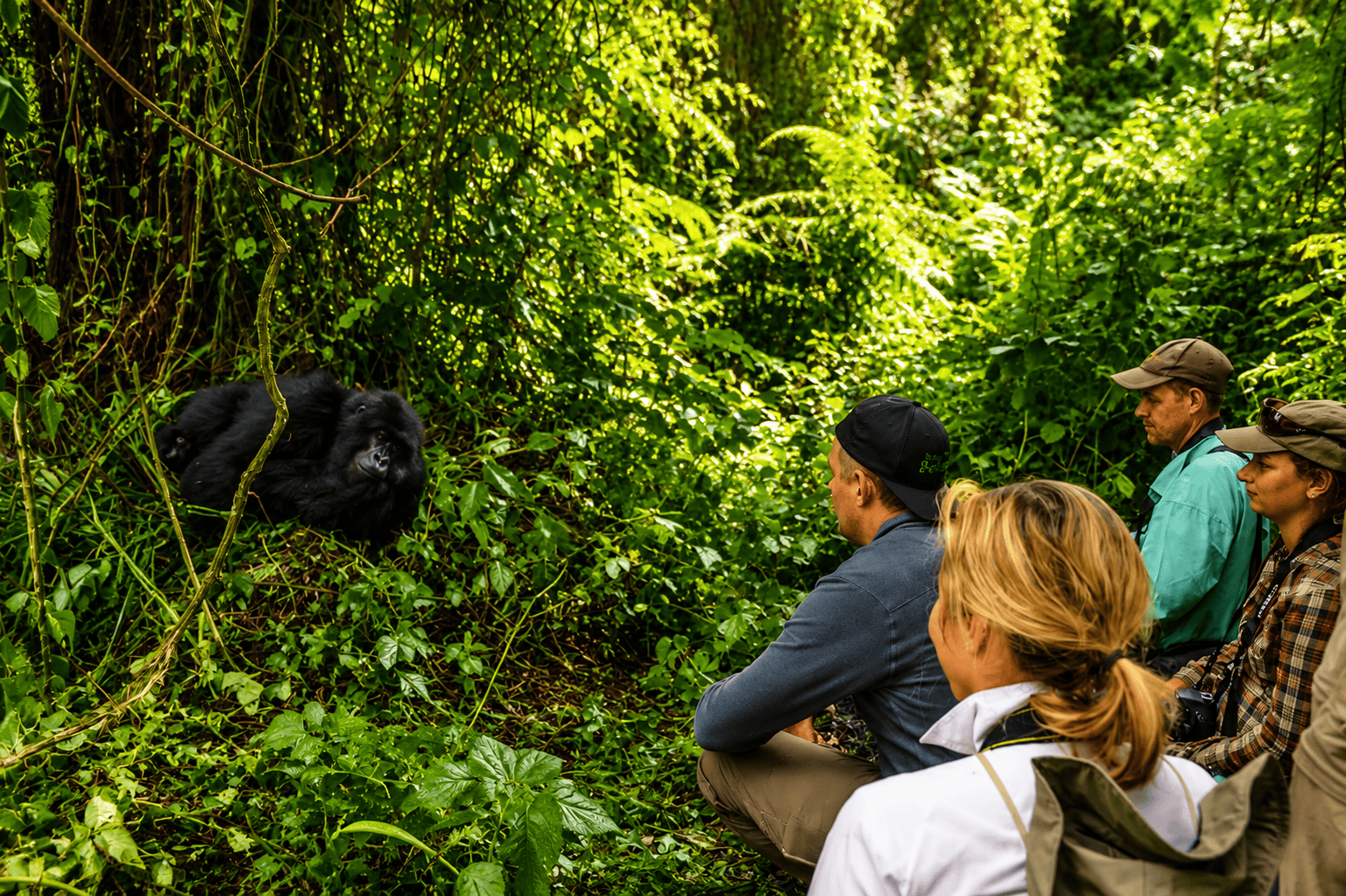
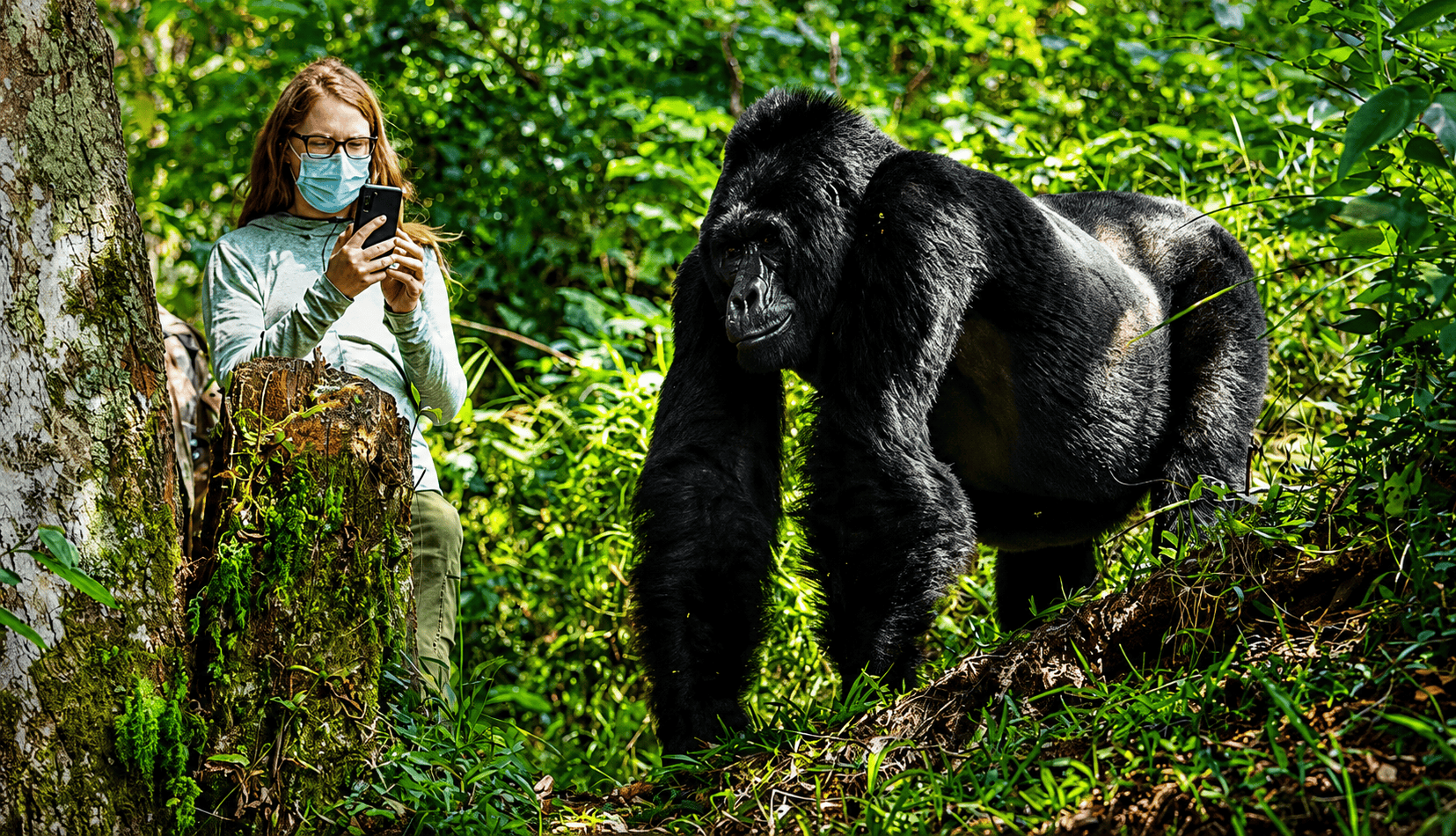
Researchers, trackers and habituators gradually allow selected families to become accustomed to carefully managed human observers while monitoring how different individuals respond. This process requires patience because gorillas have different personalities, social positions and levels of tolerance.
When you participate in Gorilla Habituation, you are not merely seeing the final tourism product. You are observing part of the work that makes responsible gorilla tourism possible.
For conservation-minded travellers, this can make the additional permit price feel more meaningful because the experience provides context that is difficult to gain from a shorter encounter.
Standard Gorilla Trekking Is Still Excellent Value
Saying that Gorilla Habituation can be worth its higher price does not mean standard trekking offers poor value.
For many travellers, the opposite is true.
A one-hour encounter with wild mountain gorillas can be one of the greatest wildlife experiences of a lifetime. You still hike through an ancient rainforest, follow professional trackers and eventually stand near a gorilla family living freely within its natural environment.
One hour can contain an astonishing amount of activity.
You may watch the silverback feeding, see an infant with its mother, observe juveniles playing and take excellent photographs within the same encounter.
If your Uganda itinerary includes many other priorities, standard trekking may provide a better balance between cost and experience.
Someone planning chimpanzee tracking, game drives, boat safaris and several national parks may prefer to save the difference between the permits and use it to enrich the rest of the trip.
Worth is therefore not determined by which experience is more expensive. It depends on where your priorities lie.
Consider the Cost of Reaching Uganda Before Judging the Permit Difference
There is another way to look at the habituation premium.
International travellers often spend thousands of dollars before they even reach Bwindi. There may be long-haul flights, travel insurance, accommodation, private safari transportation and several nights of lodging.
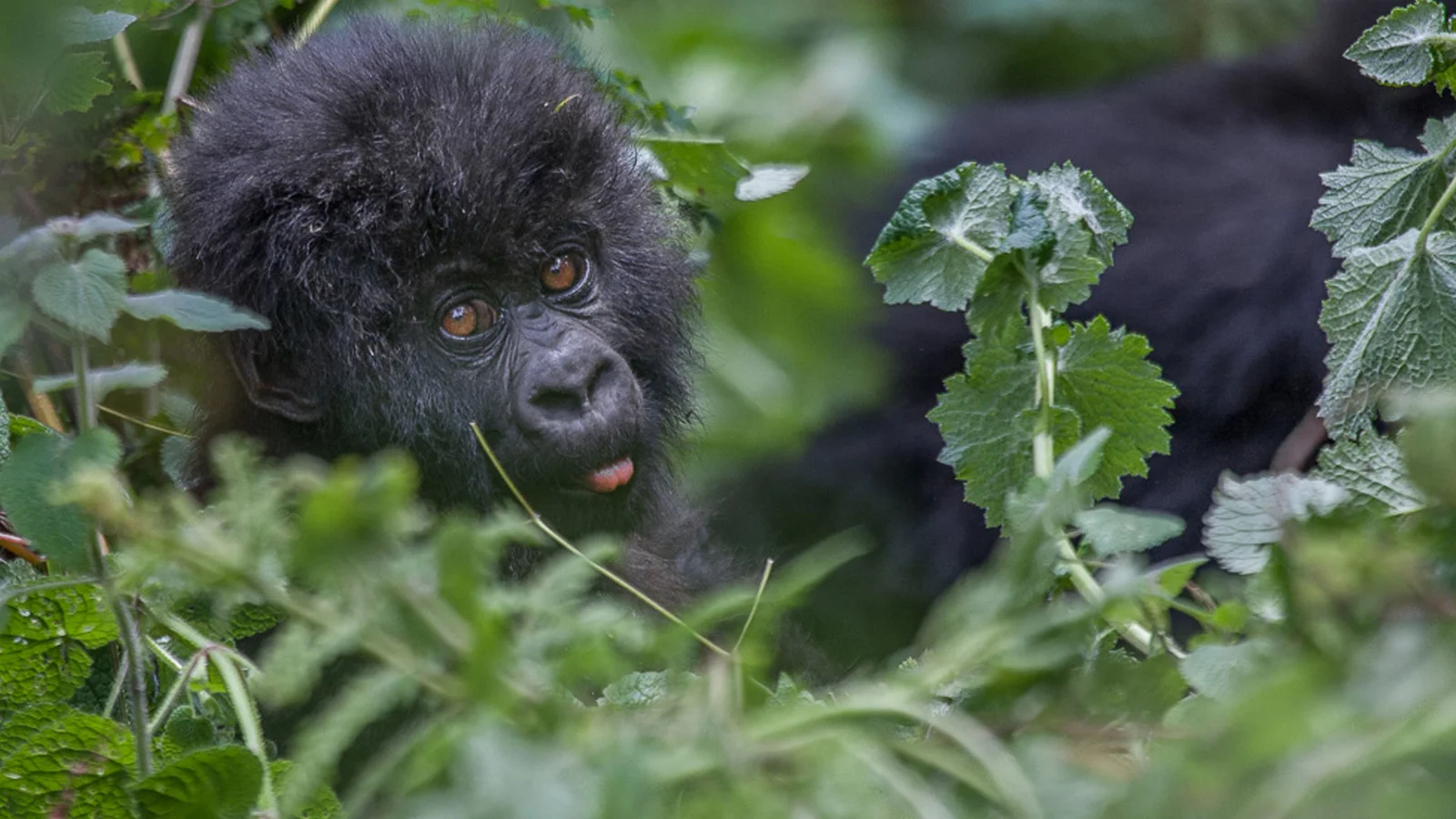
Reaching southwestern Uganda also requires time.
Once you have invested this much money and effort in getting close to mountain gorillas, paying more for the deeper experience may feel reasonable.
A traveller flying from North America, Europe, Asia or Australia may never know whether they will return to Bwindi again. The additional permit cost can therefore be viewed as buying more time with the very animals that justified the journey.
This argument becomes stronger when gorillas are the central purpose of the safari.
If your lifelong ambition is specifically to spend meaningful time observing mountain gorillas, saving money by shortening that observation may not be the place where you want to reduce your budget.
The Extra Cost Is Less Convincing if Gorillas Are Only One Part of Your Safari
The opposite is equally true.
If Uganda is primarily a general wildlife holiday and mountain gorillas are one major activity among many, normal trekking may make more financial sense.
The money saved can fund additional accommodation nights or contribute toward other experiences.
A traveller interested equally in gorillas, chimpanzees, lions, elephants, birding and landscapes may achieve greater overall satisfaction by distributing the safari budget among several destinations.
Four hours of gorilla observation is incredibly special, but it is not automatically more valuable than experiencing more of Uganda.
The decision depends on whether depth or variety matters more to you.
Physical Demands Should Be Included in Your Value Decision
Paying for four hours does not necessarily mean you will find four hours physically easy.
Gorilla Habituation begins earlier than ordinary trekking and can occupy much of the day. UWA’s management guidance places Gorilla Habituation from around 6:30 a.m. until visitors return for debriefing, while standard tracking begins from around 8:00 a.m.
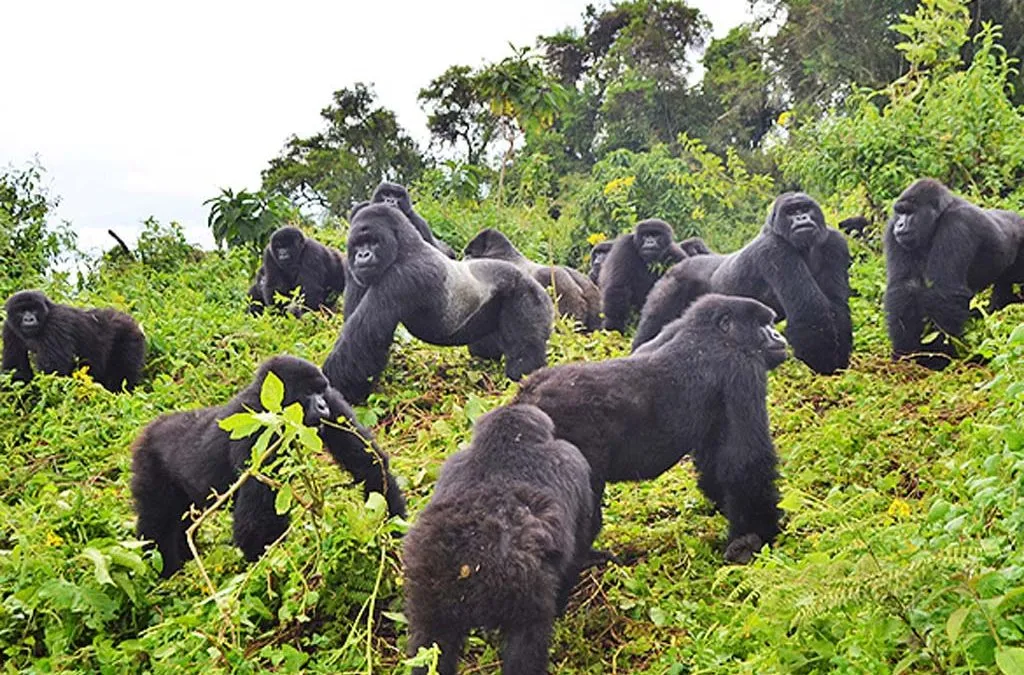
The four-hour maximum refers only to viewing once the gorillas are reached. Before that, you may hike for a significant period. During the observation itself, the family can continue moving, meaning you may need to carefully follow through forest terrain. After the encounter ends, you still have to hike back.
A traveller who enjoys hiking and active wildlife experiences may consider this part of the value.
Someone with significant mobility limitations or little interest in spending most of a day in rainforest conditions may not.
It would be disappointing to pay the higher permit price simply because four hours sounds better and then discover that the physical demands prevent you from enjoying the additional time.
Weather Can Influence Whether the Extra Hours Feel Worthwhile
Bwindi is a tropical rainforest, so weather is naturally unpredictable.
Rain can make the forest muddy, increase the difficulty of walking and create challenging photography conditions.
However, the extended viewing period can actually become an advantage when conditions are poor.
During ordinary trekking, a period of rain may consume a significant portion of your one-hour viewing window. During habituation, you have more time for conditions to change.
The rain may ease. Light may improve. The gorillas may move into another location.
The additional hours therefore create greater flexibility around environmental conditions, although nothing in wild nature can be guaranteed.
Do Four Hours Guarantee a Better Gorilla Encounter?
No, and this is important when considering whether the price is worth paying.
Gorilla Habituation guarantees access to the official activity subject to UWA rules and provides a maximum four-hour viewing allowance. It does not guarantee four hours of dramatic behaviour.
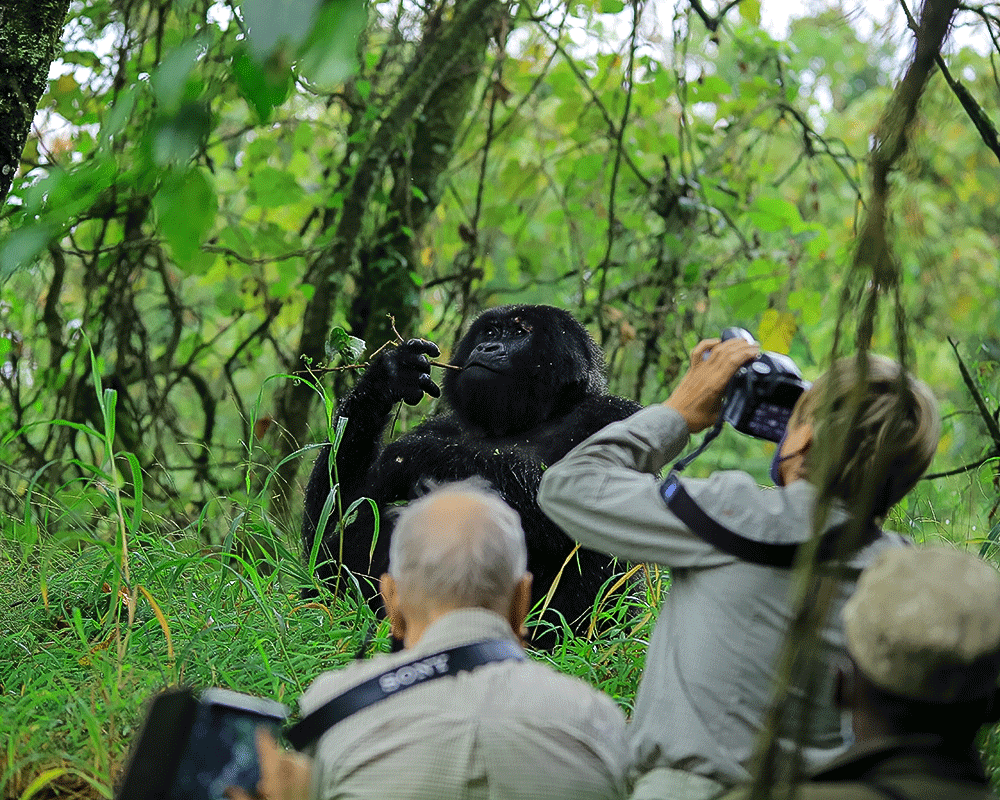
The gorillas may spend long periods feeding quietly or resting.
A standard one-hour trek could coincidentally occur during a highly active period when juveniles are playing and the silverback is moving through open vegetation.
Wildlife does not behave according to permit price.
What habituation gives you is more opportunity, not guaranteed spectacle.
You have more time for behaviour to change, more time for photography conditions to improve and more time to understand what you are watching.
Travellers who appreciate wildlife precisely because it is unpredictable are usually better positioned to recognise this value.
Gorilla Habituation Can Offer Better Value Than Repeating Several Standard Treks
Some travellers consider whether they should buy one habituation permit or undertake two ordinary gorilla treks.
The answer depends on what type of variety you prefer.
Two standard treks can potentially introduce you to different habituated families and provide two separate forest days. That variety is valuable.
One habituation experience gives you a longer continuous observation period with a family undergoing the habituation process.
The continuous four-hour period has a different value because you can watch behaviour develop without the encounter ending after the first hour.
For photographers and behavioural observers, continuity may be more important than seeing more families.
For travellers interested in variety, two separate treks may be more attractive.
The comparison becomes particularly interesting at 2026 Foreign Non-Resident prices because two standard permits would total USD 1,600, only USD 100 more than one USD 1,500 habituation permit. From January 2027, two standard permits would remain USD 1,600 while one habituation permit becomes USD 1,800.
Neither choice is universally better. One provides repeated shorter encounters, while the other concentrates your time into one much deeper experience.
Is Gorilla Habituation Worth It for a First Gorilla Safari?
It can be.
There is no requirement to complete ordinary gorilla trekking before you can appreciate habituation.
In fact, a first-time visitor may find the extended experience especially powerful because there is enough time for the initial excitement to settle.
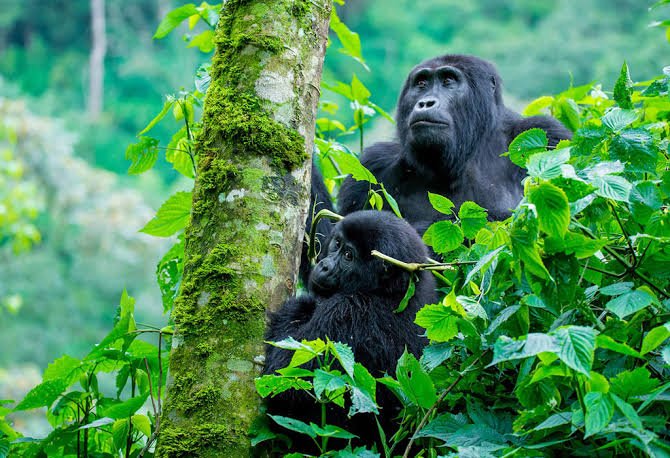
The first sight of a mountain gorilla can be emotionally overwhelming. With four hours available, you do not have to choose between absorbing the moment and photographing it.
You can do both.
However, standard trekking remains an excellent introduction for travellers uncertain about their physical ability or level of interest.
If you have never spent much time watching primates and are not sure whether several hours will appeal to you, a normal trek may be the safer financial choice.
Is It Worth the Extra Cost for Honeymooners?
For couples building a once-in-a-lifetime Uganda journey around gorillas, habituation can be worth considering because it makes the wildlife encounter the centrepiece of the safari.
A honeymoon often involves spending significantly on premium accommodation and private transportation.
In that context, it can seem inconsistent to economise heavily on the actual wildlife experience if gorillas are the primary reason for visiting Uganda.
Four hours offers more time to share the experience without rushing.
However, couples who prefer a relaxed itinerary and are less interested in photography or prolonged forest activity may prefer the shorter trek and spend the difference on luxury accommodation or additional destinations.
The right answer again depends on what creates the most meaningful trip for the couple.
Is Gorilla Habituation Worth It for Solo Travellers?
Solo travellers can find the experience particularly rewarding because there is no need to compromise with a travel companion who may have different interests.
If gorillas are your passion, you can dedicate a large portion of your budget to them without worrying about whether another person feels the same way.
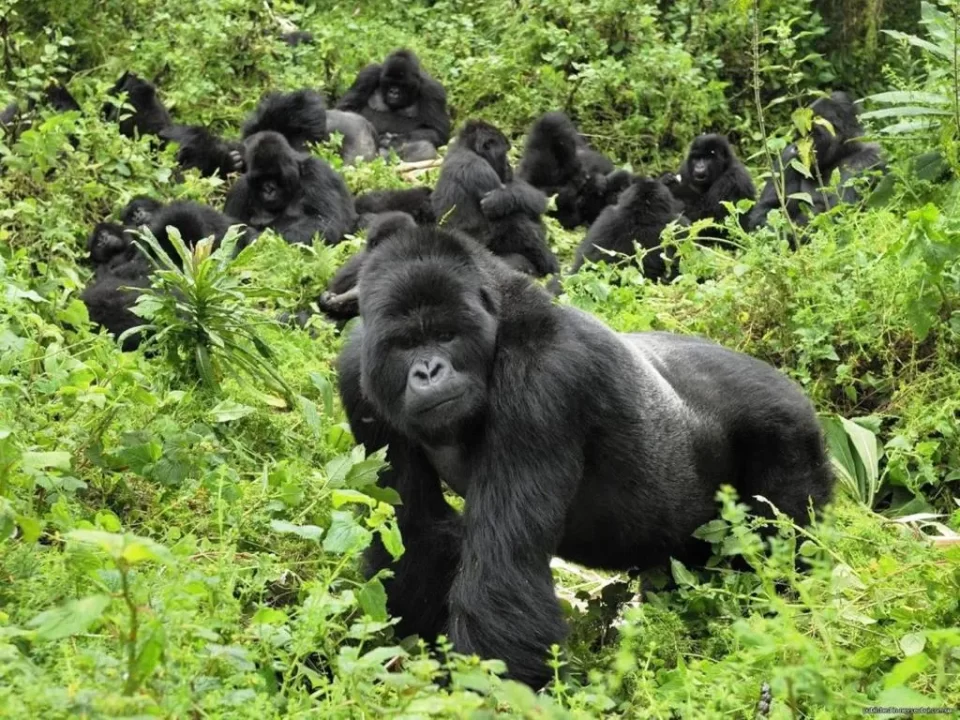
The extended observation period also provides an immersive experience that can become the defining memory of a solo Uganda journey.
The main consideration is overall cost because a solo safari already carries higher private transport and accommodation expenses than travelling as a couple.
A solo traveller working within a strict total budget may therefore obtain greater value from standard trekking.
Is Gorilla Habituation Worth It for Wildlife Photographers?
This is one of the easiest groups to recommend habituation to.
Wildlife photography benefits enormously from time.
The longer you observe an animal, the greater your opportunity to understand patterns and anticipate behaviour.
Four hours also allows you to experiment with different compositions, camera settings and focal lengths without feeling that every adjustment costs valuable viewing time.
You can wait.
That single ability makes a major difference in wildlife photography.
Instead of photographing only what the gorillas are doing when you arrive, you have more opportunity to photograph what they begin doing later.
For someone who has travelled to Uganda specifically to create a strong mountain gorilla portfolio, the permit premium may be one of the most sensible expenses in the entire journey.
Is Gorilla Habituation Worth It for Serious Primate Enthusiasts?
For travellers fascinated by primate behaviour rather than simply wildlife tourism, the answer is often yes.
Four hours allows you to observe relationships, feeding behaviour, movement and responses to the surrounding environment at a far deeper level than a one-hour visit.
The habituation context also provides greater insight into how researchers and field teams monitor gorilla families.
You may leave with a much stronger understanding of the species than you would gain from a brief sighting.
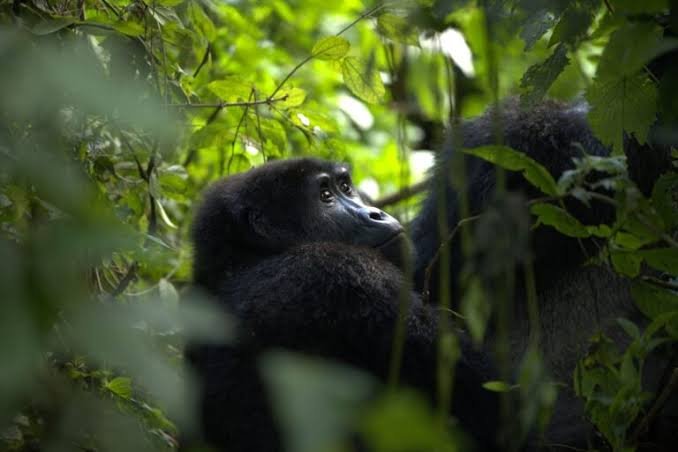
For this type of traveller, the extra permit cost is not merely buying more viewing time. It is purchasing access to a more educational and observational experience.
Is the Price Worth It if You Mainly Want a Photograph With Gorillas?
Probably not.
If your objective is primarily to obtain several good photographs that prove you saw mountain gorillas, standard trekking can easily meet that goal when conditions cooperate.
A one-hour encounter provides time to photograph the family, and being with already habituated gorillas can produce excellent photographic opportunities.
Spending significantly more simply because habituation sounds more exclusive may offer limited additional personal value if you are not interested in what happens during the remaining hours.
The experience is most worthwhile when you value the time itself.
What the Permit Does Not Include
The relatively high permit price sometimes creates the impression that it covers the entire Bwindi safari, but it does not.
UWA states that the gorilla rates include the guide fee, park entrance for the activity day and a community development contribution. Your wider safari still requires accommodation, transportation to Bwindi, meals according to your lodge arrangement, personal travel costs and any flights necessary to reach Uganda or southwestern Uganda.
This matters when calculating whether habituation fits your total budget.
A USD 1,500 or USD 1,800 permit is only one component of the journey.
Travellers should therefore compare complete safari costs rather than assuming the difference between the two permits is the only financial consideration.
Conservation Adds Meaning to the Price
No wildlife permit should be evaluated as though it were only an admission ticket to an attraction.
Mountain gorilla tourism exists within a conservation framework.
Uganda Wildlife Authority states that gorilla permit rates include a community development contribution, and UWA also operates broader revenue-sharing arrangements with communities surrounding protected areas.
This matters because mountain gorillas survive within landscapes connected to human communities.
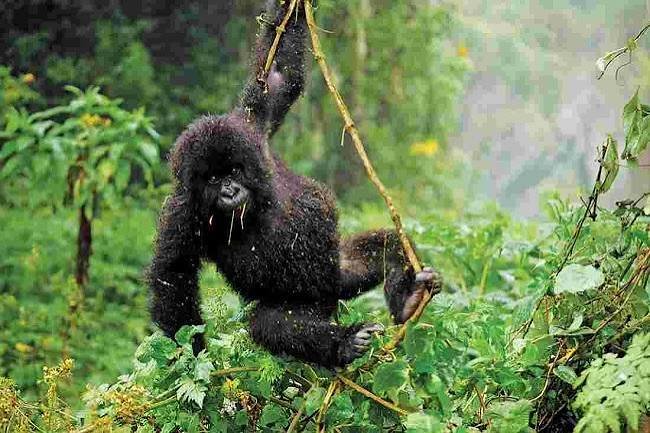
Tourism creates economic reasons for protecting habitat and wildlife rather than converting natural areas to other uses.
The value of your permit therefore extends beyond the number of hours you personally spend in the forest.
It contributes to a system in which wildlife can generate benefits through continued protection.
The Increase to USD 1,800 Makes the Decision More Personal in 2027
From 1 January 2027, the Foreign Non-Resident Gorilla Habituation permit increases to USD 1,800 while ordinary tracking remains USD 800.
At a USD 1,000 difference, the decision deserves careful thought.
For someone taking a once-in-a-lifetime gorilla-focused safari, the answer can still be yes.
A traveller may reasonably conclude that spending another USD 1,000 is worthwhile to increase the permitted observation period from one hour to four and experience habituation itself.
Another traveller may look at the same USD 1,000 and see an opportunity to fund additional nights, another wildlife destination or other experiences.
Neither traveller is making a poor decision.
The new price simply makes the relationship between personal priorities and safari budget more important.
Why Booking Early Matters When You Decide It Is Worth It
Once you decide that habituation is where you want to invest your money, it is sensible to secure the permit rather than treating availability as unlimited.
The experience is tightly controlled and only limited spaces are available.
UWA’s February 2026 notice also suspended the previous seven-day unpaid reservation window effective 1 March 2026. The Authority stated that operators now secure permits upon full payment at booking rather than holding them unpaid for seven days.
This means travellers should be ready to confirm once suitable availability has been identified.
The change is especially relevant when planning peak travel dates or combining habituation with specific lodges and flights, because the confirmed permit date becomes the anchor around which the rest of the Bwindi itinerary should be arranged.
When Gorilla Habituation Is Most Worth the Extra Cost
Gorilla Habituation provides its strongest value when mountain gorillas are one of the principal reasons for your journey rather than simply one attraction within a broad itinerary.
If you have dreamed of observing gorillas for years, enjoy photography, appreciate behavioural observation and do not want your encounter to feel rushed, the extra cost buys something meaningful: time.
Time is difficult to recover once the experience is over.
You can upgrade a lodge later on another safari. You can purchase a better camera. You can return to many African parks relatively easily.
But if this is the only time in your life that you are likely to travel to Bwindi, the difference between one hour and four hours may become more important than the difference between USD 800 and USD 1,500 or USD 1,800.
That is the strongest argument for habituation.
When Standard Gorilla Trekking May Offer Better Value
Standard trekking is often the better choice when budget flexibility matters more than additional viewing time.
It is also appropriate for travellers who mainly want the emotional experience of meeting mountain gorillas once, rather than spending several hours studying behaviour.
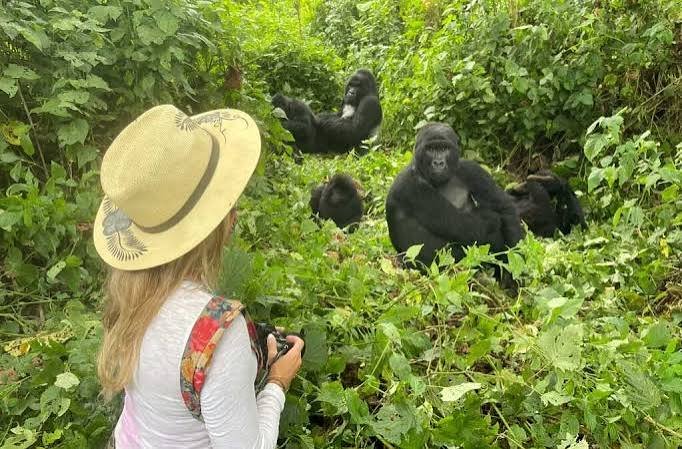
The one-hour encounter should never be dismissed as inadequate.
For many visitors, it is almost impossible to describe how powerful that hour becomes.
The experience can include close observation of several family members, photography and unforgettable moments in the forest.
Choosing standard trekking is therefore not settling for an inferior safari.
It is selecting a different balance between cost, time and experience.
Is Gorilla Habituation Worth the Extra Cost if You Can Afford It?
Even if budget is not a major concern, the answer should not automatically be yes.
Time and physical comfort matter too.
A traveller who does not enjoy extended hiking may prefer the shorter structure of standard trekking.
Someone who becomes tired quickly may enjoy one focused hour more than a long day in the forest.
Luxury travel is not always about doing more. Sometimes it is about choosing the experience that suits you best.
However, for a traveller who enjoys slow wildlife observation and is comfortable spending much of the day in the forest, the additional financial cost is likely to feel secondary once the experience begins.
The Value of Being Able to Put the Camera Down
One of the less obvious advantages of four hours is that you can stop documenting the experience.
During a one-hour trek, travellers sometimes feel they must choose between looking through the camera and looking directly at the gorillas.
Habituation gives you enough time to do both.
You can photograph for a while, then lower the camera and simply watch.
This may sound like a small benefit, but it can become one of the most important.
Years later, the memory of looking directly at a silverback feeding quietly a few metres away may be more valuable than another hundred photographs.
The extra time gives you permission to experience the forest without constantly thinking about the clock.
Is Gorilla Habituation Worth the Extra Cost? Final Verdict
Is Gorilla Habituation Worth the Extra Cost? For travellers who want a deeper mountain gorilla experience, the answer is often yes. Uganda Wildlife Authority permits a maximum of four hours of viewing during Gorilla Habituation compared with a maximum of one hour during normal gorilla tracking. The viewing period begins after you reach the gorillas, while the complete tracking experience can last much longer because it includes the search and return through the forest.
During the 2026 tariff period, Foreign Non-Residents pay USD 1,500 for Gorilla Habituation compared with USD 800 for ordinary tracking, while Foreign Residents pay USD 1,000 compared with USD 700. Rest of Africa travellers pay USD 1,000 for habituation compared with USD 500 for tracking, and EAC citizens pay UGX 750,000 compared with UGX 300,000. Uganda Wildlife Authority From 1 January 2027, UWA has announced that the Foreign Non-Resident habituation permit will rise to USD 1,800 while normal tracking remains USD 800, with other category rates also officially defined for the new tariff period. Uganda Wildlife Authority
The financial difference is substantial, particularly from 2027, so habituation should not be booked merely because it sounds more exclusive. It is worth paying for when you genuinely value what the permit provides.
For wildlife photographers, primate enthusiasts, conservation-minded travellers and anyone who wants the gorilla encounter to become the central experience of the safari, four hours can be enormously valuable. The longer viewing period allows photography conditions to change, animal behaviour to develop and the initial excitement of seeing gorillas to become deeper observation.
For a traveller who simply wants to see mountain gorillas once while keeping enough budget for the rest of Uganda, standard trekking can offer excellent value. One hour with a wild mountain gorilla family is still one of Africa’s most remarkable wildlife encounters.
The best decision therefore depends less on whether USD 1,500 or USD 1,800 sounds expensive and more on how much the additional three hours of permitted viewing mean to you. If you would leave a one-hour trek wishing you had more time, the habituation premium may be one of the easiest safari expenses to justify. If one unforgettable hour would satisfy your dream, ordinary gorilla trekking may be the smarter choice.
Gorilla Habituation is worth the extra cost when you are paying for something you genuinely value: more time, deeper observation, greater photographic flexibility and closer exposure to the conservation process behind mountain gorilla tourism. When those things are central to why you are travelling to Uganda, the experience can feel far more valuable than the additional permit price suggests.