

What Is the Best Time for Gorilla Habituation in Uganda? – Introduction and Seasonal Overview
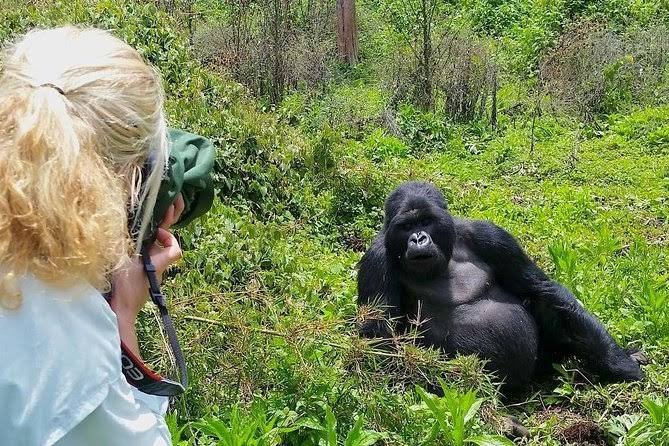
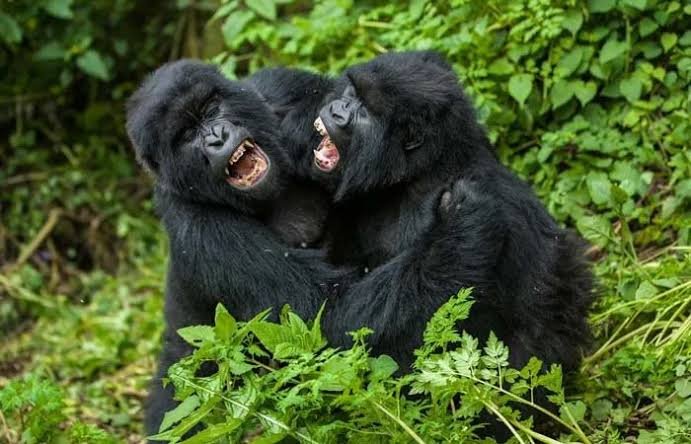
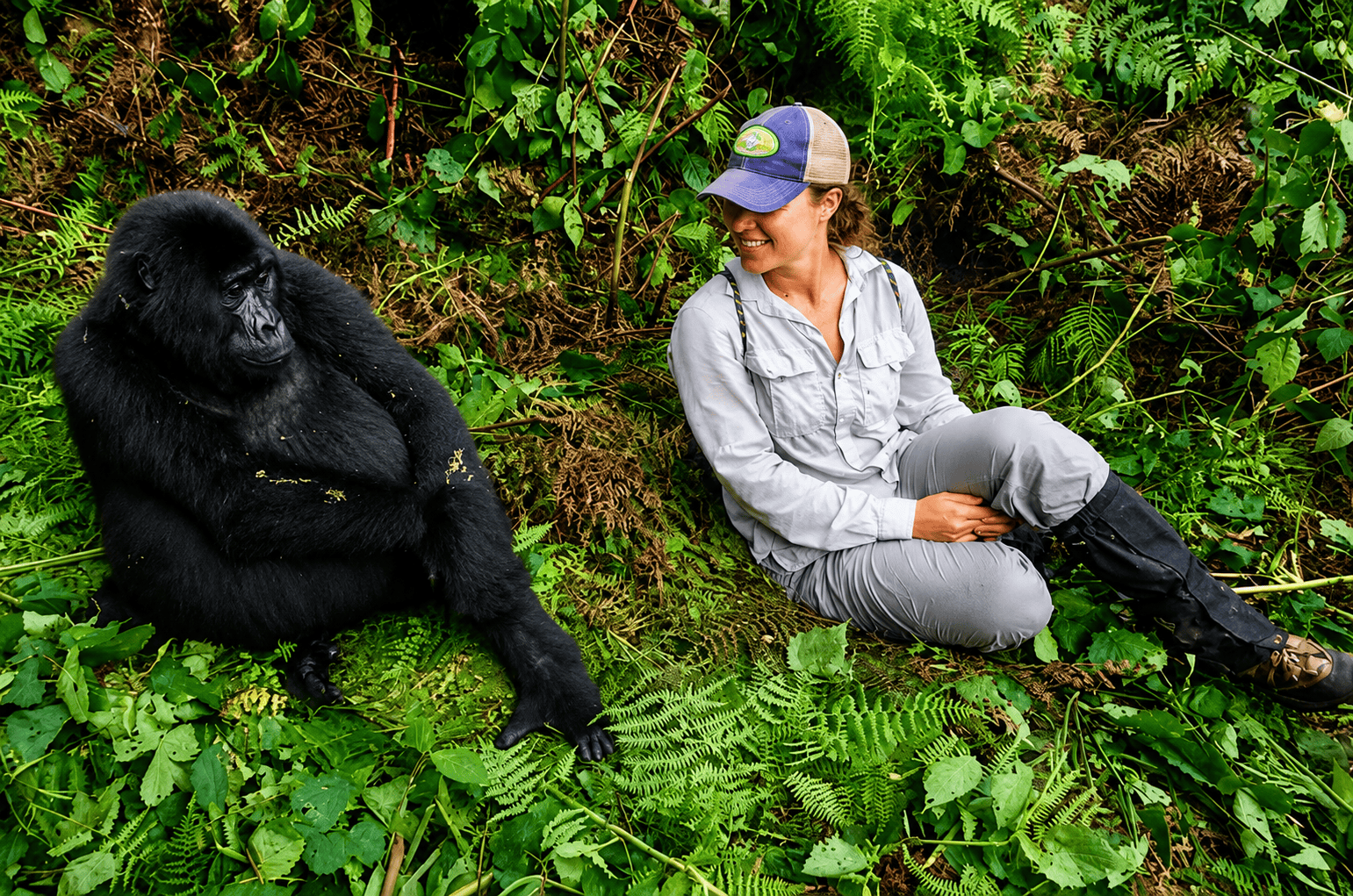
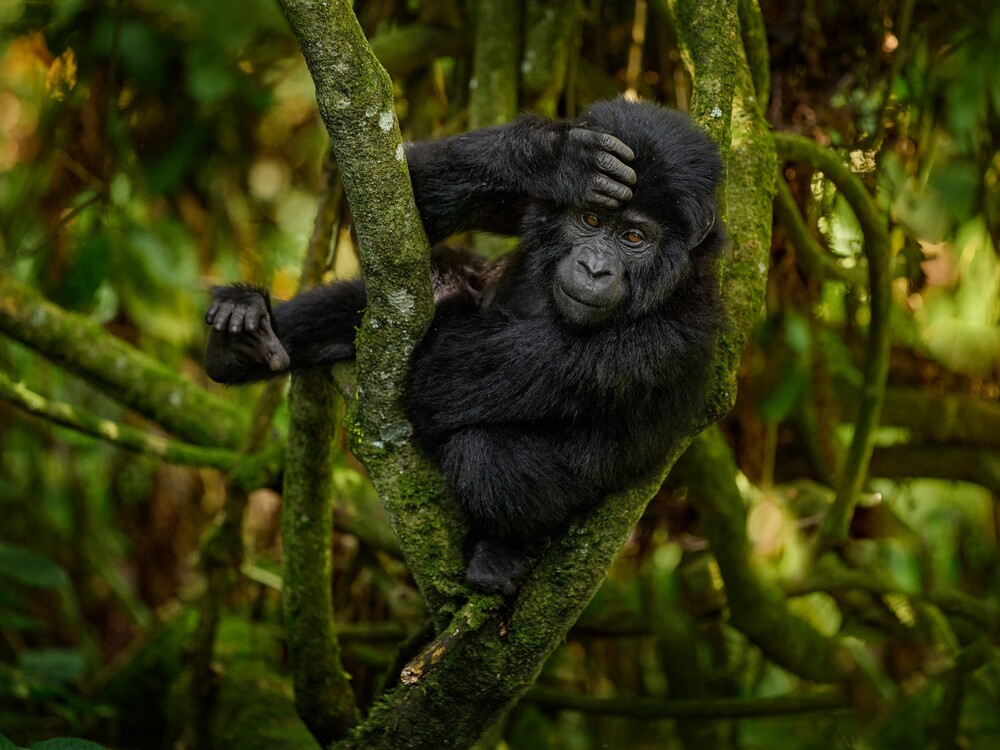
What Is the Best Time for Gorilla Habituation in Uganda? The best months for experiencing mountain gorillas in their natural rainforest habitat are generally June, July, August, September, December, January, and February, when Uganda experiences relatively drier weather conditions. These months are particularly favourable for visitors planning the extended four-hour Gorilla Habituation Experience in Bwindi Impenetrable National Park. During these periods, forest trails are often less muddy, mountain roads are generally easier to navigate, and trekking conditions may be more comfortable. However, gorilla habituation is available throughout the year, meaning travellers visiting during the wetter months can still enjoy extraordinary encounters with endangered mountain gorillas.
Understanding What Is the Best Time for Gorilla Habituation in Uganda? requires looking beyond seasonal rainfall patterns because the experience differs considerably from conventional gorilla trekking. Standard gorilla trekking normally allows visitors up to one hour with a habituated gorilla family, while the specialised gorilla habituation experience in Rushaga provides up to four hours of observation after the participating gorilla family has been located. The entire activity may involve several additional hours of walking through dense vegetation, steep slopes, and uneven forest terrain. Consequently, weather conditions can significantly influence your comfort, hiking difficulty, photography opportunities, and overall enjoyment. Although relatively dry months are generally preferred, visitors should remember that Bwindi is a tropical rainforest where rain can fall unexpectedly during any season.
For travellers researching What Is the Best Time for Gorilla Habituation in Uganda?, the period from June through September is often considered especially attractive because it coincides with one of Uganda’s main relatively dry seasons. July and August are particularly popular travel months, attracting visitors who want to combine gorilla habituation with other wildlife experiences across Uganda and East Africa. The reduced frequency of heavy rainfall can make forest access more manageable, although the terrain remains mountainous and physically demanding. The popularity of these months also means that accommodation and limited gorilla habituation permits should be arranged well in advance. Travellers planning their visit can consult the Uganda Wildlife Authority gorilla habituation permits guide before confirming accommodation and transport.
December through February provides another favourable travel window, particularly for visitors planning Christmas holidays, New Year adventures, winter escapes, or shorter East African safaris. January and February frequently offer relatively favourable hiking conditions, although rainfall remains possible and seasonal patterns are not identical every year. These months are also suitable for combining gorilla habituation with wildlife activities in Queen Elizabeth National Park or a longer Uganda wildlife and gorilla habituation safari. Travellers beginning their journey in Rwanda can access southern Bwindi through Kigali, making it possible to organise a compact safari without undertaking the much longer road journey from Entebbe.
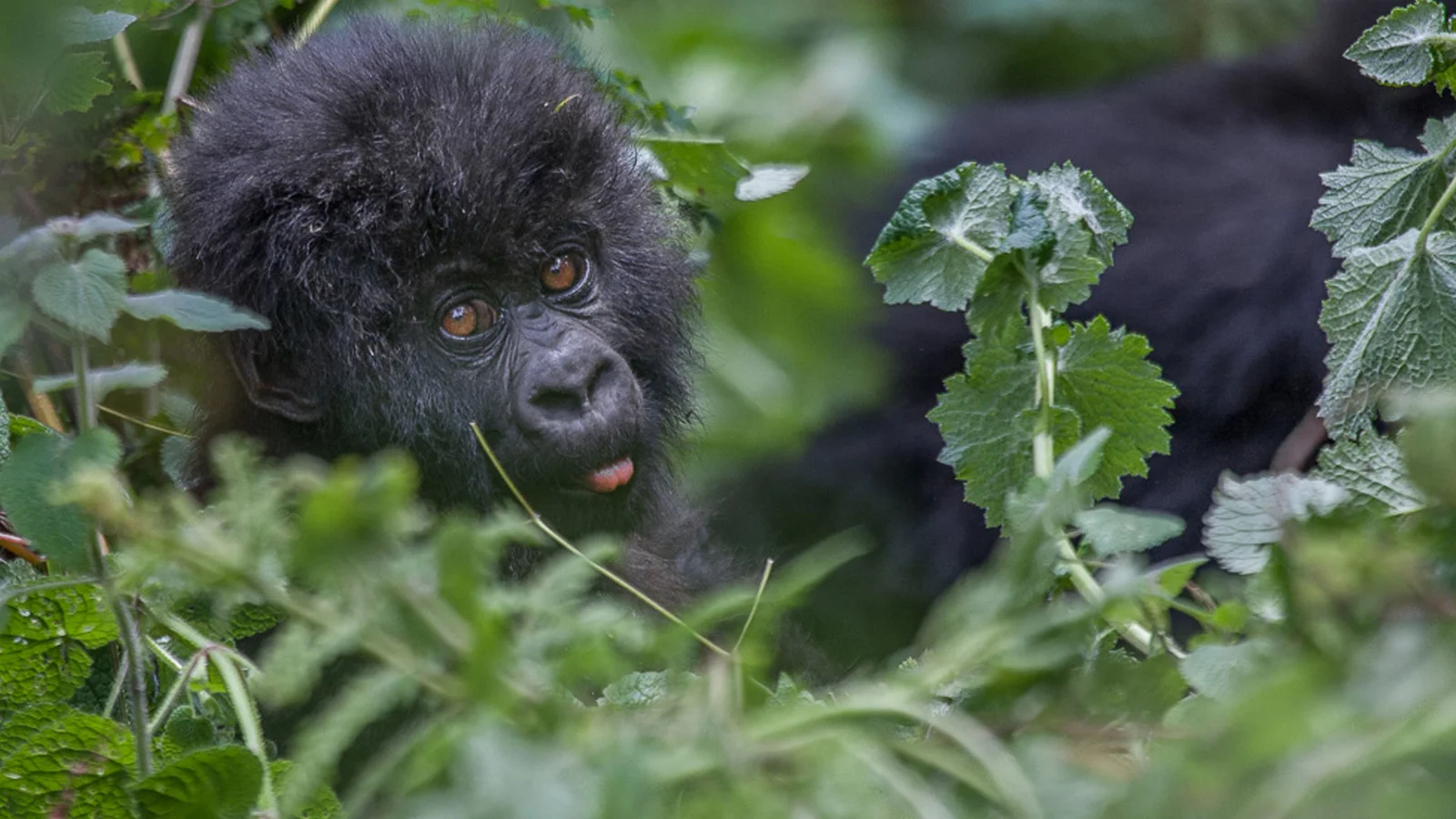
However, What Is the Best Time for Gorilla Habituation in Uganda? does not have one universal answer because March, April, May, October, and November can also provide rewarding experiences. These months generally receive more rainfall, resulting in muddier forest trails, slippery slopes, and occasionally slower road transfers. Nevertheless, the rainforest becomes exceptionally lush, mist frequently settles across the mountain valleys, and the surrounding landscapes offer beautiful photographic opportunities. Visitors who appreciate quieter travel periods may find these months appealing, particularly when their schedules are flexible. Rainfall does not automatically prevent gorilla habituation, although exceptionally difficult weather or safety conditions may affect activities. Professional trackers and rangers continue to assess the forest environment and determine suitable procedures for each day’s encounter.

Another important consideration when evaluating What Is the Best Time for Gorilla Habituation in Uganda? is the availability of permits and accommodation. Gorilla habituation is a highly regulated conservation activity with substantially fewer daily visitor places than ordinary gorilla trekking. Travellers hoping to visit during popular months should therefore prioritise confirming their gorilla habituation permits before making non-refundable travel arrangements. Accommodation close to the correct Rushaga briefing area is equally important, particularly during periods of heavy rainfall when longer morning road transfers may become less predictable. Understanding the best entry points for gorilla habituation in Uganda can help visitors coordinate flights, private road transportation, and accommodation according to their selected travel season.
Ultimately, the best time to visit depends on whether you prioritise relatively comfortable trekking conditions, reduced visitor numbers, photography opportunities, convenient travel arrangements, or specific holiday dates. June to September and December to February are generally the strongest recommendations for travellers seeking comparatively drier conditions, while the wetter months remain viable for those prepared for muddy trails and unpredictable rainfall. Whichever season you select, the most important elements are securing the correct permit, preparing physically for the rainforest, choosing suitable trekking equipment, and allowing sufficient time to appreciate the remarkable mountain gorilla encounter.
Best Months for Gorilla Habituation in Uganda – Month-by-Month Guide
Understanding What Is the Best Time for Gorilla Habituation in Uganda? becomes easier when examining the weather, rainforest conditions, and travel advantages of each month individually. Although gorilla habituation in Bwindi can be arranged throughout the year, seasonal changes influence the condition of forest trails, accessibility of the Rushaga sector, photography opportunities, and the overall comfort of your safari. Uganda generally experiences two relatively dry periods, from December to February and June to September, alongside wetter periods from March to May and October to November. However, Bwindi remains a tropical rainforest, and rainfall can occur even during the driest months.
January – Excellent Weather for Gorilla Habituation
January is one of the most favourable months for travellers seeking relatively dry trekking conditions in Bwindi Impenetrable National Park. Rainfall is often less frequent than during the main wet seasons, making forest paths somewhat easier to navigate and reducing the likelihood of prolonged muddy conditions. The surrounding mountains remain beautifully green, while the cooler early mornings create a refreshing atmosphere before the gorilla habituation briefing. Visitors should nevertheless prepare for occasional showers because the rainforest maintains considerable moisture throughout the year.
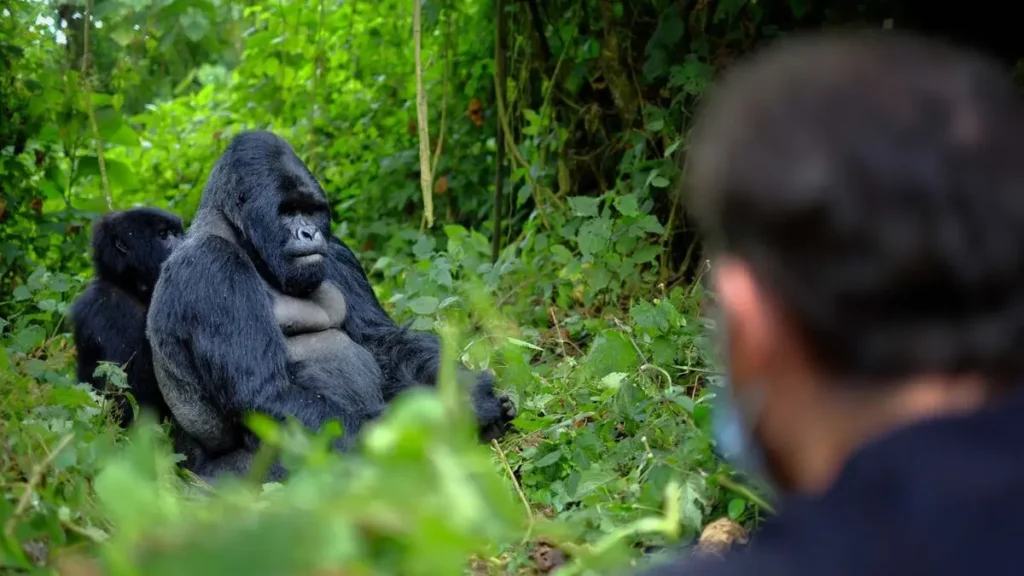
For travellers considering What Is the Best Time for Gorilla Habituation in Uganda?, January is an excellent choice for couples, photographers, solo travellers, and visitors combining Uganda with Rwanda. The month provides opportunities to enjoy a gorilla habituation safari from Kigali or a longer Uganda wildlife itinerary. Booking accommodation near Rushaga and securing permits in advance is recommended, particularly during the early January holiday period.
February – One of the Best Months for Gorilla Habituation
February is another highly recommended month, particularly for visitors prioritising comfortable hiking conditions. The relatively drier weather often makes steep forest trails more manageable, although the actual difficulty of trekking still depends on the gorilla family’s location, terrain, and individual fitness. February can also be attractive to wildlife photographers because changing forest light and occasional mist create interesting opportunities for capturing mountain gorillas in their natural environment.
When researching What Is the Best Time for Gorilla Habituation in Uganda?, February deserves strong consideration for travellers who want to avoid the wetter conditions commonly associated with April and November. Visitors can combine the extended four-hour experience with conventional gorilla trekking, provided separate permits and suitable travel arrangements are secured. Those interested in both activities can explore our gorilla habituation and trekking tours when preparing their itinerary.
March – Transition Into the Rainy Season
March generally marks the transition towards Uganda’s longer rainy season. Rainfall may become more frequent as the month progresses, increasing moisture in the forest and making some trails slippery. Nevertheless, March remains suitable for gorilla habituation, particularly for travellers who are comfortable hiking in unpredictable weather. The rainforest becomes increasingly lush, and the mountainous scenery can be especially beautiful after rainfall.
Visitors travelling in March should pack waterproof hiking boots, rain jackets, gardening gloves, and protective covers for cameras and other electronic equipment. Choosing accommodation near the briefing point is also important because wet roads can make longer early morning transfers less convenient. Travellers can consult the Rushaga access guide when coordinating transportation and accommodation.
April – Rainy Conditions and Beautiful Rainforest Scenery
April is typically among the wetter months in southwestern Uganda, making it a more demanding period for visitors undertaking the extended gorilla habituation experience. Frequent rainfall can create muddy trails, slippery slopes, and slower progress through dense vegetation. However, the activity remains possible when operational and safety conditions permit, and travellers who enjoy the atmosphere of a lush tropical rainforest may find April particularly rewarding.
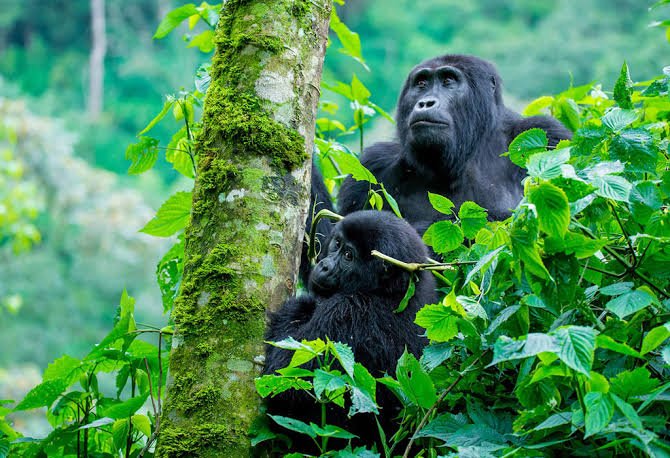
Although April is not usually the first recommendation for visitors seeking easier hiking conditions, it can appeal to experienced hikers and travellers with flexible schedules. Forest photography may benefit from soft, diffused light and dramatic mist, although equipment protection is essential. Visitors should allow sufficient time for road transfers and avoid tightly scheduled onward travel arrangements after their habituation activity.
May – Late Rainy Season and Fewer Visitors
May generally continues the wetter conditions associated with the March-to-May rainy season, although rainfall patterns can vary significantly between years. The rainforest remains exceptionally green, and the surrounding hillsides provide beautiful natural scenery. Trails may still be muddy, particularly in shaded sections where the ground receives limited direct sunlight. Travellers visiting during this period should prepare for demanding walking conditions and occasional changes to transport schedules.
For visitors considering What Is the Best Time for Gorilla Habituation in Uganda?, May can be attractive when avoiding peak-season demand is more important than securing the driest possible weather. Some accommodation providers may offer seasonal promotions, although discounts should never be assumed. The most important priority is confirming your Uganda gorilla habituation permit before arranging flights and accommodation.
June – Beginning of the Popular Dry Season
June marks the beginning of one of Uganda’s most popular travel periods for gorilla habituation. As rainfall generally becomes less frequent, forest trails may become more manageable, although wet and muddy sections remain common. The improving conditions attract travellers interested in combining Bwindi’s mountain gorillas with other wildlife destinations. June is therefore an excellent month for visitors planning a longer Uganda safari.
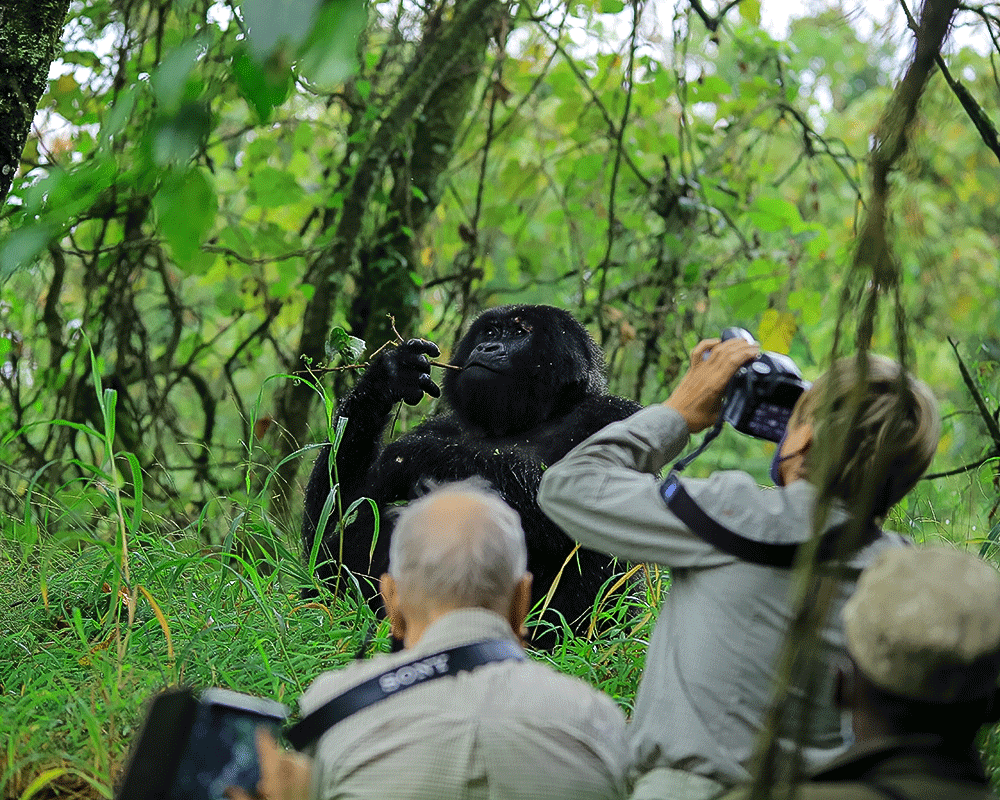
Travellers can combine their habituation experience with game drives and wildlife activities in Queen Elizabeth National Park or explore a broader Uganda wildlife and gorilla habituation itinerary. Because June also marks increasing tourist demand, advance reservations are advisable, especially for accommodation near the Rushaga briefing point.
July – One of the Most Popular Months for Gorilla Habituation
July is widely regarded as one of the most desirable months for visiting Bwindi because it falls within Uganda’s main relatively dry season. Rainfall is often less frequent, and forest paths may be easier to negotiate than during the wetter months. Nevertheless, visitors should expect challenging terrain, occasional rain, and significant physical activity during the search for the assigned gorilla family. Comfortable hiking boots, suitable clothing, and reasonable physical preparation remain essential.
For travellers asking What Is the Best Time for Gorilla Habituation in Uganda?, July is particularly attractive for summer holidays, family travel involving eligible teenagers, private photography safaris, and extended East African wildlife itineraries. However, this popularity means that gorilla habituation permits and conveniently located lodges can become limited. Early planning is particularly important because the experience accommodates very small visitor groups.
August – Excellent Trekking Conditions and High Demand
August continues the favourable travel conditions commonly associated with Uganda’s relatively dry midyear season. The month is especially attractive for travellers who want to combine gorilla habituation with wildlife photography, cultural encounters, and visits to other national parks. Although rainfall can still occur in Bwindi, the generally reduced frequency of prolonged showers can make the overall hiking experience more comfortable.
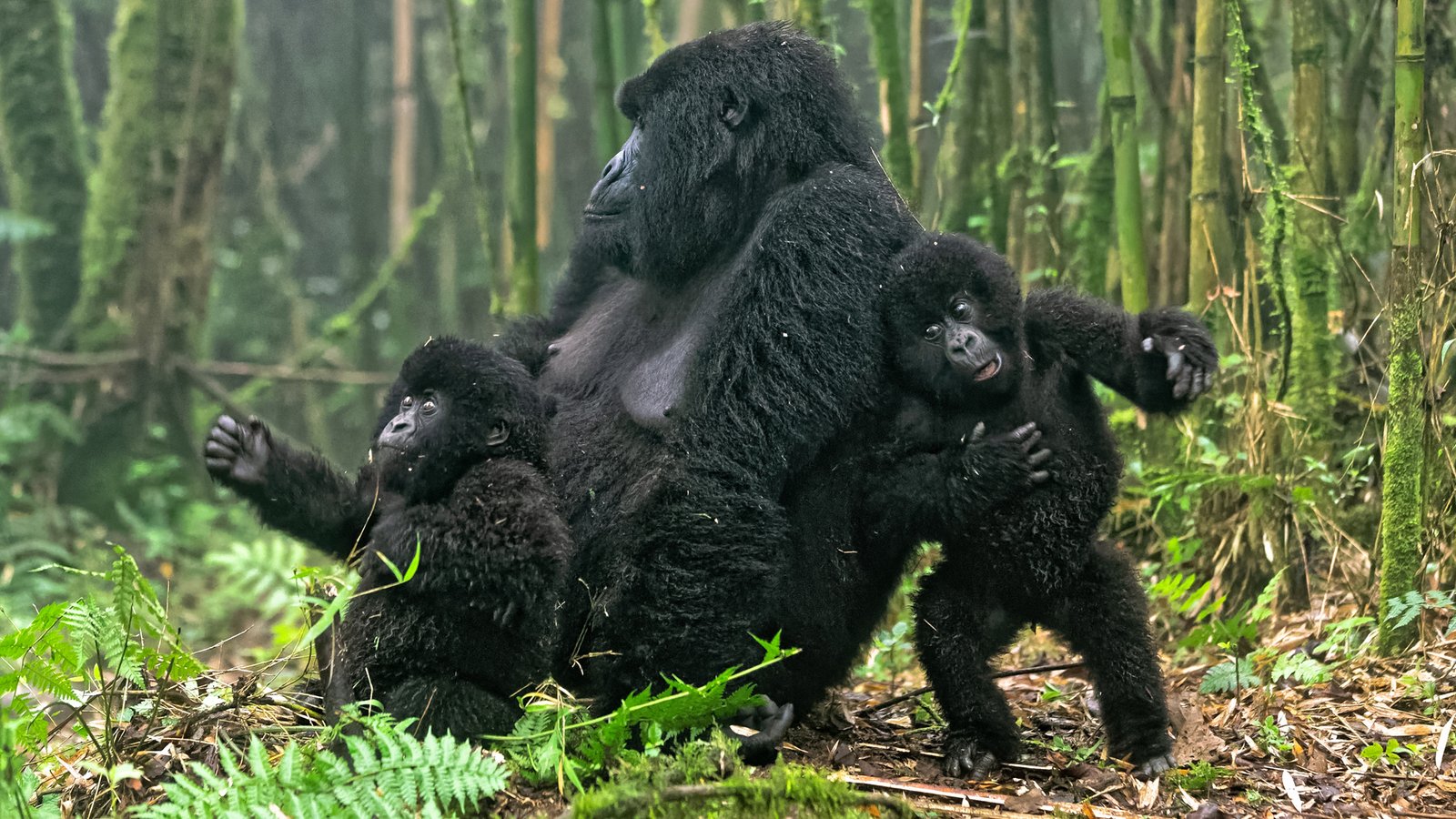
Visitors planning photographic safaris may appreciate the opportunity to spend extended time observing gorilla behaviour, including feeding, grooming, resting, and family interactions. The experience remains subject to conservation rules and ranger supervision. Travellers interested in photography can explore our guide to choosing the best camera for gorilla habituation before travelling.
September – Favourable Weather With Seasonal Changes
September remains an attractive month for gorilla habituation, particularly during its earlier weeks when conditions may resemble those of the preceding dry season. However, rainfall can become more frequent towards the end of the month as southwestern Uganda transitions towards its shorter rainy season. The forest remains beautifully green, and visitors may experience a combination of clear mornings, occasional showers, and mist-covered mountain landscapes.
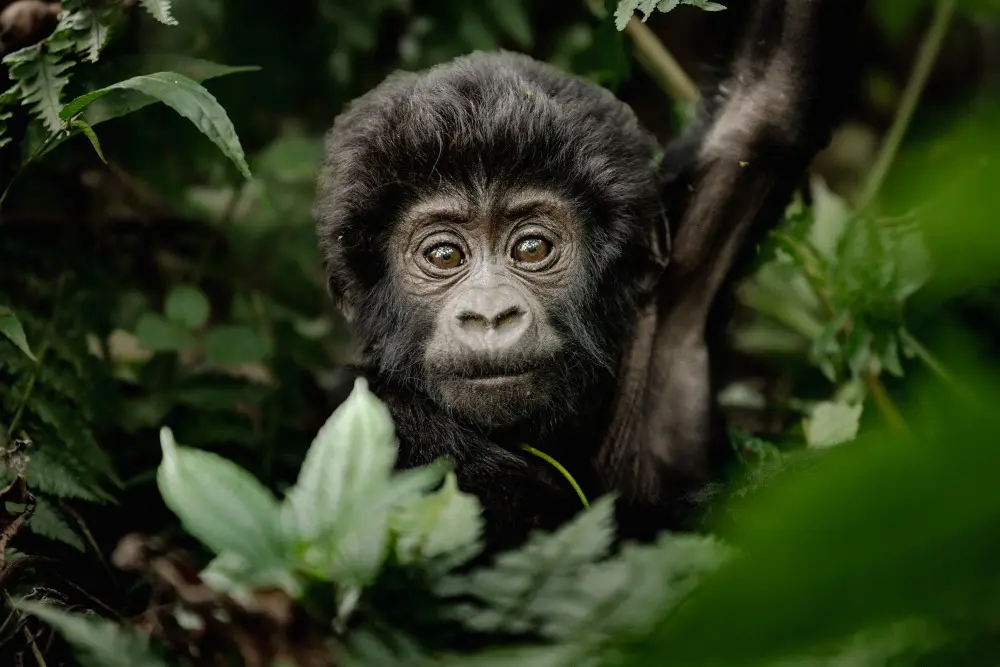
For travellers evaluating What Is the Best Time for Gorilla Habituation in Uganda?, September offers an appealing balance between relatively comfortable trekking conditions and the beginning of seasonal changes. However, conditions become less predictable later in the month, so waterproof clothing and flexible travel arrangements remain important. Visitors planning a longer stay can combine gorilla habituation with additional activities through our Uganda gorilla habituation safari routes.
October – Green Landscapes and the Short Rainy Season
October generally falls within Uganda’s shorter rainy season, bringing more frequent rainfall to Bwindi and the surrounding southwestern highlands. Forest trails can become muddy, and some sections may require additional care when walking along steep slopes. Nevertheless, gorilla habituation remains possible, and visitors who enjoy dramatic rainforest scenery may find October rewarding. Mist drifting through the mountain valleys, fresh vegetation, and soft natural light can create beautiful photographic opportunities.
When considering What Is the Best Time for Gorilla Habituation in Uganda?, October may appeal to travellers seeking a quieter period and those with greater flexibility in their schedules. Rainfall varies considerably, and some days may offer pleasant trekking conditions despite the seasonal pattern. Visitors should prioritise dependable transportation, suitable waterproof equipment, and accommodation close to the Rushaga briefing area.
November – Wet Weather and a Quieter Safari Experience
November is commonly associated with substantial rainfall in southwestern Uganda, although actual conditions vary between years. Forest paths may become slippery, and the dense vegetation can make movement through the rainforest more challenging. Visitors should prepare for wet clothing, muddy boots, and potentially slower road transfers. Nevertheless, the lush surroundings and atmospheric forest scenery can make the experience memorable for travellers who are comfortable with unpredictable weather.
For travellers researching What Is the Best Time for Gorilla Habituation in Uganda?, November is best suited to those who prioritise flexibility and are prepared for demanding trekking conditions. Tourist demand may be lower than during July or August, but permit availability and accommodation arrangements should still be confirmed before travel.
December – Return of Favourable Trekking Conditions
December generally marks the beginning of Uganda’s shorter relatively dry season, although rainfall can continue into the early part of the month. Conditions often become more favourable for rainforest trekking as the month progresses, making December attractive for holidaymakers seeking a memorable wildlife experience. Bwindi’s mountain scenery remains exceptionally beautiful, and visitors can enjoy the forest’s unique atmosphere while preparing for the extended gorilla habituation activity.
For travellers considering What Is the Best Time for Gorilla Habituation in Uganda?, December is particularly appealing for Christmas holidays, honeymoon safaris, and wildlife-focused trips. Demand can increase around the festive season, making early reservations important. Travellers combining Uganda and Rwanda can consider a Uganda and Rwanda gorilla habituation combination safari to experience both countries during their holiday.
Which Month Is Best Overall for Gorilla Habituation in Uganda?
The strongest overall recommendations are January, February, June, July, and August, although September and December can also provide favourable conditions. Travellers who prioritise easier walking conditions should generally select a relatively dry month, while those who appreciate lush forest scenery and quieter travel periods may prefer the wetter seasons. No month guarantees dry weather, easy trekking, or a particular gorilla encounter, because mountain gorillas remain free-ranging animals and Bwindi experiences unpredictable weather throughout the year.
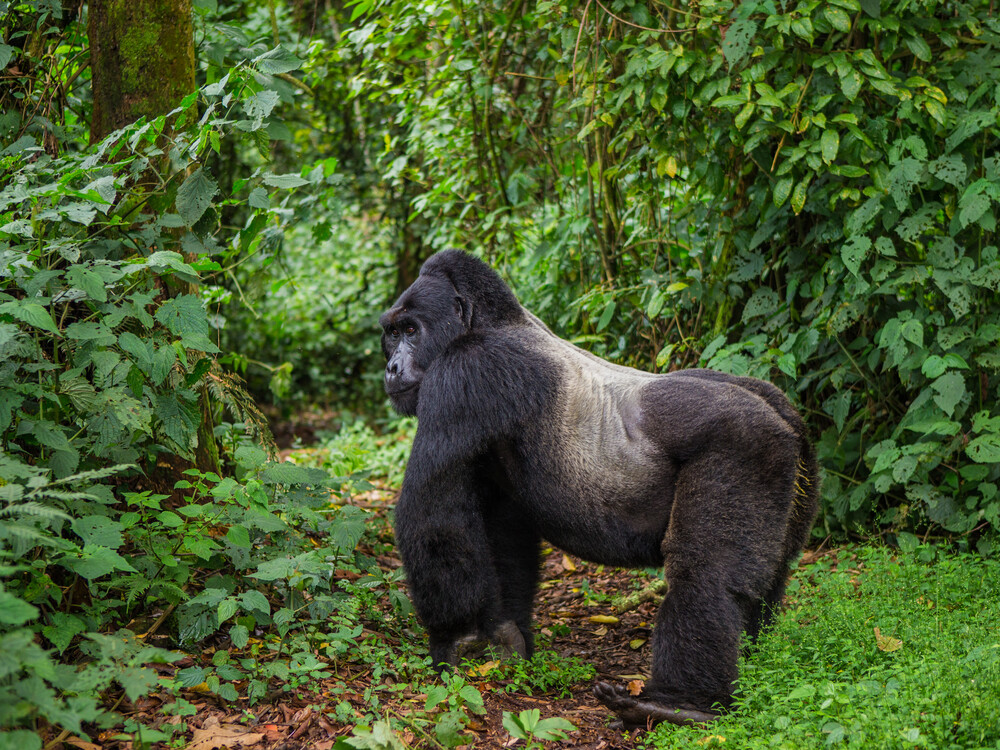
Ultimately, understanding What Is the Best Time for Gorilla Habituation in Uganda? means selecting a month that suits your fitness, photography interests, travel schedule, and tolerance for changing weather. A carefully planned trip with confirmed permits, suitable accommodation, reliable transport, and appropriate trekking equipment can provide an extraordinary experience in any month of the year.
Dry Season vs Rainy Season for Gorilla Habituation in Uganda – Which Is Better?
When considering What Is the Best Time for Gorilla Habituation in Uganda?, understanding the difference between the dry and rainy seasons is essential for planning a comfortable and rewarding experience in Bwindi Impenetrable National Park. Although gorilla habituation takes place throughout the year, seasonal weather patterns can significantly influence forest accessibility, trekking difficulty, photography conditions, and overall safari comfort. The relatively dry seasons, generally occurring from June to September and December to February, are usually preferred by travellers seeking manageable hiking conditions. However, the wetter months from March to May and October to November also offer unique advantages, including beautiful green landscapes, atmospheric rainforest scenery, and potentially fewer visitors.
Gorilla Habituation During the Dry Season
The dry season is generally considered the most favourable period for participating in the Gorilla Habituation Experience because forest trails are often less muddy and slippery than during prolonged rainy periods. The mountainous terrain of southern Bwindi remains challenging throughout the year, but reduced rainfall can improve footing along steep slopes, narrow pathways, and forest tracks. Visitors may find the experience more comfortable when walking through dense vegetation, crossing small streams, or climbing uneven hillsides. Nevertheless, Bwindi remains a tropical rainforest, and occasional rainfall can occur even during the driest months, making waterproof equipment and sturdy hiking boots essential.
For travellers researching What Is the Best Time for Gorilla Habituation in Uganda?, the dry season is especially suitable for first-time visitors, photographers carrying equipment, senior travellers who are physically prepared for the activity, and guests planning relatively short safaris. The generally favourable weather conditions also make it easier to combine gorilla habituation with additional activities across southwestern Uganda. Visitors can explore the gorilla habituation experience in Rushaga before planning an itinerary that includes accommodation close to the designated briefing station. However, because these months attract considerable tourist interest, securing permits and suitable lodges well in advance is particularly important.
Gorilla Habituation During the Rainy Season
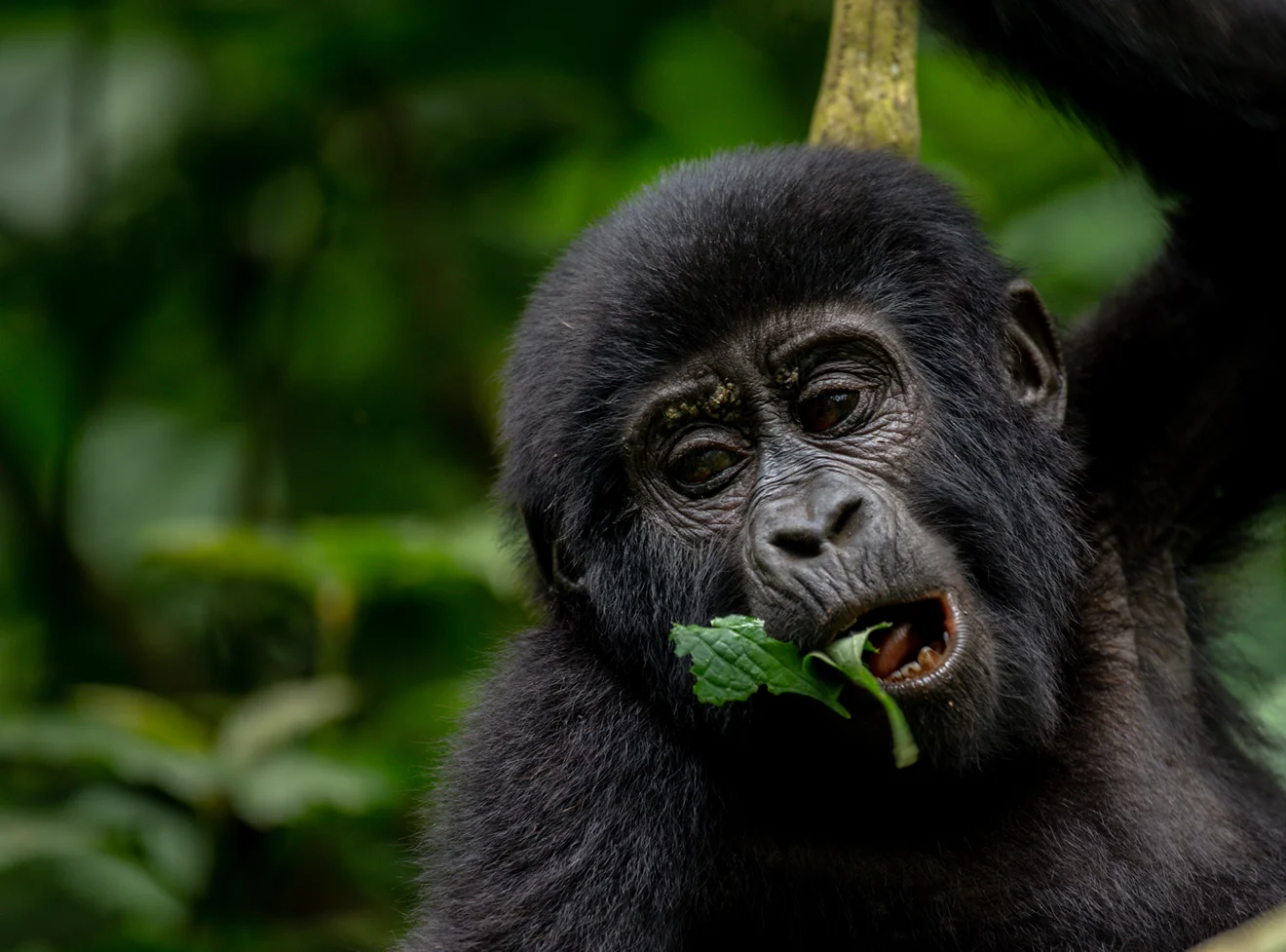
The rainy season provides a different but equally fascinating atmosphere for visitors interested in Bwindi’s tropical rainforest environment. Increased rainfall encourages lush vegetation, deep green landscapes, mist-covered valleys, and an impressive diversity of forest scenery. Although hiking conditions can become more difficult because of slippery trails and muddy slopes, the opportunity to observe mountain gorillas remains available when conditions permit. Professional trackers and rangers continue to guide visitors through the rainforest, adapting their activities to weather conditions and the location of the participating gorilla family.
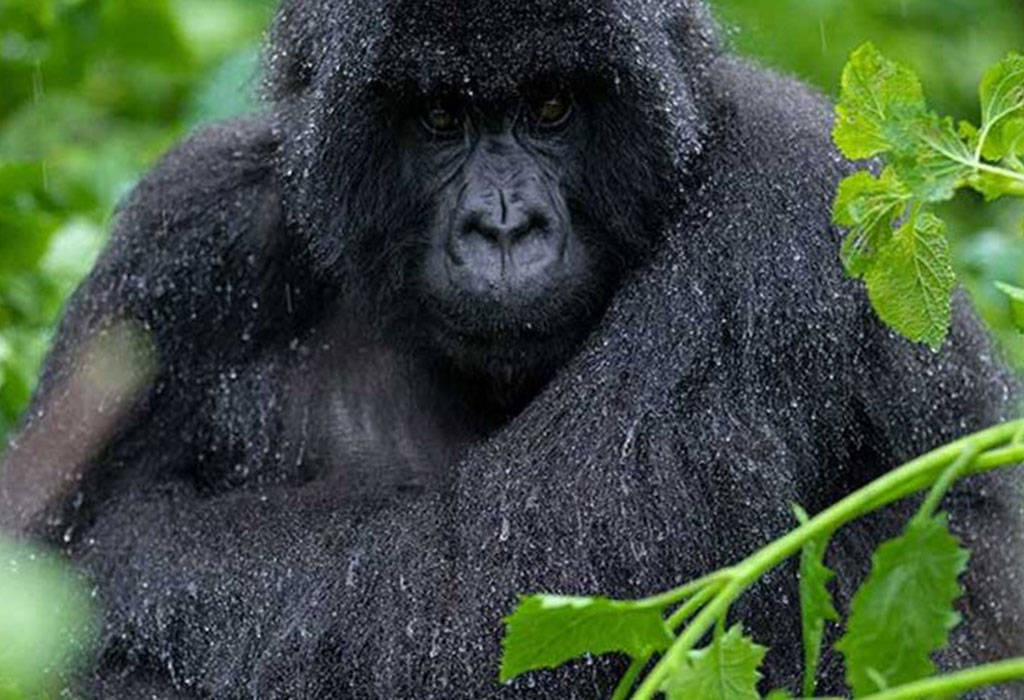
When evaluating What Is the Best Time for Gorilla Habituation in Uganda?, the rainy season may be particularly attractive to experienced hikers, nature enthusiasts, and wildlife photographers who appreciate dramatic forest landscapes. Softer light and atmospheric mist can create interesting photographic opportunities, although protecting camera equipment against moisture becomes especially important. Some travellers may also appreciate quieter accommodation environments during periods of reduced tourist demand. Those interested in photographing mountain gorillas can explore the best camera for a gorilla habituation safari to prepare for the challenges of rainforest photography.
Does the Season Affect Your Chances of Seeing Mountain Gorillas?
One important consideration when asking What Is the Best Time for Gorilla Habituation in Uganda? is whether visiting during the dry season increases the likelihood of encountering mountain gorillas. Gorilla habituation is conducted with designated gorilla families monitored by trained conservation personnel, and tracking teams use their knowledge of the animals’ movements to locate them. Unlike conventional wildlife viewing in open savannah landscapes, gorilla habituation does not depend primarily on animals gathering around seasonal water sources. Therefore, selecting a dry month does not automatically guarantee a better encounter, just as visiting during the rainy season does not necessarily reduce your chances of observing gorillas.
However, weather conditions can influence the amount of effort required to reach a gorilla family. Heavy rainfall may make forest movement more difficult, while drier trails can sometimes allow visitors to walk more comfortably. The actual duration of the trek depends largely on the gorillas’ movements, their location within the forest, terrain conditions, and the pace of the visiting group. Understanding the duration of a gorilla habituation trek can help travellers prepare realistic expectations regardless of their chosen travel month.
Which Season Is Better for Gorilla Photography?
Photography is another important factor when determining What Is the Best Time for Gorilla Habituation in Uganda?. The dry season often provides comparatively convenient conditions for carrying cameras, changing equipment, and moving through the forest without prolonged exposure to heavy rain. However, bright sunlight filtering through the rainforest canopy can create strong contrasts between illuminated vegetation and shaded gorillas, requiring careful camera settings. Photographers should prepare for variable lighting regardless of the season because mountain gorillas frequently move between dense undergrowth, shaded forest areas, and more open surroundings.
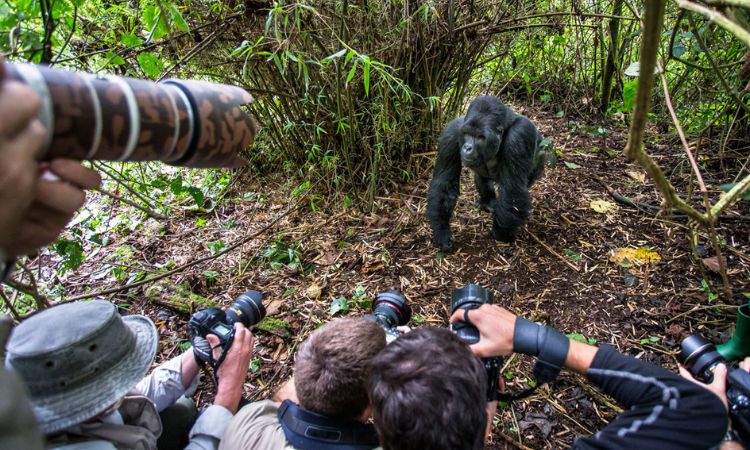
During the rainy season, cloud cover can produce softer lighting that may help photographers capture natural details without extremely harsh shadows. Mist rising through the rainforest can also create atmospheric backgrounds, although rainfall and moisture require greater care when handling electronic equipment. The extended observation period available during gorilla habituation provides opportunities to capture different behaviours and lighting conditions, subject to ranger instructions and the animals’ movements. Travellers planning specialised photographic experiences can consider a Bwindi gorilla photography safari when developing their itinerary.
Which Season Is Better for Permits and Accommodation?
When deciding What Is the Best Time for Gorilla Habituation in Uganda?, permit availability should be considered alongside weather conditions. June, July, August, and the December holiday period are popular travel times, and demand for accommodation and regulated gorilla activities can be considerable. Because habituation allows only a limited number of participants, permits may become unavailable on preferred dates even when some lodge rooms remain open. Travellers planning these months should prioritise confirming their Uganda gorilla habituation permit before finalising other non-refundable arrangements.
During the rainy seasons, accommodation availability may be more flexible, and some properties may offer seasonal promotions. However, lower demand does not guarantee available permits or reduced permit prices. Visitors should verify current availability, confirm the correct Rushaga activity location, and arrange dependable transport before making reservations. A coordinated gorilla habituation safari route can help ensure that accommodation, permits, and transfers correspond with the intended travel dates.
Final Verdict: Dry Season or Rainy Season?
For most first-time visitors, the dry season is generally the better choice because it offers a greater likelihood of comparatively manageable trekking conditions, easier ground transfers, and more comfortable outdoor activities. January, February, June, July, and August are particularly attractive months, although September and December can also provide favourable conditions. Visitors should remember that the forest remains unpredictable, and physical preparation is essential regardless of the season.
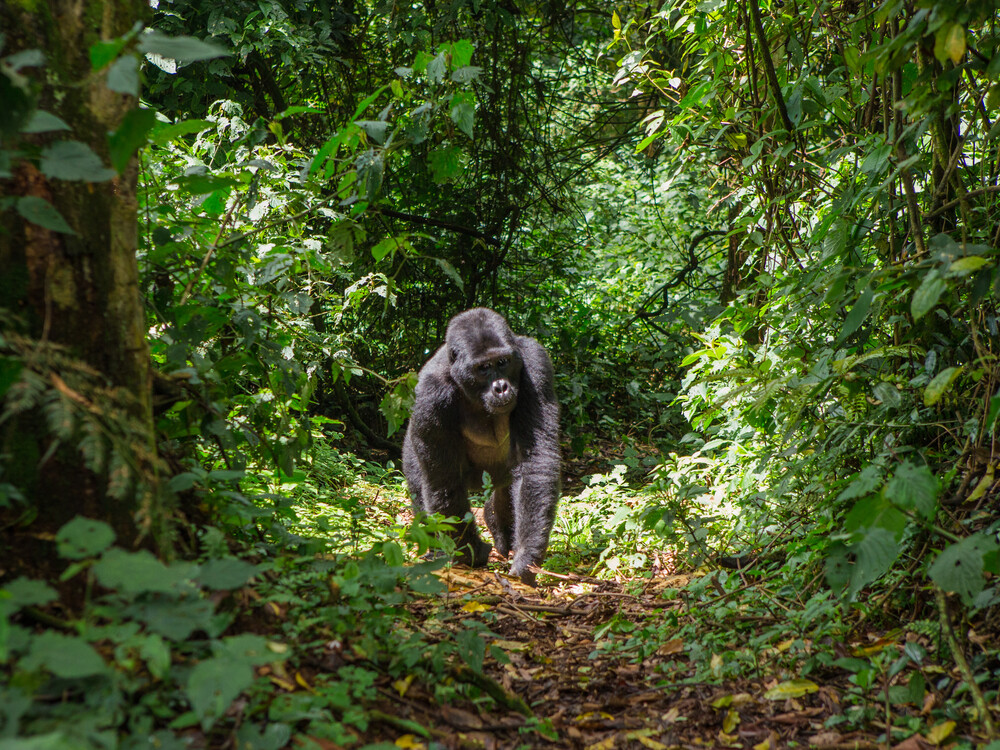
The rainy season remains worthwhile for travellers who enjoy lush landscapes, atmospheric photography, quieter travel periods, and are comfortable navigating potentially muddy trails. Ultimately, What Is the Best Time for Gorilla Habituation in Uganda? depends on your preferences, fitness, available holiday dates, and willingness to adapt to changing rainforest conditions. With confirmed permits, suitable accommodation, experienced guiding, and proper trekking equipment, both seasons can provide a memorable encounter with Uganda’s mountain gorillas.
Frequently Asked Questions About the Best Time for Gorilla Habituation in Uganda
1. What Is the Best Time for Gorilla Habituation in Uganda?
The best time for gorilla habituation in Uganda is generally June to September and December to February. These relatively dry months often provide more manageable trekking conditions in Bwindi Impenetrable National Park.
2. Which Month Is Best for Gorilla Habituation in Uganda?
July and August are particularly popular because of their relatively dry weather. January and February are also excellent choices for travellers seeking favourable forest trekking conditions.
3. Can You Do Gorilla Habituation During the Rainy Season?
Yes. The Gorilla Habituation Experience operates throughout the year, subject to permits and operational conditions. Rainy-season visitors should prepare for muddy trails, slippery slopes, and unpredictable weather.
4. Is June a Good Month for Gorilla Habituation?
Yes. June marks the beginning of Uganda’s main relatively dry season and is an excellent month for gorilla habituation, particularly for travellers combining Bwindi with other wildlife destinations.
5. Is July or August Better for Gorilla Habituation?
Both months offer favourable trekking conditions and are among the most popular travel periods. Neither guarantees better gorilla sightings, so your decision should depend on permit availability and preferred travel dates.
6. Is December a Good Time for Gorilla Habituation?
Yes. December is generally a favourable month, especially as conditions become relatively drier. However, demand can increase during the Christmas holiday period, making early permit reservations advisable.
7. What Is the Worst Month for Gorilla Habituation in Uganda?
There is no universally unsuitable month, but April and November can be particularly challenging because of frequent rainfall. Muddy forest trails and slippery slopes may make the experience physically demanding.
8. Is Gorilla Habituation Better During the Dry Season?
For most first-time visitors, the dry season is preferable because hiking conditions are often more comfortable. Nevertheless, mountain gorillas can be encountered during both dry and rainy periods.
9. Does Rain Affect Gorilla Habituation in Bwindi?
Yes. Heavy rainfall can make forest trails slippery and slow down trekking. However, ordinary rainfall does not automatically prevent habituation activities, and experienced rangers assess conditions for visitor and wildlife safety.
10. When Is the Best Time for Gorilla Habituation Photography?
Relatively dry months are convenient for carrying photography equipment, while rainy months can provide soft lighting and atmospheric forest scenery. Visit our gorilla habituation photography guide for practical preparation advice.
11. Are Gorilla Habituation Permits Available Throughout the Year?
Yes, gorilla habituation permits are issued for scheduled activities throughout the year, subject to availability. Because daily participation is limited, advance reservations are important, particularly during popular travel months.
12. What Is the Best Time for Gorilla Habituation in Uganda for Fewer Crowds?
March to May and October to November may offer quieter travel conditions because these are generally wetter periods. However, the habituation experience already restricts group sizes, so visitor numbers during the encounter remain limited.
13. Can You Combine Gorilla Habituation With Other Uganda Safaris?
Yes. You can combine gorilla habituation with wildlife viewing in Queen Elizabeth National Park, Lake Bunyonyi relaxation, or other attractions. Explore our Uganda gorilla habituation safari routes for itinerary ideas.
14. How Early Should You Book Gorilla Habituation During Peak Season?
Booking several months ahead is advisable, particularly for June through August and the December holiday period. Confirm your gorilla habituation permit before making non-refundable travel reservations.
15. What Is the Best Time for Gorilla Habituation in Uganda for First-Time Visitors?
January, February, June, July, and August are excellent months for first-time visitors seeking comparatively favourable trekking conditions. Choose a suitable travel period, prepare for changing rainforest weather, and allow enough time to enjoy the full experience.
Book Your Uganda Gorilla Habituation Safari – Plan Your Visit During the Best Season
Now that you understand What Is the Best Time for Gorilla Habituation in Uganda?, the next step is planning your journey to Bwindi Impenetrable National Park during the season that best matches your travel preferences. Whether you prefer the relatively dry months of June to September and December to February or the lush green landscapes of the rainy season, gorilla habituation offers an extraordinary opportunity to observe endangered mountain gorillas in their natural rainforest habitat. Choosing the right travel dates, securing your permits in advance, and arranging comfortable accommodation near the Rushaga sector will help ensure a well-organised and memorable wildlife experience.
Your Uganda gorilla habituation safari can begin from Kigali in Rwanda or Entebbe in Uganda, depending on your preferred international arrival destination. Travellers with limited time can consider a 3-day luxury gorilla habituation safari from Kigali, while visitors seeking a more extensive wildlife adventure can explore an 8-day Uganda wildlife and gorilla habituation safari. Each itinerary can be organised around your preferred season, accommodation category, available permits, and transportation requirements.
When deciding What Is the Best Time for Gorilla Habituation in Uganda?, we recommend confirming the availability of your Uganda gorilla habituation permit before finalising non-refundable accommodation or flight reservations. Gorilla habituation places are limited, particularly during popular travel periods. A carefully coordinated safari allows you to enjoy convenient transfers, suitable accommodation, professional guiding, and sufficient time to prepare for the extended forest experience.
Request Your Personalised Gorilla Habituation Safari
Whether you are travelling independently, as a couple, with friends, or as part of a private group, your gorilla habituation safari can be tailored to your interests and available travel time. Share your preferred travel dates, number of travellers, accommodation preferences, and arrival destination so that an appropriate itinerary can be arranged.
Explore our Uganda gorilla habituation safari tours to discover available experiences and begin planning your journey.
Final Thoughts: What Is the Best Time for Gorilla Habituation in Uganda?
What Is the Best Time for Gorilla Habituation in Uganda? June to September and December to February are generally the most favourable travel periods, offering comparatively drier weather and more manageable forest trekking conditions. January, February, July, and August are particularly attractive choices for visitors who want to minimise the challenges associated with heavy rainfall.
However, gorilla habituation remains possible throughout the year, and the wetter months can provide equally memorable wildlife encounters, beautiful rainforest scenery, and quieter travel conditions. The best month ultimately depends on your travel schedule, physical fitness, photography interests, and preferences for weather and accommodation.
By securing your permits early, selecting suitable accommodation near Rushaga, and preparing properly for the rainforest environment, you can enjoy one of Africa’s most remarkable wildlife experiences regardless of the season.