

Is Gorilla Habituation Difficult? Complete Guide to Gorilla Habituation Difficulty in Bwindi
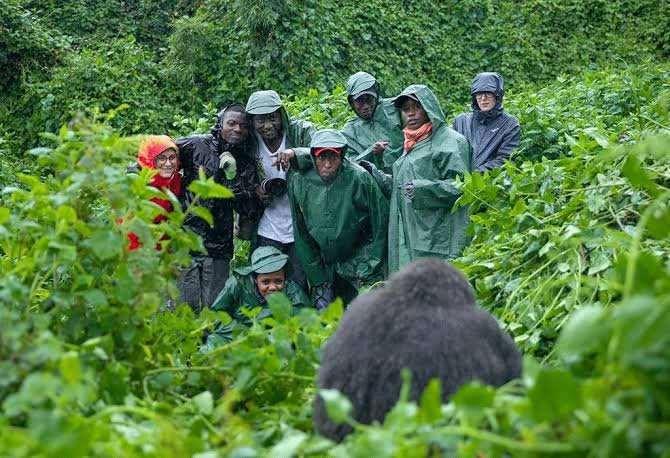
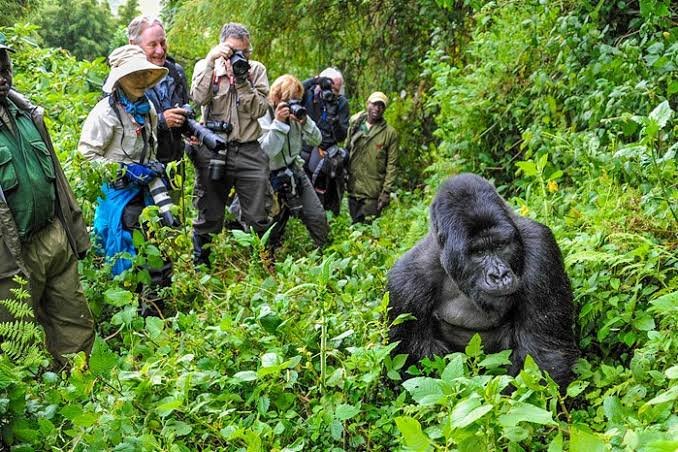
Is gorilla habituation difficult? Yes, gorilla habituation can be physically demanding, but it is an achievable and exceptionally rewarding experience for many travellers who have reasonable fitness, prepare appropriately, and understand the nature of the adventure. The experience involves walking through the mountainous rainforest of Bwindi Impenetrable National Park in southwestern Uganda, searching for a mountain gorilla family that is undergoing the process of becoming accustomed to controlled human presence. Unlike ordinary wildlife safaris conducted from vehicles, gorilla habituation takes you deep into a natural forest environment where steep hills, muddy trails, dense vegetation, and unpredictable animal movements can make the activity challenging.
Gorilla Habituation Difficulty varies considerably depending on your physical fitness, the location of the gorillas, weather conditions, and the amount of walking required. Some visitors may encounter the participating gorilla family after a relatively manageable forest walk, while others may trek for several hours before reaching the animals. Once the gorillas have been located, the experience allows up to four hours of observation, providing an exceptional opportunity to witness their social behaviour, feeding habits, family relationships, and interactions with conservation personnel. You can explore our detailed Gorilla Habituation Experience in Uganda guide to understand what makes this activity different from conventional gorilla trekking.
Although the experience is not designed exclusively for experienced hikers, it requires realistic expectations. You do not need to be a professional athlete or mountain climber, but you should be comfortable with sustained physical activity in a natural environment. This guide explains the physical challenges involved, the fitness required, how weather affects trekking conditions, whether beginners and older travellers can participate, and the best ways to prepare for a successful adventure in Bwindi.
1. How Difficult Is Gorilla Habituation in Uganda?
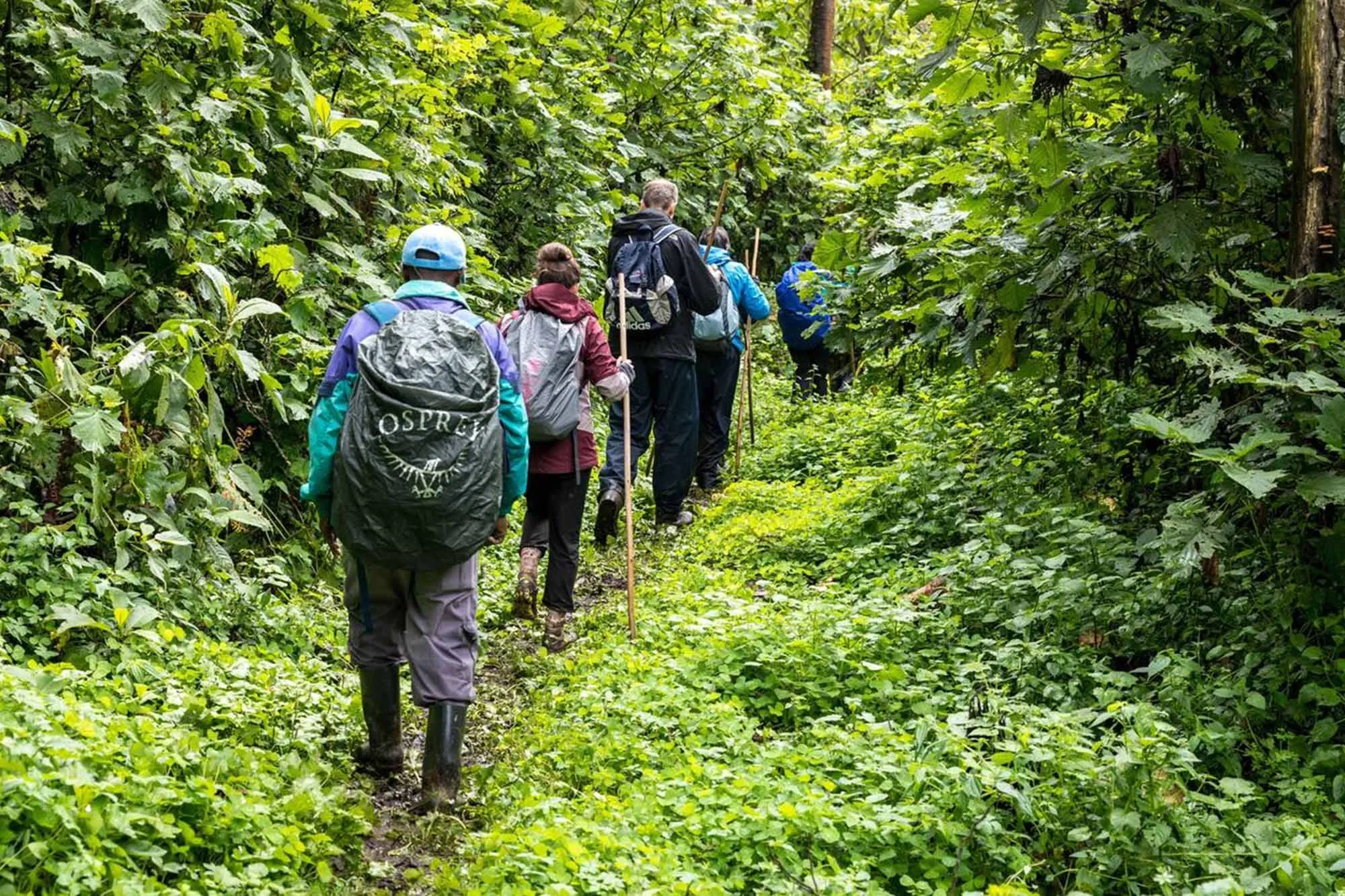
The overall Gorilla Habituation Difficulty is best described as moderate to strenuous, although individual experiences can vary significantly. The activity takes place in a mountainous tropical rainforest rather than on a clearly marked recreational hiking trail. Visitors may encounter uphill climbs, slippery descents, tree roots, thick vegetation, and uneven ground throughout the journey. The duration of walking is also unpredictable because mountain gorillas move freely within their natural habitat, meaning trackers must follow their recent movements rather than lead visitors along a predetermined route.
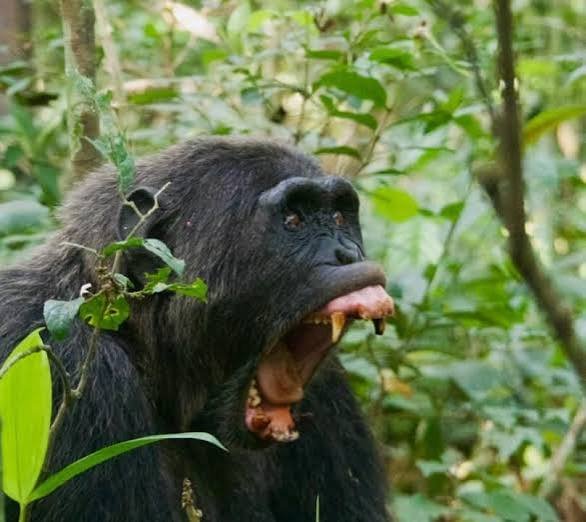
Understanding the physical environment is essential before booking a gorilla habituation permit. Bwindi is characterised by densely forested hills and valleys, with terrain that can challenge even people who regularly exercise on flat ground. However, the presence of experienced rangers, trackers, and locally available porters can make the experience more manageable. Your ability to enjoy the trek depends partly on preparing physically and mentally rather than assuming that every visitor will encounter identical conditions. Our comprehensive Bwindi Impenetrable National Park Gorilla Habituation Guide provides further information about the forest environment and what to expect.
2. What Makes Gorilla Habituation Physically Challenging?
Several factors contribute to Gorilla Habituation Difficulty, particularly the terrain, duration, altitude, and unpredictable movements of the participating gorilla family. Unlike a conventional hiking experience where the route has a known distance and finishing point, gorilla habituation depends on wildlife tracking. Conservation personnel determine the direction of travel according to the location and movements of the gorillas. This means visitors cannot reliably predict how far they will walk, how much climbing will be required, or exactly when the activity will finish.
The extended observation period is another important consideration. Standard gorilla trekking generally allows one hour with a fully habituated family, whereas the specialised gorilla habituation experience permits up to four hours with a family undergoing habituation. During this time, visitors may need to remain standing, move carefully through vegetation, or adjust their position under the instructions of conservation personnel. The combination of tracking, observing, and returning through the forest can create a physically demanding day, especially for travellers who are not accustomed to prolonged outdoor activities.
3. Does the Terrain of Bwindi Make Gorilla Habituation Difficult?
The mountainous terrain of Bwindi Impenetrable National Park is one of the greatest contributors to Gorilla Habituation Difficulty. The forest consists of steep slopes, narrow valleys, dense vegetation, and natural pathways that are frequently affected by rainfall. Visitors may need to climb long hillsides, descend slippery sections, step over fallen branches, or navigate muddy surfaces. These conditions require steady balance, sufficient leg strength, and the ability to walk carefully without rushing. Even when the distance covered is relatively short, climbing and descending uneven slopes can require substantial physical effort.
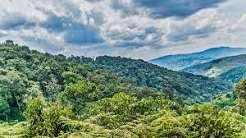
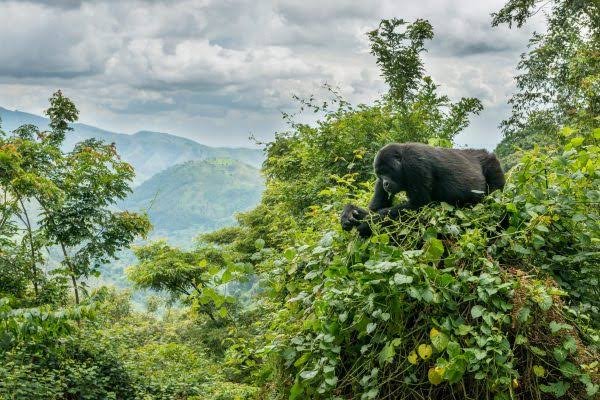
Bwindi’s environment is also remarkably different from the landscapes that many international travellers encounter in everyday life. A person who regularly walks several kilometres along paved streets may find the forest more demanding because the ground is uneven and the route changes frequently. Gorilla Habituation Difficulty therefore depends not only on the total walking distance but also on elevation changes, trail conditions, and the effort required to move through thick vegetation. Learning about Bwindi National Park before travelling helps visitors develop realistic expectations and select equipment appropriate for the environment.
4. Is Gorilla Habituation Difficult in the Rushaga Sector?
Rushaga, situated in the southern section of Bwindi Impenetrable National Park, is the principal location associated with Uganda’s specialised gorilla habituation experience. The sector is known for its mountainous forest landscapes, beautiful valleys, and important mountain gorilla populations. Visitors travelling to Rushaga should expect a genuine rainforest trekking experience rather than a short, effortless walk. The terrain includes both ascending and descending sections, and the actual route depends on where the participating gorilla family is located.
Gorilla Habituation Difficulty in Rushaga can change from one day to another because the gorillas do not remain in one fixed location. A family may spend time feeding relatively close to an accessible area before moving into a more difficult forest section on another day. Professional trackers use their knowledge of gorilla behaviour and movements to locate the animals, but they cannot guarantee a specific trekking distance. Visitors considering the Rushaga Gorilla Habituation Experience should also review the gorilla habituation location map to understand the geography of southern Bwindi and the importance of staying near the correct activity sector.
5. How Many Hours Do You Walk During Gorilla Habituation?
The amount of walking involved varies according to the gorillas’ location and the conditions encountered on the day of the activity. Gorilla habituation normally begins with an early morning briefing, after which visitors enter the forest accompanied by authorised personnel. The initial tracking period may be relatively short or may continue for several hours. Once the participating family is located, visitors may spend up to four hours observing the animals before beginning the return journey. Consequently, the entire outing can occupy much of the day, particularly when the gorillas are located far from the starting point.
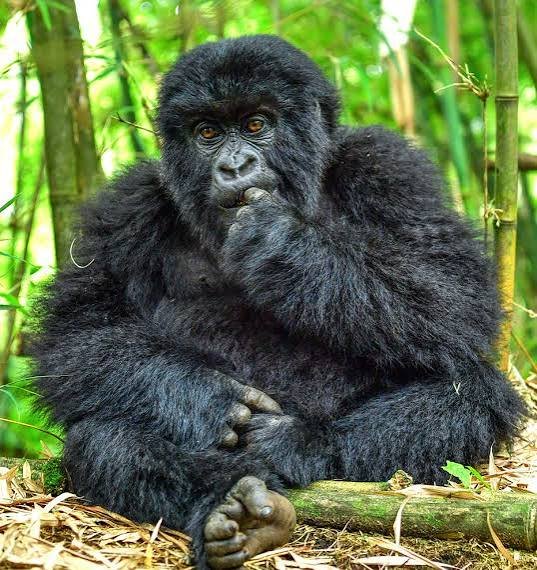
Gorilla Habituation Difficulty increases when visitors underestimate the total time spent in the forest. The four-hour observation allowance does not include the time needed to walk to and from the gorillas. During a longer outing, visitors must maintain sufficient energy for the return journey even after spending considerable time observing the family. Carrying adequate drinking water, packed food, rain protection, and suitable clothing is therefore essential. Our guide to gorilla habituation trek duration explains why trekking times are variable and how visitors can prepare for an extended day in Bwindi.
6. Does Following a Semi-Habituated Gorilla Family Make the Experience Harder?
One distinctive aspect of gorilla habituation is that the participating gorilla family is still becoming accustomed to carefully managed human presence. Conservation personnel gradually introduce the gorillas to predictable encounters with people while monitoring their reactions and behaviour. Unlike fully habituated gorilla families that are familiar with regular tourist visits, a family undergoing habituation may behave less predictably. The animals may continue feeding, move through vegetation, or change direction during the observation period, requiring visitors to follow the instructions of the ranger and research teams.
This behavioural aspect can influence Gorilla Habituation Difficulty because visitors must be prepared for a less structured wildlife encounter. Although the experience provides extended opportunities for observing natural behaviour, it does not guarantee that the gorillas will remain stationary or visible in one location throughout the observation period. Visitors may need patience, controlled movement, and the ability to remain calm while conservation personnel manage the encounter. Understanding the gorilla habituation process helps explain why respecting instructions, maintaining appropriate distances, and avoiding sudden movements are essential for both conservation and visitor safety.
7. Does the Four-Hour Gorilla Observation Period Increase Difficulty?
The opportunity to observe mountain gorillas for up to four hours is one of the major attractions of the experience. However, visitors should understand that an extended observation period can also require additional physical endurance. Once the gorillas have been located, participants may spend prolonged periods standing on uneven ground, carefully repositioning themselves, or waiting quietly while the animals feed, groom, rest, and interact. The actual movements required depend on the gorilla family and the instructions of conservation personnel.
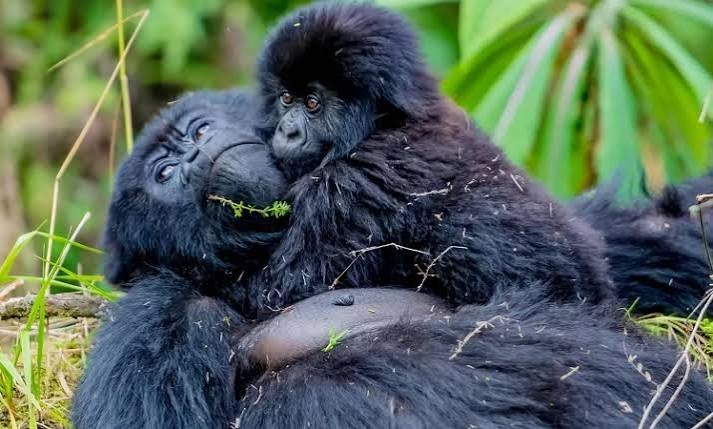
Gorilla Habituation Difficulty during the observation period is therefore not necessarily associated with continuous walking. Remaining comfortable while standing or moving slowly on irregular ground can also be tiring, particularly after a demanding approach trek. Visitors should avoid exhausting themselves before reaching the gorillas and should use the opportunities permitted by their guides to rest appropriately. The extended observation experience is particularly attractive to wildlife enthusiasts and photographers, but its value comes from patient observation rather than constant movement or close pursuit of the animals. Anyone planning gorilla habituation trekking tours should consider these physical requirements before selecting the activity.
8. Is Gorilla Habituation Difficult During the Rainy Season?
Rainfall can make the rainforest considerably more challenging to navigate because soil becomes wet, exposed roots become slippery, and steep slopes may require additional care. Bwindi receives rainfall throughout the year, although the wetter periods generally occur around March to May and October to November. Visitors travelling during these months may encounter heavy vegetation, muddy pathways, and changing weather conditions throughout the day. The surrounding landscape is exceptionally green and beautiful, but the physical demands of walking may increase when trails are saturated.
Gorilla Habituation Difficulty during the rainy season depends on the amount of rainfall, the chosen route, and the location of the participating gorillas. A relatively short trek in wet conditions may still be manageable, while a long uphill route through deep mud can become exhausting. Waterproof hiking boots, lightweight rain jackets, quick-drying clothing, and protective gloves are particularly important. Visitors should also protect cameras and personal belongings from moisture. The experience remains possible during wetter months when conditions permit, although park personnel retain responsibility for decisions affecting safety and wildlife protection. Advance planning through our Uganda gorilla habituation safari routes can help travellers select suitable dates and travel arrangements.
9. Is Gorilla Habituation Easier During the Dry Season?
The relatively dry periods from June to August and December to February are often preferred for gorilla habituation because forest trails may be firmer and prolonged rainfall is generally less frequent. However, dry-season travel does not mean that Bwindi becomes completely dry. The national park is a tropical rainforest where localised showers can occur at any time. Visitors should therefore carry appropriate rain protection even when travelling during months usually associated with favourable trekking conditions.
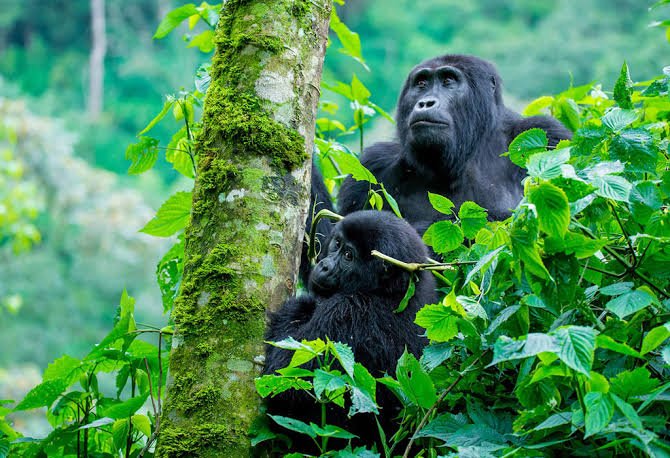
Gorilla Habituation Difficulty during the dry season still depends primarily on the terrain and the position of the gorillas. A family located several hours away on steep slopes may require more effort to reach than another family encountered after a shorter walk during a rainy month. Travellers should not assume that choosing a particular season guarantees an easy experience. Instead, dry-season travel should be viewed as one way of improving the likelihood of more comfortable conditions. Visitors planning longer adventures may combine their habituation experience with a five-day Bwindi gorilla habituation safari that includes sufficient time for travel, rest, and rainforest exploration.
10. What Fitness Level Is Required for Gorilla Habituation?
A moderate to good level of physical fitness is recommended for gorilla habituation. Visitors should ideally be comfortable walking for several hours, climbing hills, descending uneven slopes, and maintaining balance on potentially slippery ground. Regular exercise is helpful, but the type of activity matters because mountain trekking places different demands on the body than ordinary walking. People who frequently hike, climb stairs, or participate in moderate endurance activities may find it easier to adapt to the environment.
Gorilla Habituation Difficulty should nevertheless be evaluated individually. Someone who regularly walks long distances on level ground may still struggle with steep descents, while another visitor who frequently hikes may be more comfortable with the changing terrain. It is important to assess your own fitness honestly rather than relying on general descriptions of the experience. Travellers with existing medical conditions or concerns about prolonged exertion should obtain appropriate medical advice before booking. Proper preparation can improve confidence, but it cannot guarantee a particular level of difficulty because gorilla movements and forest conditions remain unpredictable.
11. How Can You Prepare Physically for Gorilla Habituation?
Preparing physically before travelling is one of the most practical ways to improve your comfort during the experience. Visitors may benefit from walking regularly, gradually increasing the distance covered, and including hills or stairs in their exercise routines. Hiking on uneven ground can help develop balance and confidence, while suitable leg-strengthening exercises may improve the ability to manage climbs and descents. These activities should be introduced gradually according to individual fitness and health rather than attempting sudden intensive training shortly before departure.
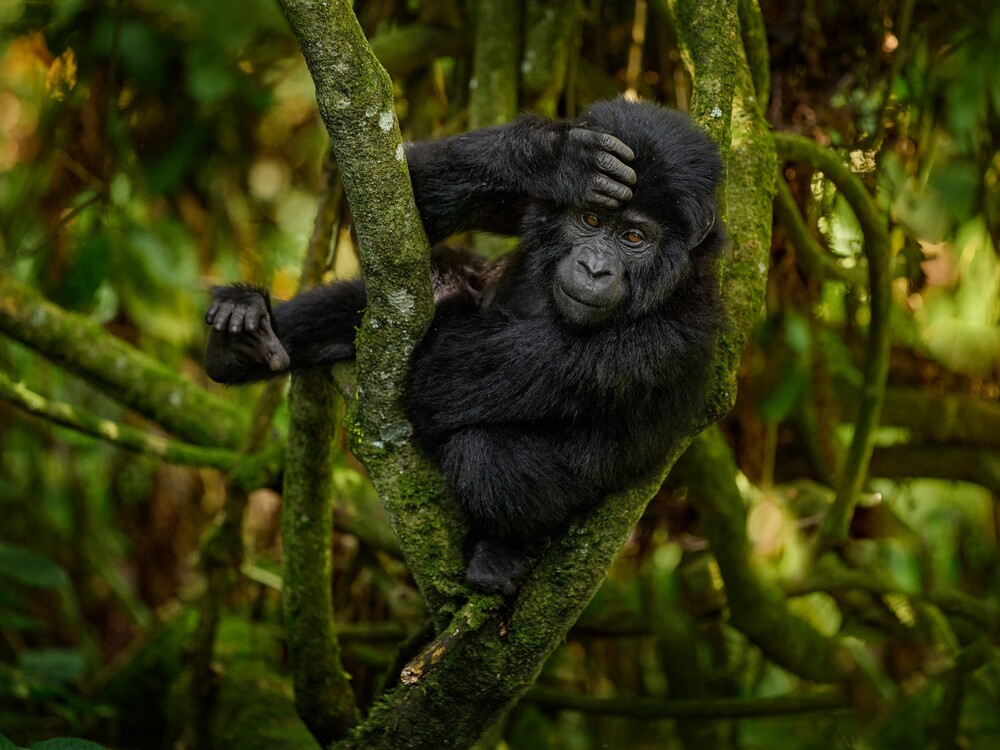
Reducing Gorilla Habituation Difficulty through preparation is particularly important for people who spend most of their working day seated. Even several weeks of consistent, manageable exercise may help improve endurance and familiarity with sustained physical activity. Wearing your intended trekking boots during training walks can also help identify uncomfortable footwear before the safari. Visitors should remember that preparation is not about competing with other participants or achieving athletic performance targets. It is about developing enough physical confidence to concentrate on the forest environment and wildlife rather than feeling overwhelmed by every difficult section of the trek.
12. What Should You Wear to Make Gorilla Habituation Easier?
Appropriate clothing and trekking equipment can make a substantial difference to comfort during gorilla habituation. Waterproof hiking boots with reliable traction are particularly important because visitors may encounter muddy pathways, slippery stones, exposed roots, and steep slopes. Long trousers and long-sleeved shirts provide protection against thick vegetation, while lightweight gardening gloves can help protect the hands when navigating difficult forest sections. A waterproof jacket is also recommended because sudden rainfall is possible throughout the year.
Although equipment cannot eliminate Gorilla Habituation Difficulty, it can reduce avoidable discomfort. Poorly fitting boots may cause blisters, heavy clothing can become uncomfortable in humid conditions, and unnecessary equipment may increase fatigue. A lightweight backpack containing water, packed food, personal medication, and weather protection is usually more practical than carrying numerous accessories. Visitors interested in taking photographs should also consider waterproof covers and protective storage. Our gorilla habituation safari photography guide provides additional advice about selecting equipment that is practical for forest conditions.
13. Can Beginners Manage Gorilla Habituation Difficulty?
Yes, reasonably fit beginners can participate in gorilla habituation, even when they have limited experience hiking through tropical rainforests. The activity does not require specialist mountaineering skills or technical climbing equipment, but visitors should understand that it involves genuine physical effort. A beginner who is comfortable walking for extended periods and prepares appropriately may be better positioned to enjoy the experience than someone who arrives without any understanding of the terrain.
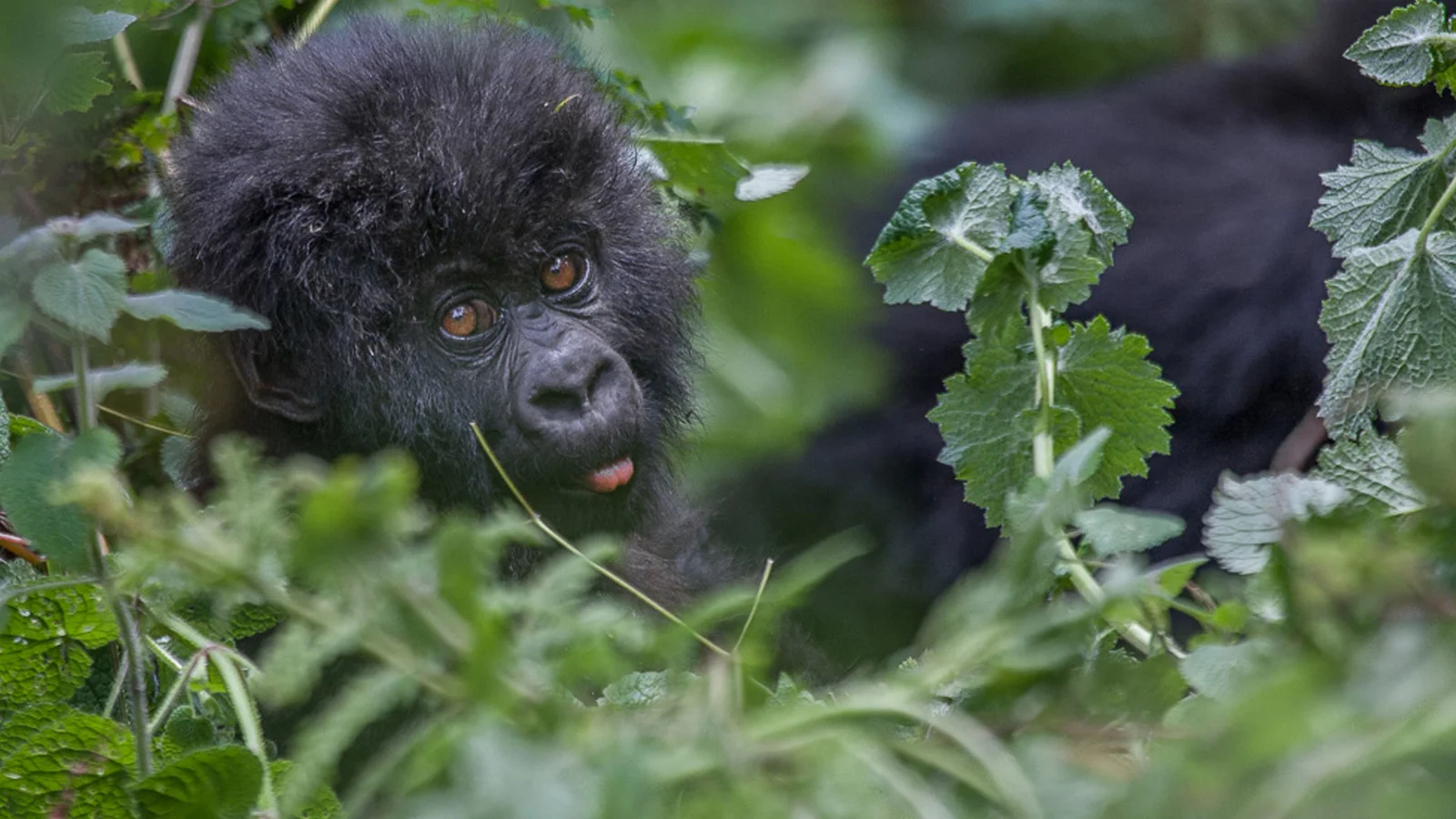
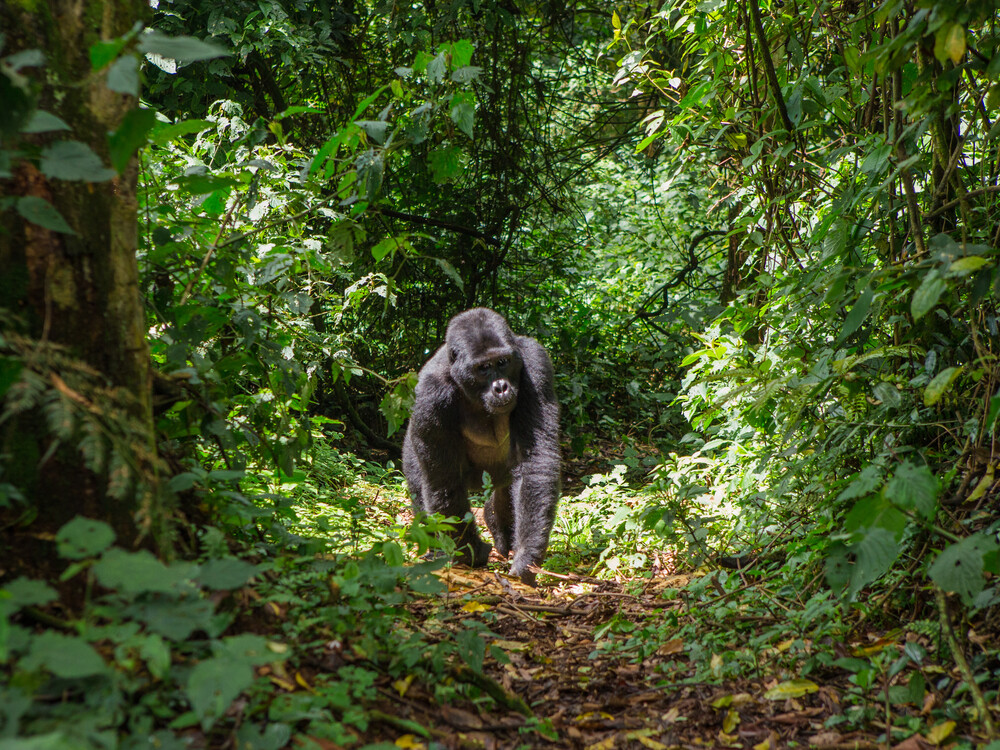
Gorilla Habituation Difficulty for beginners is influenced by confidence, physical readiness, weather conditions, and the day’s trekking route. Visitors should ask practical questions before booking and communicate any concerns about endurance or mobility to their safari organiser. Arriving in Rushaga a day before the activity, hiring a porter, and carrying suitable equipment may improve comfort. Beginners should also avoid scheduling the experience immediately after an exhausting international journey. A well-planned three-day gorilla habituation Uganda itinerary can provide a practical introduction to the experience while allowing time to reach the forest before the trekking day.
14. Is Gorilla Habituation Difficult for Older Travellers?
Age alone is not a reliable indication of whether someone can participate in gorilla habituation. Many older travellers maintain excellent physical fitness through regular walking, hiking, and other recreational activities. A physically active person in their sixties or seventies may be more comfortable on mountain trails than a younger visitor who rarely exercises. The important factors include balance, leg strength, stamina, mobility, and individual medical circumstances.

Gorilla Habituation Difficulty for older travellers should therefore be assessed according to personal capabilities rather than age alone. Visitors who experience significant knee discomfort, breathing difficulties, or reduced balance should discuss the activity with an appropriate healthcare professional before making travel commitments. Hiring a porter may reduce fatigue associated with carrying equipment, although it does not remove the need to navigate challenging terrain. Choosing comfortable accommodation and including an additional rest day can also improve the overall safari experience. Travellers seeking premium arrangements may consider luxury lodges for gorilla habituation in Uganda when planning their visit.
15. Can Travellers With Limited Mobility Participate?
Gorilla habituation presents particular challenges for travellers with significant mobility limitations because the natural environment is not designed around paved pathways or wheelchair-accessible routes. Steep slopes, roots, mud, and irregular forest ground can make movement difficult even for visitors who normally manage shorter walks independently. The route is determined by the movements of wild gorillas, meaning conservation personnel cannot promise that every physical obstacle can be avoided.
Gorilla Habituation Difficulty for visitors with reduced mobility requires careful planning and individual assessment. Local porter services and specialised carrying arrangements may be available for certain gorilla trekking activities, but their suitability and availability for habituation should be confirmed in advance. It would be misleading to guarantee that every visitor can complete the experience using assistance alone. Travellers should explain their mobility requirements clearly before purchasing permits and obtain specific guidance about what can realistically be arranged. Understanding the gorilla habituation access options in Rushaga is a useful starting point for planning.
16. Can Hiring a Porter Reduce Gorilla Habituation Difficulty?
Hiring a porter is one of the most useful practical arrangements for visitors concerned about the physical demands of forest trekking. Porters can assist by carrying backpacks, drinking water, packed meals, camera equipment, and additional clothing. Reducing the amount of weight carried helps visitors conserve energy during difficult uphill sections and may make it easier to maintain balance while navigating uneven ground. In certain situations, porters can also offer practical support along challenging parts of the route.
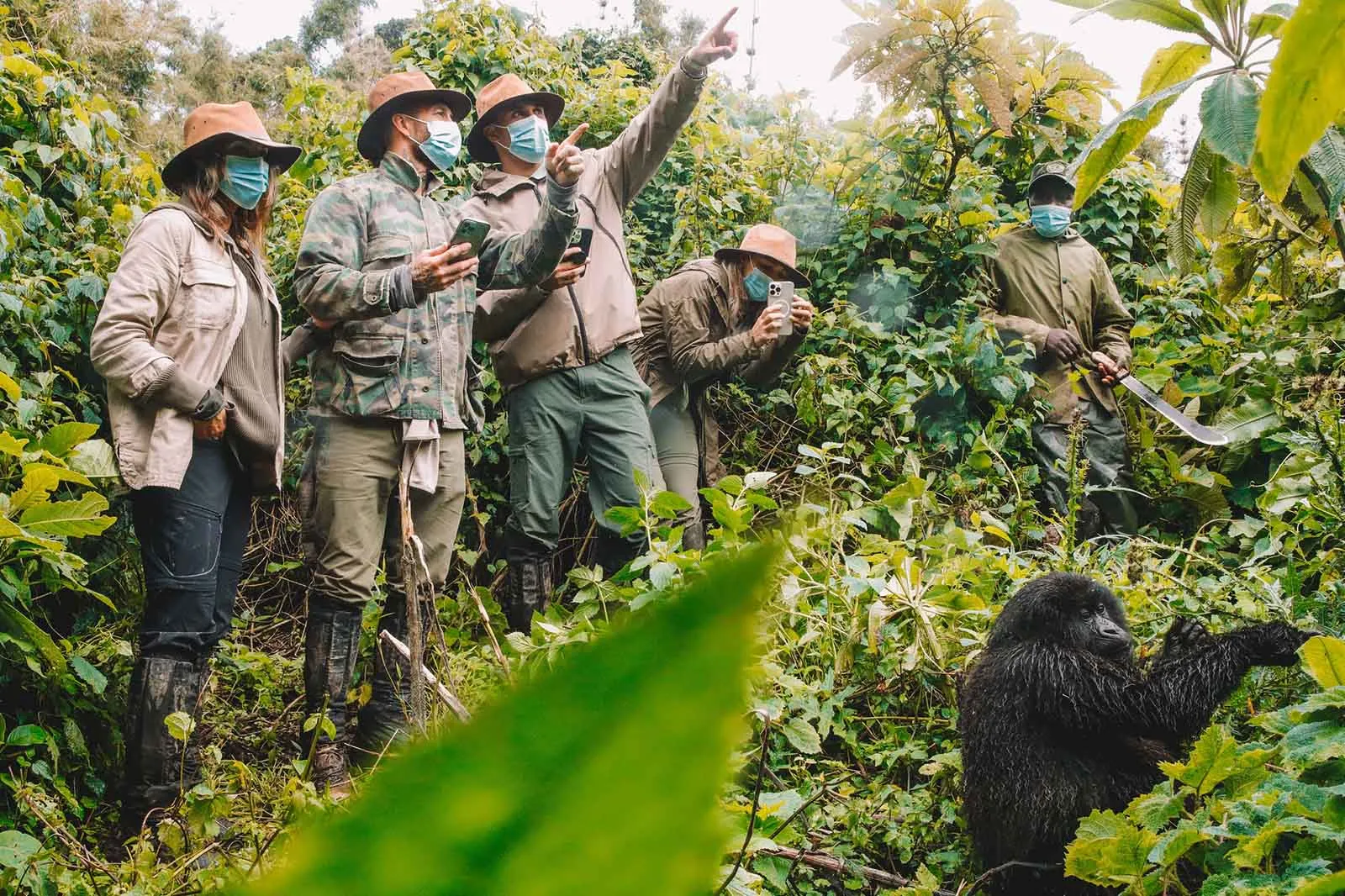
Porter assistance can make Gorilla Habituation Difficulty more manageable, but it does not guarantee that the activity will become effortless. Visitors must still be prepared for prolonged walking and should not rely on a porter to overcome serious physical limitations without appropriate arrangements. Hiring local porters also provides employment opportunities for communities neighbouring Bwindi, supporting the connection between responsible tourism and local livelihoods. When organising your safari, ask about porter availability and the arrangements for the specific trekking day.
17. What Happens if You Become Tired During Gorilla Habituation?
Becoming tired during a demanding rainforest trek is possible, especially when the route includes steep climbs, muddy sections, or prolonged walking. Visitors should inform their ranger team promptly if they experience unusual fatigue, dizziness, pain, difficulty breathing, or problems continuing safely. Depending on the circumstances and the location of the group, conservation personnel may assess whether a short rest or another appropriate arrangement is possible. However, the safety of visitors and the gorilla family must remain the priority throughout the activity.
Gorilla Habituation Difficulty should never be treated as a competition or a challenge that must be completed at any cost. If a visitor is physically unable to continue safely, the appropriate decision may be to end their participation rather than attempt to reach the gorillas. Visitors should understand that paying for a permit does not guarantee that they will complete the full observation period. Honest communication with the guiding team, proper preparation, and respect for personal limitations are essential parts of a responsible wildlife experience.
18. Is Gorilla Habituation Harder Than Regular Gorilla Trekking?
Gorilla habituation can be more demanding than standard gorilla trekking because it involves an extended observation period and contact with a family that is still undergoing habituation. Standard gorilla trekking normally allows one hour with a fully habituated family, while the habituation experience provides up to four hours of observation. Both activities may involve challenging forest terrain, but the additional time required for habituation makes physical endurance especially valuable.
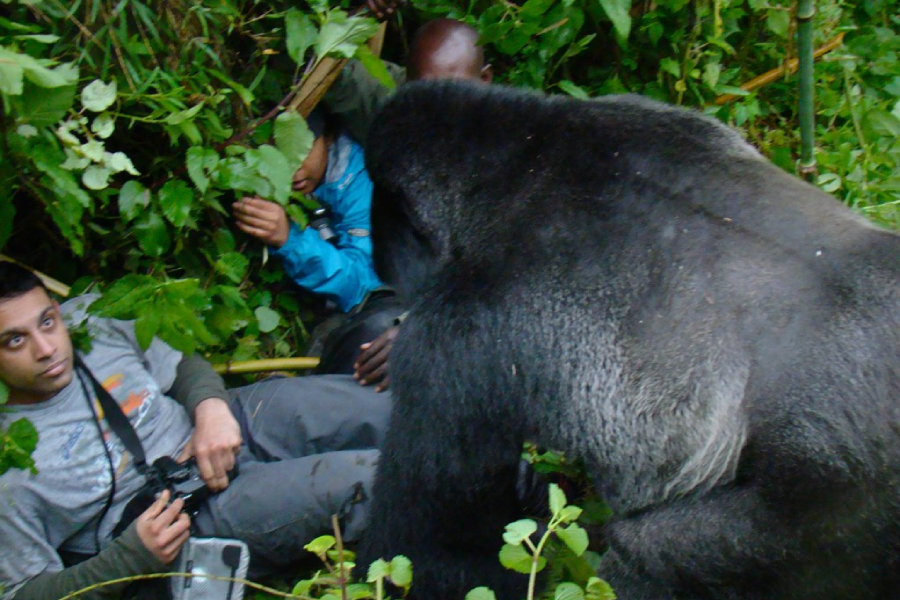
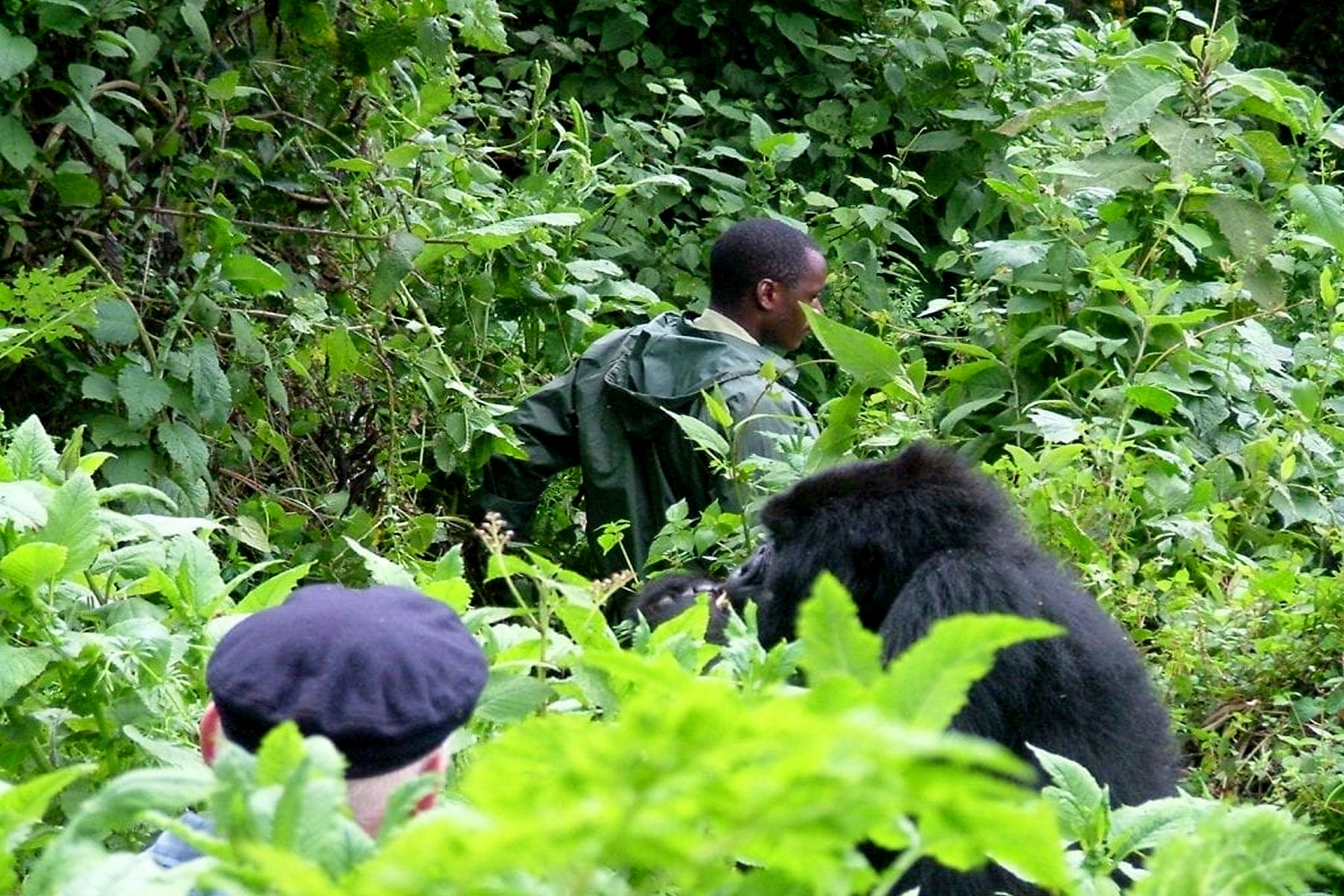
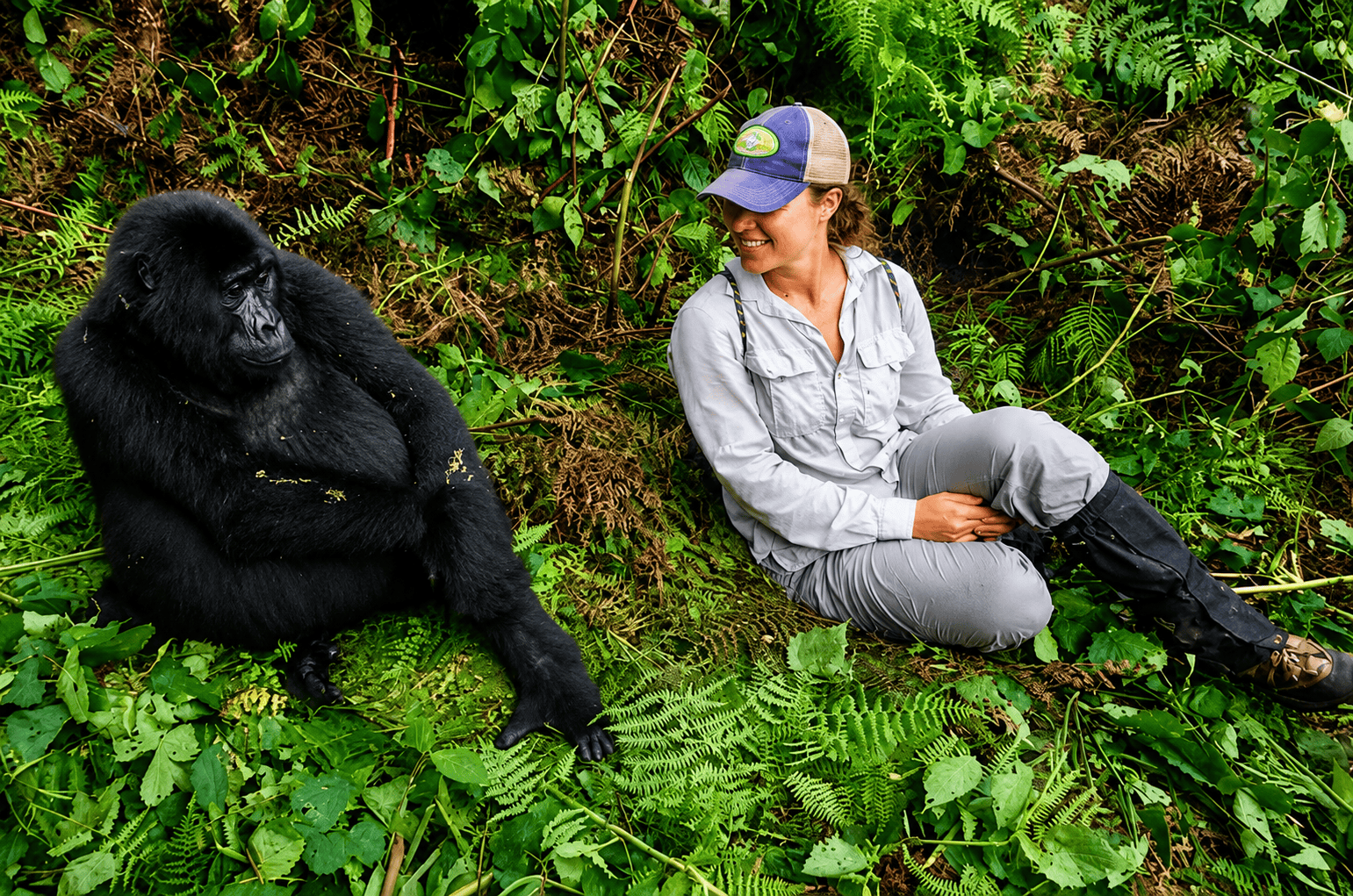
However, Gorilla Habituation Difficulty is not automatically greater on every individual outing. A standard trek may involve a lengthy climb to reach a distant gorilla family, while a habituation visit may begin with a shorter approach. The major difference is the nature and duration of the experience rather than a guaranteed increase in walking distance. Travellers who want extended observation, detailed conservation insights, and greater photographic opportunities may prefer habituation, while those concerned about a prolonged forest day may find standard gorilla trekking tours more suitable.
19. Does Carrying Photography Equipment Make Gorilla Habituation More Difficult?
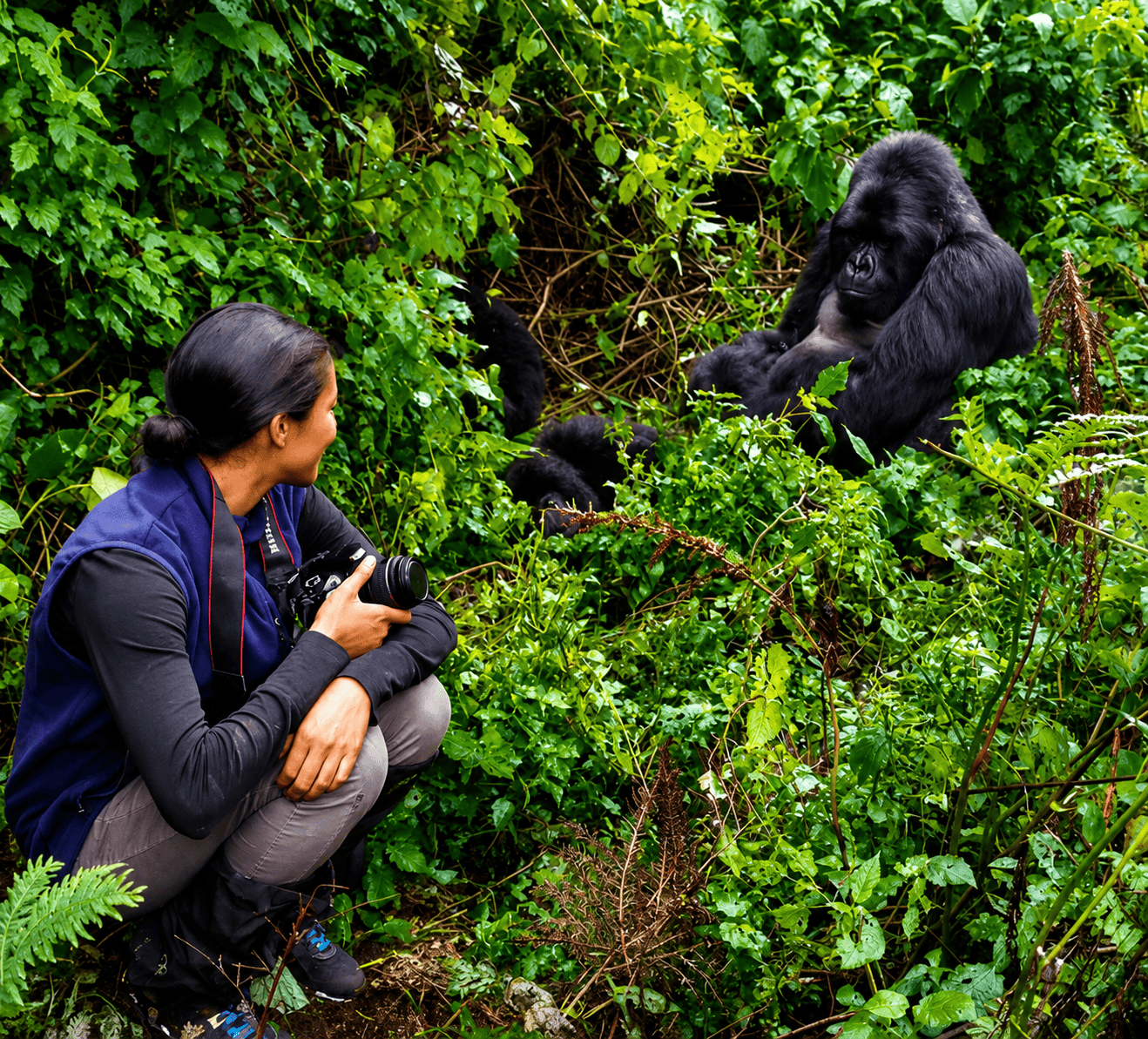
Wildlife photography is a major attraction of gorilla habituation because the extended observation period provides opportunities to study mountain gorilla behaviour in detail. However, carrying large cameras, long lenses, spare batteries, and other equipment can increase physical strain during the forest walk. A heavy photography backpack becomes particularly noticeable during uphill sections, while changing equipment on steep or slippery ground requires additional care.
Gorilla Habituation Difficulty for photographers can be reduced by choosing a compact and practical camera setup, protecting equipment from rain, and hiring a porter where appropriate. Visitors should avoid carrying unnecessary accessories that add considerable weight without providing meaningful benefits. During the encounter, photographers must follow ranger instructions, avoid flash photography, maintain the required distance, and never move into unsafe positions simply to obtain a particular image. Those planning a dedicated photographic safari can explore our luxury Bwindi gorilla photography itinerary for inspiration.
20. Can Travel Arrangements Affect How Difficult Gorilla Habituation Feels?
The journey to southern Bwindi can influence how physically prepared visitors feel when they begin trekking. Travellers arriving through Entebbe may undertake a long road journey or arrange a domestic flight followed by a transfer to Rushaga. Those entering Uganda from Kigali can also reach southern Bwindi by road, making the Rwanda route attractive for shorter itineraries. Regardless of the arrival point, travel fatigue, insufficient sleep, and rushed schedules can make a demanding forest activity feel considerably harder.
Although transport arrangements do not change the forest terrain, they can indirectly influence Gorilla Habituation Difficulty by affecting the visitor’s energy levels. Staying near the relevant trekking briefing point the night before the activity is especially important. Visitors can learn more about the best entry points for gorilla habituation in Uganda, the route from Entebbe to Rushaga, and how to reach the Bwindi gorilla habituation sector before selecting their preferred transport arrangements.
21. How Can You Plan a Comfortable Gorilla Habituation Safari?
A well-designed itinerary can make a significant difference to your overall comfort, particularly when gorilla habituation is the main reason for visiting Uganda. Travellers should ideally arrive near Rushaga the day before their scheduled activity and avoid combining the trekking day with a long road transfer. Choosing suitable accommodation, arranging permits in advance, carrying appropriate equipment, and allowing sufficient time for rest can help reduce unnecessary stress.
Managing Gorilla Habituation Difficulty becomes easier when the wider safari combines demanding activities with more relaxed experiences. For example, visitors may spend several days in southern Bwindi before continuing to Lake Bunyonyi for relaxation or Queen Elizabeth National Park for traditional wildlife viewing. Travellers can explore our five-day gorilla trekking and Lake Bunyonyi safari, gorilla habituation and Queen Elizabeth safari, or eight-day Uganda wildlife and gorilla habituation itinerary when planning a longer journey.
22. Is Gorilla Habituation Worth the Physical Challenge?
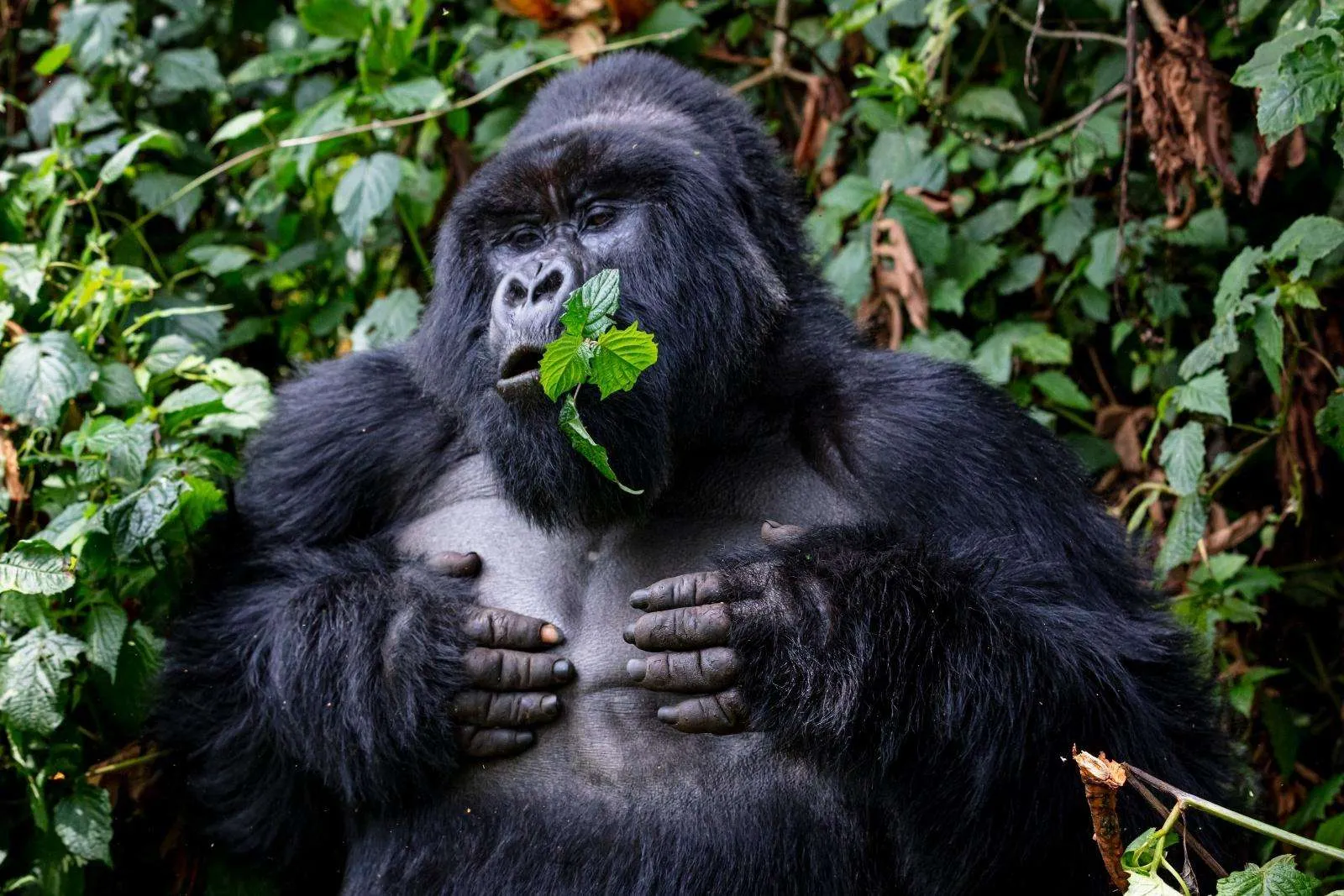
For travellers who are passionate about wildlife, conservation, and natural environments, gorilla habituation can be one of the most memorable experiences available in Africa. The opportunity to spend extended time with a mountain gorilla family offers a deeper understanding of their social relationships, feeding behaviour, communication, and daily movements. Participating alongside experienced conservation personnel also provides insight into the careful work involved in helping gorillas become accustomed to controlled human observation.
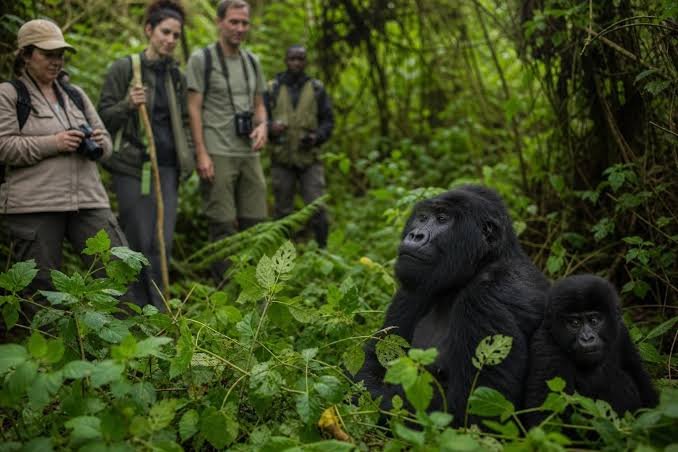
Although Gorilla Habituation Difficulty may initially concern some travellers, the physical demands are often an important part of the adventure. Walking through Bwindi’s remarkable rainforest provides an appreciation of the environment in which mountain gorillas survive and the challenges involved in protecting their habitat. Nevertheless, the experience should be selected according to personal interests and physical capabilities rather than pressure to complete a demanding activity. Visitors who value extended observation and are comfortable with moderately strenuous walking may find that the rewards justify the effort involved.
Frequently Asked Questions About Gorilla Habituation Difficulty
1. Is Gorilla Habituation Difficult for First-Time Visitors?
Gorilla habituation can be demanding for first-time visitors, but reasonably fit beginners can participate. Appropriate physical preparation, reliable hiking boots, and realistic expectations are important.
2. How Fit Must You Be for Gorilla Habituation?
Moderate to good fitness is recommended. You should be comfortable walking for several hours over steep, uneven, and potentially muddy terrain.
3. Is Gorilla Habituation Difficulty Higher Than Regular Gorilla Trekking?
It can be, particularly because habituation allows a longer observation period. However, the actual amount of walking varies, and some standard gorilla treks can also be strenuous.
4. How Many Hours Does Gorilla Habituation Last?
Visitors may spend up to four hours observing the participating gorilla family, excluding the time needed to reach the gorillas and return. The entire outing can occupy much of the day.
5. Is Gorilla Habituation Difficult During Rainfall?
Rain can make forest trails slippery and muddy, increasing physical effort. Waterproof hiking boots, protective clothing, and careful movement are important.
6. Can Older Travellers Participate in Gorilla Habituation?
Yes, physically capable older travellers may participate. Suitability depends on individual fitness, mobility, balance, and health rather than age alone.
7. Can You Hire a Porter for Gorilla Habituation?
Yes, local porter services can generally be arranged. Porters can carry personal belongings and may provide practical assistance on challenging terrain.
8. Does Gorilla Habituation Require Mountain Climbing Skills?
No specialist mountaineering skills are normally required. However, visitors should be prepared for steep hills, uneven ground, and prolonged forest walking.
9. What Happens if You Cannot Finish the Trek?
Inform your ranger team immediately if you cannot continue safely. They will assess the situation and determine the appropriate response, which may involve ending your participation.
10. What Is the Best Way to Reduce Gorilla Habituation Difficulty?
Prepare physically through regular walking and hill training, wear suitable hiking boots, carry essential supplies, consider hiring a porter, and allow adequate rest before the activity.
Book Your Gorilla Habituation Experience in Uganda
Planning carefully is the best way to approach Gorilla Habituation Difficulty with confidence. Whether you are an experienced hiker, a first-time visitor, or a traveller who wants to understand the physical demands before booking, an appropriately organised safari can help you prepare for the experience. Accommodation close to Rushaga, reliable transfers, advance permit arrangements, and practical advice about trekking equipment all contribute to a more comfortable journey.
You can explore our Uganda gorilla habituation tours to find an itinerary suited to your travel schedule. Visitors arriving through Rwanda may consider the three-day luxury gorilla habituation safari from Kigali, while travellers arriving in Uganda can explore the three-day gorilla habituation safari from Entebbe. Before confirming travel arrangements, review our Uganda gorilla habituation permit guide and Uganda Wildlife Authority permit information to understand the reservation process.
Conclusion: Is Gorilla Habituation Difficult?
Gorilla habituation can be physically demanding, but it is not reserved exclusively for professional hikers or experienced adventurers. Many reasonably fit travellers can participate with suitable preparation, appropriate equipment, and a clear understanding of the forest conditions. The greatest challenges arise from steep mountainous terrain, slippery pathways, unpredictable gorilla movements, and the extended time spent in the rainforest.
Gorilla Habituation Difficulty should be considered an important planning factor rather than a reason to avoid this extraordinary wildlife experience. By preparing your body for sustained walking, arranging appropriate accommodation and transport, following professional guidance, and respecting your physical limitations, you can approach the adventure with greater confidence.
For travellers seeking an unforgettable encounter with endangered mountain gorillas, the experience offers something genuinely special: the opportunity to observe these remarkable animals over an extended period while gaining a deeper appreciation of the conservation work protecting them. Explore our gorilla habituation safari experiences and begin planning your journey to Bwindi Impenetrable National Park.