

What Is the Maximum Group Size for a Gorilla Habituation Experience?
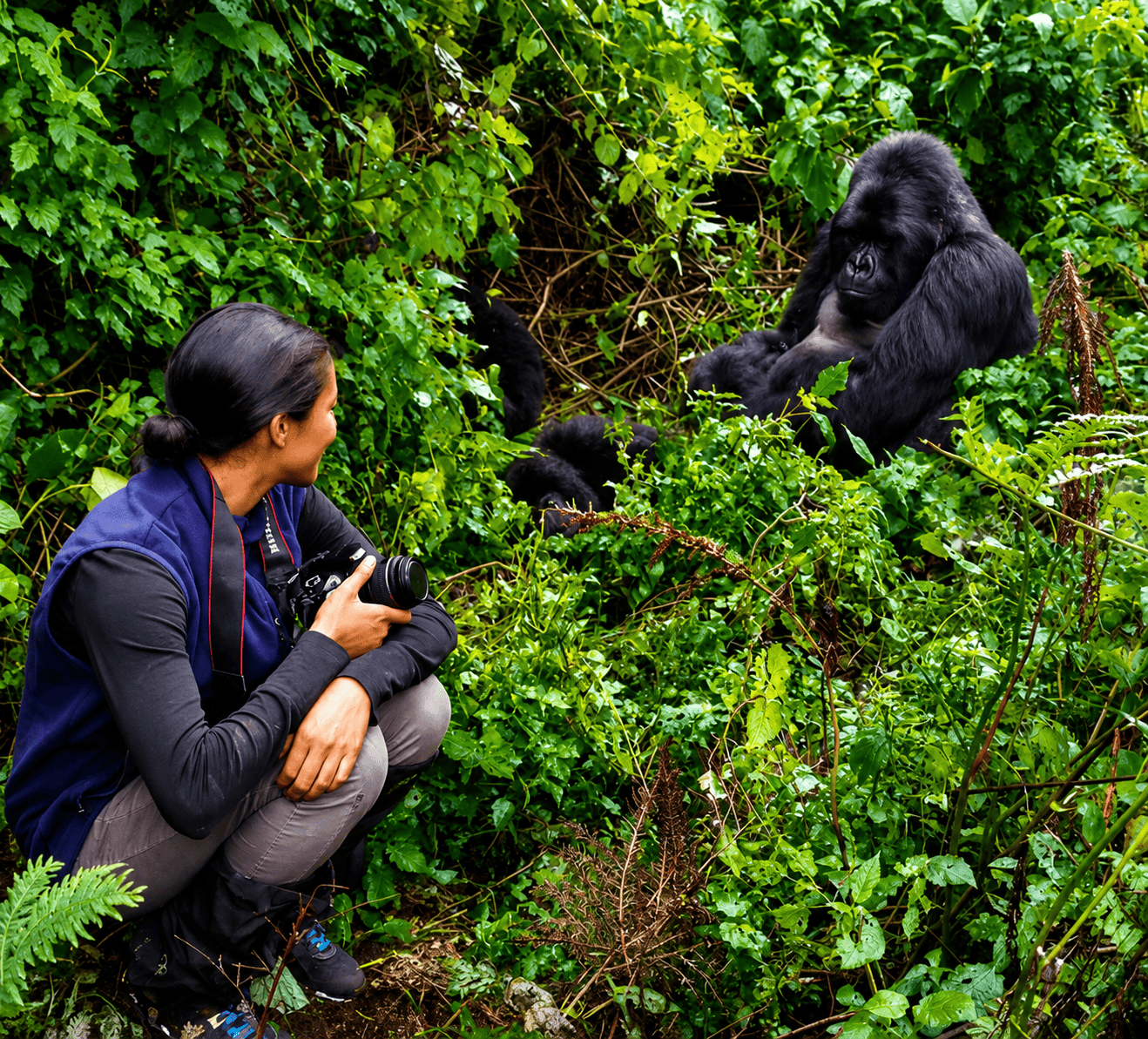
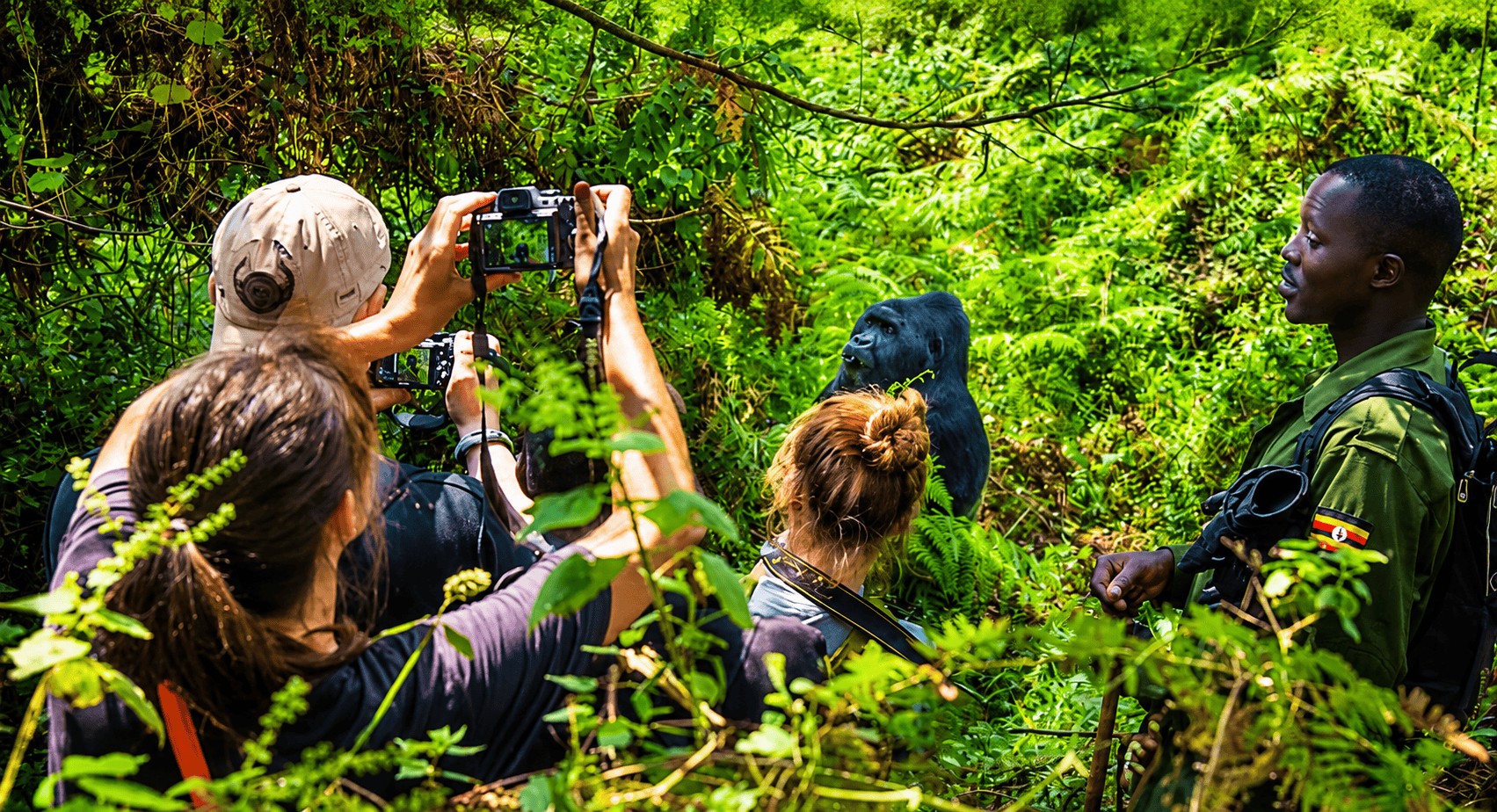
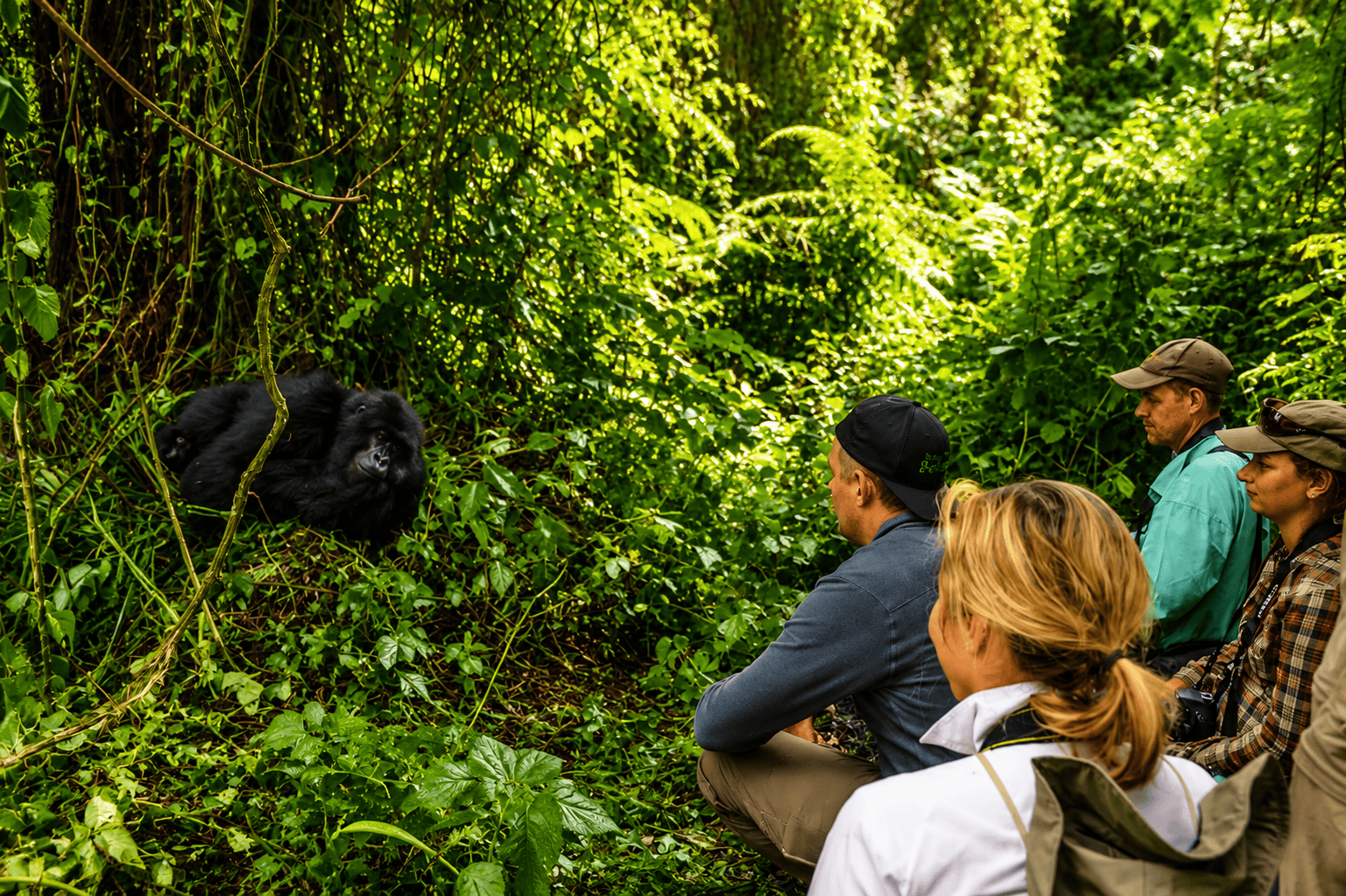
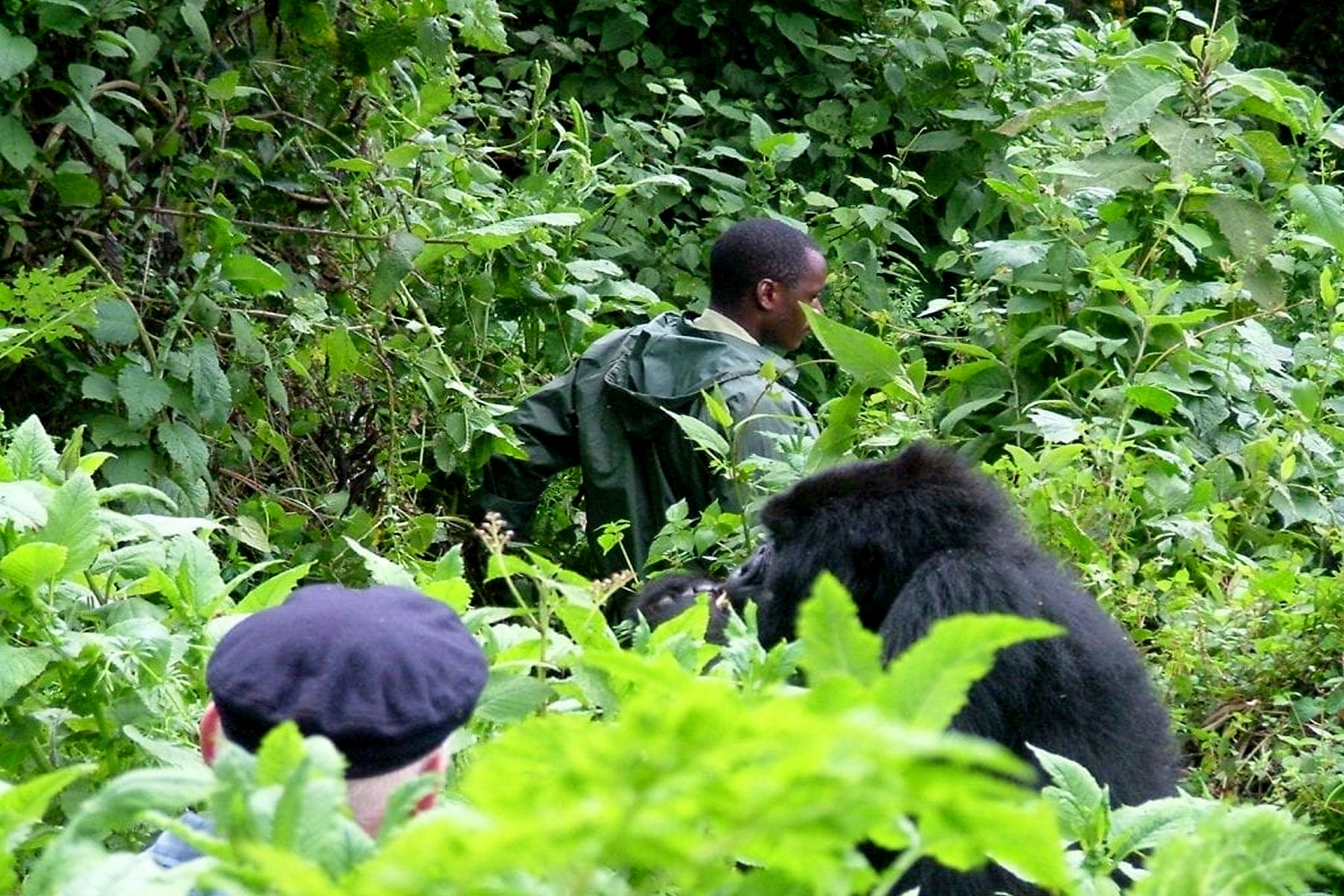
Gorilla Habituation Group Size in Uganda is generally limited to a maximum of four tourists participating in the experience alongside the professional researchers, trackers, guides, rangers and habituators involved in the activity. This small visitor limit helps reduce human pressure around a gorilla family that is still becoming accustomed to controlled human presence and makes it easier for the professional team to manage movement, viewing positions, photography and conservation rules throughout the encounter. Because only a few tourists can join each habituation group, the experience usually feels quieter and more personal than many other wildlife activities, while still remaining a carefully controlled conservation experience rather than a private or unrestricted visit with the gorillas.
The small group size is particularly important because Gorilla Habituation involves a family that is still going through the process of becoming accustomed to controlled human presence. Uganda Wildlife Authority defines the Gorilla Habituation Experience as an activity in which visitors accompany researchers and habituators into the forest as part of the process of habituating gorillas to human presence. These gorillas have not simply been placed in an area where tourists can arrive in unlimited numbers. They remain completely wild, move freely through the forest and may respond differently to people depending on how far the habituation process has progressed. Limiting the number of visiting tourists therefore helps reduce unnecessary disturbance while allowing professionals to monitor how the family responds to controlled observation.
For travellers, having only a few other visitors around you can make the experience feel considerably more personal. You have more room to listen to the professionals, observe different gorillas and position yourself appropriately when visibility changes. At the same time, the small group should not be misunderstood as permission to move wherever you want or create a private interaction with the animals. You remain part of a professionally managed conservation experience in which the guides and habituators decide how the group approaches, observes and follows the gorillas.
Why Gorilla Habituation Groups Are Kept Small
The most important reason for restricting visitor numbers is to protect the mountain gorillas from excessive human pressure. A gorilla family undergoing habituation is gradually learning that carefully managed human observers do not represent an immediate threat. Introducing too many unfamiliar people at once could increase noise, movement and visual disturbance around the family, potentially making the process more difficult.
A smaller tourism group is easier for researchers and guides to control. Four visitors can normally be positioned carefully within the forest without spreading out widely around the animals. Guides can see what each person is doing, remind everyone of appropriate behaviour and react quickly if the gorillas move.
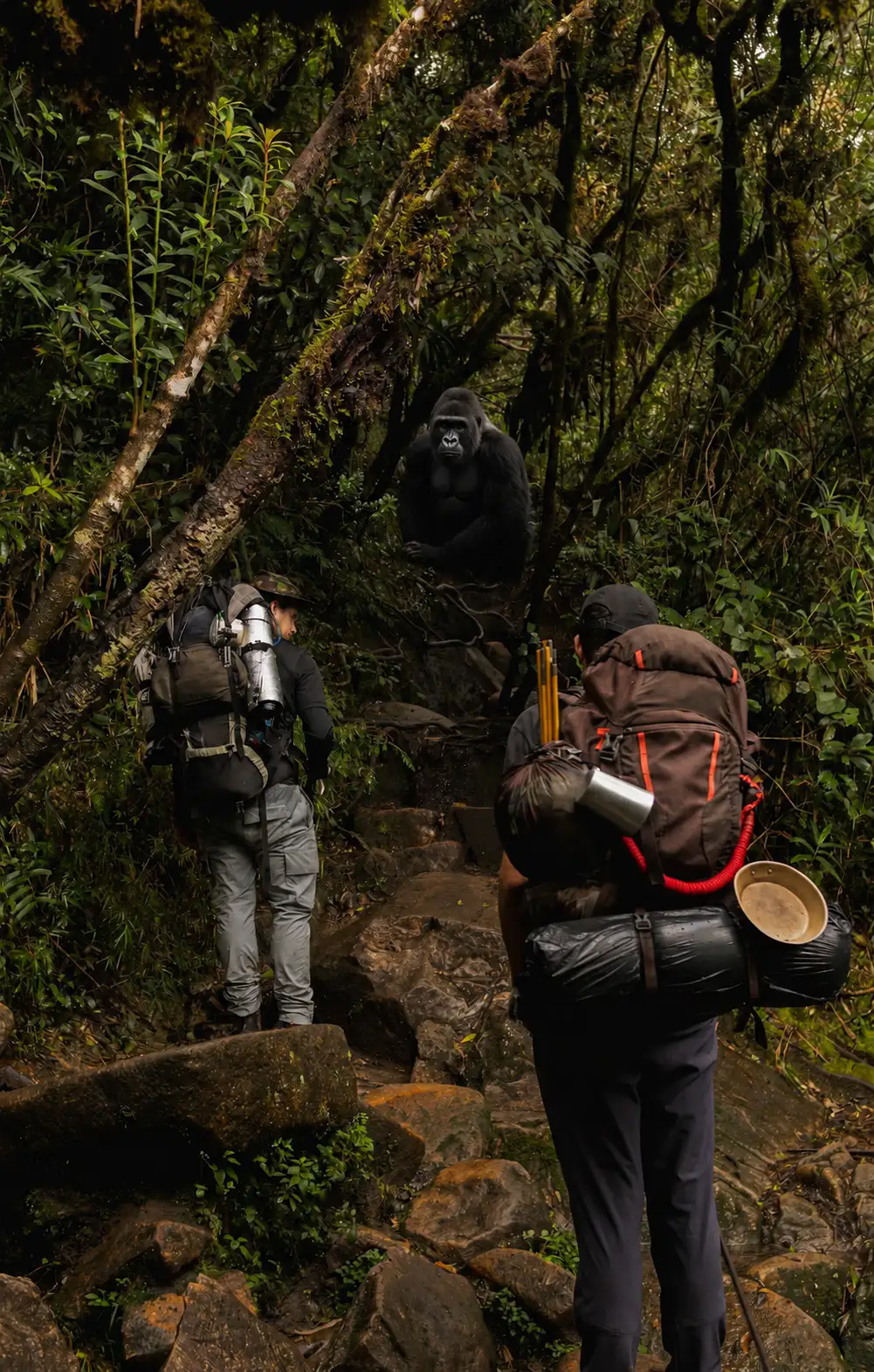
This becomes especially important in Bwindi because the forest does not provide a purpose-built viewing platform. Visitors may be standing on a slope, crouching between vegetation or repositioning themselves as the gorilla family travels. A very large number of tourists would be difficult to manage safely and responsibly within these conditions.
The small-group approach also helps preserve the basic principle of habituation: gorillas should gradually become familiar with predictable, non-threatening human presence rather than become surrounded by crowds.
The Four Visitors Are Not the Only People in the Forest
When travellers hear that only four people are allowed, they sometimes assume there will be only four humans following the gorillas. That is not necessarily the case.
The limit refers to the visiting tourists participating in the Gorilla Habituation Experience. The field team can also include Uganda Wildlife Authority guides, trackers, researchers, habituators, rangers and other authorised conservation personnel whose work is connected to monitoring and managing the gorilla family.
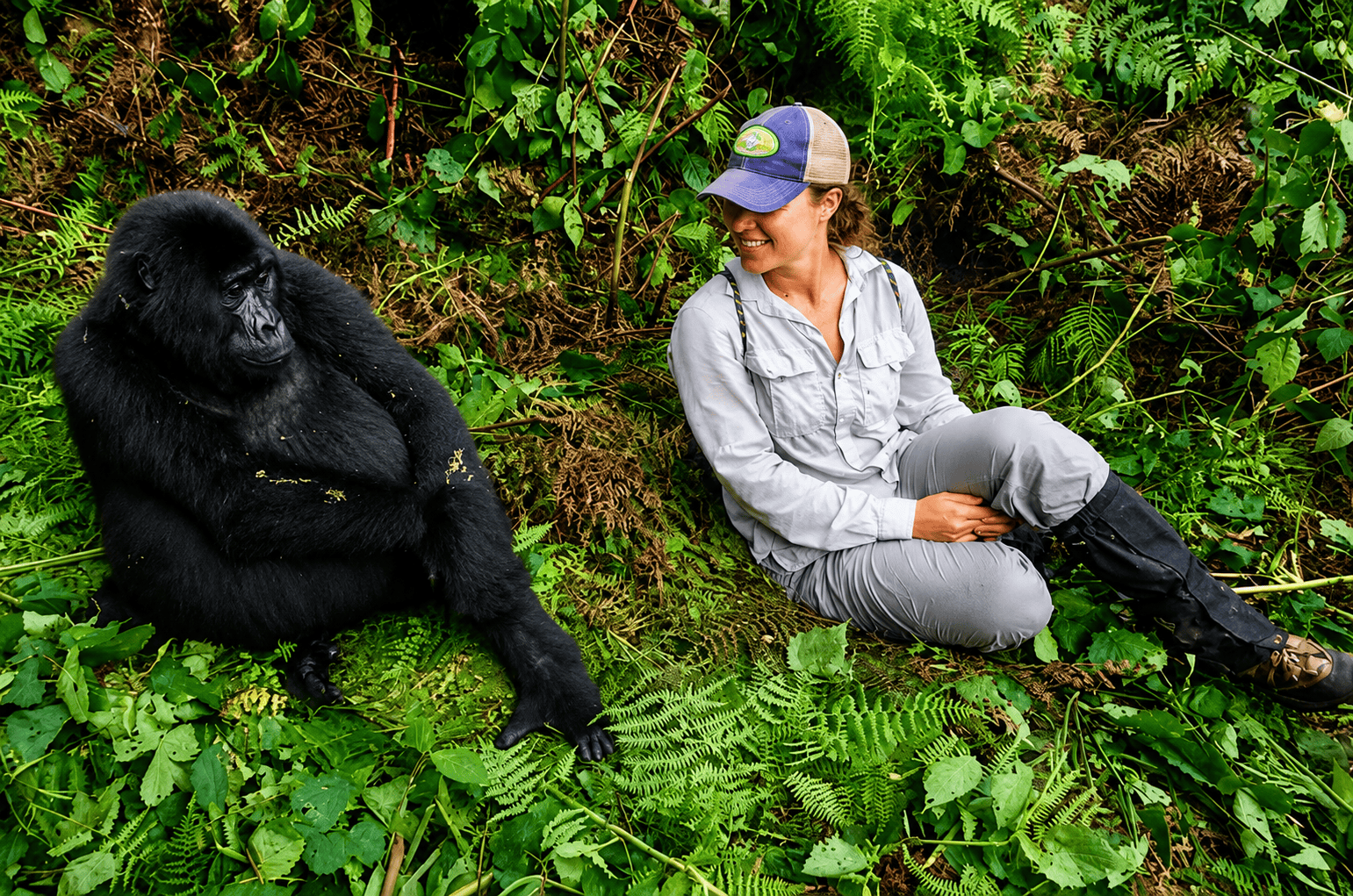
These professionals are not tourists occupying visitor permits. Their presence is part of the conservation and operational work surrounding the habituation process.
This distinction is important because the experience is not intended to resemble four travellers independently walking through Bwindi with the gorillas. You are joining a professional field operation in which the tourism component is deliberately restricted.
For many visitors, the presence of the professional team actually adds considerably to the experience. Instead of simply seeing gorillas, you can gain a better understanding of how individuals are identified, how the family’s behaviour is monitored and why particular movements or reactions matter.
Why Four Tourists Can Feel Very Different From a Large Safari Group
Safari travellers who are accustomed to vehicles carrying six or eight people may be surprised by how different a four-person forest experience feels.
In a safari vehicle, everyone may have a designated seat and wildlife can be observed from a relatively stable position. In a rainforest, the situation is far more dynamic.
Visibility can change within seconds. A gorilla that is clearly visible to one person may be partly hidden from someone standing only a metre away because of a tree trunk or dense foliage. When the family moves, the visitor group may also have to move carefully.
Keeping the tourism group small makes these adjustments much easier.
It also helps reduce competition for photographs. With fewer visitors trying to see the same animal, everyone generally has more opportunity to wait for a clear position rather than constantly shifting around other people.
That does not mean every visitor will always have an unrestricted view. Bwindi is a natural rainforest, and vegetation remains part of the experience. However, fewer tourists can make the encounter feel calmer and less crowded.
How the Small Group Affects Photography
Photography is one of the areas where the restricted group size becomes particularly valuable.
Mountain gorilla photography can be challenging because the forest is dark, vegetation is dense and the animals move according to their own behaviour. A larger tourism group would create more competition for limited viewing angles.
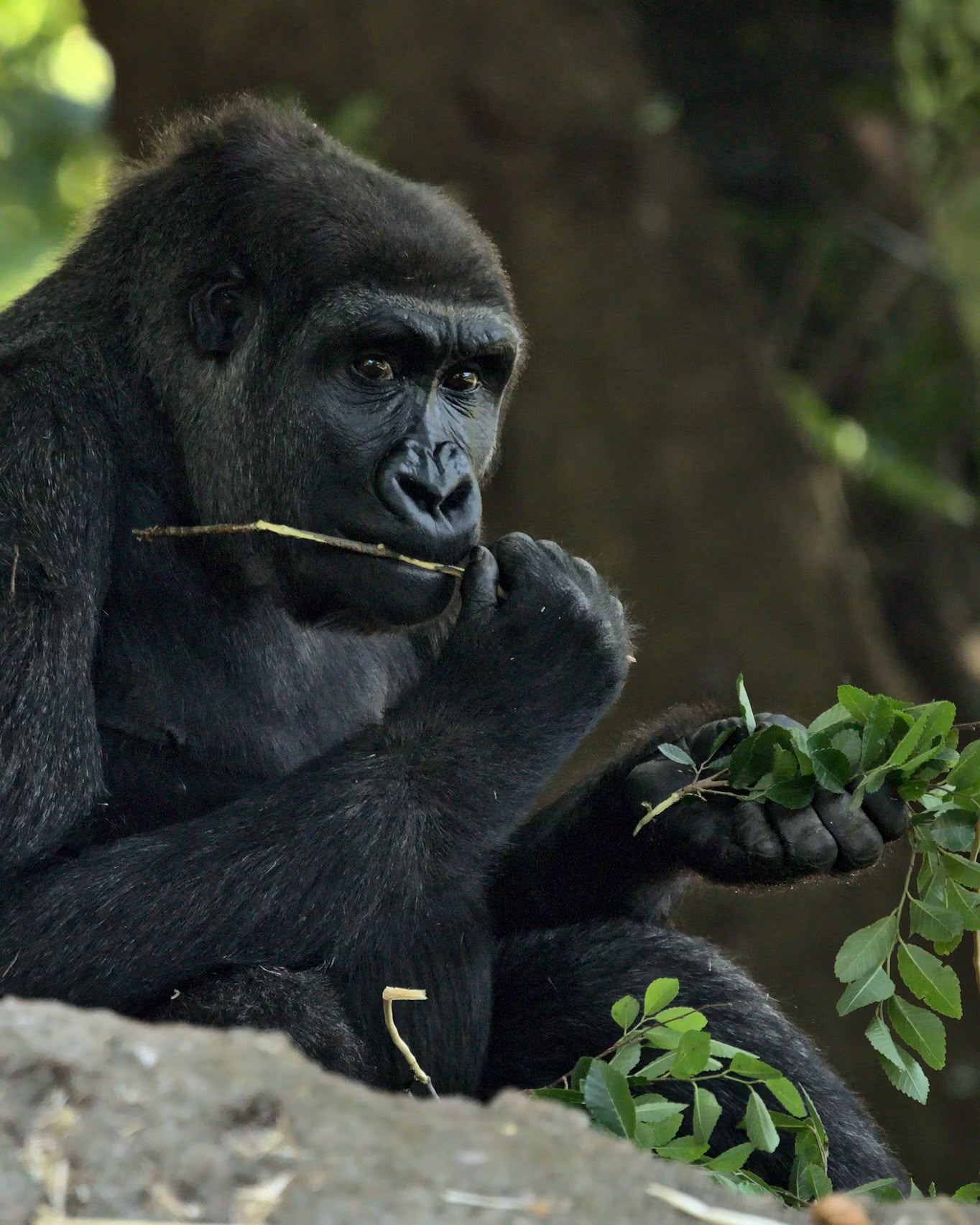
With four tourists, photographers have more space to work within the positions approved by the professional team. You may be able to shift slightly when instructed, wait for another traveller to finish taking photographs or concentrate on a different individual within the family.
The longer viewing period also helps. Uganda Wildlife Authority‘s guidelines state that Gorilla Habituation provides a maximum of four hours of viewing after the gorillas are reached. Because you have more time, there is less pressure for every visitor to obtain the perfect photograph immediately.
A blocked view during the first few minutes does not necessarily matter. The gorillas may move, lighting conditions may change and another opportunity may appear later.
The combination of a small tourist group and extended viewing time is therefore one of the reasons serious wildlife photographers are often attracted to Gorilla Habituation.
Four Visitors Do Not Mean Four Guaranteed Private Positions
The limited tourist number should still be understood realistically.
You are not assigned your own personal gorilla or guaranteed a separate viewing position away from everyone else.
The visitor group remains together under professional supervision because safety and conservation require coordinated movement.
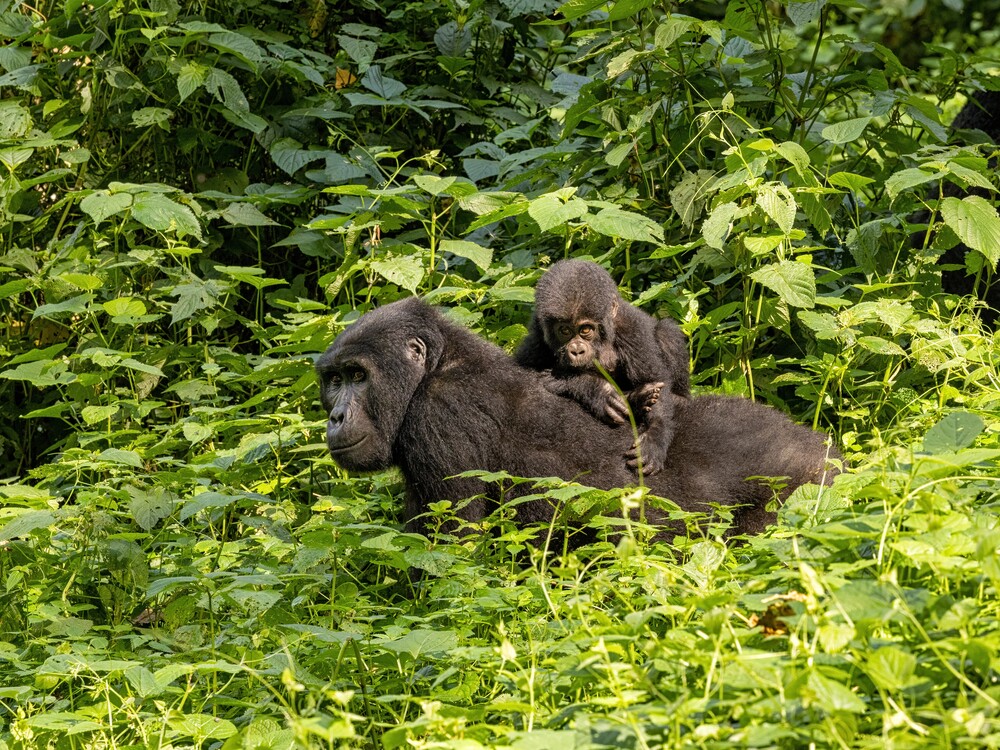
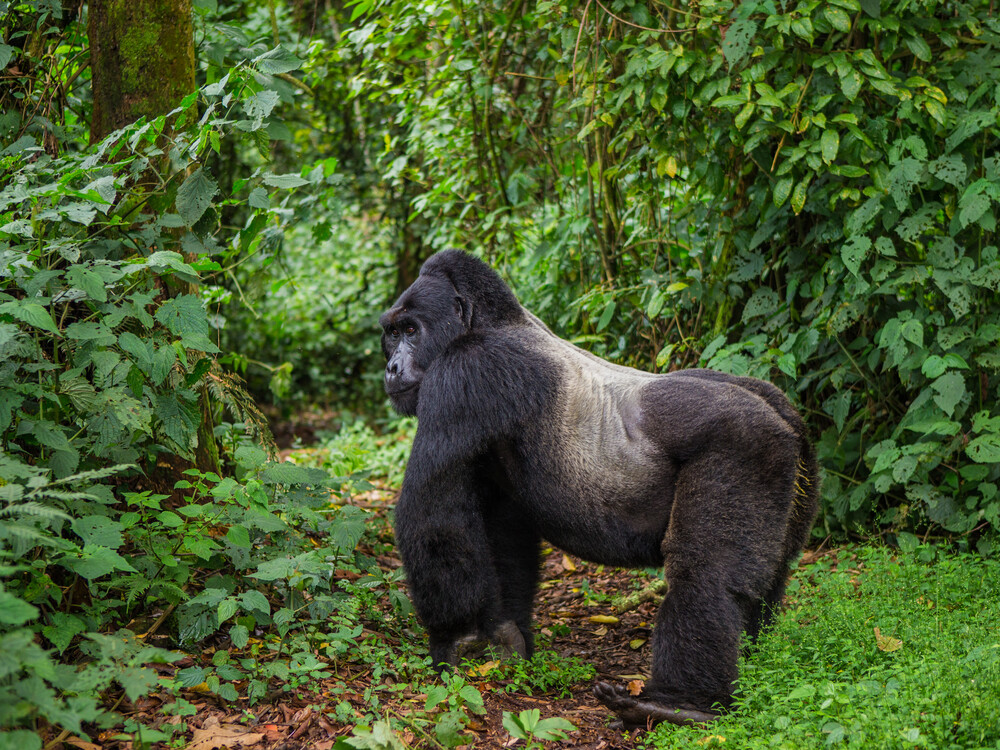
At times everyone may be looking at the same silverback. At another point one visitor may have a clearer view of a mother and infant while another sees a juvenile higher in the vegetation.
The forest itself determines much of the experience.
A responsible guide will try to help everyone see the gorillas where possible, but the animals are not repositioned for visitor convenience.
This unpredictability is part of what makes the experience genuine.
How the Group Is Managed When the Gorillas Move
Mountain gorillas frequently move while visitors are observing them.
A family may feed gradually through vegetation, descend into a valley or climb toward another part of the forest. When this happens, the tourists and professionals may need to follow carefully.
A four-person visitor group is much easier to manage in these situations than a large crowd.

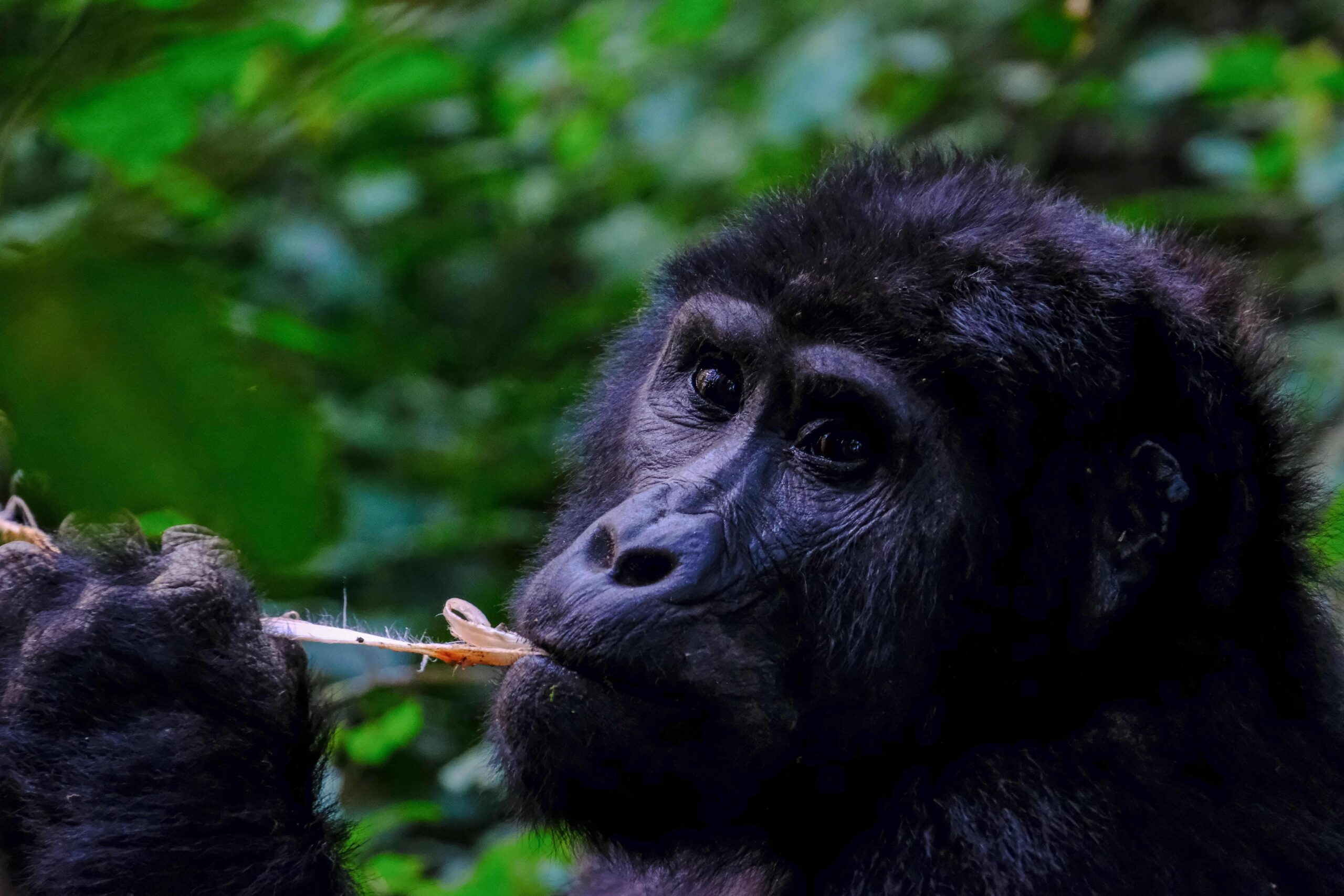
Guides can keep everyone together and prevent people from independently moving ahead in search of a better position. This is especially important because visitors may not understand where other gorillas are located.
A traveller focused on one visible animal could accidentally move toward another gorilla hidden behind vegetation.
By keeping the group small and coordinated, professional staff can reduce these risks and maintain more predictable human behaviour around the family.
Why Visitor Numbers Matter During the Habituation Process
The word habituation is sometimes misunderstood to mean that the gorillas are being made friendly toward humans. The real process is much more controlled.
Researchers and habituators spend substantial time around selected gorilla families so that the animals gradually become familiar with predictable human presence. The goal is not to eliminate their natural behaviour or encourage interaction. It is to reduce unnecessary fear while preserving their wild lifestyle.
A small number of visitors is therefore consistent with the purpose of the process.
If large groups of tourists suddenly appeared around a family, the human environment would become less predictable. Different voices, movements, equipment and behaviour could create greater disturbance.
By allowing only a few visitors to join the professional team, the tourism component remains controlled and easier to monitor.
The visitor limit is therefore not simply a way of making the experience seem exclusive. It is part of responsible primate management.
How Group Size Supports Health Protection
Reducing the number of visitors also has a health-protection dimension.
Mountain gorillas are susceptible to some human diseases, particularly respiratory infections. Uganda Wildlife Authority’s gorilla rules require visitors not to participate when suffering from a cold or another infectious illness, and visitors must follow health and behavioural precautions while around the animals.
Fewer visitors means fewer potential human sources of disease exposure around a gorilla family at the same time.
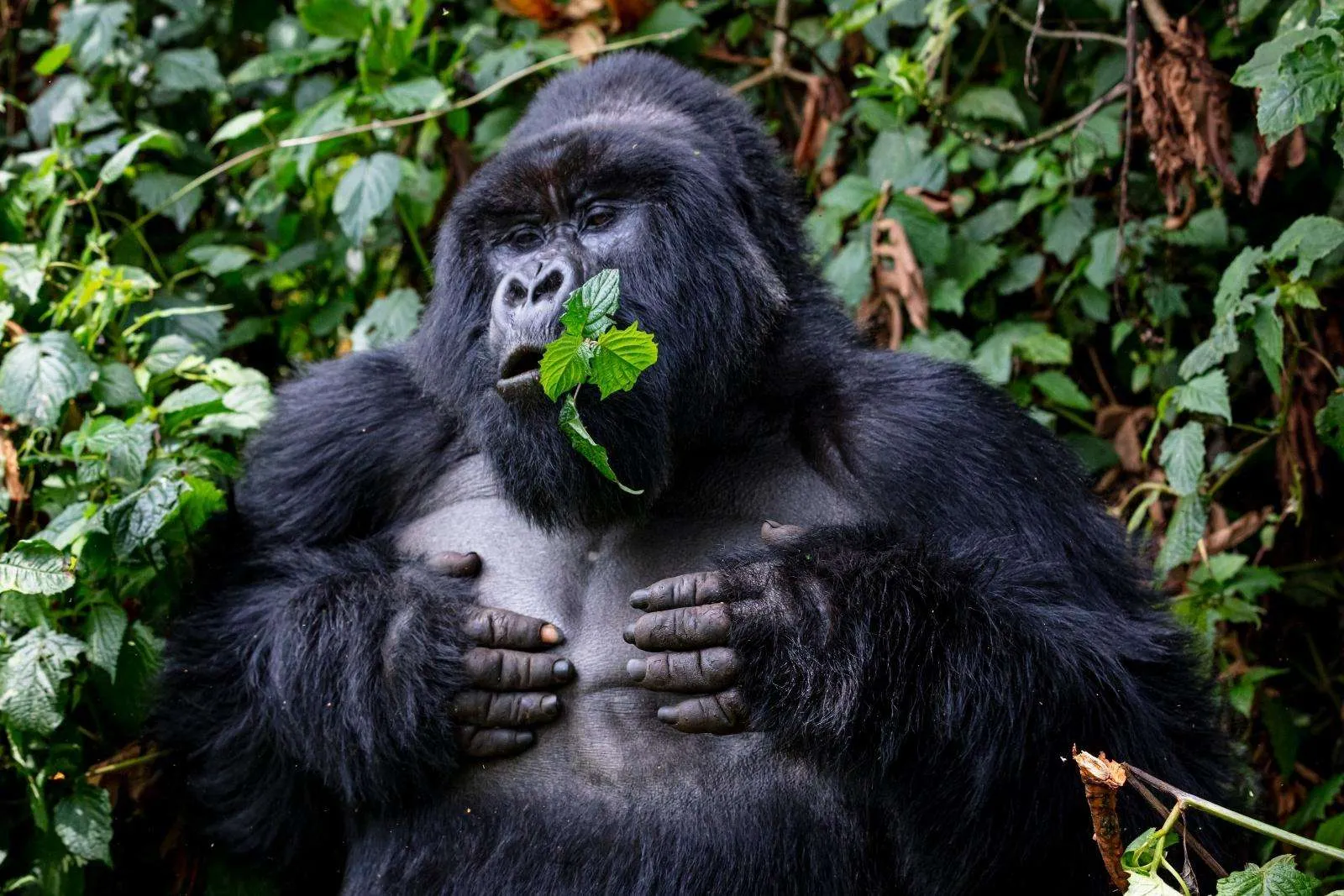
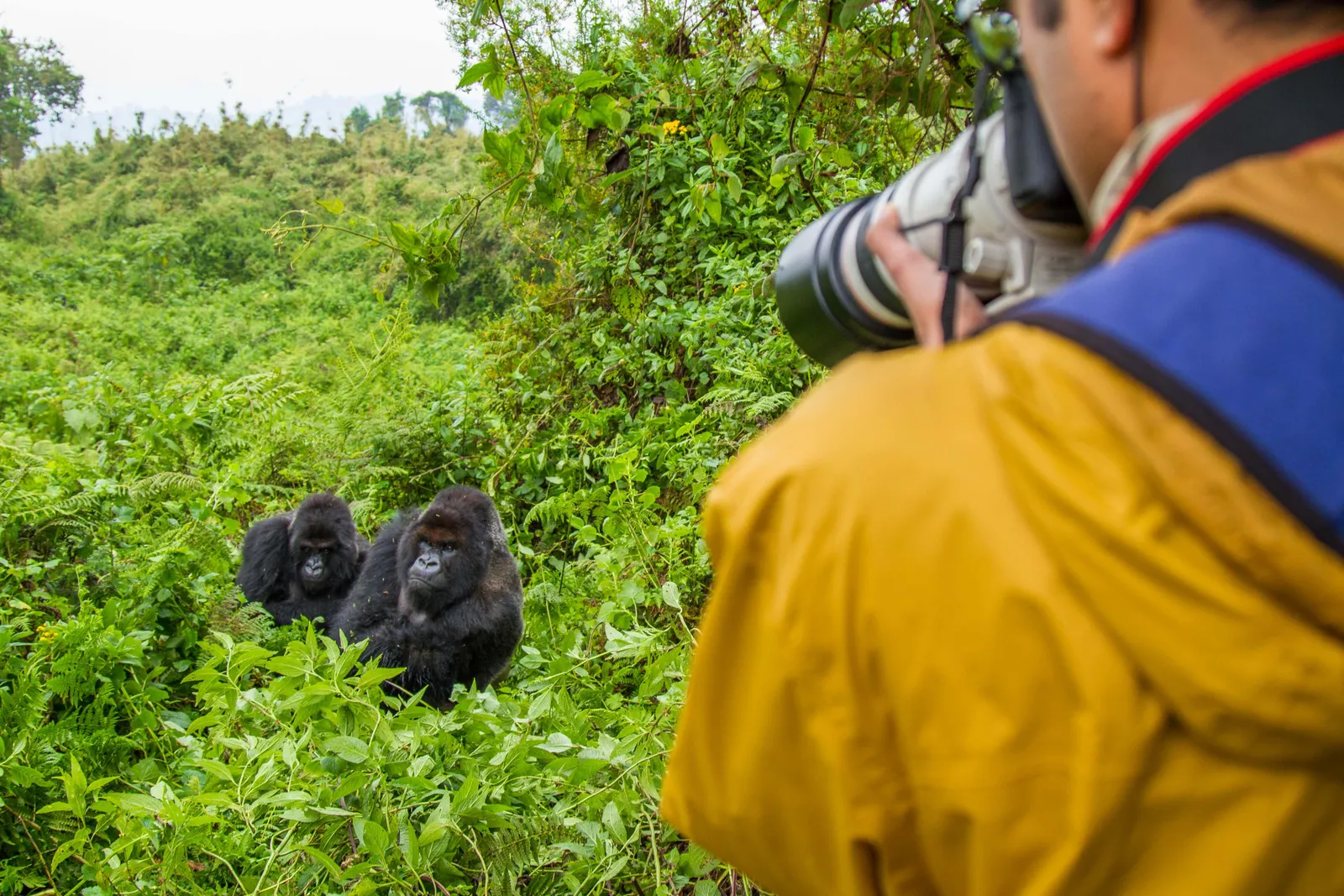
This becomes particularly important during habituation because visitors can remain with the gorillas for considerably longer than during normal trekking.
Four hours of controlled observation creates a remarkable tourism opportunity, but it also requires strict attention to how humans behave around the animals.
Keeping the group small supports that management.
How Gorilla Habituation Group Size Compares With Standard Gorilla Trekking
Uganda Wildlife Authority’s published gorilla tracking rules state that standard gorilla tracking allows a maximum of eight visitors per gorilla group. Gorilla Habituation, by contrast, is generally restricted to a maximum of four tourists accompanying the habituation team.
The difference reflects the different nature of the activities.
A family used for normal tracking has already undergone the habituation process and is accustomed to routine controlled tourism visits. A family involved in habituation is still progressing through that process, so a smaller tourism group is more appropriate.
The comparison should not be interpreted as meaning ordinary trekking is crowded. Eight visitors is still a highly controlled group compared with many wildlife tourism activities elsewhere in the world.
However, Gorilla Habituation provides an even smaller tourism setting.
For travellers who strongly value small-group wildlife experiences, this can be an important reason to consider the habituation permit.
Does a Private Safari Mean You Get the Habituation Group to Yourself?
Not necessarily.
Your wider Uganda safari may be completely private, with your own vehicle, driver-guide and privately arranged accommodation, but the Gorilla Habituation Experience itself is managed through official permits.
If you book one permit as a solo traveller, other permit holders may be allocated to the same habituation experience until the visitor limit is reached.
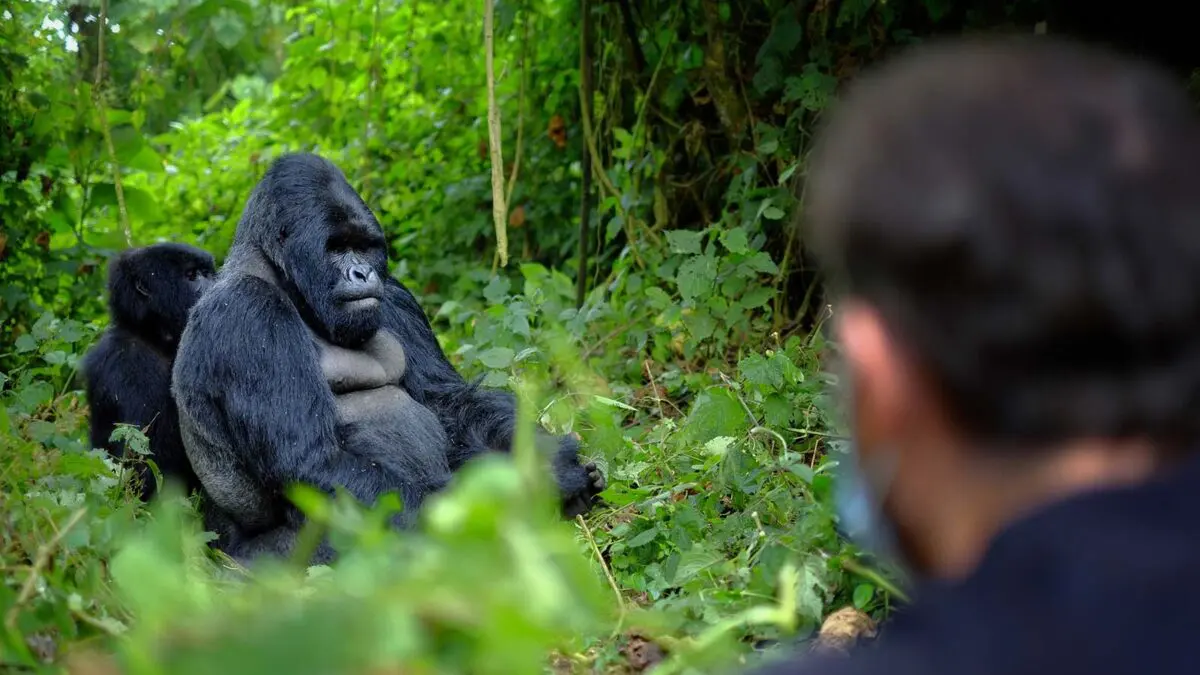
A private safari therefore does not automatically mean a private gorilla habituation group.
If several people travelling together want the experience to themselves, they would generally need to secure all available visitor spaces associated with that particular allocation, subject to UWA availability and booking arrangements.
Even then, the conservation professionals still accompany the group because this remains an officially managed activity rather than an independently guided forest excursion.
What Happens if You Are Travelling as a Couple?
A couple booking Gorilla Habituation will normally occupy two of the available visitor spaces within the assigned group.
If the remaining spaces are booked by other travellers, the couple may share the experience with them.
This can still feel very intimate because the tourist group remains small.
For honeymooners and couples whose Uganda safari is built around mountain gorillas, the limited group size can be particularly attractive. You can share the experience together without being surrounded by a large number of other visitors.
However, couples should book permits early if specific dates are important because the limited number of spaces means availability can disappear quickly.
What Happens if Three People Travel Together?
A group of three can generally book three permits if they are available for the same date and relevant activity allocation.
The remaining tourist position could potentially be used by another traveller.
For a family or group of friends, travelling as three people often works comfortably because most of the small visitor allocation is already occupied by your party.
The more important issue is ensuring that all three permits are confirmed for the same date and appropriate entry point.
Permit availability should therefore be checked before committing to non-refundable lodge arrangements or transport logistics.
What if Four People Want to Do Gorilla Habituation Together?
A travelling party of four matches the commonly stated maximum number of tourists for one habituation group.
If all four permits can be secured together for the same date and allocation, your party may make up the complete tourist component of that particular experience.
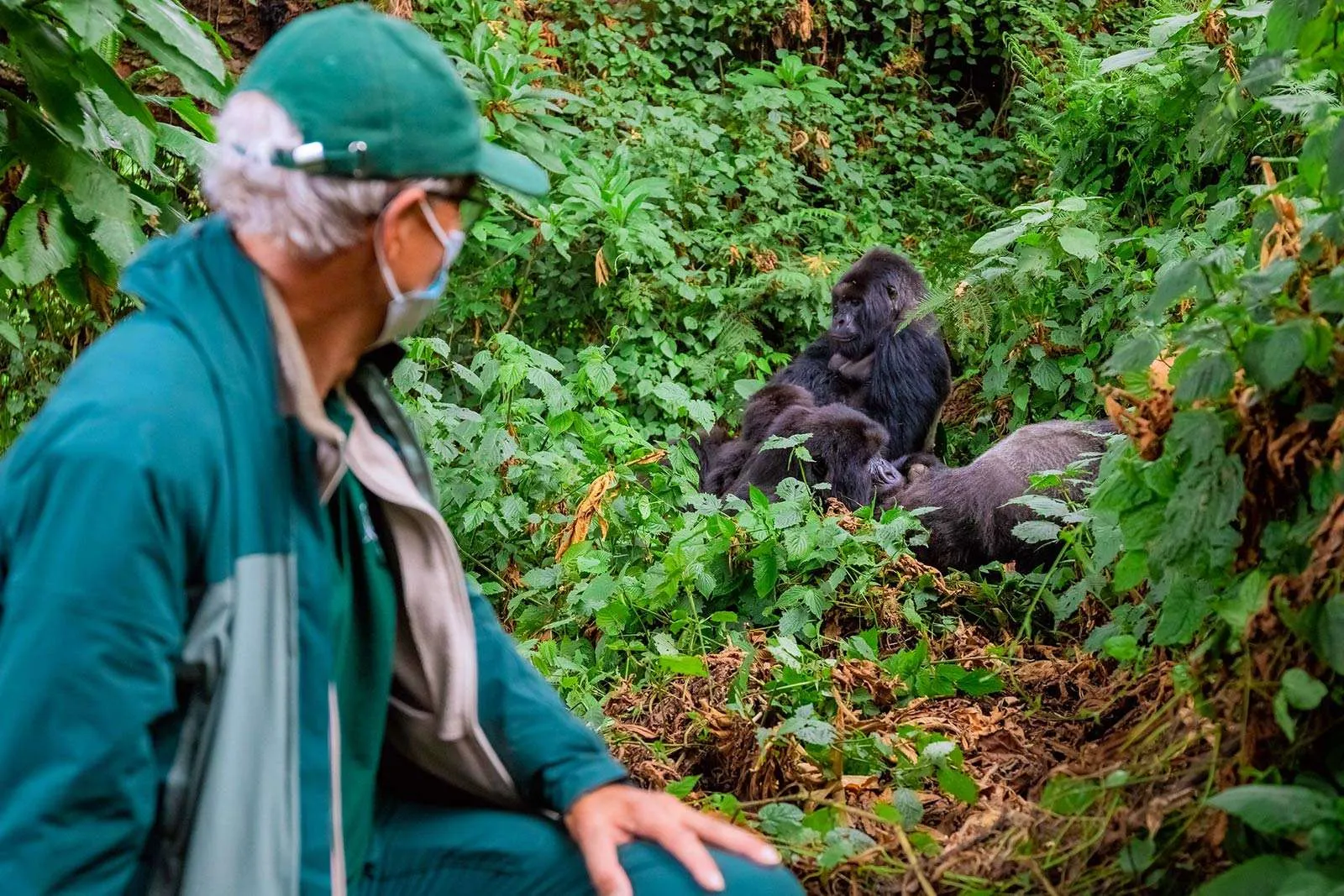
This can be ideal for a family with older teenagers, a group of friends or photographers travelling together.
The challenge is availability.
Finding one remaining permit can sometimes be easier than finding four permits for exactly the same day. Travellers requiring several permits should therefore consider booking earlier than solo travellers or couples.
The more people who need to participate together, the less useful last-minute flexibility becomes.
What if Five or More People Are Travelling Together?
A larger travelling party should not assume that everyone will be able to join one Gorilla Habituation group.
Because the tourism component is limited, a group larger than four may need to be divided across different official allocations, subject to available habituation permits and UWA operations.
Whether this is possible depends entirely on current availability and the number of habituation opportunities being offered for that date.
You should therefore never build a group itinerary on the assumption that five, six or eight travellers can all enter the forest together for one habituation family.
The permits should be confirmed first.
For larger family groups or photography tours, this requires especially careful planning because different subgroups may potentially have different gorilla experiences.
Why Group Bookings Should Be Made Early
Limited visitor numbers naturally create limited permit availability.
If only a small number of tourists can participate around each habituation family, popular travel periods can become difficult for groups requiring several spaces.
A solo traveller may be able to use one remaining permit. A party of four needs four spaces available together.
This is why early planning becomes more important as group size increases.
Uganda Wildlife Authority‘s permit system also requires travellers to follow official booking procedures, and its 2026 policy changes ended the former seven-day unpaid reservation hold for operators. Permits secured through operators are now completed with full payment at booking rather than being held unpaid under the former arrangement.
This means travellers should be prepared to confirm once suitable availability is found instead of assuming several spaces can be reserved casually while travel plans remain undecided.
Does the Small Group Make Gorilla Habituation More Exclusive?
It certainly makes the experience feel more exclusive, but exclusivity should be understood in a conservation context rather than simply as luxury.
The purpose of the low visitor number is not primarily to create a premium marketing product. It is to manage human presence around gorillas that are still becoming familiar with observers.
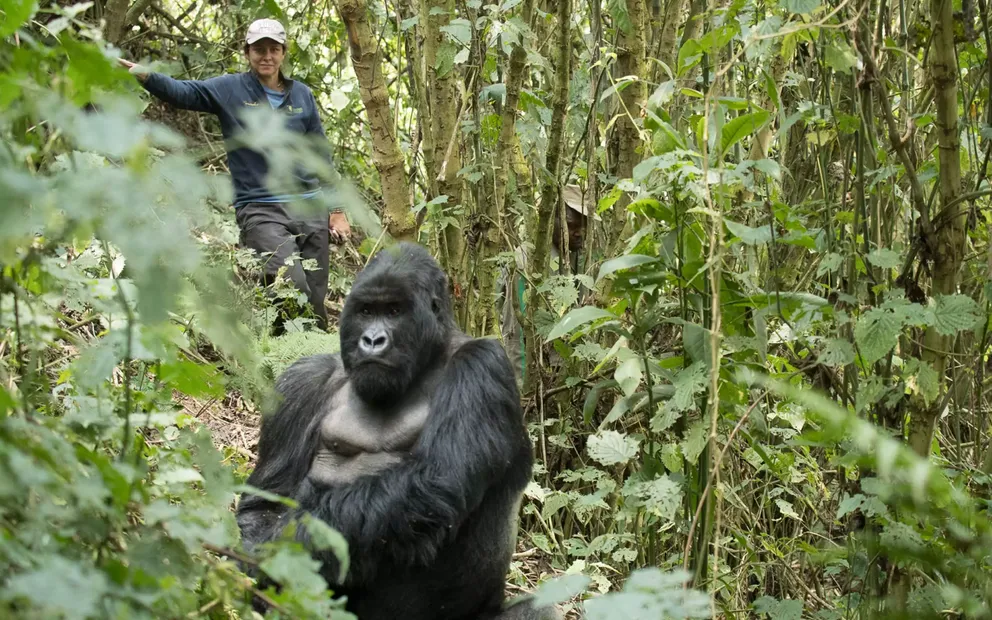
The sense of exclusivity is therefore a consequence of conservation management.
From the traveller’s perspective, however, the effect is noticeable.
You are sharing the experience with only a few other tourists rather than joining a large wildlife excursion.
There is more opportunity to listen, ask questions and observe without a crowd.
For many travellers, this intimacy becomes one of the most memorable qualities of the day.
Does Fewer People Mean Better Gorilla Sightings?
Not automatically.
The small group improves visitor management, but it does not control the gorillas.
A family may remain in thick vegetation, move frequently or spend significant periods resting.
Having only four tourists does not guarantee that every gorilla will sit in an open area for photographs.
What the smaller group does provide is more flexibility when good viewing opportunities arise.
When an individual gorilla becomes clearly visible, fewer tourists need to share the viewing space.
That can make the encounter feel less pressured and make it easier for guides to position everyone appropriately.
The quality of the actual wildlife behaviour remains entirely natural.
Does Each Person Get Four Hours?
The four-hour rule applies to the official viewing period of the habituation group rather than giving each visitor a separate individual four-hour session.
Uganda Wildlife Authority states that the maximum viewing period for Gorilla Habituation begins when visitors reach the gorillas and can extend to four hours.
The visitor group experiences this period together.
If four tourists are participating, they do not take turns receiving four hours each. Everyone accompanies the professional team during the same controlled encounter.
This shared structure is another reason the group must remain manageable.
Why the Small Group Improves Guide Communication
During a long wildlife experience, communication between guides and visitors becomes extremely important.
The professional team may need to explain when to remain still, when to move, where a hidden gorilla is located or why a particular behaviour matters.
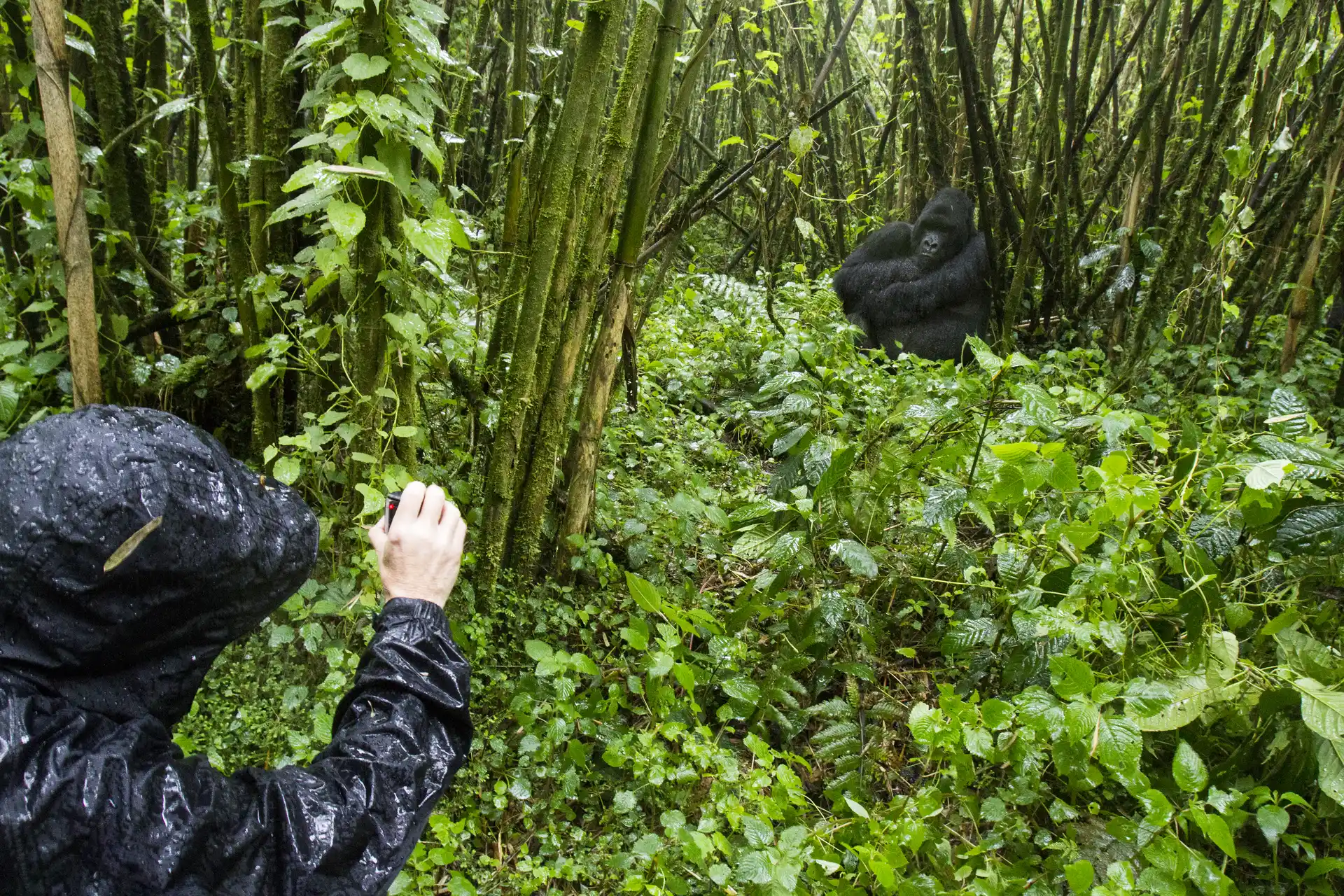
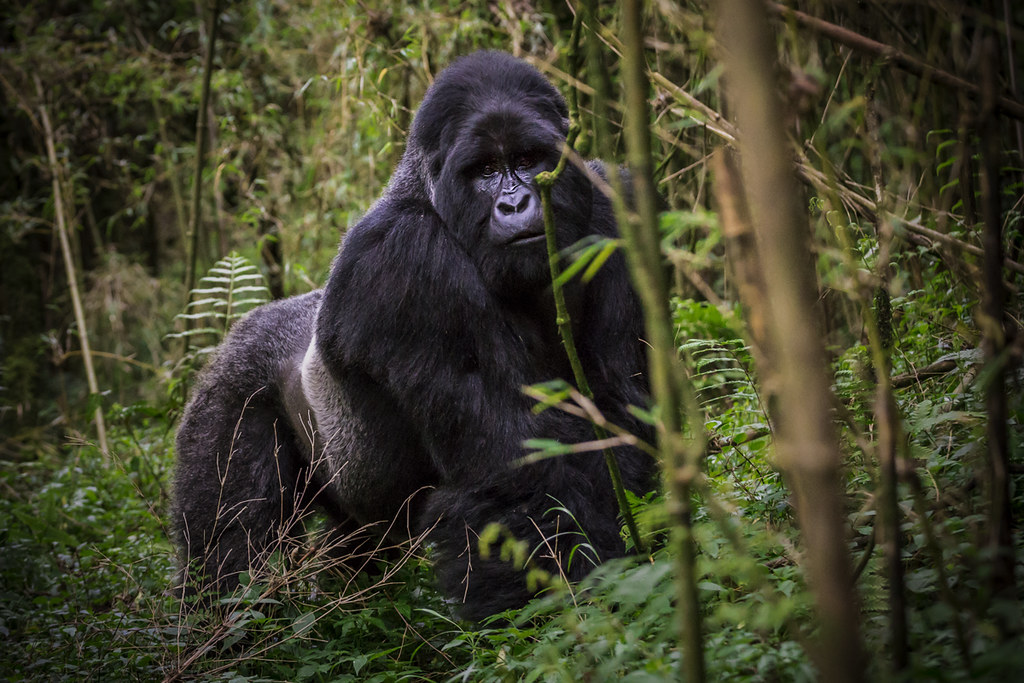
With only four tourists, these instructions can be communicated clearly.
Visitors are also more likely to hear detailed explanations about individual gorillas and the habituation process.
This contributes to the educational quality of the experience.
In a larger group, conversations could easily become difficult, particularly in a forest where people may be spread across uneven terrain.
The Group Size Helps Keep Noise Under Control
Mountain gorilla viewing should remain quiet and calm.
Even well-behaved tourists create some amount of sound through walking, camera operation, whispered conversation and movement through vegetation.
Four tourists naturally generate less noise than a large crowd.
This can be especially important around gorillas still becoming accustomed to people.
A quieter group allows researchers and habituators to observe the animals’ responses without unnecessary additional disturbance.
It also improves the visitor experience because you can hear the natural sounds of the forest and the gorillas themselves.
The sound of vegetation being pulled apart during feeding or a gorilla vocalisation can become far more noticeable when human noise is limited.
Small Groups Make It Easier to Maintain Viewing Distance
Uganda Wildlife Authority‘s current gorilla tracking rules specify a 10-metre viewing distance. Maintaining appropriate positioning is easier when guides are managing four tourists rather than a large crowd.
If the gorillas move, the entire visitor group may need to reposition.
A small group can do this more smoothly and with less disturbance.
Visitors should still understand that the gorillas themselves may sometimes reduce the distance by moving closer. When that happens, guides manage the situation and visitors should remain calm rather than attempting to interact.
The small-group structure allows the professional team to monitor these situations more effectively.
Why Group Size Matters for a Four-Hour Encounter
The maximum four-hour viewing period makes visitor management especially important.
One hour with a group of people and four hours with the same group create very different levels of cumulative human presence.
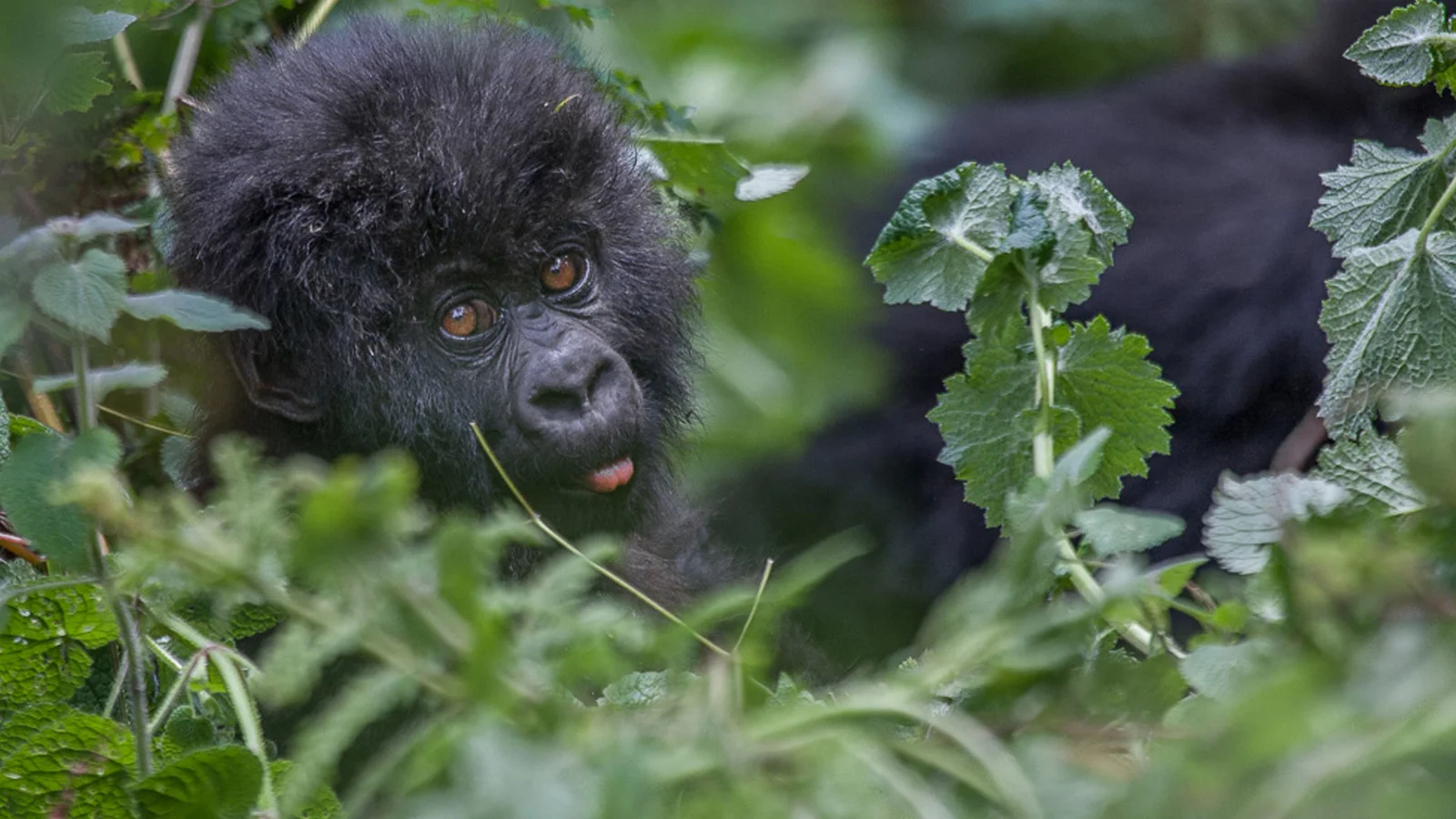
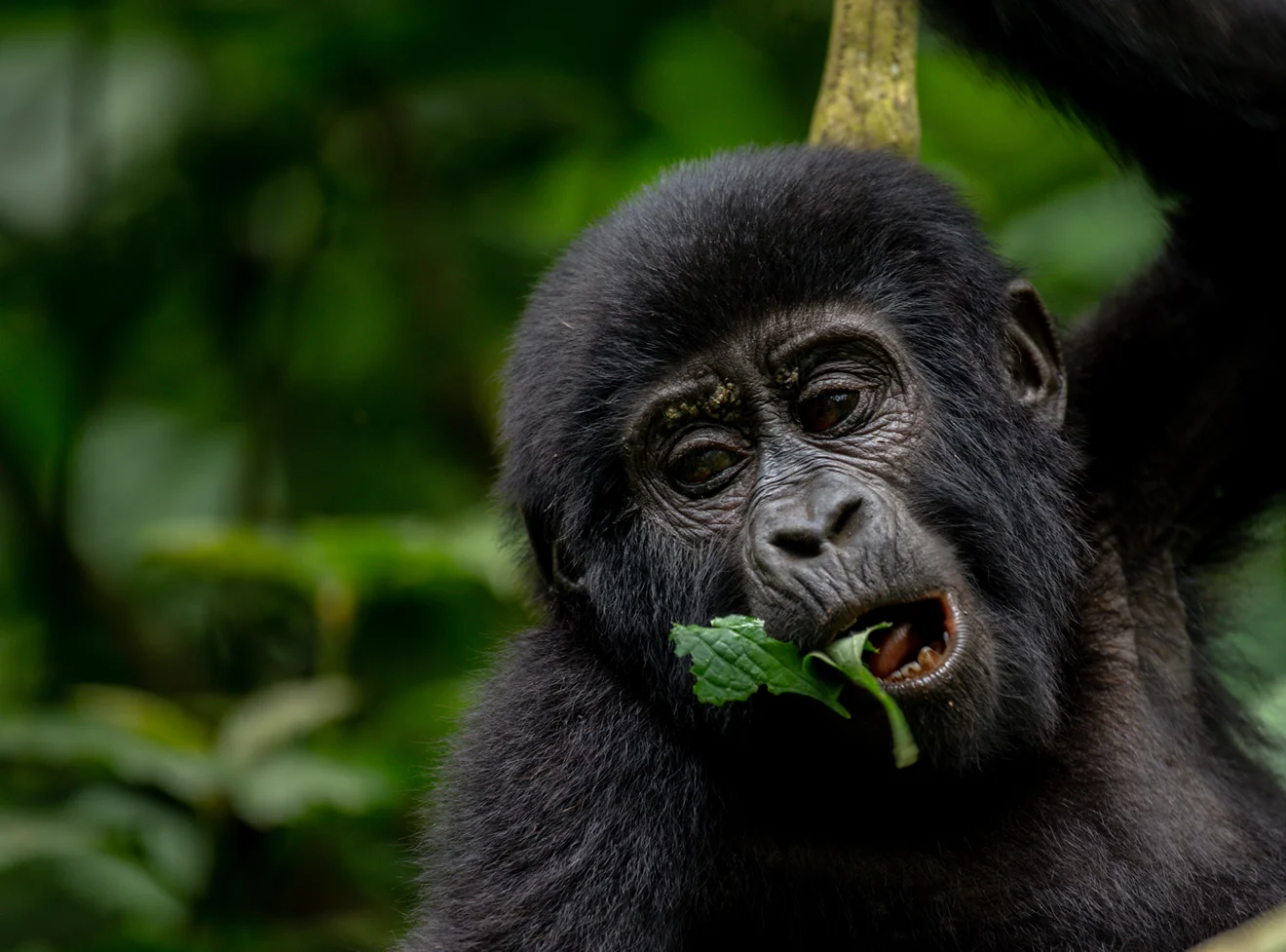
Even small behaviours such as whispering, shifting position or operating cameras become more significant over a longer period.
Keeping the tourism group restricted helps limit this impact.
It also allows the four-hour experience to feel sustainable rather than overwhelming for the gorilla family.
The extended time is therefore linked closely to the small group size. The privilege of spending much longer around the gorillas requires stronger control over how many visitors are present.
Does the Group Remain Together for the Entire Experience?
Visitors should remain under the direction of the professional team throughout the activity.
You should not split away from the main party simply because you have spotted another gorilla or want a different photography angle.
The guides need to know where every visitor is located, particularly because other gorillas may be hidden in surrounding vegetation.
Remaining together also helps ensure that the family’s exposure to tourists remains concentrated and predictable rather than having humans scattered around it.
This can sometimes mean waiting while another visitor has a better view, but patience is part of responsible wildlife observation.
Over four hours, viewing opportunities often change considerably.
How the Small Group Benefits First-Time Gorilla Travellers
For someone seeing mountain gorillas for the first time, the restricted visitor group can make the experience easier to absorb.
The first encounter is often overwhelming.
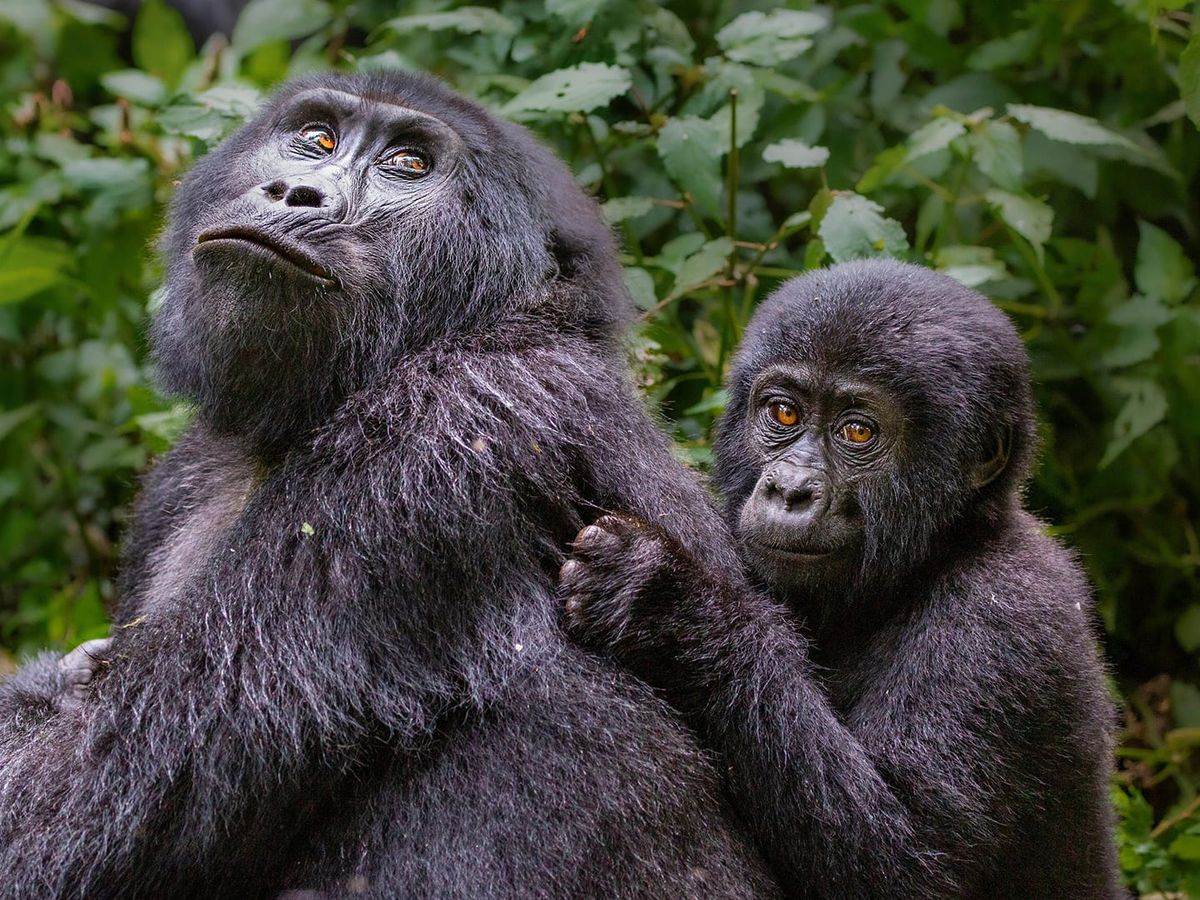
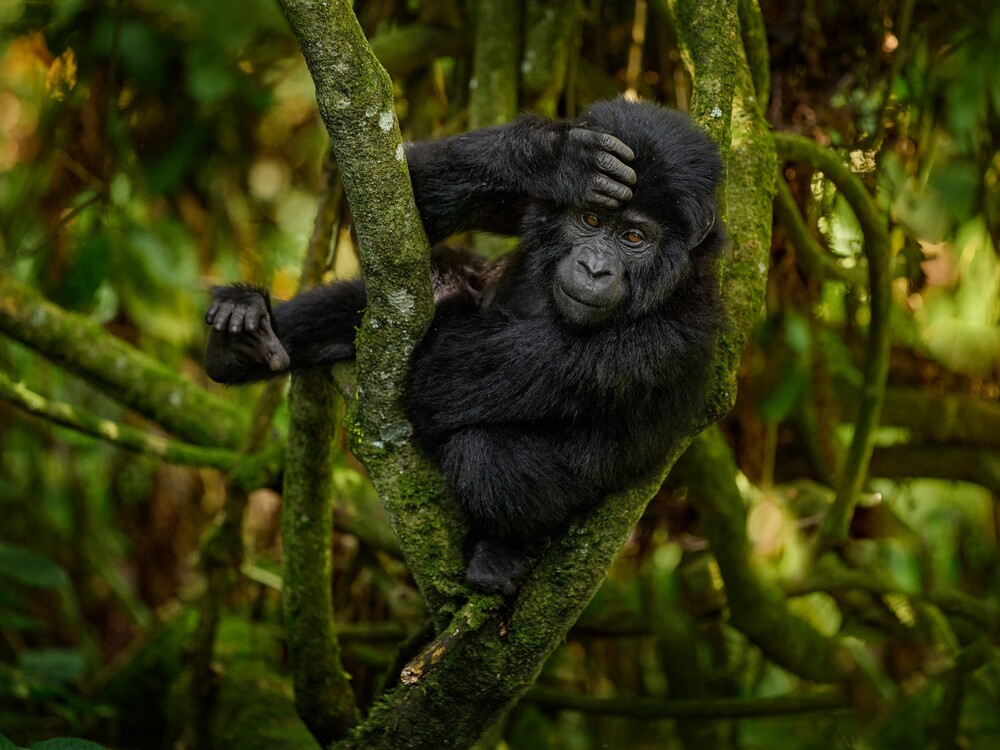
You may be watching the silverback while simultaneously hearing the guide point toward an infant or juvenile elsewhere.
With fewer tourists, there is less external distraction.
You can concentrate on what the guides are saying and gradually become comfortable within the forest environment.
The long viewing period also gives first-time travellers enough time to settle into the experience instead of feeling that they must understand everything immediately.
Why Photographers Should Still Be Considerate of Other Visitors
A four-person group provides better photographic flexibility, but photographers should still respect the experience of everyone else.
Large lenses, camera bags and repeated movement can obstruct other visitors if used without consideration.
A serious photographer should not assume that paying for the permit gives priority over travellers using a phone or simply watching the gorillas.
Everyone has purchased access to the same experience.
The best approach is to cooperate with the group and follow the guide’s positioning instructions.
Because the encounter is long, everyone usually has opportunities to enjoy different views without competing constantly.
Does Hiring a Porter Add to the Four-Person Limit?
Porters serve a different role from tourists.
A porter may assist with carrying your backpack, water, camera equipment or other items during the forest trek, helping you conserve energy on difficult terrain.
The four-person visitor limit relates to the tourist participation in the Gorilla Habituation Experience rather than simply counting every human involved in supporting the activity.
However, operational arrangements for porters and where they remain during the final gorilla approach are controlled locally by the park team.
Travellers should therefore follow the instructions given on the day rather than assuming a porter will necessarily stand beside them throughout every moment of gorilla viewing.
Can a Safari Guide Join Your Habituation Group?
Your private driver-guide usually handles the wider safari logistics, including transportation, accommodation coordination and helping you reach the correct park entry point.
The Gorilla Habituation Experience itself is conducted under the authority of Uganda Wildlife Authority professionals.
A private safari guide does not automatically become an additional tourist participant simply because they accompanied you to Bwindi.
Access to the gorilla experience is controlled through permits and official park procedures.
This is why travellers should distinguish between their safari guide and the UWA field team leading the gorilla activity.
Why Limited Spaces Can Sell Out
A small tourism allocation naturally means availability can disappear quickly.
The demand for Gorilla Habituation comes from photographers, primate enthusiasts and travellers who specifically want the longer gorilla experience.
If several couples or small parties select the same travel dates, available spaces can be filled rapidly.
This is particularly relevant during popular Uganda travel periods when international visitor numbers are higher.
The limited group size is therefore one reason travellers should check permit availability before making rigid plans around specific lodges or flights.
The permit date should often become the foundation around which the Bwindi section of the itinerary is designed.
Group Size and the Cost of Gorilla Habituation
Each tourist participating in Gorilla Habituation requires an individual permit.
The price is per person rather than one fee covering the entire group.
This is important for families and groups because the total permit cost increases directly with the number of participants.
Four travellers therefore need four separate paid permits even if they are participating together in the same habituation experience.
The higher total cost for groups makes it even more important to confirm availability and understand cancellation or rescheduling conditions before payment.
Gorilla permits are controlled conservation products rather than flexible attraction tickets that can easily be exchanged at the last moment.
Can You Join a Gorilla Habituation Group as a Solo Traveller?
Yes, travelling alone does not prevent you from participating.
A solo traveller can secure an individual permit when availability exists and may then be allocated with other permit holders participating in the same official experience.
This can make Gorilla Habituation particularly attractive for solo wildlife travellers because you receive a small-group experience without needing to organise your own private group.
The forest day also gives travellers something meaningful to share with people who may come from completely different countries but have the same interest in mountain gorillas.
Why the Experience Should Not Be Marketed as Completely Private
Because the tourism allocation is small, Gorilla Habituation is sometimes described using language that sounds almost like a private audience with gorillas.
That can create unrealistic expectations.
Unless you have specifically secured all available visitor spaces for the relevant group and UWA has confirmed the operational arrangement, you should assume other permitted travellers may join you.
Even if only your party is present, researchers, trackers, guides, rangers and habituators may still be involved.
The experience is intimate, but it is still an organised conservation activity.
Does the Number of Gorillas Affect the Number of Visitors?
The number of gorillas within a family does not normally mean more tourists are automatically allowed.
A large gorilla family can contain many individuals, but visitor management is based on conservation rules rather than a mathematical ratio between tourists and gorillas.
The important issue is controlling total human presence around the family.
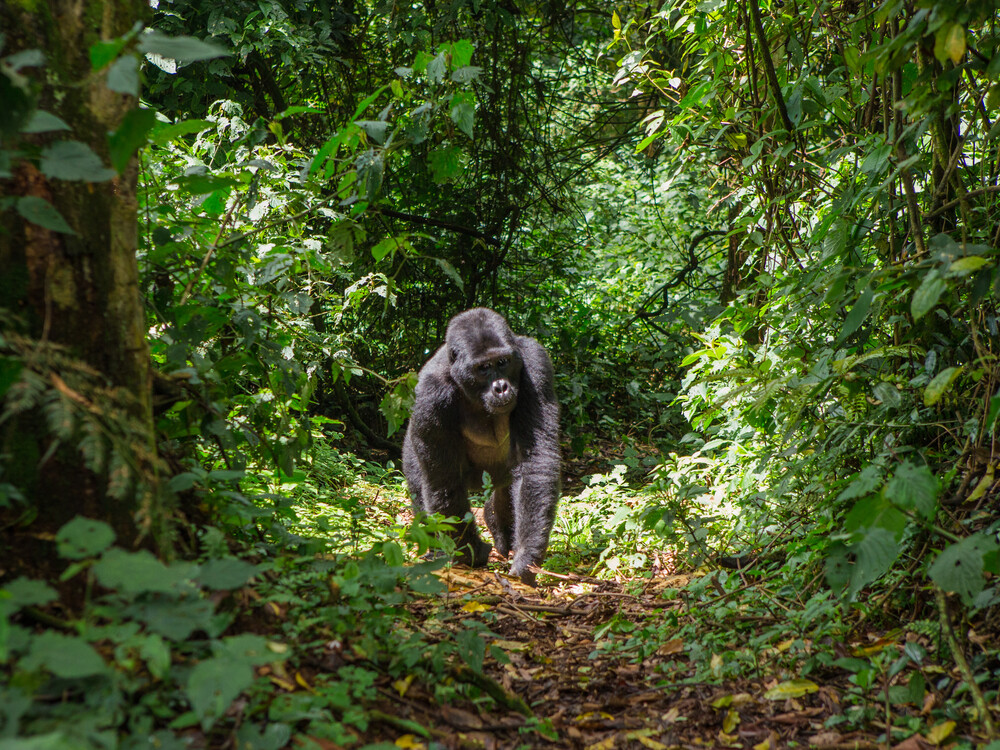
Even when several gorillas are visible at once, the tourist group remains limited.
This helps maintain predictable conditions and prevents tourism pressure from increasing simply because one family happens to contain more animals than another.
Why the Visitor Limit Can Improve the Emotional Experience
The benefits of the four-person group are not only operational.
Emotionally, being in a small group can make the encounter feel much more personal.
There are fewer human voices, fewer cameras and fewer people moving around you.
The forest remains dominant.
You may spend several minutes watching a gorilla while hearing little more than birds, insects and vegetation moving around the family.
This atmosphere allows you to feel more connected to the environment without requiring physical interaction with the gorillas.
The experience becomes less like visiting a popular attraction and more like joining a carefully controlled wildlife observation.
How Many People Are Allowed on a Gorilla Habituation Experience Compared With the Professional Team?
The clearest way to understand the number is that the tourist component is deliberately restricted while the conservation team operates separately.
A maximum of four tourists is commonly allowed to participate with the researchers, habituators and other authorised staff involved in the field experience.
Those professionals are there because the gorilla family is part of an ongoing conservation and monitoring process.
The group you see walking into the forest may therefore contain more than four people in total, but only a small number are tourism participants.
This distinction protects the character of the experience while ensuring the necessary field personnel can continue their work.
How the Limited Group Size Adds Value to the Permit
Gorilla Habituation permits are expensive, but part of their value lies in access to a wildlife experience that is intentionally not offered to large numbers of people at the same time.
You are not simply purchasing more hours with gorillas.
You are gaining access to a highly restricted experience in which only a few other tourists participate.
That creates better opportunities for photography, interpretation and quiet observation.
However, the small-group benefit should always be understood as a result of conservation limits rather than a promise of luxury exclusivity.
The gorillas remain the priority.
Why the Four-Person Limit Should Be Respected Even When Demand Is High
From a tourism business perspective, allowing more visitors would create more permit revenue in the short term.
The fact that primate experiences remain tightly restricted demonstrates the importance of balancing tourism demand with conservation.
Mountain gorillas cannot be managed like an attraction where extra tickets are simply released whenever demand increases.
Their welfare, behaviour and habitat determine how many people can visit and for how long.
Travellers therefore need to accept that some dates may be unavailable.
Limited access is not an inconvenience accidentally created by poor capacity. It is part of the conservation model that makes the experience possible.
Planning Accommodation Around a Confirmed Permit
Because group size affects availability, accommodation should ideally be coordinated after the habituation permit date and operational location have been confirmed.
Bwindi is a large, mountainous protected area with different tourism entry points and lengthy road connections between some sectors.
Booking a lodge simply because it advertises itself as being “near Bwindi” can create logistical problems if your confirmed activity starts from a different area.
The permit should therefore anchor the itinerary.
Once the Gorilla Habituation allocation is confirmed, your safari operator can select accommodation that makes the early morning start practical.
Why Last-Minute Group Bookings Are More Difficult
Last-minute bookings are not impossible if permit availability remains, but the probability of finding several spaces together decreases as the travel date approaches.
A solo traveller requires only one opening.
A couple requires two.
A travelling party of four needs all four spaces available within a suitable official allocation.
This is why larger parties should avoid assuming that they can arrive in Uganda and secure Gorilla Habituation permits after reaching Bwindi.
Permit availability should be checked before the safari is finalised.
The restricted group size is one of the very features that makes the experience special, but it also means planning matters.
What the Group Limit Means for Luxury Travellers
Luxury travellers sometimes assume that paying more can override normal tourism limitations.
Gorilla conservation does not work that way.
Staying at an ultra-luxury lodge, using private helicopter transfers or travelling with a private guide does not allow you to add extra visitors to a Gorilla Habituation group beyond official limits.
The gorilla permit remains governed by Uganda Wildlife Authority conservation procedures.
This equality of access is important.
The same wildlife rules apply regardless of how much a traveller spends on the surrounding safari.
Luxury can improve your accommodation, transportation and comfort, but it cannot purchase unlimited access to endangered mountain gorillas.
Final Answer: How Many People Are Allowed on a Gorilla Habituation Experience?
How Many People Are Allowed on a Gorilla Habituation Experience? The tourism component of Uganda’s Gorilla Habituation Experience is generally limited to a maximum of four visitors accompanying the researchers, trackers, habituators, guides and other authorised conservation personnel involved in the activity. Tourism Uganda specifically describes the experience as allowing a maximum of four tourists. Uganda Wildlife Authority separately defines Gorilla Habituation as an experience in which visitors accompany researchers and habituators into the forest during the process of habituating gorillas to human presence.
The small group is one of the most important characteristics of the experience. It reduces human pressure around a gorilla family that is still becoming familiar with controlled observers, makes it easier for professionals to manage visitor behaviour and creates a quieter environment for extended observation.
The limit does not mean there will only be four humans in the forest. The researchers, trackers, guides, rangers and habituators involved in conservation and visitor management can also accompany the tourism group. The four-person figure refers to the participating tourists rather than the complete professional field team.
The restricted visitor number also works together with the extended viewing period. Uganda Wildlife Authority‘s management guidelines state that Gorilla Habituation can provide a maximum of four hours of viewing after visitors reach the gorillas. Allowing a small number of tourists to remain for this longer period helps control cumulative human presence around the animals.
For photographers, the small group can create valuable space and flexibility. Fewer tourists need to share changing viewing angles, and the four-hour period reduces the need to rush for photographs immediately. For couples, solo travellers and small families, the experience can feel especially intimate because the tourism group remains restricted.
Travellers booking as a larger party should plan carefully. A group of four needs four permits available together, while a party larger than four should not assume that everyone can participate around the same habituation family at the same time. Larger groups may need separate official allocations where available.
The limited number of visitors is also why early booking can be important. Gorilla Habituation is a specialised wildlife experience with relatively few tourist spaces compared with demand, so securing several permits for the same date becomes increasingly difficult when planning late.
Most importantly, the small group should not be seen simply as a luxury feature. It exists because Gorilla Habituation is a conservation-based activity involving wild mountain gorillas. Restricting visitor numbers helps ensure that tourism remains controlled, predictable and compatible with the gradual process of allowing gorillas to become familiar with human presence.
That is what makes the experience so distinctive. Instead of watching mountain gorillas as part of a crowd, you join only a handful of other visitors and a professional conservation team inside one of Africa’s most remarkable rainforests, spending an extended period observing a wild gorilla family while the animals remain the priority throughout the entire encounter.