

What Is the Minimum Age for Gorilla Habituation in Uganda? Complete Bwindi Age Requirements Guide
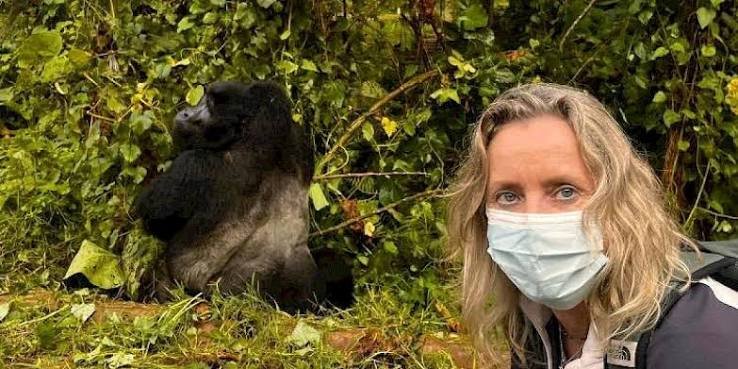
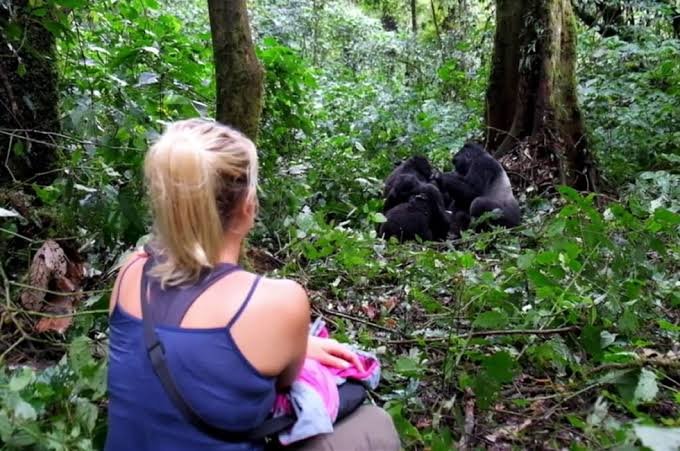
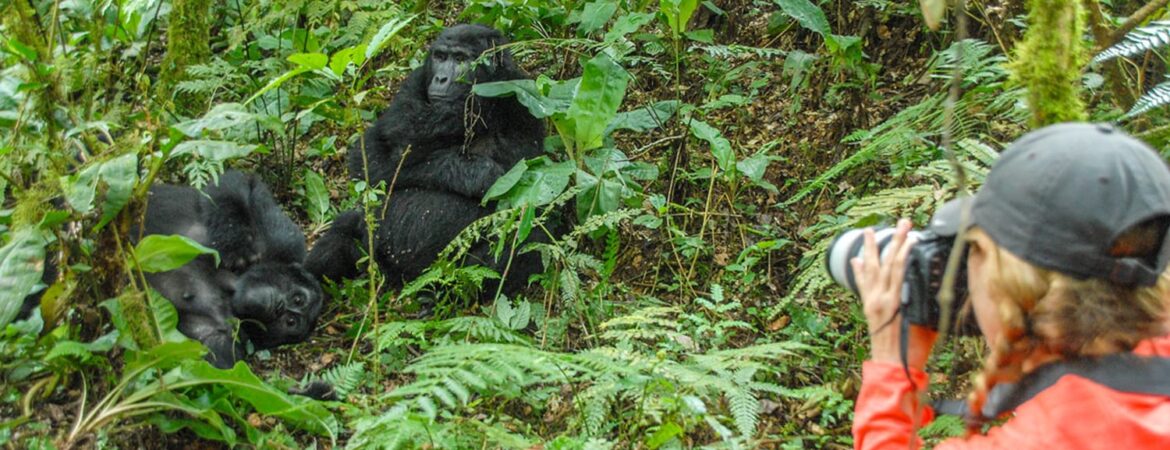
The minimum age for gorilla habituation in Uganda is 15 years. According to Uganda Wildlife Authority regulations, visitors must be at least 15 years old to participate in gorilla tracking and viewing activities, including the specialised gorilla habituation experience in Bwindi Impenetrable National Park. This requirement applies to Ugandan citizens, international tourists, families travelling with teenagers, and other eligible participants. Children younger than 15 should not be booked for gorilla habituation, even when they are physically active, experienced hikers, or accompanied by their parents.
Understanding the Minimum Age for Gorilla Habituation is essential when planning a family safari because this is a regulated conservation activity rather than an ordinary forest excursion. Gorilla habituation allows visitors to accompany authorised conservation personnel into the rainforest and spend up to four hours observing a mountain gorilla family undergoing the process of becoming accustomed to carefully managed human presence. The encounter takes place in a natural fo rest environment where mountainous terrain, changing weather conditions, and the unpredictable behaviour of wild animals require visitors to follow strict instructions. Families interested in learning more can explore our detailed Gorilla Habituation Experience in Uganda guide before deciding which activities are appropriate for different family members.
The age restriction exists alongside several other important considerations, including visitor safety, wildlife conservation, disease prevention, physical endurance, and responsible tourism. Although reaching the minimum age makes a teenager eligible under the age rule, it does not automatically mean that every 15-year-old is physically prepared for an extended forest trek. Parents should consider their teenager’s fitness, maturity, health, and ability to follow professional instructions. This comprehensive guide explains the age limit, its conservation purpose, booking requirements, teenager preparation, possible misunderstandings about exceptions, and alternative experiences for younger children visiting Uganda.
1. What Is the Official Minimum Age for Gorilla Habituation in Uganda?
The official Minimum Age for Gorilla Habituation in Uganda is 15 years, as established under Uganda Wildlife Authority’s gorilla tracking and viewing regulations. The same general minimum applies to standard gorilla trekking in Bwindi Impenetrable National Park and Mgahinga Gorilla National Park. Gorilla habituation is a specialised activity within the wider gorilla conservation tourism programme, and participants must meet the applicable age requirements before being admitted to the forest experience.
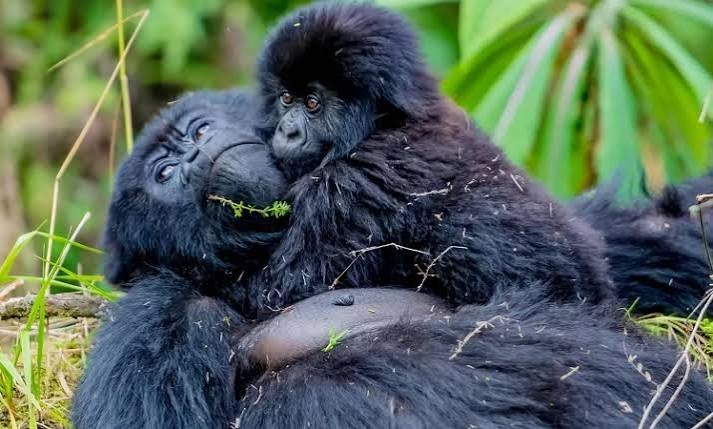
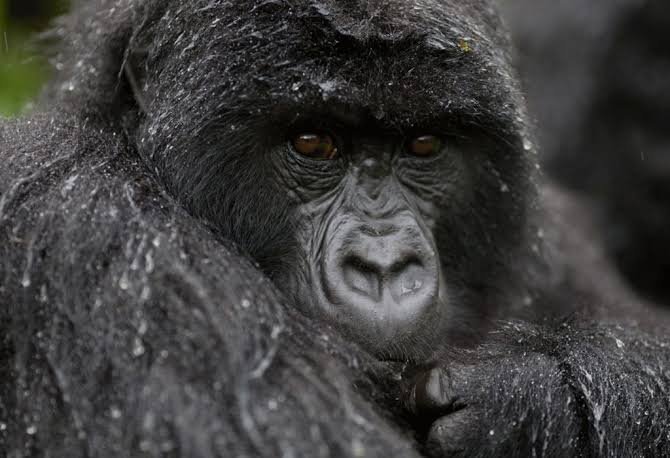
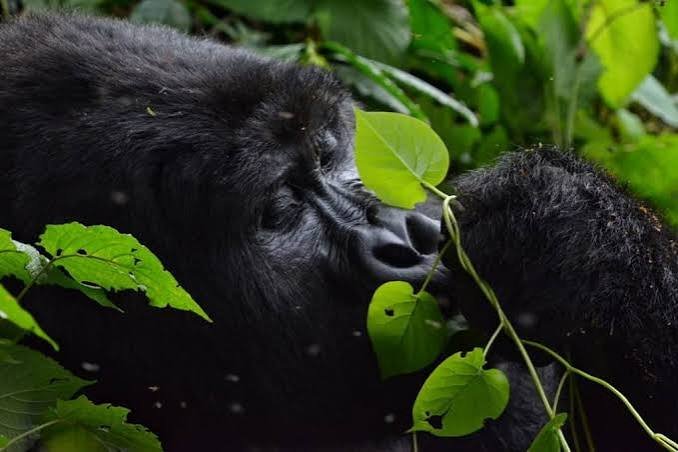
This restriction is especially important for families travelling internationally because permits are associated with specific activities and travel dates. A child who is 14 years old when the family arrives in Uganda does not become eligible simply because an adult offers to accompany them or because the child has completed challenging hikes elsewhere. Families should plan their itinerary around the child’s actual birthday and confirm eligibility before arranging non-refundable services. Our Uganda Wildlife Authority gorilla habituation permit guide explains why understanding official requirements is an important part of responsible safari planning.
2. Why Does Uganda Have a Minimum Age for Gorilla Habituation?
The Minimum Age for Gorilla Habituation reflects the practical requirements of observing endangered mountain gorillas in a remote, mountainous rainforest. Visitors may encounter steep slopes, slippery pathways, thick vegetation, and prolonged walking before reaching the participating gorilla family. The experience may also require individuals to remain calm during unexpected wildlife movements, follow instructions immediately, and maintain appropriate separation from animals that are still becoming accustomed to human observation.
Age regulations help establish a consistent eligibility standard, although maturity and physical capability continue to vary between individuals. A minimum age provides a clear framework for families, tour operators, and conservation personnel when arranging access to sensitive wildlife experiences. It also supports the broader objective of managing human activity around endangered primates. Visitors can learn more about the natural environment and conservation objectives through our Bwindi Impenetrable National Park habituation guide.
3. Does the Minimum Age Apply to Both Gorilla Habituation and Gorilla Trekking?
Yes. The Minimum Age for Gorilla Habituation is the same as the general minimum age for gorilla tracking and viewing in Uganda: 15 years. However, families should understand that gorilla habituation and conventional gorilla trekking are different experiences. Standard gorilla trekking normally allows visitors to observe a fully habituated family for a maximum of one hour, while the specialised habituation experience provides an observation allowance of up to four hours with a participating family undergoing habituation.
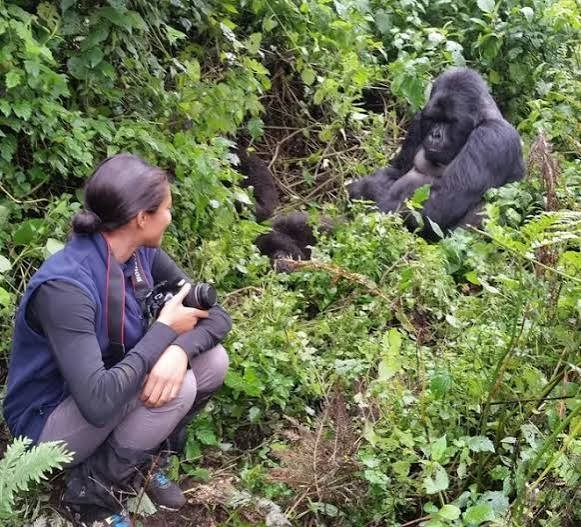
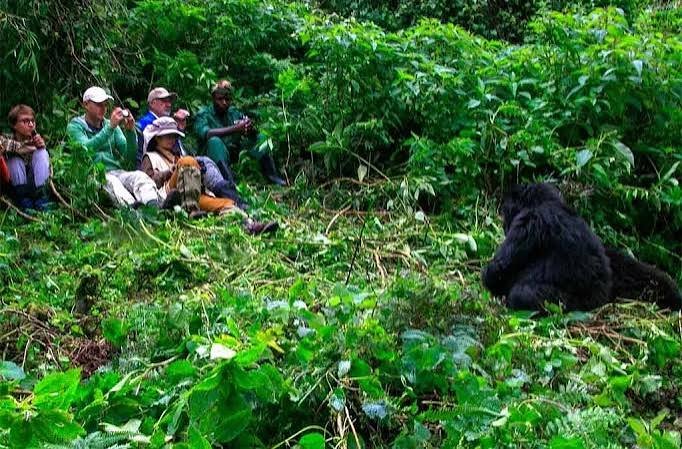
Both activities require authorised permits, professional supervision, and compliance with park rules. Gorilla habituation may involve a longer overall forest day, but the additional observation time does not change the minimum age. Parents should therefore avoid assuming that younger children can participate in standard trekking if they are not eligible for habituation. Our gorilla habituation trekking tours provide information about the longer experience, while the two-day Uganda gorilla trekking itinerary illustrates an alternative activity for eligible travellers.
4. Can a 15-Year-Old Participate in Gorilla Habituation?
Yes, a teenager who has reached the age of 15 can participate in gorilla habituation, provided they meet the other applicable requirements and are physically capable of undertaking the activity. This makes the experience an interesting option for families with older teenagers who enjoy wildlife, hiking, photography, and conservation education. Spending extended time observing mountain gorillas can introduce young travellers to ecological research, endangered species protection, animal behaviour, and the importance of sustainable tourism.
However, meeting the Minimum Age for Gorilla Habituation does not guarantee that a teenager will find the trek easy. Some 15-year-olds have excellent endurance and regularly participate in outdoor activities, while others may be unfamiliar with prolonged walking on mountainous terrain. Parents should evaluate their child’s readiness honestly and explain that this is a demanding wilderness activity rather than a guaranteed short walk. Preparing through regular walking and choosing suitable trekking equipment can help a teenager approach the Rushaga gorilla habituation experience with greater confidence.
5. Can a 14-Year-Old Join Gorilla Habituation in Bwindi?
Under the published age rule, a 14-year-old does not meet the Minimum Age for Gorilla Habituation. Families sometimes encounter online discussions suggesting that very active children, taller teenagers, or those approaching their fifteenth birthday might be allowed to participate. Such claims should not be treated as permission to enter the activity. The responsible approach is to plan according to the official minimum and obtain direct written clarification from Uganda Wildlife Authority if there is any uncertainty.
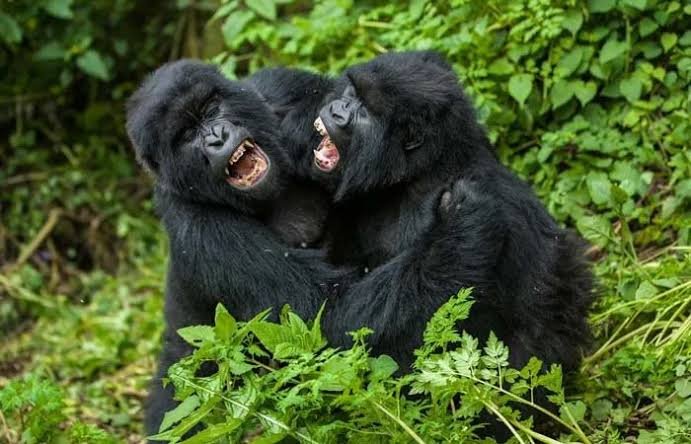
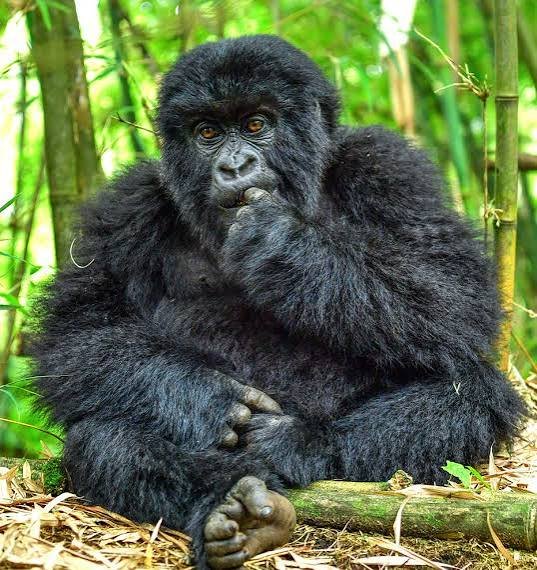
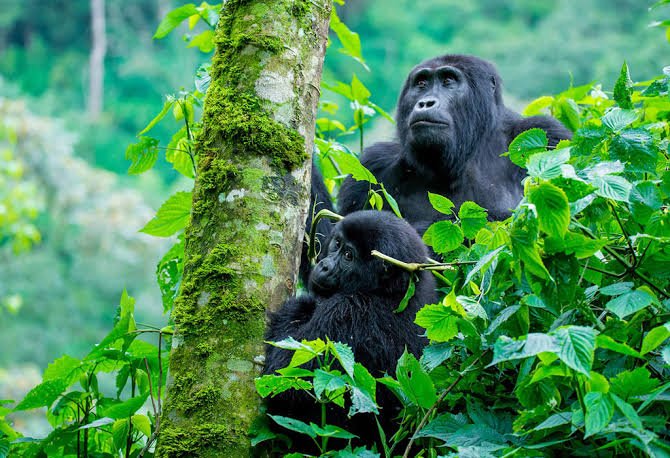
Parents should never assume that purchasing a permit or obtaining a verbal assurance guarantees admission for an underage traveller. Age restrictions may be checked against the participant’s identification and permit information, and visitors who do not meet the rules may be unable to participate. Rather than risk disrupting the family’s holiday, it is preferable to schedule gorilla habituation after the teenager becomes eligible or arrange age-appropriate activities for younger family members. Our gorilla habituation permit booking guide provides information about preparing reservations correctly.
6. Must a Teenager Already Be 15 on the Trekking Date?
The safest and most appropriate interpretation of the Minimum Age for Gorilla Habituation is that the participant must have reached their fifteenth birthday by the date of the scheduled activity. For example, a teenager who turns 15 on 20 July should plan their habituation experience for 20 July or a later date, subject to confirmed eligibility and permit availability. The teenager’s age at the time the family first makes an enquiry does not necessarily prevent a future reservation, provided the actual trekking date meets the applicable requirements.
Families should calculate birthdays carefully when planning international travel because even a small scheduling mistake can create serious problems. If a child turns 15 during the holiday, parents may organise other activities earlier in the journey and schedule the gorilla experience after the birthday. The itinerary should also allow time for travel to the appropriate briefing location. Visitors planning from Rwanda can explore the three-day luxury gorilla habituation safari from Kigali when organising suitable dates.
7. Are There Exceptions to the Minimum Age Requirement?
Families should not plan their safari on the assumption that exceptions to the Minimum Age for Gorilla Habituation will be granted. Published Uganda Wildlife Authority guidelines establish a minimum age of 15 for gorilla tracking and viewing, and any claim that younger visitors can participate should be confirmed directly with the authority. A tour operator, lodge employee, or travel website cannot independently override official conservation regulations.
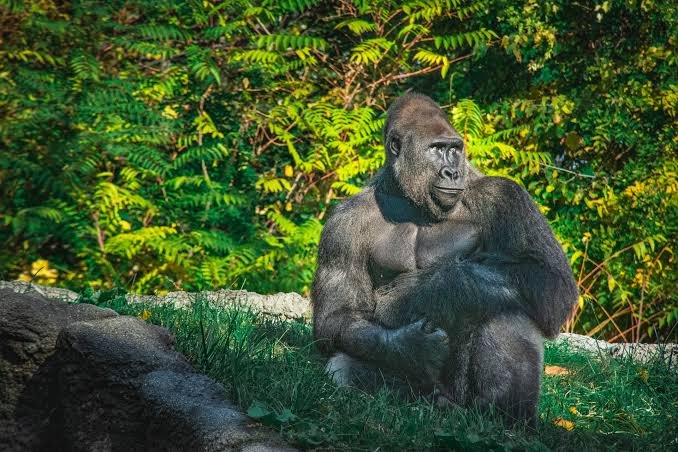
Some travellers ask whether a child who is almost 15, unusually tall, physically strong, or experienced in hiking might be treated differently. These individual qualities do not automatically change the published age requirement. Parents seeking clarification should request an official written response before paying for arrangements involving an underage participant. Unless the responsible authority explicitly confirms otherwise, families should follow the standard age rule and choose appropriate alternatives. This approach protects the family from avoidable disappointment and helps maintain responsible tourism practices in Bwindi National Park.
8. Why Is Gorilla Habituation More Demanding for Younger Visitors?
Gorilla habituation can involve several hours of trekking through steep, densely vegetated rainforest before visitors reach the participating gorilla family. Once the animals are located, the observation allowance may extend for up to four hours, after which visitors must return through the forest. The total outing can therefore occupy much of the day, depending on the gorillas’ movements and weather conditions. This prolonged activity requires endurance, concentration, and a willingness to follow instructions even when physically tired.
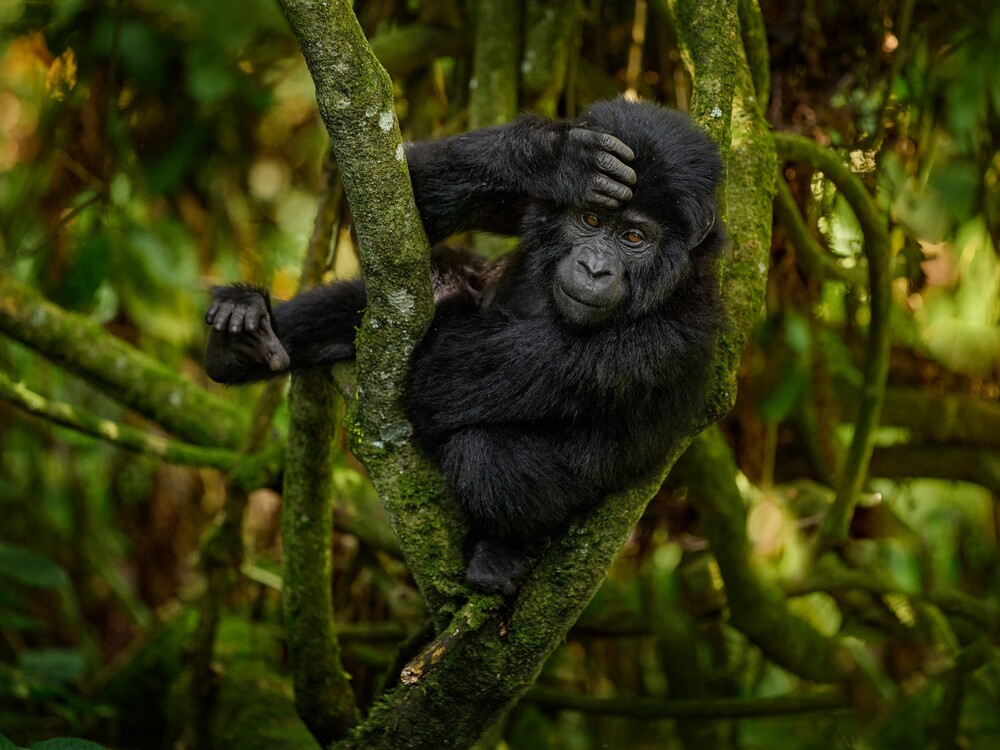
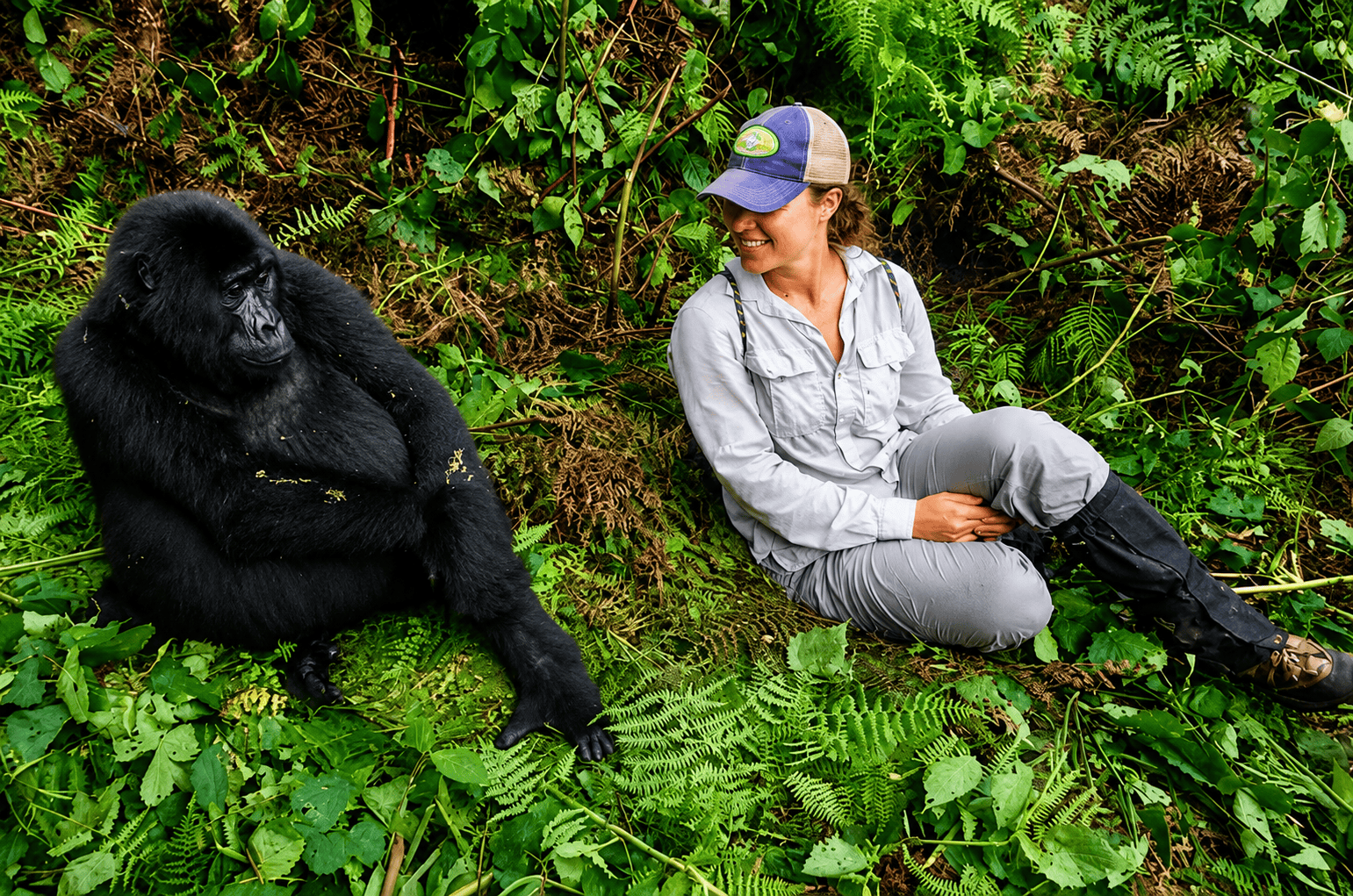
The Minimum Age for Gorilla Habituation helps establish a consistent eligibility threshold for this demanding environment. Younger children may find long periods of walking, unpredictable waiting, and restricted movement particularly difficult, although individual abilities vary. The challenge involves more than walking distance because visitors must remain attentive to the conservation team’s directions throughout the encounter. Parents can better understand these demands by reading our gorilla habituation trek duration guide before deciding whether an eligible teenager is ready.
9. How Does Gorilla Habituation Protect Mountain Gorillas From Human Diseases?
Mountain gorillas are vulnerable to certain infectious diseases that can pass between humans and other primates. Respiratory infections are a particular conservation concern because even an illness that appears relatively mild in a human visitor can present a serious risk to endangered gorillas. Protecting gorilla health requires strict hygiene practices, appropriate viewing distances, and restrictions on participation when visitors are unwell.
The Minimum Age for Gorilla Habituation forms part of the wider framework governing visitor access, but age alone does not determine whether someone is free from infectious illness. All eligible participants, including teenagers and adults, must follow the same disease-prevention instructions. Visitors experiencing potentially infectious symptoms should inform the responsible personnel and must not attempt to conceal illness to avoid missing the activity. The broader requirements are explained in our gorilla habituation experience guide, where wildlife welfare remains central to the encounter.
10. Can Teenagers Understand and Follow Gorilla Habituation Safety Rules?
Many teenagers aged 15 and above are capable of understanding and following detailed wildlife safety instructions, particularly when they have been prepared before travelling. Gorilla habituation requires visitors to remain calm, avoid sudden movements, maintain appropriate distance, and listen carefully to rangers. Participants must never touch gorillas, imitate their calls, attempt to attract their attention, or move independently towards the animals. These rules apply regardless of age or previous wildlife experience.
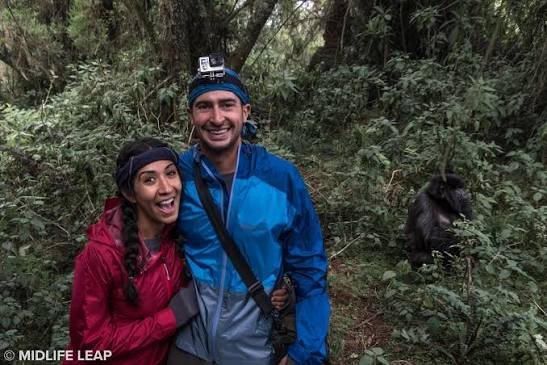
Meeting the Minimum Age for Gorilla Habituation is only the first part of responsible participation. Parents should explain why the instructions matter and ensure that their teenager understands that mountain gorillas are powerful wild animals rather than domesticated wildlife. The experience should be approached with patience, respect, and an appreciation of the conservation work involved. A teenager who is genuinely interested in nature and comfortable following instructions may find the experience educational and memorable, especially when travelling with experienced guides familiar with the forest.
11. What Level of Fitness Does a 15-Year-Old Need?
A teenager participating in gorilla habituation should ideally have moderate to good walking fitness and be comfortable navigating hills, irregular ground, and potentially slippery pathways. Although technical climbing skills are not required, the activity may involve substantial uphill and downhill walking. Visitors should also be prepared for humid conditions, rainfall, and a total trekking duration that cannot be guaranteed in advance.
Understanding the Minimum Age for Gorilla Habituation is therefore not enough without considering the participant’s physical readiness. Families can prepare by introducing regular walks, moderate hill training, and opportunities to become comfortable wearing hiking boots. Exercise should be appropriate to the teenager’s individual fitness and health rather than excessively strenuous. Parents should also communicate relevant mobility or medical concerns before booking. Planning suitable accommodation near Rushaga’s habituation access points can reduce unnecessary fatigue before the trek.
12. What Clothing and Equipment Should Teenagers Bring?
Teenagers joining gorilla habituation should wear comfortable, protective clothing suitable for a mountainous tropical rainforest. Waterproof hiking boots with dependable grip are strongly recommended because forest trails may contain slippery roots, wet soil, and uneven surfaces. Long trousers and long-sleeved shirts help protect against vegetation, while a lightweight rain jacket provides protection against unexpected showers. Suitable hiking socks and comfortable gloves are also useful during the activity.
Meeting the Minimum Age for Gorilla Habituation does not reduce the need for proper equipment. Parents should ensure that footwear fits correctly and has been tested before departure, since uncomfortable boots can make long forest walks considerably more difficult. A small daypack may contain drinking water, packed food, personal medication, and protective clothing, although heavy equipment should be avoided. Photographers should select manageable equipment and follow the guidance in our best camera for gorilla habituation safari guide when planning wildlife photography.
13. Can a Teenager Hire a Porter During Gorilla Habituation?
Yes, local porter assistance can generally be arranged for eligible participants, including teenagers. Porters help carry backpacks and other personal belongings, reducing the amount of weight visitors need to transport through the forest. This can be useful when the trekking route includes prolonged uphill sections or when visitors are carrying additional rain protection, food, water, or camera equipment. Depending on the arrangements and conditions, a porter may also provide practical assistance on challenging terrain.
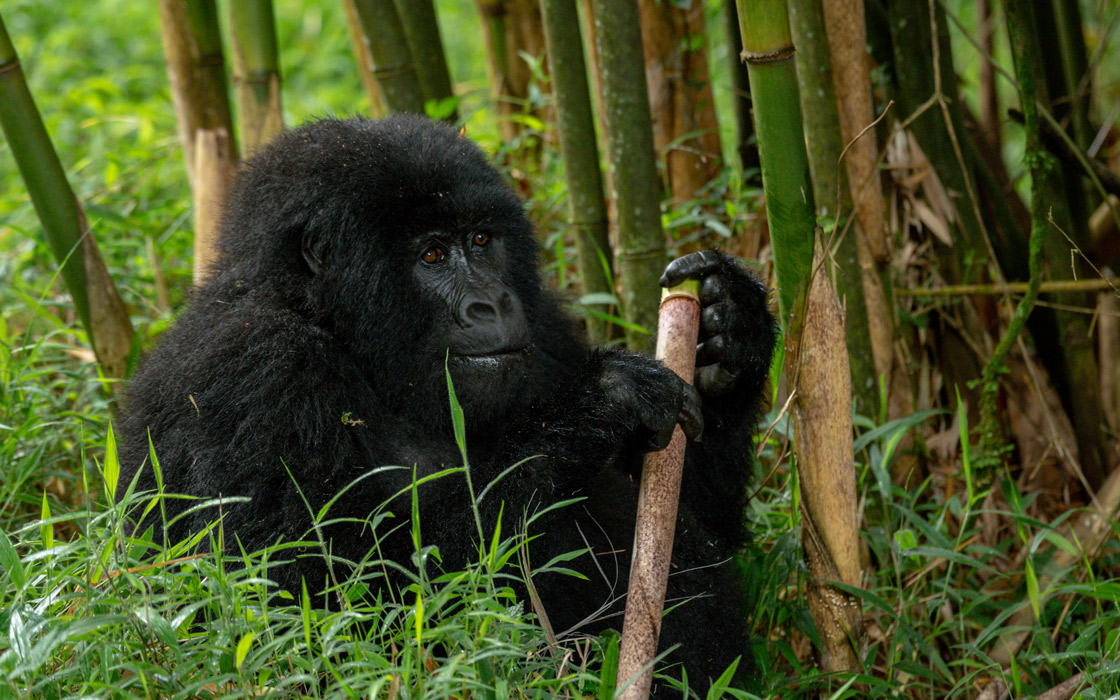
A Porter for Gorilla Habituation cannot change the Minimum Age for Gorilla Habituation or make an underage child eligible for the activity. Porter assistance is primarily intended to improve comfort and reduce the burden of carrying equipment, not to override conservation rules. Families should request assistance through their safari organiser and clarify the arrangements before the trekking day. Hiring local porters also provides employment opportunities for communities surrounding Bwindi, contributing to the wider benefits associated with responsible wildlife tourism.
14. Where Can Eligible Teenagers Do Gorilla Habituation in Uganda?
The specialised gorilla habituation experience is associated with the Rushaga sector of Bwindi Impenetrable National Park in southwestern Uganda. Rushaga is characterised by mountainous forest landscapes, deep valleys, and habitats supporting endangered mountain gorillas. The area is reached through southern Bwindi, with visitors commonly travelling from Entebbe or Kigali before staying near the appropriate briefing point.
The Minimum Age for Gorilla Habituation applies to the activity regardless of the route used to reach Rushaga. Families cannot avoid the restriction by entering from Rwanda, travelling through a different Bwindi sector, or purchasing a more expensive safari package. The activity must be undertaken through authorised arrangements and designated access points. Parents can explore the gorilla habituation location map and best entry points for gorilla habituation before choosing accommodation and transport.
15. Do Teenagers Need Their Own Gorilla Habituation Permit?
Yes. Every eligible visitor participating in gorilla habituation requires the appropriate individual permit issued through authorised arrangements. Being accompanied by parents or other family members does not remove the need for a separate permit. Visitor information must correspond to the actual participant, and families should provide accurate identification details during the reservation process.
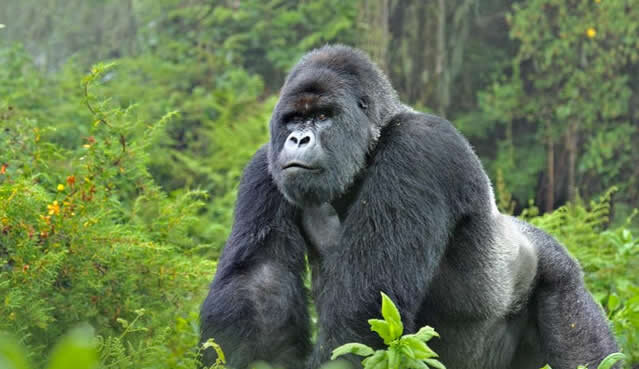
The Minimum Age for Gorilla Habituation should be checked before any permit payment is finalised. Parents should ensure that names, dates of birth, travel dates, and identification information are correct. A teenager who qualifies under the age requirement should still be prepared to present the appropriate documents when requested. Booking early is advisable because gorilla habituation has limited daily capacity. Our gorilla habituation permit booking guide explains the importance of confirming permits before making the rest of the family’s travel arrangements.
16. What Documents Are Needed to Verify a Teenager’s Age?
Families should carry valid identification showing the participant’s full name and date of birth. International travellers normally use passports, while other visitors should confirm which documents are accepted under the relevant Uganda Wildlife Authority requirements. Accurate personal details are important because permits are associated with specific visitors and may be checked against identification records before the activity begins.
When planning around the Minimum Age for Gorilla Habituation, parents should pay particular attention to teenagers whose birthdays fall close to the travel dates. An incorrect date of birth or mismatch between documents and reservation details can create avoidable problems. Families should provide accurate information from the beginning rather than relying on explanations at the briefing point. The Uganda Wildlife Authority permit reservation guide provides useful background on organising participation through the established booking process.
17. What Can Children Under 15 Do While Parents Go Gorilla Habituation?
Children who do not meet the Minimum Age for Gorilla Habituation can still enjoy a memorable Uganda safari through suitable age-appropriate activities. Depending on their ages and the availability of local services, families may consider scenic visits, supervised cultural experiences, lodge activities, or wildlife viewing conducted from vehicles. Lake Bunyonyi is a popular destination for relaxation and scenery, while other parts of Uganda offer game drives, birdwatching, and educational tourism opportunities.
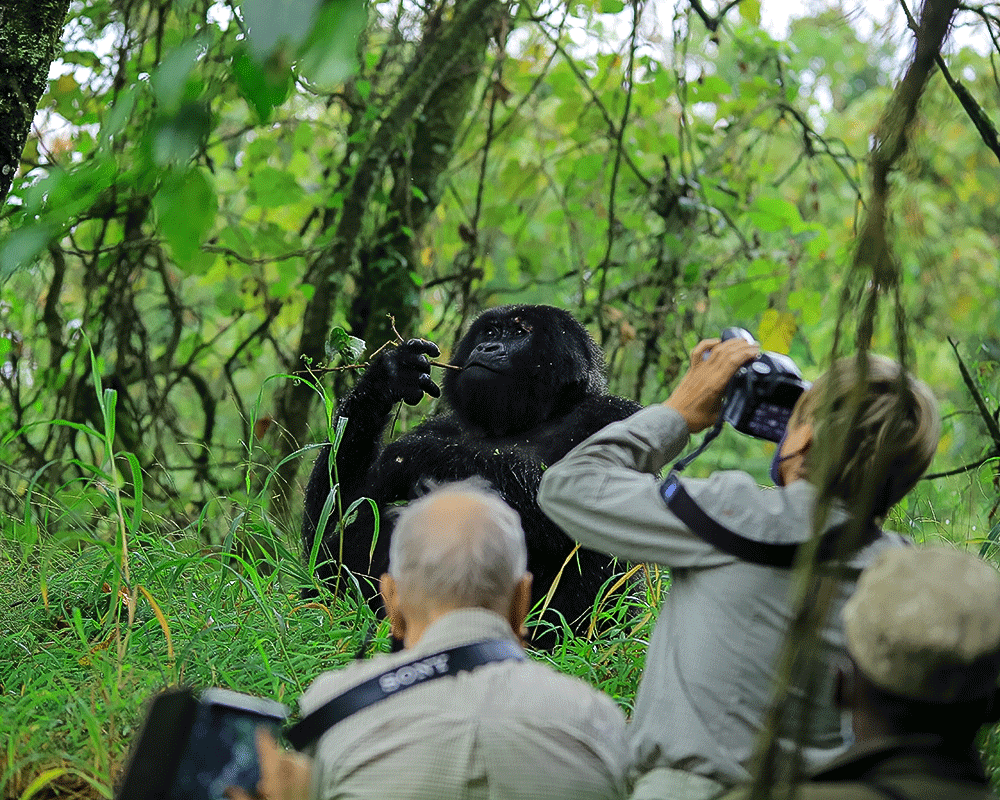
Parents should remember that not every activity is suitable for every child, and individual operators may have their own age, supervision, or safety requirements. If adults wish to participate in gorilla habituation while younger children remain outside the park activity, arrangements should be made with a responsible accompanying adult or an appropriately organised childcare service. Rangers and trekking porters should not be assumed to provide childcare. Families interested in combining forest travel with more relaxed destinations can explore our five-day gorilla trekking and Lake Bunyonyi safari for itinerary inspiration.
18. Can Families With Children Visit Bwindi Without Gorilla Habituation?
Yes. Bwindi and the surrounding southwestern Uganda region offer opportunities to appreciate natural scenery, local communities, and rainforest environments without requiring every member of the family to participate in gorilla habituation. Parents may arrange suitable activities around the forest, provided they respect the age restrictions and safety requirements attached to individual excursions. Children can still learn about mountain gorilla conservation through educational conversations, responsible tourism experiences, and the wider natural environment.
The Minimum Age for Gorilla Habituation applies specifically to the regulated gorilla viewing activity and should not be confused with a general prohibition on families visiting the region. The suitability of other activities depends on their own rules and local conditions. A carefully designed family itinerary can allow older eligible relatives to participate in habituation while younger children enjoy appropriate supervised alternatives. Travellers considering longer journeys can explore our eight-day Uganda wildlife and gorilla habituation safari for ideas about combining destinations.
19. Is Gorilla Habituation Better for Teenagers Than Standard Gorilla Trekking?
For an eligible teenager, the choice between habituation and standard gorilla trekking depends on personal interests, stamina, and expectations. Standard trekking permits a shorter maximum observation period with a fully habituated family, while gorilla habituation offers an extended opportunity to observe a participating family during the habituation process. Teenagers who enjoy wildlife research, photography, and detailed observation may appreciate the additional time spent in the forest.
However, the Minimum Age for Gorilla Habituation is not the main factor distinguishing the activities because the general age threshold is the same. Parents should consider whether the teenager is comfortable with an extended forest day and understands that gorillas may move unpredictably. Standard trekking may be preferable for families who want a shorter observation period, although its approach walk can still be demanding. Both experiences require appropriate physical preparation and compliance with professional guidance, as explained through our Uganda gorilla habituation trekking information.
20. What Is the Difference Between Gorilla and Chimpanzee Tracking Age Limits?
Uganda Wildlife Authority’s published regulations establish different minimum ages for gorilla and chimpanzee tracking. Gorilla tracking has a minimum age of 15 years, while chimpanzee tracking has a published minimum age of 12 years. This distinction matters because families sometimes assume that all primate experiences in Uganda follow the same visitor eligibility requirements.
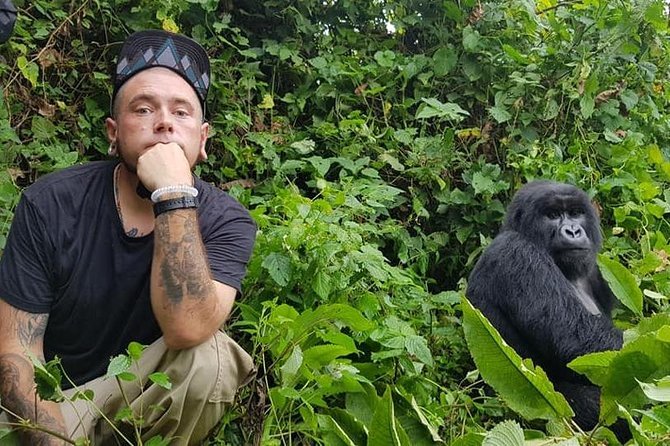
The Minimum Age for Gorilla Habituation should therefore not be confused with the rules for chimpanzee tracking or other wildlife activities. Each experience has its own conditions, and age eligibility may be affected by the specific product and current park regulations. Families considering chimpanzee activities should confirm the applicable requirements for the chosen activity rather than automatically assuming that every chimpanzee-related experience accepts the same ages. Travellers planning a wider primate safari can explore our ten-day Uganda wildlife and gorilla itinerary for inspiration while checking individual activity eligibility.
21. When Is the Best Time for Families to Visit Bwindi?
Bwindi can be visited throughout the year, although weather conditions influence forest trekking comfort. The relatively dry periods around June to August and December to February are often preferred because some pathways may be less muddy. However, rain can occur at any time in the tropical rainforest, and gorilla movements remain unpredictable. Families should therefore prepare for wet conditions even when travelling during traditionally favourable months.
The Minimum Age for Gorilla Habituation remains unchanged between the dry and rainy seasons. A child who is too young during one month does not become eligible simply because the forest conditions are easier. For eligible teenagers, parents should choose travel dates that allow adequate preparation, avoid excessively rushed schedules, and provide time to rest after international travel. Longer journeys such as the five-day Uganda gorilla habituation safari can offer more flexibility than a tightly scheduled visit.
22. How Should Parents Prepare a Teenager for Gorilla Habituation?
Preparing a teenager involves explaining the physical demands, conservation purpose, and expected behaviour well before the family arrives in Uganda. Parents can encourage regular walking, practise hiking on uneven terrain, and discuss what it means to observe endangered wildlife responsibly. Teenagers should understand that the activity involves waiting, quiet observation, and following instructions rather than approaching animals freely or expecting constant excitement.
The Minimum Age for Gorilla Habituation establishes eligibility, but preparation helps determine whether the individual enjoys the experience. Teenagers interested in wildlife photography can learn to handle their camera equipment quietly, while those unfamiliar with forests should become comfortable wearing appropriate outdoor clothing. Parents should also explain why eating near the gorillas, touching animals, and using flash photography are prohibited. A well-prepared teenager is more likely to appreciate the scientific and conservation aspects of the gorilla habituation process in Uganda.
23. Can a Teenager Participate Without Their Parents?
A teenager who meets the age requirement may potentially participate as part of an appropriately organised and supervised travel arrangement, but the specific requirements for minors travelling without parents should be confirmed before booking. The minimum age of 15 does not automatically remove parental consent obligations, immigration documentation requirements, or other conditions that may apply to international travel and organised tourism activities.
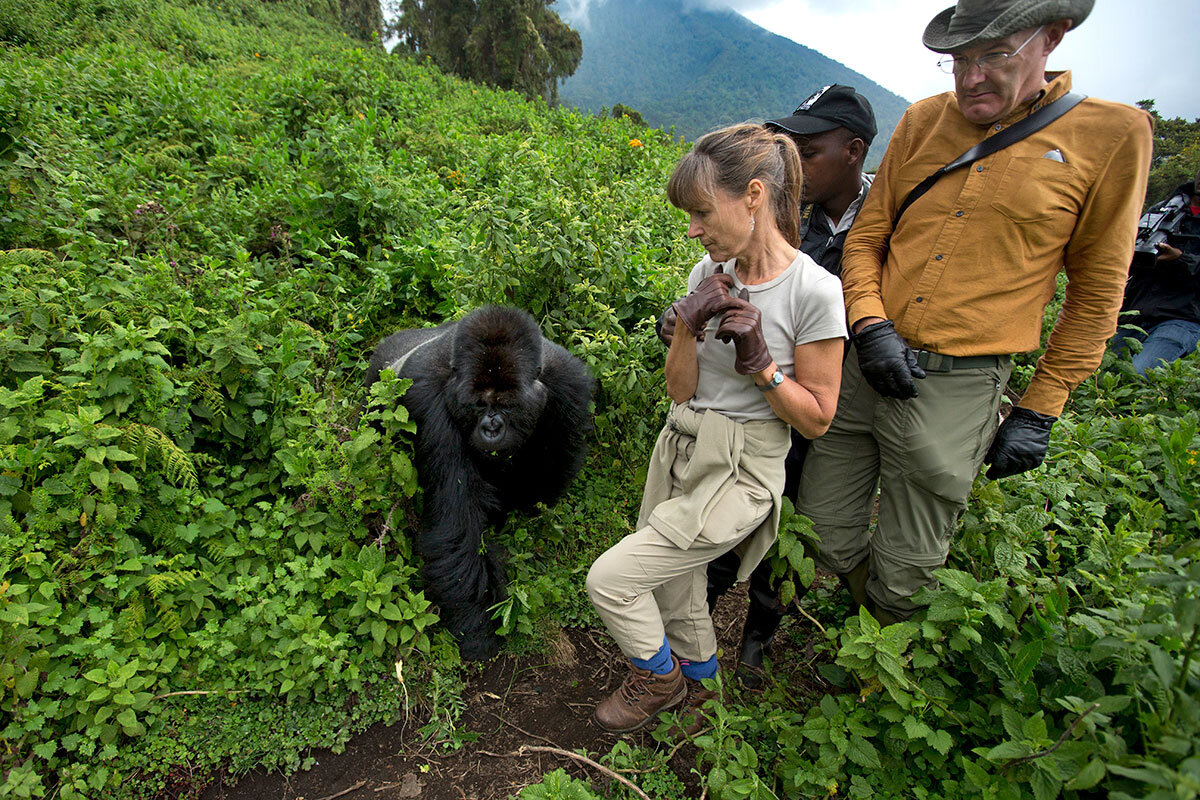
Families considering this situation should ask their safari organiser what documentation is necessary and whether additional supervision or consent arrangements are required. The Minimum Age for Gorilla Habituation determines basic eligibility for the wildlife activity, but it is not a complete statement of every rule governing minors. Clear communication with the organiser before travel helps prevent misunderstandings and supports responsible planning.
24. How Can Families Plan a Gorilla Habituation Safari From Kigali or Entebbe?
Families can reach southern Bwindi through several travel arrangements depending on their international flights and the wider destinations they wish to visit. Kigali is commonly used for shorter journeys to Rushaga, while Entebbe is a practical starting point for travellers planning a broader Uganda safari. Both approaches require appropriate transport, valid travel documents, and accommodation arrangements near the trekking location.
When planning around the Minimum Age for Gorilla Habituation, families should organise the itinerary according to the eligible participant’s birthday and fitness rather than selecting dates solely on the basis of international flight availability. A teenager who becomes eligible during the trip may visit other destinations beforehand and join the gorilla activity later. Useful examples include our three-day luxury habituation safari from Kigali and three-day gorilla habituation safari from Entebbe.
25. Why Is Checking the Age Requirement Before Booking So Important?
Gorilla habituation permits are issued for specific travel arrangements, and availability is limited. Booking an underage traveller for an activity they are not eligible to undertake can create disappointment and potentially result in financial loss. Families should not rely on assumptions that age rules will be relaxed or that a permit can be transferred or refunded automatically if the traveller cannot participate.
Confirming the Minimum Age for Gorilla Habituation before arranging travel helps families avoid these problems. Parents should check birthdays, permit details, current Uganda Wildlife Authority regulations, and the conditions attached to any booking. It is also sensible to consider suitable alternatives for younger children before finalising the itinerary. A family safari can still be successful when different members participate in appropriate activities rather than expecting everyone to undertake the same forest experience.
Frequently Asked Questions About the Minimum Age for Gorilla Habituation
1. What Is the Minimum Age for Gorilla Habituation in Uganda?
The minimum age is 15 years under Uganda Wildlife Authority’s published gorilla tracking and viewing regulations.
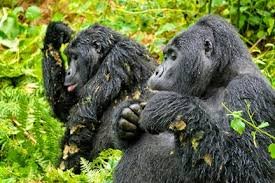
2. Can a 14-Year-Old Do Gorilla Habituation in Bwindi?
Not under the standard published rules. Families should not assume that exceptions are available without explicit official confirmation.
3. Can a 15-Year-Old Participate in Gorilla Habituation?
Yes. A 15-year-old who meets the other requirements and is physically capable can participate in the authorised activity.
4. Is the Gorilla Habituation Age Limit the Same as Gorilla Trekking?
Yes. Uganda’s published minimum age for gorilla tracking and viewing is 15 years.
5. Can Children Under 15 Visit Bwindi?
Yes. Families can visit the region and arrange suitable age-appropriate activities, but younger children are not eligible for gorilla habituation under the standard rule.
6. Does a Teenager Need a Separate Gorilla Habituation Permit?
Yes. Every eligible participant requires an appropriate individual permit, including teenagers travelling with their parents.
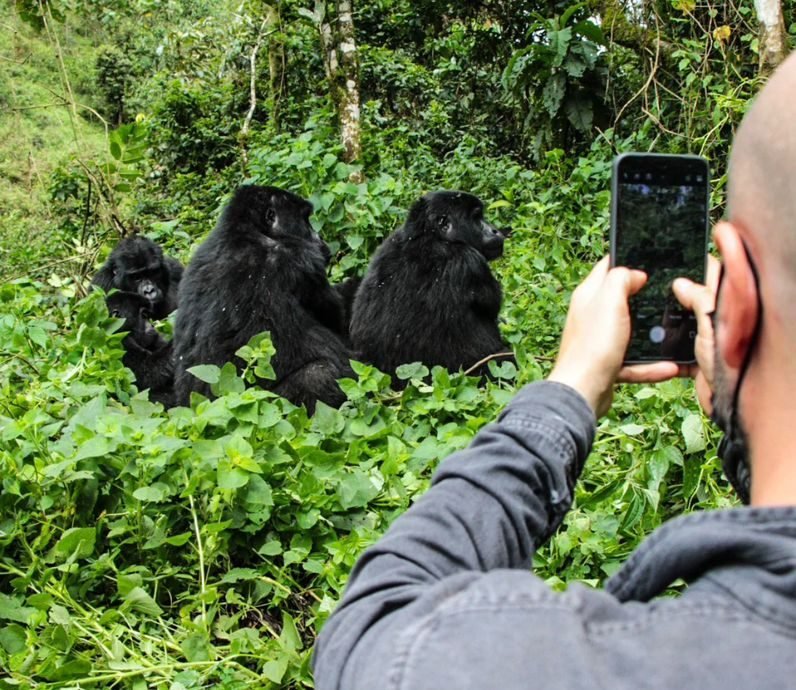
7. Must a Teenager Turn 15 Before the Trekking Date?
Yes. Families should arrange the experience for the child’s fifteenth birthday or later, subject to confirmed eligibility and permit availability.
8. Can a Parent Accompany a 14-Year-Old on Gorilla Habituation?
Parental accompaniment does not override the published minimum-age requirement.
9. Can a Porter Help a Younger Child Join Gorilla Habituation?
No. Hiring a porter does not change the minimum-age rule or make an ineligible child eligible.
10. Is Gorilla Habituation Physically Suitable for All 15-Year-Olds?
Not necessarily. Teenagers should have sufficient stamina and mobility for a potentially demanding forest trek.
11. Can Teenagers Take Photographs During Gorilla Habituation?
Yes, eligible participants may take photographs while following conservation instructions. Flash photography is prohibited.
12. Is There a Maximum Age for Gorilla Habituation?
Uganda Wildlife Authority’s published minimum-age rule does not establish a general maximum age. Participation depends on individual suitability and the applicable activity requirements.
13. Are Chimpanzee Tracking Age Requirements Different?
Yes. Uganda Wildlife Authority’s published minimum age for chimpanzee tracking is 12 years, compared with 15 years for gorilla tracking.
14. What Should Parents Do if Their Child Is Too Young?
Plan age-appropriate activities for the child or schedule gorilla habituation after the child becomes eligible.
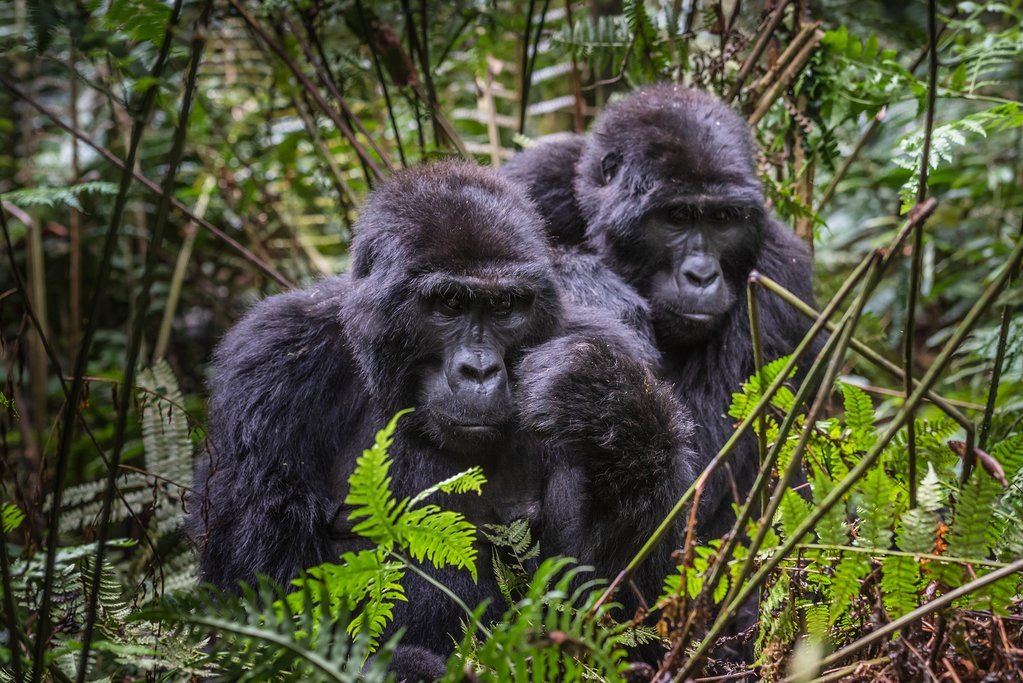
15. Where Can Families Confirm Gorilla Habituation Age Requirements?
Families should confirm the current rules with Uganda Wildlife Authority or through an appropriately licensed safari organiser before purchasing permits.
Book Your Family Gorilla Habituation Safari in Uganda
Planning a family gorilla habituation safari requires careful consideration of age requirements, physical ability, travel dates, accommodation, and appropriate activities for every family member. Whether you are travelling with eligible teenagers, older children who are not yet permitted to participate, or several generations of relatives, a well-organised itinerary helps ensure that everyone enjoys Uganda’s wildlife responsibly. The most important first step is confirming which family members meet the official requirements before arranging individual permits.
Our Uganda gorilla habituation safari tours provide different travel arrangements for visitors entering through Entebbe or Kigali. Families seeking a longer holiday may consider combining Bwindi with wildlife viewing in Queen Elizabeth National Park, relaxation near Lake Bunyonyi, or other suitable activities. Explore our gorilla habituation and Queen Elizabeth safari, five-day Bwindi gorilla habituation safari, and eight-day Uganda wildlife safari for ideas.
When requesting your itinerary, provide the ages of all participating family members, your preferred travel dates, and any particular physical or accessibility considerations. This information helps identify suitable arrangements while avoiding inappropriate permit reservations.
Conclusion: What Is the Minimum Age for Gorilla Habituation in Uganda?
The Minimum Age for Gorilla Habituation in Uganda is 15 years, according to Uganda Wildlife Authority’s published gorilla tracking and viewing rules. This requirement applies to the specialised gorilla habituation experience in Bwindi Impenetrable National Park and should be considered before families purchase permits or finalise their safari arrangements. Teenagers who meet the age requirement may participate, provided they satisfy the other applicable conditions and are prepared for the physical demands of the rainforest.
Understanding the Minimum Age for Gorilla Habituation allows parents to plan confidently, avoid costly booking mistakes, and select activities that suit every member of the family. Children younger than 15 can still enjoy other suitable wildlife and cultural experiences in Uganda, while eligible teenagers can discover the extraordinary conservation work surrounding endangered mountain gorillas.
With careful planning, appropriate trekking preparation, and respect for Uganda Wildlife Authority regulations, a family visit to Bwindi can become a memorable and educational African safari. Explore our gorilla habituation trekking experiences and begin planning a responsible wildlife adventure for your family.