

Can Solo Travelers Do Gorilla Habituation in Uganda? Complete Guide for Independent Safari Travelers
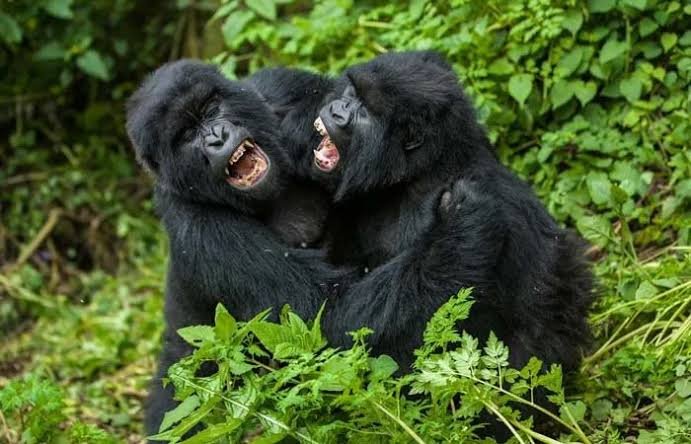
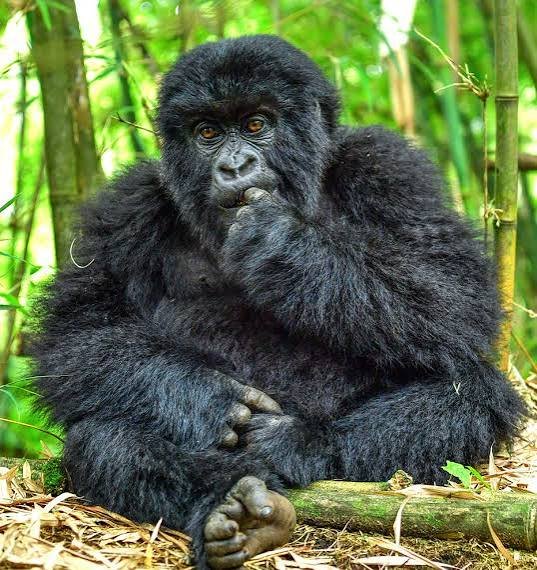
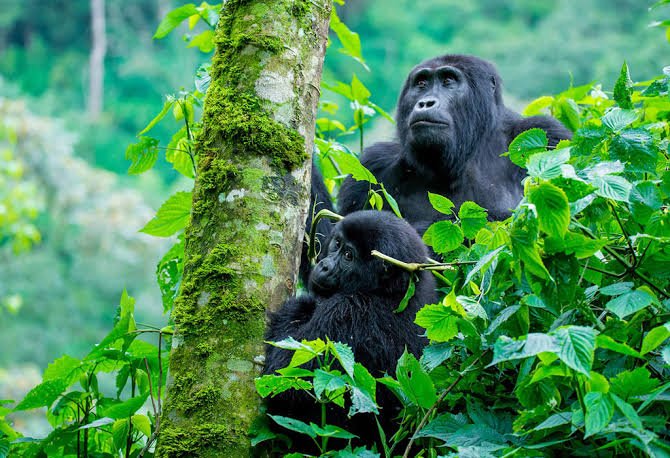
Yes, solo travelers can do gorilla habituation in Uganda without needing a partner, companion, or private group. Uganda’s gorilla habituation experience welcomes eligible individual visitors who hold valid permits and follow the conservation regulations established by Uganda Wildlife Authority. Whether you are travelling independently, exploring East Africa alone, or planning a private wildlife photography adventure, you can arrange this extraordinary experience in Bwindi Impenetrable National Park.
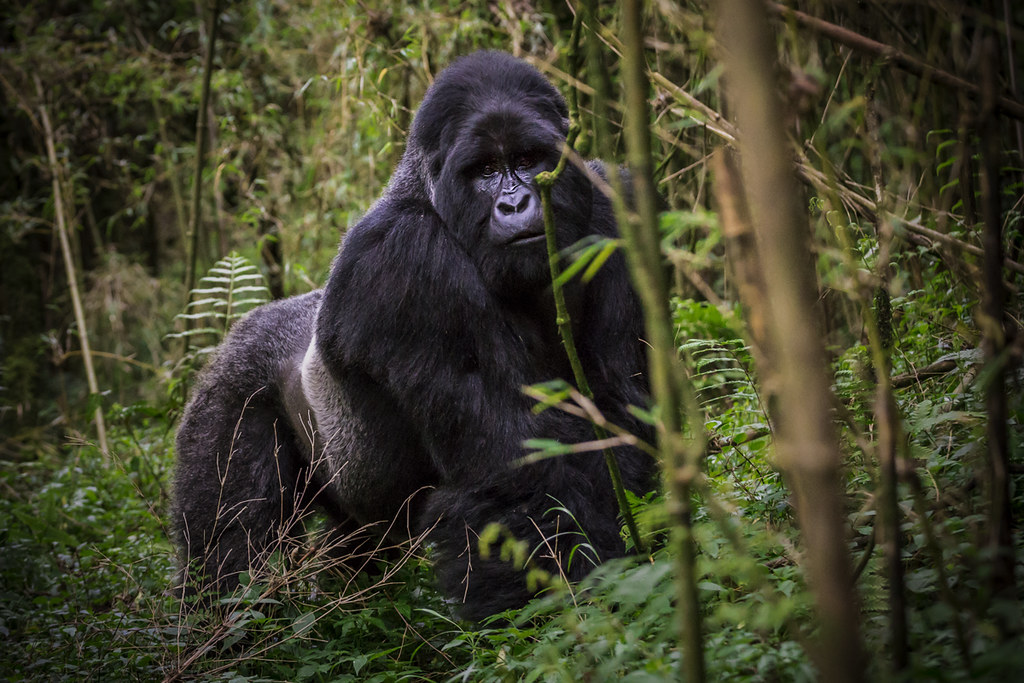
Solo Gorilla Habituation in Uganda is particularly attractive to wildlife enthusiasts, conservation-minded travelers, photographers, and independent adventurers who want an immersive encounter with endangered mountain gorillas. The experience takes place in the Rushaga sector of Bwindi, where authorized conservation personnel accompany visitors into the forest to observe gorilla families undergoing habituation. Visitors are permitted up to four hours of observation after locating the participating family, providing considerably more time than conventional gorilla trekking.
Travelling alone does not mean entering the forest without professional supervision. Solo visitors participate alongside authorized personnel and may be joined by other permit holders, creating opportunities to share the experience while maintaining the independence of their wider safari. Understanding how permits, group allocation, transport, accommodation, and trekking arrangements work is essential when organizing the journey. Our detailed gorilla habituation experience guide explains the activity and what visitors can expect during their time in Bwindi.
Can You Book Gorilla Habituation as a Single Traveler?
Absolutely. Solo Gorilla Habituation in Uganda is available to individual travelers who meet the official participation requirements and secure a valid permit for their preferred date. There is no requirement to travel with friends, family members, or a prearranged group. One person can reserve an individual permit and participate in the activity according to the arrangements made by the responsible park authorities.
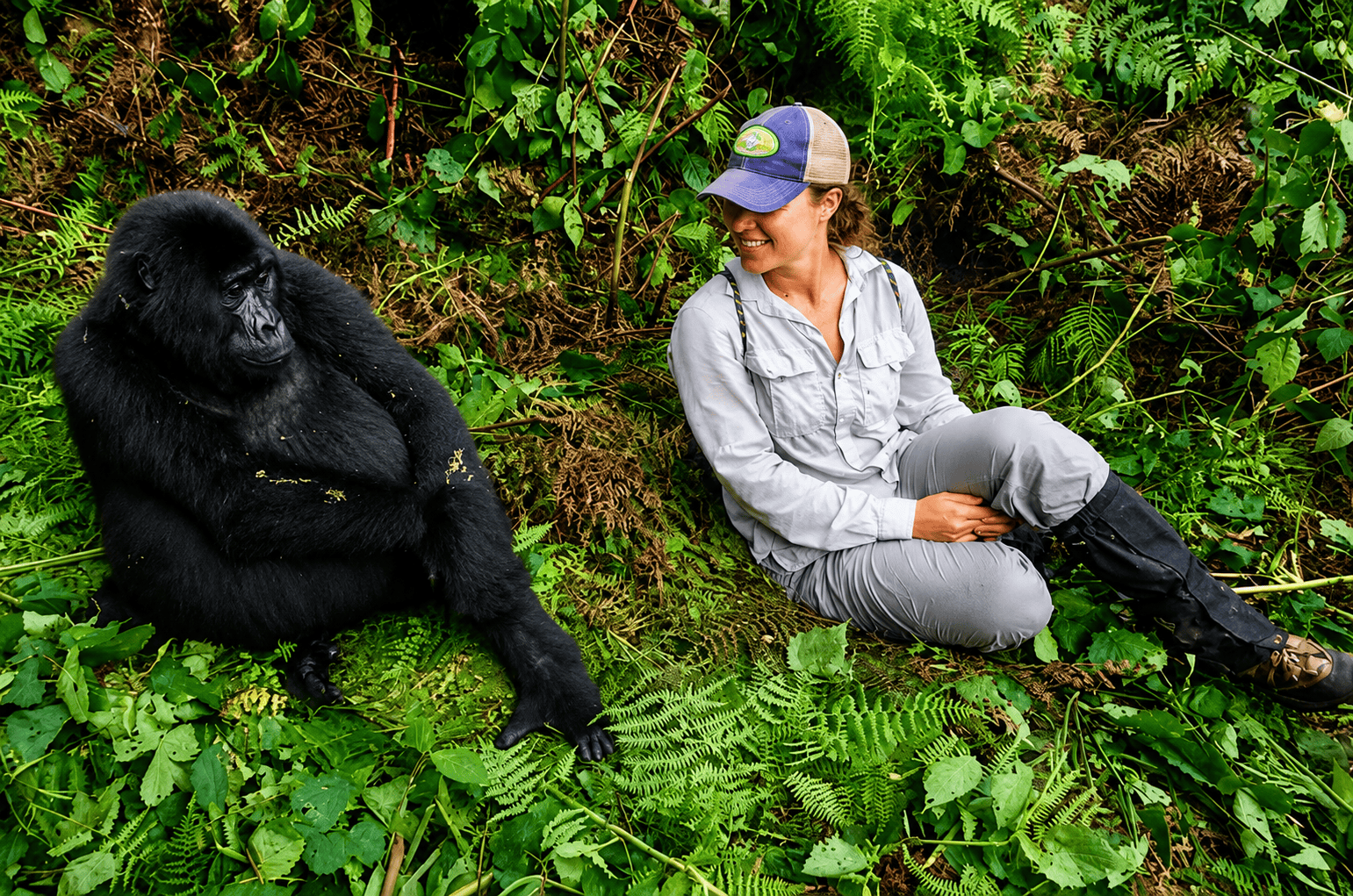
This flexibility makes gorilla habituation an excellent option for independent travelers who do not wish to postpone their African safari while waiting for a companion. The important distinction is that an individual permit guarantees a place in the authorized activity, subject to its conditions, rather than exclusive access to a gorilla family. Visitors interested in securing their places should read our gorilla habituation permit booking guide before finalizing their itinerary.
How Does Solo Gorilla Habituation in Uganda Work?
The experience begins with visitors reporting to the designated briefing point in the Rushaga area of Bwindi Impenetrable National Park. During the briefing, park personnel explain the conservation rules, visitor responsibilities, safety precautions, and procedures for approaching mountain gorillas. Participants are then directed to the authorized personnel responsible for the day’s habituation activity.
Solo Gorilla Habituation in Uganda follows the same conservation procedures as habituation undertaken by couples or groups. You enter the forest under professional supervision, follow the movements of the participating gorilla family, and observe its behaviour as permitted by the conservation team. The experience is controlled by park regulations and the gorillas’ welfare rather than individual visitor preferences. Learn more about the forest setting through our Bwindi gorilla habituation guide.
Will Solo Travelers Join Other Visitors During Gorilla Habituation?
Yes, individual travelers may be placed with other permit holders participating in the same authorized activity. Gorilla habituation generally allows a maximum of four tourists per participating gorilla family, making it a relatively small-group wildlife encounter. The final composition of each group depends on permit allocations, operational arrangements, and the number of eligible visitors booked for that date.
One appealing aspect of Solo Gorilla Habituation in Uganda is that traveling independently does not necessarily mean experiencing every moment alone. You may meet visitors from different countries who share an interest in wildlife conservation and photography. However, joining other participants does not mean that their transport or accommodation is automatically shared with you. These are separate arrangements that should be discussed when organizing your gorilla habituation trekking safari.
Is Gorilla Habituation Safe for Someone Traveling Alone?
Gorilla habituation is a regulated wildlife activity conducted under the supervision of authorized park personnel, but it takes place in a natural rainforest where physical and wildlife-related risks cannot be eliminated completely. Solo participants receive the same professional briefing and must follow the same conservation rules as everyone else. Visitors are not permitted to wander independently through the forest in search of gorillas.
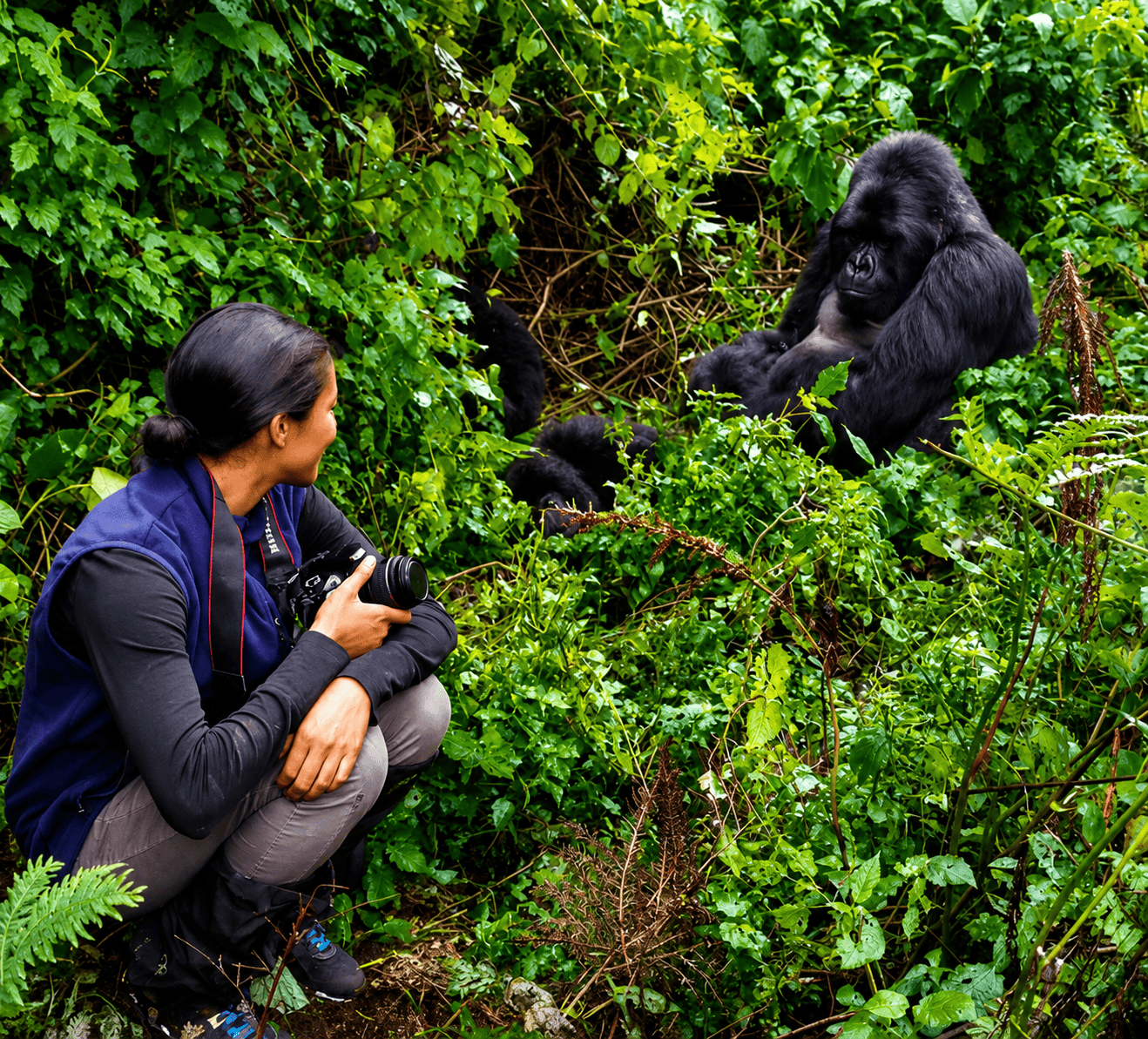
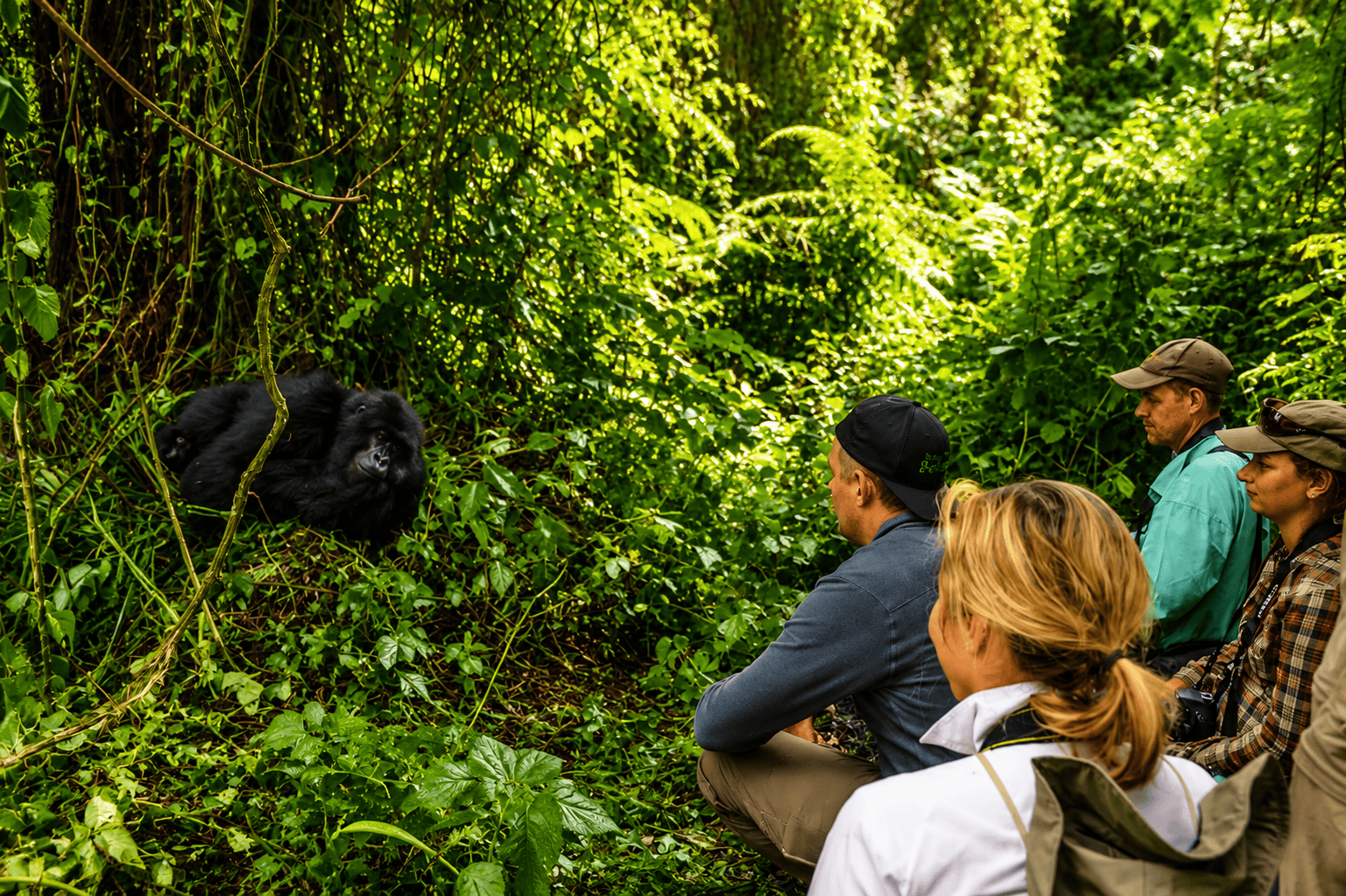
Safety is an important consideration when arranging Solo Gorilla Habituation in Uganda, particularly for travelers unfamiliar with Bwindi’s mountainous terrain. Booking reliable transfers, staying near the designated departure point, and communicating relevant medical concerns can improve preparation. You should also carry suitable equipment and follow the instructions of your guide throughout the experience. The most reliable approach is to respect the established procedures rather than assuming that being accompanied by professionals removes every possible risk.
Where Does Solo Gorilla Habituation Take Place in Uganda?
The specialised gorilla habituation experience is undertaken in the Rushaga sector of Bwindi Impenetrable National Park in southwestern Uganda. Rushaga is known for its mountain gorilla populations and the conservation work conducted in its dense rainforest environment. The region is accessible through different travel routes, including journeys originating from Kigali in Rwanda and Entebbe in Uganda.
Visitors arranging Solo Gorilla Habituation in Uganda should ensure that their accommodation and transport correspond to the correct designated activity entry point. Bwindi contains several gorilla trekking sectors, but they are not interchangeable for permit purposes. Booking a lodge in an inconvenient sector can result in unnecessary travel before an already demanding forest excursion. Our gorilla habituation location map and Rushaga access guide offer useful planning information.
Do Solo Travelers Need Their Own Gorilla Habituation Permit?
Every visitor requires an individual permit to participate in the experience. This applies equally to people traveling alone, couples, families, and organized groups. A solo traveler does not need to purchase several permits simply because the activity permits up to four tourists per participating family. The permit is issued for the individual visitor, while the wider group allocation is handled through the authorized activity arrangements.
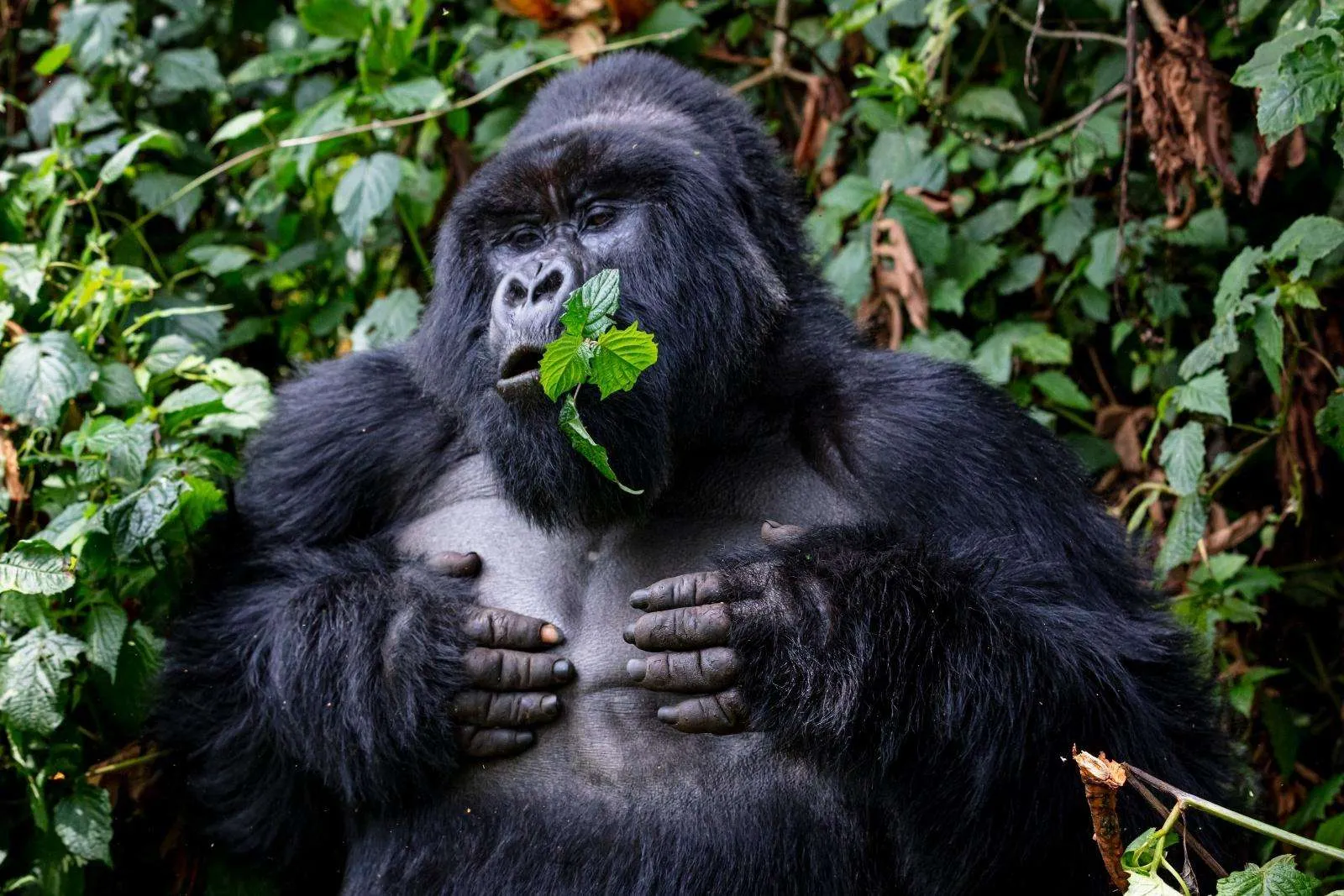
Booking Solo Gorilla Habituation in Uganda should begin with checking permit availability for your intended date. Because the experience has a very limited number of daily spaces, independent travelers are encouraged to plan ahead rather than assume that a permit will be available upon arrival. Accurate personal information and timely confirmation are important. Our Uganda Wildlife Authority gorilla habituation permit guide explains the permit framework and relevant visitor requirements.
Is Solo Gorilla Habituation More Expensive Than Traveling With Others?
A gorilla habituation permit is charged per eligible participant, so traveling alone does not automatically mean paying for additional participants’ permits. However, the overall safari can involve higher costs per person when private services are not shared. Accommodation, vehicle hire, driver-guide services, fuel, and airport transfers may cost more individually than when divided between two or more travelers.
When planning Solo Gorilla Habituation in Uganda, it is important to distinguish the official wildlife permit from the total safari arrangement. A privately organized journey provides independence and flexibility, while a shared transfer or existing group departure may reduce certain transport expenses when such options are available. Solo travelers should request a clear description of what their arrangements include and avoid assuming that a small-group trekking experience automatically includes shared road transport or shared accommodation.
Can You Do a Private Gorilla Habituation Safari as a Solo Traveler?
Yes. An individual visitor can arrange a privately operated safari covering airport transfers, accommodation, road transport, and other services. This offers considerable flexibility for travelers who prefer to choose their own schedule, stop for photography, or explore destinations without coordinating every activity with companions. A private safari can be especially appealing to experienced independent travelers who value comfort and personal attention.
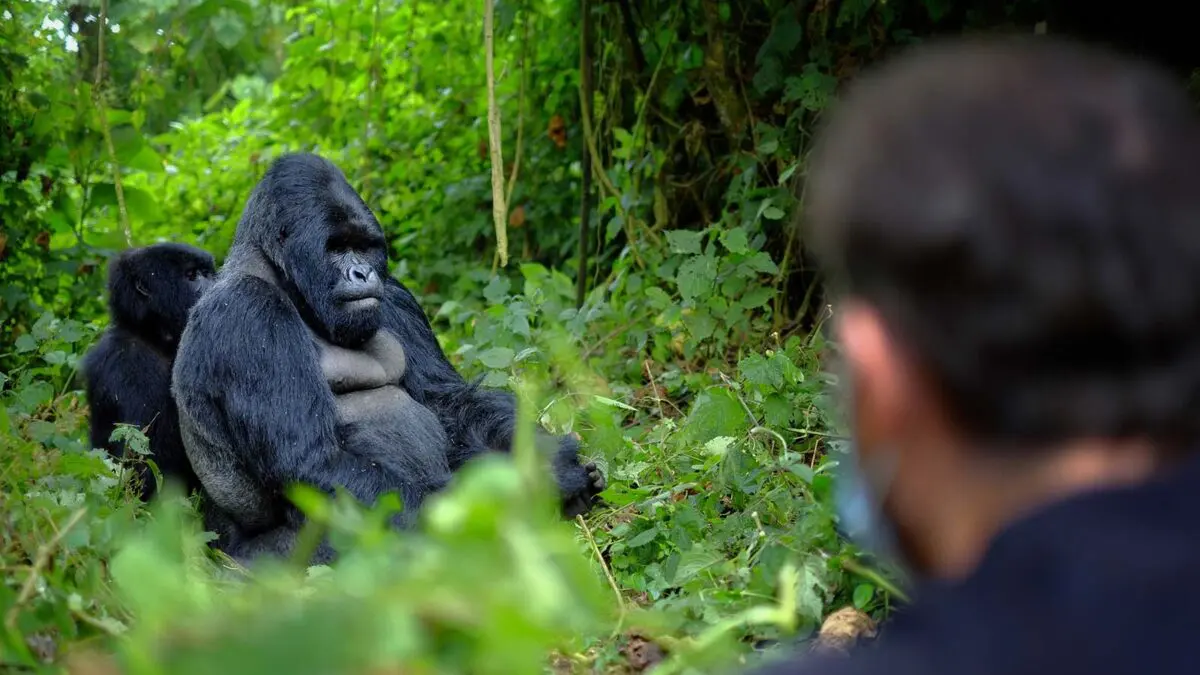
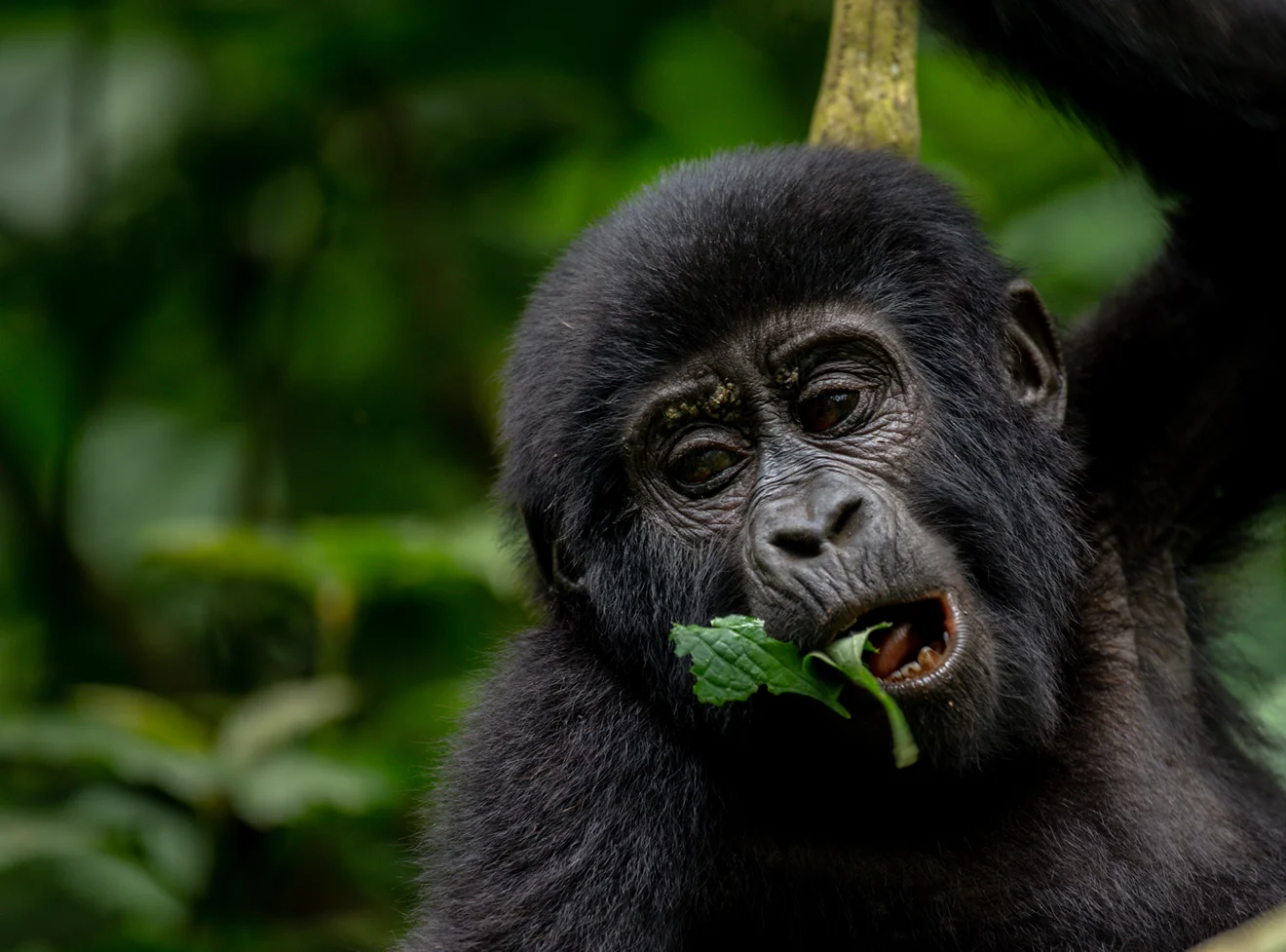
However, Solo Gorilla Habituation in Uganda does not automatically provide exclusive use of the gorilla viewing activity. Your private driver-guide normally handles safari logistics outside the forest, while the habituation encounter is conducted under Uganda Wildlife Authority’s authorized procedures. Other tourists may participate during the same activity. Travelers who want privacy should clarify precisely which services are private and which remain shared before booking any gorilla habituation safari package.
How Physically Difficult Is Gorilla Habituation for Solo Travelers?
The physical difficulty is determined primarily by the forest terrain, prevailing weather, and location of the participating gorilla family. Bwindi contains steep hills, dense vegetation, slippery roots, and uneven pathways. Participants may walk considerable distances before finding the animals and must still complete the return journey after the permitted observation period.
A major consideration for Solo Gorilla Habituation in Uganda is that there may be no familiar companion to assist with personal belongings or provide encouragement when the walk becomes challenging. Nevertheless, being an independent traveler does not prevent you from obtaining porter assistance or receiving instructions from the professional team. Anyone uncertain about their stamina should consider their physical readiness before purchasing a permit. Our gorilla habituation trek duration guide explains the variable duration of this rainforest experience.
Can Solo Travelers Hire Porters During Gorilla Habituation?
Yes. Solo travelers can generally arrange local porter assistance to help carry backpacks, rain protection, food, water, and other personal belongings during the forest trek. Hiring a porter is useful even for physically active visitors because it reduces unnecessary weight and allows greater attention to walking safely through difficult terrain. Depending on conditions, porters may also provide practical assistance when negotiating challenging sections.
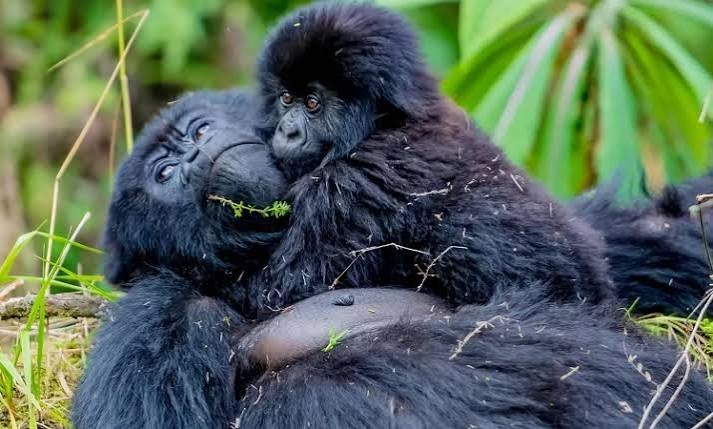
Porter support can make Solo Gorilla Habituation in Uganda more comfortable, particularly for visitors carrying photographic equipment or spending several days travelling independently. However, a porter is not a substitute for the authorized ranger or conservation personnel supervising the activity. Visitors should confirm arrangements in advance and understand which services are included. Employing local porters also contributes to community livelihoods surrounding Bwindi.
Is Gorilla Habituation Suitable for Solo Female Travelers?
Solo female travelers can participate in Uganda’s authorized gorilla habituation experience under the same permit requirements and conservation procedures as other eligible visitors. The activity is not restricted by gender, and traveling without a partner does not prevent women from joining the supervised forest encounter. Many independent women are attracted to Uganda’s wildlife experiences because they combine nature, photography, conservation, and opportunities to explore distinctive landscapes.
When organizing Solo Gorilla Habituation in Uganda, female travelers should apply sensible travel precautions, including arranging reliable transfers, confirming accommodation reservations, and avoiding unnecessary journeys to unfamiliar locations late at night. Communicating travel plans to a trusted contact can also be helpful. A privately arranged driver-guide may provide additional convenience, although personal safety still requires awareness and appropriate judgment. Clear booking arrangements are particularly important when travelling between countries or arriving after a long international flight.
Is Gorilla Habituation Good for Solo Wildlife Photographers?
Gorilla habituation can be particularly rewarding for solo photographers who value extended wildlife observation and prefer to organize their journey around photographic interests. The activity provides up to four hours with a participating mountain gorilla family after it has been located, offering opportunities to photograph feeding, grooming, resting, and social interactions as conditions permit.
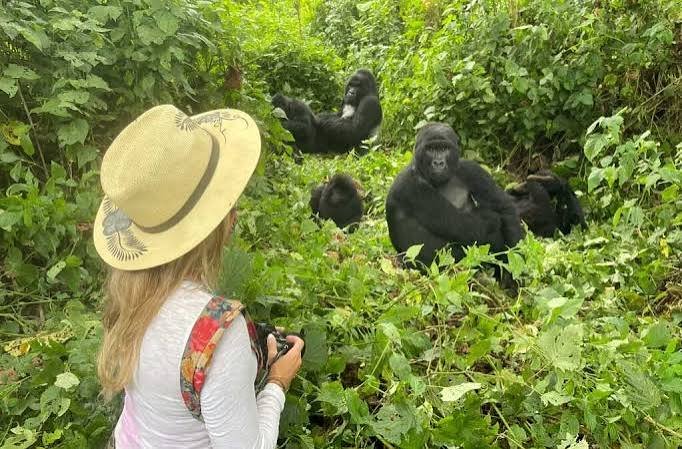
For photographers planning Solo Gorilla Habituation in Uganda, the extended observation allowance can provide time to adjust camera settings and respond patiently to changing light conditions. However, photographing wild gorillas is always subject to ranger instructions, appropriate viewing distances, and the behaviour of the animals. Flash photography is prohibited. Carrying a manageable amount of equipment is also important because the forest walk may be physically demanding. Our best camera for gorilla habituation safari guide provides additional equipment-planning advice.
Where Should Solo Travelers Stay Near Rushaga?
Solo travelers can choose from different accommodation categories in and around the Rushaga area, depending on their preferred comfort level and travel budget. Staying reasonably close to the designated habituation briefing point is advisable because the experience begins early and may involve a lengthy day in the forest. Appropriate accommodation can also make it easier to prepare equipment and rest before the activity.
When planning Solo Gorilla Habituation in Uganda, travelers should confirm whether the quoted accommodation rate is for a single room or based on double occupancy. They should also ask about meal arrangements, transport to the briefing point, and the accessibility of the lodge. A comfortable stay can make a significant difference after a strenuous forest excursion. Explore our luxury lodges for gorilla habituation and budget accommodation options when considering where to stay.
Should Solo Travelers Start Their Safari From Kigali or Entebbe?
Both Kigali and Entebbe are practical starting points, depending on international flight arrangements and the wider destinations you wish to visit. Kigali is often convenient for travelers organizing a shorter trip to southern Bwindi, while Entebbe is a useful starting point for those planning to explore more of Uganda. Choosing the correct route can reduce unnecessary travel time and simplify transfers.
For Solo Gorilla Habituation in Uganda, transport planning is particularly important because private transfers are not automatically shared with other visitors. Travelers should verify border requirements when travelling from Rwanda, confirm arrival arrangements, and ensure their driver knows the correct accommodation and trekking entry point. Our three-day luxury gorilla habituation safari from Kigali and three-day itinerary from Entebbe illustrate the different approaches.
What Is the Best Time for Solo Gorilla Habituation in Uganda?
Gorilla habituation takes place throughout the year, subject to applicable park operations and permit availability. The relatively dry periods around June to August and December to February are often preferred because some forest trails may be less muddy. However, rainfall remains possible at any time, and even favourable seasonal conditions cannot guarantee an easy hike or predictable gorilla location.
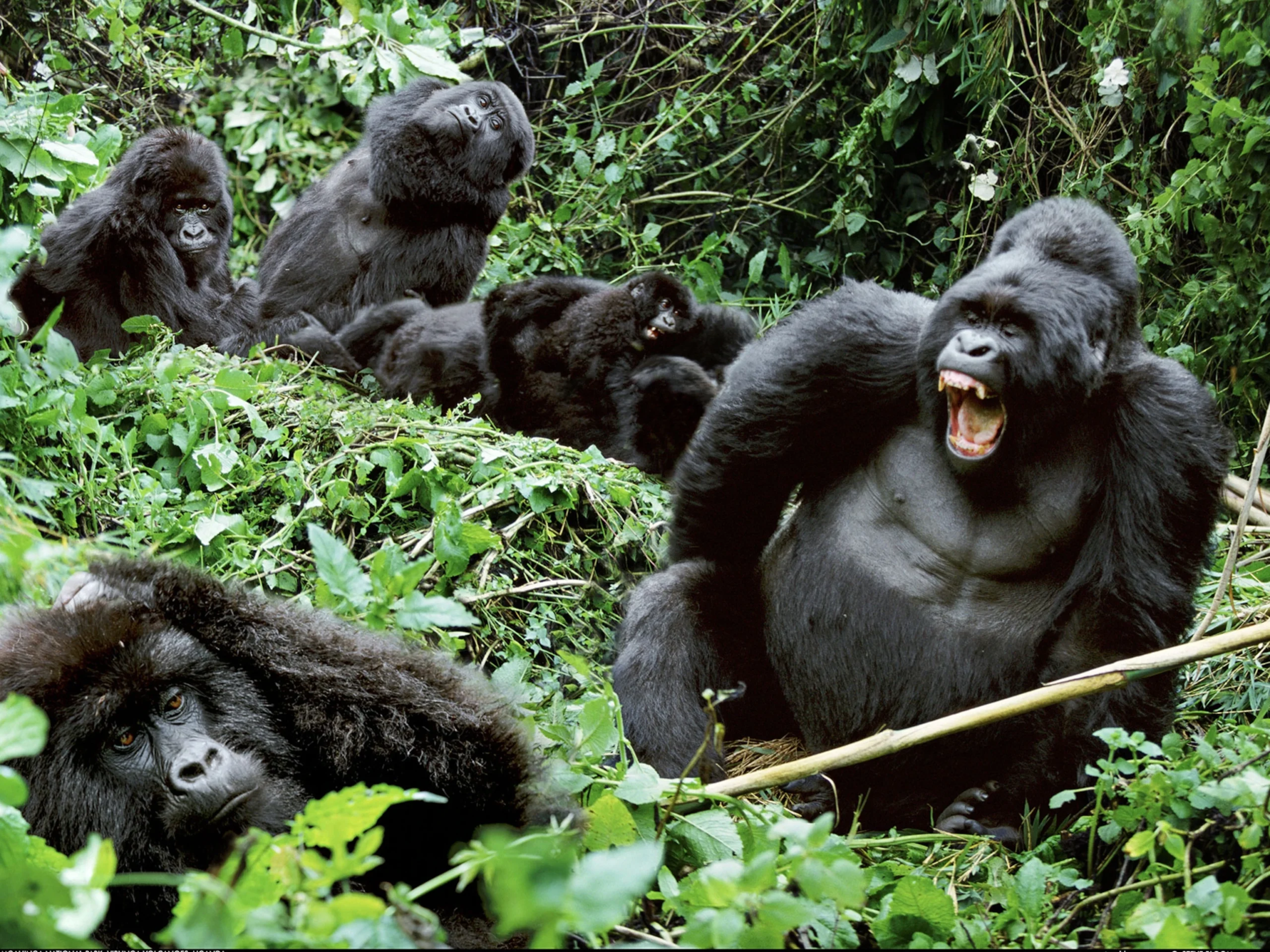
One advantage of Solo Gorilla Habituation in Uganda is that independent travelers may have greater flexibility when choosing travel dates. Someone without a fixed group schedule can sometimes adjust their plans around permit availability or preferred accommodation. Nevertheless, limited habituation capacity means early planning remains advisable. Travelers should carry appropriate rain protection and avoid selecting dates solely on the assumption that the forest will be dry.
Can Solo Travelers Combine Gorilla Habituation With Other Uganda Safaris?
Yes. A solo gorilla habituation journey can be combined with game drives, chimpanzee tracking, birdwatching, scenic destinations, and cultural experiences elsewhere in Uganda. Queen Elizabeth National Park is a popular option for wildlife viewing, while Lake Bunyonyi offers a more relaxed setting after time spent trekking in Bwindi. Travelers with additional days may choose a broader circuit through Uganda’s western national parks.
Combining destinations can make Solo Gorilla Habituation in Uganda part of a more comprehensive African adventure. However, independent travelers should carefully consider transport costs, distances, and the amount of time spent driving between parks. A balanced itinerary is usually more enjoyable than attempting too many destinations in a short period. Our gorilla habituation and Queen Elizabeth safari and eight-day Uganda wildlife and habituation safari provide inspiration for longer journeys.
How Should Solo Travelers Prepare for Gorilla Habituation?
Preparation should begin with confirming the correct permit, reviewing the trekking requirements, and ensuring that the travel itinerary allows sufficient rest before entering the forest. Comfortable waterproof hiking boots, long trousers, protective clothing, a rain jacket, drinking water, and personal medication are important considerations. Visitors should also be prepared for prolonged walking and unpredictable weather.
Solo Gorilla Habituation in Uganda is best enjoyed when the traveler understands the conservation rules and has realistic expectations. The experience involves observing wild animals under professional supervision rather than approaching gorillas independently. Participants should remain calm, follow instructions, avoid prohibited behaviour, and respect the gorillas’ space. Solo travelers who prepare thoroughly can concentrate on appreciating the natural environment rather than worrying about avoidable logistical problems.
Frequently Asked Questions About Solo Gorilla Habituation in Uganda
1. Can Solo Travelers Do Gorilla Habituation in Uganda?
Yes. Eligible individual travelers can purchase a gorilla habituation permit without needing a partner or private group.
2. Do I Need Four People to Book Gorilla Habituation?
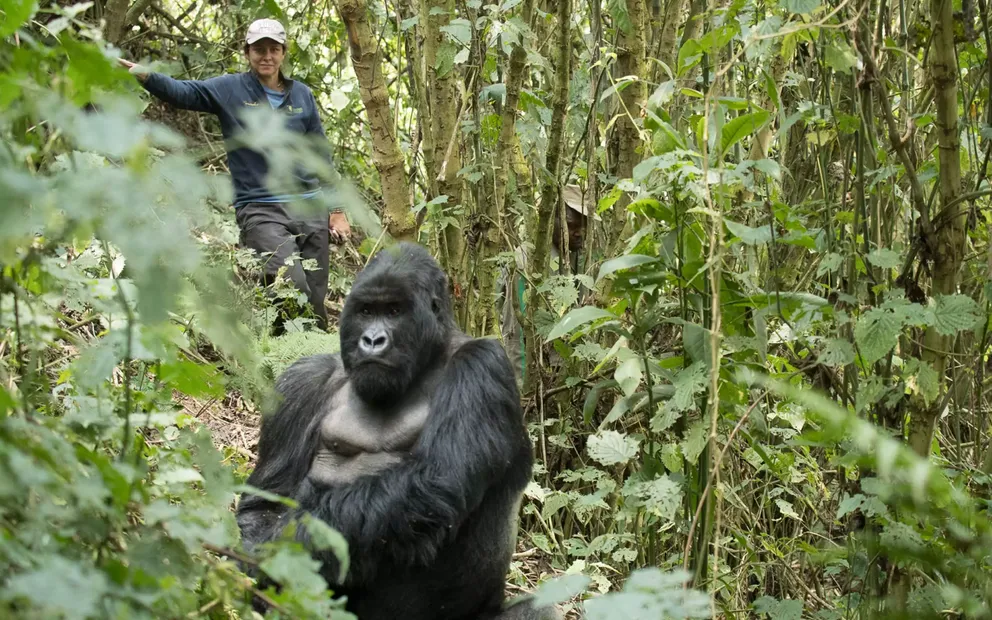
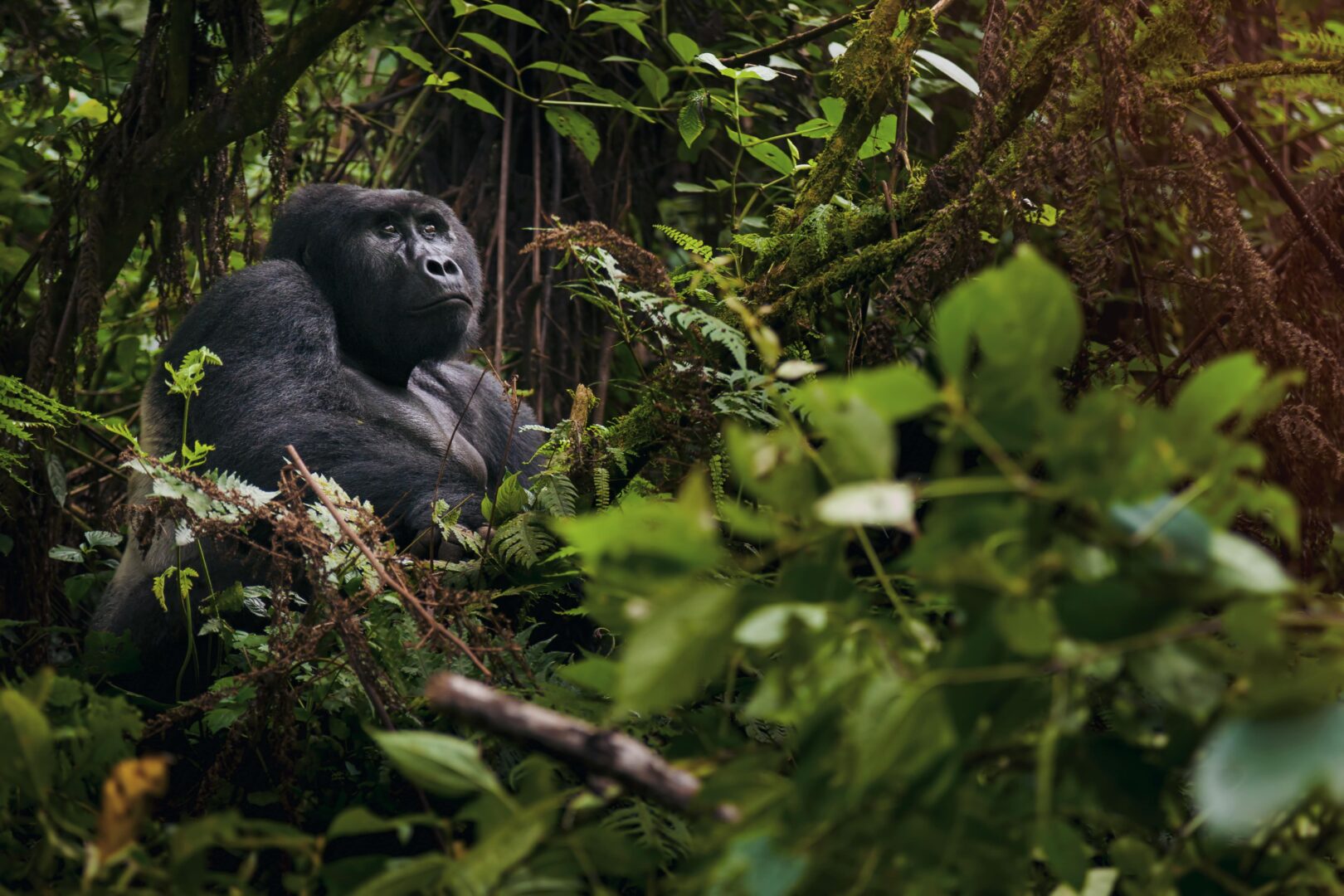
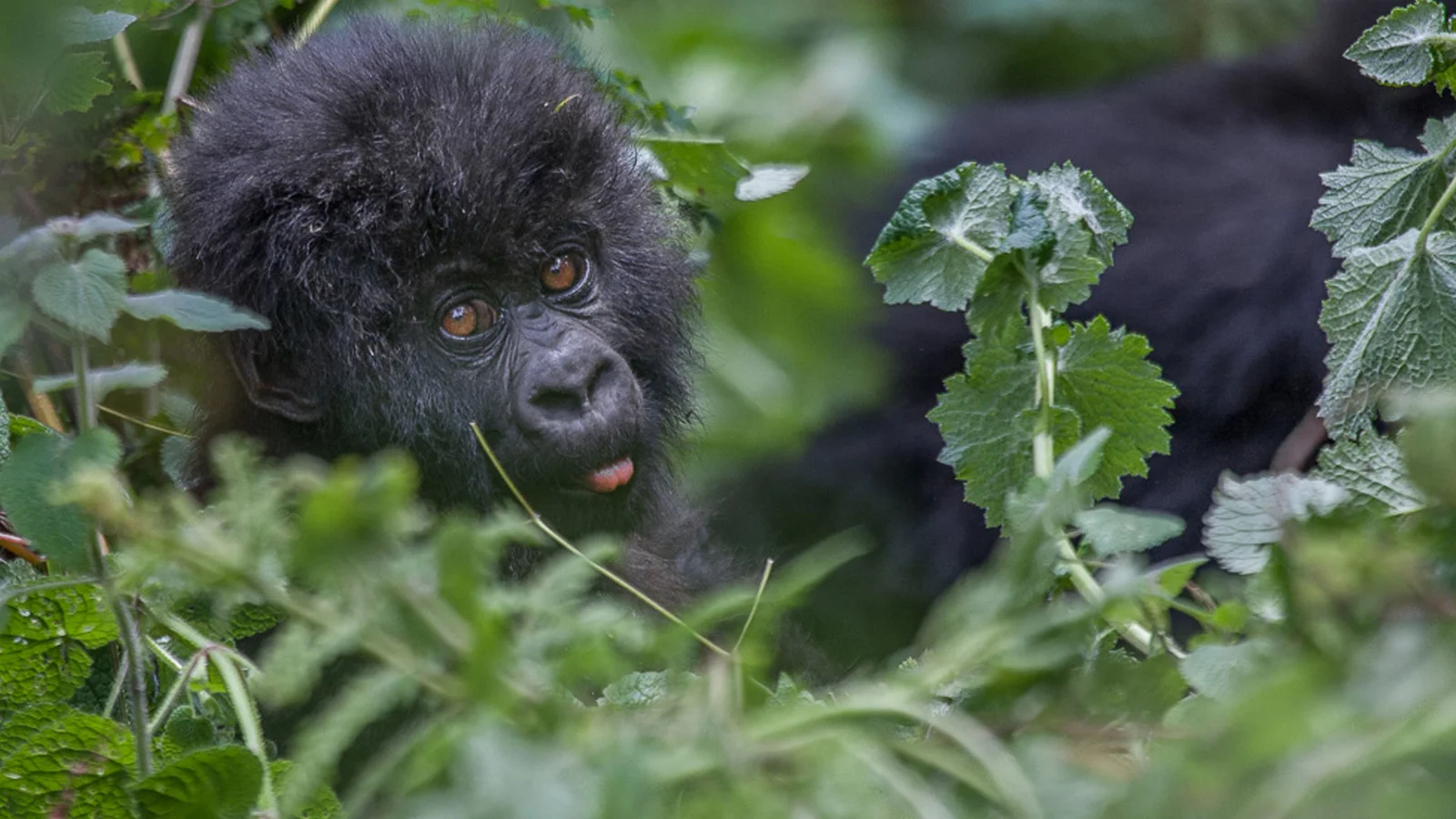
No. Four is the usual maximum number of tourist participants per participating gorilla family, not a minimum booking requirement.
3. Will I Join Other Travelers During Gorilla Habituation?
You may join other permit holders according to the day’s arrangements. The visitor group is kept small and professionally supervised.
4. Is Solo Gorilla Habituation in Uganda Safe?
The activity is supervised by authorized park personnel, although normal wildlife and rainforest risks remain. Visitors must follow all safety instructions.
5. Is a Solo Gorilla Habituation Permit More Expensive?
The permit is priced per participant. However, private accommodation and transport arrangements can increase the overall per-person safari cost.
6. Can Solo Female Travelers Do Gorilla Habituation?
Yes. Female travelers can participate independently under the same park rules and permit requirements.
7. How Long Can Solo Travelers Stay With the Gorillas?
The permitted observation period is up to four hours once the participating family is located, excluding the approach and return trek.
8. Can I Hire a Porter When Traveling Alone?
Yes. Porter assistance can generally be arranged to help carry personal belongings and provide practical support during the forest walk.
9. Where Does Gorilla Habituation Take Place?
The specialised activity is undertaken in the Rushaga sector of Bwindi Impenetrable National Park in southwestern Uganda.
10. Is Gorilla Habituation Suitable for First-Time Solo Travelers?
It can be suitable for first-time solo travelers who are physically prepared, understand the conservation rules, and arrange dependable transport and accommodation.
11. Can I Book a Private Safari but Join Others for Habituation?
Yes. Your accommodation and road transport may be privately arranged, while the forest activity remains subject to the official group allocation procedures.
12. What Is the Minimum Age for Solo Gorilla Habituation?
Uganda Wildlife Authority’s published minimum age for gorilla tracking and viewing is 15 years.
Book Your Solo Gorilla Habituation Safari in Uganda
Planning an independent gorilla habituation experience requires attention to permits, transport, accommodation, and the correct trekking location. Whether you prefer a short journey from Kigali, a privately guided safari from Entebbe, or an extended Uganda wildlife adventure, appropriate planning helps make the experience more comfortable and rewarding.
Our Uganda gorilla habituation tours offer ideas for independent travelers interested in Bwindi’s extraordinary mountain gorillas. You can also explore the three-day Uganda gorilla habituation itinerary and five-day Uganda gorilla habituation safari when considering how long to spend in the region.
For a suitable Solo Gorilla Habituation in Uganda itinerary, provide your preferred travel dates, arrival airport, accommodation preferences, and whether you would like private transport or an available shared travel arrangement. The most important step is confirming an individual permit before finalizing the remaining safari services.
Conclusion: Can Solo Travelers Do Gorilla Habituation in Uganda?
Yes, Solo Gorilla Habituation in Uganda is entirely possible for eligible independent travelers. You do not need to bring a companion or purchase permits for an entire group. An individual permit allows you to participate in the authorized activity, where you may be joined by other visitors and accompanied by professional conservation personnel.
The experience is particularly rewarding for solo wildlife photographers, independent adventurers, and travelers with a strong interest in mountain gorilla conservation. With up to four hours of permitted observation and access to Bwindi’s remarkable rainforest environment, gorilla habituation offers an immersive opportunity to appreciate endangered mountain gorillas.
The key to a successful journey is advance preparation. Confirm your permit, arrange reliable transport, choose suitable accommodation near Rushaga, and prepare for the physical demands of the trek. With these arrangements in place, Solo Gorilla Habituation in Uganda can become one of the most memorable experiences of an independent African safari.