

Discover New Gorilla Families Under Habituation: Experience Uganda’s Emerging Mountain Gorilla Group
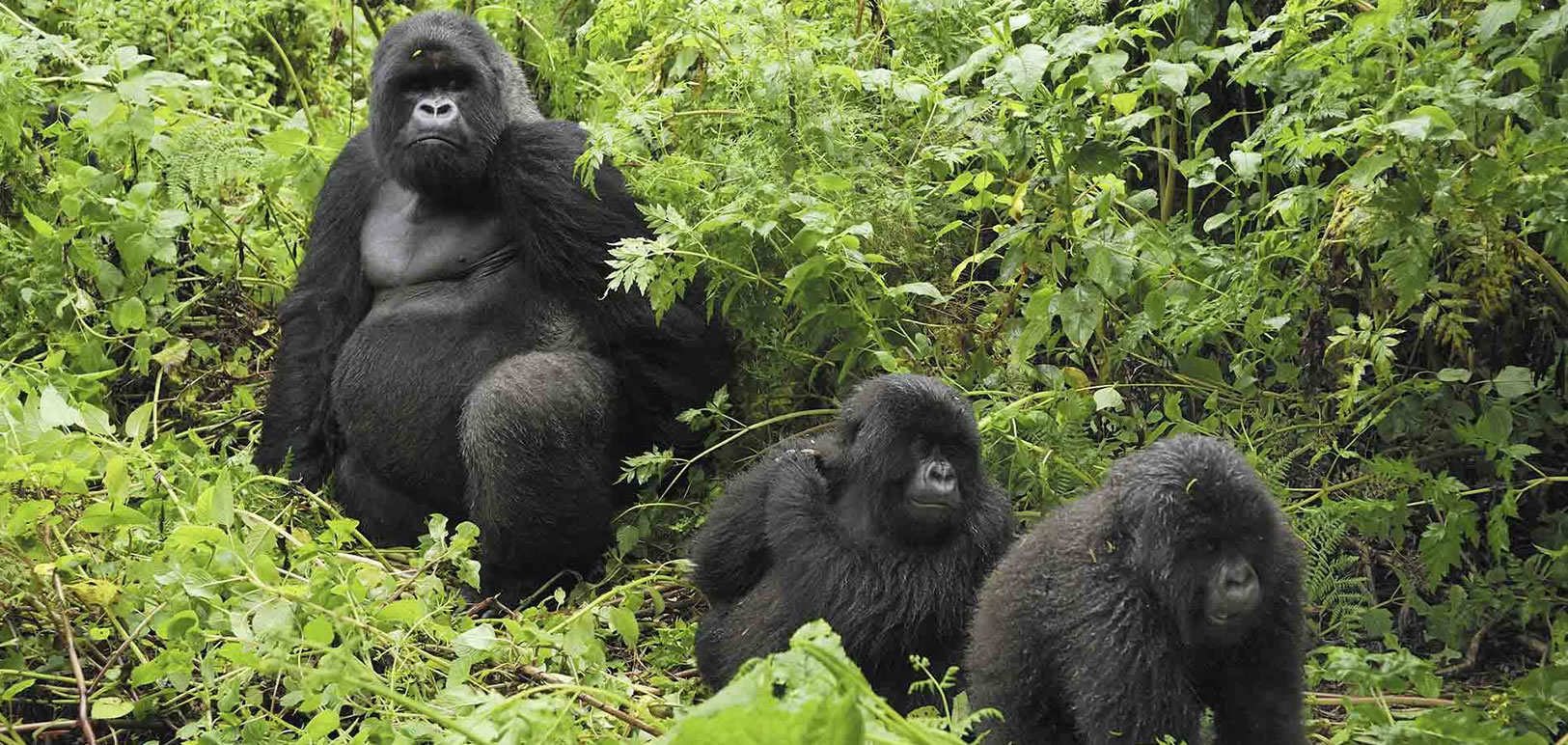
New Gorilla Families Under Habituation are the latest additions to Uganda’s mountain gorilla conservation and tourism initiatives. These families are in the process of becoming accustomed to human presence, allowing researchers and carefully guided visitors to observe their behaviors over extended periods. Unlike fully habituated groups, new families offer a rare glimpse into how gorillas adapt to human observers, providing insights into natural behaviors, social dynamics, and family cohesion that are often less visible in long-habituated groups.
Observing New Gorilla Families Under Habituation is not only an educational experience but also an important conservation activity. Visitors gain firsthand exposure to the gradual processes of trust-building, social adaptation, and careful observation that allow gorilla families to thrive in protected habitats. Every new family provides a unique story, influenced by silverback leadership, group composition, and environmental conditions, making each encounter with new habituated families distinct.
For travelers, understanding New Gorilla Families Under Habituation enhances appreciation for the challenges and successes of gorilla conservation. These families demonstrate the careful balance required between human observation and the preservation of natural behavior, showing how conservationists and trackers work to protect these endangered primates while opening opportunities for ethical tourism.
Planning to observe new gorilla families requires professional guidance. Experienced trackers, guides, and conservationists monitor these families’ movements and responses to human presence, ensuring that visits are safe, responsible, and deeply informative. Through New Gorilla Families Under Habituation, visitors can witness the early stages of habituation and learn how gorilla families integrate human observers into their daily lives.
Location and Habitat of New Gorilla Families
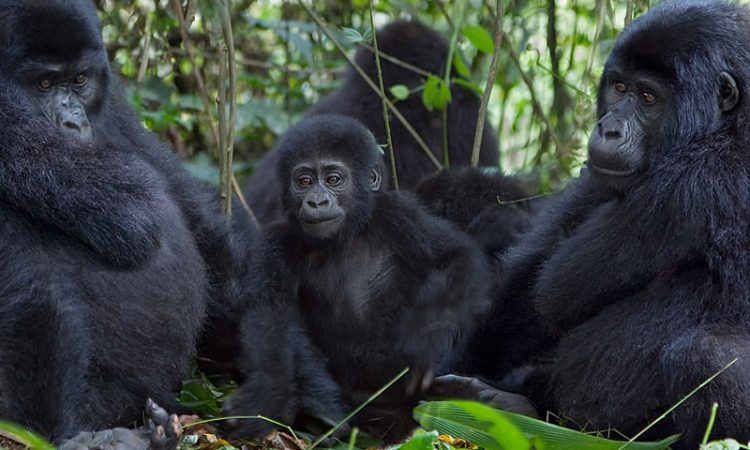
The new gorilla families under habituation are primarily located in Uganda’s Bwindi Impenetrable National Park, including sectors like Rushaga, Nkuringo, and Buhoma. New Gorilla Families Under Habituation inhabit areas with dense rainforest, abundant food sources, and safe resting sites, which provide ideal conditions for both natural behavior and careful observation.
Understanding the habitat is essential for visitors participating in New Gorilla Families Under Habituation. These gorillas move through steep slopes, misty valleys, and lush undergrowth, following patterns influenced by feeding availability, family needs, and safety considerations. Each family’s location is monitored to ensure minimal stress during habituation and ethical human interaction.
Travelers accessing these areas often combine their visit to new gorilla families with other Ugandan wildlife experiences, such as chimpanzee trekking in Kibale Forest or safaris in Queen Elizabeth National Park. New Gorilla Families Under Habituation offers a uniquely immersive experience in a less-traveled part of the rainforest, providing both adventure and education.
The presence of new habituated families also contributes to biodiversity awareness. Observing New Gorilla Families Under Habituation emphasizes the importance of habitat preservation and the role of protected areas in supporting the growth and health of emerging gorilla families.
Understanding Social Structure of New Gorilla Families
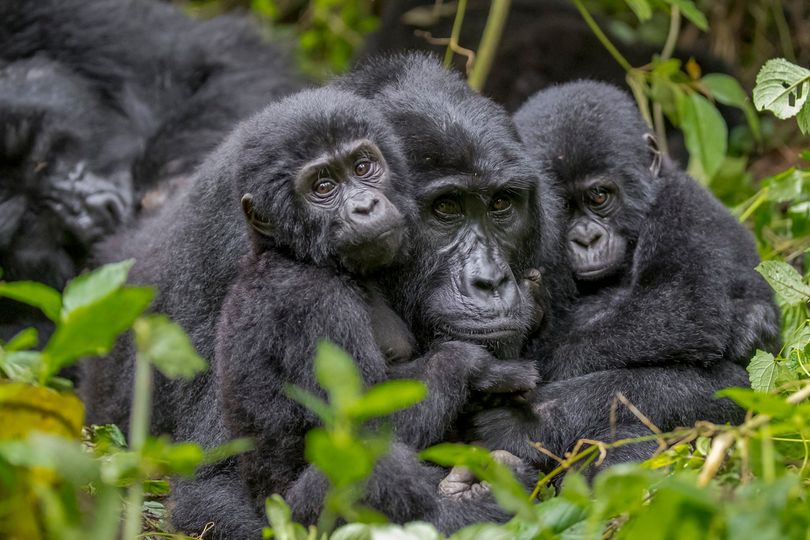
Studying New Gorilla Families Under Habituation reveals the intricate social dynamics that define mountain gorilla family life. Each new family is structured around a dominant silverback who guides, protects, and mediates the group. Females nurture infants and juveniles, while younger gorillas learn social behavior through play and interaction.
Silverback leadership is a central component of New Gorilla Families Under Habituation. Observers can see how the silverback asserts authority, protects infants, and coordinates movement throughout the forest. The silverback’s interactions influence the comfort and security of the entire family, illustrating the critical role of leadership in both habituation and survival.
Females also play a vital role in family cohesion. Through grooming, physical reassurance, and teaching infants, females contribute to maintaining social harmony and ensuring that young gorillas acquire the skills they need to thrive. Observing these behaviors is an essential part of New Gorilla Families Under Habituation, providing insight into the cooperative and nurturing aspects of gorilla social life.
Juveniles, in turn, exhibit playful and exploratory behaviors that are key to understanding New Gorilla Families Under Habituation. Through mock wrestling, chasing, and mimicry, they learn social norms, develop coordination, and integrate into the family hierarchy, offering visitors a window into the growth and learning processes within these emerging gorilla groups.
Daily Routines and Behavior
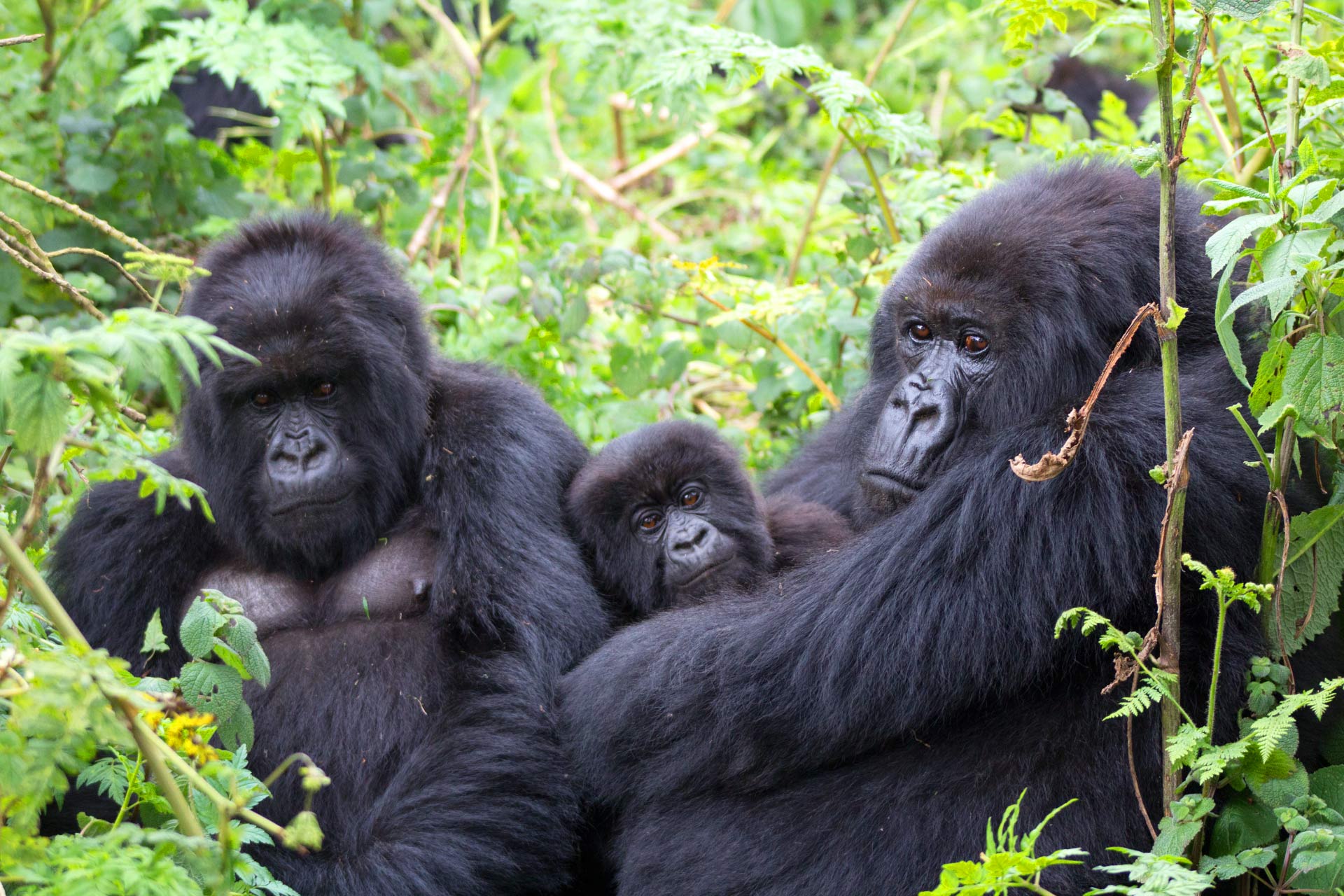
Daily life provides the richest insights when Tracking New Gorilla Families Under Habituation. Visitors can observe feeding patterns, resting periods, movement routes, and social interactions. The silverback coordinates movement, ensuring that the group stays cohesive while navigating challenging terrain.
Mothers and females balance feeding with caregiving, maintaining close contact with infants while engaging in grooming and reinforcement of family bonds. Juveniles interact through play, gradually learning their place in the hierarchy. Observing these routines during New Gorilla Families Under Habituation highlights the complex interplay of protection, leadership, and social learning that sustains the family.
Extended observation during habituation allows visitors to see variations in behavior, including how families react to environmental changes, seasonal food availability, and minor threats. These insights into New Gorilla Families Under Habituation provide a deeper understanding of gorilla intelligence, adaptability, and family dynamics.
Researchers and guides note how subtle gestures, vocalizations, and body language facilitate communication and social cohesion. Visitors learning New Gorilla Families Under Habituation gain a multi-dimensional understanding of gorilla behavior that is both educational and emotionally impactful.
Interaction With Humans During Habituation
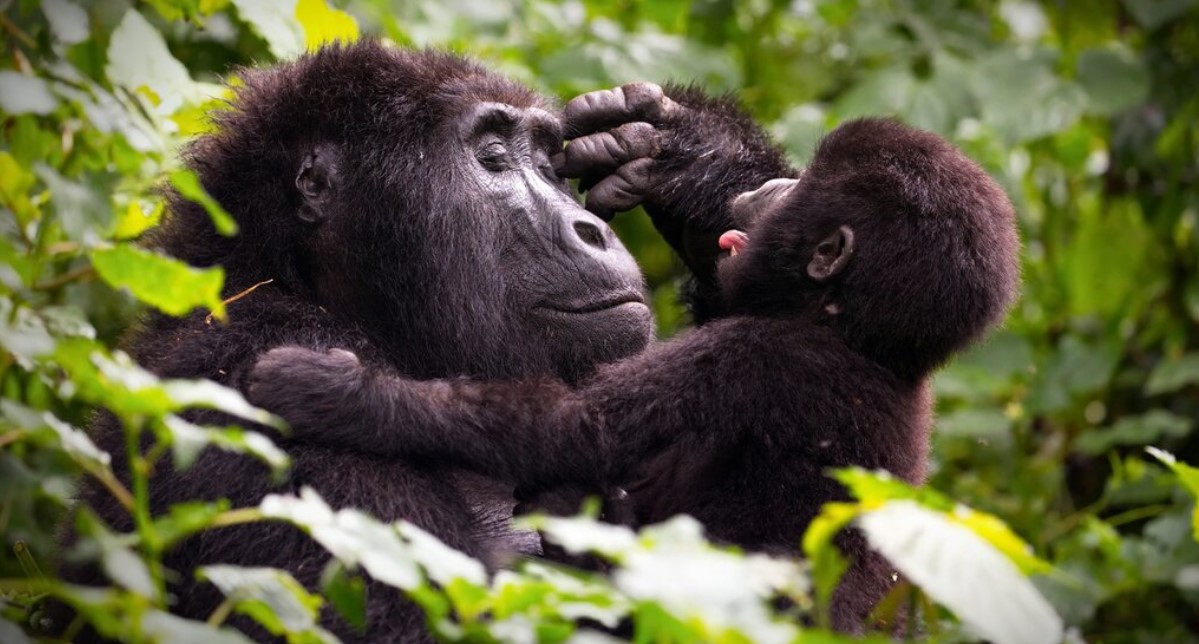
One of the key aspects of New Gorilla Families Under Habituation is observing how these emerging families gradually accept human presence. Initially, gorillas may display curiosity or caution, but repeated, controlled exposure allows them to tolerate researchers, trackers, and eventually visitors without stress.
Silverbacks play a central role during this process. Observers of New Gorilla Families Under Habituation witness how the dominant male monitors the group, evaluates potential threats, and signals comfort to other family members. This leadership is critical for the family’s adaptation to human observation while maintaining natural behaviors.
Visitors must adhere to strict guidelines to ensure ethical observation. By maintaining distance, moving slowly, and following guide instructions, travelers can safely observe New Gorilla Families Under Habituation without disturbing the animals or their routines.
This careful, gradual introduction of humans is what differentiates new habituated families from fully habituated groups. Observing New Gorilla Families Under Habituation allows tourists to understand the balance between conservation, education, and tourism.
Conservation Importance of New Gorilla Families
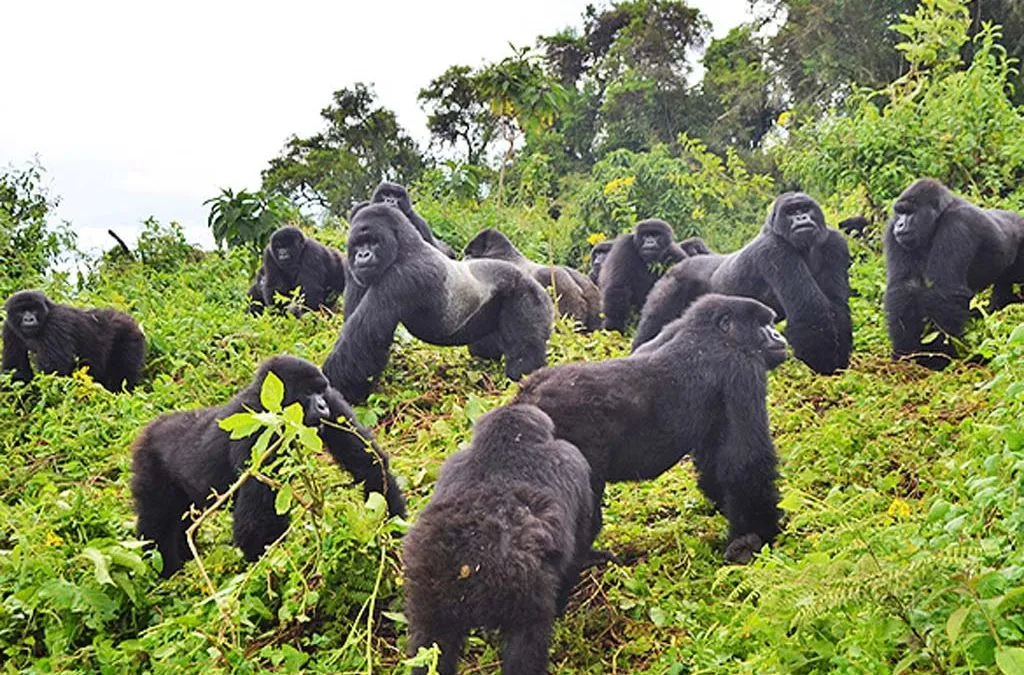
Studying New Gorilla Families Under Habituation is crucial for conservation. Each new family provides opportunities for monitoring population health, social stability, and reproductive success. Observations inform conservation strategies and help protect gorillas from disease, poaching, and habitat disruption.
Tourism revenue from tracking these families funds ranger patrols, forest protection, and community development projects. New Gorilla Families Under Habituation demonstrates how ethical tourism directly supports conservation and helps ensure the survival of endangered mountain gorillas.
Researchers use data from new families to understand growth patterns, infant survival, and social dynamics, which guides long-term habitat management and habituation strategies. Observing New Gorilla Families Under Habituation provides a living laboratory for conservationists while offering visitors an immersive educational experience.
By participating responsibly, travelers not only learn about gorilla social structures but also contribute to the protection of these emerging families and the preservation of Uganda’s rainforest ecosystems.
Frequently Asked Questions About New Gorilla Families Under Habituation
1. What does “New Gorilla Families Under Habituation” mean?
New Gorilla Families Under Habituation refers to recently identified or semi-habituated gorilla families that are in the process of becoming accustomed to human presence. Unlike fully habituated groups, these families are still adapting to the presence of researchers and visitors. The habituation process allows gorillas to continue their natural behaviors—such as feeding, resting, and social interactions—while gradually tolerating human observers.
Visitors who observe New Gorilla Families Under Habituation gain insights into how gorilla families establish trust, maintain social cohesion, and respond to external stimuli. Observing these families provides a rare opportunity to see the early stages of habituation and understand the methods researchers use to monitor behavior without causing stress.
This process is important for conservation as well. By studying New Gorilla Families Under Habituation, scientists can monitor social dynamics, track infant survival, and evaluate the success of habituation protocols, ensuring that both wildlife and tourism are managed responsibly.
2. Where are these new gorilla families located?
Most New Gorilla Families Under Habituation are located in Bwindi Impenetrable National Park, specifically in sectors such as Rushaga, Nkuringo, and Buhoma. These areas provide dense rainforest cover, abundant feeding grounds, and secure resting areas, which are crucial for gorilla survival and successful habituation.
Visitors participating in Tracking New Gorilla Families Under Habituation often navigate steep slopes, misty valleys, and dense vegetation with the help of experienced trackers who understand the gorillas’ movement patterns. This allows for safe and ethical observation without disturbing the animals’ natural routines.
The location of these families is carefully monitored by Uganda Wildlife Authority and trained trackers to ensure that human presence does not interfere with the habituation process. Understanding the habitat is essential for visitors to appreciate the challenges and rewards of observing New Gorilla Families Under Habituation.
3. Why are new gorilla families under habituation important for conservation?
New Gorilla Families Under Habituation are vital to conservation because they expand the number of families that can be observed for research and tourism, supporting population monitoring and habitat protection. These families provide insights into breeding success, social behavior, and health indicators, which inform park management and conservation strategies.
Observing these families also generates tourism revenue that funds forest protection, ranger patrols, community projects, and ongoing habituation efforts. By participating in New Gorilla Families Under Habituation, visitors contribute directly to the preservation of mountain gorillas and the ecosystems that sustain them.
Additionally, these new families serve as case studies for understanding how habituation works with different group dynamics. Each family responds differently to human observers, so monitoring their adaptation helps refine best practices for ethical gorilla tourism.
4. How are new gorilla families habituated?
Habituation is a slow, methodical process. New Gorilla Families Under Habituation begin with long-term observation from a distance to study feeding patterns, social interactions, and movement routines. Over time, trackers gradually introduce human presence in a controlled manner, allowing gorillas to learn that humans are not a threat.
The process emphasizes minimizing stress and maintaining natural behaviors. Observers document interactions while ensuring the family remains undisturbed. As New Gorilla Families Under Habituation become accustomed to humans, researchers can approach more closely, ultimately allowing visitors to observe the family safely and ethically.
Silverbacks play a key role in this process. Their acceptance of human presence is critical for other family members to tolerate observation. By studying New Gorilla Families Under Habituation, conservationists can determine the appropriate pace and method of habituation for each new group.
5. What can visitors observe in these new gorilla families?
During Tracking New Gorilla Families Under Habituation, visitors can observe a variety of behaviors, including feeding, resting, grooming, play among juveniles, and protective behaviors by the silverback. These extended observation periods provide a deeper understanding of social hierarchy and family interactions.
Mothers nurture infants, juveniles learn social skills through play, and the silverback maintains cohesion and safety. Observers can see how communication occurs through vocalizations, gestures, and subtle body language. New Gorilla Families Under Habituation offers an unparalleled opportunity to witness intelligence, emotion, and social learning in real time.
Extended tracking sessions also allow visitors to notice variations in individual behavior, personality differences, and how family members interact under changing environmental conditions. This immersive experience is both educational and emotionally engaging.
6. How do silverbacks behave in these new families?
Silverbacks in New Gorilla Families Under Habituation demonstrate leadership, protection, and decision-making skills. They guide the group to feeding and resting sites, monitor family cohesion, and intervene when conflicts arise. Observing these behaviors highlights the silverback’s dual role as both leader and caregiver.
During habituation, silverbacks gradually tolerate the presence of humans, signaling to the rest of the family that observers are safe. This allows researchers and visitors to study family interactions without disrupting natural behavior. New Gorilla Families Under Habituation provides a unique view into the intelligence and social regulation of silverbacks.
Silverbacks also interact with infants and juveniles to protect, teach, and monitor their activities. Observing these interactions during tracking emphasizes the silverback’s critical role in both social and survival dynamics within the family.
7. How do juveniles and infants behave?
Juveniles and infants in New Gorilla Families Under Habituation engage in playful activities that are essential for learning social norms, motor coordination, and communication skills. Play behaviors, such as mock wrestling or chasing, teach them hierarchy and social boundaries.
Infants rely on mothers and occasionally receive supervision from the silverback. Observing these interactions provides insight into the family’s nurturing and protective dynamics. Visitors participating in New Gorilla Families Under Habituation can see firsthand how these early behaviors shape adult social skills.
Tracking also allows researchers to monitor the health, growth, and development of young gorillas. Understanding juvenile and infant behavior is key to understanding the broader social structure of New Gorilla Families Under Habituation.
8. How do gorillas communicate in new families?
Communication is central to New Gorilla Families Under Habituation. Silverbacks use chest-beating, vocalizations, and postures to assert authority, signal danger, and coordinate group movement. Females and juveniles rely on softer sounds, grooming, and gentle gestures to reinforce social bonds and maintain harmony.
Visitors can observe how communication facilitates group cohesion, reduces tension, and guides young gorillas in learning social rules. Observing these interactions provides context for interpreting behavior and understanding gorilla intelligence.
Each new family has subtle differences in communication patterns, offering visitors and researchers a chance to compare social strategies and leadership approaches. New Gorilla Families Under Habituation emphasizes how communication sustains the family’s structure and stability.
9. How long do tracking experiences last?
Tracking New Gorilla Families Under Habituation typically lasts three to four hours, providing sufficient time to observe feeding, resting, communication, social play, and leadership behavior. Extended periods are essential to see nuanced interactions that shorter trekking experiences often miss.
During this time, visitors follow the family with expert guides who interpret behaviors, gestures, and vocalizations. This allows travelers to fully understand the social hierarchy, cooperation, and adaptability of gorillas. New Gorilla Families Under Habituation offers an immersive, educational experience for both first-time and returning visitors.
Extended observation also allows travelers to notice seasonal behavior, movement patterns, and individual personalities, enhancing appreciation for gorilla intelligence and conservation importance.
10. How does habituation affect family behavior?
New Gorilla Families Under Habituation gradually adapt to human presence while maintaining natural behaviors. Habituation ensures that gorillas do not alter their feeding, resting, or social interactions, while allowing researchers and visitors to study their routines safely.
Silverbacks’ tolerance encourages the rest of the family to accept observation, while careful monitoring prevents stress or disruption. Understanding how families respond to human presence during habituation is essential for safe and ethical tourism.
Visitors participating in New Gorilla Families Under Habituation can observe these adaptive behaviors, including reactions to environmental changes, communication patterns, and social interactions, offering a comprehensive view of gorilla intelligence and resilience.
11. How do new gorilla families respond to human presence?
New Gorilla Families Under Habituation often show initial caution or curiosity when humans are nearby. During early stages of habituation, silverbacks and other adult gorillas may observe visitors from a distance, use vocalizations or chest-beating to communicate alertness, and maintain protective positions around infants. These behaviors are natural and indicate that the family is carefully assessing potential threats.
Over time, as trackers and guides maintain consistent, non-threatening patterns, gorillas gradually accept human presence. Silverbacks play a central role, signaling to the rest of the group that the humans are safe. This cautious adaptation ensures that social routines, feeding, and family interactions continue undisturbed, which is critical for ethical observation.
Visitors participating in New Gorilla Families Under Habituation gain a rare opportunity to see how trust is built between gorillas and humans. Observing these responses provides insight into gorilla intelligence, emotional awareness, and the careful protocols conservationists use to ensure safe and stress-free habituation.
12. What role do researchers and trackers play during habituation?
Researchers and trackers are essential to New Gorilla Families Under Habituation. Trackers know the forest terrain intimately and can locate gorilla families efficiently, while researchers monitor social behaviors, feeding patterns, and responses to human presence. Their work ensures that habituation progresses safely and that visitors can observe without disturbing natural behaviors.
Trackers also interpret subtle behavioral cues, helping guides manage visitor positioning and maintain the family’s comfort. Researchers document interactions, family cohesion, and any signs of stress or illness, providing critical data that informs conservation strategies and long-term habitat management.
Visitors following New Gorilla Families Under Habituation benefit from this expertise. Guides provide explanations of leadership, communication, and social dynamics, helping travelers understand the complexity of gorilla families while minimizing risks for both humans and gorillas.
13. How does observing new families help with conservation?
Observing New Gorilla Families Under Habituation provides invaluable data for conservation. Each family’s behavior, movement patterns, and social structure inform habitat management, health monitoring, and population planning. Tracking these families ensures that researchers can detect issues early, such as potential disease outbreaks or threats from environmental changes.
Tourism revenue generated from these experiences directly supports forest protection, ranger patrols, research, and community initiatives. Visitors contributing to New Gorilla Families Under Habituation play a role in safeguarding gorilla habitats, funding conservation projects, and promoting sustainable ecotourism.
Long-term observation of new families also helps refine habituation protocols, allowing conservationists to develop best practices for introducing additional gorilla groups to safe, controlled human observation. This ensures both educational value and the continued survival of the species.
14. How can visitors prepare for tracking new gorilla families?
Preparing for New Gorilla Families Under Habituation involves physical, logistical, and educational readiness. Visitors should wear sturdy hiking boots, lightweight but long-sleeved clothing, and carry rain gear, water, and insect repellent to navigate the rainforest safely and comfortably.
Understanding behavioral rules is essential. Visitors must maintain distance, avoid sudden movements, and follow guide instructions carefully. Observing New Gorilla Families Under Habituation ethically ensures that gorillas remain undisturbed and safe, while enhancing the visitor experience.
Travelers are encouraged to bring binoculars, cameras, and notebooks to document observations. Being prepared allows participants to engage fully with New Gorilla Families Under Habituation, gaining educational insights while supporting conservation goals.
15. What makes new gorilla families unique compared to fully habituated groups?
New Gorilla Families Under Habituation are distinct because they are still adjusting to human presence, unlike long-habituated families accustomed to visitors. This provides a unique opportunity to witness natural behaviors, reactions to external stimuli, and the gradual process by which gorillas accept humans.
Each new family has unique social dynamics, silverback leadership styles, and family compositions, making every encounter distinct. Observing New Gorilla Families Under Habituation allows travelers to compare behaviors with fully habituated groups and understand differences in adaptation, social learning, and communication.
The experience is particularly valuable for researchers and conservationists. Tracking these families in their early habituation stages provides critical data for future conservation, tourism planning, and ethical interaction protocols, ensuring that both visitors and gorillas benefit from the experience.
Booking Your New Gorilla Families Experience
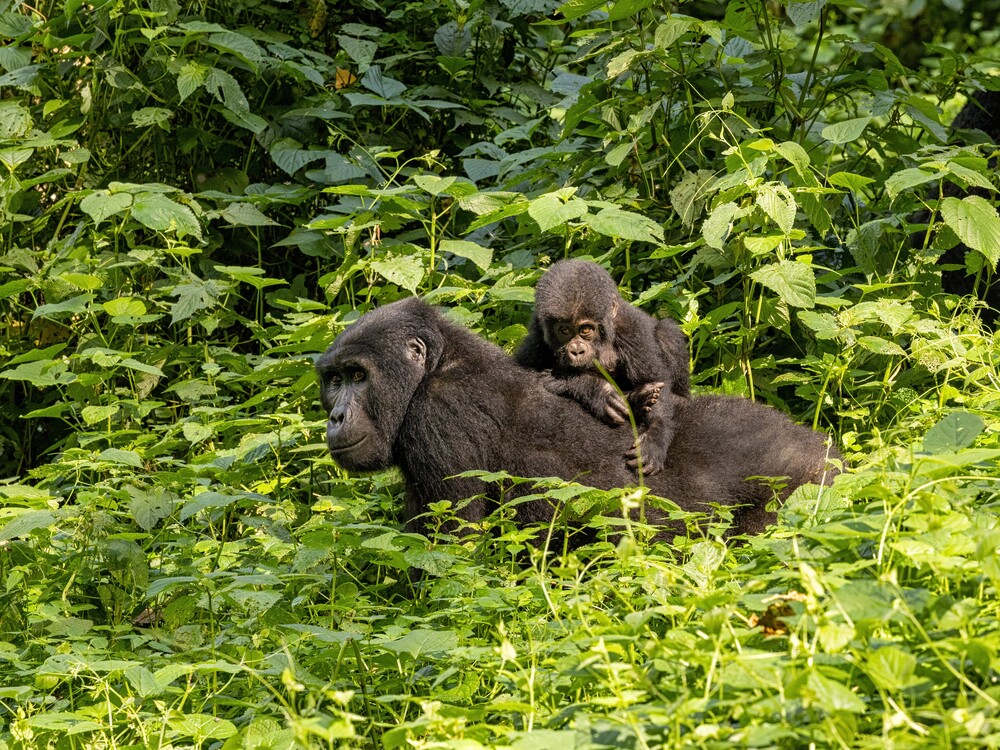
To experience New Gorilla Families Under Habituation, visitors should book with professional operators like NextGEN Safaris. Packages include gorilla permits, expert trackers, guided habituation experiences, accommodations near Bwindi, and transportation from major cities like Kampala or Entebbe.
Guides provide in-depth explanations of silverback leadership, family interactions, infant care, and communication patterns. Observers gain a complete understanding of New Gorilla Families Under Habituation, including how habituation progresses and how families integrate human presence safely.
Booking through NextGEN Safaris ensures ethical, safe, and highly educational experiences. Travelers witness the intelligence, social complexity, and adaptability of gorillas while supporting long-term conservation initiatives in Uganda.
Reserve your adventure today and experience New Gorilla Families Under Habituation, gaining rare insights into the behavior, leadership, and social dynamics of Uganda’s most recently habituated mountain gorilla families.