

Ultimate Guide to Bwindi Forest Weather Conditions: Plan Your Perfect Gorilla Trekking Safari
Understanding Bwindi Forest Weather Conditions
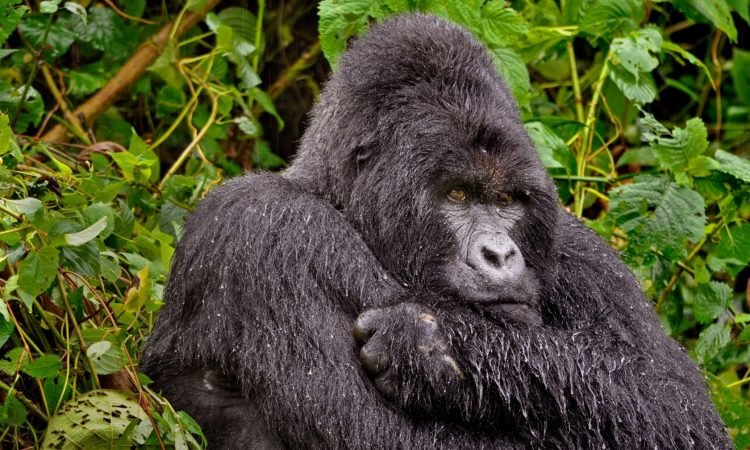
Knowing the Bwindi Forest Weather Conditions is essential for planning a successful gorilla trekking or habituation safari in Bwindi Impenetrable National Park. This high-altitude tropical rainforest is home to some of the world’s rarest mountain gorillas. Its unique microclimate, shaped by elevation, dense vegetation, and equatorial location, creates moderate temperatures, high humidity, and significant rainfall throughout the year. Understanding these conditions ensures travelers can enjoy a safe, comfortable, and fully immersive gorilla experience.
The Bwindi Forest Weather Conditions directly impact trekking trails, forest accessibility, and wildlife observation opportunities. Mountain gorillas adapt well to these conditions, maintaining natural behaviors such as feeding, grooming, resting, and social interactions regardless of rain or humidity. However, for visitors, trail conditions, comfort levels, and photographic opportunities can vary dramatically depending on the weather.
Detailed knowledge of the Bwindi Forest Weather Conditions helps travelers anticipate trail challenges, plan appropriate clothing, and protect equipment, especially cameras and lenses for wildlife photography. By aligning their visit with suitable weather conditions, tourists can maximize both safety and the overall quality of the gorilla trekking experience.
NextGEN Safaris emphasizes that awareness of Bwindi Forest Weather Conditions is critical not only for preparation but also for enhancing the experience. Choosing the right period ensures visitors can spend extended time with gorilla families while fully appreciating the rainforest ecosystem without unnecessary discomfort or safety risks.
Temperature Patterns in Bwindi
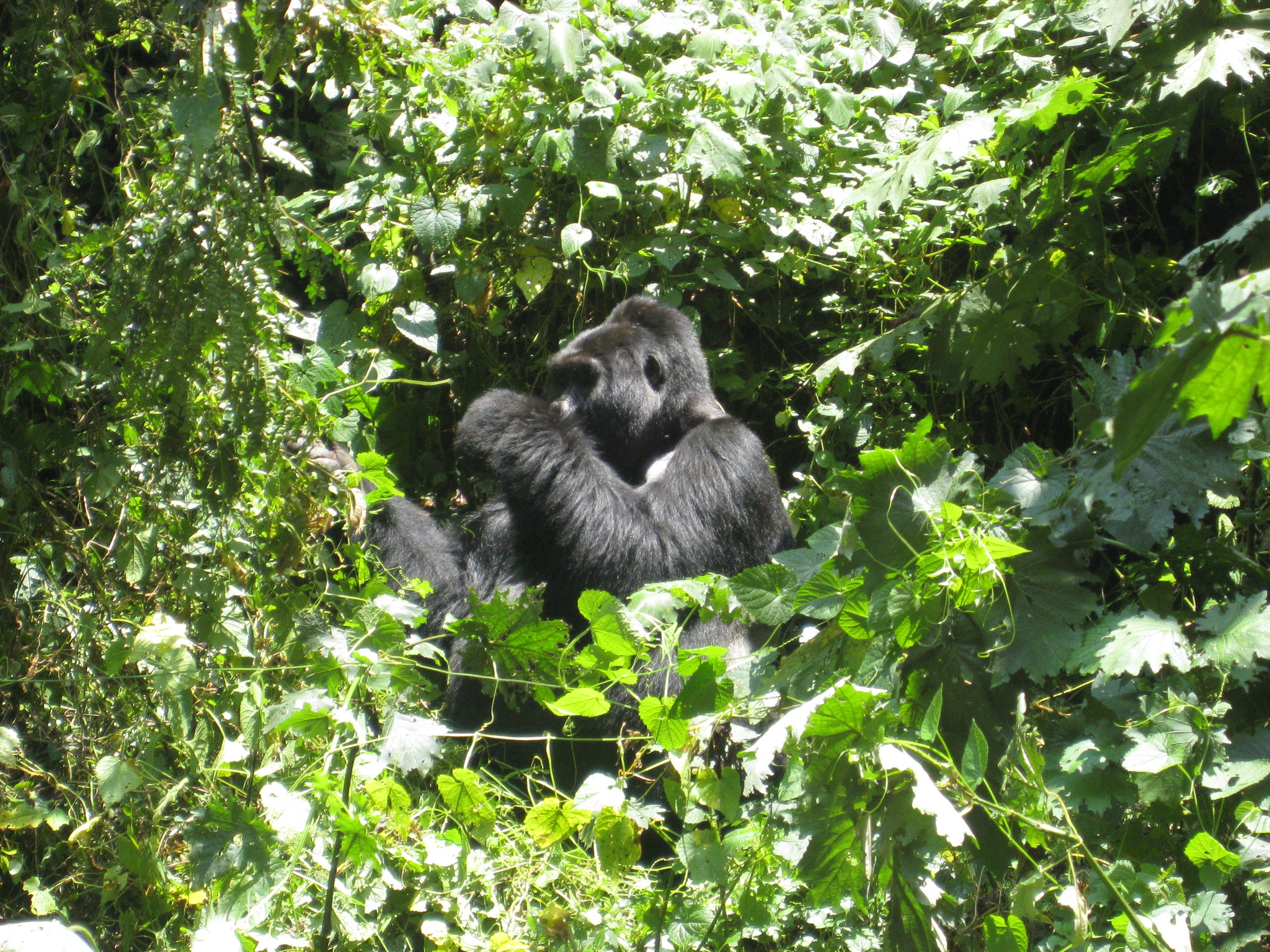
Temperature plays a major role in shaping Bwindi Forest Weather Conditions. The park’s elevation ranges from 1,160 to 2,600 meters, resulting in moderate and comfortable temperatures year-round. Daytime highs generally range from 20°C to 25°C, while early mornings and late evenings can be cooler, particularly in shaded areas or after rainfall.
These moderate temperatures allow gorillas to remain active, feeding, playing, and maintaining family dynamics throughout the year. Observers can experience these behaviors firsthand regardless of the season, though slight differences in activity patterns may be observed depending on temperature fluctuations.
Visitors planning gorilla trekking should prepare for temperature variations by dressing in layers. Breathable clothing for daytime hiking, warm layers for mornings, and waterproof jackets for unexpected rain are recommended.
Understanding Bwindi Forest Weather Conditions ensures visitors are comfortable during extended treks while maintaining the stamina and focus required for safely observing gorilla families in their natural habitat.
Rainfall and Seasonal Variations
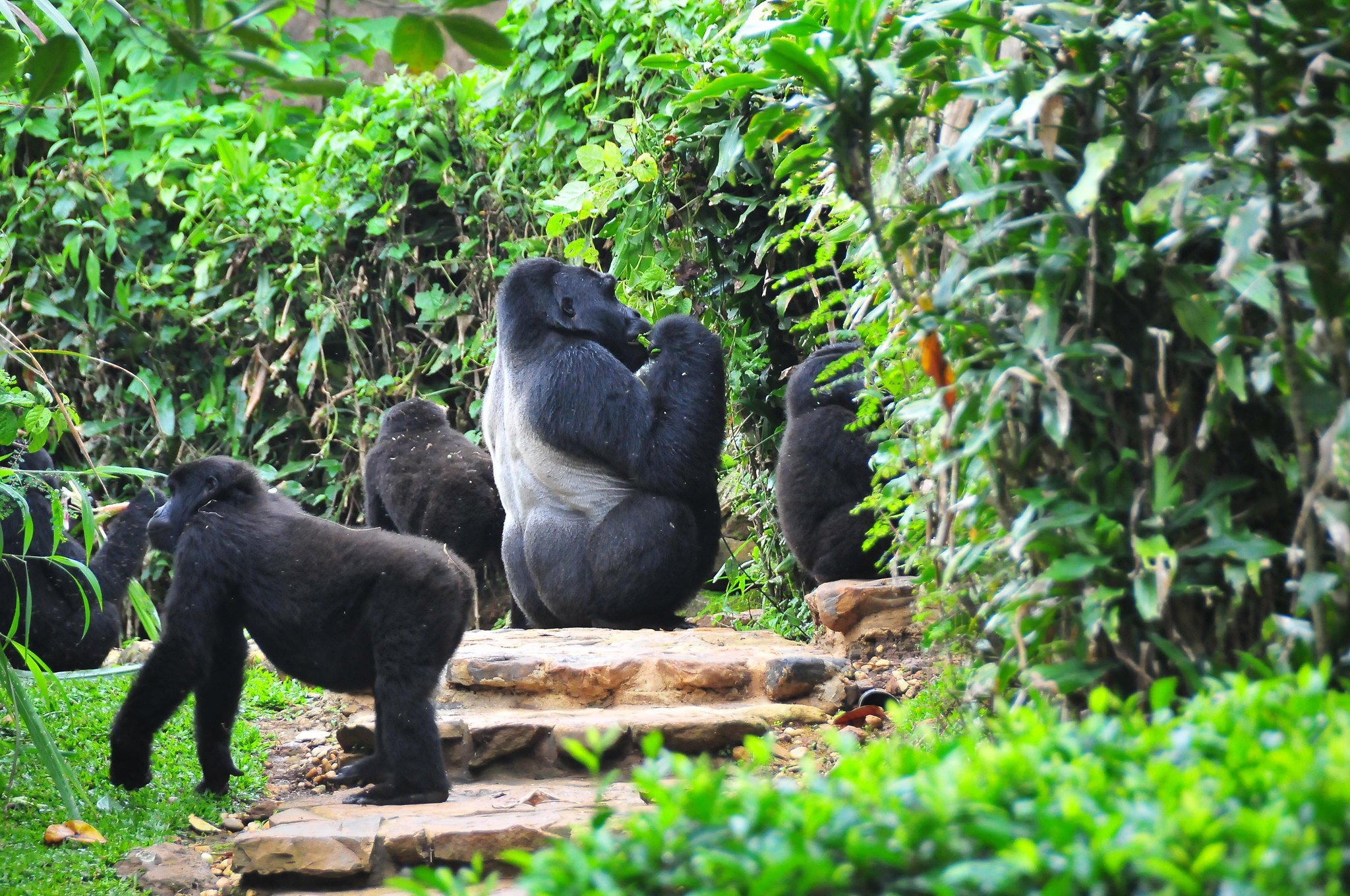
Rainfall is one of the most influential aspects of Bwindi Forest Weather Conditions. The park experiences two main rainy seasons: March to May and October to November. During these periods, trails can become slippery and more difficult to navigate, increasing the physical demands of trekking.
Dry seasons, from June to September and December to February, generally have reduced rainfall, creating easier trekking conditions and more predictable paths. These months are preferred by travelers who prioritize comfort, trail safety, and photography opportunities.
Despite heavy rainfall, habituation and trekking experiences continue. Mountain gorillas are adapted to the rainforest environment and maintain normal behaviors even during rainy periods. Visitors can still observe social interactions, feeding, and family dynamics, though trail navigation may require extra care.
By understanding Bwindi Forest Weather Conditions, travelers can plan trips that align with their preferences for trekking ease, photography, and overall experience, while anticipating the challenges of wetter months.
Humidity and Its Effects
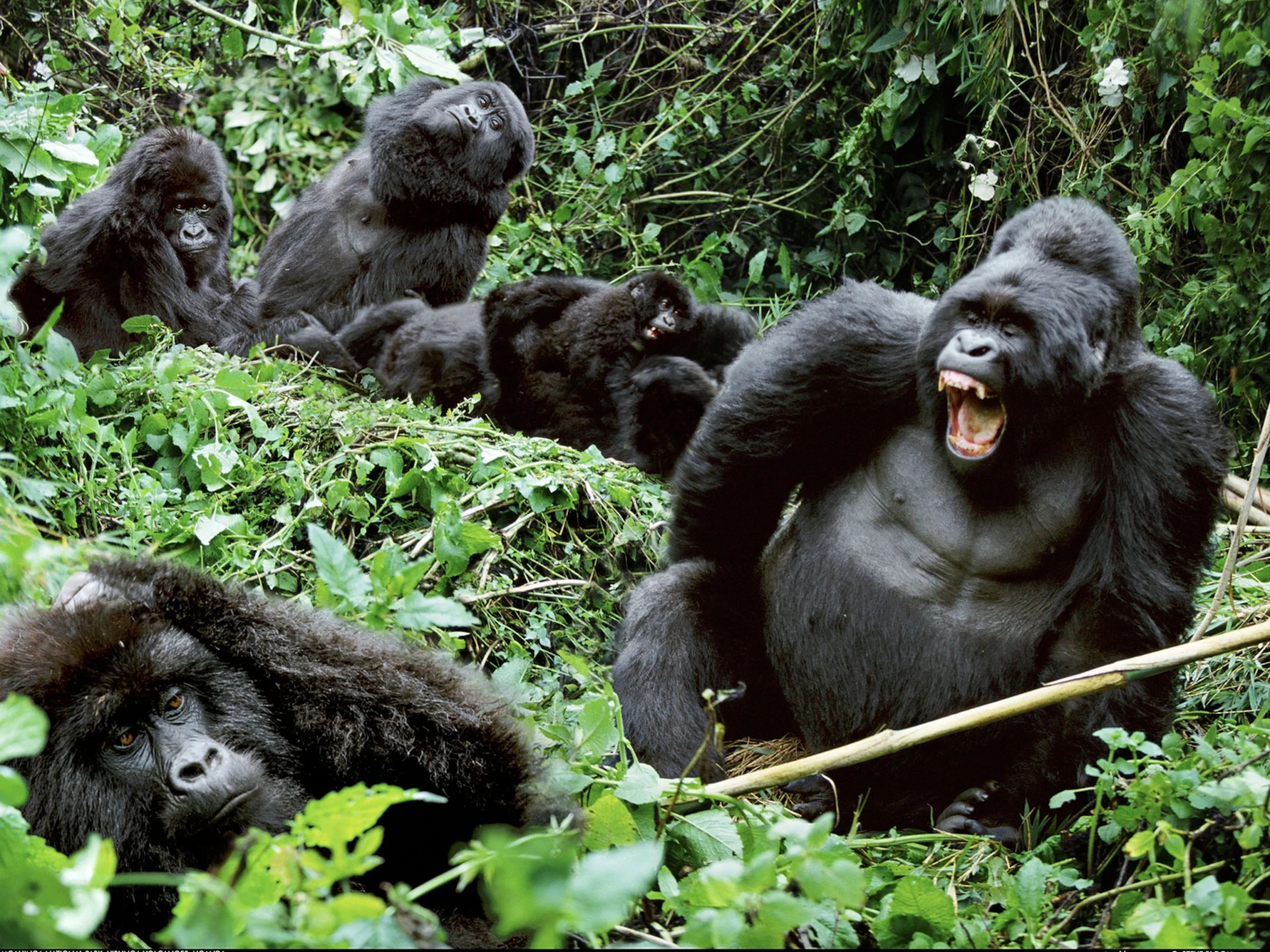
Humidity is another critical factor in Bwindi Forest Weather Conditions. The rainforest maintains high humidity levels year-round, which can influence both visitor comfort and the rainforest ecosystem. High humidity makes trekking more strenuous, increases perspiration, and can affect camera equipment if proper protective measures are not taken.
However, this humidity is vital for maintaining the lush environment that supports gorilla diets and biodiversity. The dense vegetation nourished by humid conditions provides abundant food for gorilla families and creates a visually stunning rainforest backdrop for visitors.
Travelers should prepare for humidity with lightweight, breathable clothing, adequate hydration, and protective gear for electronics and cameras. Understanding Bwindi Forest Weather Conditions helps ensure comfort and safety, allowing visitors to fully enjoy extended habituation experiences with gorilla families.
Daily Weather Patterns
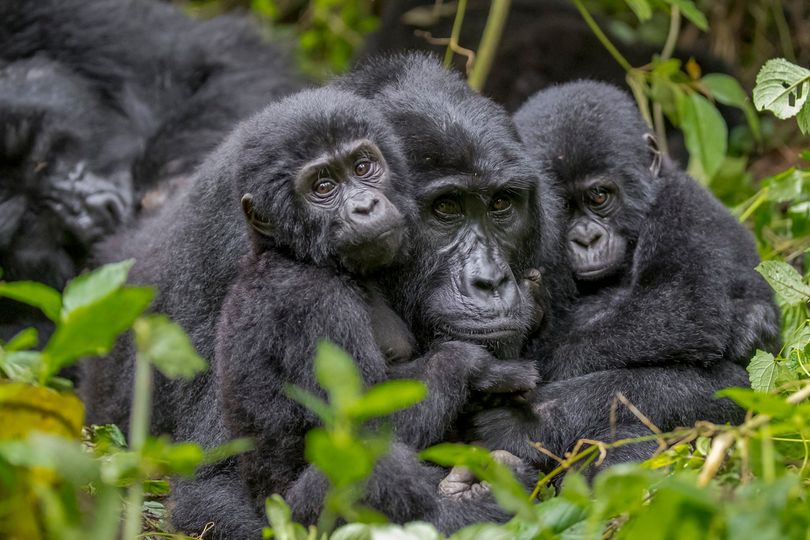
The Bwindi Forest Weather Conditions can vary considerably within a single day. Visitors may experience sunshine, light rain, mist, or overcast skies all within a few hours. Early mornings are typically cooler and misty, offering ideal conditions for photography and observation, while mid-morning to afternoon often sees slightly warmer temperatures and improved visibility.
Afternoon showers are common, particularly during rainy months, but professional guides adjust trekking pace and trail routes to maximize comfort and safety. Being aware of daily weather variations allows visitors to plan clothing, hydration, and camera settings appropriately.
Understanding Bwindi Forest Weather Conditions in detail ensures travelers can anticipate gorilla activity, optimize observation times, and position themselves strategically for the best photographic and wildlife viewing experiences.
How Climate Influences Gorilla Behavior
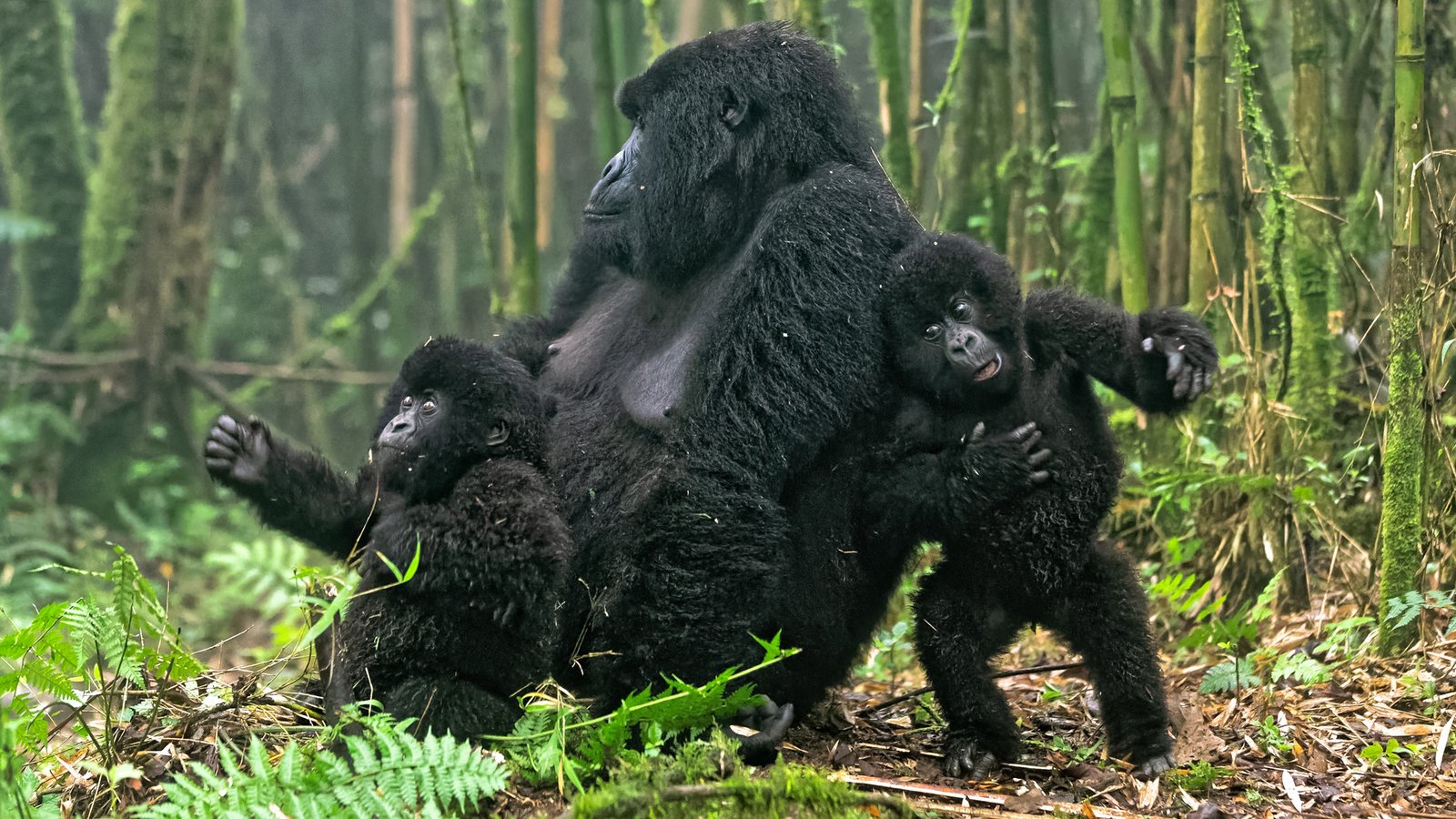
The Bwindi Forest Weather Conditions influence gorilla activity patterns and movement subtly. During dry periods, gorilla groups may move farther to find food, while during rainier months, they may spend more time resting under thick vegetation or in sheltered areas.
For visitors, observing gorilla behavior under varying Bwindi Forest Weather Conditions provides insights into their adaptability, social structure, and daily routines. Silverbacks continue to lead, mothers care for infants, and juveniles play, but subtle changes in movement and interactions may be observed depending on climate conditions.
Photographers and wildlife enthusiasts benefit from understanding these patterns, as they can anticipate when gorillas are most active, when to capture feeding behaviors, and when social interactions are likely to occur.
Planning Your Trip According to Weather
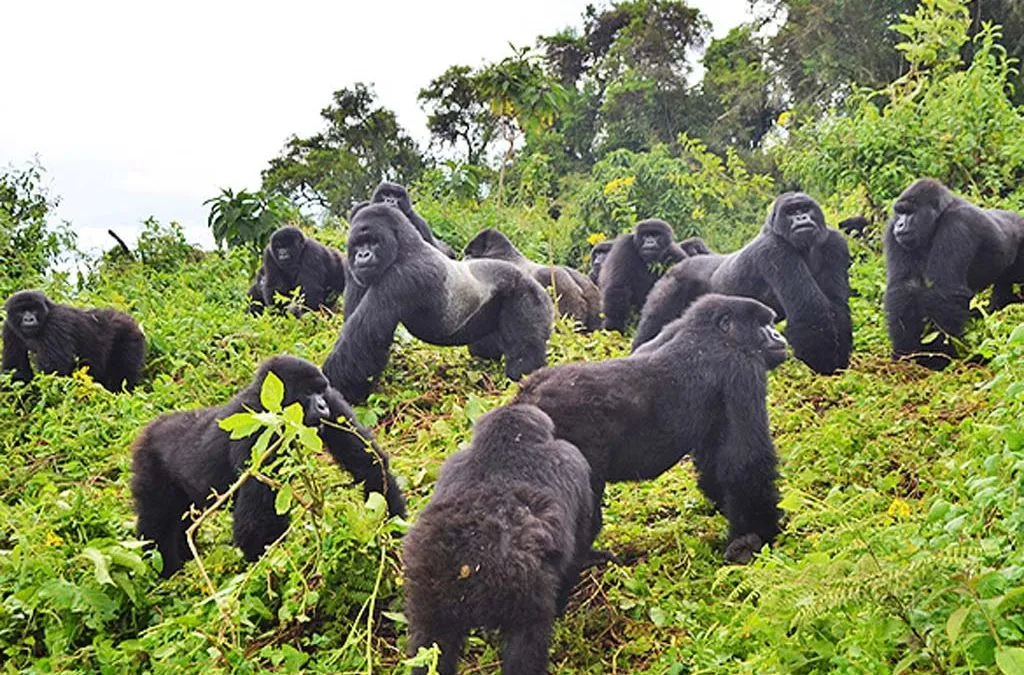
Aligning a visit with Bwindi Forest Weather Conditions ensures optimal comfort, safety, and photography opportunities. Dry months offer stable trails and predictable conditions, while rainy months provide lush scenery, fewer crowds, and a more immersive rainforest experience.
Planning around these conditions also ensures that permits, accommodations, transportation, and guided treks are coordinated effectively. Proper timing minimizes risks related to trail safety, visibility, and physical exertion, while maximizing the quality of gorilla habituation experiences.
Visitors who consider Bwindi Forest Weather Conditions when scheduling their trips can enjoy extended time with gorilla families, safe and efficient trekking, and the opportunity to capture breathtaking wildlife and rainforest photographs.
Frequently Asked Questions About Bwindi Forest Weather Conditions.
1. What are the typical Bwindi Forest Weather Conditions?
The Bwindi Forest Weather Conditions are influenced by the park’s high-altitude tropical rainforest environment, which results in consistently moderate temperatures, high humidity, and significant rainfall throughout the year. Daytime temperatures usually range between 20°C and 25°C, while early mornings and evenings can feel cooler, especially in shaded areas or at higher altitudes.
These weather conditions play a crucial role in the behavior and activity of mountain gorillas. Despite rainfall and humidity, gorillas remain active, feeding, grooming, and interacting socially, allowing visitors to observe authentic behaviors throughout the year. Understanding these conditions helps visitors anticipate the forest’s challenges and plan their clothing, gear, and hiking strategies.
For photographers and wildlife enthusiasts, knowing the Bwindi Forest Weather Conditions ensures that they are prepared for variations in lighting, fog, and mist, which can enhance the quality of images captured during extended habituation or trekking experiences. By anticipating the climate, travelers can optimize comfort, safety, and wildlife observation during their visit.
2. When are the dry months for gorilla trekking in Bwindi?
The main dry periods in Bwindi are from June to September and December to February. During these months, the Bwindi Forest Weather Conditions generally provide stable trekking paths with less mud and easier access to habituation sectors, making it more comfortable for visitors, especially those carrying cameras or traveling with children.
Dry months are ideal for observing gorillas over longer periods because trails are easier to navigate, reducing the physical effort required to reach habituated families. These conditions also improve visibility for photography, allowing travelers to capture clear and detailed images of silverbacks, infants, juveniles, and family interactions in the rainforest.
Additionally, the dry months are popular for tourism, which means more guides and staff are available to support trekking and habituation experiences. While this increases visitor traffic, careful planning ensures that travelers can still enjoy immersive wildlife experiences under favorable Bwindi Forest Weather Conditions.
3. When are the rainy months in Bwindi?
The rainy periods in Bwindi usually occur from March to May and October to November. During these months, Bwindi Forest Weather Conditions include heavier rainfall, increased humidity, and denser vegetation, which can make trekking trails slippery and more physically demanding. Travelers should be prepared for challenging conditions and carry appropriate gear, such as waterproof boots, rain jackets, and trekking poles.
Despite the challenges, rainy months provide unique opportunities for visitors. The forest is at its greenest and most vibrant, creating dramatic scenery and misty backgrounds for photography. Additionally, fewer tourists visit during this time, offering a quieter and more intimate habituation experience with gorilla families.
Understanding the Bwindi Forest Weather Conditions during rainy months allows visitors to plan trekking routes, hydration, and safety measures while appreciating the rainforest’s natural beauty. Photographers may find these months ideal for capturing artistic and atmospheric images, even if trekking is more strenuous.
4. How does rain affect trekking and safety?
Rain significantly impacts the Bwindi Forest Weather Conditions, affecting trail difficulty, visitor safety, and overall trekking experience. Muddy and slippery trails can increase the risk of falls and make navigation more physically demanding, especially on steep slopes and uneven paths. Visitors must wear waterproof boots, carry walking sticks, and follow guide instructions to maintain safety.
Rain can also affect photography and wildlife observation. Heavy showers may reduce visibility, dampen lighting, and require protective covers for cameras and equipment. However, rain enhances the rainforest’s vibrancy and can create dramatic backdrops that highlight gorilla interactions in their natural environment.
Guides are trained to adapt trekking pace and routes according to the Bwindi Forest Weather Conditions, ensuring both visitor safety and minimal disturbance to gorilla families. Understanding these effects helps travelers prepare mentally and physically for the forest experience.
5. Do gorillas behave differently in wet or dry conditions?
Mountain gorillas continue their normal daily activities regardless of Bwindi Forest Weather Conditions, including feeding, resting, grooming, and social interactions. During dry months, gorilla groups may cover slightly longer distances in search of fresh vegetation, making tracking easier but sometimes requiring more hiking effort.
In rainy periods, gorillas may briefly shelter under thick vegetation, move slower, or adjust their feeding locations. These subtle differences in behavior provide visitors with unique insights into gorilla ecology, social structures, and adaptability.
For observers and photographers, understanding the impact of Bwindi Forest Weather Conditions on gorilla activity helps plan the best times for extended observation and ensures that visitors capture meaningful moments, whether it’s playful juvenile interactions, maternal care, or silverback displays.
6. How does humidity affect trekking comfort?
Humidity is consistently high in Bwindi, forming an integral part of the Bwindi Forest Weather Conditions. High humidity can make physical activity more tiring, cause increased perspiration, and create discomfort for visitors unaccustomed to tropical rainforest conditions.
Despite these challenges, humidity supports lush vegetation, providing abundant food for gorilla families and creating the dense, vibrant rainforest that visitors admire. For trekking and photography, visitors must prepare with breathable clothing, hydration, and equipment protection to remain comfortable during long periods in the forest.
Understanding the role of Bwindi Forest Weather Conditions in shaping humidity levels helps travelers plan for clothing layers, protective gear, and pacing during treks, ensuring a safe and enjoyable habituation experience.
7. How does daily weather variation affect gorilla observation?
The Bwindi Forest Weather Conditions can change dramatically within a single day. Early mornings are typically cool and misty, providing excellent photographic and observation opportunities, while mid-morning to afternoon periods are warmer with increased visibility. Afternoon showers are common, particularly during rainy months, and may briefly alter gorilla activity patterns.
By understanding these daily variations, visitors can plan trekking schedules, photography sessions, and observation periods to maximize the chances of witnessing feeding, resting, and social interactions among gorilla families. Guides provide real-time advice based on weather shifts, ensuring visitor safety and wildlife welfare.
Daily weather knowledge allows travelers to anticipate gorilla activity patterns, including when groups are most active, when they rest, and how they navigate forest trails, maximizing the quality of their habituation experience.
8. Are there months to avoid for safety reasons?
Travelers should consider avoiding periods of extremely heavy rainfall when Bwindi Forest Weather Conditions make trails slippery and forest navigation challenging. These months increase the risk of fatigue, falls, and difficulty managing equipment or observing gorilla families for extended periods.
Although habituation experiences continue year-round, extreme weather conditions may reduce comfort and accessibility. Visitors who prioritize safe trekking, stable trails, and optimal photography often plan trips during drier periods.
By recognizing these periods to avoid, travelers can ensure that their gorilla trekking experience is safe, comfortable, and fully immersive, while still capturing meaningful observations of mountain gorilla behavior.
9. Can habituation and photography still be done during rainy months?
Yes, habituation and photography remain possible despite wetter Bwindi Forest Weather Conditions. Rainy months produce lush, vibrant rainforest scenery, misty forest backgrounds, and a more peaceful atmosphere with fewer visitors.
Photographers may find rainy periods ideal for capturing dramatic, artistic images of gorilla families in a natural and dynamic environment. While trails may be muddy and humid, proper preparation, waterproof gear, and guidance ensure a safe and rewarding experience.
Understanding how Bwindi Forest Weather Conditions influence both gorilla behavior and trail conditions allows photographers to anticipate the best moments for capturing feeding, social interaction, or playful juvenile behaviors.
10. How do temperature changes affect gorilla activity?
Temperature fluctuations within the Bwindi Forest Weather Conditions subtly influence gorilla behavior. Cooler mornings and evenings may encourage resting or grooming, while warmer daytime periods promote foraging and active movement through the forest.
Observers who plan according to temperature trends can anticipate periods of high activity for photography and behavioral observation. Extended habituation sessions allow visitors to experience these variations firsthand.
Being aware of temperature-related impacts on gorilla behavior ensures that visitors can maximize observation quality and fully understand how these primates adapt to their rainforest environment.
11. How should visitors prepare for humid rainforest conditions?
Visitors should consider Bwindi Forest Weather Conditions when packing clothing and gear. Breathable layers, rainproof jackets, waterproof boots, gloves, and insect repellent are essential. Camera equipment should be protected from moisture and humidity.
Proper preparation ensures that extended treks in the forest are comfortable and safe, allowing visitors to focus on observing gorilla behavior, family dynamics, and social interactions.
Knowledge of Bwindi Forest Weather Conditions helps travelers anticipate potential challenges and plan hydration, nutrition, and pacing for long trekking days in the rainforest.
12. Are there advantages to visiting during rainy months?
Yes, rainy Bwindi Forest Weather Conditions offer several benefits. Fewer tourists allow more private encounters with gorilla families, and the rainforest is at its greenest, providing stunning photographic opportunities.
Mist and soft light during rain enhance the visual appeal of images, and visitors can capture dramatic wildlife scenes, such as gorillas feeding in dense foliage or juveniles playing in misty surroundings.
Although hiking can be more challenging, planning for rainy Bwindi Forest Weather Conditions allows visitors to experience a quieter, more immersive habituation adventure.
13. How does rainfall impact trail difficulty?
Heavy rain increases mud and slipperiness, making trekking physically demanding. Understanding Bwindi Forest Weather Conditions allows visitors to choose appropriate footwear, walking sticks, and route strategies.
During dry months, trails are more stable and easier to navigate, reducing fatigue and the risk of injury. These conditions are preferred by travelers seeking comfort or extended observation periods.
Even during rainy periods, experienced guides ensure safe navigation while still providing opportunities to observe gorilla behavior and capture unique photographs.
14. Are dry months better for first-time trekkers?
Yes. Dry Bwindi Forest Weather Conditions provide safer and more predictable trails, making them ideal for first-time visitors. These periods allow travelers to focus on observing gorilla families, understanding social interactions, and enjoying extended habituation experiences.
Even novice trekkers benefit from guides who are familiar with seasonal trail challenges and can provide assistance when necessary.
Properly timed visits based on Bwindi Forest Weather Conditions ensure that first-time trekkers have a comfortable, safe, and memorable experience.
15. How does climate influence gorilla feeding patterns?
Gorillas adjust their movement and feeding based on forest conditions. During dry periods, they may range further to find fresh foliage, while rainy Bwindi Forest Weather Conditions allow them to feed in more concentrated areas.
Visitors observing these behaviors gain insights into gorilla ecology and adaptability.
Understanding these patterns helps photographers and enthusiasts anticipate where gorilla families are likely to be active and capture feeding or social interactions effectively.
16. Can guides help visitors navigate challenging weather?
Yes. Experienced NextGEN Safaris guides are trained to manage trekking under all Bwindi Forest Weather Conditions. They adjust pace, select optimal trails, and provide safety instructions to ensure both visitor security and minimal disturbance to gorilla families.
Guides also provide expert insights into gorilla behavior, helping visitors understand the impact of climate on activity patterns.
By relying on guides, visitors can confidently navigate challenging forest conditions and enjoy a safe, immersive habituation experience.
17. How do temperature and humidity affect photography?
Temperature and humidity, key aspects of Bwindi Forest Weather Conditions, influence lighting, camera lens fogging, and stability on muddy trails.
Photographers should plan equipment and camera protection accordingly, bringing lens cloths, waterproof bags, and extra batteries.
Understanding climate effects ensures higher-quality images and safer movement while capturing intimate gorilla behaviors.
18. Are there months to avoid for safety reasons?
Yes. Periods of heavy rainfall, high humidity, or extreme trail slipperiness may be less suitable for trekking. These months are included in considerations for Bwindi Forest Weather Conditions to ensure visitors choose safer periods.
Travelers can still observe gorillas, but extra preparation is necessary for physical safety and comfort.
Professional guidance ensures visitors avoid risky periods while maximizing their habituation experience.
19. How do climate conditions affect habituation duration?
Bwindi Forest Weather Conditions influence the length and ease of habituation treks. Dry months typically allow for uninterrupted observation of gorilla families, while rainy conditions may require shorter or more cautious treks.
Guides adjust time spent with gorilla families based on weather to balance visitor safety and the well-being of the gorillas.
Being aware of climate effects ensures that visitors can plan sufficient time for observation, photography, and enjoying the rainforest environment.
20. How do I book a gorilla trekking safari according to climate?
Booking with NextGEN Safaris ensures your trip is aligned with optimal Bwindi Forest Weather Conditions. Our team helps select the best months based on rainfall, temperature, and humidity, coordinates habituation permits, arranges lodging, transportation, and provides expert guides familiar with seasonal challenges.
This ensures visitors experience safe, comfortable, and rewarding habituation treks while fully enjoying mountain gorilla observation and photography opportunities.
By planning around Bwindi Forest Weather Conditions, visitors gain the most out of their safari, with enhanced safety, comfort, and wildlife engagement.
Booking Your Gorilla Trekking Safari
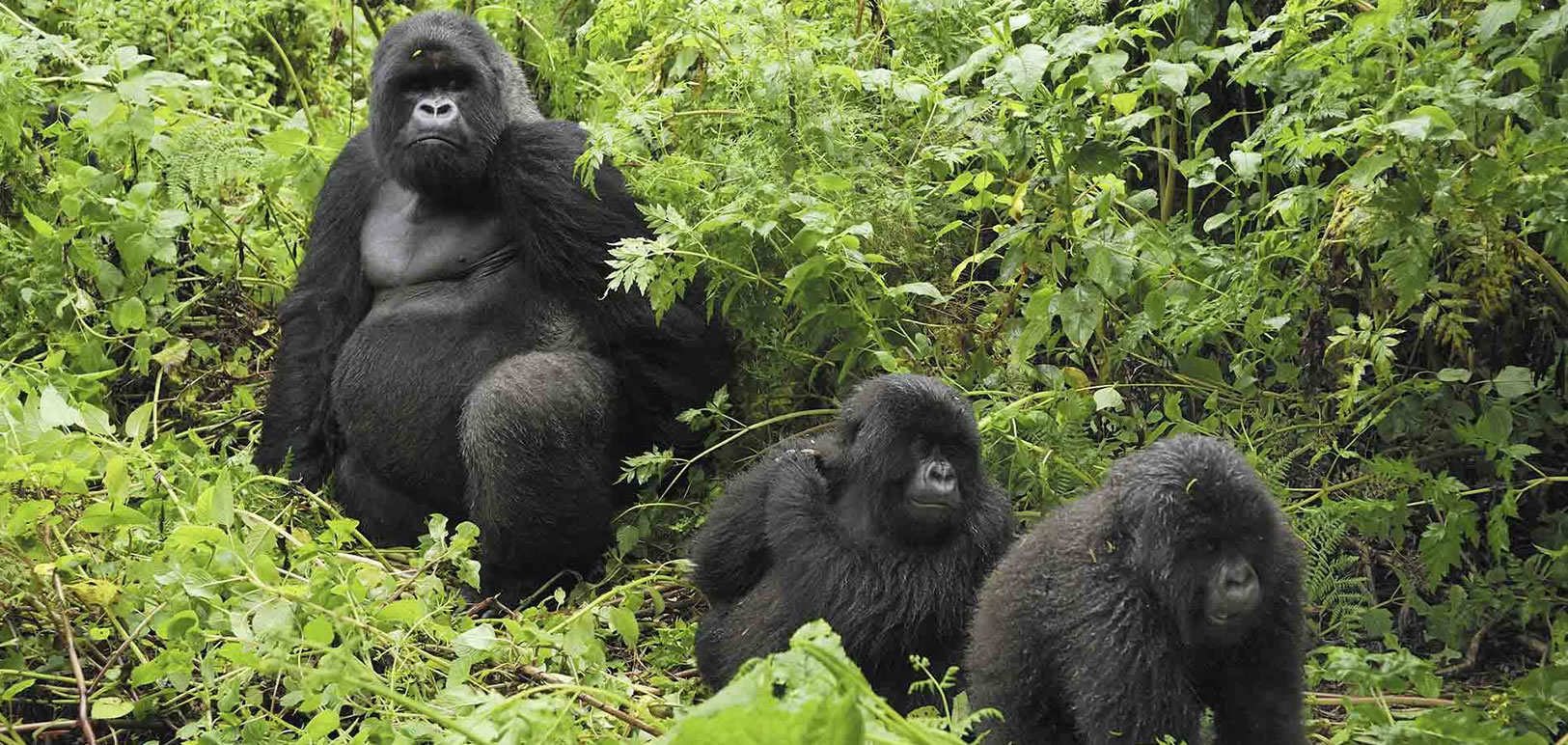
Booking a gorilla trekking safari with NextGEN Safaris ensures that Bwindi Forest Weather Conditions are carefully considered in planning. Our team guides visitors on the optimal months to visit, provides advice on clothing, gear, and photography preparation, and handles all logistics.
NextGEN Safaris arranges habituation permits, comfortable accommodation near Bwindi, reliable transportation, and experienced guides who understand forest and weather conditions. Guides also provide in-depth explanations of gorilla behavior, family dynamics, and conservation, making the experience educational as well as memorable.
Customized itineraries account for weather variations, ensuring travelers experience a safe, comfortable, and unforgettable encounter with mountain gorillas regardless of the season. Advanced planning allows visitors to enjoy ethical wildlife observation while maximizing opportunities for photography, comfort, and immersion in the rainforest.
Contact NextGEN Safaris today to plan your gorilla trekking safari optimized for Bwindi Forest Weather Conditions, ensuring the safest, most rewarding experience in Uganda’s iconic rainforest.