

What Is the Difference Between Gorilla Habituation and Gorilla Trekking?
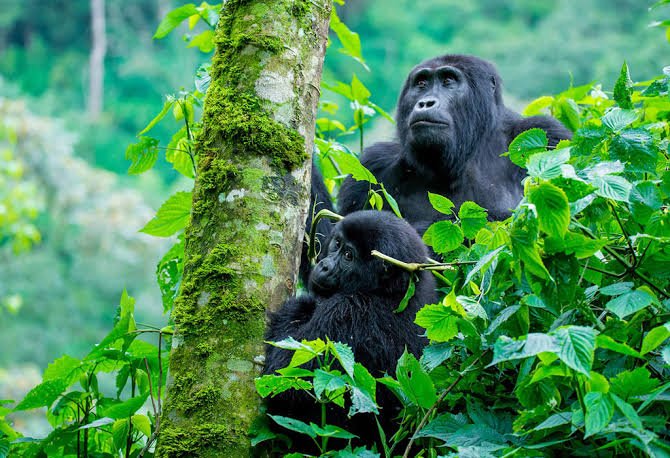
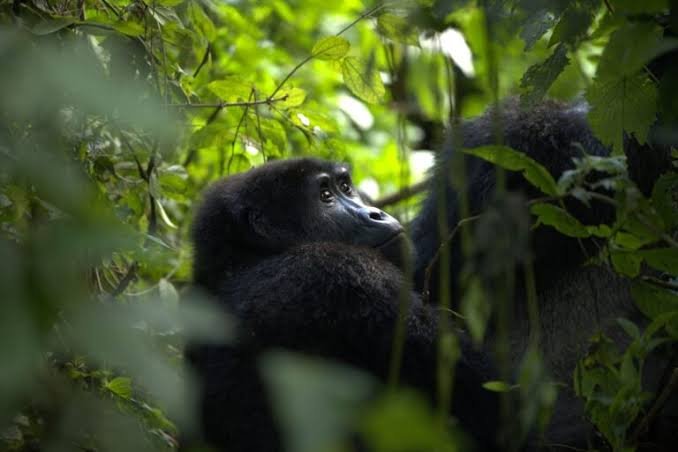
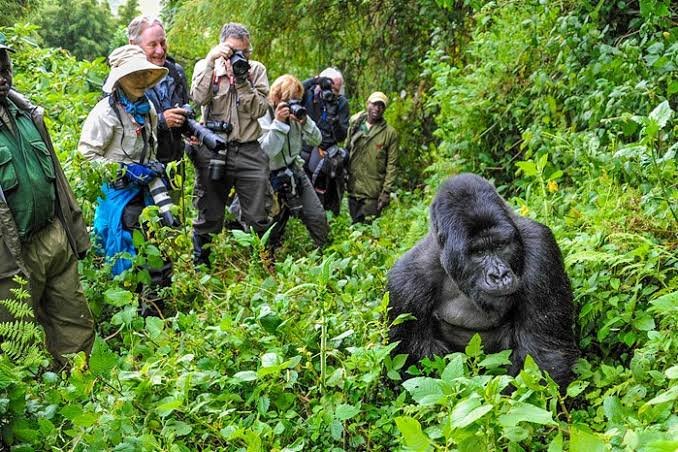
Gorilla Habituation vs Trekking in Uganda mainly differs in the amount of time you spend with the gorillas, the stage of habituation of the family you visit, the conservation purpose of the activity and the overall style of the experience. During Gorilla Habituation, you can spend a maximum of four hours observing a mountain gorilla family that is still becoming accustomed to controlled human presence, while standard gorilla trekking normally allows a maximum of one hour with a fully habituated gorilla family after you reach it. Gorilla Habituation also places you closer to the work of researchers and habituators, giving the experience a stronger conservation and behavioural focus, while standard trekking is more concentrated around the final gorilla encounter. Both experiences take place in the natural forest habitat of wild mountain gorillas, but they offer very different levels of time, depth and involvement.
Both experiences take place in the natural habitat of wild mountain gorillas, and both involve walking through forest terrain with Uganda Wildlife Authority professionals until the assigned gorilla family is found. However, Gorilla Habituation is designed as a more extended and conservation-oriented experience. Instead of entering the forest mainly to reach an already habituated family for a one-hour viewing period, you accompany professionals who are monitoring a family undergoing the habituation process. This gives you additional time to watch behaviour, understand family relationships, observe how the gorillas react to controlled human presence and appreciate the conservation work required before a gorilla family becomes suitable for routine tourism. Gorilla trekking remains an extraordinary experience, but its structure is more focused on the encounter itself, while habituation allows more time for observation and interpretation.
The Main Difference Between Gorilla Habituation and Gorilla Trekking
The easiest way to understand the difference is to consider what stage the gorilla family has reached in its relationship with carefully managed human observers. A family visited during normal gorilla trekking has already undergone the habituation process and is considered sufficiently accustomed to controlled human presence for regular tourism visits. This does not mean that the animals are tame. They remain wild mountain gorillas living naturally in the forest, but repeated exposure to researchers, trackers and carefully managed visitors has reduced their fear of people enough for one-hour tourism encounters to occur under strict rules.
During Gorilla Habituation, you are visiting a family that is still involved in that gradual familiarisation process. Uganda Wildlife Authority describes the experience as allowing visitors to accompany researchers and habituators into the forest to participate in the process of habituating gorillas to human presence. The difference is important because the behaviour you observe may not be exactly the same as that of a family that has already received visitors for many years. Some individuals may be more cautious, the professionals may spend more time interpreting reactions and the entire encounter can feel more like joining an active conservation process than attending a conventional wildlife excursion.
Neither experience involves training, domesticating or feeding gorillas so that they perform for visitors. Habituation is a long conservation process in which gorillas gradually become familiar with non-threatening human observers while continuing to live completely wild lives. They decide where to move, what to eat, when to rest and how to interact with one another. Human observers adapt to the gorillas rather than controlling them.
Gorilla Habituation Gives You Four Hours Instead of One
Viewing time is probably the most noticeable difference for travellers. Uganda Wildlife Authority‘s management guidelines state that normal gorilla tracking allows a maximum of one hour with the gorillas after visitors reach them, while the Gorilla Habituation Experience allows a maximum of four hours. UWA also distinguishes viewing time from tracking time. Viewing time begins when you actually reach the gorillas, while tracking time covers the entire experience from immediately after briefing until you return for debriefing.
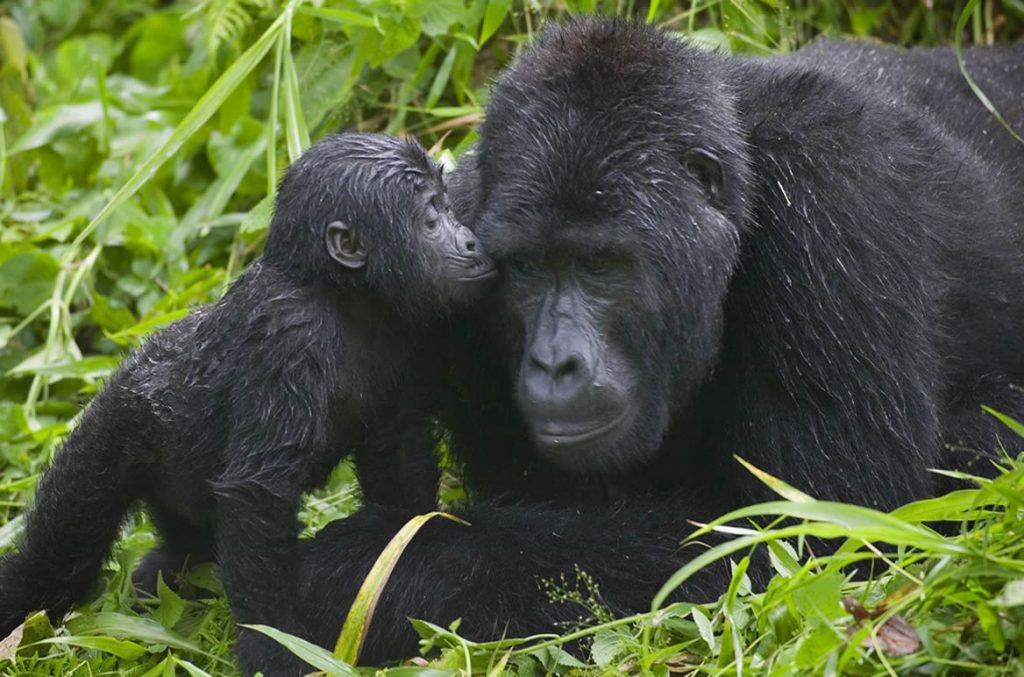
This means that the time spent hiking through the forest before locating the gorillas does not normally reduce your one-hour or four-hour viewing allowance. If you spend two hours searching for the family, your official viewing period begins once the encounter occurs. The complete activity can therefore be considerably longer than the permitted viewing time.
The difference between one hour and four hours changes much more than the amount of time you spend looking at gorillas. During a normal trek, the first few minutes can disappear quickly as you absorb the excitement of seeing a mountain gorilla for the first time, adjust your camera and understand where different members of the family are positioned. Before you realise how quickly time is moving, a significant part of your hour may already have passed.
With four hours, there is far less pressure to experience everything immediately. You can watch the family settle, change feeding locations, rest, move through vegetation and interact over a much longer period. The additional time allows the experience to develop naturally instead of feeling like one concentrated wildlife encounter.
Gorilla Habituation Starts Earlier in the Morning
The official schedule also differs. Uganda Wildlife Authority states that standard gorilla tracking begins from around 8:00 a.m. and continues until visitors return to the briefing location for debriefing. The Gorilla Habituation Experience begins from around 6:30 a.m. and likewise continues until visitors return.
The earlier departure reflects the longer and more involved nature of Gorilla Habituation. Starting early gives the professional team enough time to locate the family, complete the extended viewing period and manage the return through the forest without compressing the activity into an unrealistic schedule.
For travellers, this means Gorilla Habituation usually requires an earlier breakfast and a more carefully planned previous evening. You should normally sleep near the correct Bwindi activity area so that you can reach the briefing point comfortably before the early start. Standard trekking also requires staying reasonably close to the correct entry point, but the later starting time provides slightly more flexibility in the morning.
The earlier beginning contributes to the immersive character of habituation. You enter Bwindi when the forest is still cool and often misty, and you may spend most of the day inside the park before returning to your lodge.
The Purpose of Gorilla Habituation Is More Conservation Focused
Standard gorilla trekking is a regulated tourism activity built around visiting a family that has already completed sufficient habituation for routine tourism. The conservation benefits are still substantial because permit revenue supports protected-area management, wildlife monitoring and surrounding communities, but the visitor experience itself is primarily about locating and observing the gorillas.
Gorilla Habituation places you closer to the process that makes standard gorilla tourism possible. You are accompanying people whose work includes monitoring a family and helping it gradually become accustomed to carefully controlled human presence. This creates a stronger research and conservation dimension.
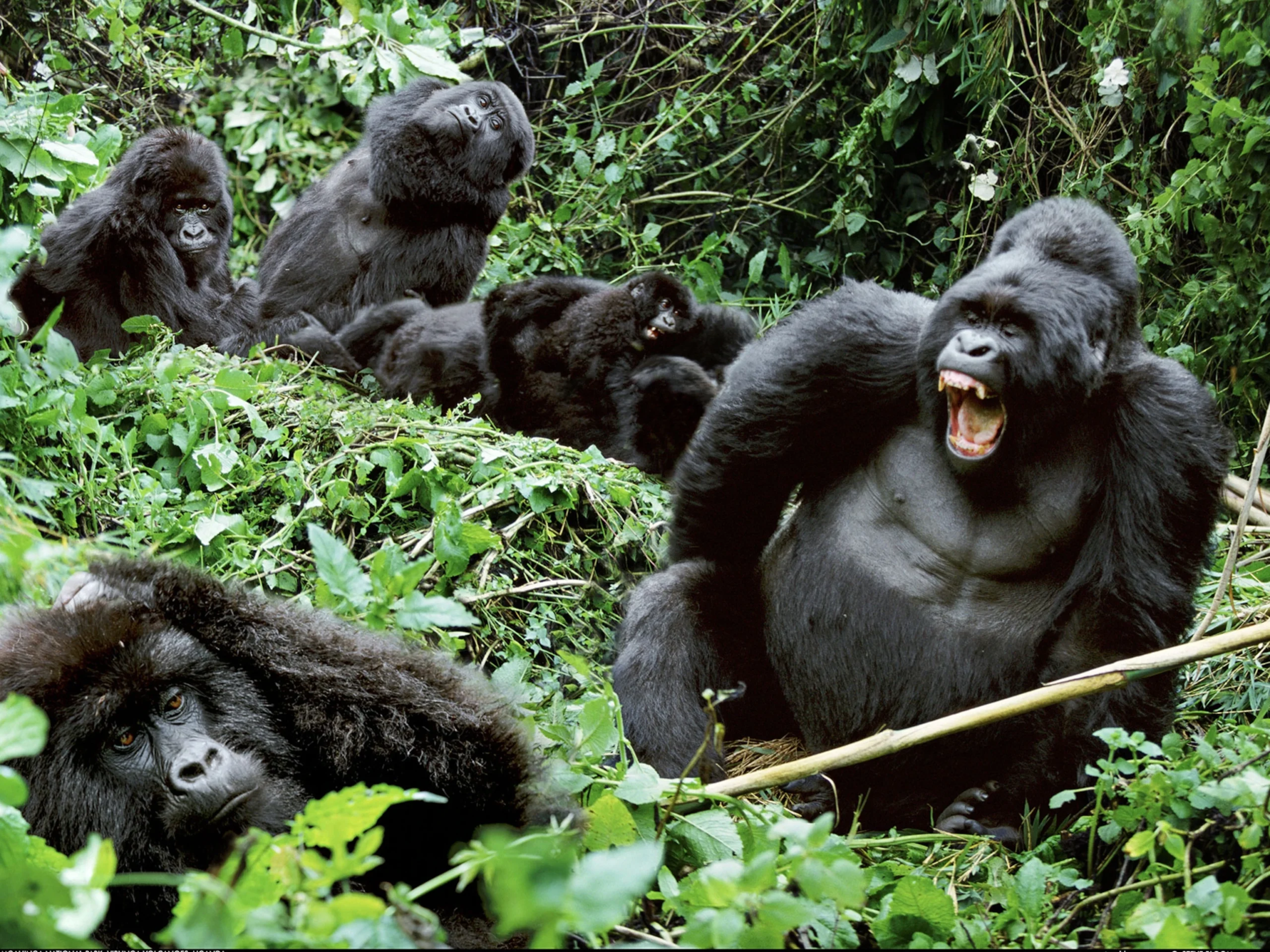
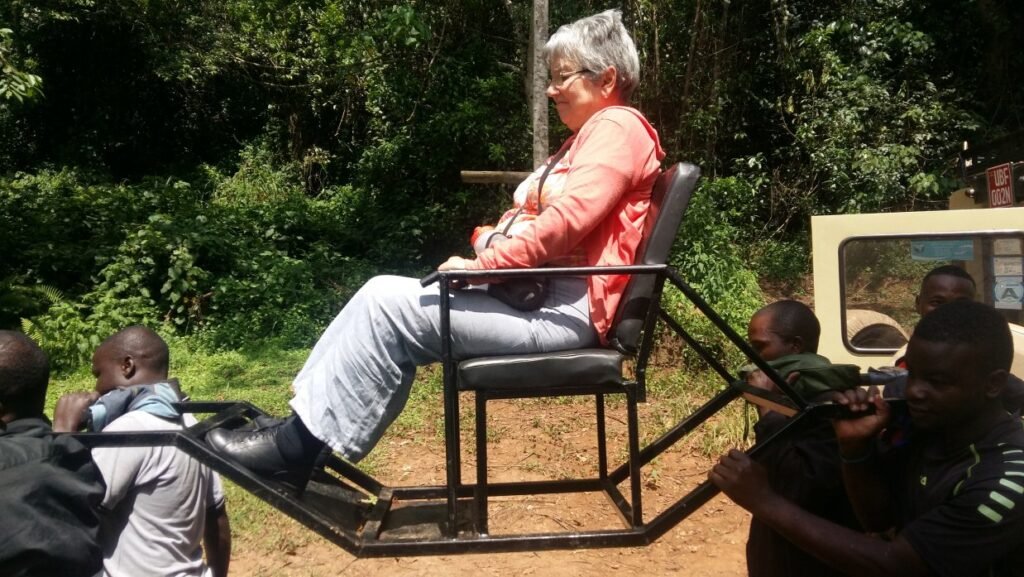
The difference becomes apparent when professionals explain how individuals respond to people, how families are monitored and why patience is essential during the habituation process. You begin to understand that routine gorilla trekking does not simply happen because gorillas naturally allow groups of tourists to sit nearby. Years of careful fieldwork, monitoring and conservation management are required before responsible tourism becomes possible.
For travellers who are deeply interested in primate behaviour or conservation, this context can make Gorilla Habituation considerably more meaningful than simply receiving three additional hours of viewing.
The Gorilla Families Are at Different Stages of Habituation
During standard gorilla trekking, the family assigned to you has already reached the level of habituation required for regular tourism visits. The animals recognise controlled human presence as something familiar within their environment, although they remain wild and unpredictable.
During Gorilla Habituation, the family is still moving through that gradual familiarisation process. This can make the encounter feel less predictable and potentially more educational because you are observing the relationship between gorillas and professional human observers while that relationship is still developing.
The exact behaviour varies between families and individuals. One gorilla may remain calm while another keeps greater distance. A younger animal may appear curious while an adult female with an infant may be more cautious. The silverback’s behaviour is particularly important because he plays a major role in determining the stability and movement of the family.
Researchers and habituators observe these reactions over time. Their objective is not to make the gorillas friendly toward humans but to reduce excessive fear and stress so that carefully regulated observation can eventually occur without disrupting the family’s natural life.
Gorilla Habituation Involves Researchers and Habituators More Directly
Another major difference is the professional context surrounding the experience. A normal gorilla trek is primarily led by UWA guides and trackers who help visitors locate an assigned habituated family and manage the one-hour viewing period.
Gorilla Habituation is specifically described by Uganda Wildlife Authority as an experience in which visitors accompany researchers and habituators. Their presence is not simply an added attraction. These professionals are part of the ongoing work of understanding and gradually familiarising the gorilla family with controlled human presence.
You therefore have more opportunity to learn why individual gorillas behave in particular ways, how families are identified, how researchers recognise different animals and what signs may indicate comfort, curiosity or concern.
This does not mean every minute becomes a formal scientific lesson. Much of the experience still involves quietly watching the gorillas. However, having more time and being closer to the ongoing habituation process creates opportunities for deeper interpretation than is usually possible during a one-hour tourism visit.
Gorilla Trekking Is More Focused on the Final Tourism Experience
Standard gorilla trekking should not be regarded as a lesser experience simply because it is shorter. For many travellers, one hour with mountain gorillas is one of the most powerful wildlife experiences they will ever have.
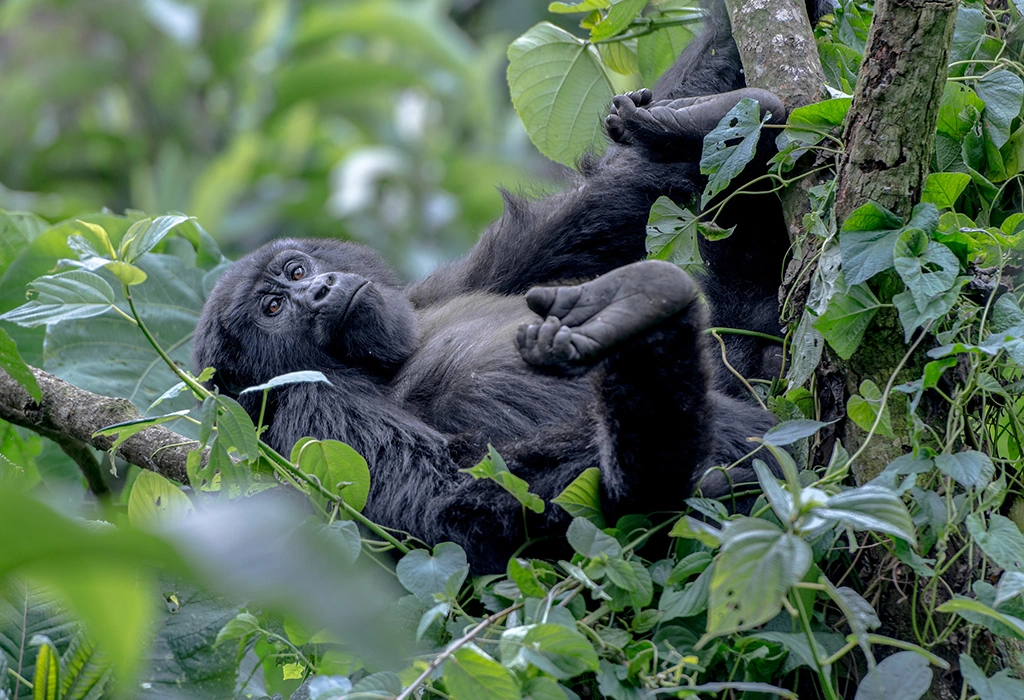
The family is already habituated for regular visits, which generally creates a more established tourism experience. Guides know the family well, individuals are identifiable and the encounter follows a familiar conservation framework.
This makes standard trekking particularly suitable for first-time visitors who want to see wild mountain gorillas but may not need four hours of observation. It is also attractive to travellers combining gorillas with several other Ugandan destinations because the permit costs less and the experience can fit more easily into a broader wildlife itinerary.
Gorilla trekking therefore emphasises accessibility within a tightly managed conservation system, while habituation adds depth, time and a closer connection with the process preceding routine tourism.
The Total Day Can Feel Longer During Gorilla Habituation
Although both experiences can involve substantial hiking, habituation is generally the more time-consuming day because of the earlier start and extended viewing period.
UWA defines tracking time as the complete activity from immediately after briefing until visitors return for debriefing. This means the total time cannot be predicted simply by adding one hour or four hours to a fixed trek.
The gorillas may be close to the starting area or several hours away. Once you find them during habituation, you can spend up to four hours observing them before beginning the return journey. If the family moves deeper into the forest during your encounter, you may then face another significant hike back.
Standard trekking can also turn into a long day if the gorillas have travelled far, but the one-hour viewing limit usually makes the overall experience shorter than a comparable habituation day.
For itinerary planning, Gorilla Habituation should therefore be treated as a full-day activity. It is rarely wise to schedule a fixed afternoon flight or another demanding excursion afterward.
Gorilla Habituation Can Be More Physically Demanding
The forest terrain is broadly the same type of environment experienced on normal trekking, but the extra hours involved in habituation can increase fatigue.
You may climb steep slopes, cross wet areas and move through dense vegetation before locating the family. After reaching the gorillas, they may continue moving, requiring you to carefully follow under the direction of the professionals. You then still need to hike back when the viewing period ends.
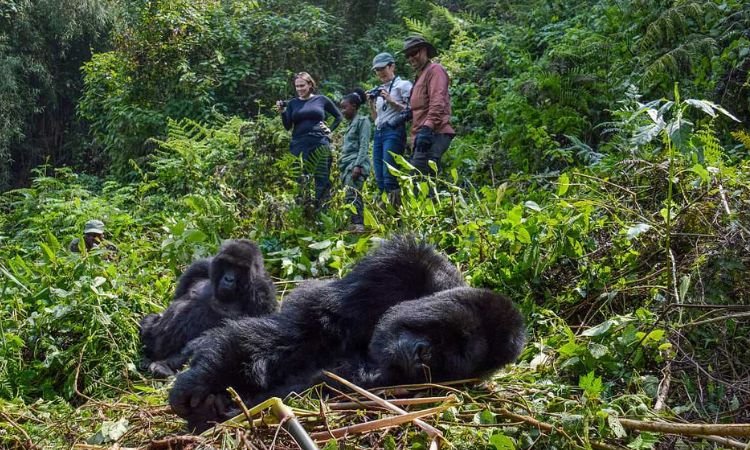
Four hours with the gorillas does not mean four hours sitting comfortably in one location. The family can travel while feeding, forcing observers to reposition repeatedly.
This longer exposure to forest terrain means reasonable fitness is particularly useful for Gorilla Habituation. You do not need to be an extreme hiker, but preparing through regular walking and hill training can make the experience far more enjoyable.
Porter assistance can also be extremely valuable. Having someone carry your water, packed meal, rain protection and camera equipment conserves energy that you will appreciate later in the day.
Gorilla Habituation Offers More Time for Photography
Photography is one of the clearest reasons some travellers choose Gorilla Habituation over normal trekking.
One hour can produce outstanding photographs, but rainforest photography is unpredictable. Light beneath Bwindi’s canopy can be weak, gorillas can sit behind vegetation and an animal may remain facing away from you for much of your encounter.
With four hours, conditions have more time to change. A gorilla hidden during the first thirty minutes may later move into a clearer area. A mother whose infant is difficult to see may reposition herself. The family may travel into a part of the forest with better light.
More importantly, the additional time allows you to stop rushing. During a one-hour trek, photographers sometimes feel pressure to take images immediately because every minute matters. During habituation, you can spend time simply watching the animals and waiting for meaningful behaviour.
This can produce stronger photographs because you begin anticipating moments rather than constantly reacting to movement.
The additional time still does not guarantee perfect images. Gorillas remain wild, vegetation remains dense and visitors must follow conservation rules rather than positioning themselves wherever they want.
Gorilla Trekking May Be Better for Travellers Who Mainly Want the Encounter
Not everyone needs four hours.
If your main goal is to see mountain gorillas in their natural habitat, experience the emotional impact of being close to them and capture some photographs, ordinary gorilla trekking may provide everything you are looking for.
One hour sounds short before the experience, but it can contain an extraordinary amount of observation. You may see the silverback, mothers, juveniles and infants while watching feeding, play or movement through the forest.
The lower permit cost also leaves more safari budget for chimpanzee tracking, wildlife drives, boat safaris or additional nights in Uganda.
For travellers who are not serious photographers or primate enthusiasts, the difference between one hour and four hours may not justify the additional permit cost.
The best experience therefore depends on your priorities rather than on the assumption that the more expensive option is automatically better.
Gorilla Habituation Is Better for Slow Wildlife Observation
Where Gorilla Habituation becomes particularly powerful is in the pace of the encounter.
During the first hour, you may still be processing the excitement of seeing the gorillas. During the second hour, you begin noticing individual differences. By the third hour, you may recognise which juvenile is particularly active or which female remains closest to the silverback.
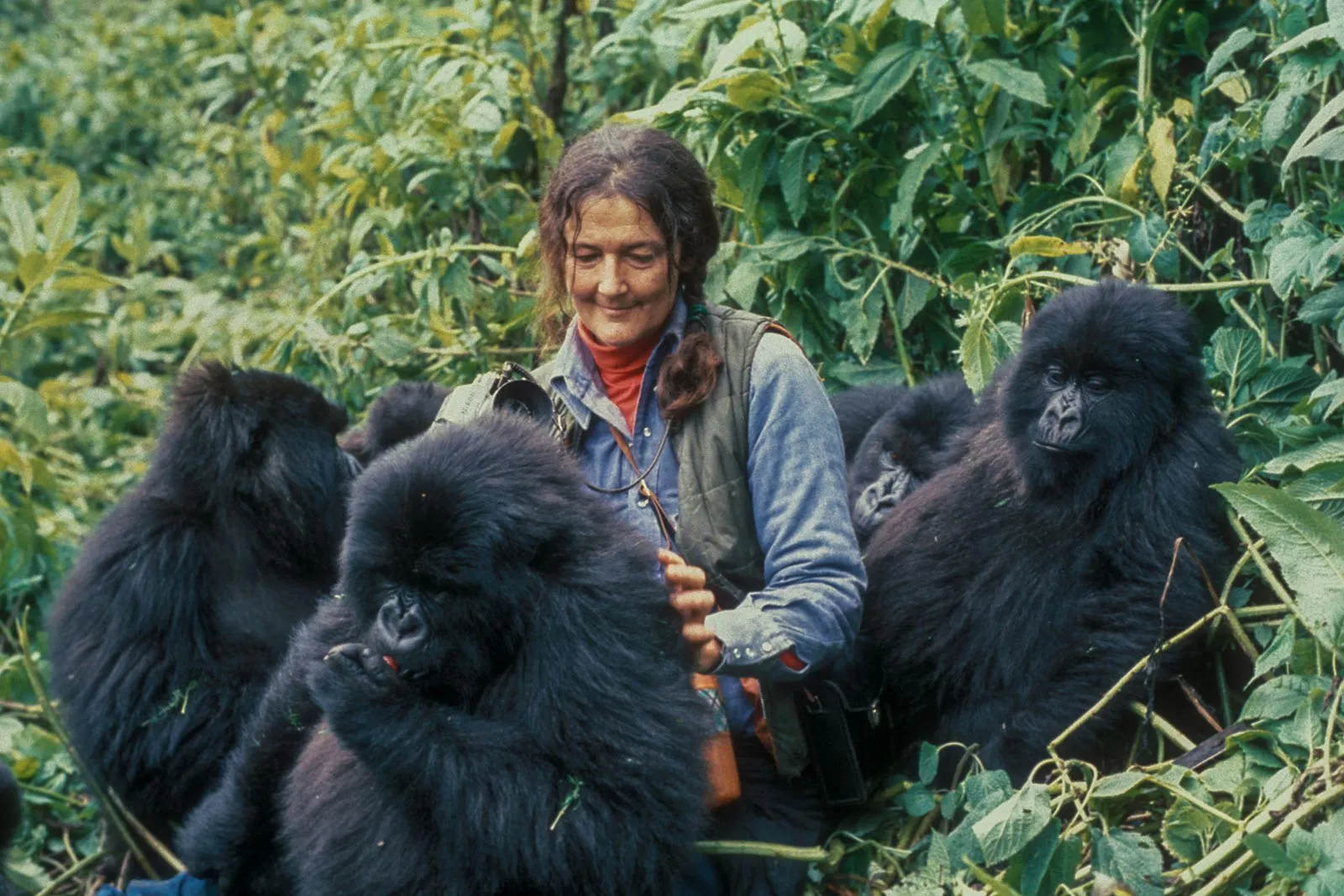
This slow observation can transform how you understand the family.
Instead of seeing isolated moments, you observe transitions. Gorillas that were feeding may begin resting. Young animals may become more playful. The family may move together through vegetation.
These changes provide context that one hour cannot always reveal.
For travellers interested in animal behaviour rather than simply wildlife sightings, this extra time can be the strongest reason to choose Gorilla Habituation.
The Permit Price Is Different
Cost is another major difference. Under Uganda Wildlife Authority‘s 2024–2026 tariff, the standard gorilla tracking permit is USD 800 for Foreign Non-Residents, USD 700 for Foreign Residents, USD 500 for Rest of Africa visitors and UGX 300,000 for eligible East African Community citizens. Under the same tariff structure, the Gorilla Habituation Experience costs USD 1,500 for Foreign Non-Residents, USD 1,000 for Foreign Residents, USD 1,000 for Rest of Africa visitors and UGX 750,000 for eligible East African Community citizens. UWA states that the gorilla permit rates include the guide fee, park entrance for the activity day and a community development contribution.
Uganda Wildlife Authority introduced special low-season rates for ordinary gorilla tracking during April, May and November 2026, setting the discounted standard tracking price at USD 600 for Foreign Non-Residents and USD 500 for Foreign Residents. The same official notice does not include Gorilla Habituation among the discounted low-season products, so travellers should not assume that the habituation permit receives the same reduction.
From 1 January 2027, UWA’s announced tariff keeps ordinary gorilla tracking at USD 800 for Foreign Non-Residents, USD 700 for Foreign Residents, USD 500 for Rest of Africa travellers and UGX 300,000 for EAC citizens. Gorilla Habituation rises to USD 1,800 for Foreign Non-Residents and USD 1,600 for Foreign Residents, while Rest of Africa remains USD 1,000 and EAC remains UGX 750,000.
This widening price difference makes understanding the experience even more important. You should choose habituation because the extra time and conservation context matter to you, not simply because it appears to be a premium version of the same trek.
Both Experiences Support Conservation and Communities
Although Gorilla Habituation has a stronger direct research dimension, ordinary gorilla trekking is also part of Uganda’s conservation financing model.
Permit revenue helps support wildlife management, ranger operations, monitoring and the protected areas in which mountain gorillas survive. UWA’s tariff specifically states that gorilla permit rates include a community development contribution.
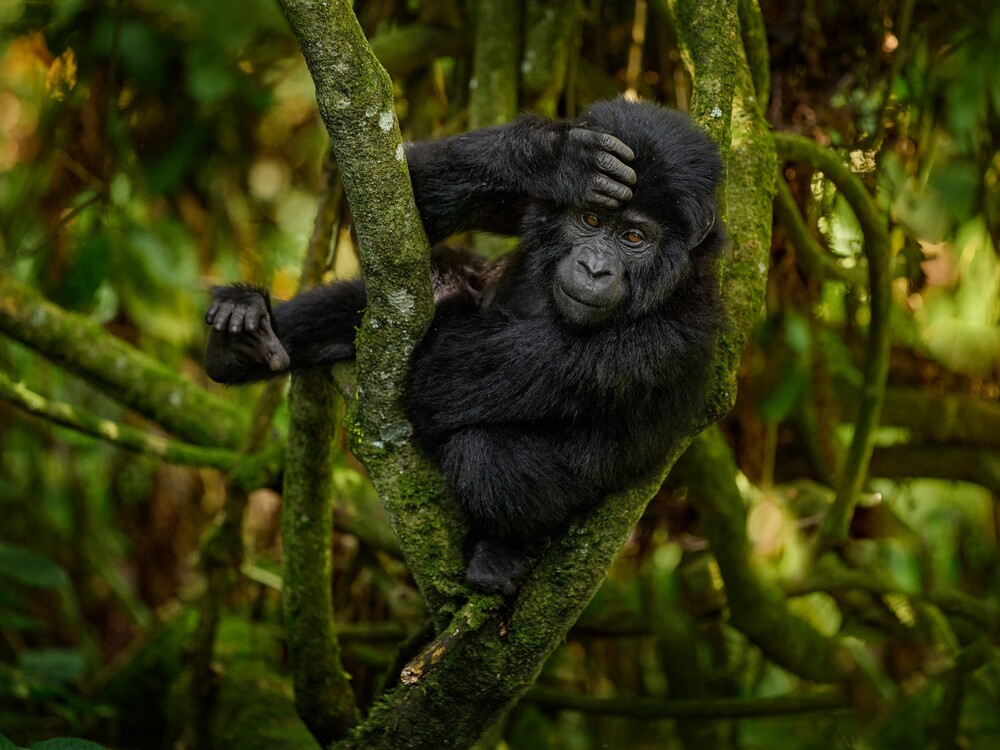
This community element matters because mountain gorilla conservation does not happen in isolation from the people living around Bwindi and Mgahinga. Sustainable conservation depends on local communities seeing meaningful benefits from keeping forests and wildlife protected.
Whether you choose one hour or four hours, your permit therefore connects tourism with a wider conservation system.
Standard Gorilla Trekking Is Available in More Than One Ugandan Gorilla Park
Uganda Wildlife Authority identifies mountain gorillas in both Bwindi Impenetrable National Park and Mgahinga Gorilla National Park and lists designated gorilla tracking entry points including Buhoma, Ruhija, Nkuringo, Rushaga and Ntebeko/Muhavura.
This gives standard gorilla trekking broader geographical flexibility within Uganda.
The Gorilla Habituation Experience is particularly associated with Bwindi and should be planned around the exact area attached to the available habituation permit. Your accommodation should therefore be selected only after confirming the permit location.
This is especially important because Bwindi is not one small entrance area. Travelling between different sectors can take significant time because of mountainous roads.
A lodge that looks close to Bwindi on a map may be unsuitable for your permit if it serves a different sector.
Both Experiences Require Careful Health Protection
The health rules surrounding gorilla tourism apply regardless of whether you choose standard trekking or habituation.
Uganda Wildlife Authority states that visitors should not track gorillas if they have a cold or another infectious illness. Its gorilla rules also set the minimum tracking age at 15 years and prohibit flash photography.
These restrictions exist because mountain gorillas share biological similarities with humans and can be vulnerable to diseases carried by visitors.
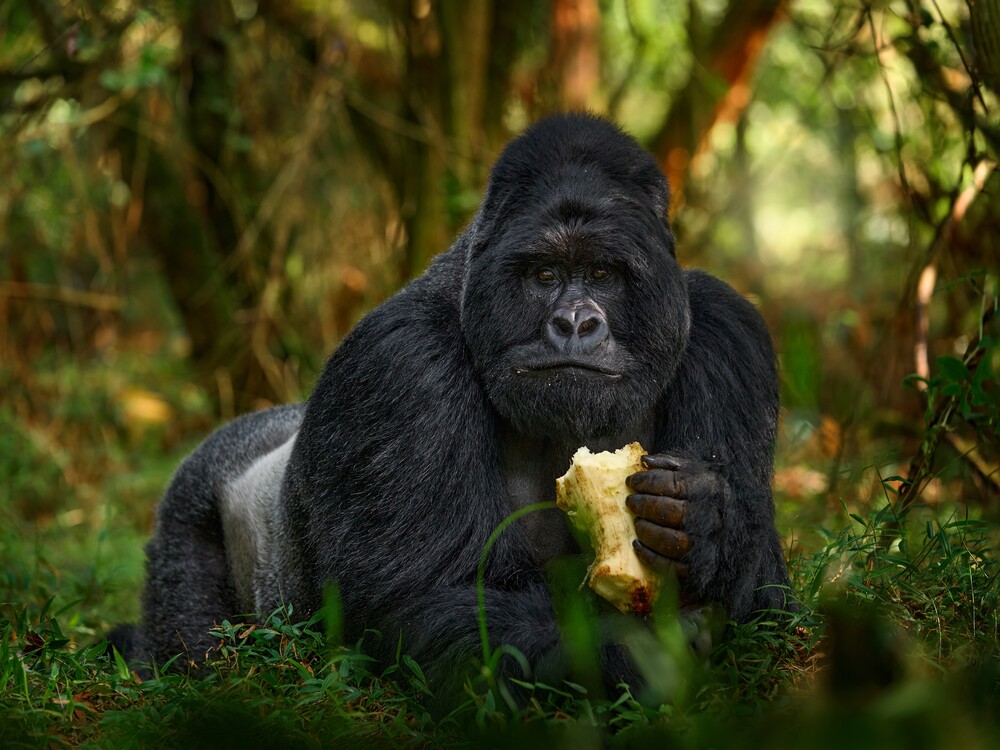
The longer duration of habituation does not give travellers greater freedom to ignore these protections. If anything, extended observation makes responsible behaviour even more important because you remain near the family for a longer period.
Both experiences therefore depend on visitors recognising that access to gorillas is a privilege controlled by conservation requirements.
Neither Experience Guarantees That Gorillas Will Pose for You
A common misunderstanding is that a habituated family will automatically sit in open vegetation while an unhabituated family will constantly hide.
Reality is much more complex.
Fully habituated gorillas remain wild and can spend your one-hour visit resting behind vegetation. A family undergoing habituation may sometimes be surprisingly visible. Behaviour changes according to individual animals, weather, food availability, forest conditions and the family’s movements.
The difference between the two experiences should therefore not be described as easy gorillas versus difficult gorillas.
The more accurate distinction concerns the stage of habituation and the amount of observation time available.
You should approach both activities with flexible expectations because authentic wildlife experiences are never completely predictable.
Group Dynamics Can Feel Different
Standard gorilla trekking normally brings visitors together around a one-hour encounter in which everyone is understandably excited to see and photograph the family.
Because time is limited, the pace of observation can feel concentrated.
During Gorilla Habituation, the longer period can create a quieter rhythm. The urgency often decreases after the first hour as visitors realise they have much more time.
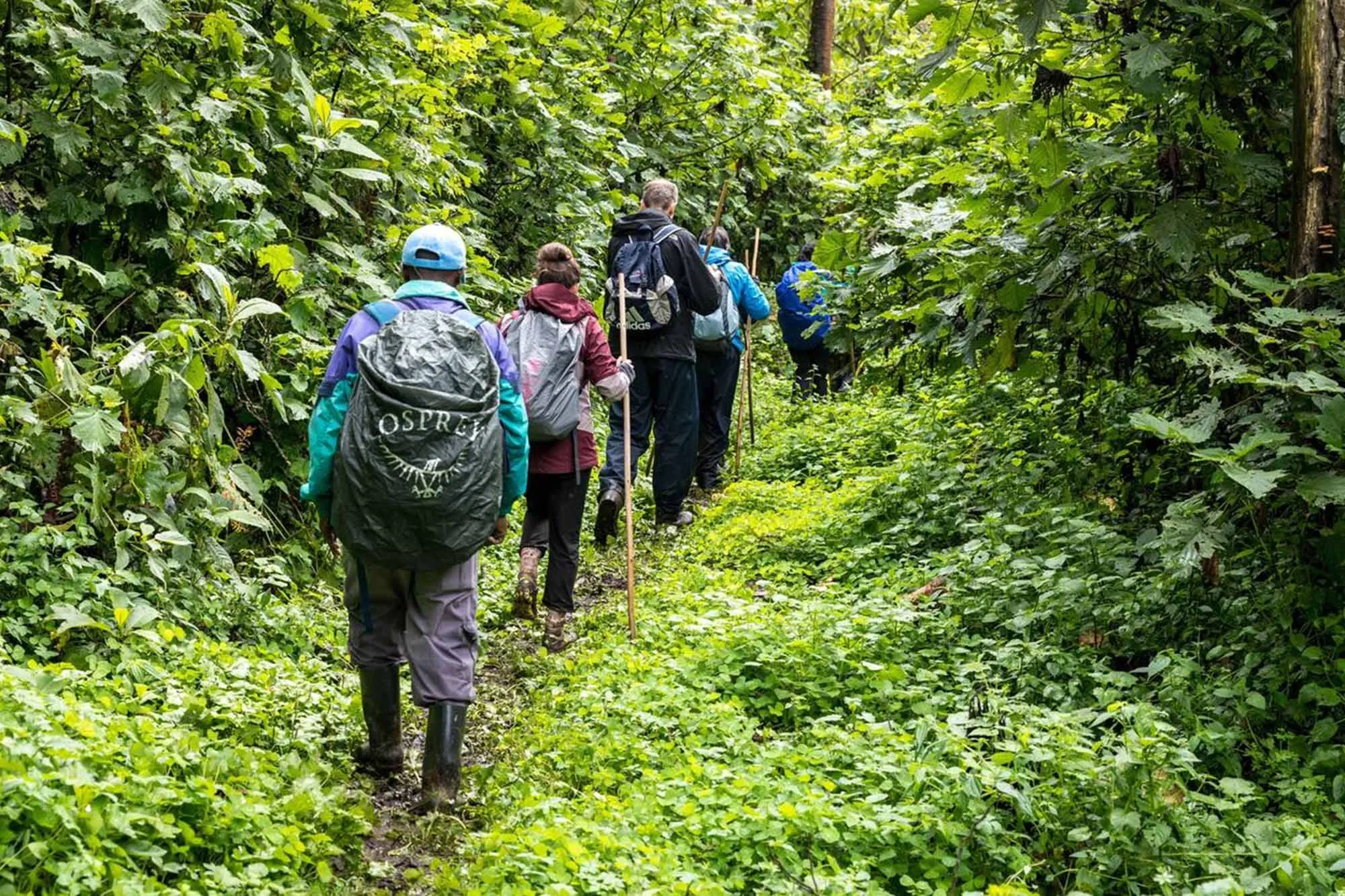
This can make the group feel less rushed and allow individuals to spend periods simply watching rather than constantly taking photographs.
The professional team also has more time to explain behaviour and reposition the group as the gorillas move.
That slower rhythm is difficult to measure financially, but it can be one of the most noticeable differences in how the two experiences feel.
Gorilla Habituation Can Reveal More Social Behaviour
A one-hour visit may show you fascinating behaviour, but four hours increases the chance of observing changes within the family.
You may arrive while the gorillas are feeding and later watch them rest. Juveniles that were initially quiet may begin playing. A mother may move into a different position with her infant. The silverback may change locations as the family travels.
These transitions help you see the gorillas as a social group rather than a collection of individual animals.
Over time, you begin noticing relationships and repeated interactions.
That depth is particularly valuable for travellers interested in primate behaviour, wildlife filmmaking or serious photography.
Standard trekking can provide similar moments, but it gives you a shorter window in which they must occur.
Gorilla Trekking Is Easier to Combine With a Broader Safari Budget
Permit cost affects the design of the entire Uganda safari.
A traveller choosing standard trekking may have more money available for additional destinations such as Kibale National Park, Queen Elizabeth National Park, Murchison Falls National Park or Lake Mburo National Park.
Someone choosing habituation is investing a much larger portion of the safari budget into one extended primate encounter.
Neither approach is wrong.
If mountain gorillas are only one part of your interest in Uganda, standard trekking may create a more balanced overall safari.
If gorillas are the main reason for travelling and you want the deepest possible experience, habituation may justify reducing spending elsewhere.
The choice should therefore be considered within the complete itinerary rather than by comparing permit prices alone.
Combining Gorilla Habituation and Gorilla Trekking Can Be Valuable
For travellers who have sufficient time and budget, doing both experiences can provide a particularly interesting comparison.
Gorilla Habituation allows you to observe a family still moving through the familiarisation process for an extended period, while standard trekking takes you to a family already accustomed to routine tourism.
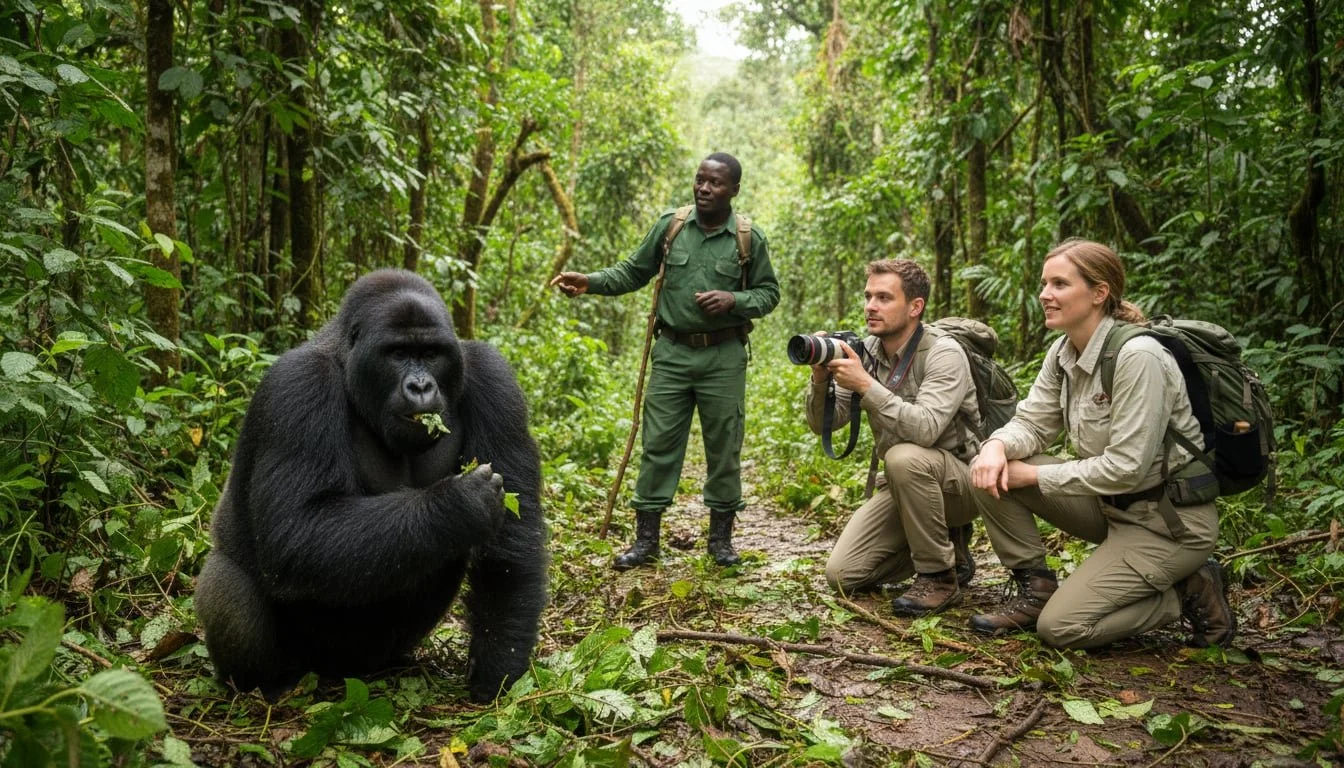
The experiences can therefore complement each other rather than compete.
You may notice differences in behaviour, visitor management and the pace of observation.
A second gorilla day also reduces the pressure to capture every photograph during the first encounter.
This combination works particularly well for wildlife photographers, primate enthusiasts and travellers for whom gorillas are the central focus of the Uganda journey.
Booking Procedures Matter for Both Experiences
Both activities require official permits and should be secured before travelling to the park.
UWA’s permit guidelines state that Foreign Non-Resident gorilla and chimpanzee tracking permits must be purchased through tour and travel operators licensed by the Uganda Tourism Board. The guidelines also provide direct purchasing provisions for eligible Foreign Residents and East African Community citizens under specified conditions.
A February 2026 UWA notice suspended the previous seven-day unpaid reservation window from 1 March 2026. The system now requires full payment when an operator secures the permit, completing the transaction immediately.
This change is important for both trekking and habituation because travellers should no longer assume that a preferred date can simply be held without payment for a week.
When suitable availability is found, being ready to confirm quickly can prevent the permit from being taken by another traveller.
Which Experience Is Better for First-Time Gorilla Visitors?
A first-time visitor can enjoy either option.
Standard trekking is often the most practical introduction because it provides the complete emotional impact of seeing mountain gorillas while keeping permit costs considerably lower.
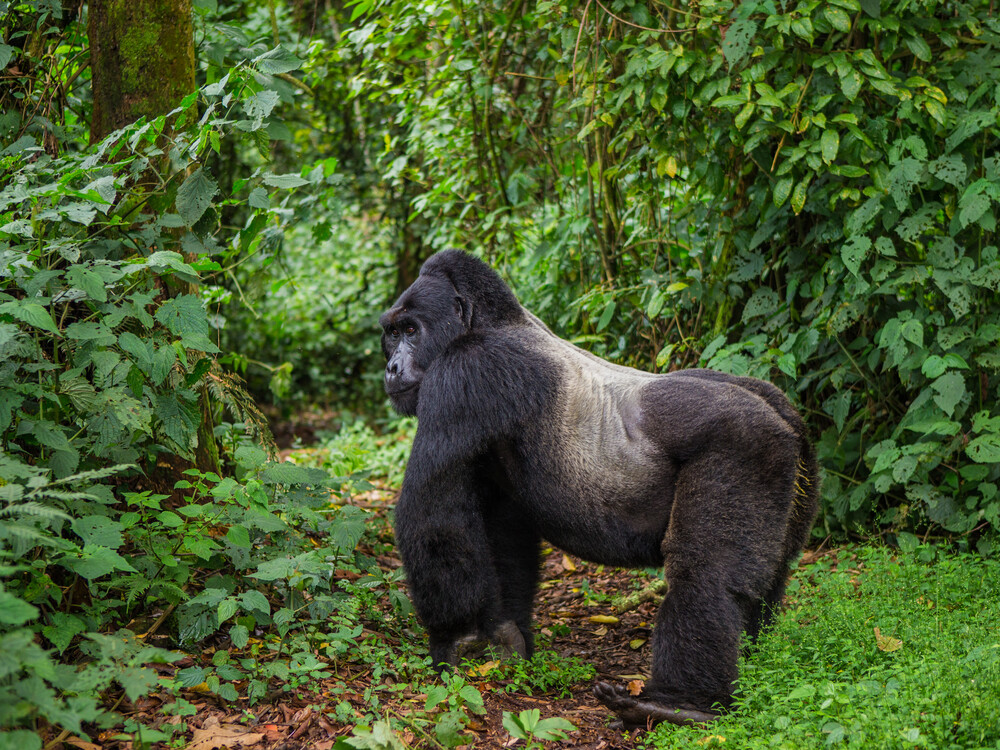
You still enter the forest, follow professional trackers and spend an extraordinary hour with a wild gorilla family.
For many travellers, that is more than enough to make the journey unforgettable.
However, a first-time visitor who is particularly passionate about wildlife behaviour or photography may prefer Gorilla Habituation precisely because there is more time to absorb the encounter.
There is no need to complete a normal trek before you are “ready” for habituation.
The choice depends on your interests, budget, physical comfort and the amount of time you want to dedicate to gorillas.
Which Is Better for Photography?
For serious photography, Gorilla Habituation generally offers the stronger advantage because time is one of the most valuable resources in wildlife photography.
Four hours provides more opportunities for changing light, different positions and behavioural moments.
You can also spend time observing before deciding where to concentrate your photography.
Standard trekking can still produce exceptional images, and many famous gorilla photographs have been created during normal encounters.
However, one hour provides less room for difficult conditions.
If the gorillas spend much of the hour behind dense vegetation, you have fewer opportunities for the situation to change.
For photographers who are travelling specifically to build a strong portfolio of mountain gorilla images, the additional time can justify the higher habituation permit cost.
Which Experience Is Better for Conservation-Minded Travellers?
Both contribute to conservation, but Gorilla Habituation provides a more direct window into the process that makes controlled tourism possible.
Being alongside habituators and researchers allows you to understand the patience involved in familiarising a wild gorilla family with human observers.
You can see that habituation is not an instant event but a gradual process shaped by individual responses and long-term monitoring.
For travellers who want to understand the science and conservation work behind gorilla tourism, this can be especially rewarding.
Standard trekking shows you the successful result of that work.
Habituation lets you observe part of the process itself.
Is Gorilla Habituation More Dangerous Than Gorilla Trekking?
The fact that a family is still undergoing habituation does not mean travellers are casually taken close to uncontrolled aggressive animals.
The experience is managed by professional UWA staff, researchers and habituators who understand the family and continuously assess behaviour.
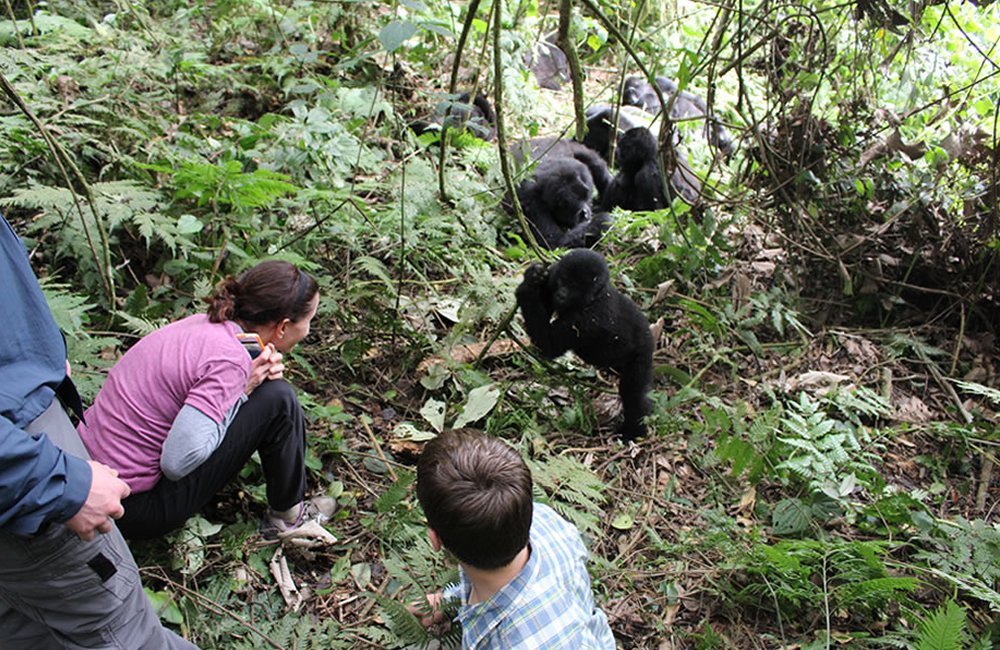
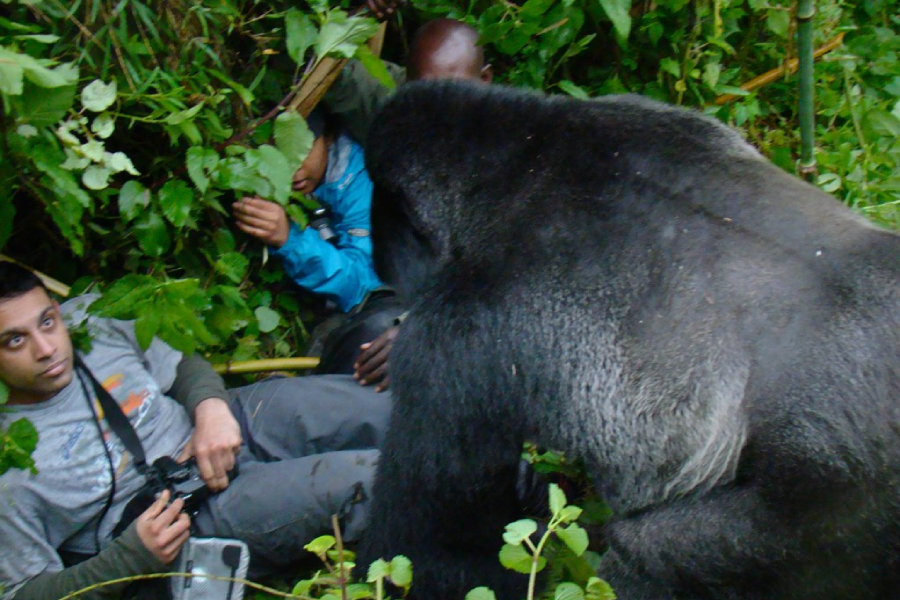
Visitors must follow instructions, avoid sudden actions and respect appropriate distance.
Mountain gorillas are immensely powerful wild animals in both situations, so neither experience should be treated as a petting encounter.
The safest approach is the same whether you are trekking or participating in habituation: listen carefully to the professionals and allow them to control how the group approaches, observes and leaves the gorillas.
Does Gorilla Habituation Guarantee Better Gorilla Behaviour?
No.
Habituation guarantees additional permitted observation time, not more exciting behaviour.
You may spend four hours watching a family that remains relatively calm, feeding or resting for much of the period.
During a one-hour trek, you might happen to witness highly active juveniles or significant movement.
Wildlife does not become better simply because the permit is more expensive.
What habituation gives you is more time for behaviour to develop and more opportunity to observe subtle changes.
That distinction is important because travellers should choose the activity for deeper observation rather than expecting a guaranteed dramatic performance.
The Emotional Experience Can Be Different
Standard trekking often feels intense because everything happens within a concentrated period.
The moment you see the gorillas can be overwhelming, and the knowledge that you have only one hour may heighten every minute.
For some travellers, this intensity is exactly what makes the experience so powerful.
Gorilla Habituation feels different because excitement gradually gives way to familiarity.
After an hour or two, you may stop thinking only about taking photographs and begin noticing individual personalities.
You may recognise a particular juvenile or understand which female has an infant.
The experience becomes less about the moment of seeing gorillas and more about spending meaningful time in their presence.
Neither emotional experience is better universally.
They simply have different rhythms.
How Is Gorilla Habituation Different From Gorilla Trekking in the Final Comparison?
How Is Gorilla Habituation Different From Gorilla Trekking? Gorilla trekking is the standard experience of entering the forest to locate a fully habituated mountain gorilla family and spending a maximum of one hour with it once reached. Gorilla Habituation takes you deeper into the conservation process by allowing you to accompany researchers and habituators to a family still becoming accustomed to controlled human presence, with a maximum viewing time of four hours. Uganda Wildlife Authority formally distinguishes the two activities in both their purpose and viewing limits.
The difference in time alone is substantial, but it is not the whole story. Standard trekking is more concentrated, generally less expensive and ideal for travellers who want a powerful gorilla encounter within a broader Uganda safari. Habituation is longer, more specialised and particularly valuable for photographers, primate enthusiasts and travellers interested in behavioural observation and conservation.
The physical demands can also differ because habituation starts earlier and may keep you in the forest significantly longer. Both experiences can involve steep terrain and unpredictable tracking distances, but spending four hours with a moving gorilla family after the initial search can make habituation a much fuller forest day.
The financial difference is equally important. During the regular 2026 tariff, an FNR standard gorilla permit is USD 800 compared with USD 1,500 for Gorilla Habituation, while the announced rates from 1 January 2027 place the same permits at USD 800 and USD 1,800 respectively. The price difference should therefore be justified by how much you value additional observation time and participation in a more specialised conservation experience.
For a traveller primarily interested in seeing mountain gorillas once, standard trekking can be the ideal choice. One hour with a wild gorilla family in Bwindi or Mgahinga can be profoundly memorable, and the lower permit cost makes it easier to include more destinations in your Uganda itinerary.
For a traveller who wants to slow down, observe behaviour, take more photographs and better understand how gorillas gradually become accustomed to controlled human presence, Gorilla Habituation offers something fundamentally different. Four hours allows the encounter to move beyond the initial excitement and develop into sustained observation.
The choice is therefore not simply between a cheaper permit and a more expensive permit. It is a choice between two different ways of experiencing mountain gorillas. Standard trekking gives you a concentrated encounter with a family already accustomed to tourism. Gorilla Habituation gives you substantially more time and places you closer to the conservation process that makes those tourism encounters possible.
Whichever experience you choose, the gorillas remain wild, the forest remains unpredictable and conservation rules continue to determine how the encounter is managed. That authenticity is what makes both Gorilla Habituation and gorilla trekking among the most remarkable wildlife experiences available in Uganda.