

Is Gorilla Habituation Good in June, July and August? Complete Uganda Travel Guide
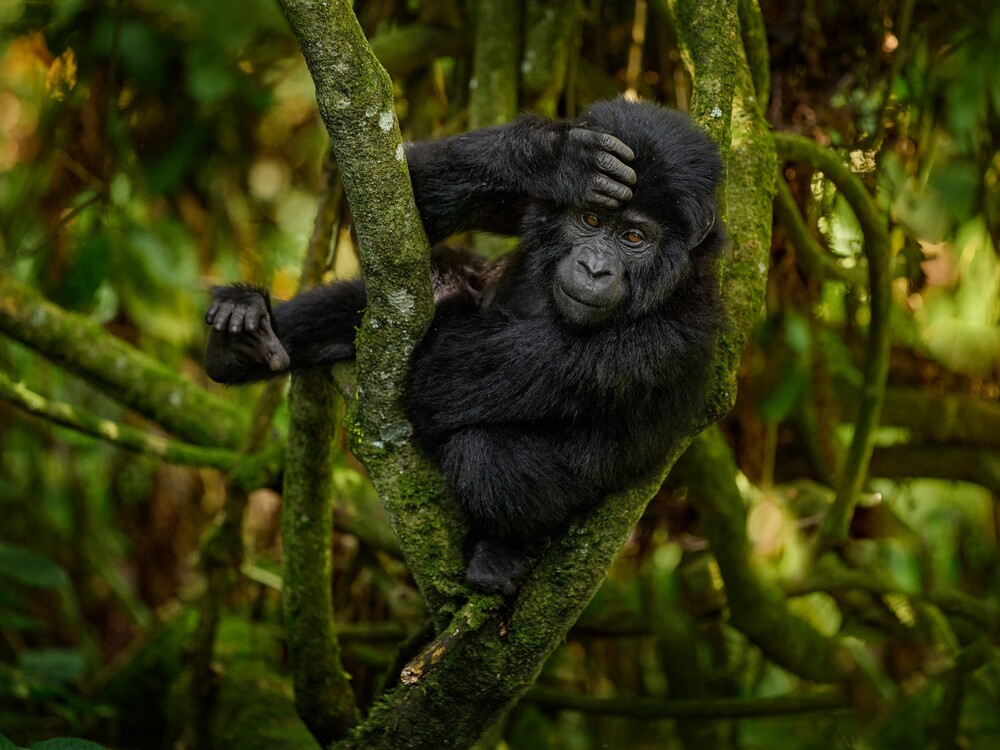
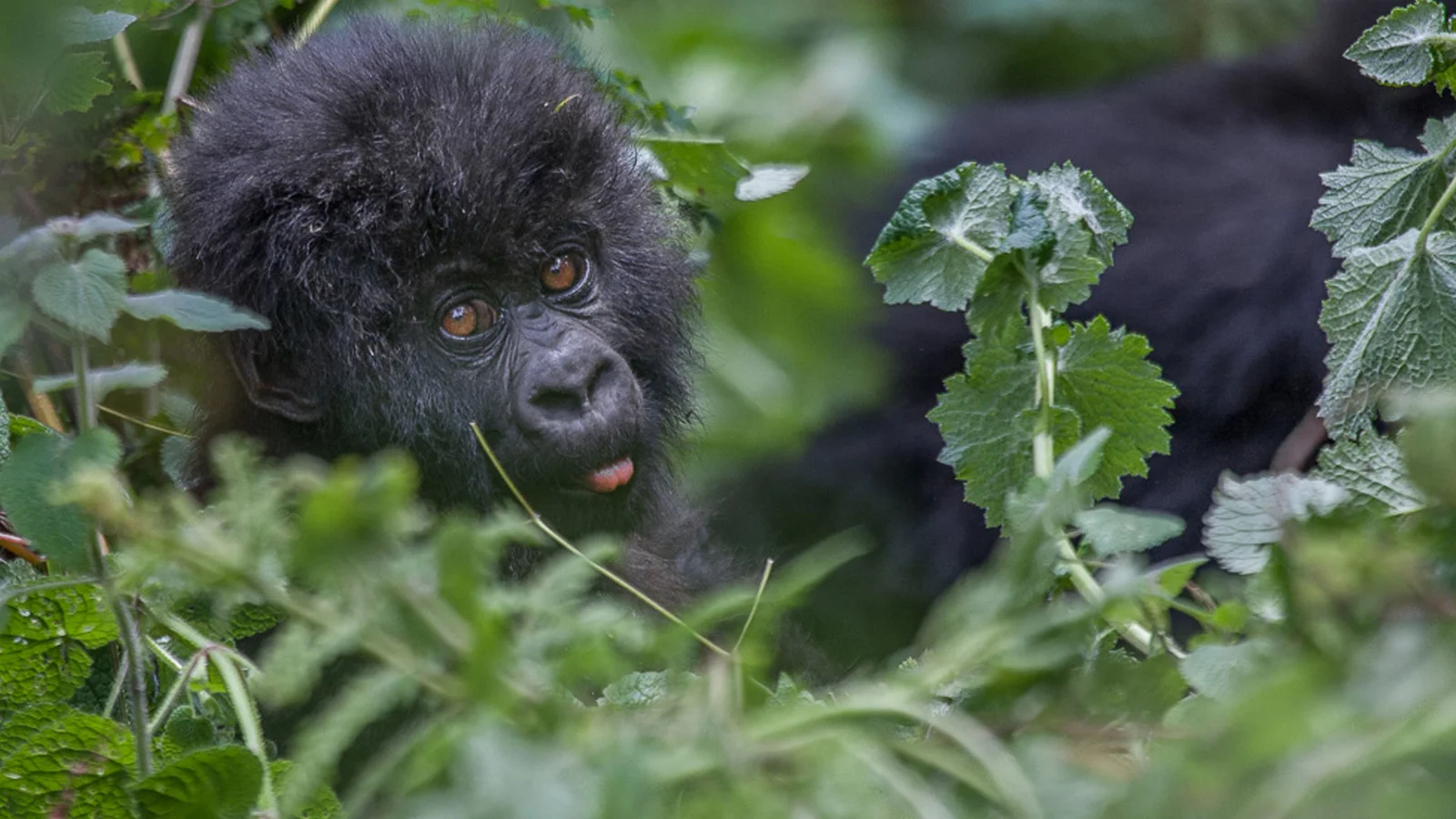
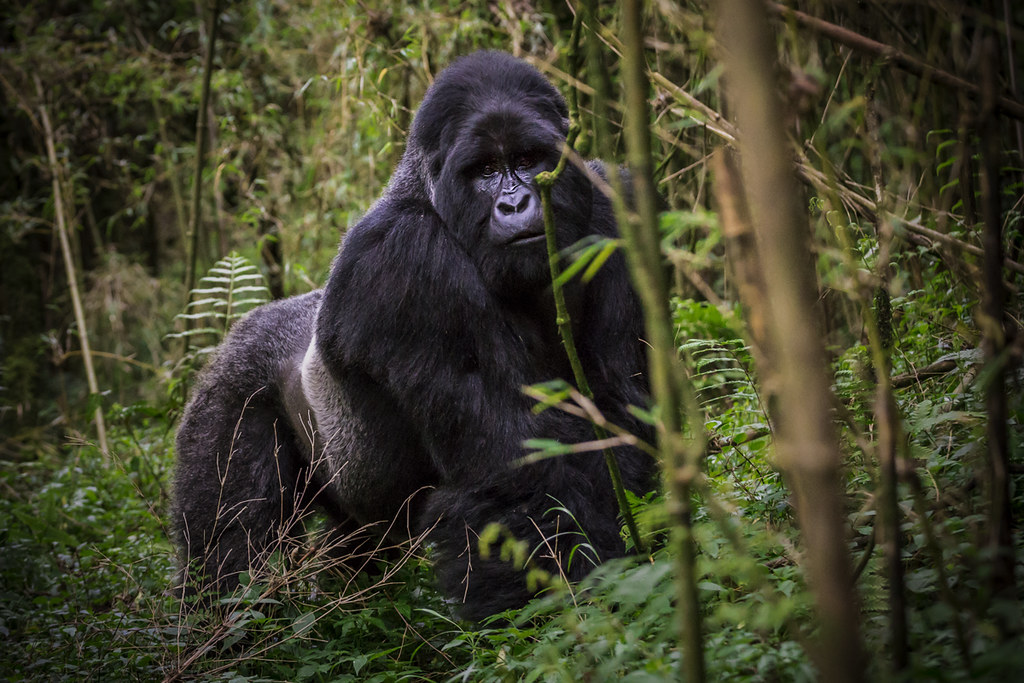
Yes, June, July and August are among the best months for gorilla habituation in Uganda, offering relatively dry weather, more manageable forest trails, comfortable highland temperatures, and excellent opportunities to observe endangered mountain gorillas in their natural environment. These months fall within Uganda’s longer dry season, making them particularly attractive for visitors planning an extended wildlife experience in Bwindi Impenetrable National Park. Although the forest remains humid and occasional rainfall is possible throughout the year, June, July and August generally provide some of the most favourable conditions for tracking gorillas through the dense vegetation of southwestern Uganda.
Gorilla Habituation in June, July and August is especially rewarding for travellers seeking a deeper understanding of mountain gorilla behaviour. Unlike standard gorilla trekking, which generally permits one hour of observation, the specialised Gorilla Habituation Experience allows visitors to spend up to four hours with a participating gorilla family after locating it. Accompanied by authorised conservation personnel, visitors can observe feeding patterns, social interactions, family relationships, resting behaviour, and other aspects of daily life. However, these months are also among Uganda’s busiest safari periods, making early permit reservations and careful accommodation planning particularly important.
Why Are June, July and August Good for Gorilla Habituation?
Gorilla Habituation in June, July and August is widely considered an excellent seasonal choice because these months generally experience lower rainfall than the wetter periods of March to May and September to November. Reduced rainfall often results in firmer trails, fewer prolonged downpours, and more comfortable walking conditions through Bwindi’s mountainous forest. This is particularly important for gorilla habituation because visitors may spend several hours searching for a participating family before beginning their extended observation period. Although the terrain remains physically demanding, comparatively dry conditions can make the overall experience more enjoyable for travellers with reasonable fitness.
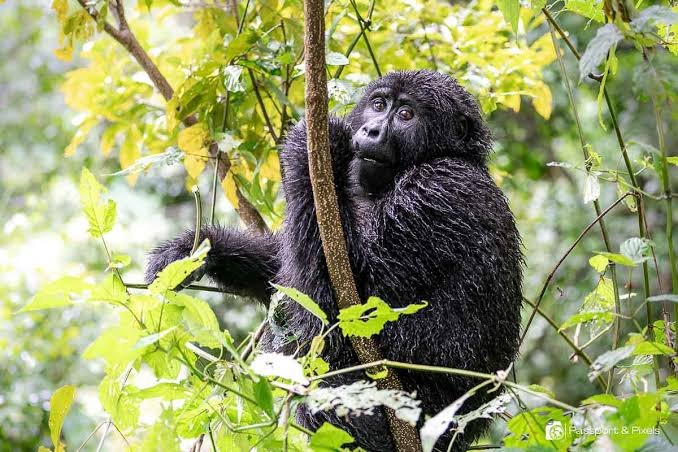
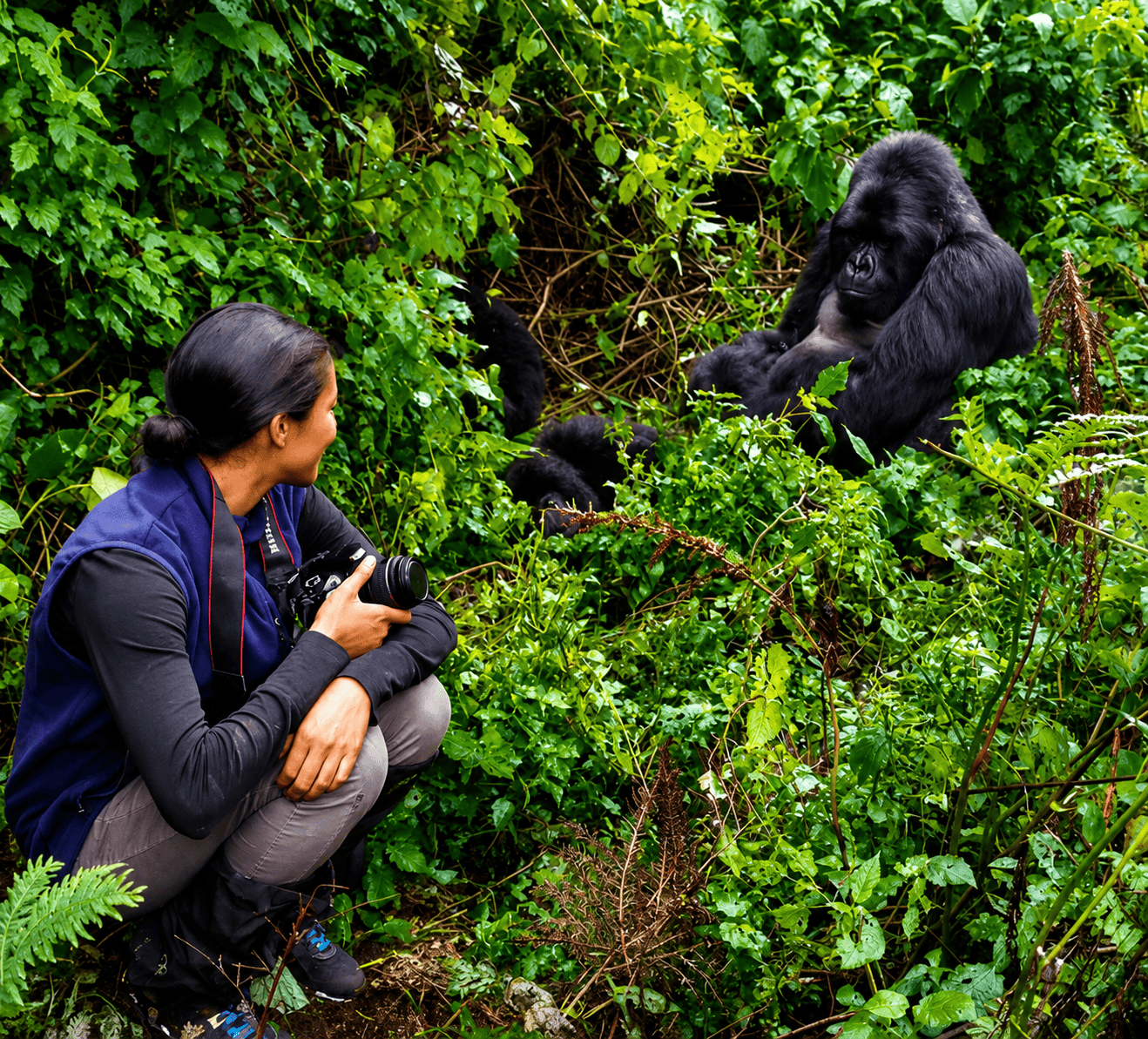
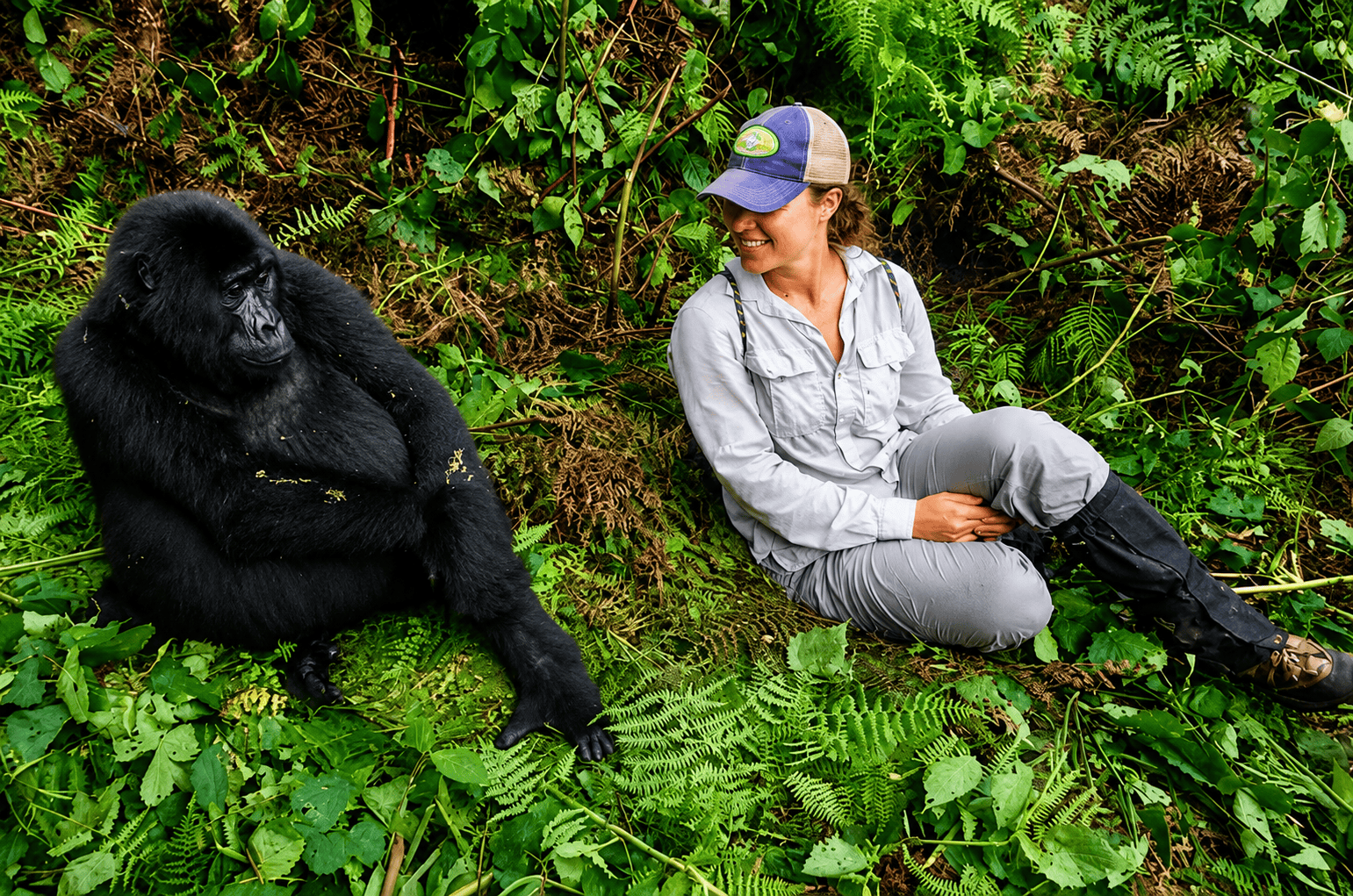
Another advantage is the opportunity to combine gorilla habituation with other destinations across Uganda. June through August is also a popular season for traditional wildlife safaris, allowing visitors to explore savannah landscapes, lakes, forests, and national parks within a single journey. The surrounding hills of Bwindi Impenetrable National Park remain beautiful throughout this period, while clearer conditions can offer attractive views of the mountainous landscape. Visitors should nevertheless understand that dry-season travel does not guarantee an easy trek or predictable gorilla movements.
Gorilla Habituation in June: Beginning of the Dry Season
June marks the beginning of one of Uganda’s most popular wildlife travel periods, making it an attractive month for visitors planning gorilla habituation in Bwindi. Rainfall typically decreases after the wetter months of March, April and May, allowing some forest trails to become gradually firmer. Early June can retain moisture from the preceding rainy season, particularly in shaded valleys and higher-altitude areas. Nevertheless, improving weather conditions frequently make trekking more comfortable, while the rainforest remains exceptionally green and beautiful.
Gorilla Habituation in June, July and August begins with this transition into relatively dry conditions. Travellers visiting in June may enjoy a balance between fresh rainforest vegetation and increasingly favourable hiking weather. The month is suitable for photographers, nature enthusiasts, and visitors interested in observing mountain gorillas over an extended period. However, June also attracts international safari travellers, meaning permits and accommodation should be arranged well in advance. Those planning shorter journeys can explore a three-day gorilla habituation Uganda itinerary when organising their visit.
Gorilla Habituation in July: Excellent Trekking Conditions
July is often regarded as one of the most favourable months for visiting Bwindi because rainfall is generally reduced and forest trails may be less muddy than during the wet season. The surrounding mountains frequently experience cool mornings, comfortable daytime conditions, and occasional mist drifting through the forest canopy. These conditions are appealing to travellers who want to spend substantial time outdoors without the increased likelihood of prolonged rainfall associated with wetter months.
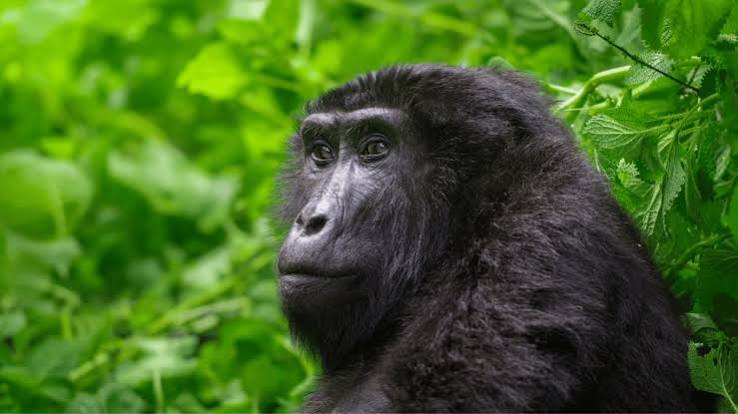
Gorilla Habituation in June, July and August is particularly popular during July because the month coincides with international summer holidays and peak safari travel. Although the experience itself is carefully controlled through limited visitor allocations, accommodation and transportation demand can increase significantly. Travellers should not assume that July’s generally dry conditions will make gorillas easier to locate, since the animals move freely through their natural habitat. Instead, the main seasonal advantage is the potential for more comfortable forest walking conditions, allowing visitors to concentrate on the experience while following the guidance of professional rangers and trackers.
Gorilla Habituation in August: A Rewarding End-of-Summer Safari
August remains an excellent month for gorilla habituation and typically continues the relatively dry conditions experienced during June and July. Forest trails are often manageable, daytime temperatures are generally comfortable, and the surrounding landscape offers beautiful views of southwestern Uganda’s hills and valleys. However, rainfall may begin increasing towards the end of August as the region gradually approaches the next wetter period. Visitors should therefore carry appropriate waterproof equipment even when forecasts suggest favourable conditions.
For travellers choosing Gorilla Habituation in June, July and August, the final month of this period offers many of the same advantages as June and July. August is particularly convenient for families travelling with eligible older teenagers, couples, photographers, and visitors combining Uganda with other East African destinations. Demand remains relatively high, so securing the appropriate permit and accommodation early is important. A well-organised safari can include time in Rushaga as well as additional attractions through the available Uganda gorilla habituation safari routes.
What Is the Weather Like in Bwindi During June, July and August?
Bwindi Impenetrable National Park has a tropical montane rainforest climate, with temperatures influenced by altitude, forest cover, and local weather patterns. June, July and August generally experience less rainfall than the major wet-season months, but showers remain possible because the forest maintains high humidity throughout the year. Mornings can be cool, particularly at higher elevations, while daytime temperatures are usually mild and comfortable for outdoor activities. Mist may temporarily reduce visibility along forested hillsides before conditions improve as the morning progresses.
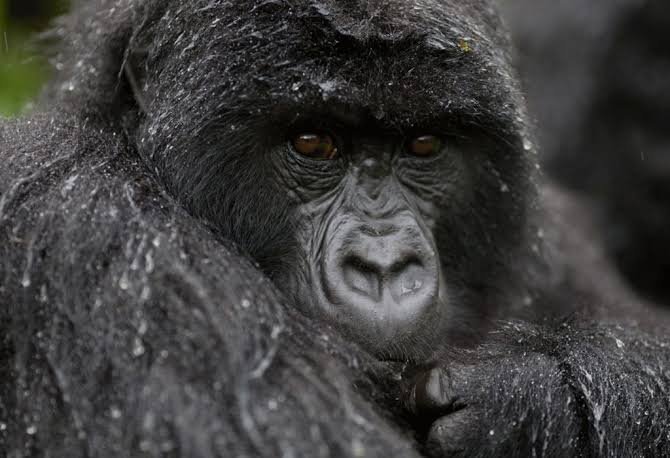
Gorilla Habituation in June, July and August benefits from these relatively favourable conditions, although visitors should not confuse the dry season with completely rain-free weather. Steep forest slopes can remain slippery, and dense vegetation may retain moisture long after the previous rainfall. Travellers should bring waterproof jackets, reliable hiking boots, and suitable protective clothing regardless of the selected month. Proper preparation is essential because gorilla habituation involves spending an extended period in a natural rainforest rather than following a short, predictable walking route.
Where Does Gorilla Habituation Take Place During These Months?
Gorilla habituation takes place in the Rushaga sector of Bwindi Impenetrable National Park, located in southwestern Uganda near the border with Rwanda. Rushaga is characterised by steep forested hills, dense vegetation, mountain streams, and rich biodiversity. The area’s mountainous terrain provides a remarkable environment for observing mountain gorillas while learning about ongoing conservation efforts. Visitors begin their activity at the designated briefing point before entering the forest under the supervision of authorised personnel.
Gorilla Habituation in June, July and August follows the same general operational procedures used throughout the year. Participating gorilla families are monitored by conservation teams, and visitors are allocated according to the relevant permit arrangements and operational requirements. Unlike ordinary gorilla trekking, habituation involves observing a family that is undergoing the process of becoming accustomed to carefully managed human presence. Travellers interested in understanding the area can read about Gorilla Habituation in Rushaga and consult the gorilla habituation location map.
What Happens During Gorilla Habituation in June, July and August?
The experience begins early in the morning with a briefing from Uganda Wildlife Authority personnel. Visitors receive instructions about appropriate behaviour, forest safety, photography regulations, and protecting the gorillas from unnecessary disturbance. After the briefing, participants accompany professional guides, trackers, and authorised conservation personnel into the forest. The search may involve moving through established paths and dense vegetation while following evidence of the gorillas’ recent movements. The duration and difficulty depend on the family’s location and the terrain encountered.
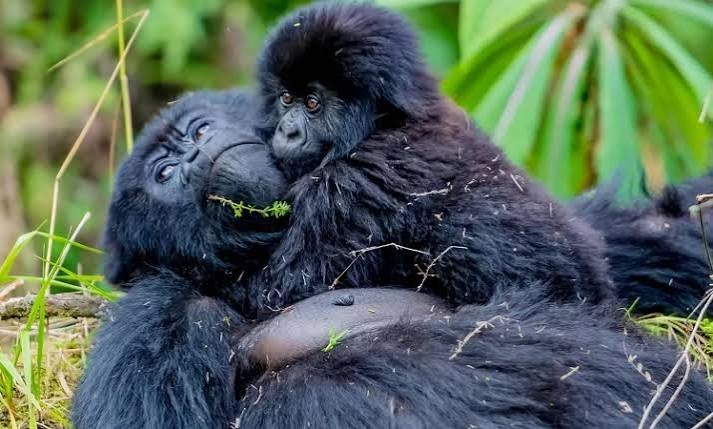
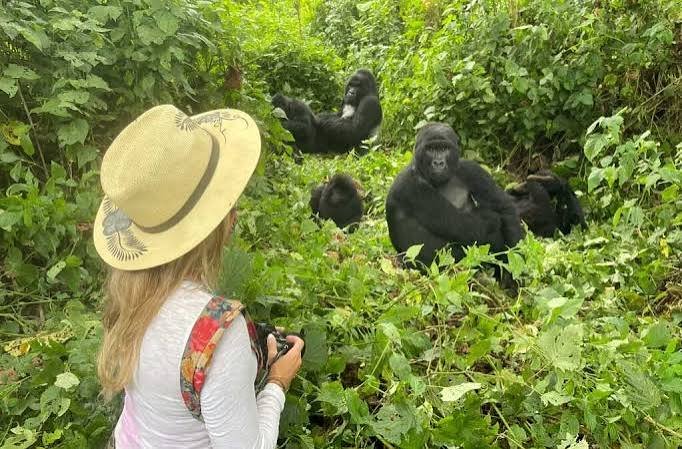
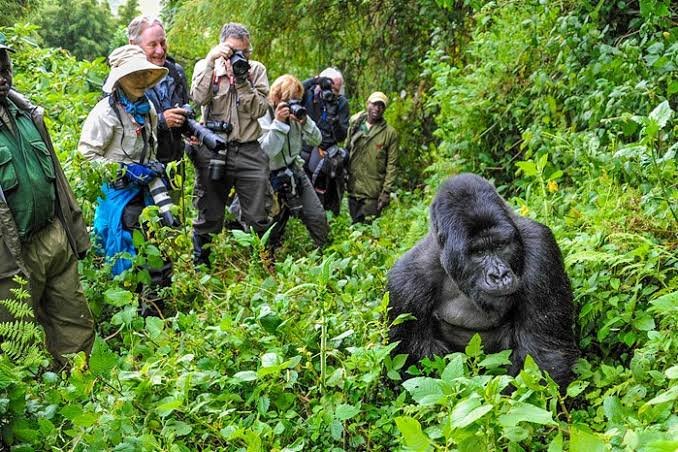
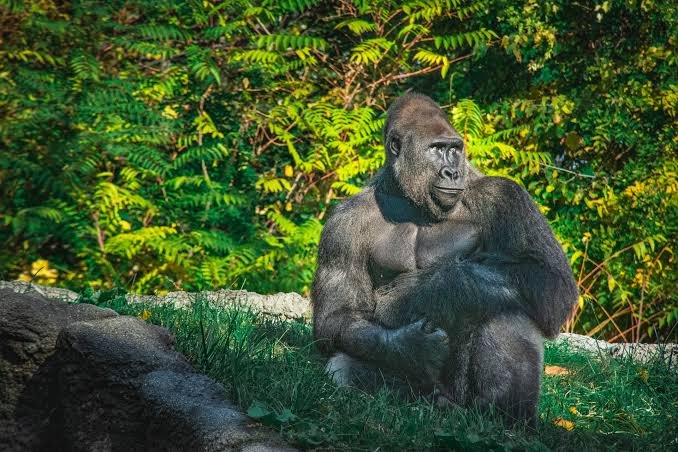
Once the participating family is located, visitors may spend up to four hours observing the gorillas under ranger supervision. Gorilla Habituation in June, July and August provides an opportunity to watch natural family interactions, including feeding, grooming, resting, playing, and movement through the forest. A dominant silverback may remain close to other family members while younger gorillas interact within the surrounding vegetation. However, these behaviours are never guaranteed because the gorillas remain wild animals. Visitors should approach the experience with patience, respect, and realistic expectations. Our gorilla habituation trek duration guide explains why the overall activity may occupy much of the day.
How Difficult Is Gorilla Habituation During the Dry Season?
Although dry-season weather can improve forest walking conditions, gorilla habituation remains a physically demanding activity. Bwindi contains steep mountain slopes, exposed tree roots, narrow trails, muddy sections, and thick vegetation that can make progress slow. Visitors may need to climb, descend, or carefully navigate uneven terrain while carrying drinking water, packed meals, and personal equipment. The overall distance cannot be predicted because participating gorilla families move freely within their habitat.
Gorilla Habituation in June, July and August is therefore recommended for travellers who are reasonably fit and comfortable walking for extended periods. Hiking boots with reliable traction, long trousers, gloves, and lightweight protective clothing can make a meaningful difference. Hiring a local porter is also worth considering because assistance with equipment and difficult sections can reduce fatigue. Visitors with physical limitations should discuss their needs before reserving a permit, allowing adequate time to understand the terrain and available support arrangements.
Are Mountain Gorillas Easier to Find in June, July and August?
Mountain gorillas remain within Bwindi throughout the year, so the opportunity to encounter a participating family is not limited to the dry season. Professional trackers monitor gorilla movements and use their knowledge of feeding areas, nesting sites, and recent observations to assist with locating the animals. While reduced rainfall may make walking through the forest easier, it does not necessarily mean that gorillas will remain close to the briefing point or occupy more accessible terrain.
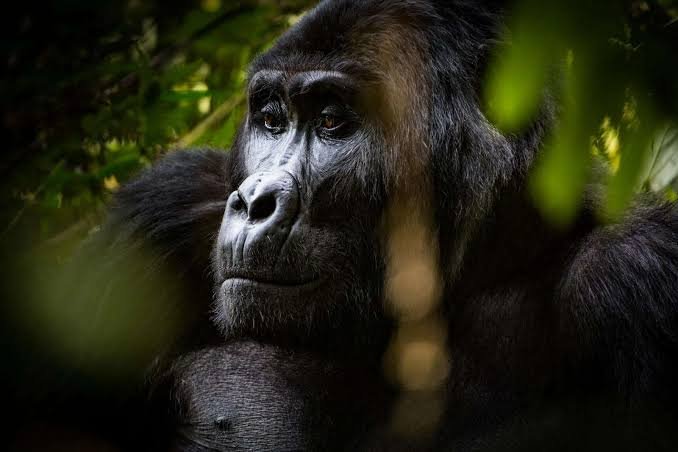
Gorilla Habituation in June, July and August offers favourable conditions for visitors, but the location and behaviour of the gorillas remain unpredictable. Some families may be encountered after a relatively manageable walk, while others may require a longer and more demanding journey. Visitors should not assume that a particular month guarantees better sightings, shorter walking distances, or specific family interactions. The primary advantage of visiting during this season is the generally improved trekking environment rather than any guarantee concerning the movement of wild mountain gorillas.
Gorilla Habituation vs Standard Gorilla Trekking During June, July and August
The main distinction between gorilla habituation and standard gorilla trekking is the amount of time visitors may spend observing the gorillas and the type of family involved. Standard gorilla trekking generally allows one hour with an already habituated family, while the specialised habituation experience permits up to four hours with a participating family undergoing habituation. Both activities operate under strict conservation guidelines and require separate permits, making it important to confirm the correct experience before booking.
Gorilla Habituation in June, July and August is especially suitable for travellers who want an extended forest encounter and are comfortable spending more time in physically demanding terrain. Standard trekking may appeal to those who prefer a shorter observation period or have limited time in their itinerary. Visitors should consider personal fitness, available travel days, permit requirements, and individual interests before making a decision. More information about the extended experience is available through our gorilla habituation experience guide.
Gorilla Habituation Permits for June, July and August
Securing permits early is essential because June, July and August are among Uganda’s busiest wildlife tourism months. Gorilla habituation has a limited daily allocation, with small visitor groups permitted to accompany designated conservation teams. This controlled approach helps reduce unnecessary disturbance to the gorillas while providing a carefully managed visitor experience. Travellers planning around fixed holiday dates should prioritise permits before committing to accommodation or other non-refundable arrangements.
Gorilla Habituation in June, July and August requires a dedicated habituation permit, which differs from an ordinary gorilla trekking permit. Availability must be confirmed for the intended date, and the applicable official tariff should be checked before payment because regulations and prices may change. Travellers should also confirm the assigned meeting point and any relevant conditions attached to their booking. Our Uganda gorilla habituation permit guide and Uganda Wildlife Authority permit information provide further guidance for planning and reservations.
Can You Travel From Kigali for Gorilla Habituation in June, July and August?
Kigali is one of the most convenient arrival points for travellers planning a short gorilla habituation safari in Uganda. From Rwanda’s capital, visitors can travel through the scenic northern highlands, cross into Uganda, and continue towards Rushaga in southern Bwindi. Under favourable conditions, the journey commonly takes approximately four to five hours, although border procedures, road conditions, and traffic may increase the overall transfer time.
Gorilla Habituation in June, July and August is particularly suitable for this route because relatively dry conditions can improve access along sections of the mountain roads. Nevertheless, arriving in Rushaga one day before the scheduled activity is strongly recommended. This allows sufficient time for checking into accommodation, preparing trekking equipment, and getting an appropriate night’s rest. Travellers interested in this arrangement can explore a three-day luxury gorilla habituation safari from Kigali or review the best entry points for gorilla habituation.
Can You Fly From Entebbe to Bwindi During These Months?
Travellers arriving through Entebbe International Airport can reach southern Bwindi by road or by combining a domestic flight with a shorter ground transfer. Scheduled flights to Kisoro Airstrip provide a convenient option for visitors who want to reduce the time spent travelling by road from central Uganda. From Kisoro, a private vehicle transfers guests through the surrounding highlands towards accommodation near Rushaga. Flight schedules and operating conditions should be confirmed before booking, especially when connecting with an international arrival.
For Gorilla Habituation in June, July and August, domestic flights can be particularly attractive to luxury travellers, photographers carrying additional equipment, and visitors with limited holiday time. Although these months generally offer favourable travel conditions, flights can still be affected by visibility, weather, and operational considerations. Travellers should allow suitable connection times and avoid scheduling their habituation activity immediately after arrival. The Rushaga access guide provides additional information for organising transfers into the southern section of Bwindi.
Best Accommodation for Gorilla Habituation in June, July and August
Choosing accommodation near Rushaga is essential for visitors who want convenient access to the habituation briefing point. Bwindi has several tourism sectors, and not every lodge located near the national park provides practical access to Rushaga. Travellers should confirm driving times, road conditions, and the exact location of their assigned activity before selecting accommodation. Staying nearby reduces unnecessary early morning travel and creates a more comfortable experience before and after the forest trek.

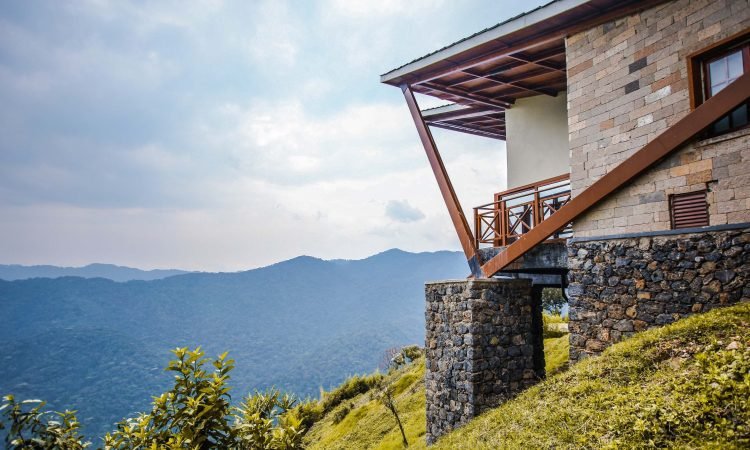
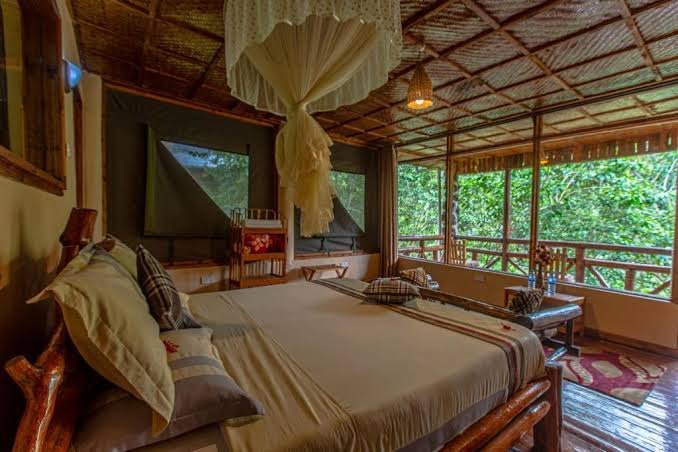
Gorilla Habituation in June, July and August attracts travellers across different accommodation categories, from comfortable mid-range lodges to premium properties overlooking the surrounding hills. Options serving the Rushaga area include Four Gorillas Lodge, Ichumbi Gorilla Lodge, Gorilla Safari Lodge, Rushaga Gorilla Havens Lodge, and other suitable accommodations. Availability can become limited during peak-season dates, so early booking is strongly recommended. Visitors seeking additional comfort and personalised service can explore our luxury lodges for gorilla habituation in Uganda, while budget-conscious travellers can review budget accommodation options.
Is June, July and August Good for Gorilla Photography?
June through August can provide excellent conditions for photographing mountain gorillas because rainfall is often reduced, light conditions may be more favourable, and forest trails are sometimes easier to navigate while carrying photography equipment. Early morning mist, filtered sunlight, vibrant green foliage, and changing cloud cover create attractive opportunities for environmental portraits and wildlife compositions. The extended observation period also allows photographers additional time to observe natural interactions and respond to changing light.
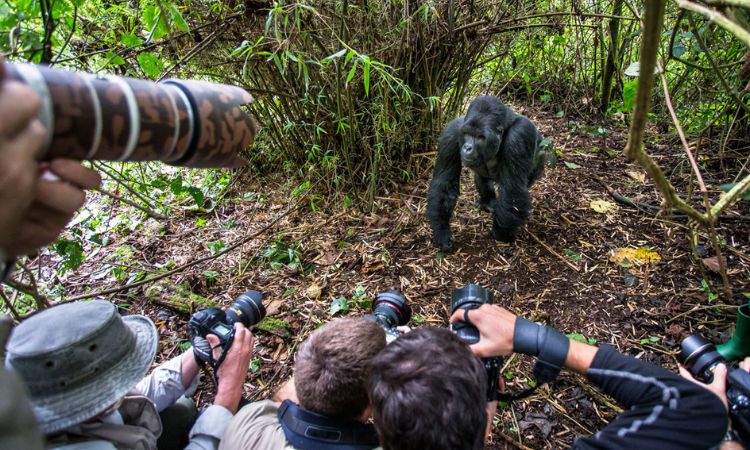
Gorilla Habituation in June, July and August is particularly appealing to visitors who want to document gorilla family behaviour, although successful photography requires patience and flexibility. Dense forest vegetation can produce low-light conditions even on sunny days, making suitable camera settings and equipment important. Visitors should carry protective covers, spare batteries, lens cloths, and secure bags for electronics. Flash photography is prohibited, and photographers must remain within the positions and distances directed by rangers. Our best camera for gorilla habituation safari guide provides further preparation advice.
What Should You Pack for Gorilla Habituation in June, July and August?
Packing appropriately is important because Bwindi’s mountainous rainforest conditions remain unpredictable even during the generally drier months. Visitors should bring strong waterproof hiking boots with ankle support, long trousers, long-sleeved shirts, lightweight rain protection, gardening gloves, and comfortable hiking socks. A warm layer is advisable for cool mornings, particularly when staying at higher elevations. Walking sticks can provide additional stability on steep slopes, while a waterproof daypack helps protect essential items.
Gorilla Habituation in June, July and August can occupy several hours of the day, making adequate drinking water, packed meals, personal medication, and practical equipment essential. Visitors carrying cameras should protect them against unexpected rain and moisture. Insect repellent and suitable sun protection may also be useful before or after the forest activity. Packing should focus on comfort, safety, and mobility rather than unnecessary luggage. Travellers who expect a demanding hike can consider hiring a porter to carry their belongings and provide assistance along difficult sections.
How Many Days Should You Spend on a Gorilla Habituation Safari?
A three-day itinerary is generally suitable for visitors beginning and ending their journey in Kigali. The first day involves travelling to Rushaga, checking into accommodation, and preparing for the next morning’s activity. The second day is dedicated to gorilla habituation, allowing sufficient time for briefing, tracking, extended observation, and returning to the lodge. On the third day, travellers can return to Kigali or continue towards another destination. A longer itinerary may be appropriate for visitors arriving through Entebbe or those interested in additional wildlife experiences.
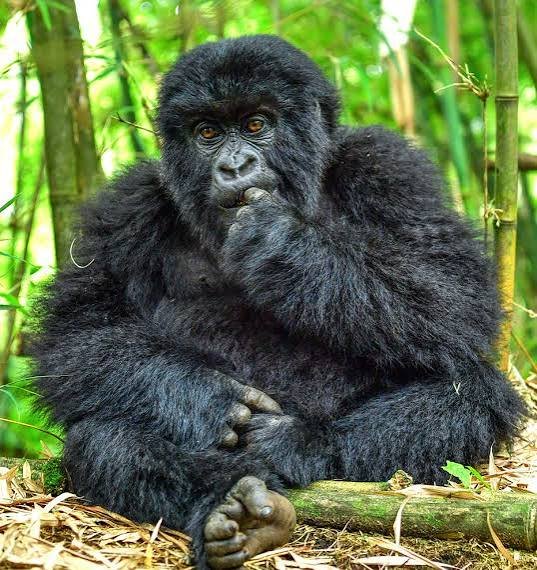
Gorilla Habituation in June, July and August can also be arranged as a four-day, five-day, or extended safari depending on individual interests and preferred travel pace. Travellers looking for a more relaxed experience may benefit from an additional night in Bwindi or Lake Bunyonyi after the trek. Suitable options include the five-day Uganda gorilla habituation safari and the five-day Bwindi gorilla habituation itinerary.
Can You Combine Gorilla Habituation With Other Uganda Wildlife Safaris?
June, July and August provide excellent opportunities to combine gorilla habituation with traditional wildlife safaris across Uganda. Travellers can continue to Queen Elizabeth National Park for game drives and a boat safari along the Kazinga Channel, where wildlife viewing may include elephants, buffaloes, hippos, and numerous bird species. Lake Bunyonyi offers a peaceful setting for relaxation after the physically demanding forest experience, while Kibale National Park provides opportunities for chimpanzee tracking and additional primate encounters.
Gorilla Habituation in June, July and August can therefore become the highlight of a broader journey through Uganda’s varied landscapes. Longer itineraries may include Murchison Falls National Park, where visitors can experience savannah wildlife, Nile River scenery, and the dramatic waterfalls. Travellers interested in combining different attractions can explore the gorilla habituation and Queen Elizabeth safari or an eight-day Uganda wildlife and gorilla habituation safari.
June, July and August vs December: Which Period Is Better?
Both June through August and December are excellent periods for gorilla habituation, although they have different seasonal characteristics. June and July are often among the driest months in Bwindi, while August may experience a gradual increase in rainfall as the next wetter period approaches. December marks the beginning of Uganda’s shorter dry season, and some forest trails may retain moisture from the preceding rains. Neither period guarantees completely dry weather because Bwindi remains a tropical rainforest throughout the year.
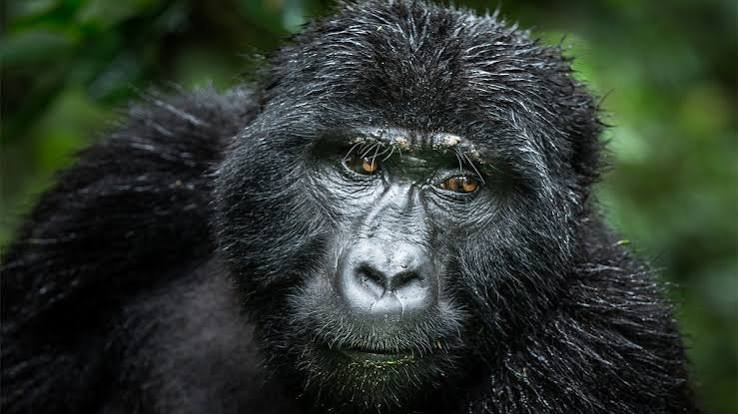
For travellers comparing Gorilla Habituation in June, July and August with December, the decision should depend on personal availability, preferred safari destinations, permit availability, and accommodation preferences. Both periods can attract considerable demand, particularly around major international holiday seasons. June through August may appeal to travellers planning longer East African wildlife safaris, while December can suit those arranging an end-of-year holiday. The quality of the gorilla habituation experience depends primarily on professional conservation management and the natural behaviour of the gorillas rather than the selected month alone.
Important Travel Considerations During the Peak Season
One of the greatest challenges associated with June, July and August is securing suitable permits and accommodation during a busy tourism period. Popular lodges can receive reservations far in advance, and the limited number of habituation permits means travellers may need flexibility when selecting dates. Transport planning is equally important because a delayed arrival or poorly arranged transfer can create unnecessary difficulties before an early morning activity. Visitors should therefore coordinate their permit, accommodation, and transportation arrangements before finalising their international travel plans.
Gorilla Habituation in June, July and August is most enjoyable when the itinerary allows realistic driving times, comfortable overnight accommodation, and adequate preparation. Travellers should also understand applicable entry requirements, carry the documents necessary for border crossings, and follow all ranger instructions during the forest activity. Mountain gorillas are vulnerable to human illnesses, so visitors must observe health-related restrictions and avoid participating when prohibited by current conservation rules. Respecting these requirements helps protect the gorillas while supporting sustainable tourism in Bwindi.
Frequently Asked Questions About Gorilla Habituation in June, July and August
1. Is Gorilla Habituation Good in June, July and August?
Yes. These months generally offer favourable trekking weather, reduced rainfall, and more manageable forest trails, making them excellent choices for visiting Bwindi.
2. Which Month Is Best for Gorilla Habituation: June, July or August?
June and July are often among the driest months, while August usually remains favourable. The best choice depends on permit availability, travel dates, and individual preferences.
3. Does It Rain in Bwindi During June, July and August?
Yes. Bwindi is a tropical rainforest, so occasional rainfall can occur even during the traditionally drier months.
4. Is Gorilla Habituation in June, July and August Difficult?
The activity can be physically demanding because of steep slopes, dense vegetation, and unpredictable tracking distances. Reasonable fitness and suitable hiking equipment are important.
5. How Long Can You Stay With Mountain Gorillas?
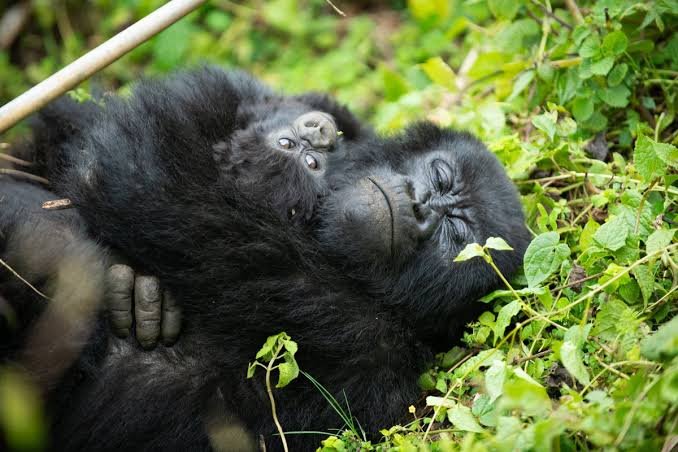
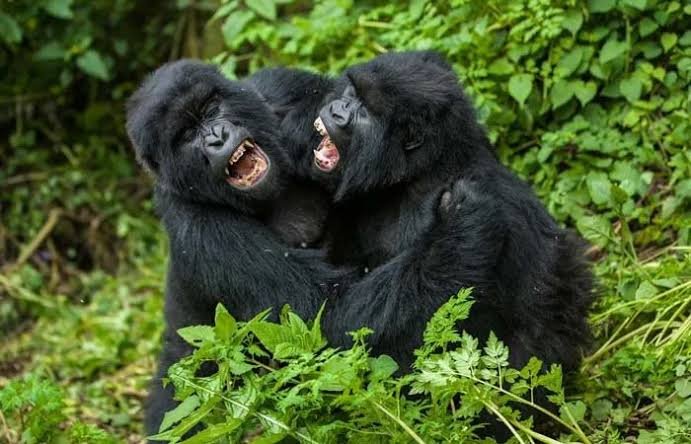
Gorilla habituation permits allow up to four hours with the participating family after it has been located, subject to ranger instructions and conservation regulations.
6. Are Gorilla Habituation Permits Available in July?
Permits are offered for July, but availability depends on official allocations and existing reservations. Booking well in advance is strongly recommended.
7. Can You Do Gorilla Habituation From Kigali?
Yes. Travellers can reach Rushaga from Kigali by road and participate in the activity after an overnight stay near the designated briefing point.
8. Is August Too Rainy for Gorilla Habituation?
No. August is generally a favourable month, although rainfall may gradually increase towards its end. Waterproof clothing remains important.
9. Is Gorilla Habituation Suitable for Wildlife Photography?
Yes. The extended observation period provides valuable opportunities for wildlife photography, provided visitors follow ranger instructions and avoid flash photography.
10. What Is the Minimum Age for Gorilla Habituation?
The minimum participation age is generally 15 years. Travellers should confirm the current age and permit requirements before booking.
Book Your Gorilla Habituation Safari in June, July and August
Gorilla Habituation in June, July and August offers an extraordinary opportunity to explore Uganda’s beautiful mountain rainforest and observe endangered gorillas during one of the country’s most favourable travel periods. Whether you are planning a short journey from Kigali, a luxury fly-in safari from Entebbe, or an extended wildlife itinerary, careful planning will help ensure suitable accommodation, reliable transportation, and the correct permits are arranged for your preferred travel dates.
Our safari planning services can assist with developing a personalised itinerary based on your group size, arrival destination, travel dates, accommodation preferences, and additional wildlife interests. Because these months attract significant visitor demand, early arrangements are particularly important. Explore our gorilla habituation trekking tours or browse the available Uganda gorilla habituation safari experiences to begin planning your journey.
Final Verdict: Is Gorilla Habituation Good in June, July and August?
Yes. June, July and August are among the most rewarding months for gorilla habituation in Uganda because they generally combine relatively dry conditions, more comfortable trekking weather, beautiful rainforest landscapes, and opportunities for extended observation of mountain gorillas. Although forest trails can remain challenging and occasional rain is possible, these months are particularly attractive for visitors who want to experience Bwindi during the longer dry season.
Gorilla Habituation in June, July and August is an excellent choice for nature enthusiasts, wildlife photographers, couples, eligible family groups, and travellers combining Uganda with other East African safari destinations. By securing permits early, choosing accommodation near Rushaga, and preparing appropriately for mountain rainforest conditions, you can enjoy one of Uganda’s most remarkable wildlife experiences while supporting the long-term protection of endangered mountain gorillas.