

How Much Time Do You Spend With Gorillas During Gorilla Habituation?
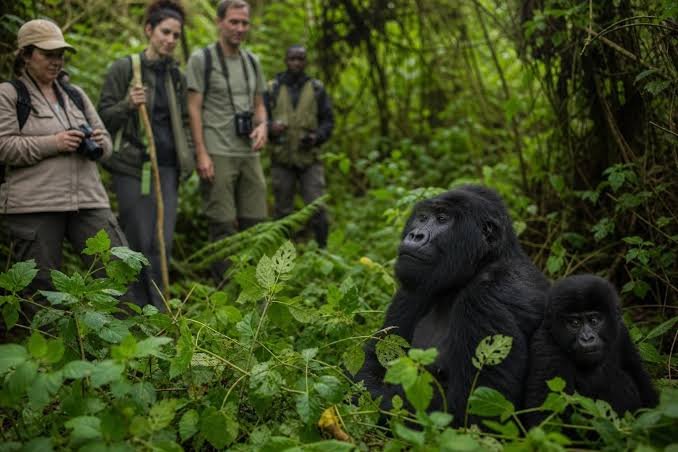
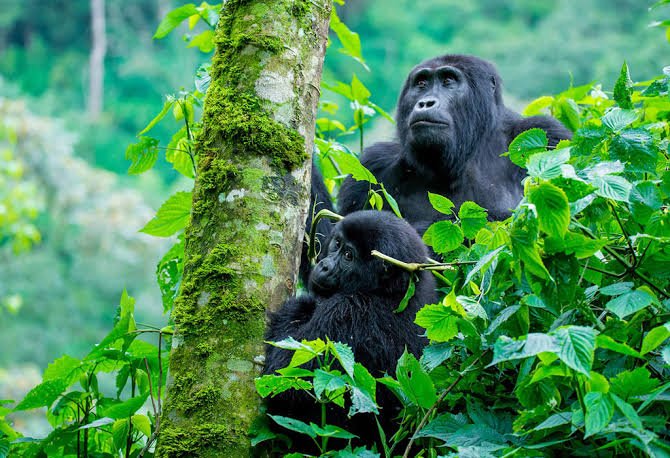
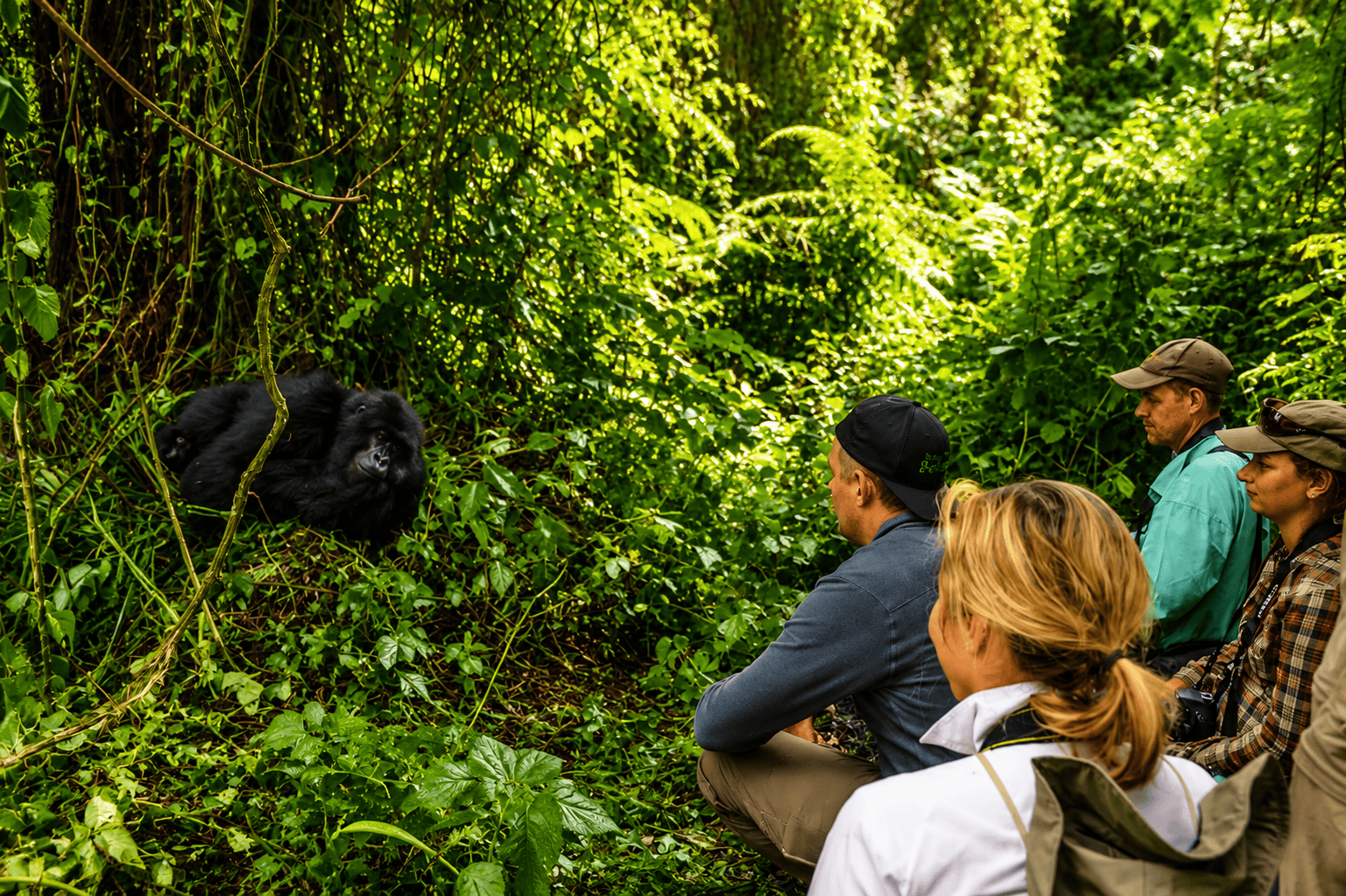
Gorilla Habituation Viewing Time is up to four hours once you reach the mountain gorillas during the official Gorilla Habituation Experience in Uganda. This four-hour period is direct viewing time and does not include the time spent hiking through Bwindi Impenetrable National Park before the gorillas are located or the return walk after the encounter. Uganda Wildlife Authority distinguishes viewing time from total tracking time, which means your complete Gorilla Habituation day can last much longer than four hours depending on where the gorilla family is located, how difficult the forest terrain is and how long the return hike takes. This extended viewing period is one of the main differences between Gorilla Habituation and standard gorilla trekking, where visitors normally spend up to one hour with a fully habituated gorilla family after reaching it.
The difference between four hours of gorilla viewing and four hours in the forest is one of the most important details to understand before booking the experience. Some travellers initially assume that Gorilla Habituation begins when they leave the park briefing point and ends exactly four hours later, but that is not how the activity is managed. UWA defines tracking time as the entire experience beginning immediately after the morning briefing and continuing until visitors return for debriefing, while viewing time refers specifically to the period spent with the primates after they have been encountered. UWA states that the Gorilla Habituation Experience begins from around 6:30 a.m. and continues until visitors return to the briefing location, while the maximum viewing time with the gorillas is four hours.
This distinction means that Gorilla Habituation can easily occupy most of your day in Bwindi Impenetrable National Park. If the gorilla family is relatively close to the area where trackers expect to find it, you may reach the gorillas after a manageable hike and begin your four-hour observation earlier in the morning. If the gorillas have moved deeper into the forest, crossed difficult terrain or travelled farther from their previous location, the search may take much longer. The unpredictability is part of the experience because mountain gorillas remain wild and free-ranging. The permit gives you access to a professionally managed encounter, but it does not place the animals at a fixed viewing platform waiting for visitors.
Do You Really Get Four Hours With the Gorillas?
Uganda Wildlife Authority‘s published guidelines allow a maximum of four hours of viewing for the Gorilla Habituation Experience. The word “maximum” is important because the official rule defines the upper viewing limit rather than promising that every possible circumstance will result in exactly four uninterrupted hours beside the gorillas. Wildlife conditions, conservation decisions, gorilla behaviour, visitor health or instructions from the professional team may affect how an individual day unfolds. Under normal circumstances, however, the four-hour maximum is the defining feature that separates Gorilla Habituation from standard gorilla trekking.
For most travellers, this extended time fundamentally changes the character of the encounter. During an ordinary one-hour gorilla trek, the hour can feel surprisingly short because the first few minutes are often filled with excitement, adjusting to the environment and trying to understand where individual gorillas are positioned. By the time you settle into the experience, a significant portion of the hour may already have passed. During Gorilla Habituation, the longer observation window allows you to move beyond that initial rush and begin noticing much more subtle behaviour.
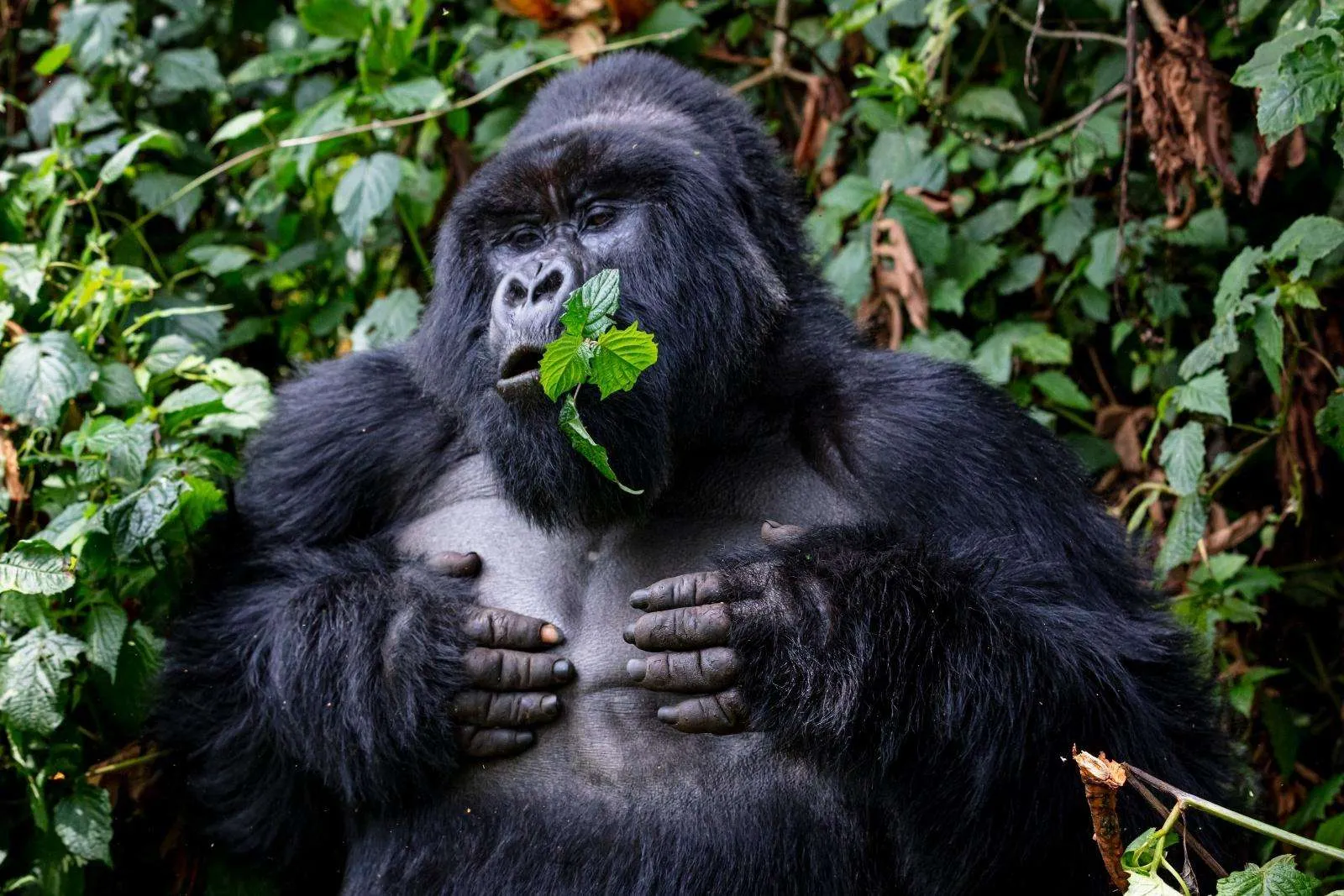
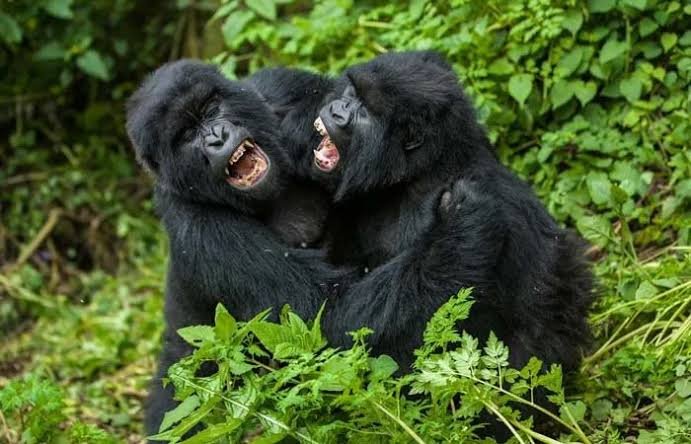
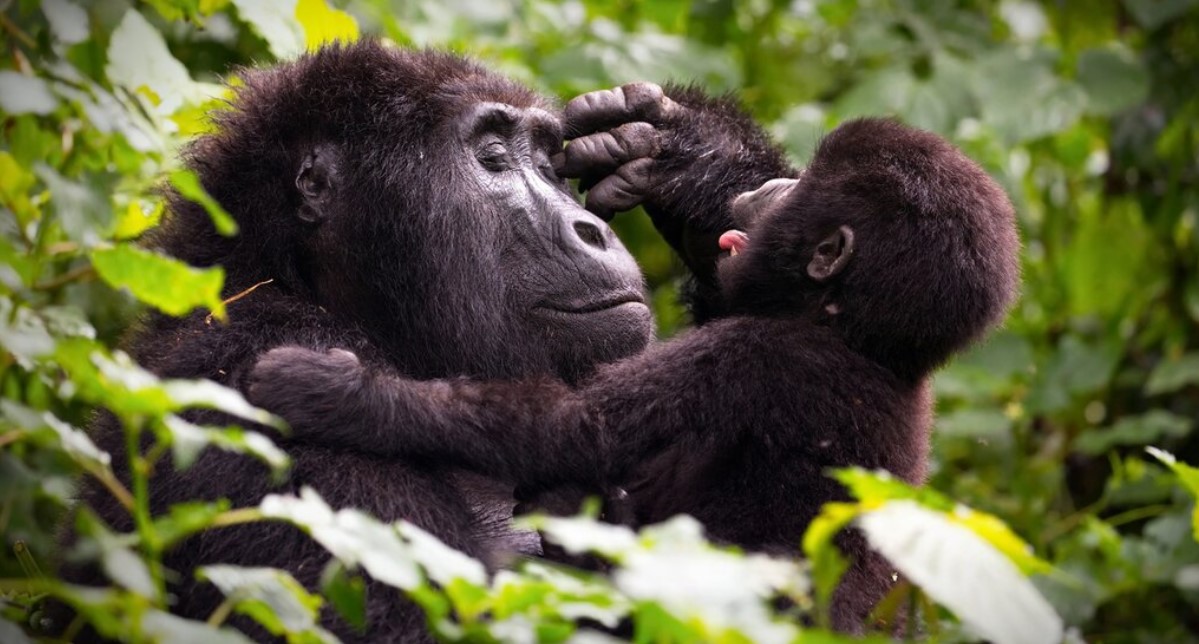
Four hours may include long periods in which the gorillas are feeding quietly, mothers are caring for infants, juveniles are climbing through vegetation or the silverback is resting while monitoring the family. The group may also begin moving, requiring visitors and the professional team to carefully follow while respecting the appropriate viewing procedures. Instead of expecting four hours of constant dramatic action, the value comes from being able to watch the natural rhythm of a gorilla family over an extended period.
When Does the Four-Hour Gorilla Viewing Time Begin?
The four-hour viewing period begins when you reach the gorillas. Uganda Wildlife Authority‘s guidelines explicitly define viewing time as the duration visitors remain with the primates after the encounter and state that the time starts from the moment visitors reach the gorillas or chimpanzees. This means the hiking and searching period before the first encounter does not normally consume your four-hour viewing allowance.

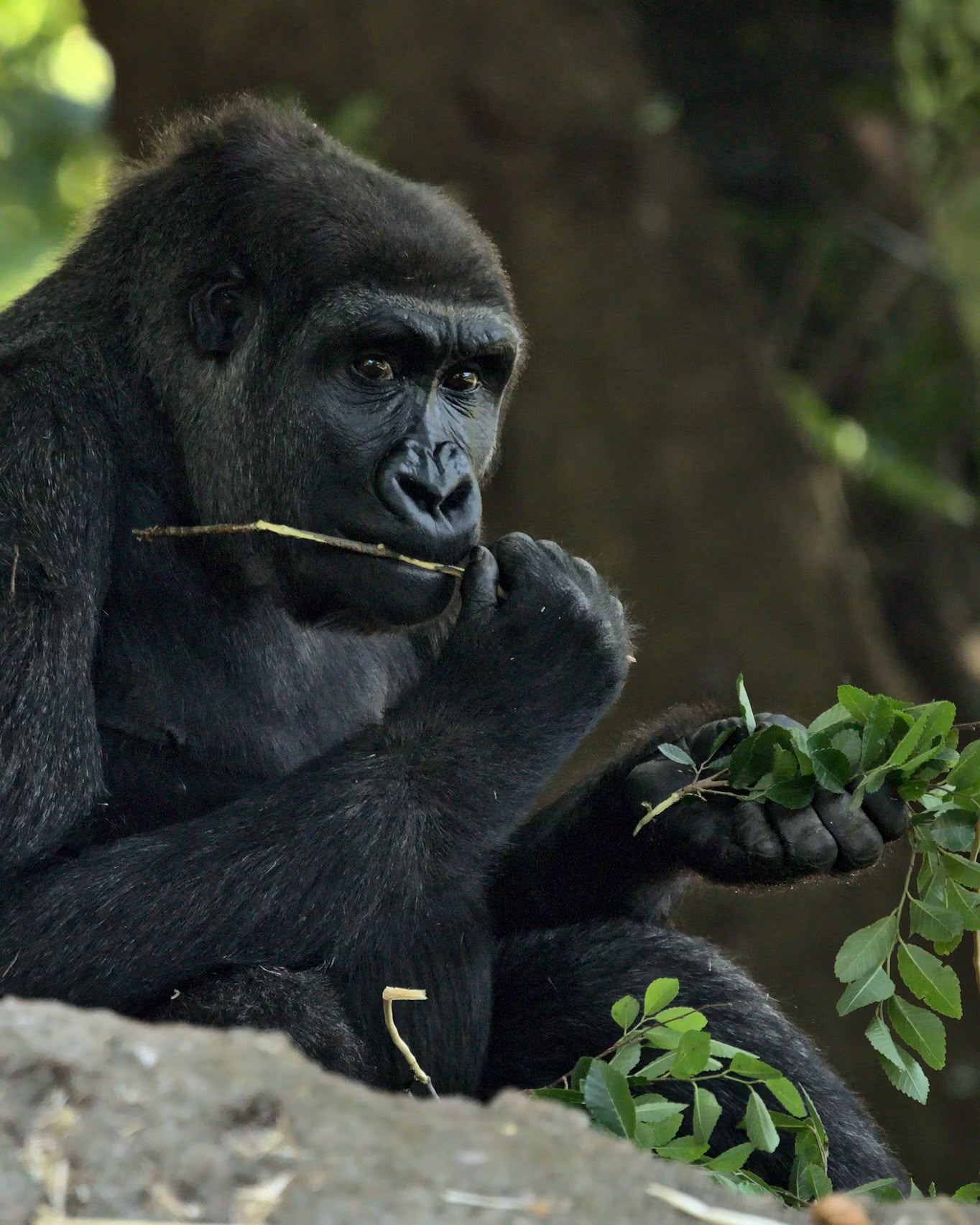
This is particularly important when the gorillas are difficult to locate. You might spend a considerable amount of time walking through Bwindi before the trackers confirm that the family is close. That period remains part of the overall tracking experience but is separate from the maximum four hours allocated for viewing once the gorillas have been encountered.
The distinction gives Gorilla Habituation much greater value for travellers who want extended observation because your viewing period is not automatically reduced simply because the gorillas were farther away that morning. The effort required to reach them may make the day longer and more physically demanding, but the official viewing allowance begins at the encounter.
How Long Can the Entire Gorilla Habituation Day Take?
There is no single fixed number of hours that every Gorilla Habituation day lasts. Uganda Wildlife Authority states that the activity begins from around 6:30 a.m. and continues until visitors return to the briefing location for debriefing. The total duration therefore depends on how long it takes to locate the gorilla family, how the gorillas move during the encounter and how long it takes your group to return through the forest afterward.
On some days, the gorillas may be relatively accessible and the entire activity may progress efficiently. On other days, the gorillas may have moved significantly from where they were previously observed, turning the search into a much longer trek through steep and densely vegetated sections of Bwindi.
You should therefore keep the entire day free rather than arranging another major activity immediately afterward. Even if you return earlier than expected, a relaxed afternoon or evening at your lodge is usually more appropriate after several hours in the forest than a long road transfer or another physically demanding excursion.
The uncertainty should not be viewed as poor organisation. It is a natural consequence of visiting wild mountain gorillas in their real habitat. Their movements determine how the day develops rather than a tourism timetable determining where the animals must remain.
Why Does Gorilla Habituation Start Earlier Than Standard Trekking?
Uganda Wildlife Authority places Gorilla Habituation from around 6:30 a.m., whereas normal gorilla tracking begins from around 8:00 a.m. The earlier start reflects the longer nature of the habituation activity and the conservation context in which it takes place.
Beginning early gives the professional team and visitors more time to locate the gorilla family and complete the extended observation period without forcing the activity into a short part of the day. The team may also be following information about where the gorillas nested or where they were last observed, and early movement through the forest helps maintain continuity in the monitoring process.
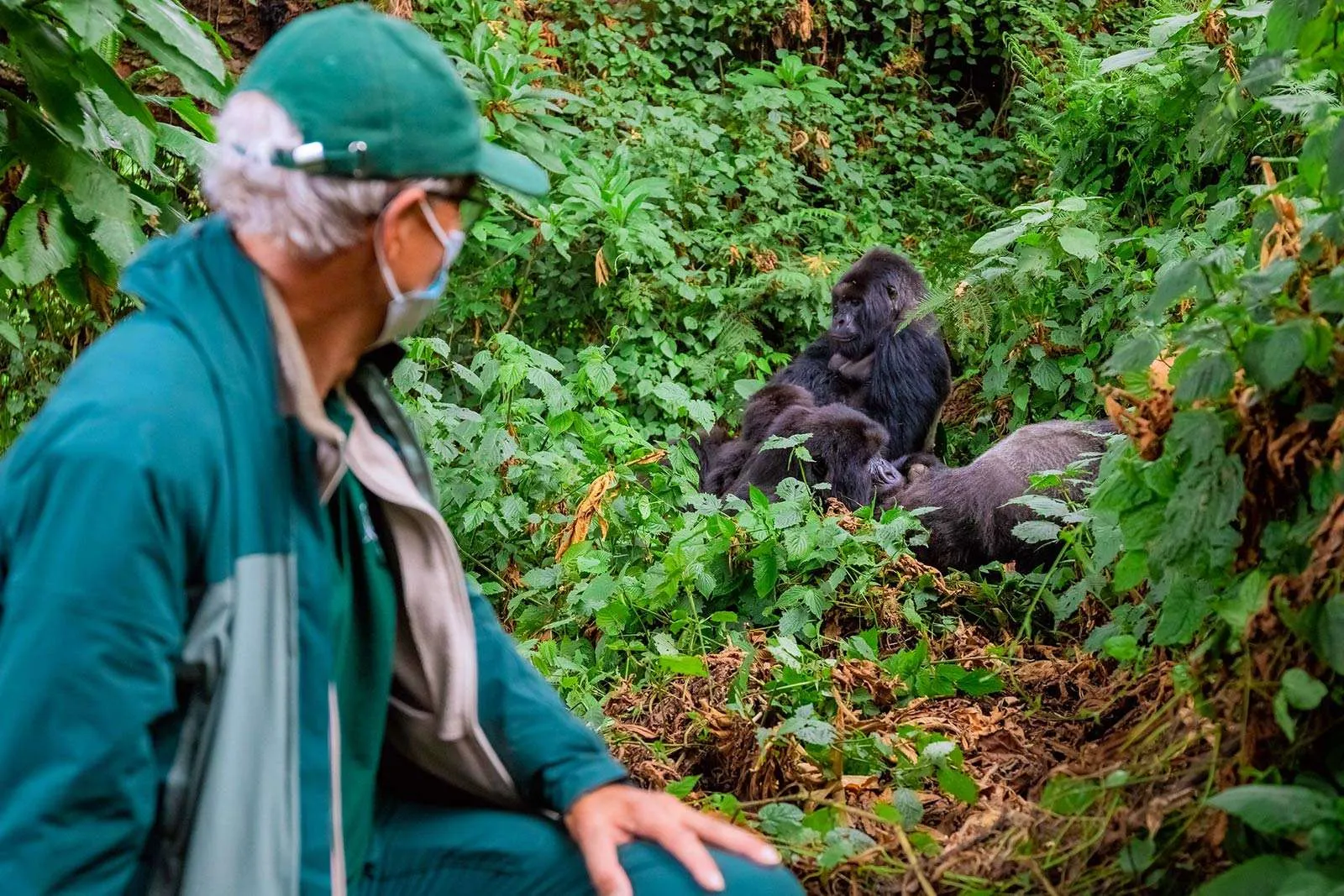
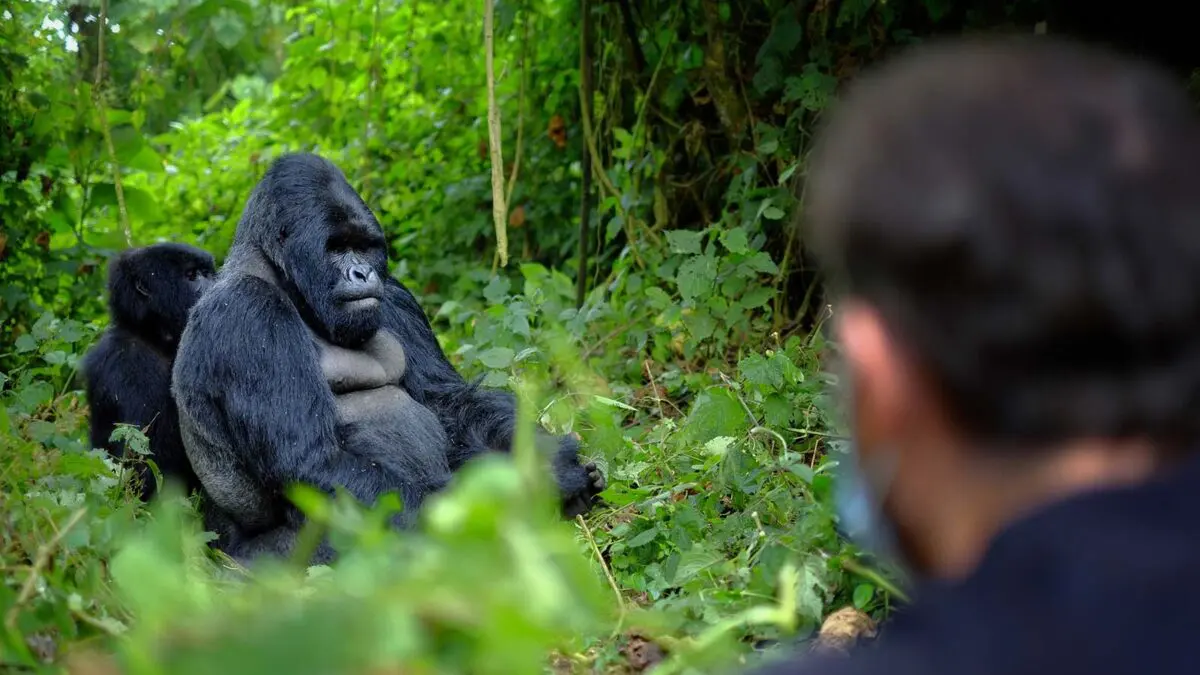
For travellers, the 6:30 a.m. start means accommodation location matters significantly. You should ideally stay near the correct Bwindi activity area on the night before Gorilla Habituation. Attempting a lengthy transfer in darkness on the same morning can create unnecessary stress and increase the risk of arriving late.
The evening before the activity is therefore best kept relatively relaxed. An early dinner, preparation of trekking equipment and a good night’s rest can make a considerable difference to how comfortable you feel during the long forest day.
How Does Four-Hour Gorilla Habituation Compare With One-Hour Trekking?
The viewing-time difference is substantial. Standard gorilla trekking gives you a maximum of one hour with the gorillas once they are reached, while Gorilla Habituation provides a maximum of four hours. This means the habituation experience offers up to four times the direct gorilla viewing time available during an ordinary trek.
However, describing the difference only mathematically does not fully explain how the experiences feel. One hour is long enough to create an extraordinary encounter, but it naturally encourages visitors to absorb everything quickly. You may take photographs, watch several family members and listen to your guide explain some of the behaviours taking place, but the hour can end before the gorillas significantly change what they are doing.
Four hours creates a much slower experience. You may see the family during several different phases of activity. Gorillas that were feeding when you arrived might later rest. Young animals may become more active. The family may move through the forest, creating completely different viewing conditions from those you encountered during the first hour.
This additional time can turn the experience from simply seeing mountain gorillas into observing how a gorilla family lives.
Is the Four-Hour Experience Continuous?
The four-hour maximum viewing period should be understood as time spent with the gorilla family under the management of the professional team rather than four hours of sitting in one location without moving. Mountain gorillas are free-ranging animals, so they can change position, feed through vegetation or travel through the forest while you are observing them.
Visitors may therefore need to carefully reposition as the gorillas move. This movement is controlled by the guides and habituation team, and the group should never independently chase or surround the gorillas.
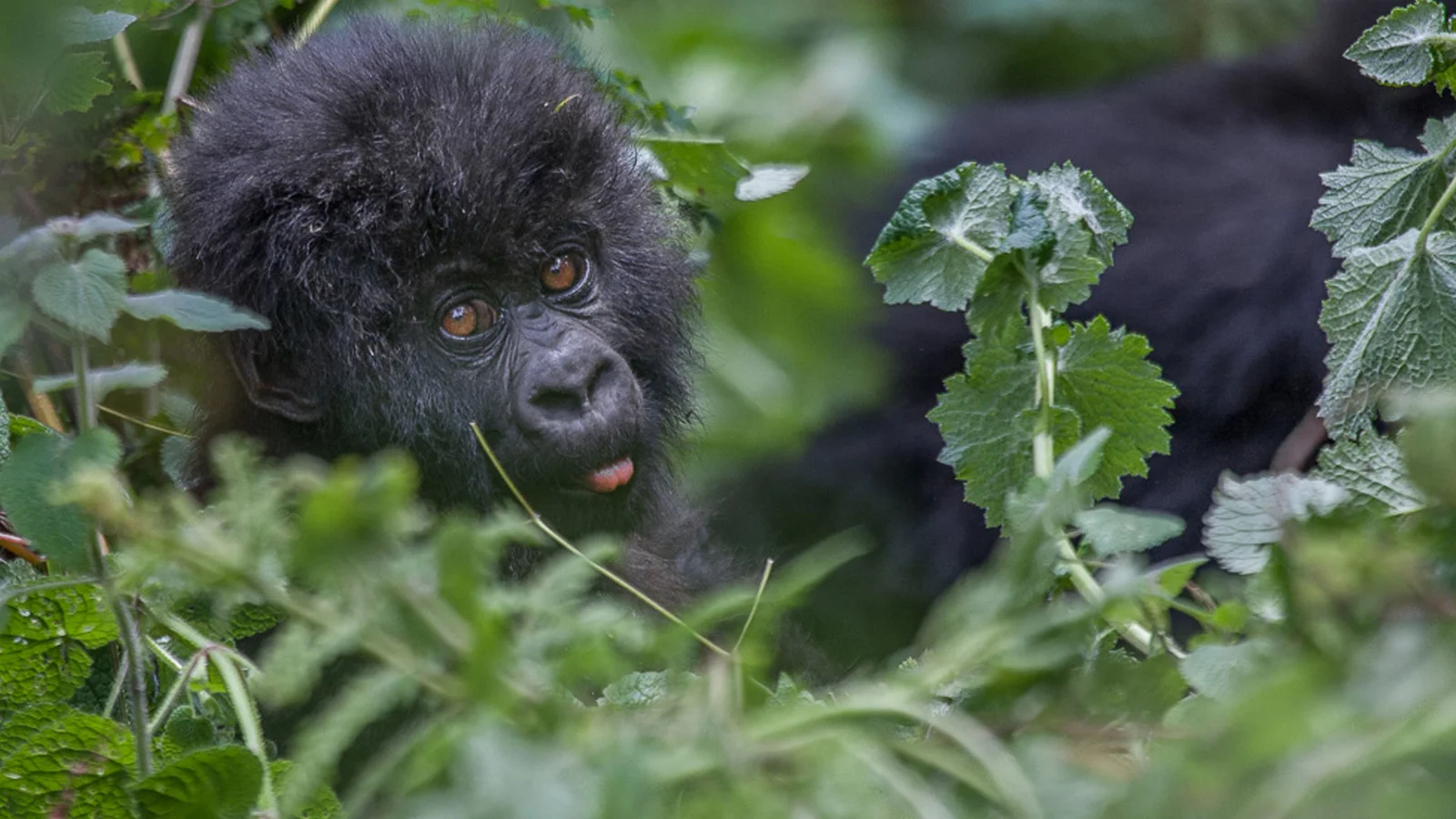
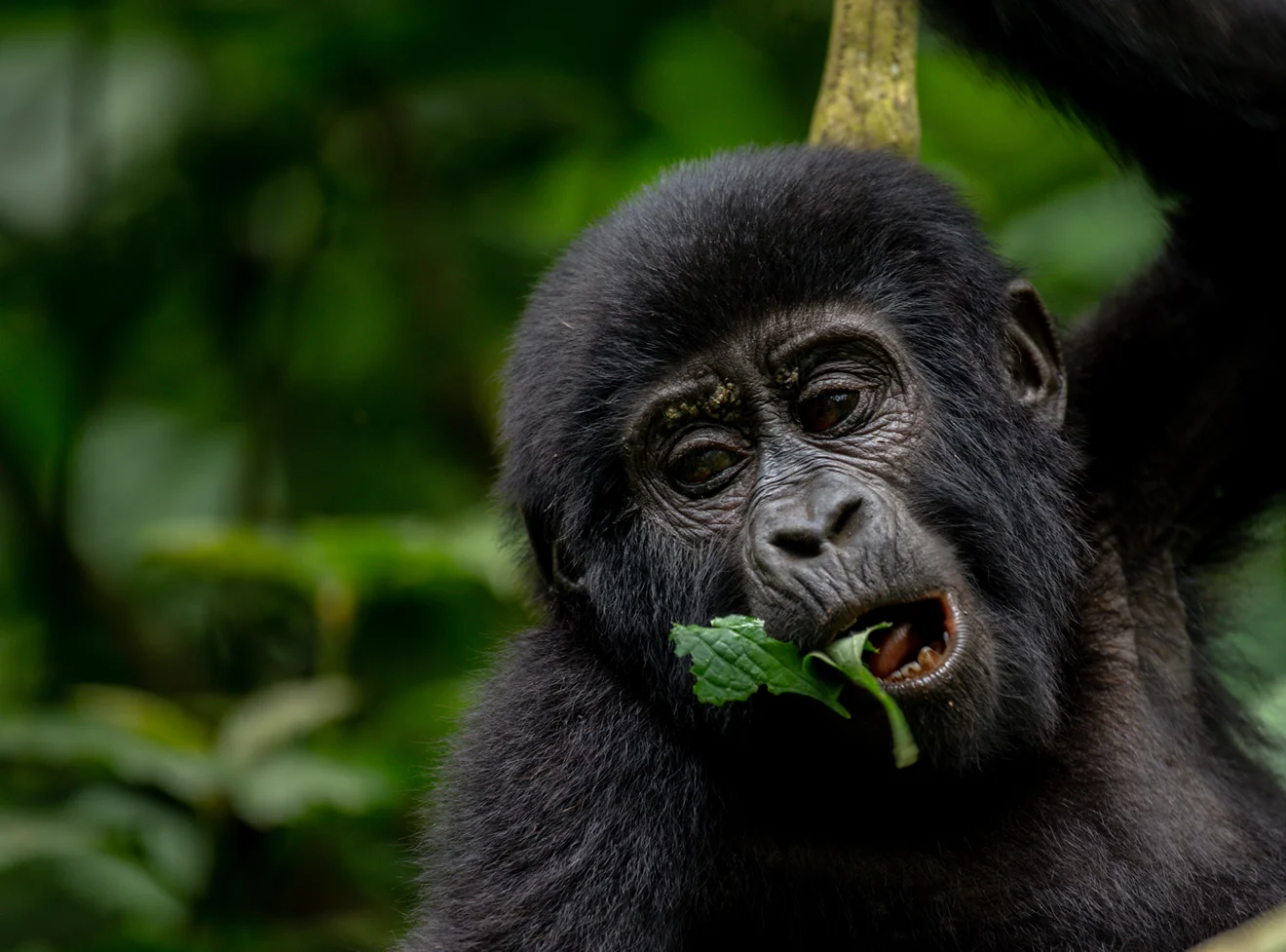
There can also be periods when vegetation makes some animals difficult to see. A gorilla may move behind foliage or descend into an area where visibility becomes temporarily limited. This does not mean the experience has failed. Natural wildlife observation includes moments when the animals are partially obscured.
The extended viewing period is especially valuable in these circumstances because poor visibility during one part of the encounter does not necessarily define the entire experience. Conditions may improve later as the gorillas move.
What Can You Observe During Four Hours With Gorillas?
Four hours can reveal aspects of mountain gorilla behaviour that are easy to miss during a shorter encounter. At first, you may focus primarily on obvious physical characteristics such as the size of a silverback or the facial expressions of an adult female. As the experience continues, patterns within the family begin to become more noticeable.
You may observe how individual gorillas choose feeding locations, how young gorillas stay close to adults, how mothers carry or supervise infants and how the dominant silverback responds to movements within the group. Quiet periods can be just as revealing as active ones because resting positions and social relationships provide insight into how the family functions.
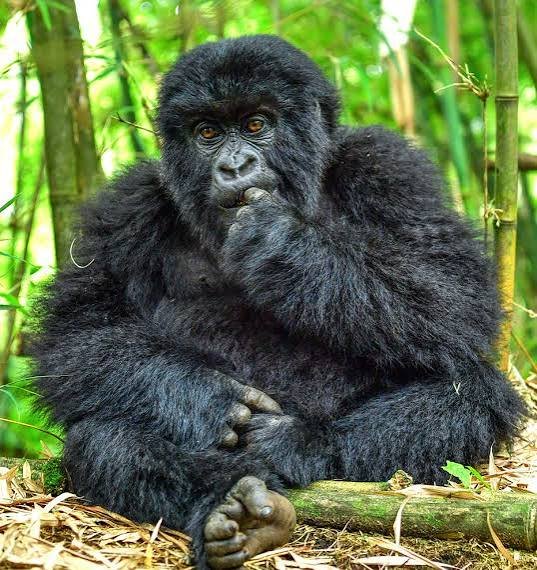
Juveniles can be particularly entertaining because their behaviour may include climbing, playing and interacting with other family members. Their activity often contrasts with the calm presence of adult gorillas, creating a more complete picture of the different roles within the group.
Four hours also gives your guide and the habituation team more opportunity to explain what you are seeing without needing to rush through every interpretation.
Why Is Four Hours Better for Gorilla Photography?
Rainforest photography is difficult because light is inconsistent, vegetation is dense and the gorillas rarely position themselves for the convenience of a camera. A one-hour viewing period may coincide with poor light or difficult visibility, while four hours provides more opportunities for natural conditions to change.
A gorilla that initially sits behind thick leaves may later move into a more open area. A mother facing away from you may eventually change position, giving you a clearer view of an infant. Cloud cover may shift enough to soften harsh light or brighten a dark section of forest.
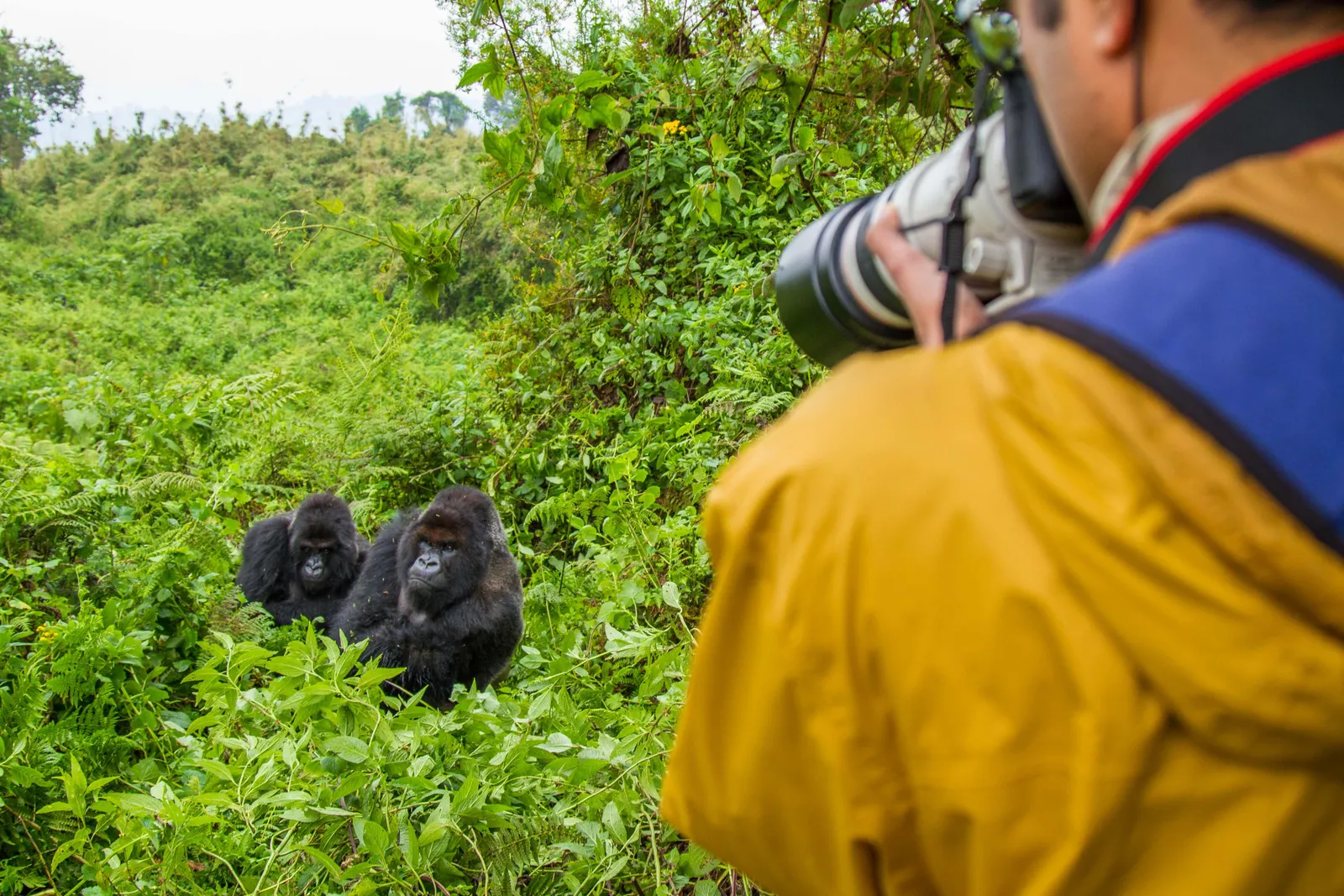
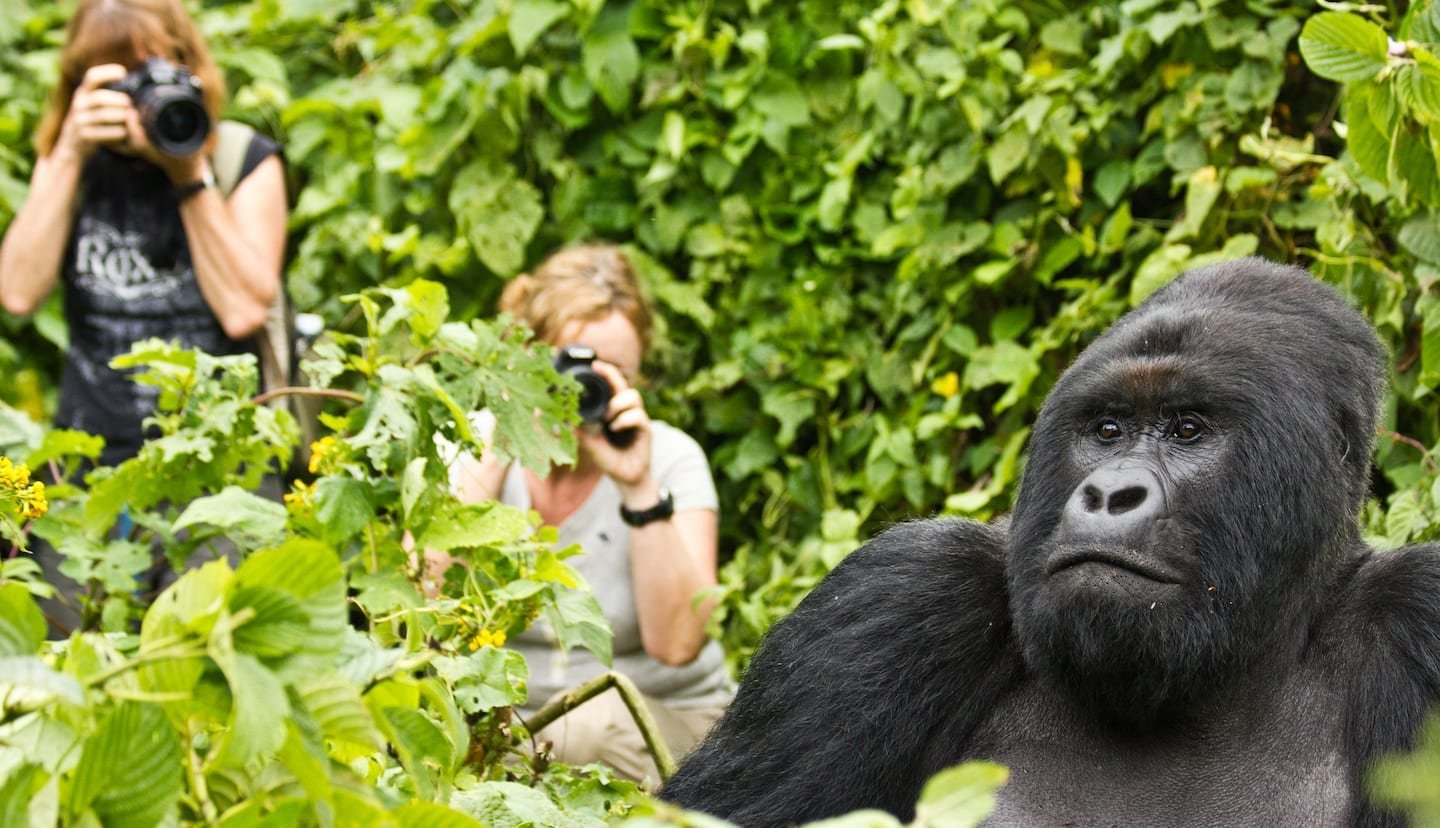
The extra time also allows you to photograph more deliberately. Instead of taking hundreds of images immediately because you are worried that the encounter will end, you can watch the gorillas first and wait for meaningful behaviour.
For serious wildlife photographers, this patience can produce stronger images because you begin anticipating moments rather than simply reacting to them.
However, the additional time does not guarantee perfect photographs. The gorillas remain wild, and the professional team determines where visitors can safely and responsibly position themselves.
Do You Spend Four Hours Touching or Interacting With Gorillas?
No. Gorilla Habituation provides extended observation, not physical interaction.
Habituation means gradually familiarising wild gorillas with controlled human presence. It does not mean domesticating them or creating a situation in which visitors are encouraged to touch, feed or play with the animals.
Visitors remain under the direction of guides and other professionals throughout the encounter. If a gorilla moves closer, you should follow the instructions given by the team rather than trying to create contact for a photograph.
The four-hour allowance should therefore be thought of as extended access to observe natural behaviour rather than extended permission to interact.
This distinction is central to responsible gorilla tourism. The objective is to allow people to witness wild animals while minimising disturbance and protecting the long-term welfare of the family.
Does the Gorilla Habituation Family Stay in One Place for Four Hours?
Usually not. Mountain gorillas can continue feeding and moving while visitors are present.
The family may initially be found in one area and gradually travel through surrounding vegetation. As this happens, trackers and guides manage how the visitor group follows.
This can make the four-hour period physically more demanding than travellers sometimes expect. Reaching the gorillas does not necessarily mean the hiking has finished. You might continue negotiating forest terrain while keeping pace with the group’s movements.
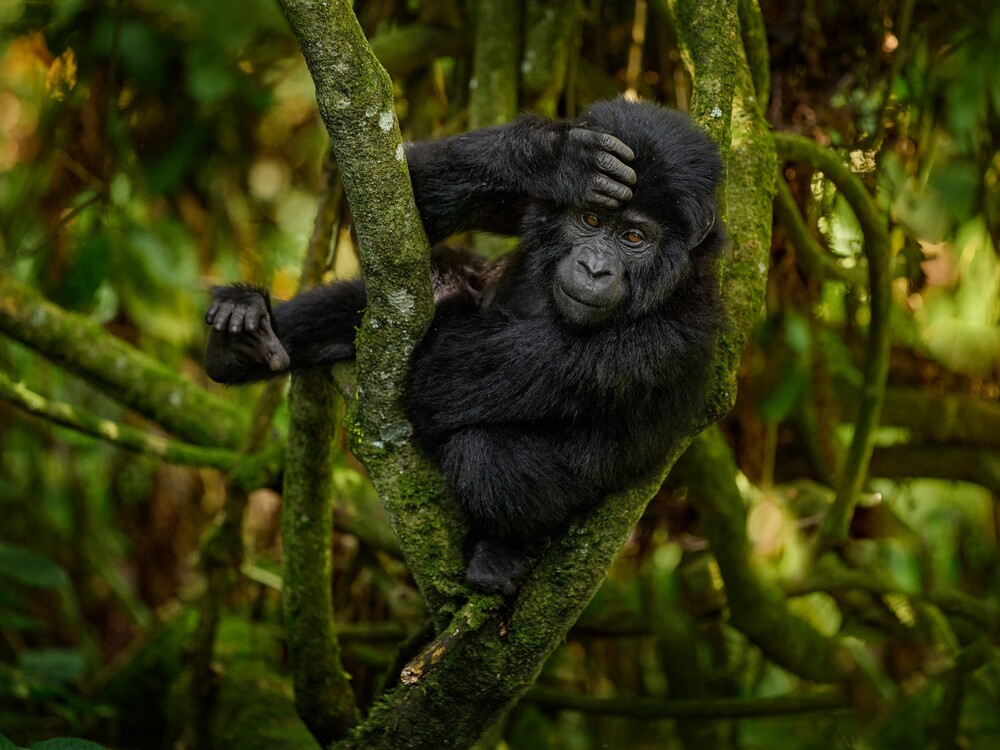
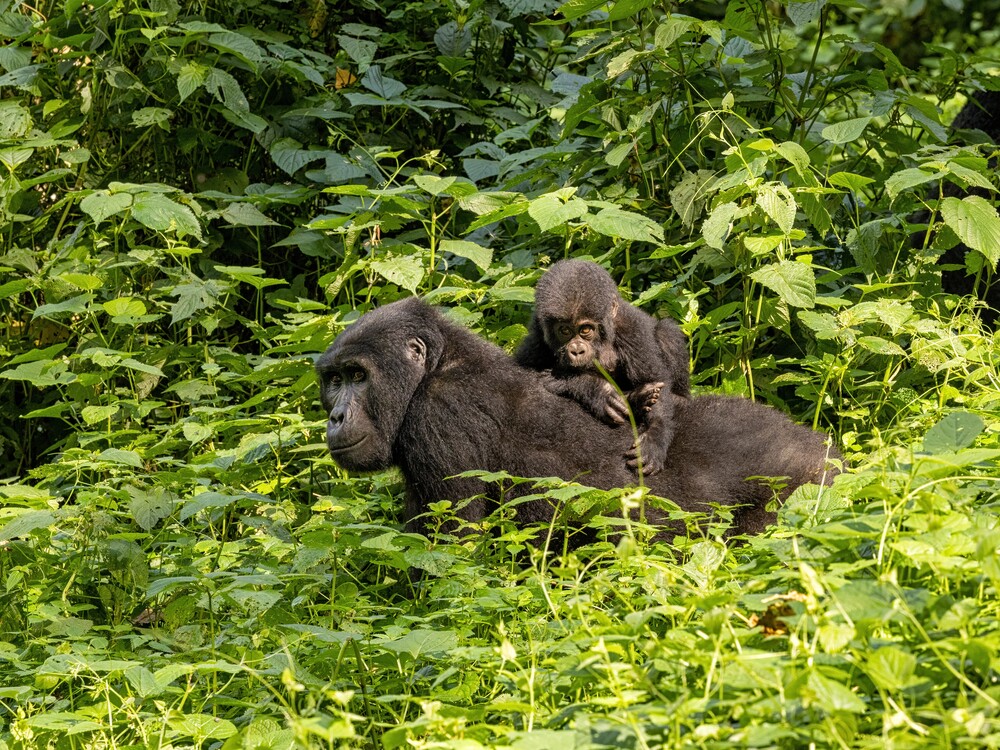
The experience can therefore involve a combination of standing, crouching, carefully walking and waiting while the gorillas reposition themselves.
This constant natural movement is one of the reasons good physical preparation is useful. You are not spending four hours seated at an observation platform.
Does Tracking Time Count Toward the Four Hours?
No. Uganda Wildlife Authority distinguishes tracking time from viewing time. Tracking begins after briefing and covers the entire experience until you return for debriefing, whereas viewing time begins when the gorillas are encountered.
If you spend two hours locating the family, those two hours are part of the overall tracking experience rather than the four-hour maximum gorilla viewing period.
This is one of the strongest advantages of Gorilla Habituation because a longer search does not simply leave you with whatever amount of time remains from a four-hour total activity window.
Visitors should nevertheless remember that the complete day becomes longer when the search takes more time. A two-hour approach followed by extended viewing and another long walk back can create a demanding forest day.
Can Tracking Take Longer Than Gorilla Viewing?
Yes. Depending on the gorillas’ location, the search and return journey combined can potentially occupy more time than the direct observation period.
The gorilla family may have travelled several kilometres from the previous day’s location, and Bwindi’s steep terrain can make relatively short distances take considerable time.
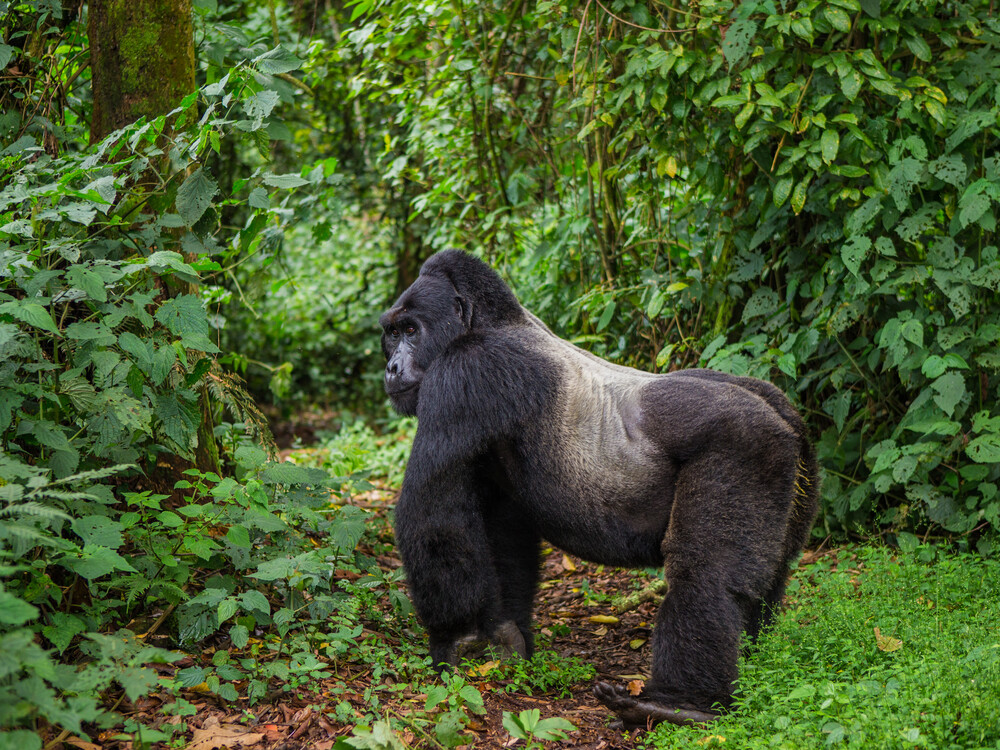
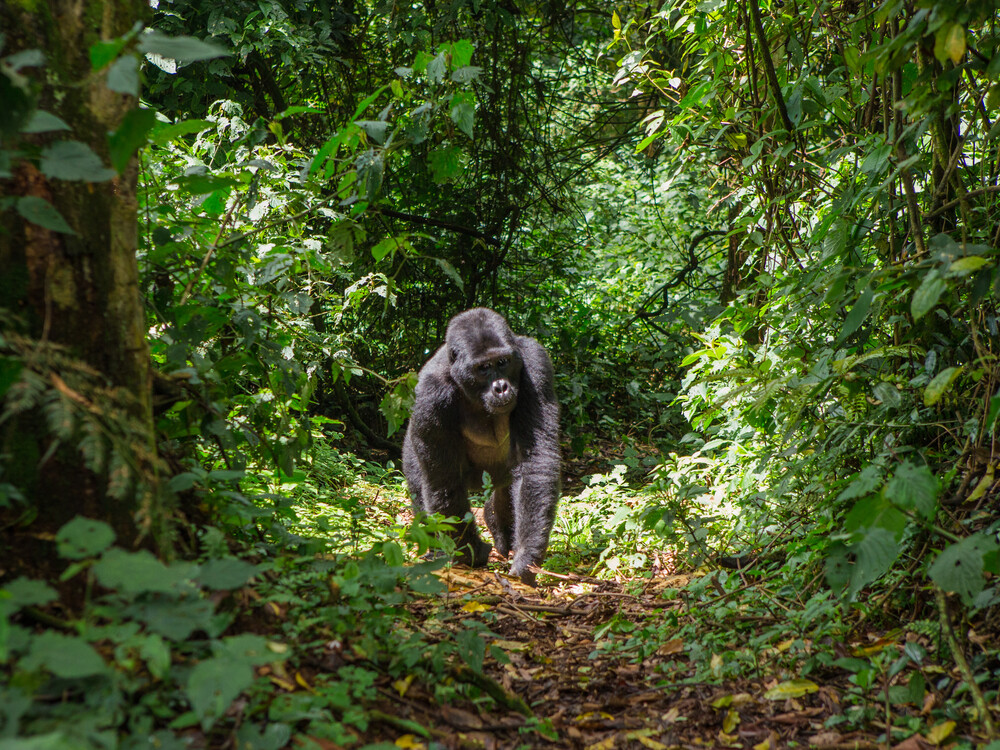
Trackers use signs such as feeding remains, nesting sites and disturbed vegetation to interpret where the gorillas have moved. Their local knowledge substantially improves the search, but they cannot control the animals’ movements.
This variability is why visitors should approach Gorilla Habituation as a full-day wildlife activity rather than scheduling it like a fixed four-hour excursion.
What Happens After the Four Hours End?
Once the maximum viewing period has been completed, your group begins leaving the gorillas and eventually makes its way back through the forest toward the appropriate park area for debriefing.
The return hike may take a significant amount of time depending on how far the gorillas have moved during your observation. It is therefore entirely possible to finish the four-hour viewing period and still have a substantial walk remaining before the overall experience is complete.
The emotional transition can also be striking. After several hours focused intensely on the gorilla family, leaving the animals behind often gives travellers time to process what they have seen while walking through the forest.
Once back at the park area, the activity concludes according to UWA’s procedures.
Why Is Gorilla Habituation Limited to Four Hours?
Controlled viewing limits are part of the system used to manage human exposure to great apes.
A longer experience provides meaningful benefits for visitors and conservation observation, but unlimited human presence around the same gorilla family would create unnecessary pressure.
The four-hour maximum creates a balance. It offers substantially deeper observation than standard trekking while maintaining a defined limit on tourism contact.
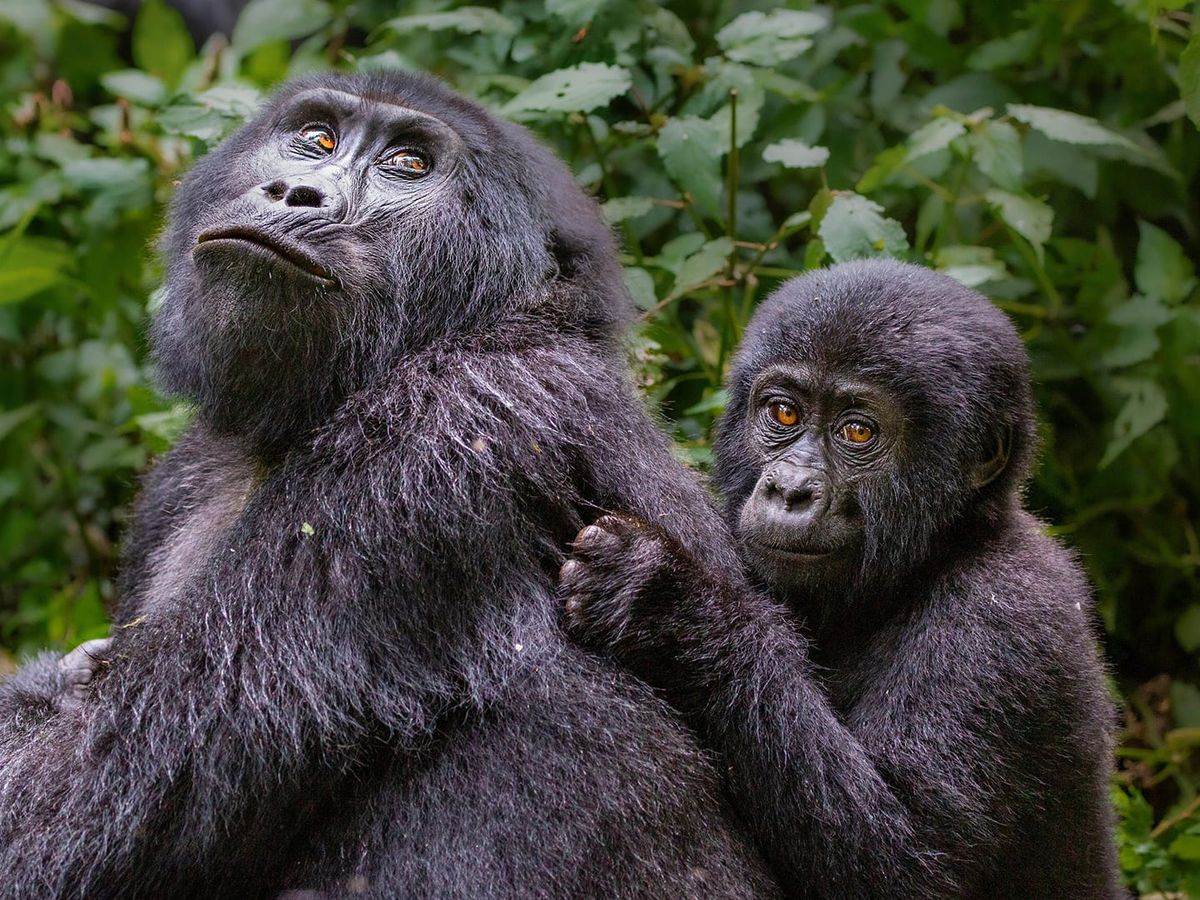
The limit also reminds visitors that paying more for a permit does not give them unrestricted access to wildlife. Gorilla welfare and conservation management continue to determine the boundaries of the experience.
Is Four Hours Too Long for Some Travellers?
Four hours with gorillas can be extraordinary, but the complete experience may be physically tiring for travellers who are not comfortable spending many hours in mountainous rainforest.
The challenge comes from the entire day rather than from simply standing near the gorillas for four hours. You may hike for several hours before the encounter, follow the family through difficult terrain during the viewing period and then walk back afterward.
Travellers with reasonable fitness usually find the experience manageable when properly prepared, but anyone with mobility concerns should discuss them honestly with the safari operator before booking.
A porter can significantly improve comfort by carrying your backpack, drinking water, packed lunch, rain protection and camera equipment. Porter assistance is not part of the standard permit itself, but it can preserve your energy for the most important part of the day.
What Happens if the Gorillas Move Constantly During the Four Hours?
You may need to move with them under the direction of the professional team.
Mountain gorillas do not stop their natural routine simply because visitors have arrived. If the family is feeding while travelling, the observation period can become a moving encounter rather than a stationary one.
This can create excellent opportunities because you may see the gorillas in different environments and observe how the group stays together as it travels.
It can also make photography more challenging because vegetation, terrain and viewing angles change continually.
The best approach is to remain patient and allow the guides to manage positioning rather than trying to rush ahead for a particular photograph.
What Happens if the Gorillas Sleep During Part of the Four Hours?
Resting is natural gorilla behaviour and can form an important part of the habituation experience.
Some travellers imagine that four hours will contain constant movement, play and visible social interaction, but wild animals spend substantial periods resting and feeding.
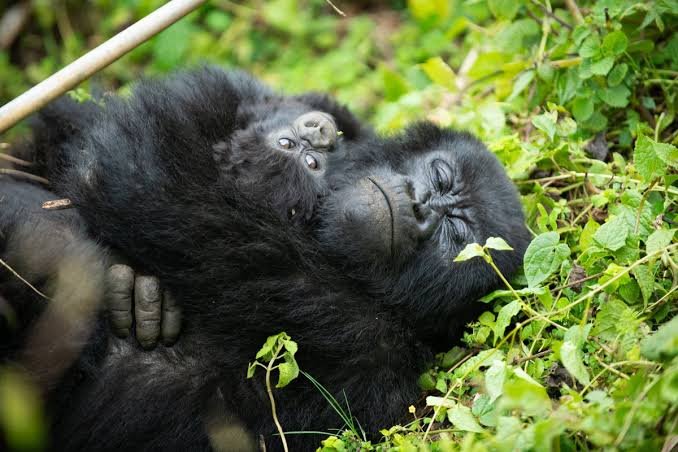
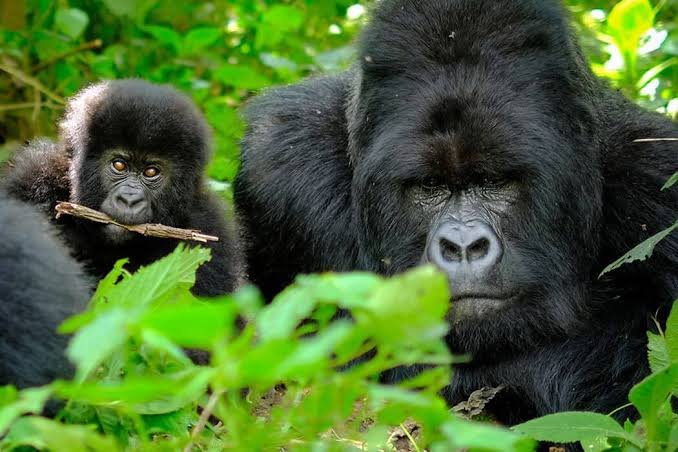
Watching a family settle can actually provide a different type of observation. You may notice how individuals position themselves relative to one another or how mothers remain close to their young.
The extended viewing period makes quiet phases easier to appreciate because you know the entire experience does not depend on a few minutes of activity.
If the gorillas later become more active, you may then observe a completely different phase of behaviour within the same visit.
Can the Four Hours Be Shortened for Conservation Reasons?
Because UWA describes four hours as the maximum viewing duration, visitors should understand that the professional team retains responsibility for managing the encounter according to wildlife welfare and safety.
Unusual gorilla behaviour, health concerns or other operational circumstances could require guides to make decisions that prioritise the animals.
A permit gives you access to the official experience under UWA management; it does not override conservation judgement.
This is an important principle in all responsible wildlife tourism. Visitor satisfaction matters, but the long-term welfare of the gorilla family must remain more important than maximising every minute of viewing.
How Does the Extended Time Help Researchers and Habituators?
Longer observation can provide a richer understanding of how the gorilla family responds to controlled human presence.
Habituation is a gradual process, and professionals need to recognise individual animals, understand social dynamics and monitor responses to people.
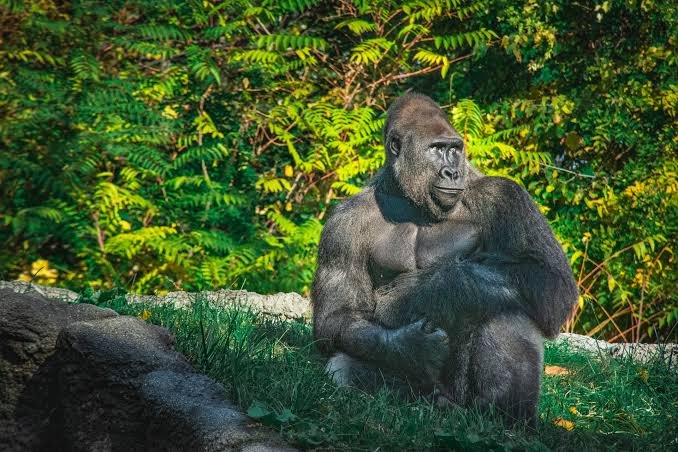
Visitors are joining an already established professional process rather than directing it.
The presence of trained researchers and habituators distinguishes the activity from a conventional wildlife excursion and helps explain why the experience has a stronger conservation dimension.
Four hours gives visitors more time to appreciate this work instead of focusing only on the visual excitement of seeing the gorillas.
How Much Does Four-Hour Gorilla Habituation Cost?
Under UWA’s published 2024–2026 tariff, the Gorilla Habituation Experience was priced at USD 1,500 for Foreign Non-Residents, USD 1,000 for Foreign Residents, USD 1,000 for Rest of Africa visitors and UGX 750,000 for eligible East African Community citizens. UWA stated that these permit rates include the guide fee, park entrance for the activity day and a community development contribution.
Uganda Wildlife Authority has announced revised rates effective from 1 January 2027. The new Gorilla Habituation tariff will be USD 1,800 for Foreign Non-Residents, USD 1,600 for Foreign Residents, USD 1,000 for Rest of Africa visitors and UGX 750,000 for East African Community citizens.
The increased price should still be understood as payment for the regulated wildlife experience rather than for accommodation or transportation. Your lodge, private safari vehicle, domestic flights, international flights, porter and personal expenses are separate unless incorporated into a wider safari package.
Why Does Four-Hour Habituation Cost More Than Standard Trekking?
The extended viewing period is one of the clearest reasons the habituation permit commands a premium over an ordinary gorilla permit.
Standard trekking allows a maximum of one hour with a fully habituated family, while Gorilla Habituation provides up to four hours with gorillas involved in the habituation process.
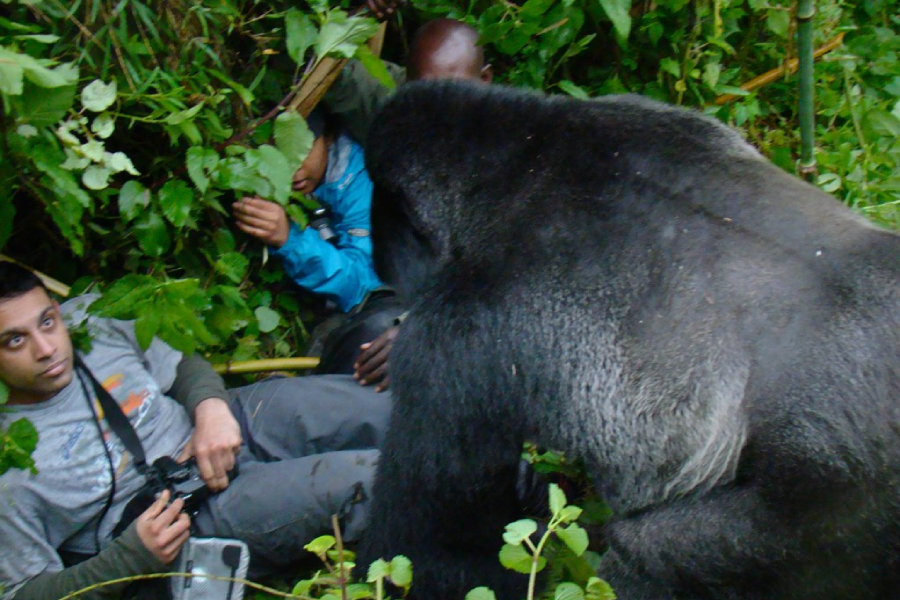
The longer field experience also exists within a more specialised conservation environment involving habituators, trackers, guides and research-oriented observation.
The price should therefore not be understood simply as paying more to stand beside the same animals for a few additional hours. You are purchasing access to a different wildlife product with a different purpose, duration and level of involvement.
Is Four Hours Worth the Extra Cost?
For travellers who want deeper gorilla observation, the extra time can be enormously valuable.
One hour is enough to produce an unforgettable wildlife encounter, but four hours gives you time to become comfortable, notice individual personalities and observe changes in behaviour.
Photographers often find the extended period especially worthwhile because difficult light or vegetation during the first hour does not necessarily define the entire experience.
Primate enthusiasts may value the opportunity to listen to explanations from professionals and observe the family over a longer behavioural cycle.
However, the habituation permit is not automatically the best choice for every traveller. Someone who mainly wants to see mountain gorillas once and is working with a more limited budget may find standard trekking completely satisfying.
The value depends on what the additional time means to you.
Can You Spend More Than Four Hours With Gorillas if You Pay More?
The normal UWA rule sets the Gorilla Habituation viewing maximum at four hours. Paying more through a lodge or tour operator does not automatically allow visitors to extend that conservation limit.
Luxury travel services can improve the surrounding safari through premium accommodation, private transportation or domestic flights, but they do not create unlimited wildlife access.
This principle is important because regulated gorilla tourism is intentionally different from services that can simply be upgraded through additional payment.
The wildlife authority controls access, and conservation rules apply regardless of whether you are travelling on a mid-range or ultra-luxury safari.
Does the Weather Affect How Long You Spend With Gorillas?
Weather can influence the physical character of the trek, but the official viewing rule remains a maximum of four hours.
Rain can make slopes more slippery, slow the group’s movement and alter how comfortable it is to stand or move through the forest. It may also affect photography because light levels become lower.
However, Bwindi is a rainforest, and rainfall is possible throughout the year.
The possibility of wet conditions should therefore be considered normal rather than evidence that the activity is going wrong.
Proper clothing, good footwear and waterproof protection for valuable equipment make it easier to remain comfortable throughout a long day.
Does Your Fitness Affect the Four-Hour Viewing Time?
Your fitness does not change UWA’s official maximum viewing allowance, but it can strongly affect how comfortable you feel during the complete experience.
The physical demand includes reaching the gorillas, moving as they travel during observation and hiking back afterward.
A traveller who becomes exhausted during the approach may find the four-hour viewing period more challenging than someone who arrives with energy remaining.
Preparing through regular walking and moderate hill training before your safari can therefore significantly improve the experience.
The goal is not to become an athlete but to build enough endurance that the forest itself does not distract from the gorillas.
Should You Carry Food for Such a Long Gorilla Day?
Because Gorilla Habituation can occupy much of the day, your lodge or safari operator should normally help prepare you with drinking water and an appropriate packed meal or snacks.
The official permit does not mean that UWA automatically supplies your meals for the day. Your food arrangements generally come through the lodge or overall safari package.
You should consume food only where and when your guides advise, particularly because food should not be handled carelessly around gorillas.
Proper hydration is equally important because steep hiking at altitude can be tiring even when temperatures are moderate.
How Long Do Photographers Usually Feel They Need With Gorillas?
There is no universal answer, but many serious wildlife photographers value every part of the four-hour allowance.
The first hour may be used simply to understand the light, group position and behaviour. Later hours can provide different opportunities as the gorillas move.
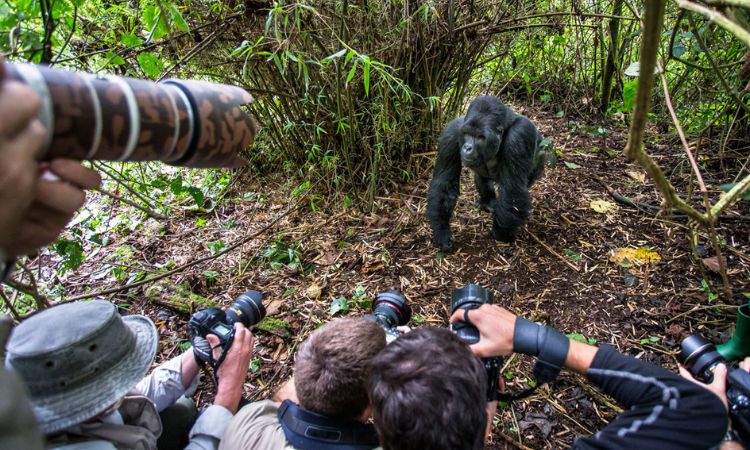
The temptation to photograph constantly often decreases after the initial excitement, allowing the photographer to become more selective.
This can improve both the quality of photographs and the emotional quality of the experience because you eventually spend more time watching the gorillas directly rather than only through a camera.
Does Four Hours Feel Long When You Are With Gorillas?
Many travellers find that the time passes much faster than expected.
Four hours sounds lengthy when viewed as a number, but wildlife observation changes your perception of time. You may spend several minutes following one young gorilla, then shift attention to the silverback, wait while vegetation clears and later follow the family into another area.
Because the environment and behaviour continually change, the experience rarely feels like four hours of doing the same thing.
The most common surprise is often how quickly the end of the viewing period arrives.
Is Gorilla Habituation a Full-Day Activity?
It is safest to plan it as a full-day activity even though your direct viewing time is limited to a maximum of four hours.
UWA defines Gorilla Habituation tracking from around 6:30 a.m. until visitors return for debriefing, with the actual viewing clock beginning only when the gorillas are reached.
This means you should avoid scheduling a fixed afternoon transfer, domestic flight or important activity immediately after Gorilla Habituation unless the logistics have been carefully designed with substantial flexibility.
A relaxed lodge evening is normally the best conclusion to the day.
How Long Should You Stay in Bwindi for Gorilla Habituation?
Although the Gorilla Habituation Experience itself occupies one activity day, you should normally spend at least the night before in the correct Bwindi area.
Many travellers also stay the night after the experience because the forest day can be exhausting and finishing with a lengthy road journey is rarely ideal.
A short Uganda itinerary can therefore be built around arrival in Bwindi, a full Gorilla Habituation day and departure afterward.
Longer itineraries may combine the experience with Queen Elizabeth National Park, Kibale Forest, Lake Bunyonyi or other parts of Uganda.
The most important consideration is protecting the habituation day from unnecessary travel pressure.
Can You Do Gorilla Habituation and Another Major Activity on the Same Day?
It is generally wiser not to plan another major wildlife activity on the same day because you cannot reliably predict exactly when you will return from the forest.
Even if the gorillas are found quickly, the four-hour observation period and return hike can consume a substantial amount of time.
Trying to schedule another demanding experience afterward can make you rush through one of the most important wildlife days of your safari.
Gorilla Habituation deserves enough space in the itinerary to unfold according to the gorillas rather than according to another appointment.
Why Is the Four-Hour Rule Important for Conservation?
The viewing limit allows Uganda to provide a premium, immersive wildlife experience without turning prolonged human presence into unlimited access.
Mountain gorillas remain endangered wildlife requiring careful monitoring and controlled tourism.
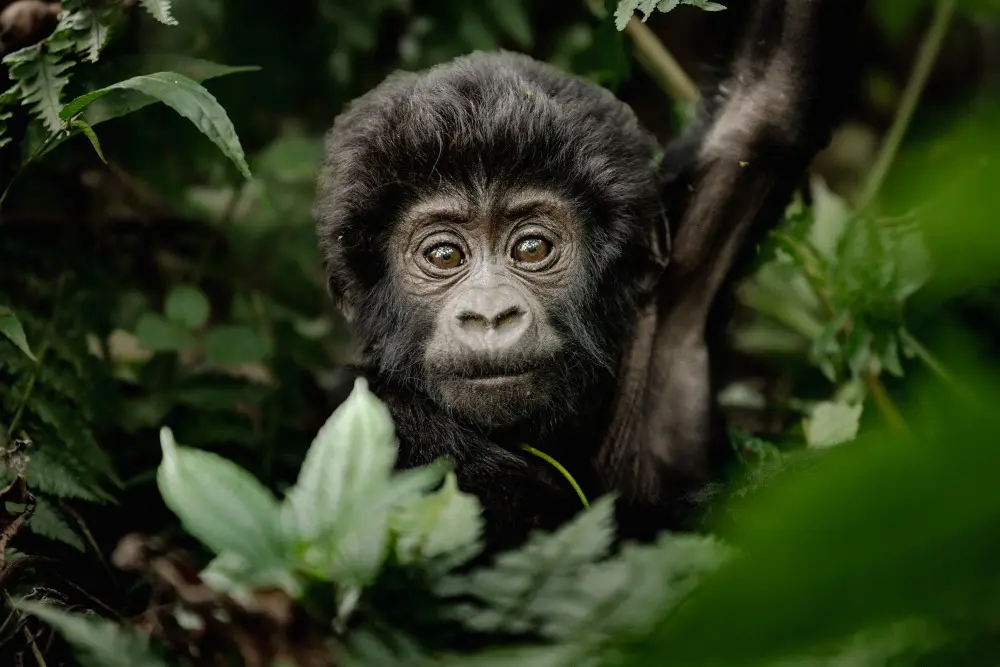
A maximum period provides clear boundaries for visitors and tourism operators while still allowing researchers and habituation teams to conduct their work within a professionally managed structure.
The limit reinforces an important idea: tourism exists within conservation, not the other way around.
Visitors receive extraordinary access because the experience is carefully regulated.
What Makes Four Hours Different Emotionally?
The greatest difference may not be the number of photographs you take but how your relationship with the experience changes.
During the first moments, you are likely to feel intense excitement simply because you are looking at a wild mountain gorilla.
As the minutes become hours, that excitement can transform into familiarity with individual animals. You may begin recognising the juvenile that keeps climbing, the mother with an infant or the silverback positioned nearby.
Instead of thinking only about “seeing a gorilla,” you begin watching a family.
That shift is difficult to achieve in exactly the same way during a much shorter viewing period.
How Long Do You Spend With Gorillas During Gorilla Habituation Compared With Rwanda Trekking?
The Gorilla Habituation Experience discussed here is a Uganda product in Bwindi and provides a maximum of four hours of gorilla viewing after the encounter.
Conventional mountain gorilla trekking in Rwanda is structured around standard gorilla viewing rather than Uganda’s four-hour Gorilla Habituation Experience, so travellers comparing the destinations should avoid assuming that purchasing a Rwanda gorilla permit provides the same extended habituation product.
This difference is one reason Uganda is particularly attractive to travellers whose priority is extended gorilla observation.
Rwanda remains an excellent gorilla trekking destination, but the activities should be compared according to what each permit actually provides rather than simply according to destination reputation.
Is One Gorilla Habituation Experience Enough?
For many travellers, one four-hour experience is more than sufficient to create a deep and memorable encounter.
Others choose to combine Gorilla Habituation with a separate standard gorilla trek so they can compare a family undergoing habituation with a fully habituated tourism family.
Serious photographers or primate enthusiasts may also build itineraries involving several gorilla experiences across Uganda and Rwanda.
There is no requirement to repeat the activity. The right number depends on your budget, physical stamina and how central mountain gorillas are to the overall journey.
What Should You Expect When the Four Hours Finally End?
The end of Gorilla Habituation can feel surprisingly abrupt because you may have become deeply absorbed in watching the family.
The professional team will manage the conclusion of the viewing period and guide visitors away from the gorillas.
You then begin the return journey through Bwindi, which provides time to reflect on the experience.
Many travellers find that the most memorable moments are not necessarily the closest or most dramatic encounters. A quiet interaction between two gorillas or the way an infant remains attached to its mother may stay with you more strongly than a perfect photograph.
The value of four hours is that it gives such small moments time to emerge naturally.
Final Answer: How Long Do You Spend With Gorillas During Gorilla Habituation?
How Long Do You Spend With Gorillas During Gorilla Habituation? Uganda Wildlife Authority allows a maximum of four hours of viewing once you reach the gorillas during the Gorilla Habituation Experience. Standard gorilla trekking, by comparison, allows a maximum of one hour after the gorilla family is encountered. The four hours are therefore direct gorilla viewing time rather than the total length of your forest excursion.
Your complete Gorilla Habituation day is usually much longer. Uganda Wildlife Authority defines tracking time as the entire experience beginning immediately after briefing and continuing until you return to the briefing area for debriefing. The Gorilla Habituation Experience begins from around 6:30 a.m. and continues until your group returns, while the four-hour viewing clock begins only when you actually encounter the gorillas.
This distinction is extremely important when planning your safari. You might spend one or several hours searching for the gorilla family before viewing begins, depending on where the animals have moved. Once you reach them, you can then spend up to four hours observing the family under professional supervision. When the viewing period ends, you still need to hike out of the forest, which can add more time to the overall day.
The four-hour experience allows far deeper observation than a conventional trek. You may see the gorillas feeding, resting, travelling and interacting socially at different points during your encounter. Young gorillas may play, mothers may care for infants and the silverback may shift between resting and monitoring the group. Because you remain with the family longer, you have time to notice individual personalities and relationships rather than experiencing the gorillas only as a brief wildlife sighting.
For photographers, four hours offers valuable flexibility. Rainforest light and visibility can be unpredictable, and an animal that is difficult to photograph during the first hour may later move into a better position. The extended period allows you to wait for behaviour rather than rushing to record everything immediately.
The experience remains controlled throughout. Four hours is a maximum rather than permission for unrestricted access, and the professional team can make decisions based on gorilla welfare, visitor safety and conservation conditions. You do not touch, feed or intentionally approach the gorillas simply because you have purchased a more expensive permit. Habituation is about allowing gorillas to gradually become accustomed to carefully managed human presence while remaining completely wild.
The four-hour viewing period is also one of the principal reasons Gorilla Habituation costs more than standard trekking. UWA’s published 2024–2026 tariff listed the habituation permit at USD 1,500 for Foreign Non-Residents, USD 1,000 for Foreign Residents, USD 1,000 for Rest of Africa visitors and UGX 750,000 for eligible East African Community citizens, with the rate incorporating the guide fee, park entrance for the activity day and a community development contribution. From 1 January 2027, Uganda Wildlife Authority has announced revised Gorilla Habituation rates of USD 1,800 for Foreign Non-Residents, USD 1,600 for Foreign Residents, USD 1,000 for Rest of Africa visitors and UGX 750,000 for East African Community citizens.
The permit price does not mean that your entire safari is included. Accommodation, private transport, domestic flights, international flights, porter assistance and other travel services need to be organised separately unless your tour operator includes them within a complete safari package.
For most travellers, the best way to think about Gorilla Habituation is not simply as “four hours with gorillas” but as a full forest experience built around up to four hours of direct observation. You begin before sunrise or early in the morning, enter Bwindi with professional trackers and habituators, search for a free-ranging mountain gorilla family and then, once you reach them, spend substantially more time observing them than is possible during ordinary gorilla trekking.
That extended time is what makes the experience special. One hour can introduce you to mountain gorillas, but four hours can allow you to begin understanding them. You have time to slow down, put the camera aside occasionally, follow changes in behaviour and see the family as a functioning social group rather than as a brief wildlife encounter.
For travellers who value photography, primate behaviour, conservation and deeper wildlife observation, those additional hours can become the most meaningful part of the entire Uganda safari.