

What Is the Duration of a Gorilla Habituation Trek?
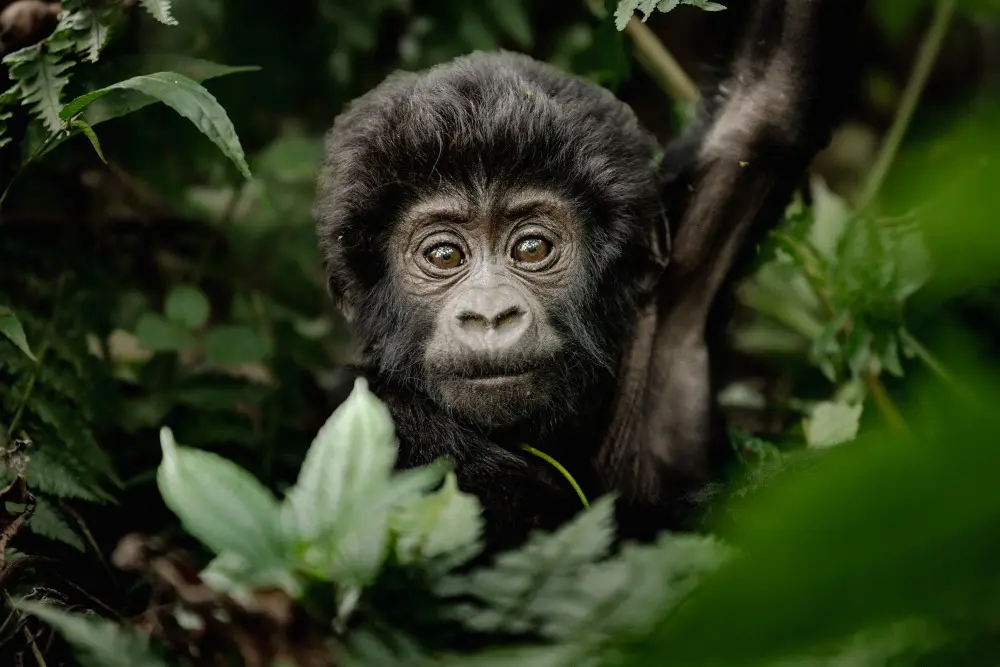
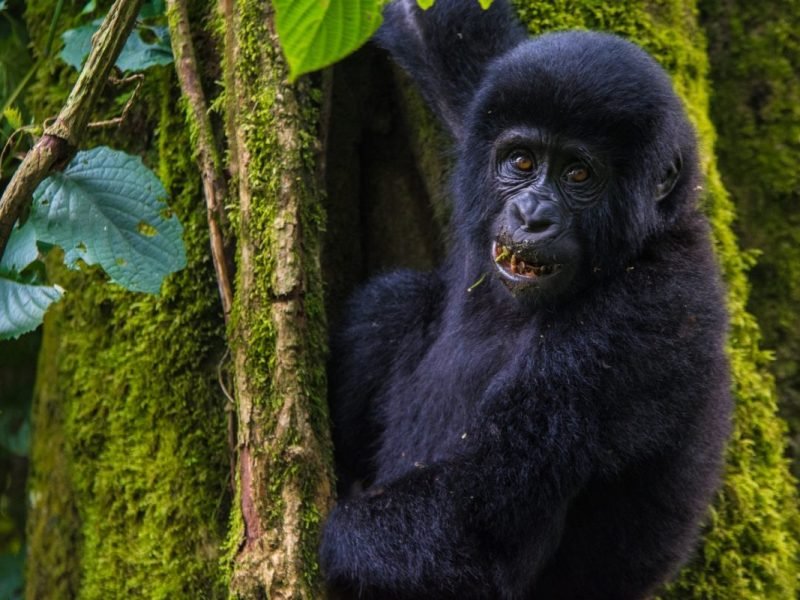
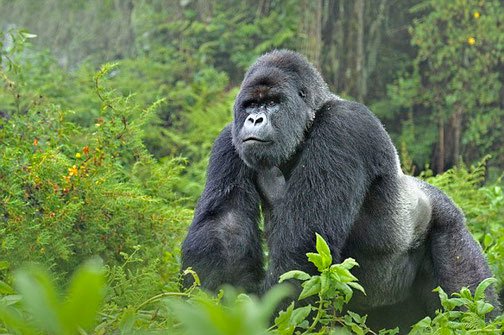
Gorilla Habituation Trek Duration in Uganda can vary significantly because the complete experience depends on how long it takes to locate the mountain gorillas, how they move through the forest and how long the return hike takes after viewing. The activity should generally be treated as a full-day forest experience rather than a fixed four-hour excursion. Uganda Wildlife Authority allows a maximum of four hours of direct gorilla viewing once the family has been reached, but this does not include the time spent during the early-morning briefing, tracking through Bwindi Impenetrable National Park or walking back after the encounter. For this reason, your total Gorilla Habituation Trek Duration may extend for many hours, especially when the gorilla family has moved deeper into the forest or weather and terrain make hiking slower.
This distinction explains why two travellers completing the same Gorilla Habituation Experience on different days can spend very different amounts of time in the forest. Mountain gorillas are wild, free-ranging animals that move according to feeding opportunities, family behaviour, weather conditions and their own natural routines. They are not waiting at a permanent viewing point. On one morning, trackers may locate the family relatively quickly, allowing the four-hour observation period to begin early. On another morning, the gorillas may have travelled much farther from where they were last observed, requiring several hours of hiking before visitors reach them. After the encounter, the family may also have moved deeper into the forest, leaving a longer return journey. For this reason, Gorilla Habituation is better understood as a flexible full-day wildlife expedition built around a maximum four-hour gorilla viewing period rather than as a four-hour excursion with a guaranteed finishing time.
The Four Hours Refer to Gorilla Viewing, Not the Entire Trek
One of the most common misunderstandings about Gorilla Habituation concerns the meaning of the four-hour period. Some travellers imagine that they will leave the park headquarters, walk for part of the four hours, observe the gorillas briefly and then return before the four hours expire. Uganda Wildlife Authority‘s management guidelines make a clear distinction between tracking time and viewing time. Tracking time covers the complete experience beginning immediately after the briefing and continuing until visitors return for debriefing. Viewing time begins only when visitors reach the gorillas. For Gorilla Habituation, UWA allows a maximum viewing period of four hours.
This is an important advantage because a difficult morning search does not automatically reduce your direct gorilla observation period. If it takes two hours to locate the family, those two hours form part of the tracking experience, but the maximum four-hour viewing period begins when you encounter the gorillas. The complete activity would therefore already be longer than six hours once the approach, observation and eventual return trek are considered.
The same principle applies if the search takes considerably longer. The total amount of time you spend in Bwindi can expand according to the location of the family and the difficulty of the terrain. This makes it impossible for a responsible safari operator to promise that you will finish Gorilla Habituation at a precise afternoon hour.
When planning your itinerary, the safest approach is therefore to dedicate the entire day to the experience. Even if you happen to return earlier than expected, having a relaxed afternoon at your lodge is far more comfortable than emerging from the forest while worrying about a fixed flight, long road transfer or another major activity.
Why Gorilla Habituation Begins Around 6:30 a.m.
Uganda Wildlife Authority’s guidelines place the Gorilla Habituation Experience from around 6:30 a.m. until visitors return for debriefing. Standard gorilla tracking, by comparison, begins from around 8:00 a.m. The earlier habituation start reflects the longer and more involved nature of the activity.
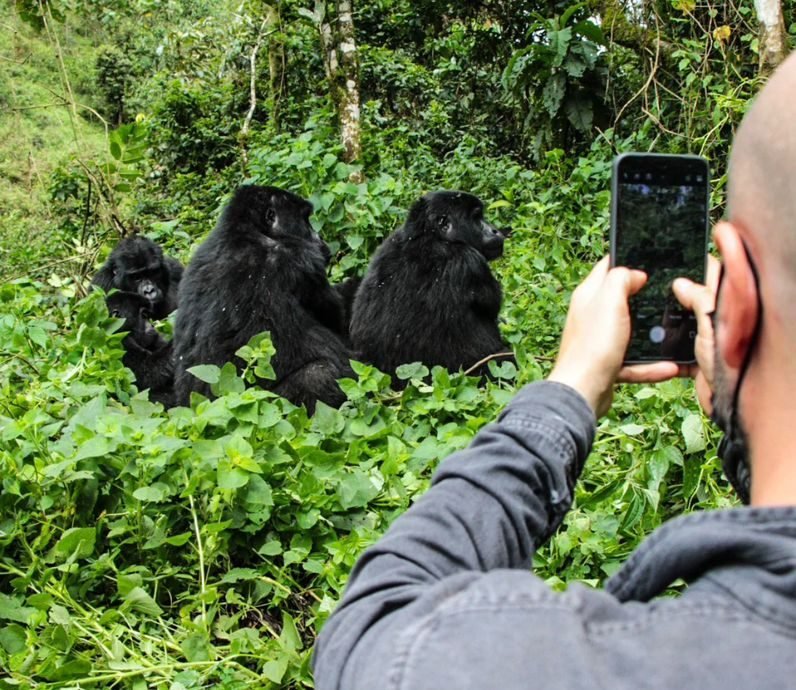
Beginning early gives researchers, habituators, trackers and visitors enough daylight to locate the gorillas and complete the extended observation period without compressing the experience. It also allows the professional team to reconnect with the family early in its daily movements, using information from previous monitoring to determine where the gorillas may have travelled.
For you as a traveller, the early schedule means the Gorilla Habituation day effectively begins before 6:30 a.m. You need time to wake up, have breakfast, prepare your trekking equipment and travel from the lodge to the correct briefing area. Depending on where your accommodation is located, you may leave the lodge while it is still dark or shortly before sunrise.
This makes accommodation planning especially important. Staying close to the correct activity area reduces morning travel pressure and allows you to begin the forest experience rested rather than exhausted after a long pre-dawn drive.
The earlier start also means the evening before Gorilla Habituation should normally be kept relatively relaxed. A late-night arrival at your lodge or an unnecessarily demanding evening activity can make the following morning more difficult. Gorilla Habituation is one of the most important days of a Uganda safari, and preparing for it as a full-day activity usually produces a much better experience.
How Long Does the Morning Briefing Take?
The briefing itself is only one part of the morning, but it is essential because it prepares you for everything that follows. Uganda Wildlife Authority defines tracking time as beginning immediately after the briefing, so the briefing occurs before the official forest tracking period described in the guidelines.
During this preparation, the professional team explains how visitors should behave around the gorillas, what to expect from the terrain and how the activity will be managed. You may also receive guidance concerning photography, health precautions, movement within the forest and what to do if a gorilla changes position or approaches closer than expected.
The briefing should never be treated as unnecessary waiting before the “real” experience begins. Gorilla Habituation involves wild great apes in dense rainforest, and clear instructions help ensure that the tourism group behaves predictably around a family still undergoing the habituation process.
Once the briefing is complete, you begin the tracking phase. From that point forward, there is no reliable clock that tells you exactly when the gorillas will be found. The forest and the movements of the animals determine the pace.
How Long Can It Take to Find the Gorillas?
There is no guaranteed search duration. The gorillas may be located relatively quickly or they may require a much longer trek.
Trackers use their knowledge of the family, signs in the forest and information from previous monitoring to work out where the gorillas have moved. They may look for feeding remains, nests, dung, footprints, broken vegetation and other signs that help indicate direction.
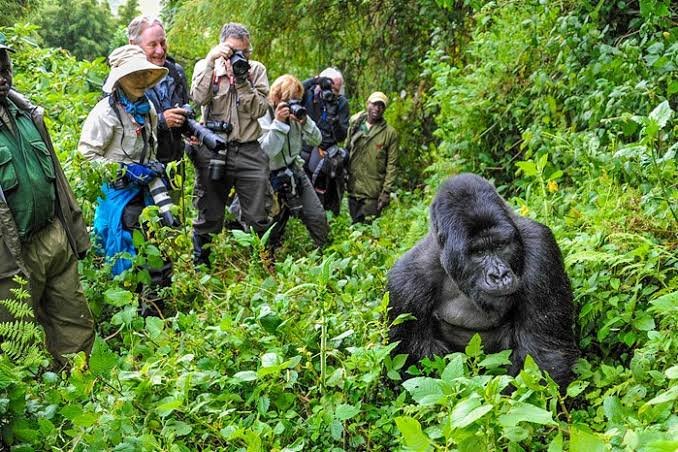
The process can be extremely interesting because it reveals how much professional knowledge lies behind a successful gorilla encounter. Visitors often see only dense vegetation, while experienced trackers are interpreting subtle evidence of animal movement.
If the gorillas remained close to where they nested or were last monitored, the search may progress efficiently. If they travelled farther overnight or moved rapidly while feeding, the tracking team may need to cover much more ground.
The terrain adds another layer of variation. A relatively short distance on a map can require considerable time when it involves steep slopes, thick vegetation, muddy ground or stream crossings.
For this reason, estimating Gorilla Habituation purely in kilometres is not very useful. Two kilometres of difficult Bwindi terrain can take much longer than several kilometres on an open walking trail.
Why the Gorillas’ Location Changes the Length of the Day
Mountain gorillas move because they need to feed, rest, socialise and respond to conditions within their environment. Their daily movements are not designed around tourism schedules.
This is central to the authenticity of Gorilla Habituation. You are entering the natural environment of wild animals rather than visiting gorillas kept in a controlled tourism enclosure.
The family may move significantly between one evening and the following morning. Even after the trackers begin closing the distance, the gorillas can continue travelling.
This means that reaching the area where the family was recently observed does not necessarily mean the search is over. The professional team may still need to follow fresh signs until the animals are located.
The uncertainty can make the approach feel demanding, but it also builds anticipation. Every sign that the gorillas are close makes the experience feel increasingly immediate.
When you finally hear vegetation moving or see the first gorilla through the forest, the time spent searching often becomes an important part of the memory rather than simply a delay before the viewing period.
When Does the Four-Hour Viewing Clock Begin?
Uganda Wildlife Authority states that viewing time begins from the moment visitors reach the gorillas. For the Gorilla Habituation Experience, the maximum viewing period is four hours.
This means your forest approach is separate from the direct observation time.
Once the family is reached, the professional team positions visitors according to the circumstances in the forest and the behaviour of the gorillas. The encounter may begin with one animal clearly visible while other members of the family remain deeper in the vegetation.
From this point, you can potentially spend several hours watching the family under professional supervision.
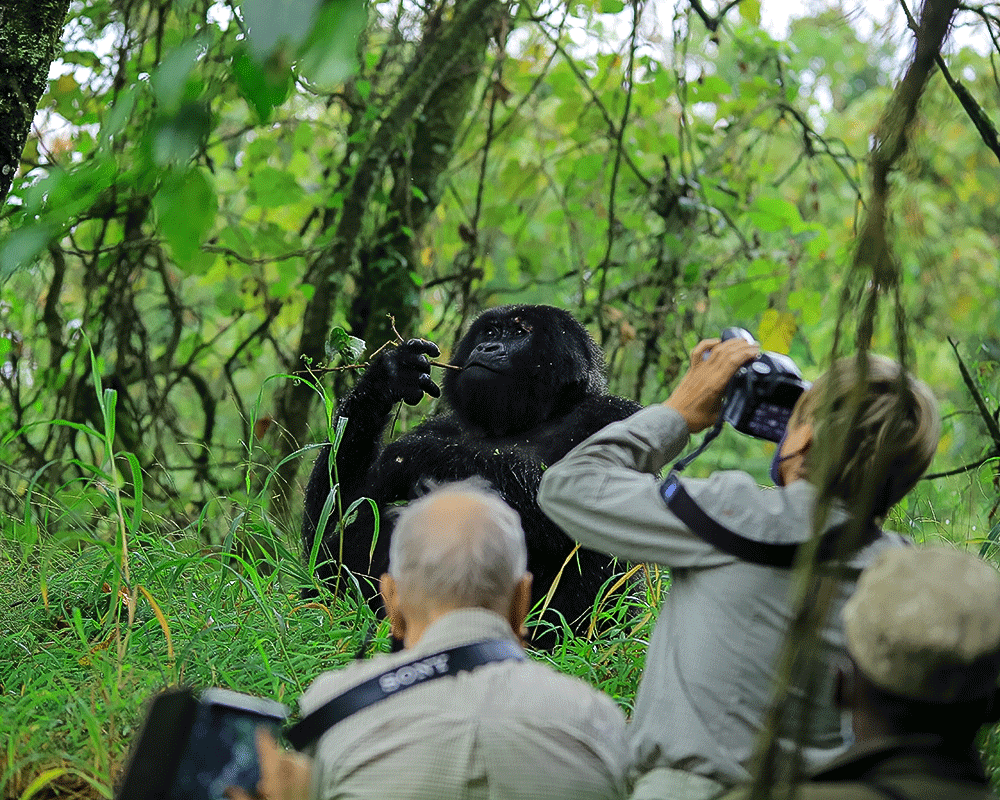
The four hours should not be imagined as four hours of standing motionless in front of the same gorillas. Mountain gorillas may continue feeding, resting or travelling during the encounter.
You may therefore need to move with the professional team as the family changes position.
The viewing period can become physically active, especially when the gorillas are travelling through steep or densely vegetated terrain.
Does Four Hours Mean Exactly Four Hours Every Time?
Uganda Wildlife Authority describes the habituation viewing period as a maximum of four hours, which is an important wording distinction. Travellers should not interpret the permit as a contractual guarantee that every individual experience must involve exactly 240 minutes of uninterrupted close visibility.
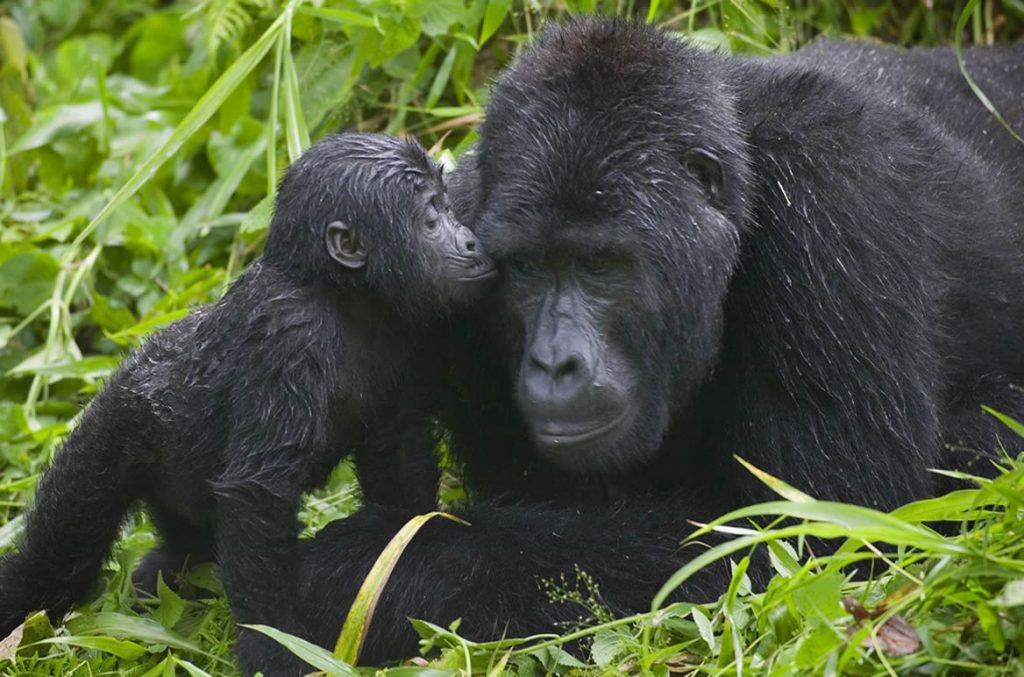
Wildlife welfare and professional management remain more important than achieving a numerical target.
If unusual circumstances arise, the professional team can make decisions based on conservation, safety and the behaviour of the gorillas.
The animals may also spend part of the viewing period in dense vegetation, meaning you remain with the family but do not necessarily have a perfect unobstructed view every second.
A realistic approach is therefore to understand four hours as the maximum permitted observation window that defines Gorilla Habituation.
The quality of those hours depends on natural wildlife conditions.
This unpredictability is not a disadvantage. It is what separates authentic gorilla observation from a staged attraction.
What Happens During the Four Hours?
The extended viewing period can contain several different phases of gorilla behaviour.
When you first arrive, the family may be feeding actively. Individuals can be spread through vegetation as they select leaves, stems and other forest foods.
Later, some gorillas may begin resting. Young animals can become playful, adults may change position and mothers may care for infants.
The silverback may spend substantial periods appearing relatively inactive, but his position within the family and responses to movement can reveal important aspects of social organisation.
Because you remain longer, you have a much better opportunity to see behaviour change naturally.
The experience becomes less about collecting a brief sighting and more about watching the family live.
That is one reason the four hours often feel much shorter than travellers expect.
Before entering the forest, four hours may sound like an extremely long time to watch one type of animal. Once you are there, changing behaviour, photography opportunities and movement through the forest can make the hours pass remarkably quickly.
Can the Gorillas Keep Moving During the Four Hours?
Yes. The gorillas remain free-ranging throughout the encounter.
If they begin travelling, the professional team may carefully follow while maintaining appropriate observation procedures.
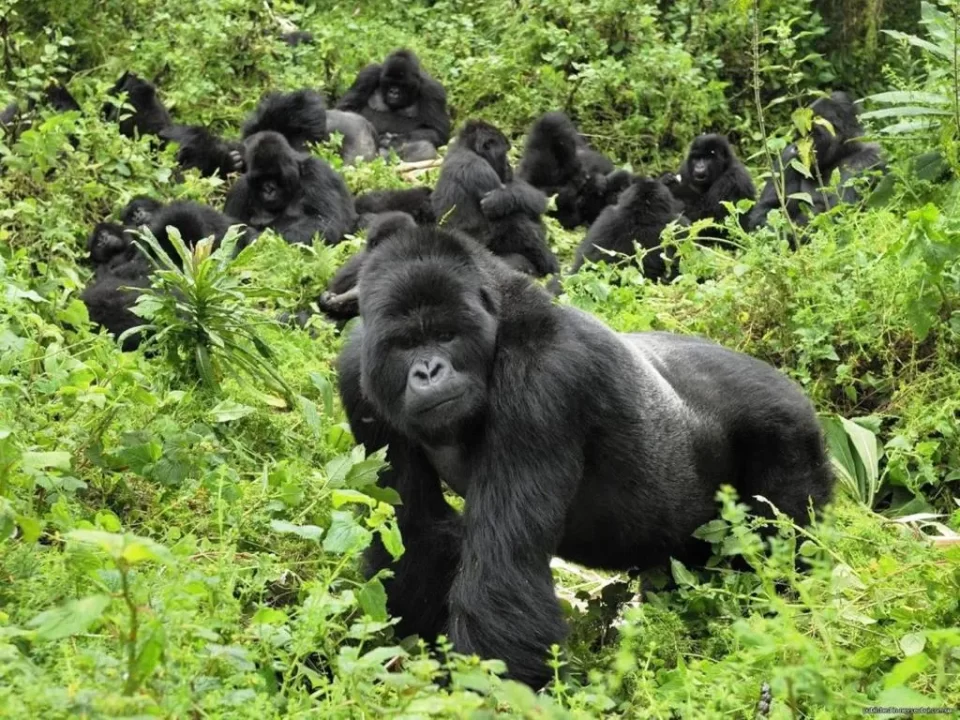
This movement can add significantly to the physical demands of the day.
Some travellers imagine that the hardest part ends once the gorillas are found. In reality, you may still need to climb, descend, step through vegetation or reposition yourself repeatedly during the viewing period.
A family feeding while travelling can cover enough ground to make the observation period feel like an extended moving trek rather than a stationary wildlife watch.
This is another reason the total duration cannot be understood simply as the approach plus four hours.
The gorillas’ movement during those four hours can also affect how long the return journey becomes.
If they gradually lead the observation group deeper into the forest, you may finish the viewing period considerably farther from the starting point than where you first encountered them.
How Long Does the Return Trek Take?
There is no fixed return time because it depends on where the viewing period ends.
If the gorillas remained relatively close to the original encounter location, the return may be straightforward. If they travelled considerably during the observation period, the group may have a much longer journey back.
The terrain also matters.
Descending a muddy slope after several hours in the forest may take longer than expected, particularly when visitors are tired.
Rain can slow the group even further.
This is why the end of the four-hour viewing period should never be confused with the end of the day’s activity.
Uganda Wildlife Authority explicitly defines the Gorilla Habituation Experience as continuing until visitors return to the briefing location for debriefing.
You may therefore complete your gorilla observation and still spend a significant amount of time walking before the activity is officially finished.
Could Gorilla Habituation Take Most of the Day?
Yes. It is entirely reasonable to plan Gorilla Habituation as the primary activity for the whole day.
The experience begins early, includes an unpredictable tracking period, allows up to four hours with the gorillas and then requires a return through the forest.
Even on a relatively efficient day, these components can add up to many hours.
On a more demanding day, you may return to your lodge well into the afternoon.
This is why good itineraries normally avoid adding another major timed activity after Gorilla Habituation.
A relaxed evening at the lodge is usually far more suitable.
You may be physically tired, your clothing may be muddy or wet and you will probably appreciate having time to shower, eat and reflect on the experience.
Trying to rush immediately into a long road transfer can make an otherwise extraordinary day feel unnecessarily stressful.
How Does Normal Gorilla Trekking Duration Compare?
Uganda Wildlife Authority‘s public information on standard gorilla tracking says the activity may last approximately two to seven hours and includes one hour of observation with a habituated gorilla family. This helps illustrate why Gorilla Habituation should be approached differently.
If an ordinary gorilla trek can already require several hours despite providing only one hour of direct gorilla viewing, an experience that permits up to four hours with the family naturally has the potential to occupy significantly more of the day.
However, the standard two-to-seven-hour figure should not simply be copied and extended mathematically to create a fixed Gorilla Habituation duration. The activities are different, and UWA does not define Gorilla Habituation as a set number of total hours.
The official framework is more useful: habituation begins around 6:30 a.m. and continues until visitors return for debriefing, while direct gorilla viewing has a maximum duration of four hours.
This is the most accurate way to explain the timing.
Why You Should Keep Your Afternoon Flexible
A common itinerary mistake is treating Gorilla Habituation as though it were a morning activity that will certainly finish before lunch.
Because the return time is unpredictable, booking an important afternoon activity can create unnecessary pressure.
The worst time to start worrying about the clock is while you are finally standing near mountain gorillas.
You should be able to enjoy the full experience without thinking about whether you will reach a vehicle in time for another appointment.
A flexible afternoon also protects you against weather delays, a long approach or a distant return route.
If you happen to finish early, the extra free time becomes a benefit rather than a problem.
You can rest at the lodge, enjoy the surrounding scenery, organise photographs or simply recover from the forest trek.
Should You Schedule a Flight After Gorilla Habituation?
Scheduling a tightly timed domestic flight immediately after Gorilla Habituation is generally risky unless the itinerary has been specifically designed around substantial time flexibility.
The exact return time cannot be guaranteed.
Even if a flight departure looks achievable based on driving distance, a longer-than-expected day in the forest can disrupt the plan.
For a high-value activity like Gorilla Habituation, it usually makes more sense to protect the experience by staying another night in the area or flying on the following day where itinerary length permits.
This prevents the gorilla day from becoming controlled by aviation timing.
When domestic flights are used in a luxury Uganda safari, they can greatly reduce long road journeys, but their scheduling should still respect the unpredictable nature of gorilla tracking.
Should You Transfer to Another National Park Afterwards?
A very long transfer immediately after Gorilla Habituation is also usually less comfortable than staying locally.
You may emerge from the forest tired after many hours of walking, and beginning another long journey can turn an enjoyable day into an exhausting one.
Short transfers may be manageable depending on the itinerary and actual return time, but major movements between distant destinations are generally better planned for another day.
The ideal itinerary allows Gorilla Habituation to remain the focus rather than treating it as something that must be squeezed between transfers.
This is particularly important for travellers who have invested heavily in the permit and travelled internationally specifically for the experience.
Does Fitness Affect How Long the Trek Takes?
Fitness can influence how comfortably and efficiently you move through the forest, although it does not determine where the gorillas will be located.
A reasonably fit visitor can usually maintain a steady pace over steep terrain, while someone who is less accustomed to hiking may need more frequent breaks.
The professional team manages the group according to conditions, but preparing physically before the safari can make a major difference.
Regular walking, hill climbing and moderate cardiovascular exercise can help your body become comfortable with sustained movement.
You do not need to train like an endurance athlete.
The goal is simply to ensure that several hours of hiking do not leave you exhausted before you even reach the gorillas.
The better your physical comfort, the more energy you have available for the extended viewing period and return trek.
How Terrain Changes the Duration
Bwindi’s name reflects the dense character of the forest, and the terrain can be demanding.
Steep slopes, thick vegetation, exposed roots, mud and uneven ground can slow movement significantly.
A route that would be easy on a flat road can take much longer inside the forest.
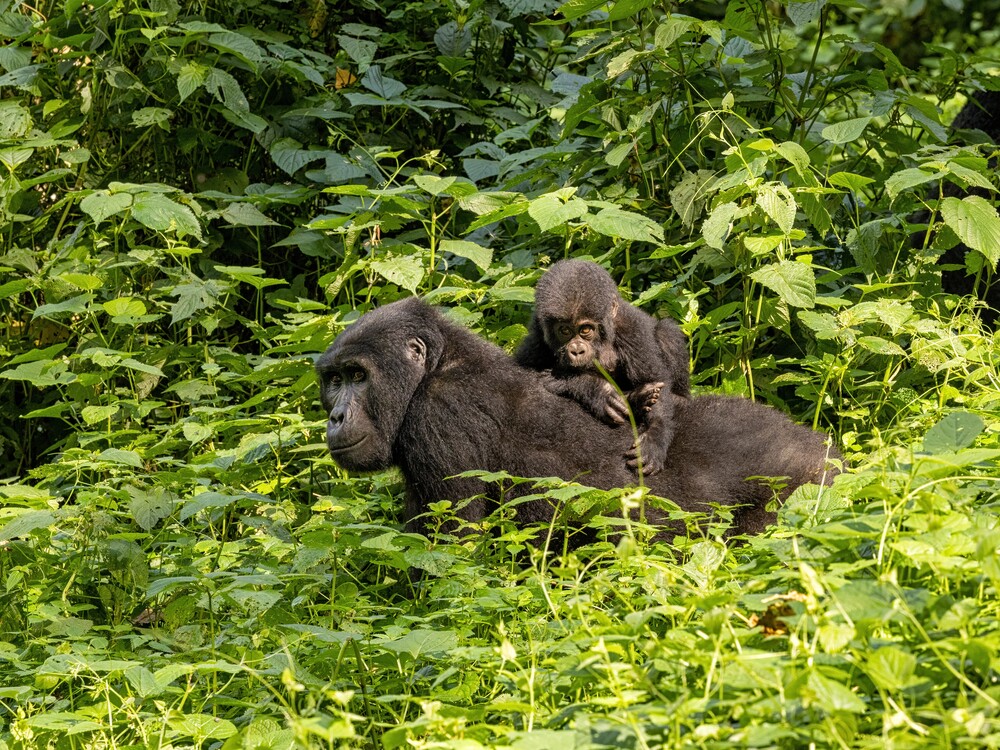
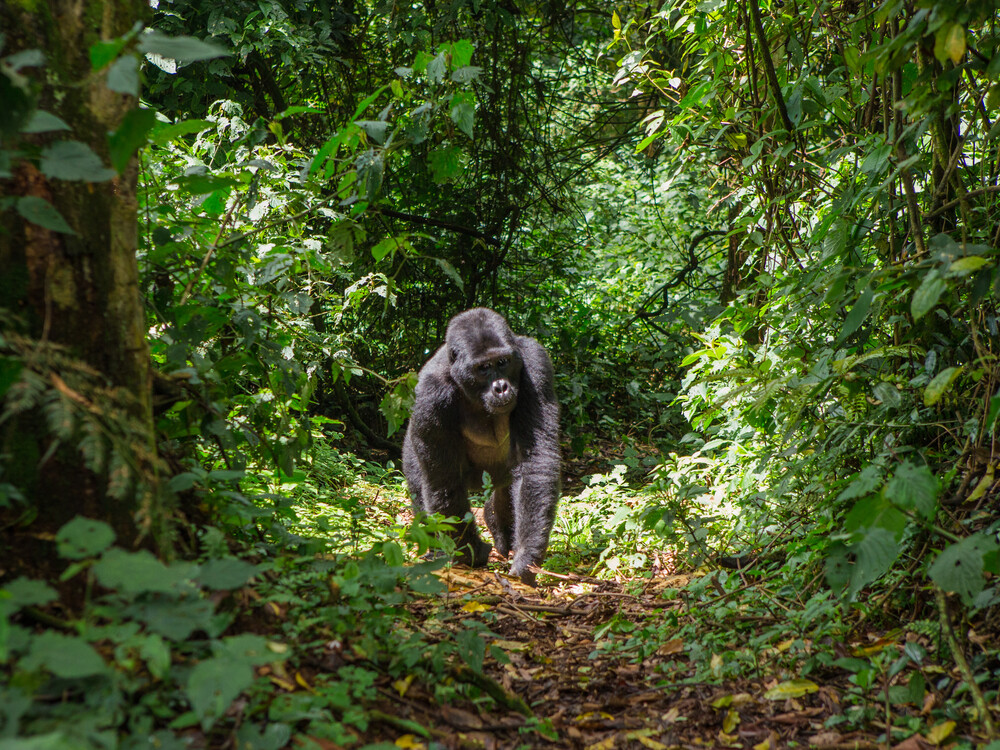
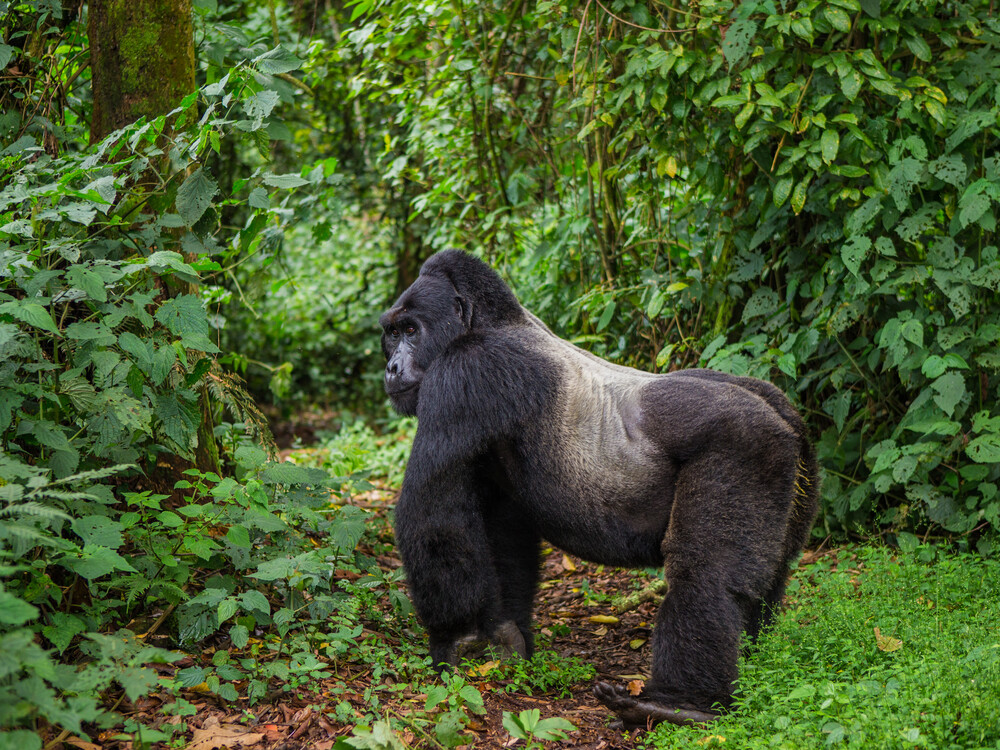
The professional trackers may also need to move away from established trails when following the gorillas.
This makes the duration highly dependent on conditions encountered that day.
Visitors should therefore avoid comparing their eventual trek time too closely with another traveller’s experience.
Someone may tell you they found the gorillas quickly and returned early in the afternoon. That does not mean your own day will follow the same schedule.
The unpredictability is part of tracking free-ranging wildlife.
How Rain Can Extend the Day
Rain is possible in Bwindi throughout the year.
When the forest becomes wet, slopes can become slippery and progress may slow.
Visitors naturally need to move more carefully to avoid falling, particularly when descending steep sections.
Heavy vegetation can also remain wet long after rain stops, making the trek feel more physically demanding.
Rain does not necessarily mean the experience will be cancelled. Bwindi is a rainforest, and wet conditions are part of the ecosystem.
Proper footwear, rain protection and waterproofing for camera equipment can therefore have a major effect on comfort.
The more prepared you are, the easier it becomes to accept changing conditions without feeling that the day has been ruined.
Why a Porter Can Make a Long Habituation Trek Easier
A porter can be extremely helpful during a long forest day because even a light backpack can begin feeling heavy after several hours of climbing and descending.
Water, a packed meal, rain protection, camera equipment and personal items can add significant weight.
Allowing a porter to carry part of this load helps you conserve energy for the gorilla encounter.
This is particularly useful during habituation because the viewing period itself may require continued movement.
You do not want to arrive at the gorillas already exhausted from carrying unnecessary weight.
Porter support can also provide practical assistance over difficult sections of terrain.
For many travellers, hiring a porter is less about whether they are physically capable of carrying a bag and more about improving the overall quality of a long day.
How Long Should You Expect to Be Away From Your Lodge?
Because the official activity begins around 6:30 a.m., you will usually leave your lodge before that time.
The exact departure depends on how far your accommodation is from the briefing area.
You may therefore be away from the lodge from early morning until the afternoon.
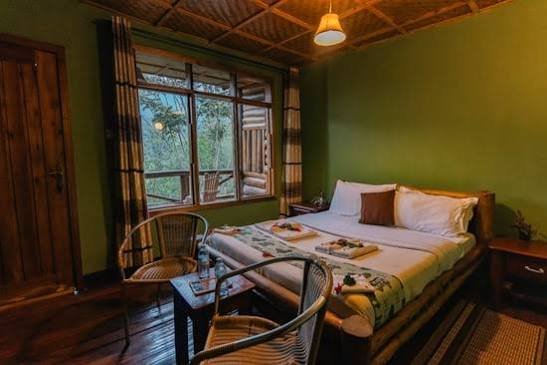
On a longer tracking day, the period away can extend considerably.
This reinforces why the lodge should ideally prepare an early breakfast and a suitable packed meal.
It also means you should carry enough drinking water for a demanding forest experience rather than assuming you will return for lunch at a normal time.
A well-planned safari treats the day’s meals and logistics around the unpredictable trek rather than expecting the trek to fit around a fixed lodge schedule.
Does Lunch Time Stop the Gorilla Habituation Clock?
Travellers should not imagine the four-hour viewing period as containing a formal restaurant-style lunch break beside the gorillas.
Food consumption around gorillas is tightly controlled because responsible primate tourism requires separation between wildlife viewing and eating.
Your packed food is normally managed according to instructions from the professional team and consumed at an appropriate time and place away from direct gorilla observation.
The exact rhythm of the day depends on tracking conditions.
This is another reason the experience feels like an expedition rather than a conventional timed excursion.
You eat when conditions allow, not simply because the clock reaches noon.
Why Photography Can Make Four Hours Pass Quickly
For photographers, Gorilla Habituation can feel surprisingly short despite the extended observation period.
Rainforest photography requires constant adjustment to changing light, vegetation and animal movement.
A silverback may move from a dark area into better light. An infant may briefly become visible. Juveniles may climb before disappearing behind vegetation.
The photographer spends time watching, waiting and adjusting settings.
Because conditions change continuously, several hours can pass much faster than expected.
The longer viewing period also gives you the freedom to stop taking photographs.
You can lower the camera and simply observe the family without feeling that you are wasting your only opportunity.
This balance between photography and direct observation is one of the reasons habituation appeals strongly to serious wildlife travellers.
Does a Longer Trek Mean a Better Experience?
Not necessarily.
A very long search may create a stronger sense of adventure, but it can also be physically demanding.
A shorter approach can be equally rewarding because the main purpose is spending meaningful time observing the gorillas.
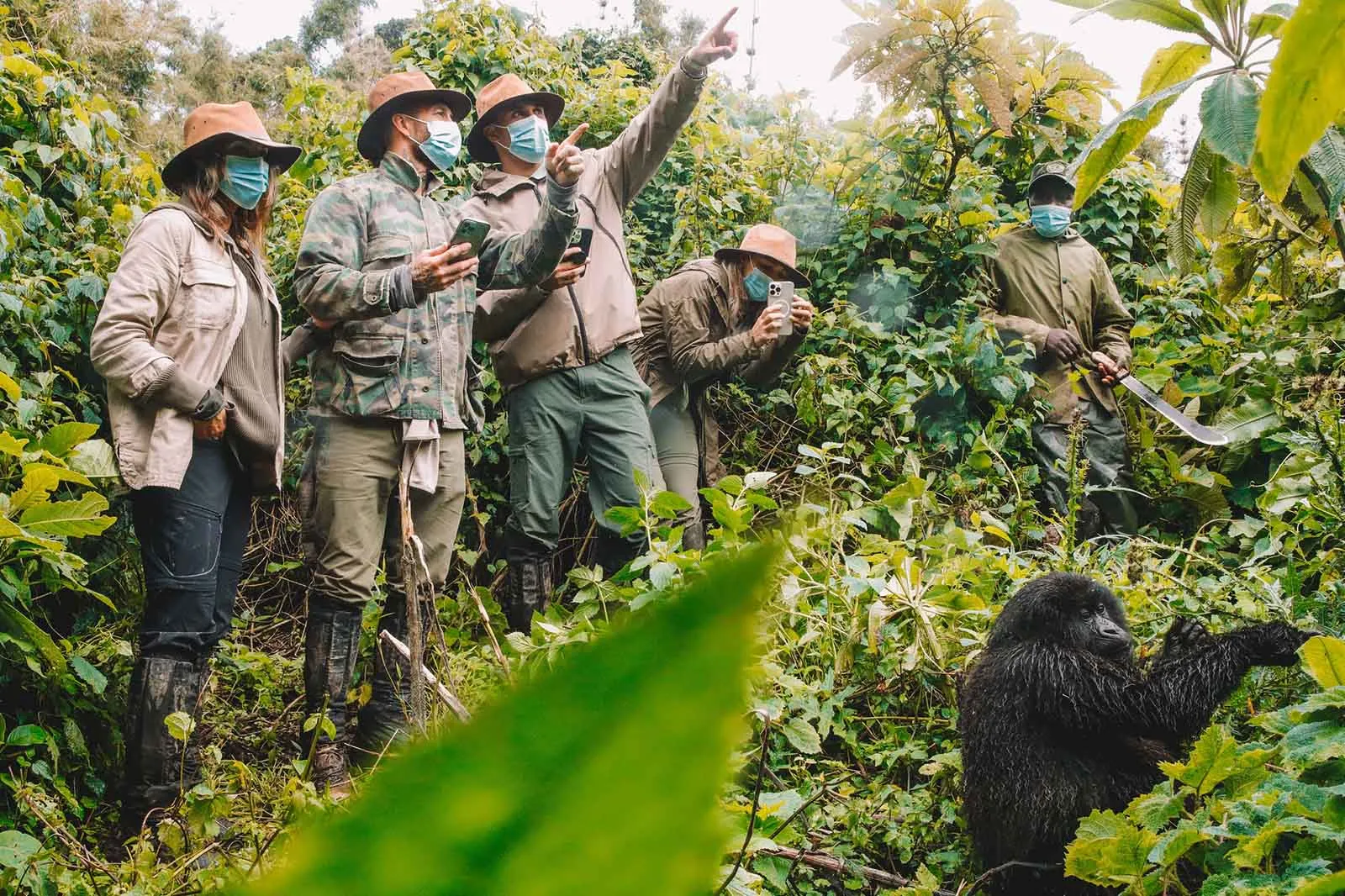
There is no reason to feel disappointed if the family is found quickly.
Finding them early may actually give you more energy during the four-hour observation period and make the eventual return more comfortable.
Likewise, a long trek should not be interpreted as poor organisation.
The gorillas are wild animals, and their movement determines how long the search takes.
The best experience is not defined by the number of hours spent walking. It is defined by responsible tracking, meaningful observation and the privilege of encountering the family in its natural environment.
Does a Short Search Mean You Finish Early?
Not always.
Locating the gorillas quickly allows the viewing period to begin earlier, but you may still spend the maximum four hours observing them and then face a substantial return trek.
The family could also move during the encounter.
You may therefore begin viewing relatively close to the starting area but finish much farther away.
This is why the final return time remains uncertain even after the gorillas have been found.
The day’s schedule continues to evolve throughout the experience.
Why the Return Can Feel Longer Than the Approach
After several hours in the forest, physical fatigue begins to accumulate.
The same terrain that felt exciting in the morning may feel more demanding on the way back.
You may also be carrying wet clothing or moving over slippery ground.
The emotional intensity of the gorilla encounter can make the approach feel fast because anticipation keeps your attention focused.
On the return, you are more aware of tired legs and the remaining distance.
This makes physical preparation and sensible pacing important from the beginning of the day.
There is little value in rushing aggressively during the approach and exhausting yourself before reaching the gorillas.
How Long Should You Stay in Bwindi Around the Trek?
Even though the Gorilla Habituation Experience occupies one main activity day, a comfortable itinerary should normally include accommodation near Bwindi before the trek.
Arriving the previous day gives you time to settle, organise equipment and sleep close to the briefing point.
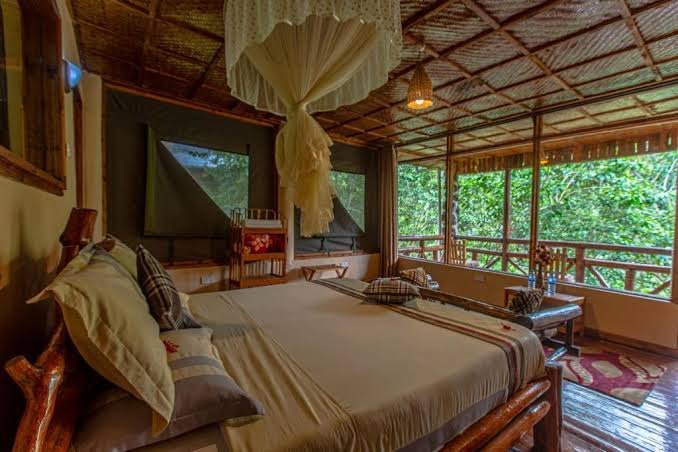
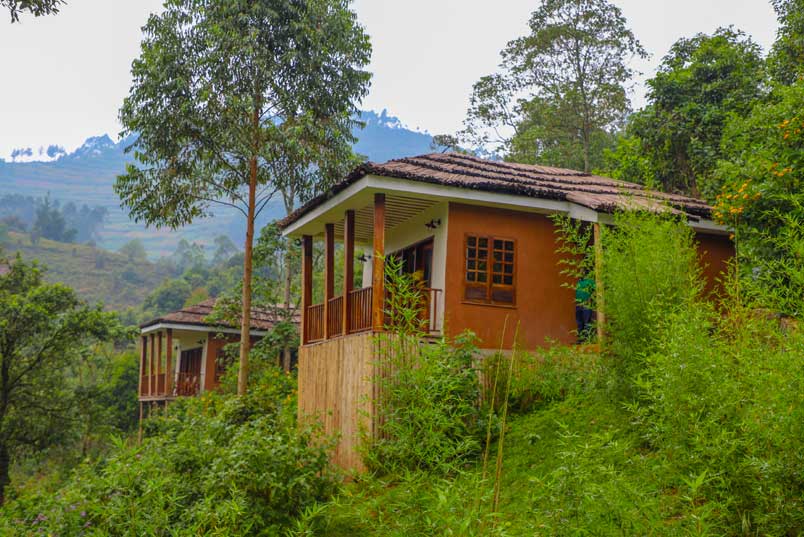
Staying after the activity can also be valuable because it allows you to recover without immediately beginning another demanding transfer.
Travellers using domestic flights can structure their itinerary so that Bwindi remains a relaxed component of the safari rather than an exhausting rush between airports and park activities.
The experience is too significant to build around unrealistic same-day connections.
Why Habituation Feels Like More Than a Four-Hour Activity
The emotional experience begins before you reach the gorillas.
You wake up knowing that you are about to enter one of Africa’s most famous rainforests. You listen to the briefing, walk into the forest and begin searching for signs of the family.
Anticipation builds during the approach.
Once you reach the gorillas, the four-hour observation period becomes the centrepiece of the day.
Afterward, the return through the forest provides time to process what you have experienced.
By the time you arrive back at the briefing area, the day may have occupied a large portion of your waking hours.
This is why describing Gorilla Habituation simply as “four hours with gorillas” is technically incomplete.
The four hours are the viewing privilege within a much larger forest experience.
How Long Does the Experience Feel Emotionally?
Time often feels different during wildlife encounters.
A two-hour search can feel long because you do not know when the gorillas will be found.
The moment the first gorilla appears, your perception changes.
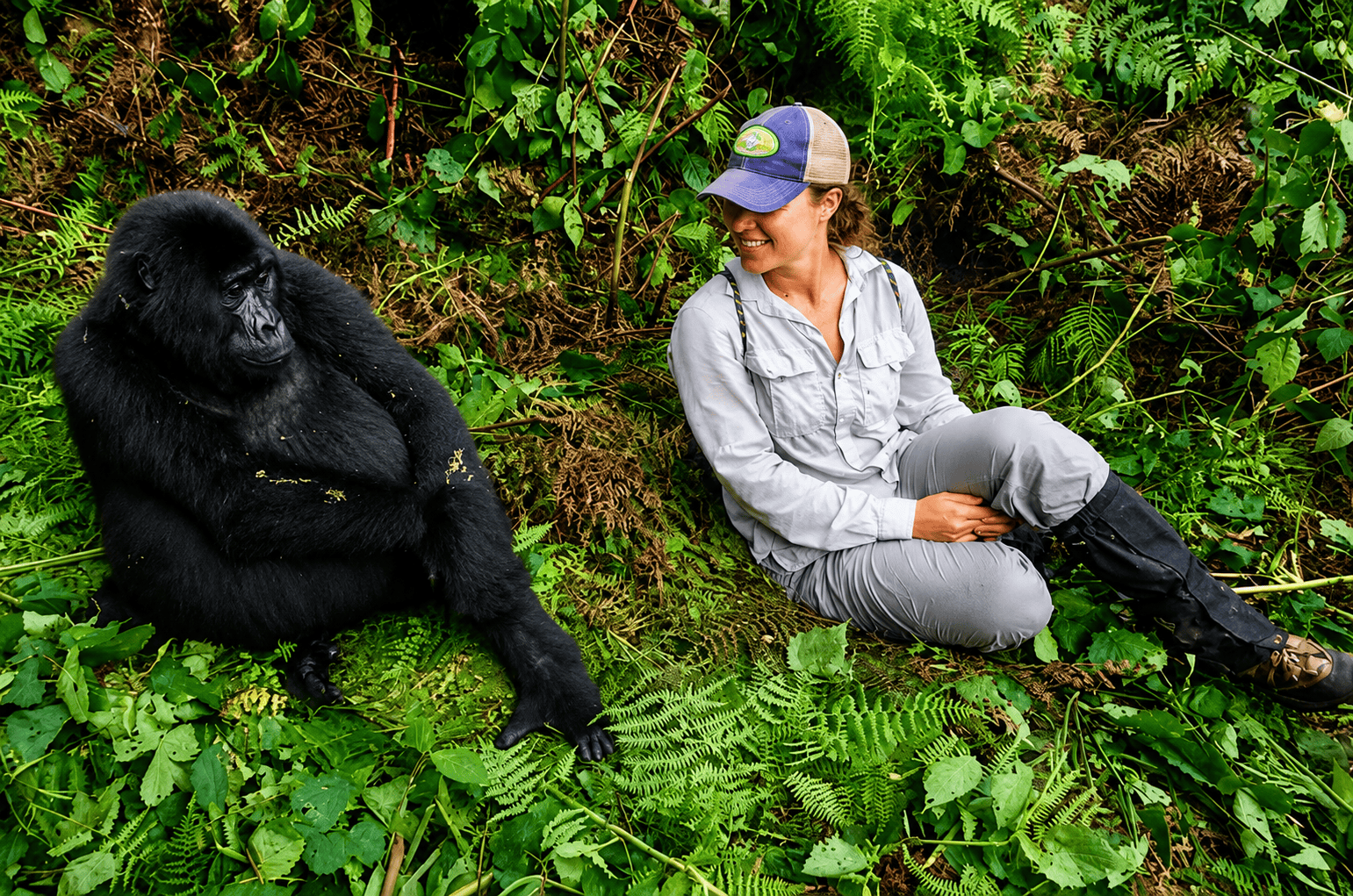
Four hours of observation may then pass surprisingly quickly because your attention is occupied by behaviour, photography and the movements of different family members.
After leaving the gorillas, the walk back can feel slower because the anticipation has disappeared and physical tiredness becomes more noticeable.
Understanding this emotional rhythm can help you approach the day patiently.
The search is not wasted time, and the return is not simply transportation.
Both are part of the larger experience of entering wild mountain gorilla habitat.
Should You Worry if Tracking Takes Several Hours?
A long search is not necessarily a reason for concern.
Professional trackers are following a free-ranging gorilla family through a complex rainforest environment.
The animals can travel substantial distances, and locating them is part of the nature of the activity.
Visitors should remain patient and conserve energy.
The worst approach is to become anxious because another traveller online reported finding gorillas within an hour.
Every tracking day is different.
Your guides understand this variability and manage the search according to current information in the forest.
The unpredictability is one of the reasons no ethical operator should promise a specific encounter time.
Is Gorilla Habituation Suitable for Travellers Who Dislike Long Walks?
Travellers who strongly dislike hiking should carefully consider the nature of the activity.
Although the primary motivation is spending time with mountain gorillas, reaching them can require sustained physical effort.
The four-hour observation period can also involve movement.
Someone who expects to walk briefly to a fixed viewing platform may find the reality challenging.
However, many travellers with moderate fitness successfully complete Gorilla Habituation.
Preparation, suitable footwear, good pacing and porter assistance can make the experience much more manageable.
The important thing is to arrive with realistic expectations.
How Early Should You Wake Up?
Because the official activity begins around 6:30 a.m., most travellers staying near the activity area will need to wake well before that time.
Breakfast, final equipment preparation and the drive to the briefing point must all happen before the forest departure.
The exact wake-up time depends on the lodge location.
This is why staying close to the correct sector matters so much.
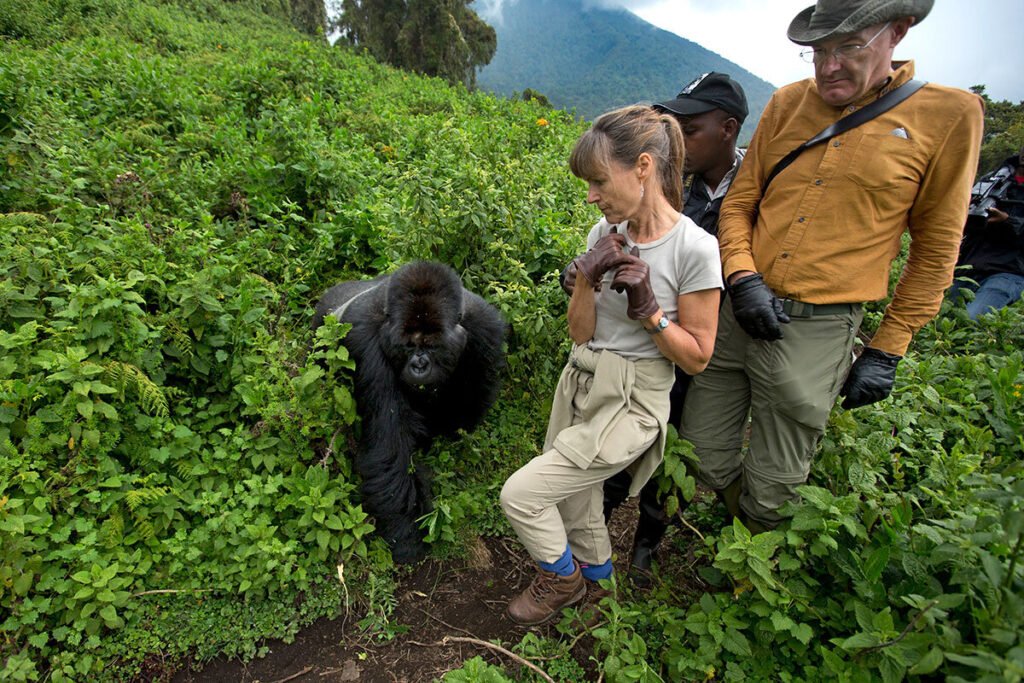
An unnecessarily distant lodge could require a much earlier departure and add road fatigue before the trek even begins.
The most comfortable itineraries match the lodge to the confirmed permit location.
Why You Should Prepare the Night Before
Preparing your clothing, camera batteries, rain protection, drinking water arrangements and trekking bag the evening before can make the early morning much easier.
You do not want to discover at dawn that your camera battery is empty or that important equipment is still packed deep inside your main luggage.
The early start leaves little room for disorganisation.
Good preparation also reduces stress, allowing you to focus on the experience rather than logistics.
A long forest day becomes much more enjoyable when the practical details have already been handled.
How Long Does Gorilla Habituation Take for Photographers?
The official timing does not change because you are a photographer.
You still participate within the same managed tracking and viewing framework.
However, photographers often experience the four-hour observation period differently because they are constantly watching for changes in behaviour and light.
The longer duration is particularly valuable when the first viewing conditions are difficult.
Instead of assuming that a blocked view has ruined the encounter, you have time for the gorillas to move naturally.
A photographer should therefore think of the entire day as open-ended and avoid planning anything important afterward.
Rushing because of another appointment undermines the greatest advantage of the habituation experience: time.
Can You Ask to Leave Before the Four Hours End?
A traveller may theoretically find themselves physically tired or needing to respond to another personal concern, but any movement away from the gorilla group must be handled through the professional team rather than independently.
Visitors should not wander away from the controlled group inside gorilla habitat.
The practical lesson is to prepare properly so that you can comfortably participate in the intended experience.
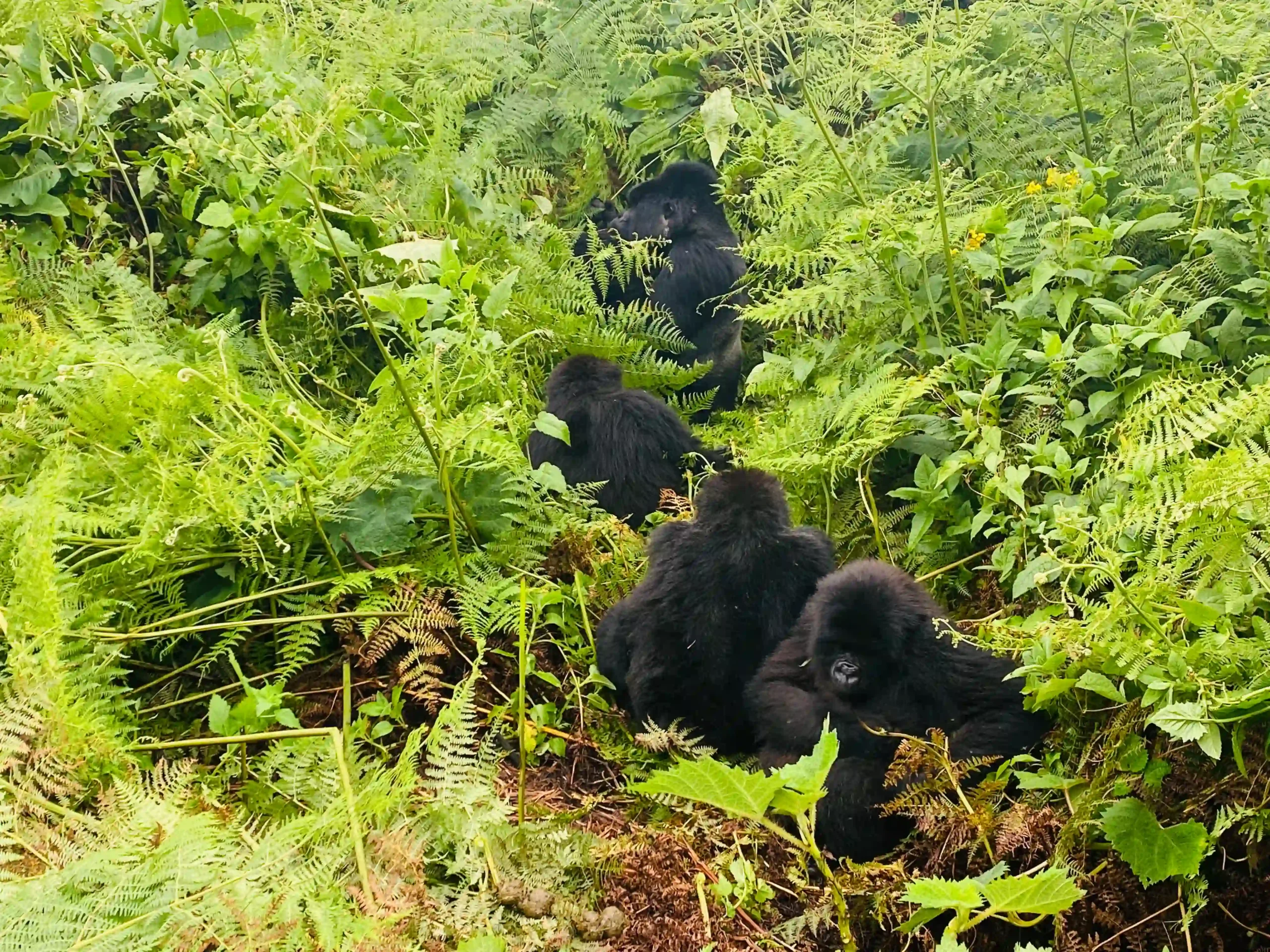
If you know before the trek that you do not want to spend several hours in the forest, normal gorilla tracking may be a better fit than purchasing a habituation permit.
The value of habituation comes precisely from the extended observation period.
Why Habituation Should Not Be Timed Like a City Tour
A city tour can begin at a specified hour, visit scheduled attractions and return at a predictable time because roads and attractions are largely controlled.
Gorilla Habituation operates under completely different conditions.
Wild animals determine the location. Rain changes the terrain. The family’s movement changes the return route.
The professional team can organise the process but cannot force nature to follow a timetable.
This unpredictability should be embraced rather than treated as an inconvenience.
It is one of the reasons the encounter feels authentic.
The Difference Between Tracking Time and Viewing Time Matters for Planning
When discussing Gorilla Habituation with travellers, using the words tracking time and viewing time correctly prevents confusion.
Tracking time is the complete experience from after briefing until return for debriefing.
Viewing time is the period spent with the gorillas after they are encountered.
UWA allows a maximum of four hours of viewing for Gorilla Habituation.
Once this distinction is understood, questions about duration become much easier to answer.
The viewing time has an official maximum.
The total tracking time does not have one universal duration because it depends on real forest conditions.
Why Standard Trekking Duration Cannot Predict Habituation Duration
Uganda Wildlife Authority indicates that standard gorilla trekking may last approximately two to seven hours. It would be tempting to assume Gorilla Habituation lasts a predictable number of hours by simply adding three additional viewing hours to that range.
That would be misleading.
Habituation begins earlier and involves a different type of gorilla family and field experience.
The correct official description remains that it begins from around 6:30 a.m. and continues until visitors return to the briefing location, with up to four hours of viewing after the gorillas are reached.
This avoids presenting an invented total duration as though it were a guaranteed UWA schedule.
How Long Does a Gorilla Habituation Trek Take in Realistic Safari Planning?
In practical safari planning, the most useful answer is that you should reserve the entire day.
You may finish earlier than expected, but the itinerary should never depend on that happening.
Your safari operator should arrange the lodge, meals and transportation around the possibility of a long forest day.
The next major transfer should preferably be scheduled for another day unless there is a specific logistical reason and sufficient flexibility.
This approach protects the value of the experience.
You have already invested significant time and money in travelling to Bwindi. The Gorilla Habituation day should be allowed to unfold according to the forest rather than being shortened emotionally by constant concern about what comes next.
Final Answer: How Long Does a Gorilla Habituation Trek Take?
How Long Does a Gorilla Habituation Trek Take? There is no single fixed total duration for every Gorilla Habituation trek in Uganda. Uganda Wildlife Authority states that the Gorilla Habituation Experience begins from around 6:30 a.m. and continues until visitors return to the briefing location for debriefing. The direct viewing period begins only when you reach the gorillas and can last for a maximum of four hours.
This means the famous four hours are not the total length of the activity. Before those four hours begin, you may spend considerable time trekking through Bwindi with professional trackers while searching for the gorilla family. After the viewing period ends, you still need to hike back through the forest.
The exact duration depends mainly on where the gorillas are located, how far they move, the difficulty of the terrain, weather conditions and how long the return journey takes. A family located relatively close to the starting area can create a shorter overall day, while a family that has travelled deeper into Bwindi can make the activity much longer.
For comparison, Uganda Wildlife Authority says standard gorilla trekking can take approximately two to seven hours and provides one hour with a habituated gorilla family. Gorilla Habituation should not simply be assigned a fixed duration by adding three hours to that range, because it is managed under its own schedule. UWA’s more precise definition is that habituation starts around 6:30 a.m., continues until return for debriefing and permits up to four hours of viewing once the gorillas are encountered.
For itinerary planning, you should therefore treat Gorilla Habituation as a full-day activity. Avoid arranging a tightly timed afternoon flight, long road transfer or another important wildlife activity after the trek. Staying near Bwindi after the experience gives you enough flexibility to enjoy the day without constantly checking the time.
The duration is part of what makes Gorilla Habituation special. You are not visiting an attraction operating on a rigid timetable. You are entering the natural habitat of wild mountain gorillas, following their movements and allowing the forest to determine how your day unfolds.
Some travellers may reach the gorillas quickly. Others may trek for hours before the first encounter. Once the family is located, the maximum four-hour viewing period gives you time to move beyond the excitement of the first sighting and begin observing how individual gorillas feed, rest, travel and interact.
By the time you complete the return hike and reach the briefing area for debriefing, you may have spent most of the day inside one of Africa’s most remarkable rainforests.
That is the best way to understand the length of a Gorilla Habituation trek: the four hours describe your maximum direct gorilla viewing time, while the entire experience begins early in the morning and lasts for as long as necessary to track the family, observe it responsibly and return safely from the forest.