

Should You Hire a Porter for Gorilla Habituation in Bwindi? 9 Amazing Benefits Explained
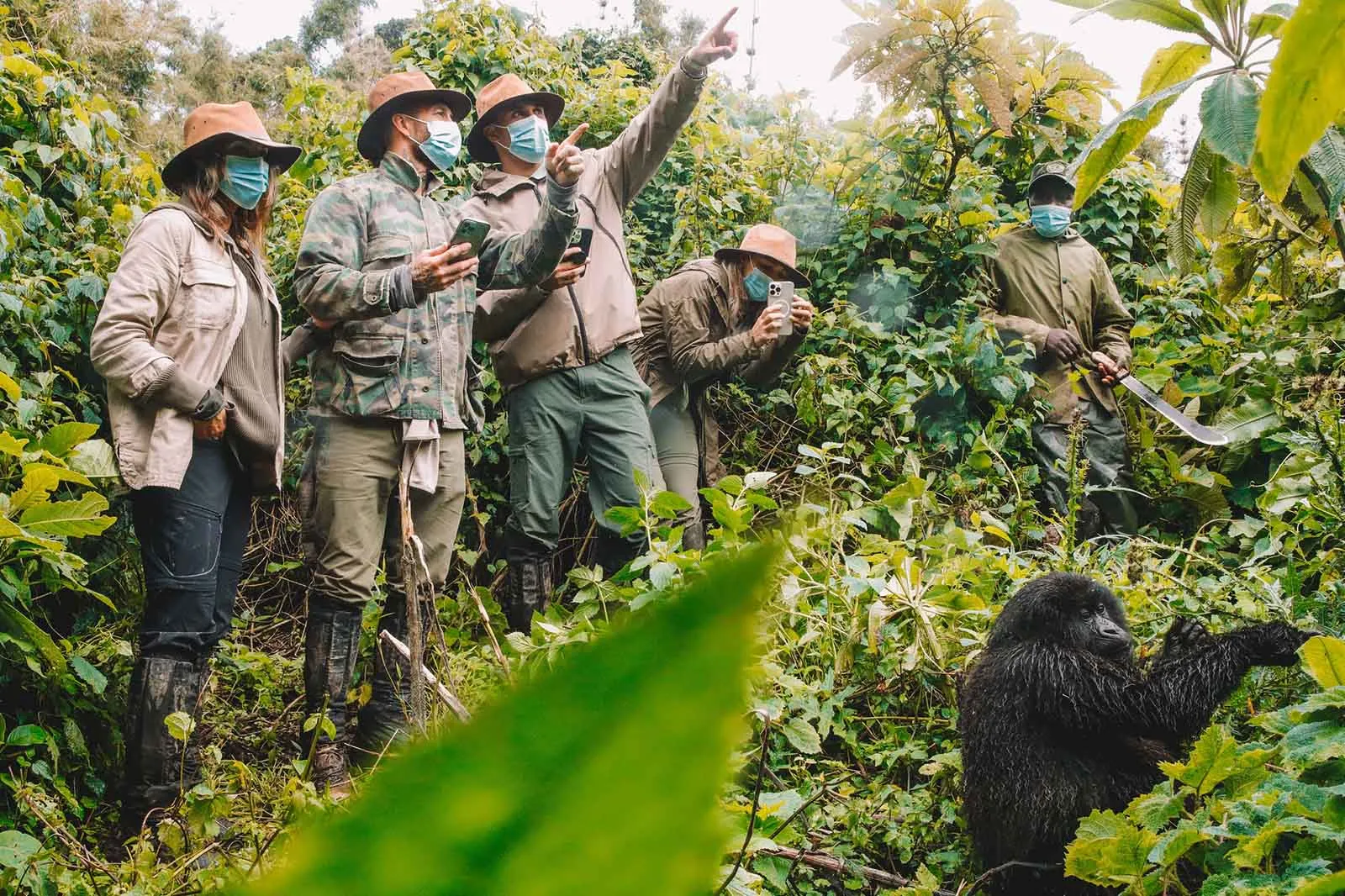
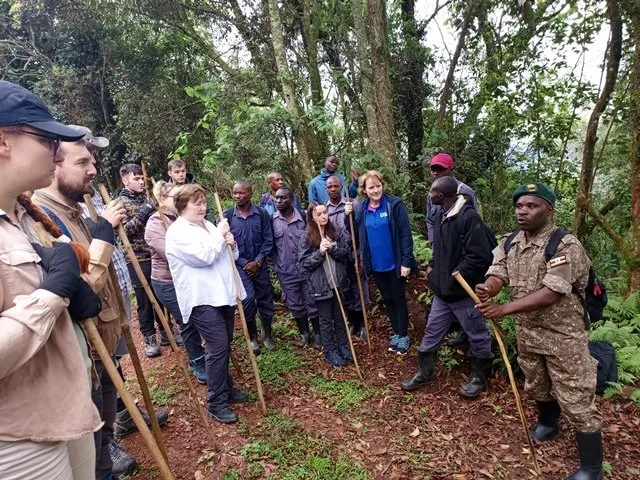
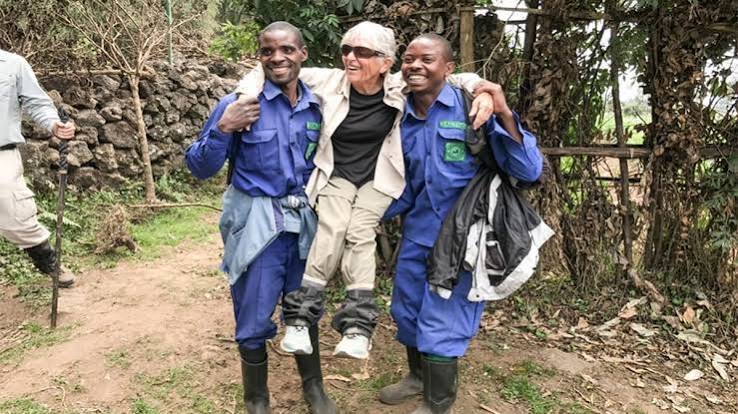
Yes, hiring a porter for gorilla habituation in Bwindi is highly recommended, especially if you want to enjoy the experience without carrying a heavy backpack through steep, muddy, and physically demanding rainforest terrain. Although hiring a porter is optional, many visitors consider it one of the most practical decisions they make when preparing for their journey into Bwindi Impenetrable National Park. The experience involves walking through dense tropical vegetation, climbing forested hills, navigating slippery paths, and spending an extended period observing a mountain gorilla family undergoing habituation. Having someone assist with your personal belongings can significantly improve comfort throughout the adventure.
Choosing a Porter for Gorilla Habituation is particularly valuable because the activity can last much longer than an ordinary forest walk. Unlike standard gorilla trekking, which generally allows one hour with a fully habituated gorilla family, the specialised gorilla habituation experience allows visitors to spend up to four hours observing a family undergoing habituation. This observation period does not include the time spent searching for the gorillas or returning from the forest. Consequently, visitors should prepare for a potentially demanding day that requires reasonable stamina, suitable trekking equipment, and careful planning.
Beyond carrying backpacks and providing practical assistance, hiring local porters creates valuable employment opportunities for communities surrounding Bwindi. Tourism-related work can provide income for households living near the protected forest, strengthening the economic relationship between local residents and wildlife conservation. This detailed guide explains whether you need a porter, what assistance they provide, how arrangements work in Rushaga, what you should expect during the trek, and why hiring a porter can be a worthwhile addition to your Uganda gorilla habituation safari.
What Does a Porter Do During Gorilla Habituation in Bwindi?
A gorilla habituation porter is a local trekking assistant who helps visitors carry personal belongings and provides practical support during the forest journey. Porters commonly assist with backpacks containing drinking water, packed meals, rain jackets, spare clothing, and photography equipment. Their assistance allows visitors to walk with less weight on their shoulders, which can be particularly helpful during difficult uphill climbs or long periods of forest exploration. Depending on the terrain and the arrangements made, a porter may also offer a steadying hand when navigating challenging sections.
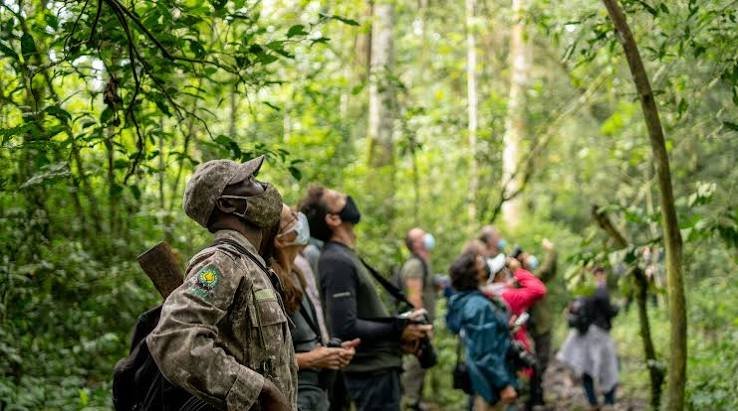
A Porter for Gorilla Habituation should not be confused with an official Uganda Wildlife Authority ranger, tracker, guide, or researcher. The authorised conservation team remains responsible for locating the participating gorilla family, managing visitor movements, providing safety instructions, and ensuring that the experience follows established conservation guidelines. Porters perform a complementary role focused on the visitor’s personal comfort and belongings. Understanding this distinction is important when planning activities in Bwindi Impenetrable National Park, where the protection of endangered mountain gorillas remains the highest priority.
9 Amazing Benefits of Hiring a Porter for Gorilla Habituation
1. A Porter Helps Carry Your Backpack Throughout the Trek
One of the main reasons travellers hire porters is to avoid carrying a heavy backpack throughout the entire forest experience. Even a relatively small daypack can become uncomfortable after several hours of uphill walking, particularly when it contains water, packed food, additional clothing, and camera equipment. The weight may place strain on your shoulders and back while making it more difficult to maintain balance on steep or slippery ground.
Hiring a Porter for Gorilla Habituation allows you to transfer much of this weight to an experienced local assistant while keeping essential items readily accessible when required. This arrangement can make it easier to concentrate on walking carefully, observing the rainforest, and appreciating the surrounding environment. Visitors who want to understand the potential length of their outing should review our gorilla habituation trek duration guide before deciding how much equipment to carry.
2. Porters Provide Practical Assistance on Steep Forest Slopes
Bwindi is characterised by steep ridges, deep valleys, muddy pathways, and uneven forest ground. These natural features contribute to the park’s extraordinary scenery but can present difficulties for visitors unfamiliar with mountainous rainforest trekking. During the activity, you may need to step over roots, descend slippery sections, and carefully negotiate irregular terrain. The effort required varies considerably because the trekking route depends on where the participating gorilla family is located.
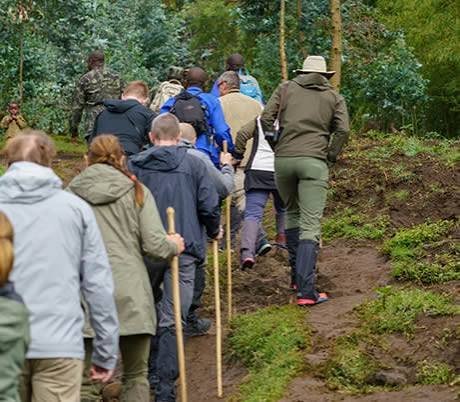
A Porter for Gorilla Habituation can offer practical assistance during challenging sections, such as helping you manage your belongings while you navigate a difficult slope. Depending on local arrangements, a porter may also provide physical support when appropriate. However, this assistance does not remove the need for reasonable fitness and careful walking. Understanding the gorilla habituation routes in Rushaga helps visitors appreciate the benefits of having additional support in the mountainous environment.
3. Hiring a Porter Helps Conserve Energy for the Gorilla Encounter
One distinctive feature of gorilla habituation is the extended observation period after the participating family has been located. Visitors may spend up to four hours observing mountain gorillas as they feed, rest, groom, and interact within their natural environment. However, reaching the animals can require a substantial amount of physical effort, and visitors must also complete the return journey. Conserving energy throughout the day is therefore important.
Hiring a Porter for Gorilla Habituation can reduce unnecessary fatigue by removing the additional burden of carrying personal equipment. This is particularly beneficial when a trek begins with a long uphill section or continues through demanding terrain. Although the porter cannot shorten the distance required to find the gorillas, having less weight to carry may allow you to maintain greater comfort. Travellers planning a three-day gorilla habituation Uganda itinerary should consider arranging porter assistance before the trekking day.
4. Porters Make Gorilla Habituation More Comfortable for Beginners
First-time visitors to Bwindi may have limited experience walking through dense tropical rainforests. Even travellers who regularly walk in cities or on established recreational trails can find mountainous forest terrain surprisingly demanding. The combination of steep slopes, humid conditions, slippery surfaces, and unpredictable trekking distances requires more effort than ordinary sightseeing activities. Beginners may therefore appreciate practical assistance from someone familiar with the environment.
Choosing a Porter for Gorilla Habituation can make the experience more comfortable for visitors who want to concentrate on their footing rather than managing a heavy backpack. Porters who regularly assist visitors in Bwindi are familiar with the demands of local trekking conditions and can provide useful practical support within their assigned role. Nevertheless, beginners should prepare physically and follow all official ranger instructions. Understanding the gorilla habituation experience in Rushaga is an excellent starting point for realistic preparation.
5. A Porter Can Be Particularly Helpful for Older Travellers
Age alone does not determine whether a traveller can participate successfully in gorilla habituation. Many older visitors maintain excellent walking fitness and are comfortable completing demanding outdoor activities. However, individuals who prefer not to carry equipment for prolonged periods may find porter assistance especially valuable. Reducing the weight carried can make climbing and descending hills more manageable, particularly when visitors want to preserve their energy for the extended gorilla observation period.
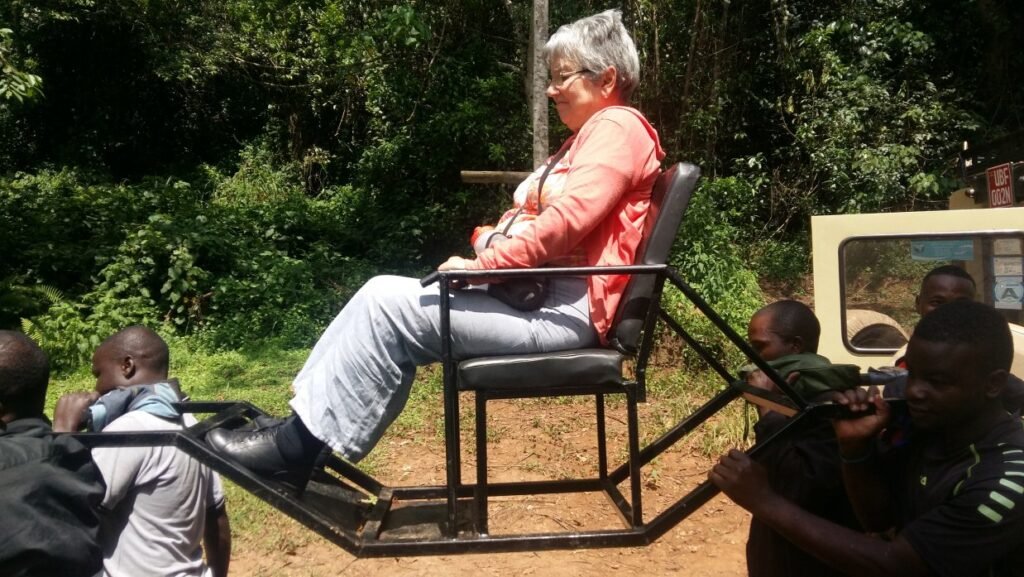
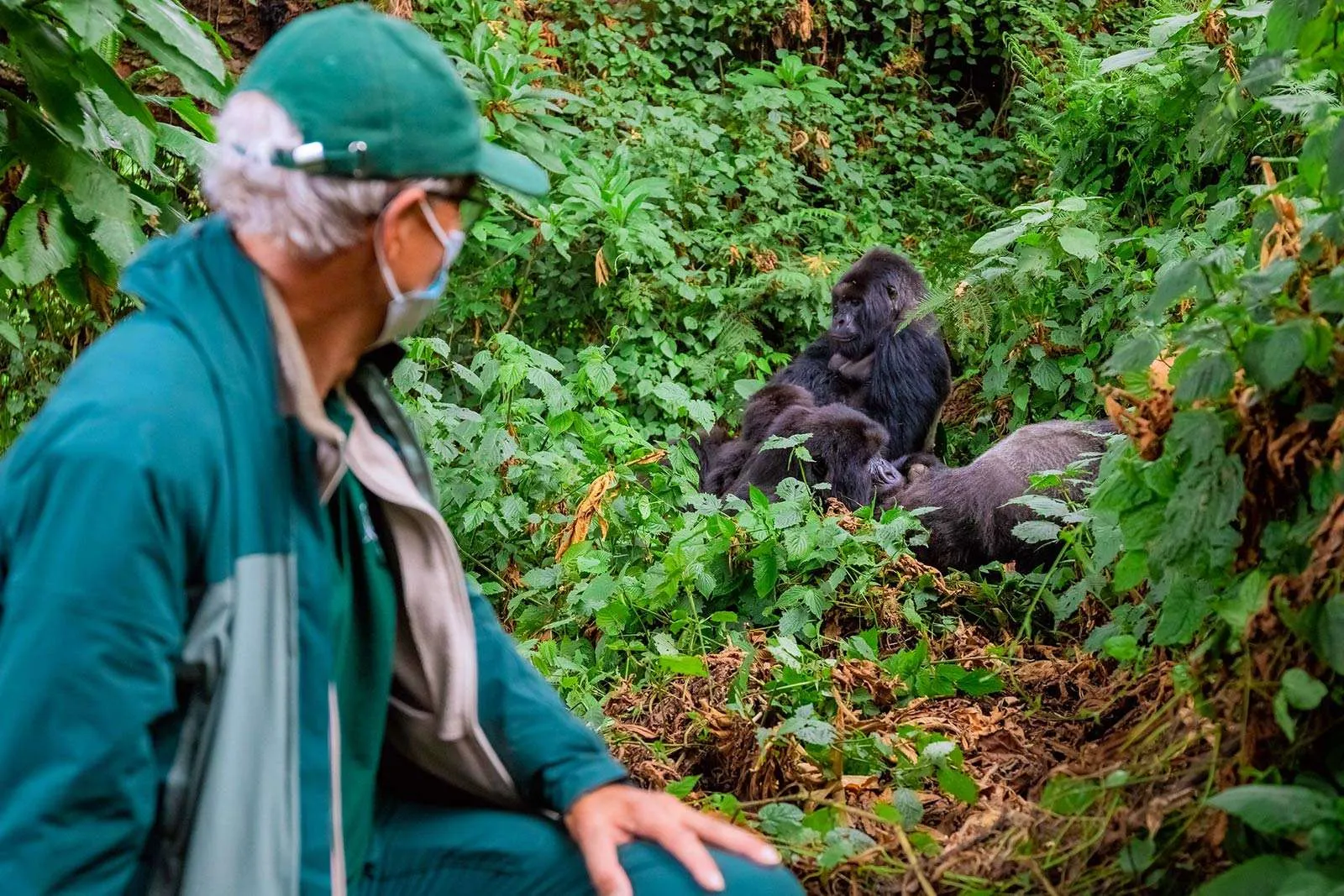
A Porter for Gorilla Habituation can provide practical support for older travellers who remain capable of completing the forest walk but would benefit from carrying less weight. Visitors with significant mobility limitations, medical conditions, or concerns about balance should seek personalised advice before booking, because porter assistance does not guarantee accessibility. Combining appropriate support with comfortable luxury lodges near Bwindi can make the wider safari more relaxing.
6. Porters Help Photographers Transport Camera Equipment
Wildlife photography is one of the attractions of gorilla habituation because the extended observation allowance provides opportunities to study mountain gorilla behaviour in considerable detail. Photographers may carry camera bodies, lenses, spare batteries, protective covers, and additional accessories. While each individual item may seem manageable, their combined weight can become substantial during a long forest trek.
Hiring a Porter for Gorilla Habituation allows photographers to transport equipment more comfortably while keeping frequently used items accessible. The porter may carry a camera bag during the approach and return walks, helping the photographer conserve energy and maintain better balance on uneven ground. Equipment should be packed securely and protected against rainfall, and visitors should agree beforehand on how it will be handled. Our best camera for gorilla habituation safari guide offers further information about preparing photography equipment for the rainforest.
7. Hiring a Porter Can Reduce Fatigue During Rainy Weather
Rainfall can make Bwindi’s forest trails muddy, slippery, and more physically demanding. The park receives rain throughout the year, although the wetter periods generally occur around March to May and October to November. Visitors trekking during rainy conditions may encounter wet vegetation, saturated soil, and hillsides that require extra concentration. Carrying a heavy backpack in these circumstances can increase fatigue and make movement more difficult.
A Porter for Gorilla Habituation can be especially useful when weather conditions become challenging because the visitor has less equipment to manage while maintaining balance. However, hiring a porter does not eliminate slippery ground or guarantee that assistance will prevent falls. Waterproof hiking boots, suitable clothing, and careful movement remain essential. Visitors should prepare appropriately regardless of the season and consider how rainfall may influence their Uganda gorilla habituation safari routes.
8. Porter Employment Supports Communities Around Bwindi
Hiring a porter offers benefits that extend beyond the individual visitor. Communities surrounding Bwindi participate in tourism through accommodation, guiding, transportation, hospitality, handicrafts, and porter services. Employment opportunities provide income that can help support families and local livelihoods. When tourism creates meaningful economic opportunities, nearby communities have additional reasons to value the continued protection of the forest and its wildlife.
Choosing a Porter for Gorilla Habituation creates a direct opportunity to compensate a local worker for a valuable service. Visitors can contribute to responsible tourism by respecting agreed working arrangements, treating porters fairly, and ensuring that loads remain reasonable. Porter employment should not be presented as a substitute for formal conservation programmes, but it forms an important part of the wider community benefits associated with wildlife tourism in Bwindi Impenetrable National Park.
9. A Porter Allows You to Concentrate on the Experience
Gorilla habituation provides an exceptional opportunity to observe endangered mountain gorillas while learning about the conservation process. Along the way, visitors may encounter remarkable rainforest scenery, birds, plants, and other aspects of Bwindi’s rich biodiversity. Carrying heavy equipment can become distracting, particularly when the route includes physically demanding sections or prolonged walking.
Hiring a Porter for Gorilla Habituation can help visitors focus more fully on the adventure. Instead of constantly adjusting shoulder straps or worrying about the weight of a camera bag, you can devote more attention to your surroundings and the instructions of the guiding team. The value of this assistance is personal, and some experienced hikers may prefer to carry their own belongings. Nevertheless, for travellers prioritising comfort during the gorilla habituation experience, porter assistance is often a worthwhile consideration.
Is Hiring a Porter for Gorilla Habituation Mandatory?
No, hiring a porter is generally optional. Visitors who are physically capable of carrying their own belongings and comfortable walking for prolonged periods may participate without hiring one, provided they comply with the applicable park rules. Porter assistance is a separate service rather than an automatic requirement for all habituation participants. The decision depends on personal fitness, the amount of equipment being carried, budget preferences, and the level of comfort desired during the trek.
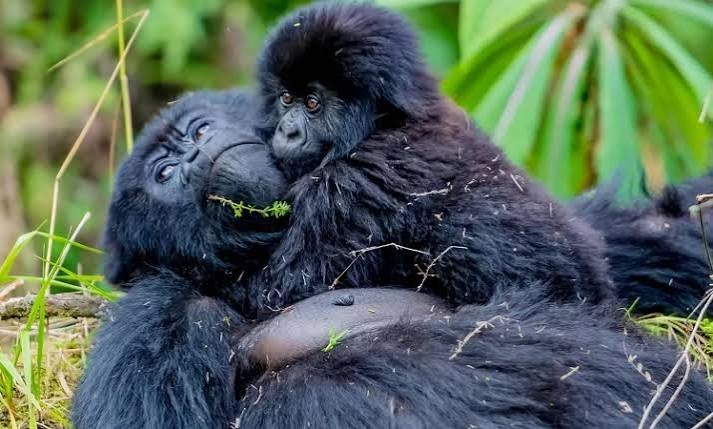
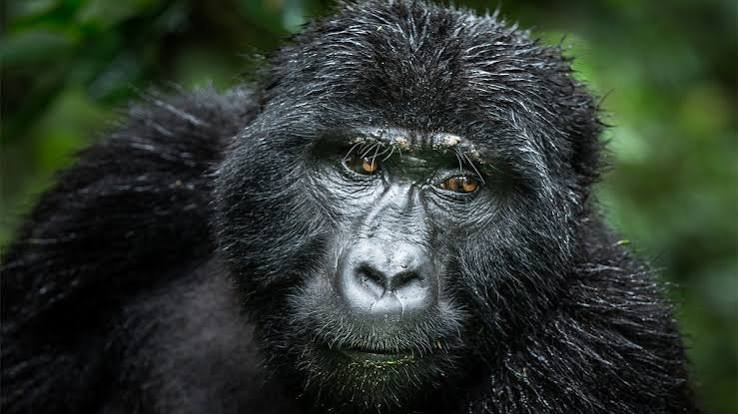
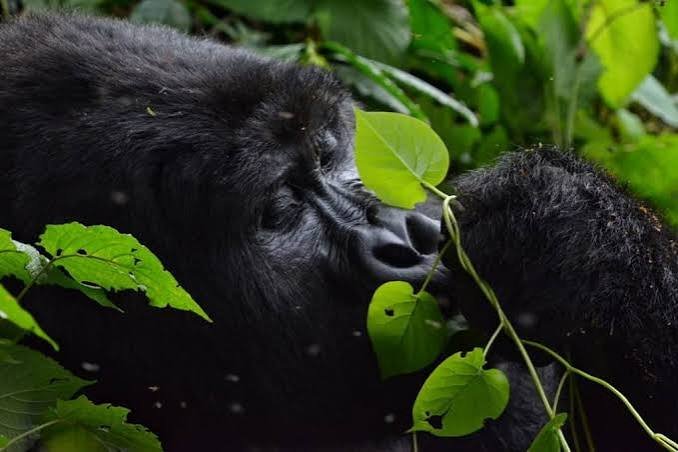
Nevertheless, hiring a Porter for Gorilla Habituation is worth considering even if you believe you are reasonably fit. The forest route can change considerably from one day to another, making it difficult to predict exactly how demanding the activity will become. Because the gorillas move freely, visitors cannot guarantee a short approach walk or an easy return journey. The option to reduce the weight carried may therefore be particularly useful for people who want to enjoy the forest without unnecessary physical strain.
What Is the Difference Between a Porter, Ranger, Tracker and Guide?
Understanding the different roles involved in gorilla habituation helps visitors develop realistic expectations about the assistance they will receive. Uganda Wildlife Authority personnel and the authorised habituation team manage the wildlife encounter. Trackers help locate the participating gorilla family, while rangers and guides provide safety instructions, explain visitor conduct, and coordinate movement through the forest. Conservation personnel also monitor the behaviour of gorillas undergoing habituation and determine how visitors should respond.
A Porter for Gorilla Habituation provides personal assistance rather than wildlife management. Porters do not independently select the gorilla family, decide the trekking route, or authorise visitors to approach the animals. They remain subject to the instructions of the official team and may be required to remain at a designated position during parts of the encounter. This distinction is essential because the gorilla habituation process in Uganda is a carefully managed conservation activity rather than an unrestricted wildlife walk.
Where Can You Hire a Porter for Gorilla Habituation in Bwindi?
The specialised gorilla habituation experience is associated with the Rushaga sector in southern Bwindi. Visitors normally begin the activity after reporting to the relevant briefing point, where arrangements are coordinated with the authorised team. Porters can generally be organised locally through available community arrangements, safari operators, or assistance from your driver-guide. Because individual arrangements can vary, it is wise to confirm porter availability before your scheduled activity.
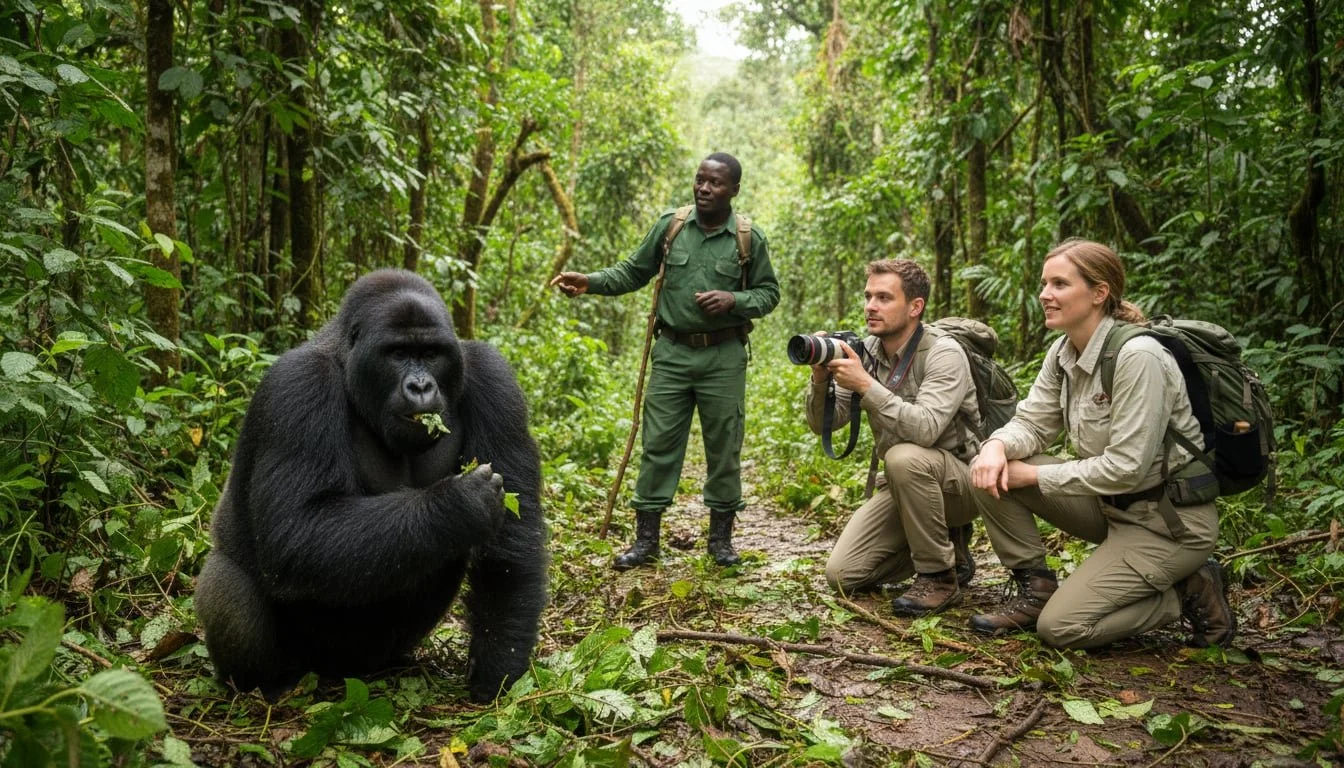
When organising a Porter for Gorilla Habituation, inform your safari company in advance if possible. This gives your organiser an opportunity to confirm the meeting point, expected service, arrangements for equipment, and applicable payment details. Travellers staying away from Rushaga should also account for transfer times because other Bwindi trekking sectors are not interchangeable with the habituation briefing location. Our Rushaga access guide and Bwindi habituation location map provide useful information for planning the journey.
Should You Arrange a Porter in Advance or on the Trekking Day?
Porters can often be arranged locally on the day of the activity, but requesting assistance in advance is generally more convenient. This is especially important for visitors carrying substantial photography equipment or those who want to discuss specific physical requirements. Advance communication allows the safari organiser to explain what assistance may be available and whether any particular arrangements need to be made before reaching the briefing point.
Booking a Porter for Gorilla Habituation in advance does not necessarily mean paying months before travelling. In many cases, the arrangement can be coordinated closer to the trekking date, while the gorilla habituation permit itself should be secured well ahead of time because availability is limited. Visitors should keep these two arrangements separate and consult our gorilla habituation permit guide when planning reservations. Porter arrangements should always be confirmed for the actual trekking location and date.
What Can a Porter Carry During Gorilla Habituation?
A porter can usually carry a visitor’s daypack containing essential trekking supplies, subject to the agreed arrangement and safe carrying limits. Common items include drinking water, packed meals, spare socks, a rain jacket, lightweight clothing, binoculars, and properly packed camera accessories. Having these belongings carried by someone else can reduce fatigue, especially when walking uphill or moving through challenging forest sections.
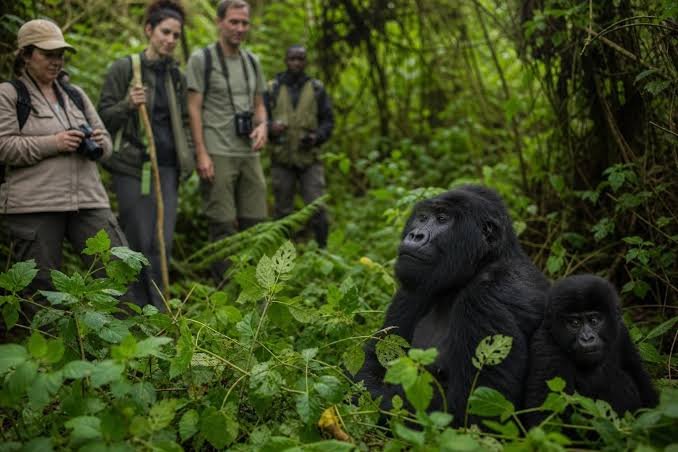
When hiring a Porter for Gorilla Habituation, avoid treating the porter as a means of transporting an unnecessarily heavy collection of equipment. Pack only what is reasonably required for the activity and discuss the load beforehand. Valuable or frequently needed items, such as medication and essential personal documents, should remain readily accessible to you. Cameras and fragile equipment should be protected appropriately. Visitors preparing for longer gorilla habituation trekking tours should distinguish between equipment needed inside the forest and luggage that can remain safely at the lodge.
How Much Does Hiring a Porter for Gorilla Habituation Cost?
Porter assistance is generally a separately arranged service and should not be assumed to be included in the gorilla habituation permit. The amount payable can depend on the local arrangements and the assistance requested. Rather than relying on an outdated rate, visitors should confirm the current porter fee with their safari organiser or the relevant local coordinator before the trekking day. This also helps prevent misunderstandings about what the agreed payment covers.
When arranging a Porter for Gorilla Habituation, clarify whether payment will be made directly or through your tour operator and whether gratuities are separate. If you intend to provide a tip, it should reflect your satisfaction with the service and remain voluntary. Paying fairly, agreeing on responsibilities, and respecting the porter throughout the experience are important parts of responsible tourism. Our Uganda Wildlife Authority gorilla habituation permits guide provides information about the separate permit arrangements.
Can a Porter Carry You During Gorilla Habituation?
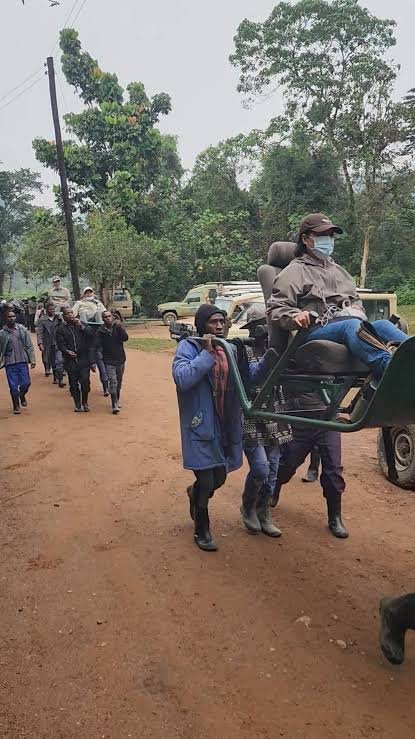
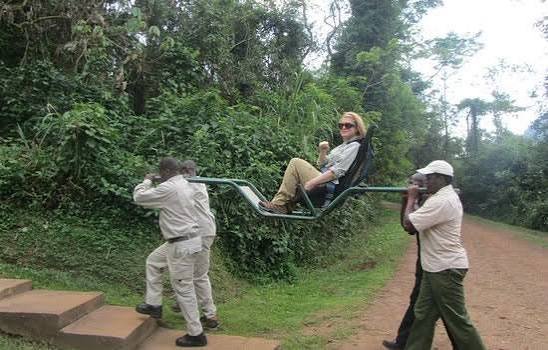
A standard trekking porter primarily carries personal equipment and may provide practical walking assistance; the service should not be confused with specialised carrying arrangements for visitors who cannot walk independently. Some gorilla trekking locations offer carrying assistance through organised teams using suitable equipment, but availability and suitability for the specialised habituation experience must be confirmed individually. Visitors should not assume that a conventional porter can transport them throughout the forest.
A Porter for Gorilla Habituation cannot automatically overcome the substantial mobility challenges presented by Bwindi’s mountainous terrain. Travellers with significant mobility limitations should provide detailed information about their circumstances before booking and obtain confirmation that appropriate assistance is available. The trekking route, duration, weather conditions, and requirements of the conservation team may affect whether participation is practical. Safety should always take priority over attempting to guarantee an activity that may not be suitable for every visitor.
Does Hiring a Porter Guarantee an Easier Gorilla Habituation Trek?
Hiring a porter can reduce the physical burden of carrying equipment, but it cannot guarantee an easy route or a successful sighting. The participating gorilla family moves naturally through the forest, and trackers follow the animals according to their location and recent movements. Some days involve relatively manageable walking, while others may require substantial climbing, careful descents, or extended periods navigating difficult vegetation. Weather can also change unexpectedly.
A Porter for Gorilla Habituation should therefore be viewed as an additional comfort and support service rather than a replacement for physical preparation. Visitors should still be reasonably fit, wear appropriate footwear, and prepare for sustained walking. If you are concerned about the demanding nature of the experience, discuss your circumstances with your safari organiser before committing to the activity. Understanding the gorilla habituation trek duration can help you make a realistic decision.
What Should You Wear When Trekking With a Porter?
Even when someone else carries your backpack, wearing appropriate trekking clothing remains essential. Waterproof hiking boots with good grip are strongly recommended because forest trails can be slippery and uneven. Long trousers and long-sleeved shirts help protect against vegetation, while comfortable socks reduce friction during prolonged walking. A lightweight rain jacket and protective gloves are also useful because weather and terrain conditions can change during the activity.
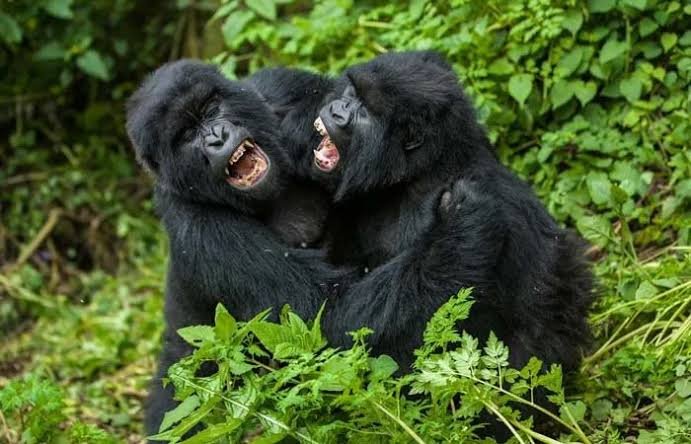
Hiring a Porter for Gorilla Habituation should not encourage visitors to neglect their own comfort or safety. The porter can carry additional equipment, but you remain responsible for moving carefully through the forest and following the guiding team’s instructions. Clothing should allow natural movement during uphill and downhill walking, and footwear should be tested before travelling. Preparing properly is particularly important during Uganda’s wetter months, when muddy trails may create additional challenges.
Does a Porter Stay With You During the Entire Gorilla Habituation Experience?
A porter generally accompanies the visitor during the forest trek according to the arrangements made and the directions of the official team. However, visitors should not assume that their porter will stand beside them throughout the entire gorilla observation period. The authorised conservation personnel determine where participants and supporting personnel may remain, particularly when approaching animals undergoing habituation.
The role of a Porter for Gorilla Habituation must always respect the protection of the gorillas and the safety of the group. Visitors may be instructed to leave certain belongings at a designated place or retrieve equipment when permitted. It is useful to discuss these arrangements before entering the forest so that valuable cameras, drinking water, and other essentials remain accessible when needed. The Rushaga gorilla habituation experience is carefully managed to minimise unnecessary disturbance to the animals.
How Does Porter Assistance Improve a Longer Uganda Safari?
Many visitors combine gorilla habituation with additional activities such as game drives in Queen Elizabeth National Park, wildlife viewing in Murchison Falls National Park, or relaxation at Lake Bunyonyi. A demanding forest trek may be the most physically intensive activity within the itinerary, making appropriate preparation especially valuable. Arriving well rested, staying near Rushaga, and arranging porter assistance can help travellers approach the forest experience comfortably.
A Porter for Gorilla Habituation may be particularly useful when habituation forms part of a longer safari that includes several consecutive travel days. Rather than carrying substantial equipment through the forest, visitors can conserve energy for the remainder of their journey. Consider our five-day Uganda gorilla habituation safari, gorilla habituation and Queen Elizabeth safari, or eight-day Uganda wildlife and gorilla habituation tour when planning a balanced itinerary.
Is Hiring a Porter Worth It for Fit and Experienced Hikers?
Visitors who regularly hike and comfortably carry backpacks over challenging terrain may feel that porter assistance is unnecessary. This is a reasonable personal decision because hiring a porter is generally optional. Experienced hikers may prefer to manage their own equipment, particularly when carrying only a lightweight daypack. However, even physically fit travellers should remember that the day’s route cannot be predicted precisely.

A Porter for Gorilla Habituation can still be worthwhile for experienced hikers who want greater comfort or are carrying substantial photography equipment. The decision is not an indication of weakness or inadequate fitness. It is simply a choice about how much additional weight you want to carry during a potentially long rainforest activity. Travellers should select the arrangement that best matches their priorities while maintaining realistic expectations about the demands of the trek.
Frequently Asked Questions About Hiring a Porter for Gorilla Habituation
1. Should You Hire a Porter for Gorilla Habituation in Bwindi?
Yes, hiring a porter is strongly recommended for visitors who want assistance carrying equipment during the trek. However, it is generally optional rather than mandatory.
2. What Does a Porter for Gorilla Habituation Do?
A porter carries personal belongings such as backpacks, water, food, rain jackets, and photography equipment. They may also provide practical support on difficult terrain.
3. Where Can You Hire a Gorilla Habituation Porter?
Porters can generally be arranged around the Rushaga trekking area in southern Bwindi. Your safari organiser or driver-guide can assist with local arrangements.
4. Is Porter Assistance Included in a Gorilla Habituation Permit?
No, porter services are generally arranged separately. Confirm the current fee and payment arrangements before the activity.
5. Can a Porter Help You on Steep or Slippery Trails?
Yes, porters may offer practical assistance when navigating difficult sections. However, visitors must still walk carefully and follow official ranger instructions.
6. Do Experienced Hikers Need a Porter?
Not necessarily. Experienced hikers carrying lightweight equipment may prefer to walk independently, although hiring a porter can still improve comfort.
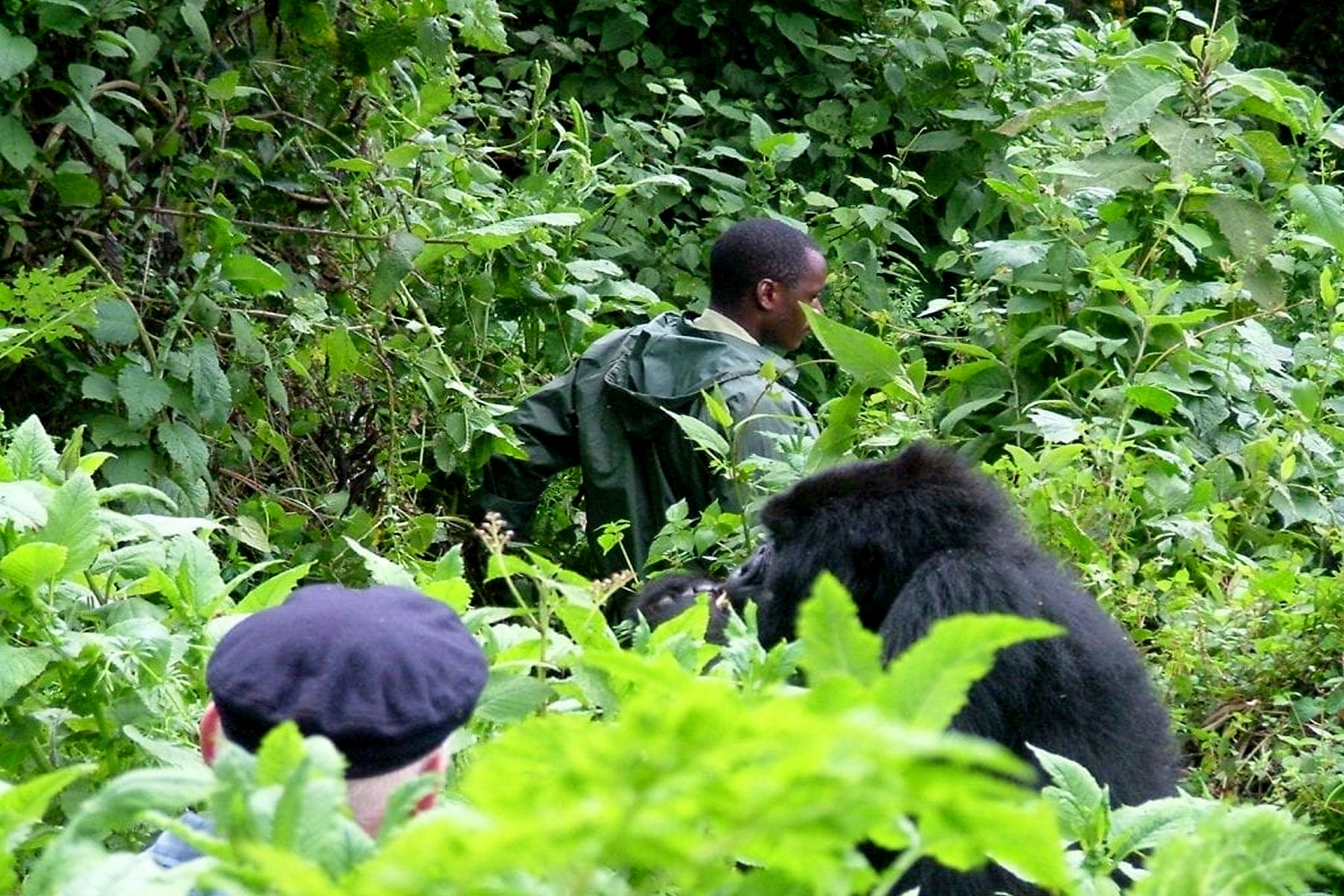
7. Can Older Travellers Hire a Porter?
Yes. Porter assistance can be especially helpful for physically capable older travellers who prefer not to carry heavy belongings.
8. Can a Porter Carry Camera Equipment?
Yes, properly packed photography equipment can usually be included in the agreed carrying arrangement. Discuss fragile or heavy equipment beforehand.
9. Does a Porter Follow You During Gorilla Observation?
Porters follow the instructions of the authorised conservation team and may remain at designated positions. Their presence beside visitors throughout the observation period is not guaranteed.
10. Does Hiring a Porter Make Gorilla Habituation Easier?
It can reduce the effort required to carry personal belongings, but it cannot remove steep terrain, unpredictable trekking distances, or changing weather conditions.
11. Can You Arrange a Porter on the Trekking Day?
Porters can often be arranged locally, subject to availability. Requesting assistance through your safari organiser in advance is generally more convenient.
12. Does Hiring a Porter Support Local Communities?
Yes. Porter employment provides income opportunities for people living around Bwindi and contributes to the economic benefits associated with wildlife tourism.
Book Your Gorilla Habituation Safari With Porter Assistance
If you are planning to experience mountain gorilla habituation in Uganda, arranging a reliable safari itinerary and suitable trekking support can make your journey more comfortable. Whether you are travelling independently, as a couple, or as part of a small private group, careful organisation ensures that transportation, accommodation, permits, and activity preparations are handled in advance. Porter assistance can also be discussed as part of your trekking arrangements.
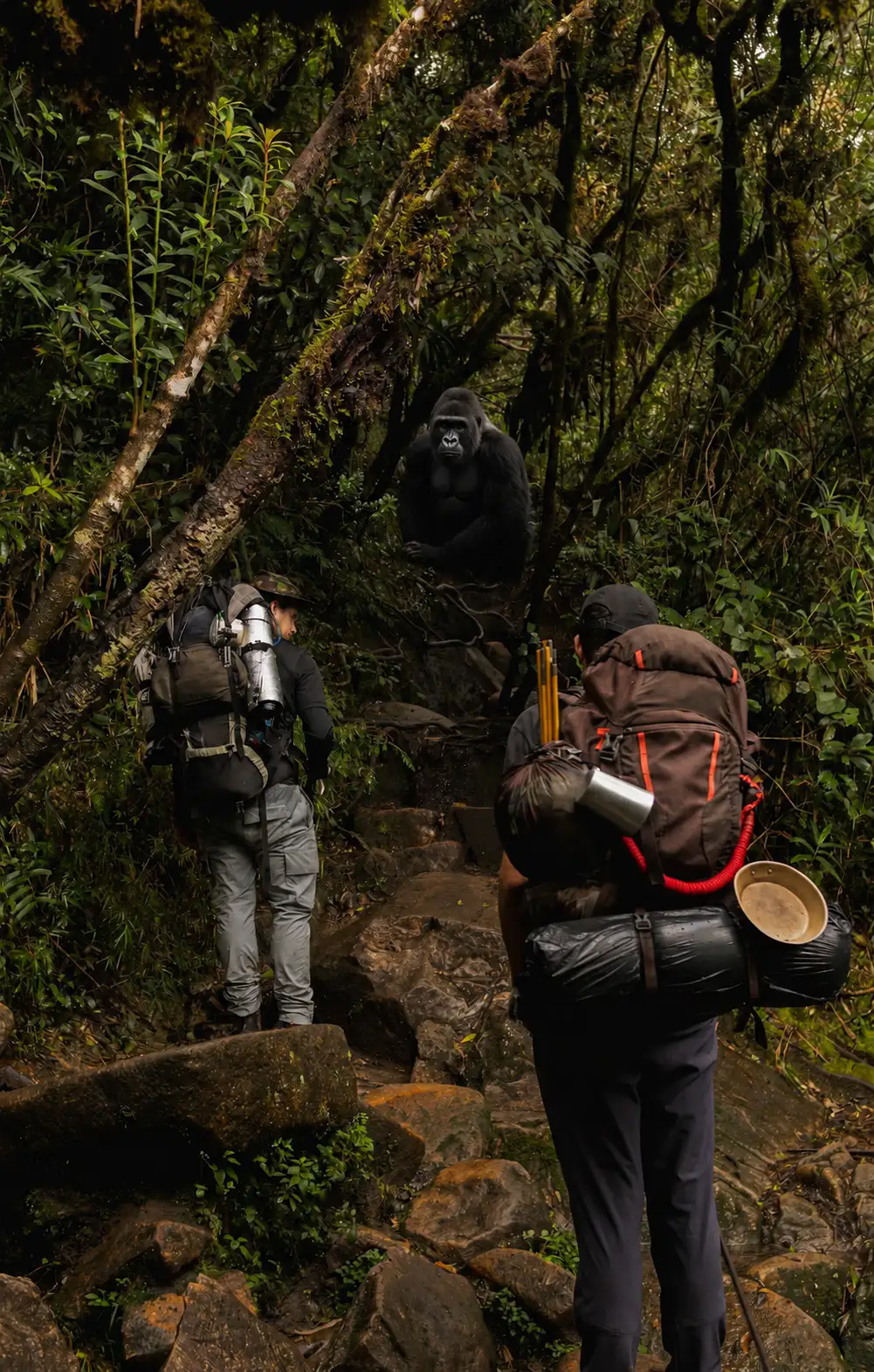
When booking a Porter for Gorilla Habituation, inform your safari organiser about any particular needs, including photography equipment, mobility concerns, or assistance with personal belongings. Your organiser can then help confirm locally available arrangements before the experience. Travellers entering through Rwanda may explore our three-day luxury gorilla habituation safari from Kigali, while those arriving through Entebbe can consider our three-day luxury gorilla habituation safari from Entebbe.
For travellers seeking a longer experience, our five-day Bwindi gorilla habituation safari provides additional time to explore the destination. You can also browse our Uganda gorilla habituation safari tours to find an itinerary that matches your preferred travel dates and interests.
Final Verdict: Should You Hire a Porter for Gorilla Habituation in Bwindi?
Hiring a porter for gorilla habituation is one of the most practical ways to improve comfort during a potentially demanding rainforest adventure. Although porter assistance is not generally mandatory, it can be particularly beneficial for beginners, photographers, older travellers, and anyone who prefers not to carry a heavy backpack across Bwindi’s mountainous terrain. The assistance offered can help reduce fatigue while allowing visitors to concentrate on the remarkable experience of observing mountain gorillas in their natural habitat.
Choosing a Porter for Gorilla Habituation also creates an opportunity to support local employment around Bwindi. However, visitors should remember that porters do not replace official conservation personnel, remove the need for reasonable fitness, or guarantee an easy trekking route. Suitable hiking equipment, realistic preparation, professional guidance, and respect for wildlife regulations remain essential.
If your goal is to make the experience as comfortable and rewarding as possible, arranging a porter is a sensible addition to your gorilla habituation safari. Explore our gorilla habituation trekking experiences and prepare for an unforgettable journey into Bwindi Impenetrable National Park.