

Is Gorilla Habituation Safe? Complete Gorilla Habituation Safety Guide for Bwindi
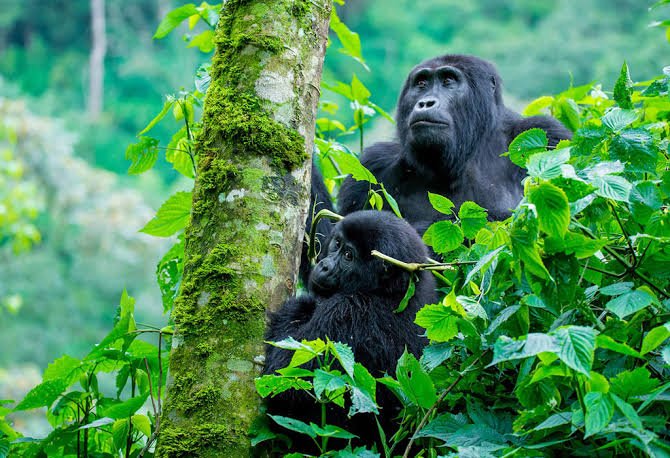
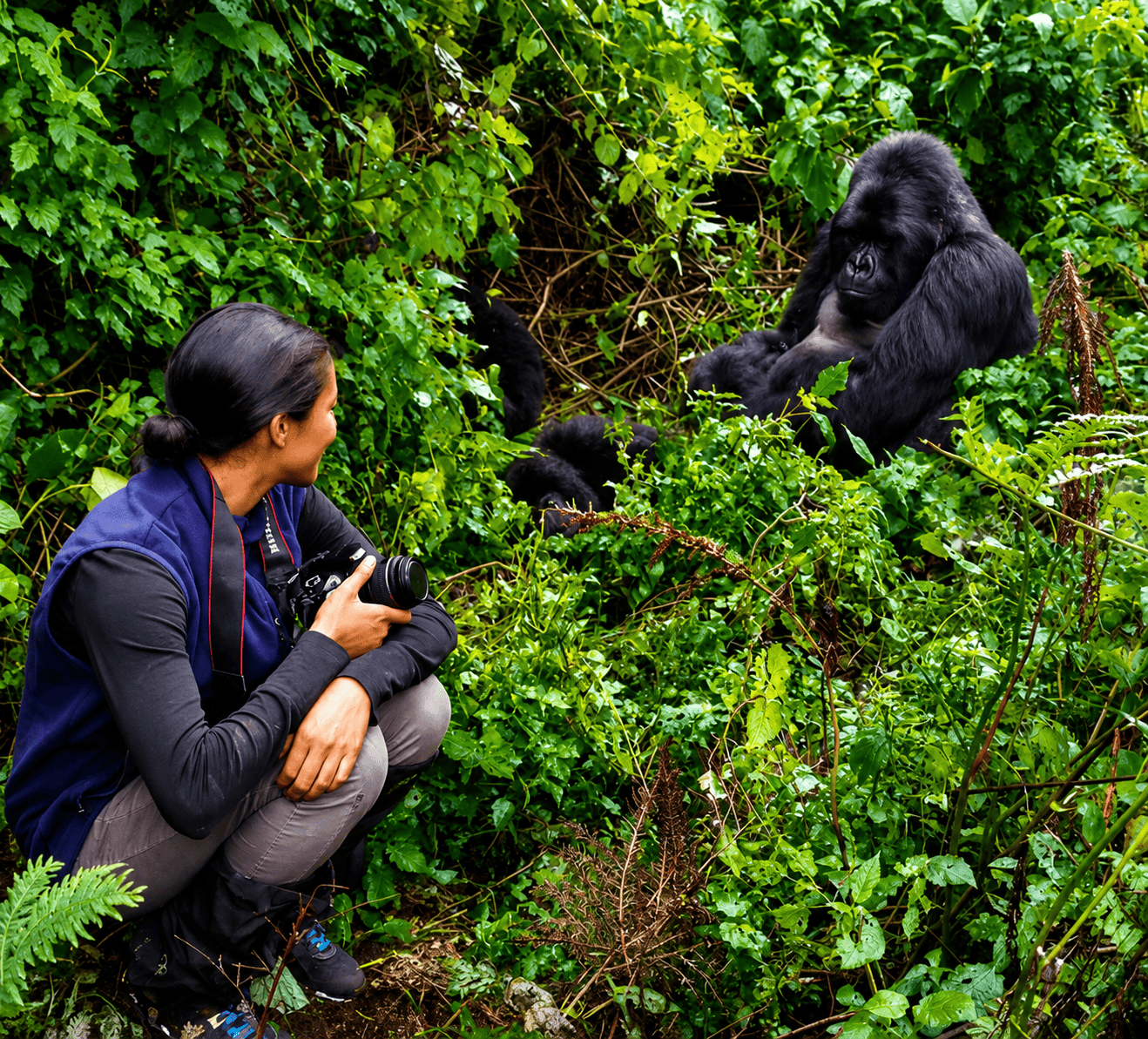
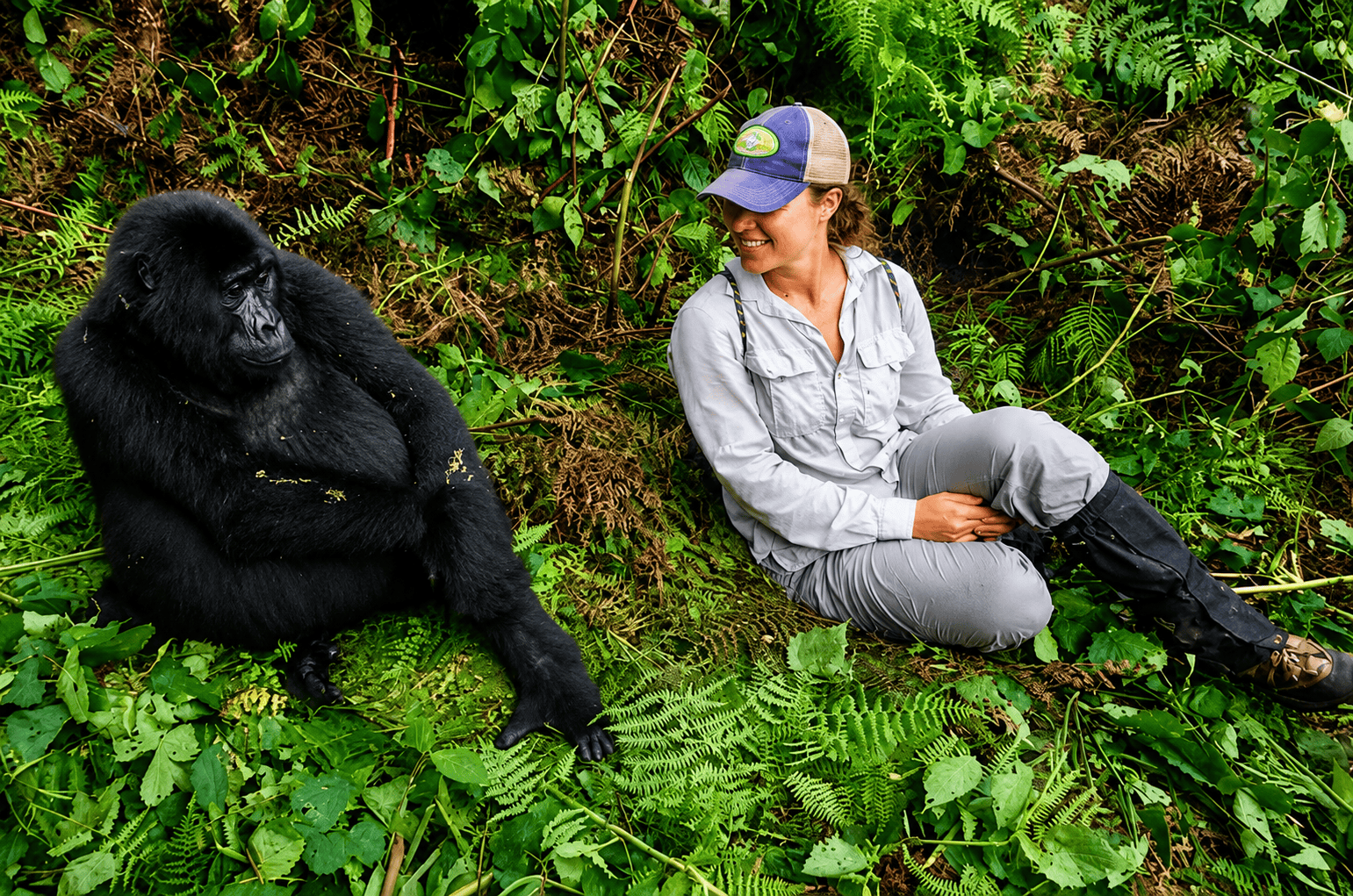
Yes, gorilla habituation in Uganda is a professionally managed wildlife experience that many travellers complete safely every year, but it is important to understand that no encounter with wild animals or journey through a remote rainforest is entirely risk-free. Gorilla habituation takes place in Bwindi Impenetrable National Park, where visitors join authorised conservation personnel to observe mountain gorilla families undergoing the gradual process of becoming accustomed to human presence. The experience follows established wildlife management procedures, involves professional guidance, and operates under the supervision of the Uganda Wildlife Authority. Nevertheless, visitors must follow strict instructions, prepare for challenging forest conditions, and remain aware of both wildlife and wider travel risks.
Understanding Gorilla Habituation Safety is especially important because this activity differs from ordinary gorilla trekking. Standard gorilla trekking generally allows one hour with an already habituated family, while the specialised Gorilla Habituation Experience permits up to four hours of observation once the participating family has been located. The gorillas are still undergoing habituation, making patience, controlled movement, and respect for conservation instructions particularly important. Visitors travel through a natural forest environment where steep hills, slippery roots, unpredictable rainfall, and wildlife movements can influence the day’s experience.
The purpose of this guide is to explain Gorilla Habituation Safety honestly and comprehensively, including how rangers protect visitors, whether mountain gorillas are dangerous, what happens when a silverback becomes agitated, how to reduce health risks, and why careful safari planning matters. With appropriate preparation, visitors can approach this extraordinary conservation experience with confidence while understanding their responsibilities to the animals, the forest, and the people accompanying them.
1. How Safe Is Gorilla Habituation in Uganda?
Gorilla habituation operates within a regulated national park where authorised personnel supervise tourist activities and conservation procedures. Visitors do not independently enter the forest to approach gorillas. Instead, they participate in an organised activity involving knowledgeable rangers, trackers, and habituation personnel who understand mountain gorilla behaviour and the environment. The team determines how visitors approach the participating family, where they should stand, and when the encounter must change or end.
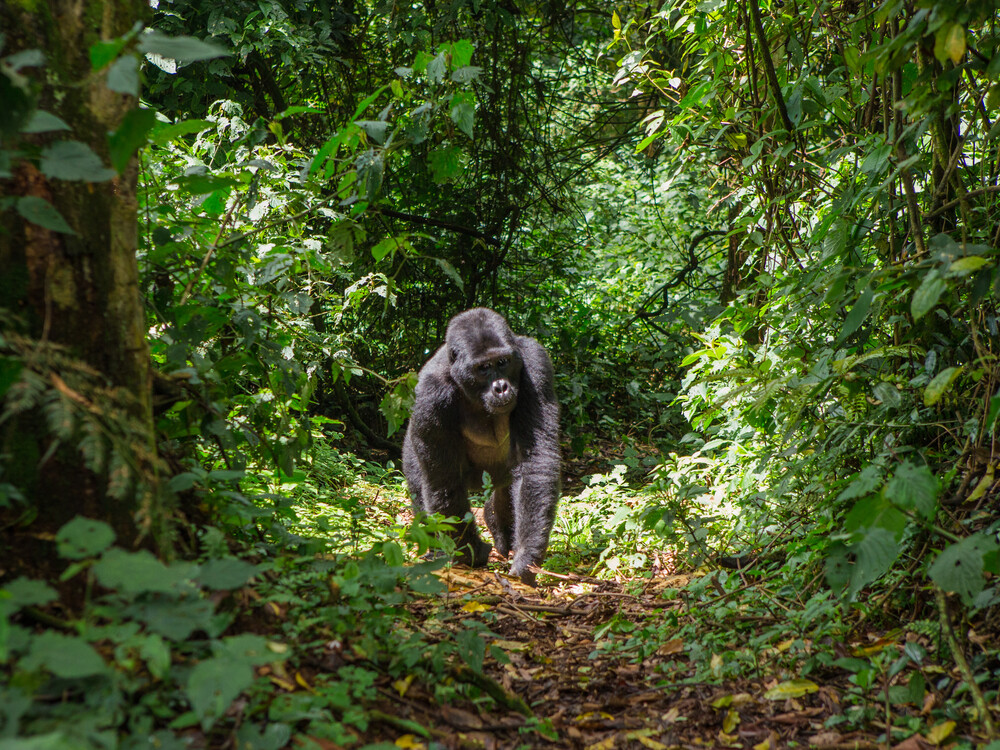
Gorilla Habituation Safety depends on this professional supervision as well as the actions of visitors themselves. The purpose of established rules is not simply to create an orderly tourism experience but to reduce unnecessary disturbance, close contact, and potentially dangerous situations. Visitors who follow instructions, maintain appropriate distance, and remain with the group are better positioned to enjoy the activity responsibly. To understand how these procedures fit within the wider conservation environment, explore our Bwindi Impenetrable National Park gorilla habituation guide.
2. Are Mountain Gorillas Dangerous to Humans?
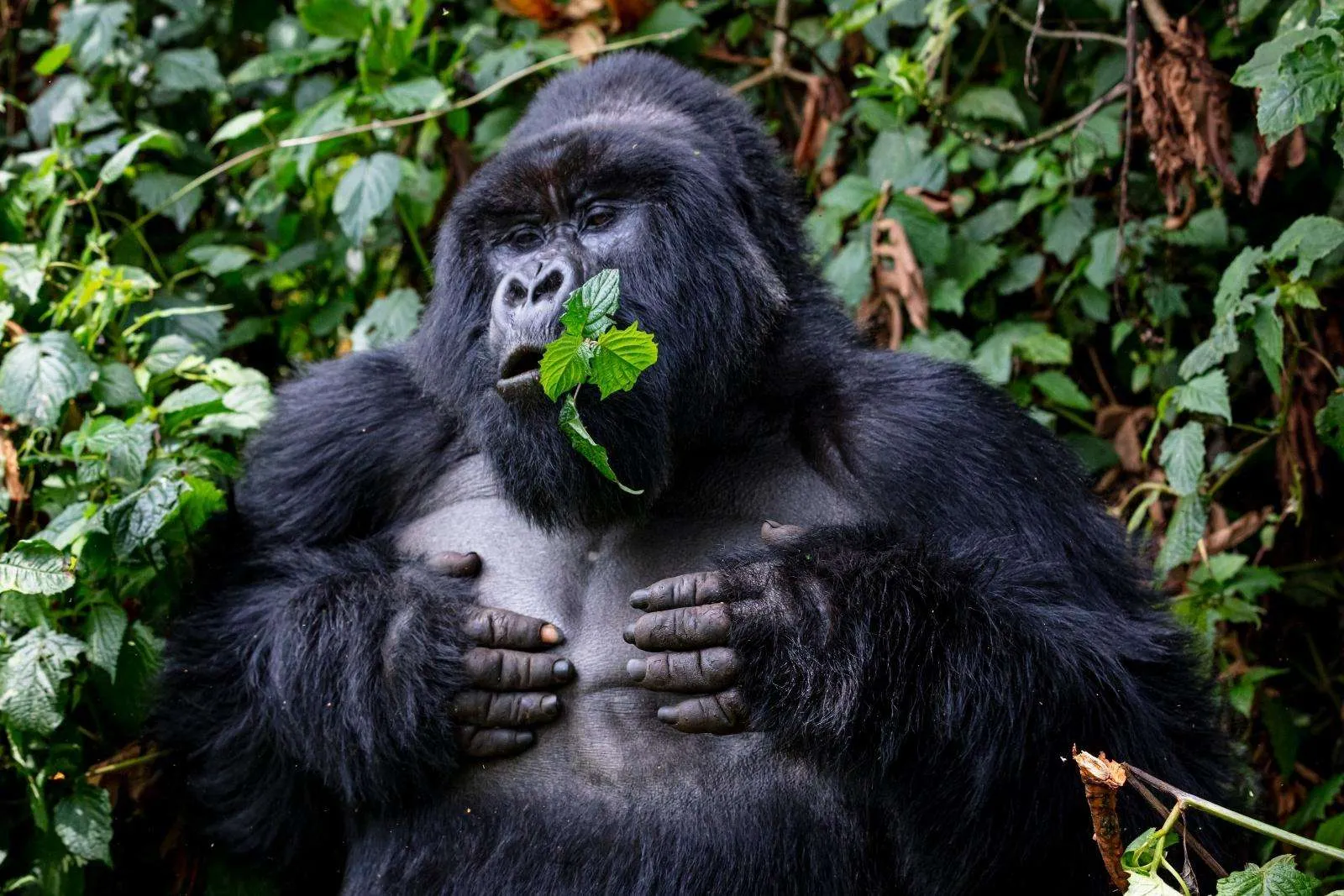
Mountain gorillas are powerful wild primates, and their strength should never be underestimated. However, they are not naturally interested in attacking people who behave calmly and respect their space. Gorillas spend much of their day feeding, resting, grooming, and interacting with family members. Their behaviour is influenced by social relationships, environmental conditions, and their perception of potential threats. A silverback may display defensive behaviour when protecting his family, particularly if people approach too closely or act unpredictably.
A central principle of Gorilla Habituation Safety is understanding that the gorillas remain wild animals even when they become increasingly accustomed to human observers. Visitors should never attempt to touch a gorilla, imitate its sounds, move towards its young, or approach it for a photograph. Such actions can disturb the family and create unnecessary risks. The gorilla habituation process is designed around gradual, carefully managed exposure to people rather than forcing animals to tolerate unrestricted human contact.
3. Why Gorilla Habituation Is Different From Regular Gorilla Trekking
Regular gorilla trekking takes visitors to a family that has already become accustomed to carefully managed human observation. Gorilla habituation involves a family that is still undergoing that process, with conservation personnel continuing to assess how the animals respond to human presence. This difference makes the specialised experience particularly interesting for travellers passionate about conservation, but it also means the team may need to respond to changing animal behaviour throughout the encounter.
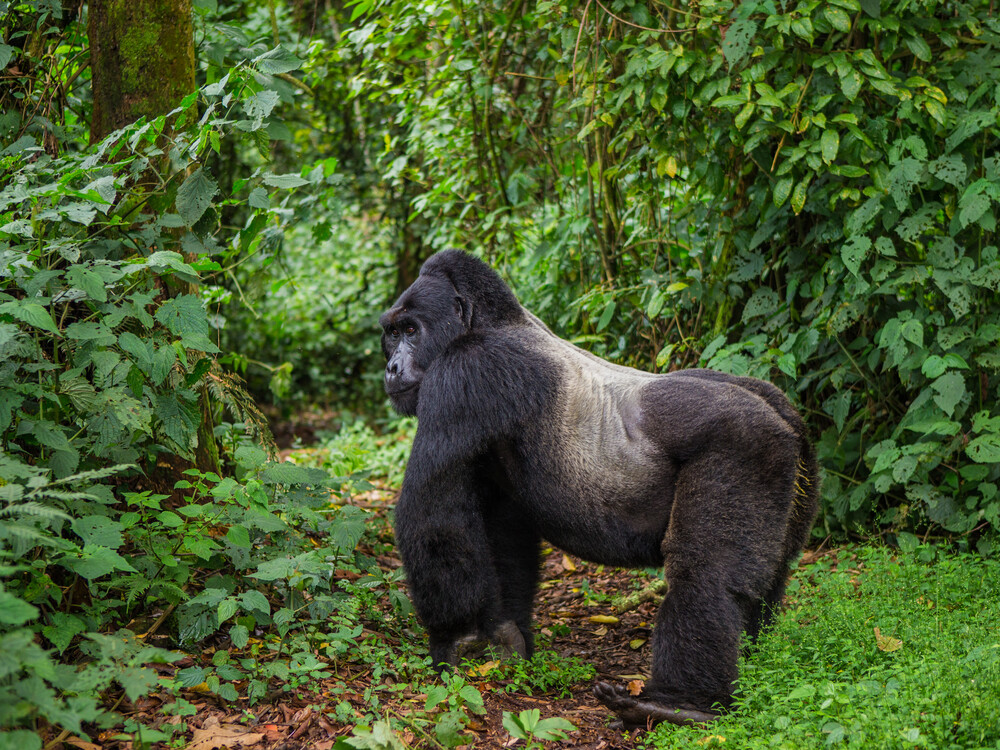
Gorilla Habituation Safety therefore requires greater emphasis on patience and compliance with instructions. A participating gorilla family may move away, change feeding locations, or show signs that observers should remain farther back. Visitors cannot demand a particular viewing position or insist on completing the maximum observation period if conservation personnel determine that circumstances are unsuitable. The distinction between these experiences is explained further in our guide to gorilla habituation in Uganda, which introduces the conservation purpose behind extended observation.
4. How Uganda Wildlife Authority Rangers Protect Visitors
Uganda Wildlife Authority personnel play a central role in managing gorilla encounters and protecting visitors inside Bwindi. Rangers and trackers work within established conservation procedures, monitor the surrounding environment, and communicate instructions throughout the trek. Their knowledge of the forest and gorilla behaviour allows them to assess situations that inexperienced visitors may find difficult to interpret. Security personnel routinely accompany gorilla-tracking activities in this region as part of established protective arrangements.
Gorilla Habituation Safety is strengthened by having professionals who can manage group movement and respond to concerns. Visitors should listen carefully during the briefing, remain with their assigned team, and avoid walking ahead of the guides or independently searching for gorillas. Some security personnel may carry firearms as part of their protective duties, but this should not be interpreted as a guarantee against every possible risk or as permission to approach wildlife recklessly. The most important protection remains prevention through proper procedures and responsible visitor conduct.
5. Are Armed Rangers Present During Gorilla Habituation?
Security arrangements in Bwindi commonly involve trained personnel accompanying gorilla activities. This reflects the park’s remote terrain, natural wildlife environment, and location in southwestern Uganda near international borders. Armed security personnel may form part of the authorised team, but their presence should be understood as a precautionary measure rather than evidence that gorilla encounters normally result in confrontations. The primary activity remains a conservation-focused wildlife experience.
Gorilla Habituation Safety should never be judged solely by the presence of armed personnel. Effective visitor protection also depends on reliable information, appropriate routing, clear communication, and cooperation with park authorities. Visitors should select legitimate operators and confirm that the activity takes place through recognised entry points. Our guide to the best entry points for gorilla habituation explains why using the correct authorised access arrangements matters when organising your forest visit.
6. What Happens if a Silverback Gorilla Becomes Aggressive?
Silverback gorillas may communicate through vocalisations, body posture, chest-beating, movement, or other displays. Some displays are warnings or expressions of excitement rather than attempts to attack. However, visitors should never assume they can accurately interpret a gorilla’s intentions without professional guidance. Conservation personnel understand the individual family’s behaviour and are responsible for directing visitor responses whenever a gorilla appears uncomfortable or agitated.
One of the most important Gorilla Habituation Safety rules is to remain calm and follow the ranger’s instructions immediately. Do not scream, run, approach the gorilla, or make sudden movements. Depending on the situation, the ranger may instruct visitors to remain still, lower their posture, avoid direct staring, or move away in a controlled manner. Visitors should follow the specific instruction given rather than relying on a rigid response learned from a travel article. Respectful behaviour and adequate separation are essential for preventing unnecessary escalation.
7. Why Keeping a Safe Distance From Gorillas Matters
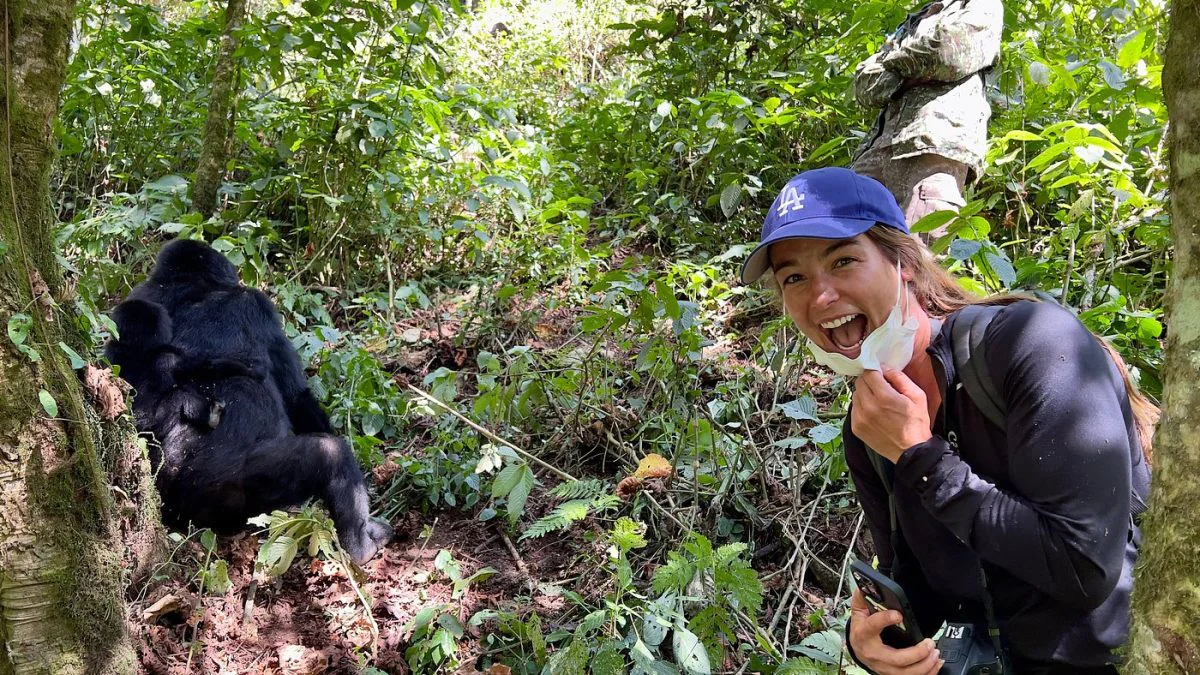
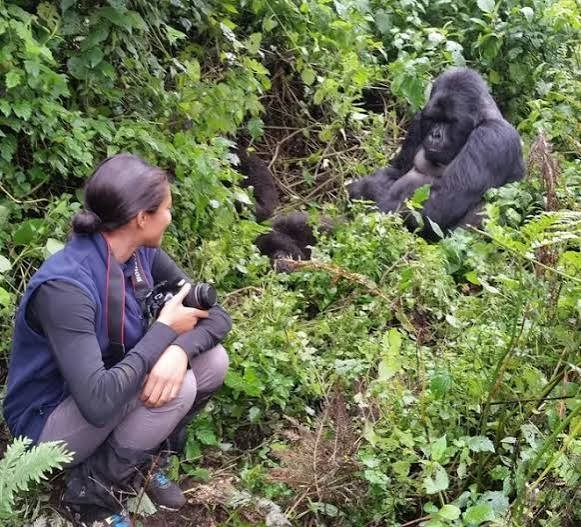
Maintaining adequate distance is essential for protecting both visitors and mountain gorillas. Close contact can increase the risk of disease transmission and may create stress or defensive behaviour among the animals. Uganda Wildlife Authority’s published gorilla tracking regulations specify a minimum separation distance, and visitors must follow the current distance communicated by their ranger team. There may be occasions when a gorilla moves towards the group, but visitors should never deliberately approach the animal to reduce the distance.
Gorilla Habituation Safety requires visitors to respect boundaries even when the animals appear relaxed. A gorilla resting quietly does not provide permission to move closer, and an excellent photographic opportunity should never take priority over conservation rules. If a gorilla approaches, remain calm and follow instructions about moving away. Avoid touching the animal under any circumstances. Our guide to gorilla habituation in Rushaga provides additional context about observing gorillas within their natural forest environment.
8. Can Gorillas Transmit Diseases to Humans?
Close contact between humans and other primates can create health risks in both directions. Mountain gorillas and humans share biological similarities that make some infectious diseases capable of crossing between species. Respiratory infections are particularly important because gorillas can be vulnerable to pathogens carried by visitors. For this reason, protecting gorilla health is a major consideration in wildlife viewing regulations, and any required face-mask or hygiene procedures must be followed.
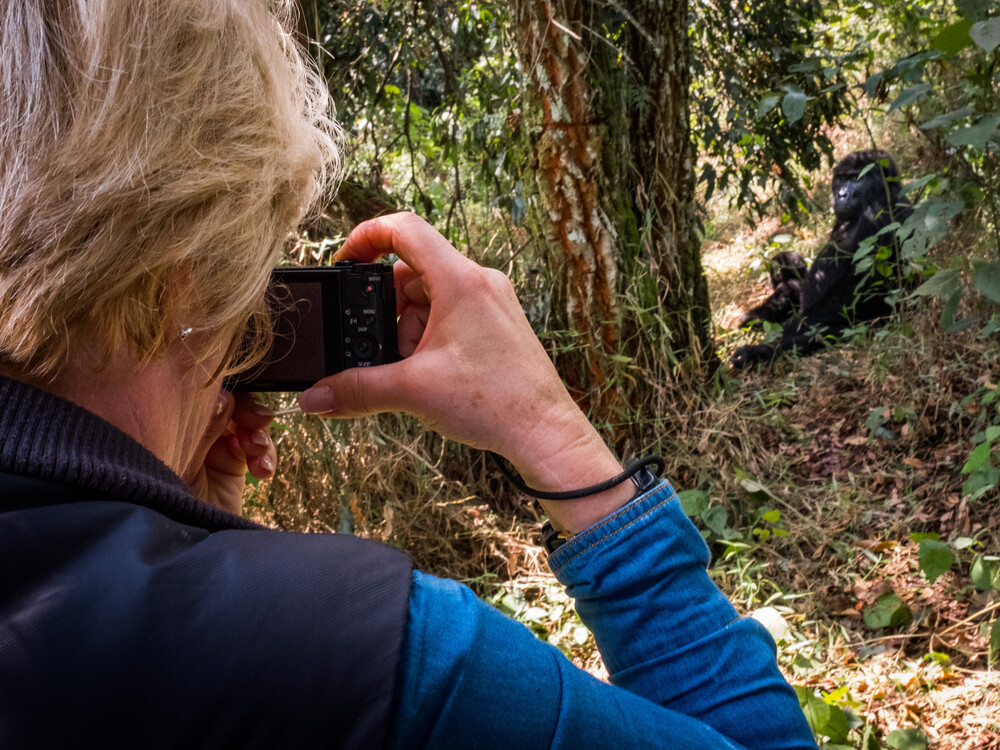
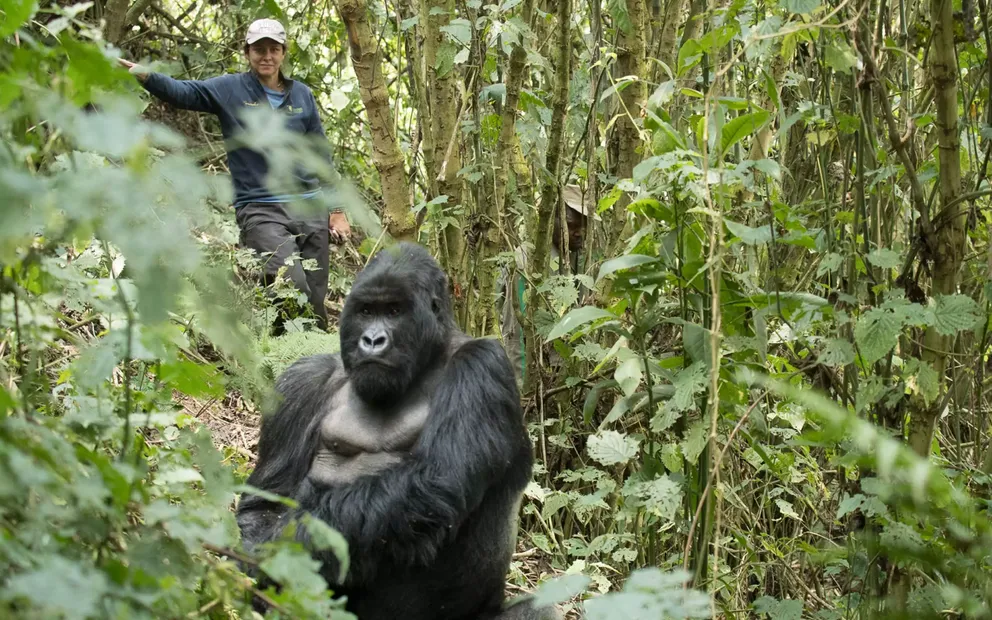
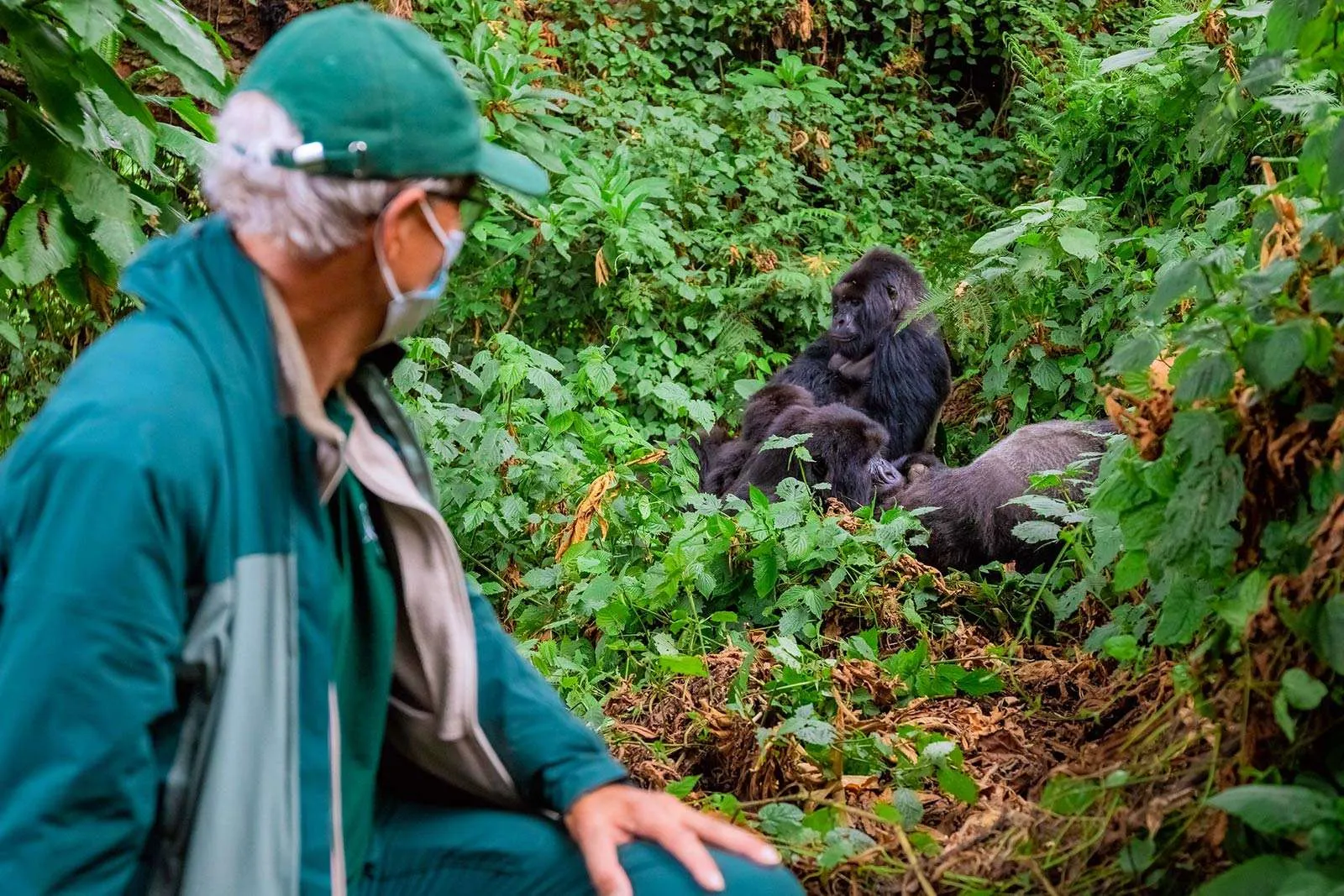
Gorilla Habituation Safety is therefore also a matter of responsible disease prevention. Visitors should avoid touching gorillas, keep the required distance, and never leave food or personal waste in the forest. If you are suffering from a cold, fever, cough, or another potentially infectious condition, disclose this before the activity and follow the park’s instructions. Continuing with an infectious illness could endanger animals that conservation teams are working hard to protect. Visitors should obtain personalised health advice before travel and respect all procedures communicated during the briefing.
9. Why You Should Not Visit Gorillas When You Are Sick
One of the most important conservation responsibilities is avoiding gorilla encounters when you have symptoms of a potentially infectious illness. Even an apparently minor human respiratory infection may represent a significant risk to endangered mountain gorillas. Uganda Wildlife Authority has procedures that can prevent visitors showing signs of illness from participating, and decisions about medical assessments, cancellations, or permit arrangements remain subject to the applicable rules.
Gorilla Habituation Safety must take priority over a traveller’s disappointment at missing a highly anticipated experience. Visitors should inform their tour operator and the authorised park team if they become unwell before the scheduled activity. It is also sensible to obtain suitable travel insurance and understand the applicable permit cancellation conditions before travelling. Our gorilla habituation permit information and Uganda Wildlife Authority permit guide explain the reservation arrangements visitors should consider in advance.
10. Is Gorilla Habituation Safe During the Rainy Season?
Gorilla habituation can take place during Uganda’s wetter months when park operations and conditions permit. However, rainfall creates additional challenges because pathways may become muddy, steep hillsides can be slippery, and exposed roots may provide unreliable footing. Bwindi receives rain throughout the year, with generally wetter periods around March to May and October to November. Visibility and walking comfort can also change as showers pass through the mountainous forest.
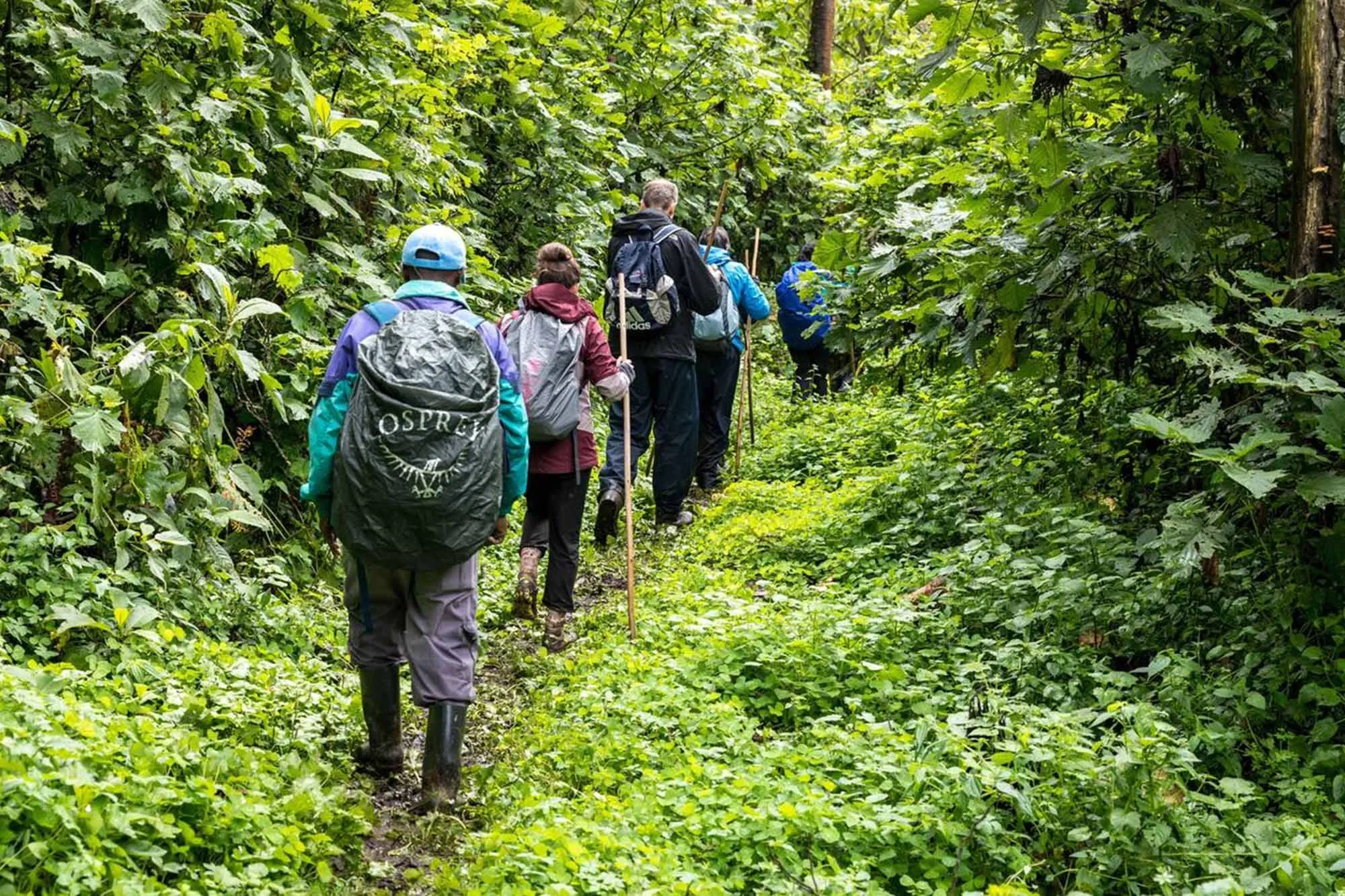
Gorilla Habituation Safety during rainy weather depends on appropriate preparation and the judgment of authorised personnel. Waterproof hiking boots with good traction, long trousers, rain protection, and careful walking help reduce avoidable discomfort. Visitors should never attempt to cross difficult terrain independently or ignore instructions because they are concerned about reaching the gorillas quickly. The forest’s natural conditions form part of the experience, and conservation teams must retain the ability to adjust activities when safety considerations require it.
11. How Safe Are the Steep Forest Trails in Bwindi?
Bwindi’s steep slopes, exposed roots, uneven paths, and dense vegetation can present physical challenges, particularly for visitors who are not accustomed to mountain walking. Although the park is visited by many tourists, its terrain remains a natural rainforest environment rather than a developed recreational trail network. Gorilla locations change, meaning the trekking route and amount of climbing cannot be guaranteed in advance.
A major component of Gorilla Habituation Safety is preparing for the physical demands before arriving in Uganda. Visitors should be comfortable walking for several hours, managing uphill and downhill sections, and maintaining balance on uneven ground. Suitable hiking boots, adequate hydration, and moderate fitness preparation are important. Hiring a local porter can also reduce the equipment carried and may provide practical support when appropriate. Read our gorilla habituation trek duration guide to understand why walking requirements vary from one day to another.
12. Is Gorilla Habituation Safe for Beginners?
Beginners can participate in gorilla habituation if they meet the applicable age and health requirements and have sufficient physical ability for a potentially demanding forest trek. Previous experience observing wild gorillas is not necessary because authorised conservation personnel guide the activity and explain the required visitor behaviour. However, first-time participants should understand that the experience is not simply a short nature walk or a wildlife encounter in a controlled enclosure.
Gorilla Habituation Safety for beginners improves when travellers prepare realistically. Regular walking, practice on hills, comfortable footwear, and an understanding of the forest environment can help build confidence. Visitors should communicate any concerns about fitness or mobility before booking rather than waiting until the trekking day. A properly organised three-day gorilla habituation Uganda itinerary can allow time to arrive near the park and rest before undertaking the activity.
13. Is Gorilla Habituation Safe for Older Travellers?
Age alone does not determine whether someone can safely participate in gorilla habituation. Many older travellers remain physically active and are capable of completing extended rainforest hikes. The more important considerations are individual fitness, balance, mobility, stamina, and any health conditions that could affect walking on steep or uneven terrain. Participants should assess these factors honestly rather than relying on general descriptions of the experience.
Gorilla Habituation Safety for older visitors can be improved through thoughtful safari planning, suitable footwear, practical porter assistance, and enough rest before and after the trek. Travellers with cardiovascular concerns, significant joint pain, or mobility limitations should seek individual medical advice before booking. The availability of specialised assistance for limited mobility must be confirmed rather than assumed. Comfortable accommodation near Bwindi can also reduce unnecessary travel fatigue when preparing for the forest experience.
14. Why Hiring a Porter Can Improve Trekking Safety
Local porters assist visitors by carrying backpacks, packed meals, drinking water, and other personal equipment. Reducing the weight carried may make it easier to maintain balance during uphill or downhill walking and can help visitors conserve energy. Depending on the circumstances and the agreed arrangements, porters may also offer practical assistance when navigating difficult sections of the forest.
A Porter for Gorilla Habituation can contribute to Gorilla Habituation Safety by reducing unnecessary physical strain, but their role should not be confused with that of official rangers or medical personnel. They cannot guarantee an easy route or eliminate the natural hazards of the rainforest. Visitors remain responsible for following instructions and recognising personal limitations. Porter employment also provides income opportunities for communities around Bwindi, connecting responsible travel with local livelihoods. Travellers should discuss porter arrangements before the activity, particularly when carrying substantial photography equipment.
15. Are There Other Dangerous Animals in Bwindi Forest?
Bwindi is home to a variety of wildlife beyond mountain gorillas, including forest mammals, birds, insects, and reptiles. Some species may present risks if approached, surprised, or disturbed, although visitors are not ordinarily seeking close encounters with them during a gorilla habituation activity. Forest elephants and other wildlife should always be treated with respect, and visitors should not independently investigate unfamiliar animals or sounds encountered along the route.

Gorilla Habituation Safety relies on staying with the authorised team and allowing professional personnel to assess wildlife encounters. Visitors should avoid placing their hands into vegetation without checking where they are reaching, attempting to touch animals, or leaving the assigned group to take photographs. Keeping a suitable distance from unfamiliar wildlife and following the ranger’s instructions are sensible precautions in any natural forest environment. Understanding the wider biodiversity of Bwindi Impenetrable National Park adds appreciation to the experience without encouraging unnecessary interaction with wildlife.
16. Is Gorilla Habituation Safe for International Tourists?
Gorilla habituation is an established tourism activity in Uganda, but international visitors should distinguish between the professionally managed forest encounter and the broader travel-security situation. Bwindi lies in southwestern Uganda near the Democratic Republic of the Congo and Rwanda. Security conditions in neighbouring parts of the region can change, and some foreign governments advise travellers to exercise particular caution around western Uganda and international borders.
An important part of Gorilla Habituation Safety is reviewing current official travel advice shortly before departure rather than relying on a permanent assurance that an area is completely safe. Visitors should use reputable, appropriately registered tour operators, follow Uganda Wildlife Authority and local security instructions, and avoid unplanned cross-border travel into areas subject to warnings. Travel insurance should be checked for relevant regional exclusions. The best entry points for gorilla habituation can help travellers understand recognised approaches to the park, but security decisions should always reflect the latest authoritative guidance.
17. Is Travelling From Kigali to Bwindi Safe?
Kigali is a commonly used arrival point for travellers planning gorilla habituation in southern Bwindi. The route involves travelling from Rwanda into Uganda through an appropriate international border crossing before continuing towards the Rushaga area. Visitors should use authorised crossings, carry valid travel documents, and confirm current immigration requirements before departure. Road conditions, border procedures, weather, and regional security considerations may affect travel arrangements.
Gorilla Habituation Safety begins before visitors reach the rainforest. A reliable driver-guide, suitable vehicle, realistic journey timing, and accommodation near the briefing point can help avoid unnecessary stress. Border procedures and security conditions are subject to change, so travellers should not assume that a route will always operate exactly as previously described. For a practical example of the journey, explore our three-day luxury gorilla habituation safari from Kigali or consult the guide to reaching Bwindi’s habituation sector.
18. How Safe Is the Road Journey From Entebbe to Bwindi?
Travellers arriving through Entebbe can reach Bwindi by road or, where available and suitable, by domestic flight followed by a road transfer. An overland journey involves several hours of travel and may include winding roads, steep sections, and changing weather conditions near the forest. Road safety depends on vehicle condition, driver experience, traffic, and the time allowed for travel. Travellers should avoid unnecessarily rushed itineraries, particularly when tired after an international flight.
Gorilla Habituation Safety is improved when the wider journey is organised with adequate rest and sensible transport arrangements. A professional driver familiar with southwestern Uganda, a suitable vehicle, and appropriate daytime travel planning can reduce avoidable travel-related problems. Visitors considering different arrival options can read our guide to Rushaga from Entebbe and explore the three-day luxury gorilla habituation safari from Entebbe before selecting their preferred route.
19. What Health Precautions Should Visitors Take Before Gorilla Habituation?
Travellers should review their routine vaccinations, destination-specific health advice, personal medication, and travel insurance before visiting Uganda. A qualified travel-health professional can advise on malaria prevention, recommended vaccinations, and individual medical considerations based on the itinerary and current conditions. Visitors should also prepare for physical exertion by staying adequately hydrated and avoiding unnecessary fatigue before the activity.
Gorilla Habituation Safety includes preventing illness as well as preparing for the forest. Carry personal medications in appropriate protective packaging, inform your organiser about requirements that could affect participation, and follow hygiene instructions during the encounter. Drinking water and food are important during a long trekking day, but eating and drinking should occur only where permitted away from the gorillas. Visitors should never leave food wrappers, tissues, or other waste in the park. Responsible hygiene protects both the traveller and the wildlife.
20. What Should You Pack for a Safe Gorilla Habituation Experience?
A carefully prepared daypack helps visitors respond to changing weather and prolonged time in the forest. Important items include waterproof hiking boots, long trousers, protective gloves, a lightweight rain jacket, drinking water, packed food, personal medication, and suitable protection for cameras and electronic equipment. Clothing should be comfortable and allow sufficient movement for climbing and descending hills. Waterproof storage can help protect essential belongings during sudden rainfall.
Gorilla Habituation Safety is not improved by carrying unnecessary weight, so visitors should pack carefully and consider local porter assistance where appropriate. Hiking boots should be tested before departure to reduce the chance of discomfort, while personal medication should remain easily accessible. Photographers should avoid handling equipment in ways that distract from their footing or violate wildlife rules. Our best camera for gorilla habituation safari guide provides practical information for visitors planning to photograph mountain gorillas responsibly.
21. What Happens if Someone Gets Injured or Becomes Exhausted?
The challenging nature of rainforest trekking means that fatigue, slips, and minor injuries are possible even when visitors prepare appropriately. Anyone who becomes excessively tired, experiences pain, or feels unwell should inform the ranger team immediately. Depending on the circumstances, the team may assess whether a rest or another adjustment is appropriate. More serious situations may require the activity to end and assistance to be arranged according to the available response procedures.
Gorilla Habituation Safety requires visitors to recognise that emergency assistance in a remote mountainous forest may take time. Medical facilities and evacuation arrangements are not equivalent to those available in a major city. Suitable travel insurance covering trekking activities and emergency medical evacuation is therefore important. Visitors should communicate relevant health concerns before the experience and avoid pushing themselves beyond safe physical limits. A five-day Uganda gorilla habituation safari may provide more comfortable scheduling than an unnecessarily rushed visit.
22. Are Gorilla Habituation Permits and Organised Tours Important for Safety?
Gorilla habituation is a regulated activity requiring the appropriate permit and participation through authorised arrangements. Visitors should not attempt to enter Bwindi independently to locate mountain gorillas or accept unofficial offers to approach gorilla families. Legitimate permits help ensure that visitor numbers and access arrangements are managed through established conservation procedures.
Gorilla Habituation Safety begins with booking through a reliable operator who understands the rules, correct briefing location, and responsibilities of the authorised park team. Before making payment, confirm the operator’s legitimacy, the activity being purchased, and the conditions attached to the permit. Travellers can review the Uganda Wildlife Authority gorilla habituation permits guide and browse our gorilla habituation trekking tours for further planning information.
23. Is Gorilla Habituation Safer During the Dry Season?
The relatively dry months of June through August and December through February can offer more comfortable trekking conditions because some forest pathways may be less muddy. However, Bwindi is a tropical rainforest, and rainfall can occur throughout the year. Even during drier months, visitors may encounter steep slopes, slippery vegetation, roots, and uneven forest ground. The movements of the gorillas also remain unpredictable, meaning an easy route cannot be guaranteed.
Gorilla Habituation Safety is influenced by preparation and conditions on the actual day rather than the calendar alone. A visitor who arrives with appropriate footwear and reasonable fitness during a wetter month may be better prepared than someone who arrives without suitable equipment during a dry month. The best approach is to choose travel dates according to personal preferences and permit availability while preparing for a variety of conditions. Explore our Uganda gorilla habituation safari routes when planning the wider itinerary.
24. How Can Photographers Observe Gorillas Safely?
Gorilla habituation attracts photographers because the extended observation period creates opportunities to study natural behaviour. However, photography must remain secondary to wildlife welfare and personal safety. Visitors should avoid stepping away from the group, pushing through vegetation without permission, or approaching a gorilla to improve the angle of a photograph. Flash photography is prohibited, and equipment should be handled quietly without disturbing the animals.
Gorilla Habituation Safety for photographers also involves keeping equipment manageable during the walk. Large camera bags can increase fatigue, particularly on steep slopes, so practical packing and porter assistance may be valuable. Once near the gorillas, visitors should maintain the required distance and follow directions about positioning. No photograph is worth creating a stressful encounter or placing yourself in an unsafe situation. A luxury Bwindi gorilla photography itinerary can provide inspiration for travellers seeking a photography-focused safari.
25. How to Plan a Safe and Comfortable Gorilla Habituation Safari
The most effective safety preparations begin before departure. Choose an itinerary that allows you to arrive near Rushaga before the trekking day, select accommodation suitable for your needs, and avoid exhausting road journeys immediately before the forest activity. Confirm that permits are secured through authorised procedures and ask your operator about local arrangements, suitable equipment, and the latest official travel advice. If you have concerns about mobility or fitness, discuss them before making non-refundable commitments.
Gorilla Habituation Safety also benefits from allowing sufficient time after the activity to rest. Some visitors prefer to combine habituation with less physically demanding experiences such as game drives in Queen Elizabeth National Park or relaxation near Lake Bunyonyi. Suitable itineraries include our gorilla habituation and Queen Elizabeth safari, five-day Bwindi gorilla habituation safari, and eight-day Uganda wildlife and gorilla habituation tour.
Frequently Asked Questions About Gorilla Habituation Safety
1. Is Gorilla Habituation Safe in Uganda?
Gorilla habituation is a regulated activity supervised by professional conservation personnel. However, wild animals, remote forest conditions, and wider regional travel risks mean it cannot be guaranteed completely risk-free.
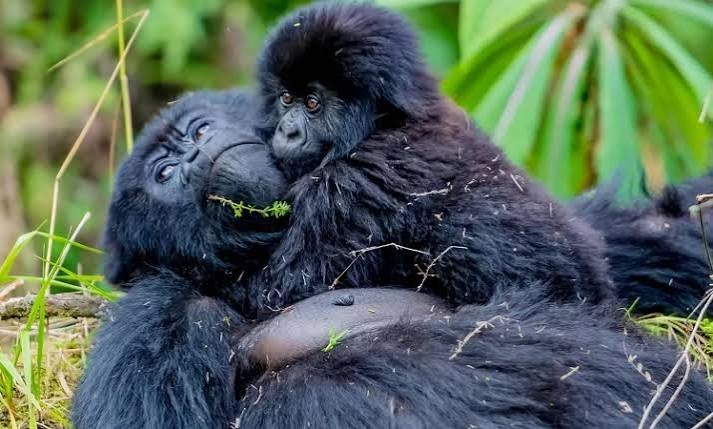
2. Can a Mountain Gorilla Attack a Tourist?
Mountain gorillas are powerful wild animals capable of defensive behaviour. Visitors reduce unnecessary risks by remaining calm, maintaining the required distance, and following ranger instructions.
3. Are Rangers Present During Gorilla Habituation?
Yes. Authorised rangers, trackers, and conservation personnel accompany the experience and manage visitor movements and interactions with the participating gorilla family.
4. Is Gorilla Habituation Safety Different From Regular Gorilla Trekking?
Both activities operate under wildlife management procedures. Habituation involves a family still becoming accustomed to humans and permits a longer observation period, making compliance with instructions particularly important.
5. What Should You Do if a Silverback Charges?
Follow your ranger’s instructions immediately. Do not run, scream, or make sudden movements; the appropriate response depends on the specific situation.
6. Can You Touch a Gorilla During Habituation?
No. Visitors must never deliberately touch, feed, or approach mountain gorillas, even when the animals appear calm.
7. Is Gorilla Habituation Safe During Rainfall?
The activity may continue during rainy conditions when permitted by park personnel. Muddy trails and slippery slopes increase trekking risks, so suitable footwear and careful movement are essential.
8. Can You Participate if You Have a Cold?
Visitors with potentially infectious symptoms should inform the authorised team and should not attempt to visit the gorillas. Protecting endangered primates from human illness is a major conservation priority.
9. Is Gorilla Habituation Safe for Older Travellers?
Physically capable older travellers may participate, but suitability depends on individual health, mobility, stamina, and balance rather than age alone.
10. Do You Need Travel Insurance for Gorilla Habituation?
Appropriate travel insurance is strongly recommended. Check that it covers trekking, medical treatment, emergency evacuation, and any relevant destination exclusions.
11. Is the Rushaga Sector Safe for Tourists?
Rushaga is an established gorilla tourism area, but visitors should follow current park and local security guidance, use reputable operators, and review official travel advisories before departure.
12. Can You Go Gorilla Habituation Without a Guide?
No. Gorilla habituation requires authorised access and professional supervision. Visitors should never independently approach gorilla families.
13. Are Children Allowed on Gorilla Habituation Safaris?
Uganda’s minimum age for gorilla tracking is 15 years. Families should confirm the current eligibility requirements for the specific habituation activity before booking.
14. How Far Should You Stay From Mountain Gorillas?
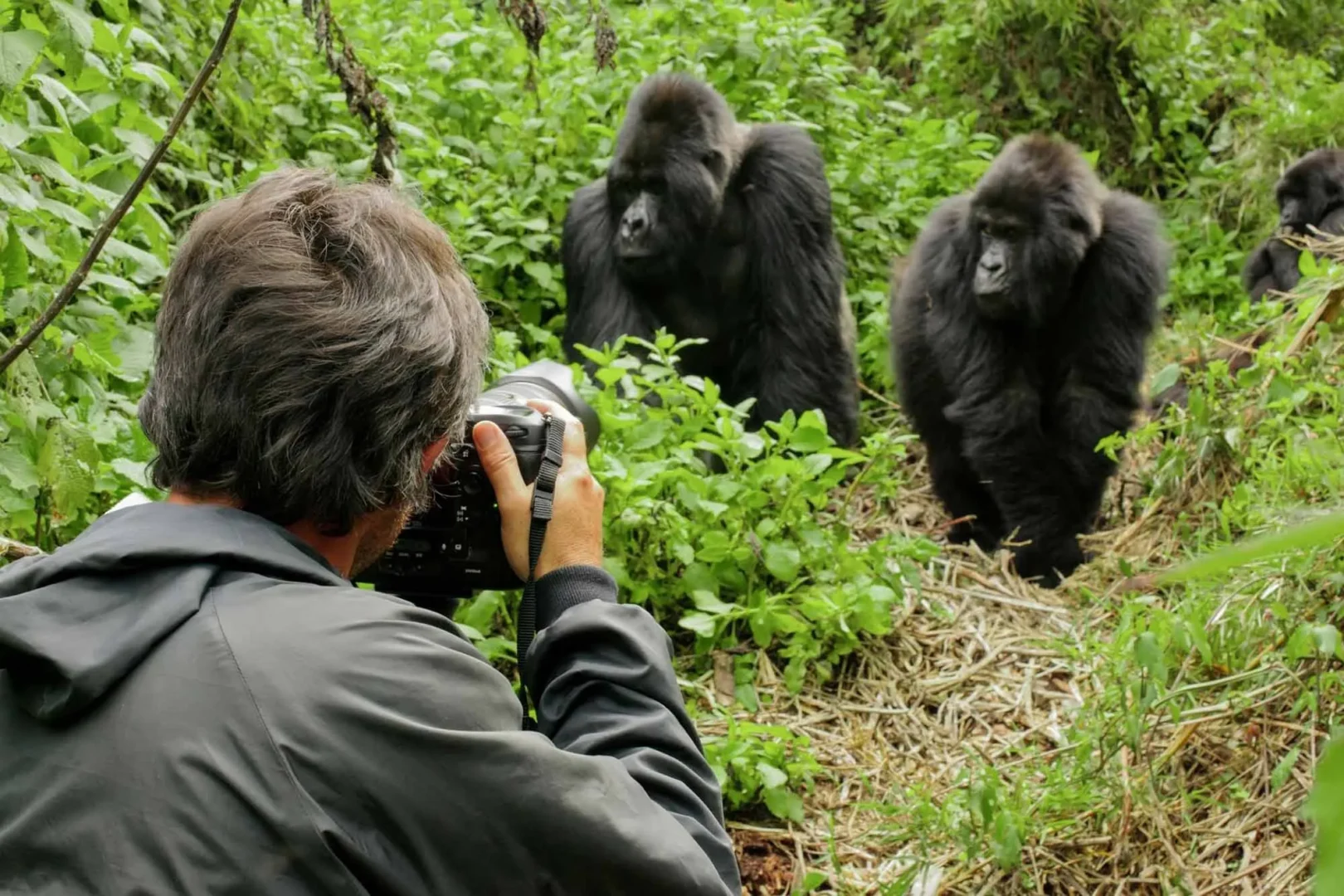
Maintain the minimum distance required by Uganda Wildlife Authority and follow the exact instructions communicated at your briefing. Never move closer to a gorilla without permission.
15. What Is the Most Important Gorilla Habituation Safety Rule?
Follow the instructions of authorised rangers and conservation personnel at all times. Their guidance is essential for protecting both visitors and mountain gorillas.
Book Your Gorilla Habituation Safari in Bwindi
Planning a gorilla habituation safari requires attention to more than the extraordinary wildlife encounter itself. Suitable accommodation, reliable transportation, advance permit arrangements, realistic trekking preparation, and awareness of current travel conditions all contribute to a responsible experience. Whether you are visiting Uganda for the first time or returning to explore Bwindi in greater detail, working with an experienced and appropriately registered tour operator can help you organise the journey more confidently.
Our Uganda gorilla habituation safari tours provide options for travellers entering through Entebbe or Kigali, with different itineraries depending on the amount of time available. Visitors interested in a short journey can explore the three-day luxury gorilla habituation safari from Kigali or the three-day habituation safari from Entebbe. Longer journeys may include Queen Elizabeth National Park, Lake Bunyonyi, and other wildlife destinations.
Before confirming your safari, ask about authorised permits, the applicable visitor rules, local security conditions, suitable trekking equipment, porter availability, and travel insurance. Gorilla Habituation Safety should remain a priority throughout planning, from choosing the itinerary to following the ranger’s final instructions in the forest.
Conclusion: Is Gorilla Habituation Safe?
Gorilla habituation in Bwindi is a professionally supervised wildlife experience that can be enjoyed responsibly by suitably prepared travellers, but no wilderness activity is completely without risk. The principal considerations include the behaviour of wild gorillas, steep rainforest terrain, changing weather, infectious disease prevention, and the broader security situation in southwestern Uganda.
Gorilla Habituation Safety depends on the combined efforts of conservation personnel, responsible safari organisers, and visitors who respect the rules. Maintaining appropriate distance, listening carefully to rangers, wearing suitable hiking equipment, disclosing illness, and reviewing current travel advice all contribute to a better-managed experience. With realistic expectations and careful preparation, visiting Bwindi can provide an extraordinary opportunity to observe mountain gorillas while supporting the conservation of one of Africa’s most remarkable natural environments.
Explore our gorilla habituation experiences in Uganda and begin planning your journey with wildlife welfare, personal preparedness, and responsible tourism at the centre of your adventure.